World Mental Health Day 2026: awareness, support and ways to help
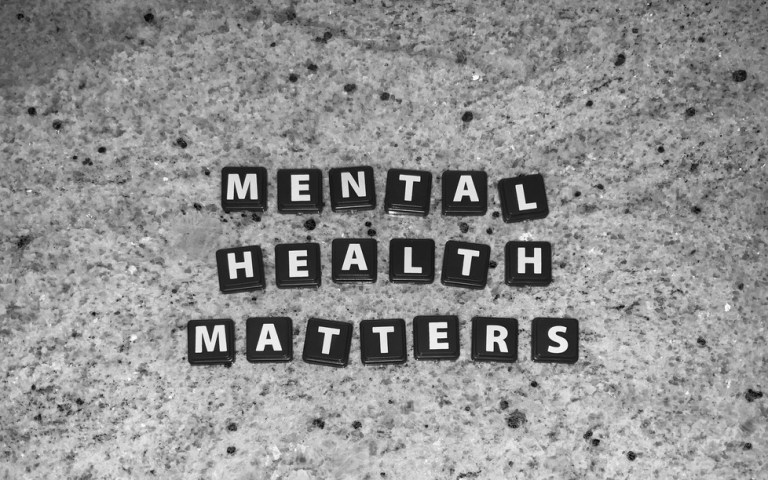
Published in recognition of World Mental Health Day, observed globally on October 10.
Every year on October 10, World Mental Health Day brings people around the world together to raise mental health awareness, challenge stigma, and make it easier to find support. In 2026, World Mental Health Day falls on Saturday, October 10.
World Mental Health Day was first marked in 1992 at the initiative of the World Federation for Mental Health. Today, it’s backed by the World Health Organization.
This year’s theme is “Lived experiences heard: real voices, real change.” It focuses on listening to people who are living with, or have lived through, a mental health condition and making sure their experiences help shape the policies, services, and decisions that affect their lives.
If you or someone you know needs support right now, call or text 988 to reach the 988 Suicide & Crisis Lifeline. It’s available 24/7. You can also text HOME to 741741 to reach Crisis Text Line. If someone is in immediate danger, call 911.
What is World Mental Health Day?
World Mental Health Day is an annual day dedicated to raising awareness of mental health and encouraging conversations about mental health conditions, care, and support.
Mental health is about more than not having a diagnosis. The World Health Organization describes mental health as a state of well-being that helps people cope with life’s stresses, learn and work well, and take part in their communities.
Mental health conditions, also called mental disorders, include many different experiences. According to the World Health Organization’s mental disorders fact sheet, these include anxiety disorders, depression, bipolar disorder, post-traumatic stress disorder, schizophrenia, and eating disorders.
Every person’s experience is different, which is one reason listening is at the heart of World Mental Health Day 2026.
When is World Mental Health Day 2026?
World Mental Health Day takes place every year on October 10. In 2026, it falls on Saturday, October 10.
The day creates an opportunity for people, communities, and organizations around the world to talk about mental health, challenge stigma, and consider how people can get the support they need.
Why mental health awareness matters
Mental health conditions are common. According to the World Health Organization’s mental disorders fact sheet, nearly 1 in 7 people around the world, or 1.2 billion people, were living with a mental disorder in 2023. Anxiety and depressive disorders were the most common.
In the U.S., the National Institute of Mental Health estimates that 59.3 million adults, or 23.1% of U.S. adults, experienced some form of mental illness in 2022.
Many people still don’t get the care they need. The World Health Organization reports that, even in high-income countries, only about one third of people with depression receive mental health treatment.
That gap is one reason mental health awareness matters. Talking openly about mental health can help challenge stigma, help people feel less alone, and make it easier to start looking for support.
What is the World Mental Health Day 2026 theme?
The theme for World Mental Health Day 2026 is “Lived experiences heard: real voices, real change.”
Lived experience means knowledge and understanding that come from going through something yourself. Someone who has lived with a mental health condition can have insights that someone who has only read or heard about that experience may not have.
The 2026 World Mental Health Day campaign calls on governments, health systems, and communities to recognize that knowledge as a form of expertise. It encourages them to involve people with lived experience in shaping the care, policies, and support that affect their lives.
The campaign also highlights the importance of community-based care: support that helps people live, work, and stay connected in their communities.
It’s a reminder that listening matters. The people closest to an experience often have important insights into what meaningful support can look like.
Signs it may be time to reach out for mental health support
There’s no single test that can tell you whether a change in mood or behavior is a mental health condition. But the National Alliance on Mental Illness lists common signs in adults and teens that may be worth paying attention to, especially when they last or interfere with daily life.
These signs can include:
- Excessive worry or fear
- Feeling very sad or low, or withdrawing for more than two weeks
- Trouble concentrating, learning, or thinking clearly
- Extreme mood changes, including unusually high moods
- Ongoing irritability or anger
- Pulling away from friends and activities
- Changes in sleep, energy, or eating habits
- Using alcohol or drugs more than usual
- Physical aches or pains with no clear cause
- Thoughts of suicide
Noticing one or more of these signs doesn’t provide a diagnosis. It may be a good time to talk with a doctor or mental health professional.
If thoughts of suicide are part of the picture, reach out right away by calling or texting 988.
Where to find mental health support
Mental health conditions are treatable, and there’s more than one path to getting support.
According to the National Institute of Mental Health, psychotherapy, also called talk therapy, and medication are common forms of treatment. They may be used separately or together depending on the person and condition.
Support doesn’t always have to start with a clinic. NAMI’s HelpLine offers peer support, information, and referrals for people living with a mental health condition, as well as their families and caregivers. You can call 800-950-6264 or text NAMI to 62640, Monday through Friday, 10 AM–10 PM ET.
If you’re not sure where to begin, NIMH’s Find Help for Mental Illnesses page can help you look for providers, treatment options, and lower-cost care.
How to support someone with their mental health
You don’t need the perfect words. Often, what matters most is helping someone feel heard rather than judged.
- Check in, and mean it. Ask how they’re really doing, then make room for the answer.
- Let them lead. Listen to what they say would help, whether that’s company, a ride to an appointment, or space.
- Encourage professional support gently. You could offer to help look for a provider or sit with them while they make a call.
- Keep showing up. Recovery isn’t always a straight line. Checking in again next week or making regular plans can mean a lot.
Mental health care can also come with real costs, including therapy, medication, and time away from work. In those moments, community support can make a practical difference.
How to get involved on World Mental Health Day
There’s no single right way to take part in World Mental Health Day. You might start a conversation, learn more about mental health, support someone you care about, or help an organization doing mental health work.
You can also support people facing the financial costs that can come with mental health care.
People turn to GoFundMe to help cover the costs of therapy and treatment, support a loved one’s recovery, or honor someone they’ve lost by supporting a cause that mattered to them.
You can donate to a fundraiser, share one with others, or start a fundraiser for someone you care about.
- All
Support organizations working on mental health
You can also support nonprofits that provide education, advocacy, and community support. These organizations have GoFundMe charity pages:
- Mental Health America works to promote mental health and well-being and prevent mental health conditions. Its work includes prevention, early intervention, education, advocacy, screening, and access to mental health resources.
- Active Minds mobilizes young people to help change how mental health is discussed and supported. Its work includes advocacy, initiatives, and programs designed to help young people become mental health advocates in their communities.
- National Alliance on Mental Illness (NAMI): NAMI is a national mental health nonprofit that provides advocacy, education, support, and public awareness for people living with mental health conditions and their families. Its work helps people find support, better understand mental health, and build stronger connections in their communities.
You can learn more about each organization and donate through their GoFundMe charity pages.
Mental health awareness starts with listening
There’s no single right way to support someone’s mental health. Some people may need professional treatment, some may need someone to listen, and many may need both.
World Mental Health Day is an opportunity to listen to the people whose experiences are at the center of the conversation and to think about how each of us can offer meaningful support.
A fundraiser can give a community a practical way to show up. It can also give someone space to tell their story in their own words.
This World Mental Health Day, consider checking in on someone you care about, or on yourself. Real voices, real change starts with listening.
Sources and further reading
For more information about mental health, visit:
| Organization | Resource |
|---|---|
| World Health Organization | World Mental Health Day 2026 |
| National Institute of Mental Health | Find Help for Mental Illnesses |
| 988 Suicide & Crisis Lifeline | 988lifeline.org |
| Crisis Text Line | Crisis Text Line |
This article is for general educational purposes and isn’t a substitute for professional medical advice, diagnosis, or treatment. If you have questions about your mental health or a loved one’s mental health, talk with a qualified healthcare provider. If you or someone you know is in crisis, call or text 988. If someone is in immediate danger, call 911.