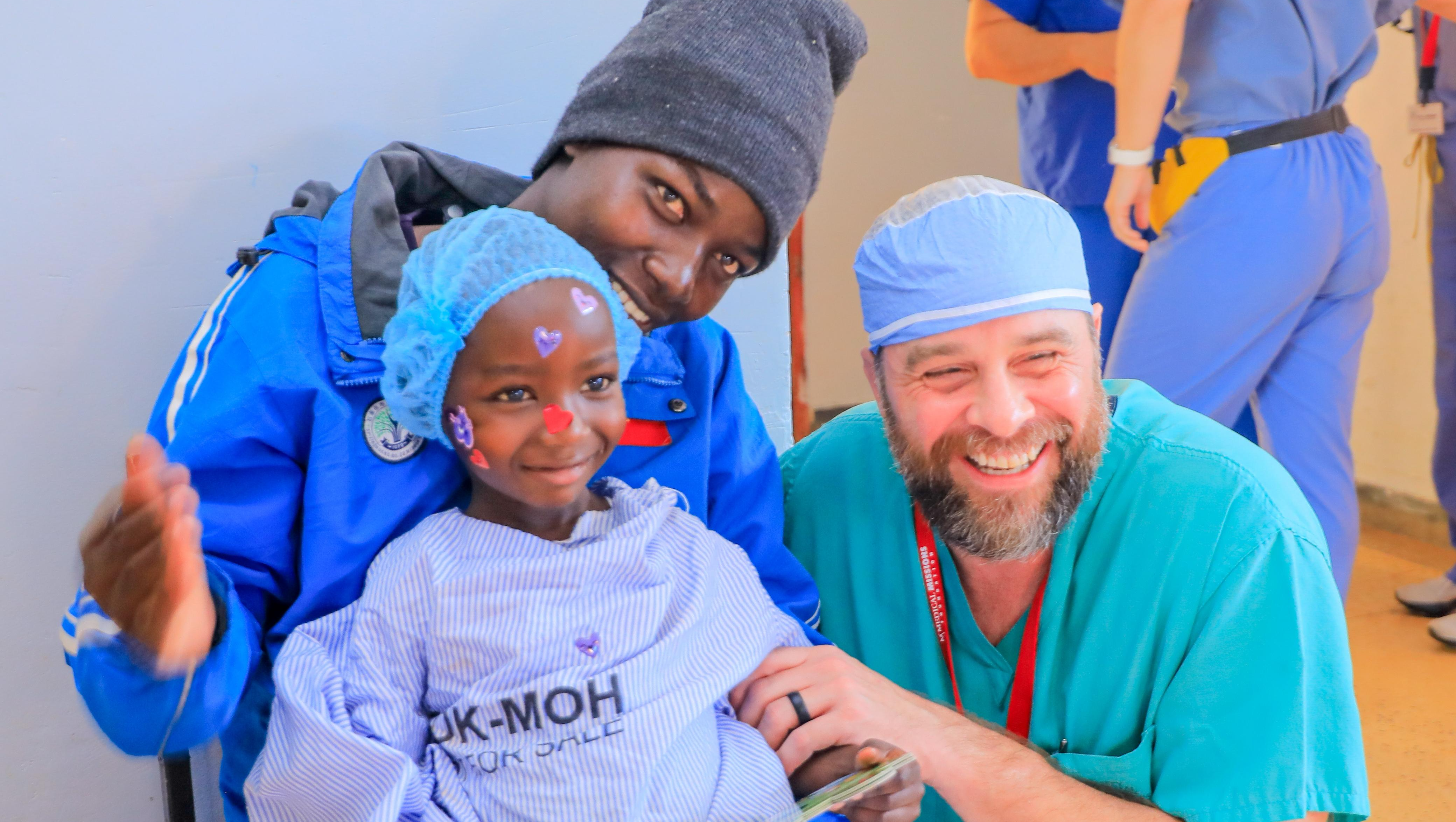
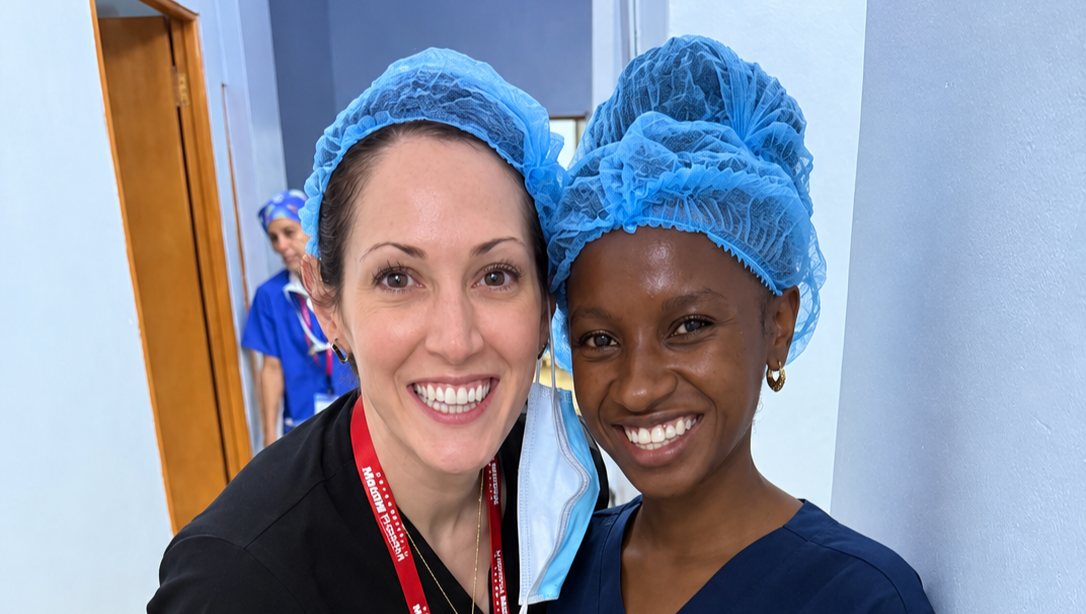
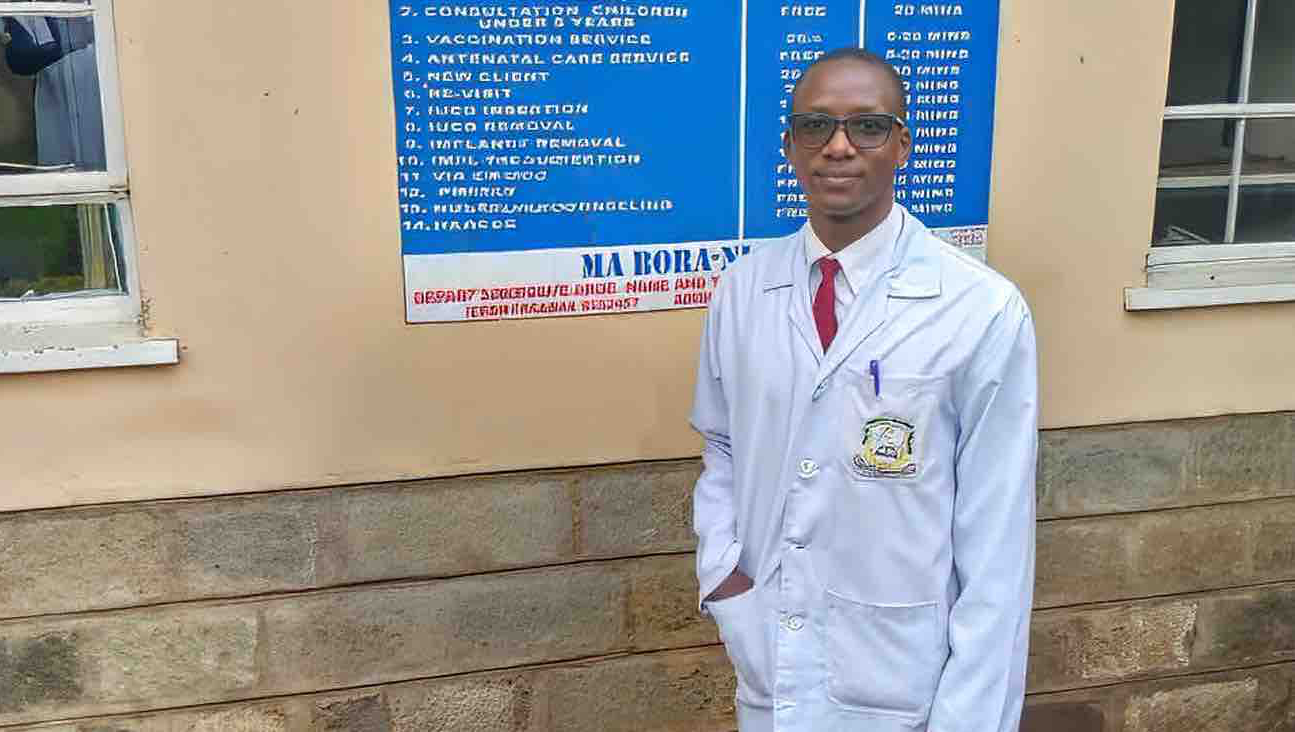
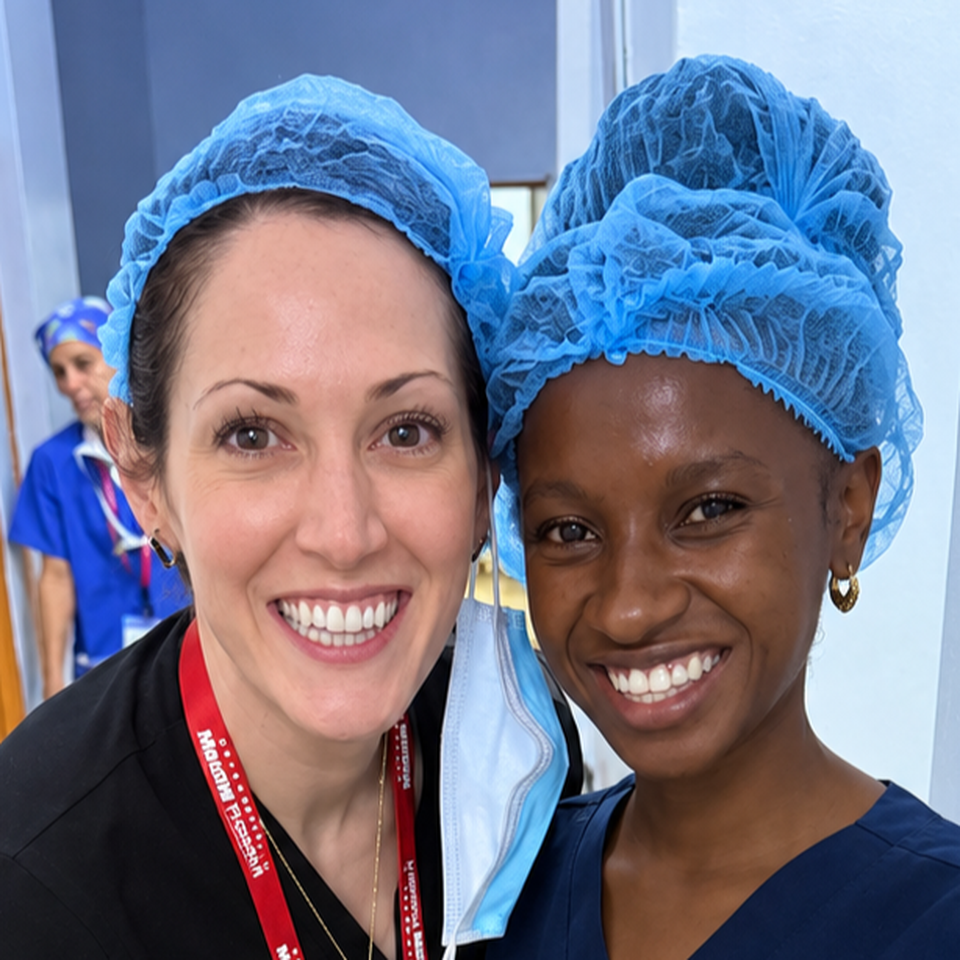
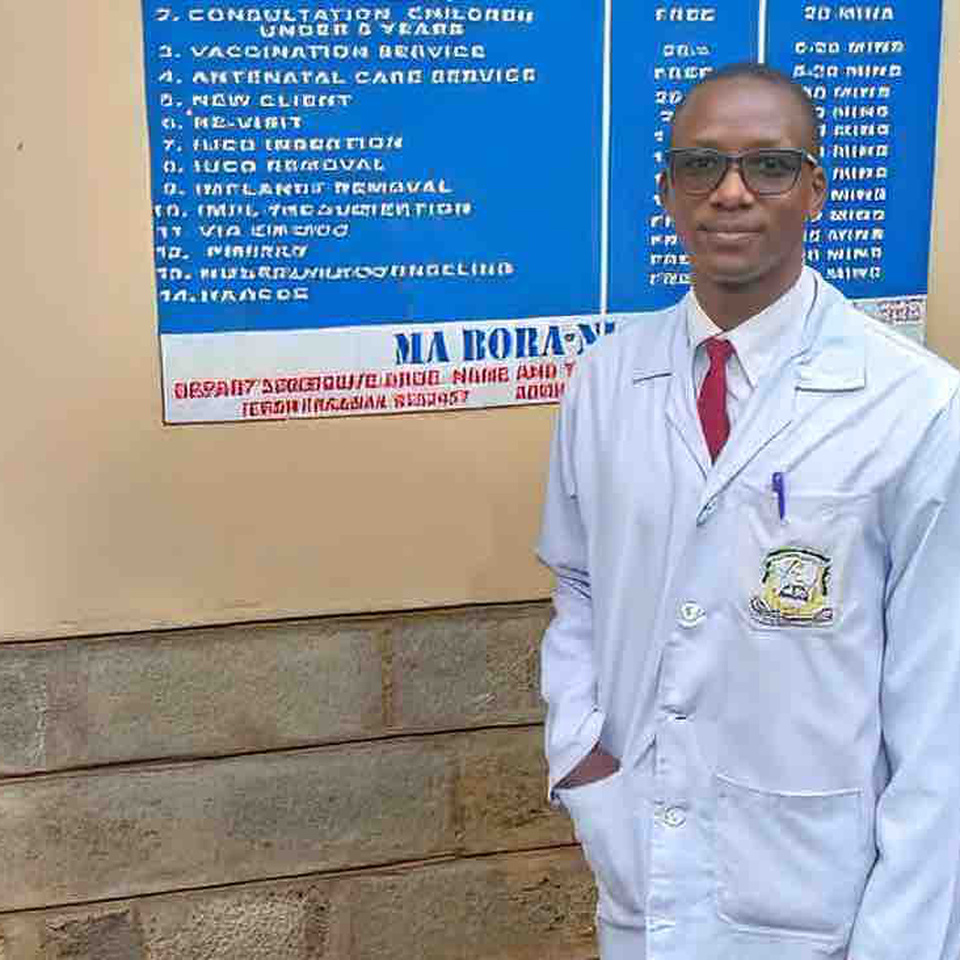
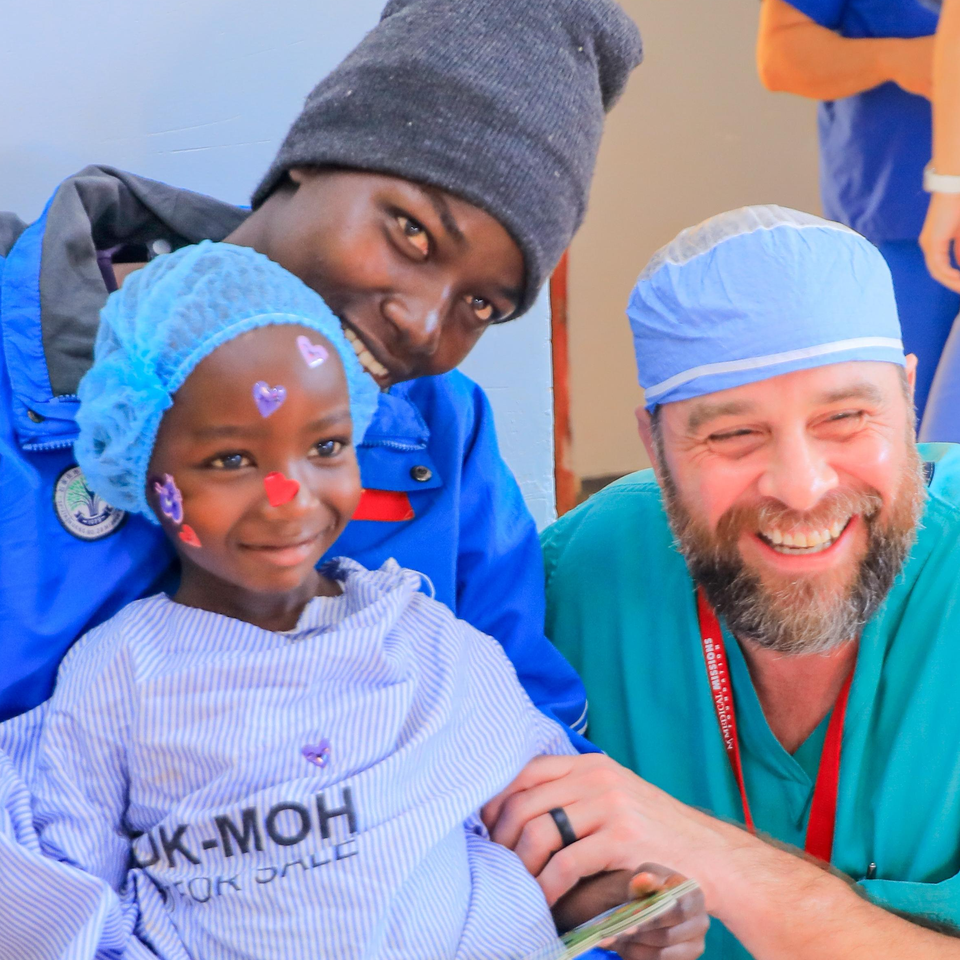
In January 2026, I traveled to Nyamira, Kenya with a medical mission team, where I met Nduta, a young physician completing her medical internship at Nyamira County Referral Hospital.
She stood out immediately.
In the operating room, Nduta was technically skilled, knowledgeable, confident and completely capable of holding her own alongside a team of experienced American surgeons. She was also quick-witted and unafraid to dish it right back when the OR banter started, which made an impression on my husband, his surgical partner Dr. Traci Johnson, and me almost instantly.
Over the course of the week, though, we came to appreciate much more than her personality and surgical ability. Nduta understood the hospital, the challenges facing its staff, and the enormous gaps in care that patients experience every day. Since our trip, she has continued to be an important resource for us, providing thoughtful feedback and helping us understand how we can make our next mission more useful to the Kenyan clinicians and patients we are there to support.
She has now completed her internship and received her medical license, and her next goal is to specialize in Obstetrics and Gynecology.
That matters enormously in a place where women often have access to fewer medical resources and where advanced women’s healthcare is limited. In rural Kenya, many clinicians are called upon to perform procedures such as Caesarean sections without the opportunity for extensive specialty training. Nduta wants not only to become a physician who can provide safer, more comprehensive care to women, but also to share that knowledge with others.
After completing her specialty training, she hopes to teach other physicians and healthcare professionals safer surgical techniques, including how to perform Caesarean sections and other women’s health procedures. Many of the clinicians she hopes to reach may never have the financial opportunity to pursue specialty training themselves. By sharing what she learns, Nduta’s education has the potential to extend far beyond the patients she treats personally.
The obstacle is financial.
Unlike many residency and specialty-training programs in the United States, her specialty training is not a paid position. She must pay for the program herself while also covering her living expenses throughout roughly three years of training.
Nduta has been saving for years in preparation for this. Even so, she believes her savings may only carry her through about the first year and a half.
For my birthday this year, I don’t want gifts. I would much rather help give someone I deeply admire the opportunity to become the physician, teacher and advocate she has worked so hard to be in a country where access to safe women’s healthcare is often limited.
Nduta has the potential to become a guiding light for other aspiring healthcare professionals in Kenya, not simply because of what she will learn, but because of how determined she is to pass that knowledge on.
Helping one physician complete her training can ultimately mean better care for far more women than any of us will ever meet.
This year, for my birthday, I would be honored if you would help me give Nduta the chance to continue the work she has already begun and to carry that knowledge forward to countless women and healthcare professionals in Kenya.