You can make a difference by donating today to Eco-Agric Uganda in Western Uganda!!!
We are African Rising Initiative, a US-based 501(c)(3) non-profit dedicated to empowering African communities through projects focused on education, sustainable agriculture, women's empowerment, and self-sufficiency. We secure funding for projects in multiple African nations, partnering with existing Non-Governmental Organizations (NGOs) to create sustainable impact.
We are currently raising funds to support the educational needs of our partner NGO Eco-Agric Uganda. Environmental Conservation and Agricultural Enhancement Uganda (Eco-Agric Uganda) is a fully registered Non-Governmental Organization working with rural farmers, women, orphans, vulnerable children and persons living with HIV/AIDS since 2007. Eco-Agric Uganda operates in Hoima, Wakiso, and Kibaale districts. They strive to holistically address the needs of vulnerable girls and women in these areas through 3 pillars; Education and Health, Empowerment of Women, and Environmental Sustainability.
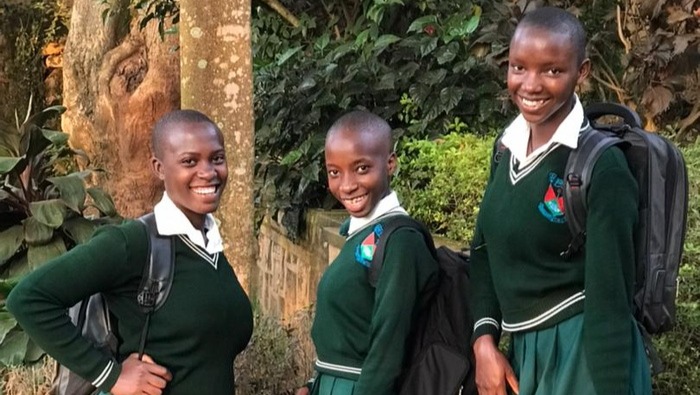
Research conducted in October 2018 by Eco-Agric Uganda and other community members in South western Uganda established that:
- 60% of the girls drop out of school because of poverty characterized by lack of school fees and scholastic materials
- 24% because of child marriage, and
- 12% because of lack of interest and parental guidance.
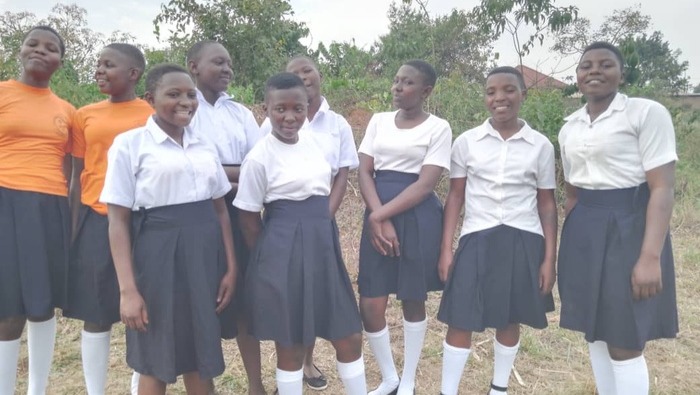
Only 20% of the pupils in upper primary (Primary 5, 6 and 7) are girls. Of that 20%, only 10% cross over to secondary level with only 2% of these girls completing the senior four level. 60% of girls drop out of school because of poverty characterized by lack of food, sanitary pads, school fees and scholastic materials. 98% of the girls that fall out of school get married within the following one year. Enrollment of girls in schools is lower than that of boys while girls' school drop-out rate is higher.
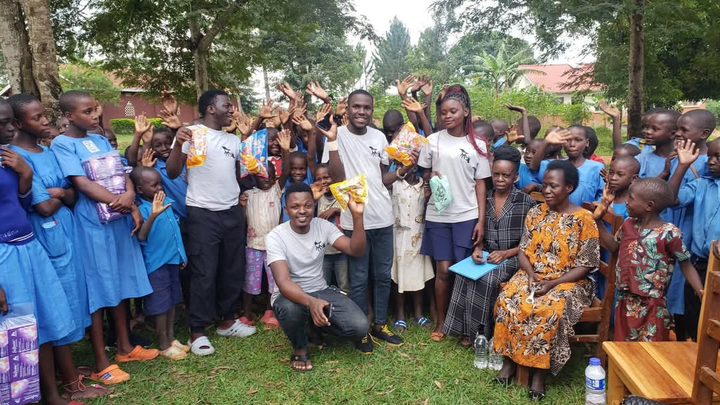
Young girls often share their sanitary towels (usually scrap cloth) with their mothers or other women in the household. Though they are washed thoroughly between uses, in increases the risk of the spread of venereal diseases. For the girls that go to school, they miss school at least four days a month and 48 days a year because of lack of sanitary pads. Issues about menstruation are not talked about due to embarrassment, lack of understanding, and the low priority of such problems compared to challenges of starvation, violence, death, illiteracy and the many struggles of daily life. These women are living in absolute poverty.
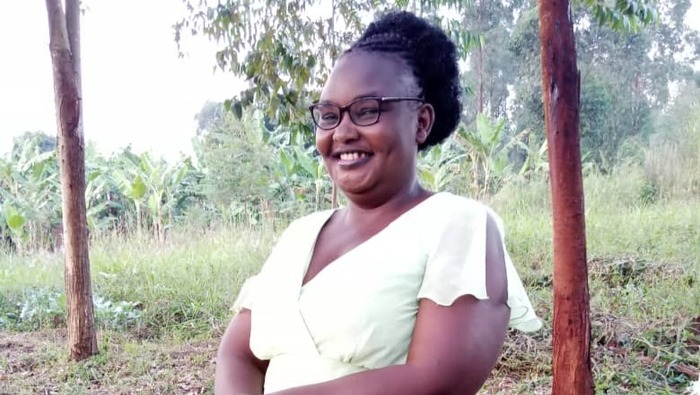
Life was no different growing up for Josephine Nakakande, a founder and current Executive Director of Eco-Agric Uganda. Josephine holds a Doctorate in Business Management. She is a daughter to a teacher and a house wife and has four brothers and three sisters. When she went to high school at age 15, life was very hard for her and she wanted to quit. Her parents used all their savings from teaching and selling vegetables, even selling their only cow, to enable her to attend boarding school. Relatives chipped in to provide blankets and sheets. Josephine only had two dresses and this was her first time ever wearing socks and shoes. Although it was a period of excitement and happiness, Josephine vividly remembers her embarrassment gong to bathe without a towel and shower shoes. Girls bullied and teased her so much, she dreaded going to bathe, often going later than everyone else and being disciplined by the matron for her tardiness. When two kind classmates finally let her borrow a towel and old sandals, her faith was renewed and she knew she never wanted another girl to suffer as she did.
From inception, Eco-Agric Uganda has supported over 64,580 people improve their livehoods sustainably. They envision a healthy and empowered population living in a sustainable environment.
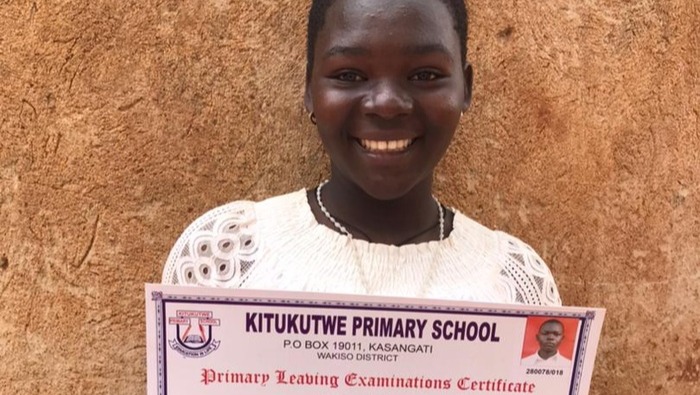
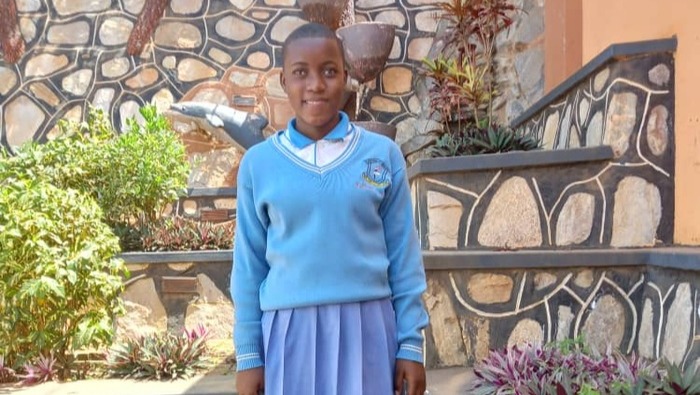
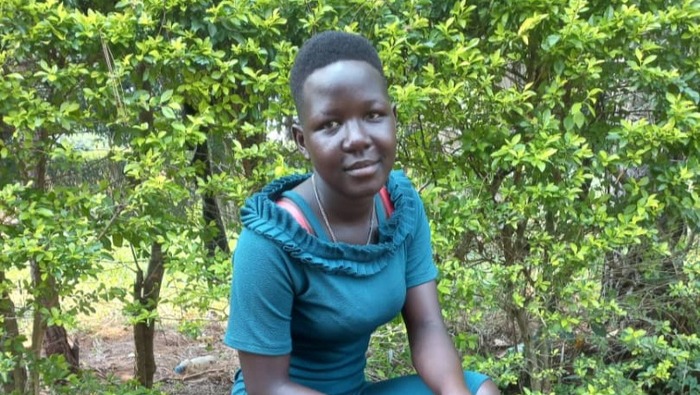
Through donor support, Racheal (above) was able to get her Primary Level Certificate and go to secondary school.
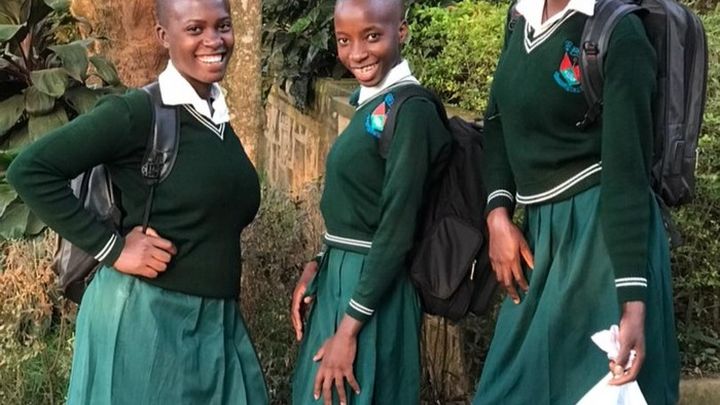
Eco-Agric Uganda is raising funds to support 93 children (84 girls and 9 boys) to stay in school. They have three terms running from January to March (first term), May to August (second term), and October to December (third term).
Funding Breakdown:
58 children in primary level
- each needs $30 usd per term ($90/yr)
- total of $5,220 usd for all for 3 terms
32 children in secondary level
- each needs $85 usd per term ($255/yr)
- total of $8,160 for all for 3 terms
3 girls studying nursing
- each needs $570 usd per term
- total of $5,130 for all for 3 terms
Grand total for 93 children for the whole of 2026 is $18,510 usd.
All funds will be used to support the girls to stay in school. Thank you for your kind support.

 guidestar.org/profile/33-3529626