
Help Protect Owatonna Homes, Farmland, and Taxpayers.
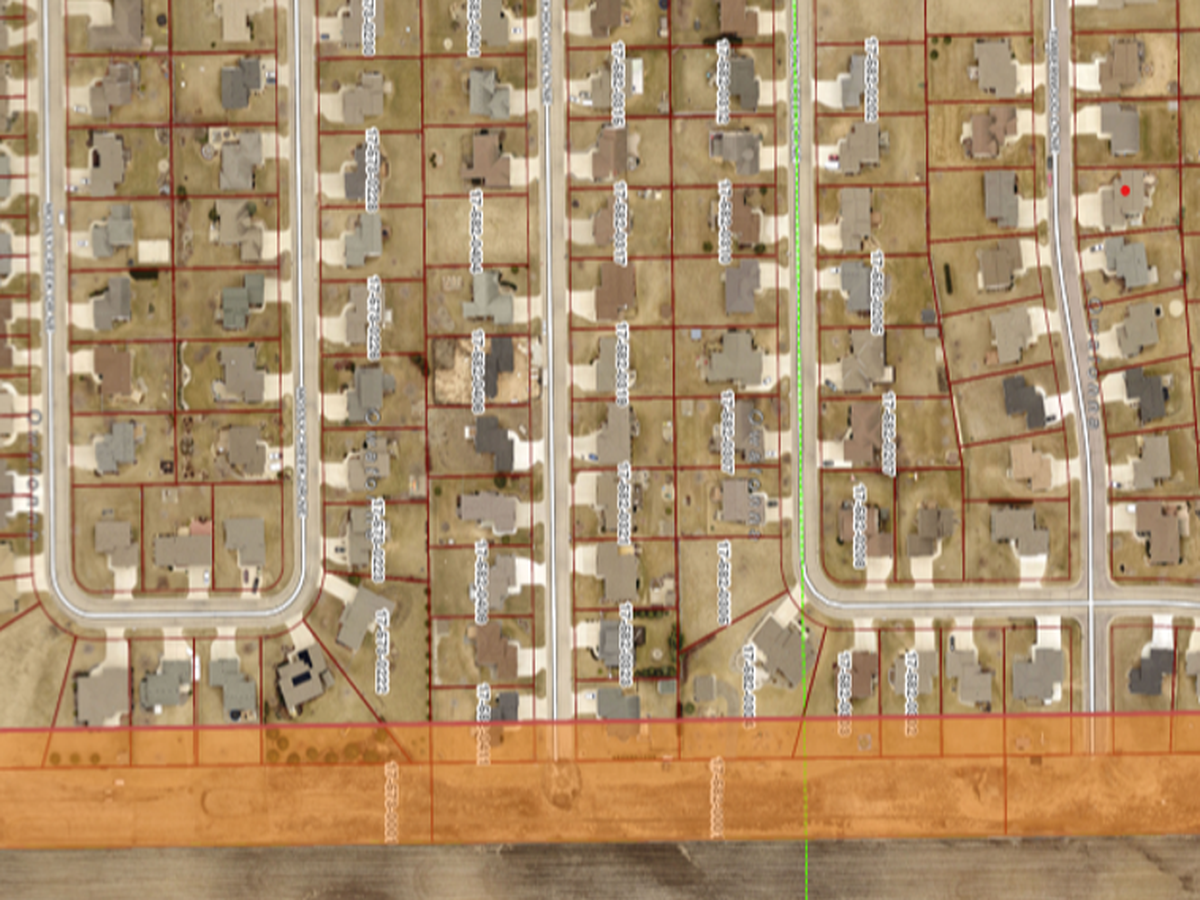
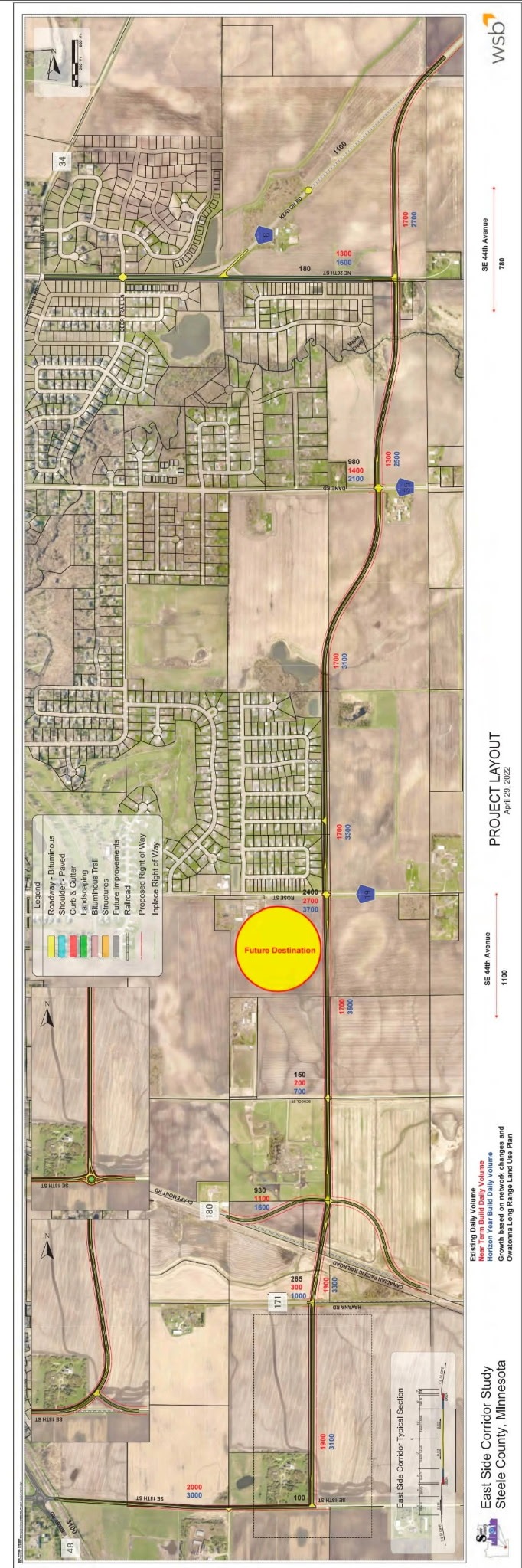
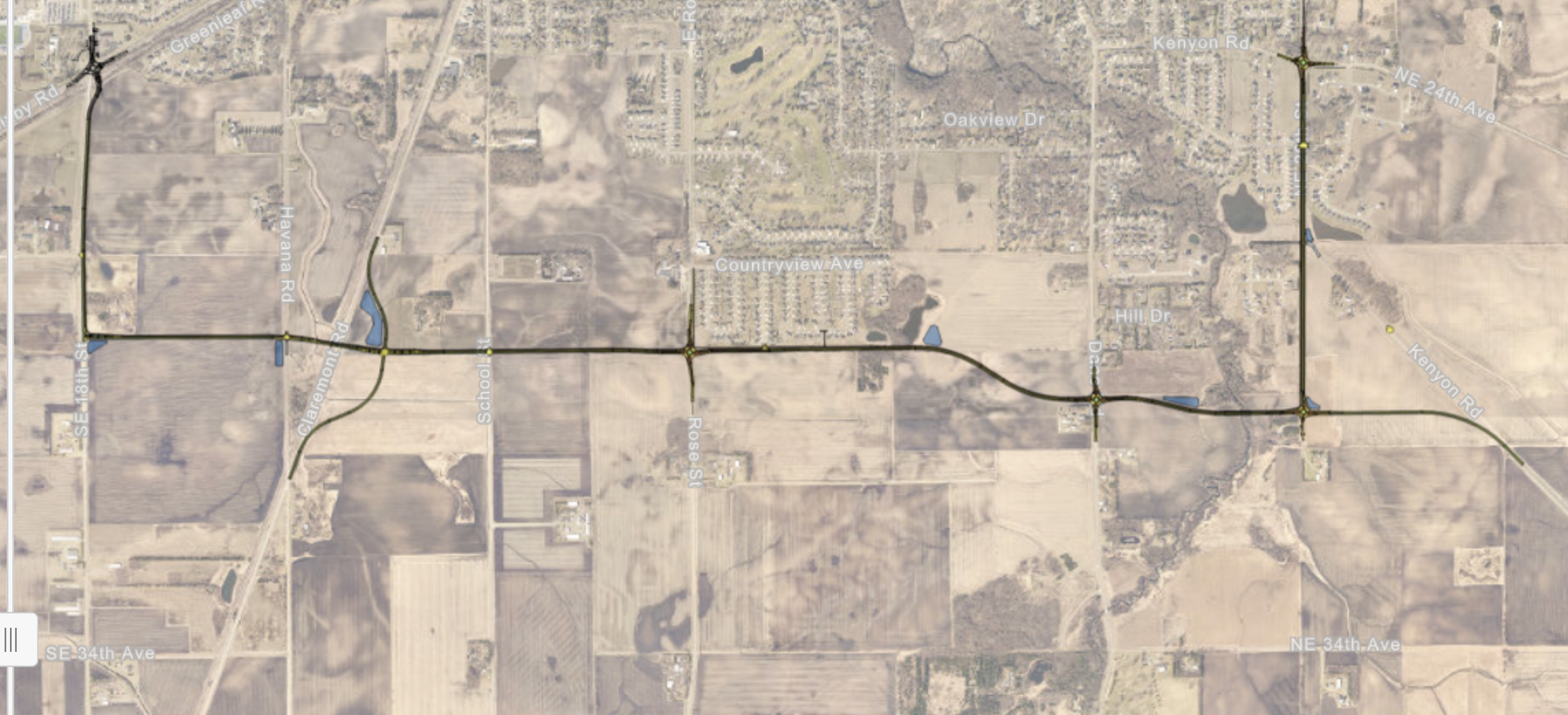
A proposed $30+ million highway project on the east side of Owatonna could be built as close as 17 feet from existing homes and would cut through prime farmland in Steele County. The county plans to use our tax dollars vs. Federal funds for this ill-conceived project.
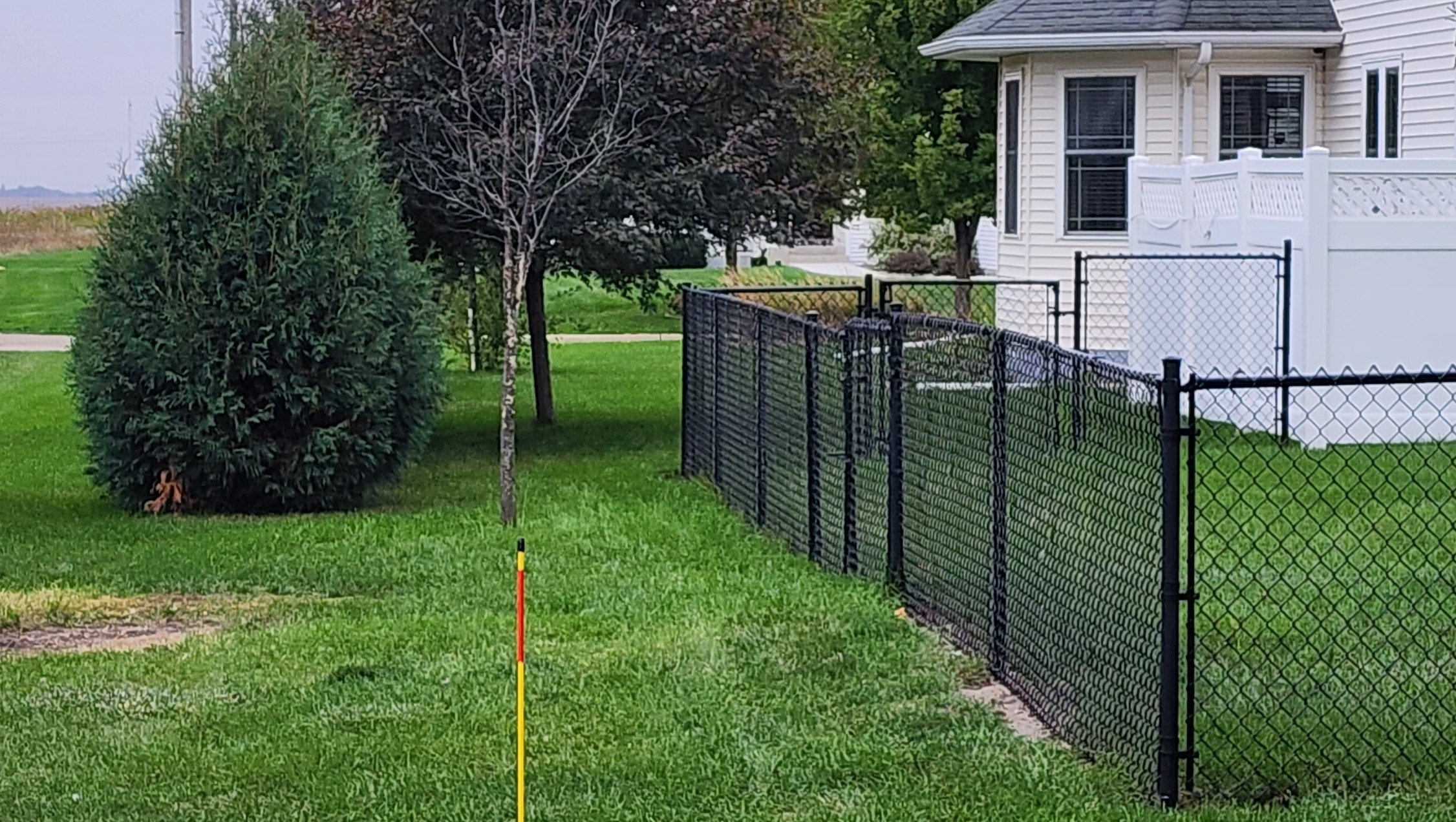
The road hasn’t been built yet — this is the window to stop or fix it — but elected officials are pushing forward while residents are being shut out of the process.
Where Town Meets Farmland
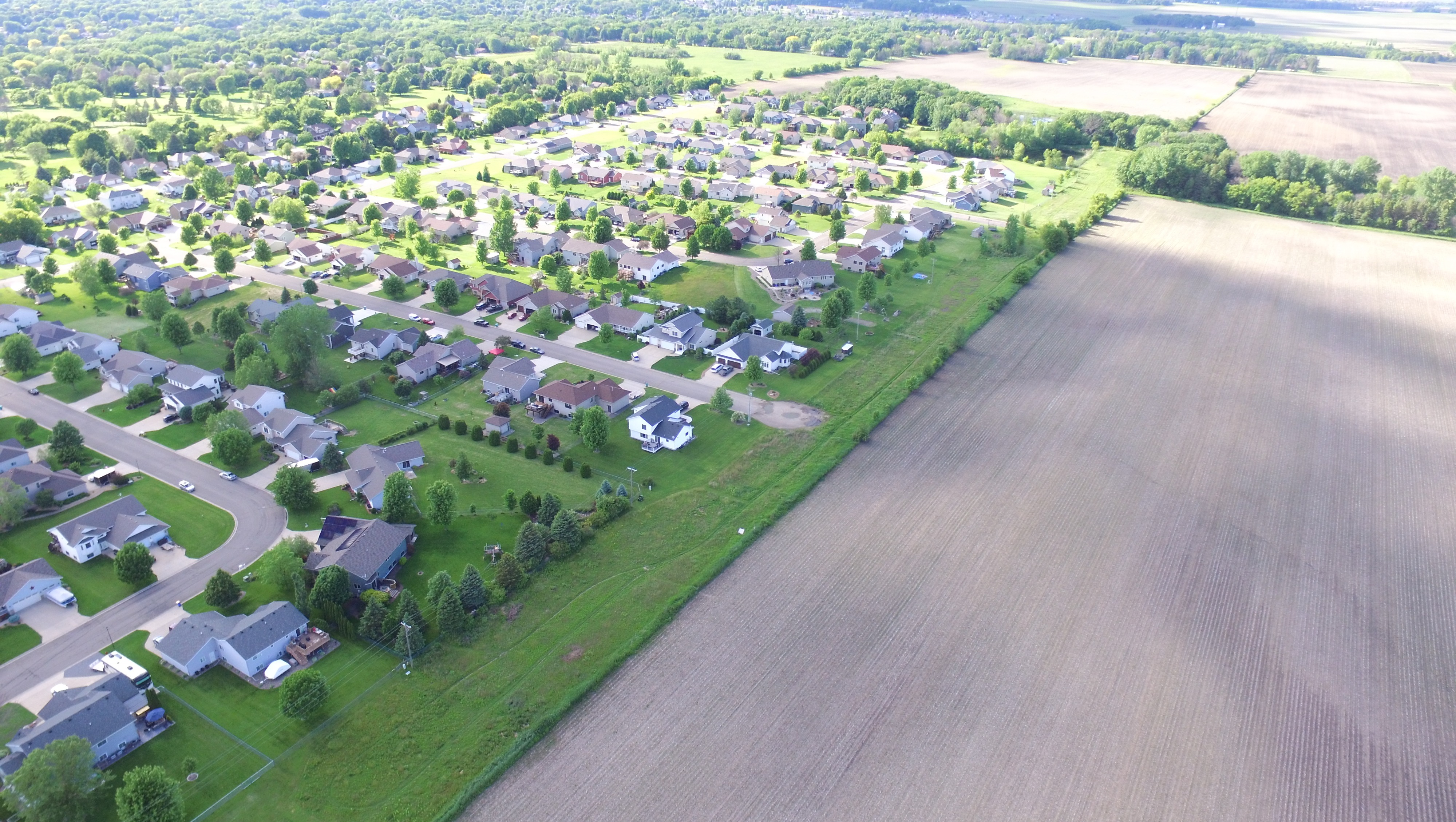
Along Owatonna’s east side, neighborhoods sit directly beside working farm fields. Families live in town, but their backyards open onto land that has been farmed and stewarded for generations.
The proposed route for the East Side Corridor would bring constant traffic noise within feet of homes — permanently changing health, safety, and quality of life. Just beyond those homes, farmers would lose approximately 64 acres of productive farmland that cannot be replaced.
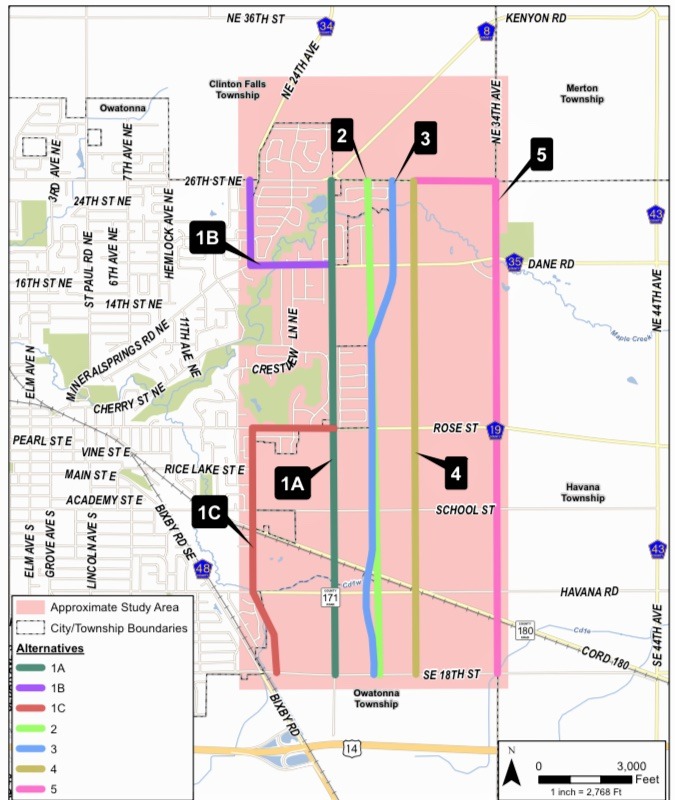
What makes this especially troubling is that far better alternatives exist, but they were never fully or fairly examined.
Why We’re Asking for Help
Now, under Minnesota law, residents have a very limited window to challenge the county’s flawed agenda — After 3.5 years of carrying this alone, residents now need professional legal and community advocacy support to ensure:
- Safety and noise impacts are honestly examined
- Families and farms aren’t harmed by rushed decisions
- Alternative routes are fairly studied
- Public data access, open government and civil rights are protected for all residents
- Tens of millions in tax dollars aren’t spent without accountability
Your donation helps give residents a real voice — before it’s too late.
Why This Matters
For more than 3.5 years, residents have engaged in good faith:
- Attending meetings
- Asking questions
- Requesting information
- Offering safer, less expensive alternatives
Instead, we’ve faced missing information, rushed decisions, rising costs, and a process driven toward a predetermined outcome.
The county even removed federal funding and shifted the cost to local taxpayers in an attempt to avoid federal safety and noise protections that typically apply to projects built this close to homes.
This isn’t just about a road.
It’s about homes, farms, health, safety, and government accountability to the taxpayer.
Will we succeed?
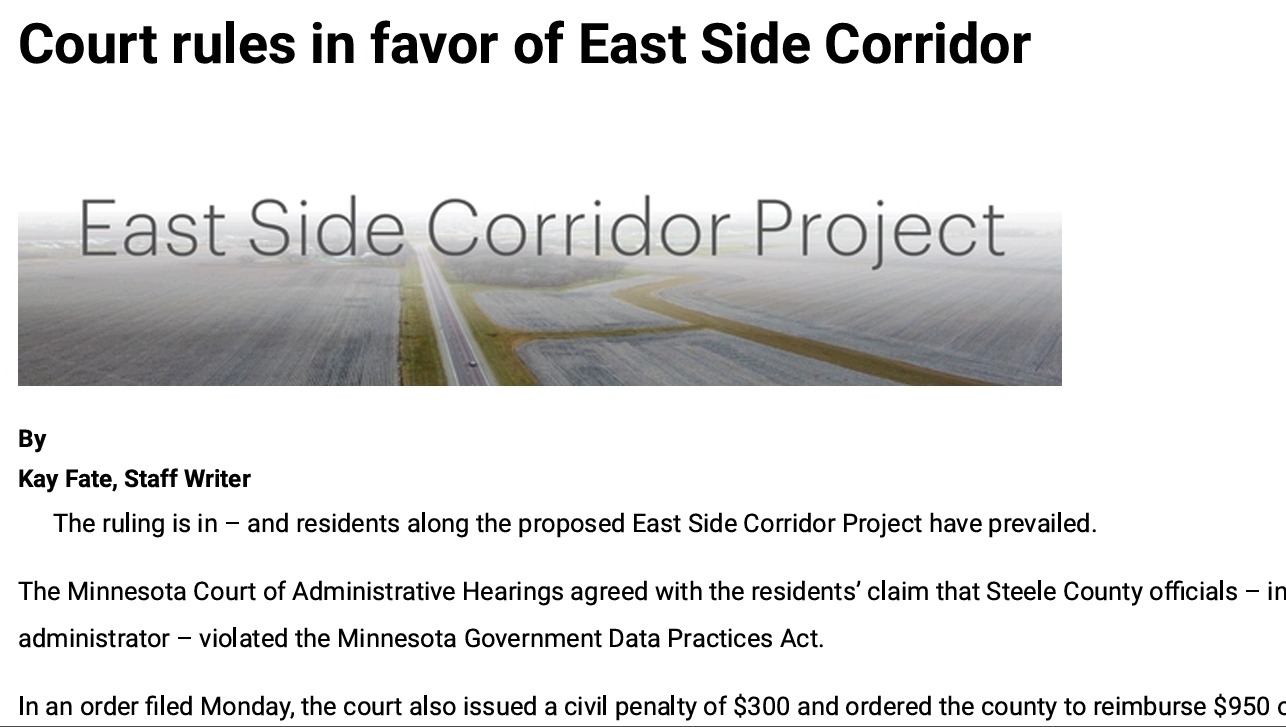
Yes, with your help! We have solid evidence of wrongdoing and our case is strong. In fact, we previously took legal action against Steele County — and WON. When public information was withheld early on, we residents represented ourselves, took legal action and substantially prevailed. The ruling confirmed the process lacked transparency and residents were treated unfairly.
This Affects All of Owatonna
If this project moves forward as-is, it sets a dangerous precedent:
- Roads placed next to homes without regard for safety
- Fewer protections for residents
- Loss of prime farmland
- Wasteful spending paid by local taxpayers
- Community voices ignored in public decision-making
- Potential impacts to downtown businesses
This isn’t just a few neighborhoods’ problem — it’s an Owatonna and Steele County problem.
Please Help If You Can
Every donation — large or small — helps protect homes, families, farms, and our community’s future.
If you can’t donate, sharing this campaign helps just as much.
How the funds will be used:
Funds raised through this campaign will be used solely for documented legal fees, court filing costs, expert consultations, and related advocacy expenses connected to the East Side Corridor matter.
These funds are being raised on behalf of a group of impacted residents and supporters and are held in a restricted and fiduciary capacity for that specific purpose only. Neither the organizer nor the co-organizer receives any personal benefit from these funds.
Until the funds are placed into a formal attorney trust account, contributions are temporarily received by the organizer as a custodian for the group and are disbursed exclusively for documented legal and related expenses on behalf of the impacted residents.