Guardians of the Wild: Why Apex Predators Matter
Imagine walking through a forest where deer browse every young tree, rivers run shallow without shade, birds disappear because their nesting habitat has vanished, and once-diverse landscapes slowly become quieter and less resilient. It may seem surprising, but one of the most important ingredients missing from this picture is often a top predator.
Apex predators—including wolves, bears, and mountain lions—occupy the highest levels of the food web. They are not simply hunters; they are caretakers of ecological balance. By influencing the behavior and abundance of prey species, they help shape entire landscapes, creating healthier forests, rivers, grasslands, and wildlife communities.
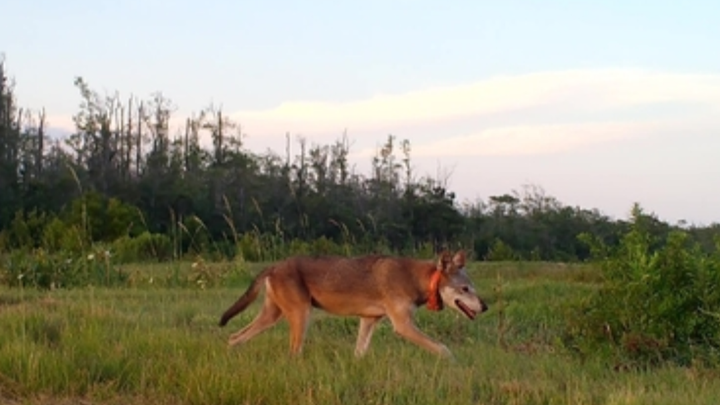
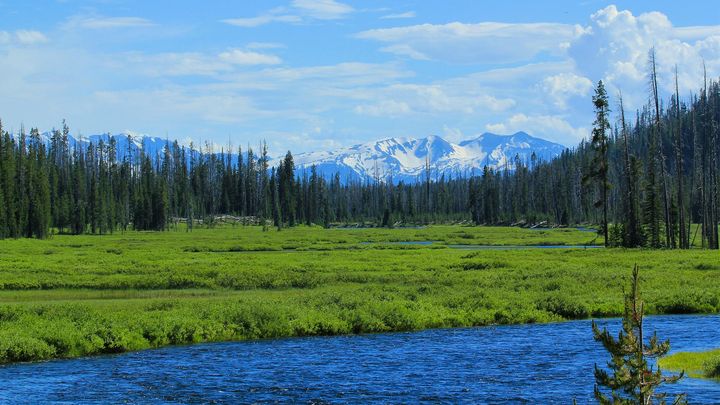
Wolves help regulate populations of elk and deer, preventing overbrowsing of young trees and shrubs. This allows vegetation along streams to recover, stabilizing riverbanks and providing habitat for birds, insects, fish, and mammals. Healthy vegetation also supports species such as beavers, whose dams create wetlands that benefit amphibians, waterfowl, and countless other organisms.
Mountain lions perform a similar role in forests, deserts, and mountainous regions. By preying primarily on deer, they help prevent unnaturally high deer populations that can damage plant communities and reduce biodiversity. Their abandoned kills become an important food source for scavengers including foxes, ravens, eagles, insects, and even bears, distributing nutrients throughout the ecosystem.
Bears are nature's recyclers and gardeners. As omnivores, they disperse thousands of seeds through their droppings, helping forests regenerate. When feeding on salmon, bears carry nutrient-rich fish into the forest, where leftover remains fertilize soils and nourish plants. Bears also consume insects, berries, carrion, and small mammals, connecting ecosystems in ways that few other animals can.
Together, these predators contribute to what ecologists call a balanced ecosystem. Their presence influences not only prey populations but also animal behavior. Deer and elk move more frequently and avoid lingering in sensitive habitats, allowing plants to recover and creating opportunities for many other species to thrive. This interconnected chain of effects is known as a trophic cascade—a reminder that every species plays a role, but some have an especially profound influence on the health of the whole system.
Despite these benefits, apex predators have long been among the most misunderstood animals on Earth.
For centuries, wolves, bears, and mountain lions have been portrayed as villains in folklore, myths, and popular culture. Fairy tales cast wolves as ruthless monsters. Legends associated predators with darkness, danger, and evil. Stories of man-eating beasts spread far more quickly than stories of animals quietly maintaining healthy ecosystems. While these tales served cultural purposes, they also shaped generations of public perception.
As human settlements expanded, conflicts with predators became more common. Ranchers sometimes lost livestock, hunters worried about competition for game, and people living on the frontier feared encounters with powerful wild animals. These concerns were often genuine, but they also fueled campaigns that portrayed predators as enemies rather than native wildlife. Governments offered bounties, encouraged extermination programs, and celebrated the elimination of predators as signs of progress.
The image of the "dangerous predator" persisted long after scientific research began telling a different story.
Today, decades of ecological research reveal that wolves, bears, and mountain lions generally avoid people whenever possible. Fatal attacks on humans are extraordinarily rare compared with risks posed by everyday activities or domestic animals. Most conflicts occur when wildlife loses its natural fear of people, when food is left unsecured, when pets or livestock are not protected, or when people unknowingly surprise an animal at close range.
The greatest challenge facing these predators is not their behavior—it is our perception of them.
Fear is a powerful emotion, and stories rooted in fear are often more memorable than scientific facts. News headlines tend to focus on rare conflicts rather than the millions of peaceful encounters that never make the news. Social media can amplify dramatic stories while overlooking the quiet, everyday work predators perform in keeping ecosystems healthy.
Overcoming this long history of vilification begins with education.
Understanding predator behavior helps replace fear with respect. Learning how wolves live in family groups, how bears usually seek to avoid confrontation, and how mountain lions quietly move through landscapes without being seen helps dispel myths that have persisted for centuries.
Communities can also reduce conflict through practical coexistence strategies. Livestock producers increasingly use guard dogs, range riders, predator-resistant fencing, fladry, improved carcass disposal, and other nonlethal methods that significantly reduce losses. Homeowners can secure garbage, remove attractants, protect pets, and give wildlife the space it needs. Recreationists can learn safe practices for hiking and camping in predator country. These approaches recognize that people and predators can share landscapes while minimizing risks to both.
Conservation also requires listening to diverse perspectives. Ranchers, hunters, Indigenous communities, scientists, wildlife managers, and conservationists each bring valuable experiences and concerns. Successful wildlife management acknowledges these viewpoints while relying on the best available science to guide decisions that support both healthy ecosystems and human communities.
Perhaps the most important step is changing the story we tell.
Instead of teaching children that the wolf is always the villain, we can teach that predators are essential members of nature's community. Instead of seeing bears and mountain lions only as threats, we can recognize them as symbols of wild, functioning landscapes. Instead of asking how to eliminate predators, we can ask how to coexist with them responsibly.
Healthy ecosystems depend on diversity, and diversity depends on balance. Apex predators are not enemies of nature—they are among its greatest architects. Their presence shapes rivers, forests, grasslands, and wildlife populations in ways scientists continue to discover. Protecting them is not simply about saving individual species; it is about preserving the intricate web of life that supports all living things, including ourselves.
When we replace fear with understanding, myths with science, and conflict with coexistence, we gain something far greater than the survival of wolves, bears, and mountain lions. We help ensure that future generations inherit landscapes that are vibrant, resilient, and truly wild.