
Featured causes
No causes have been featured yet.
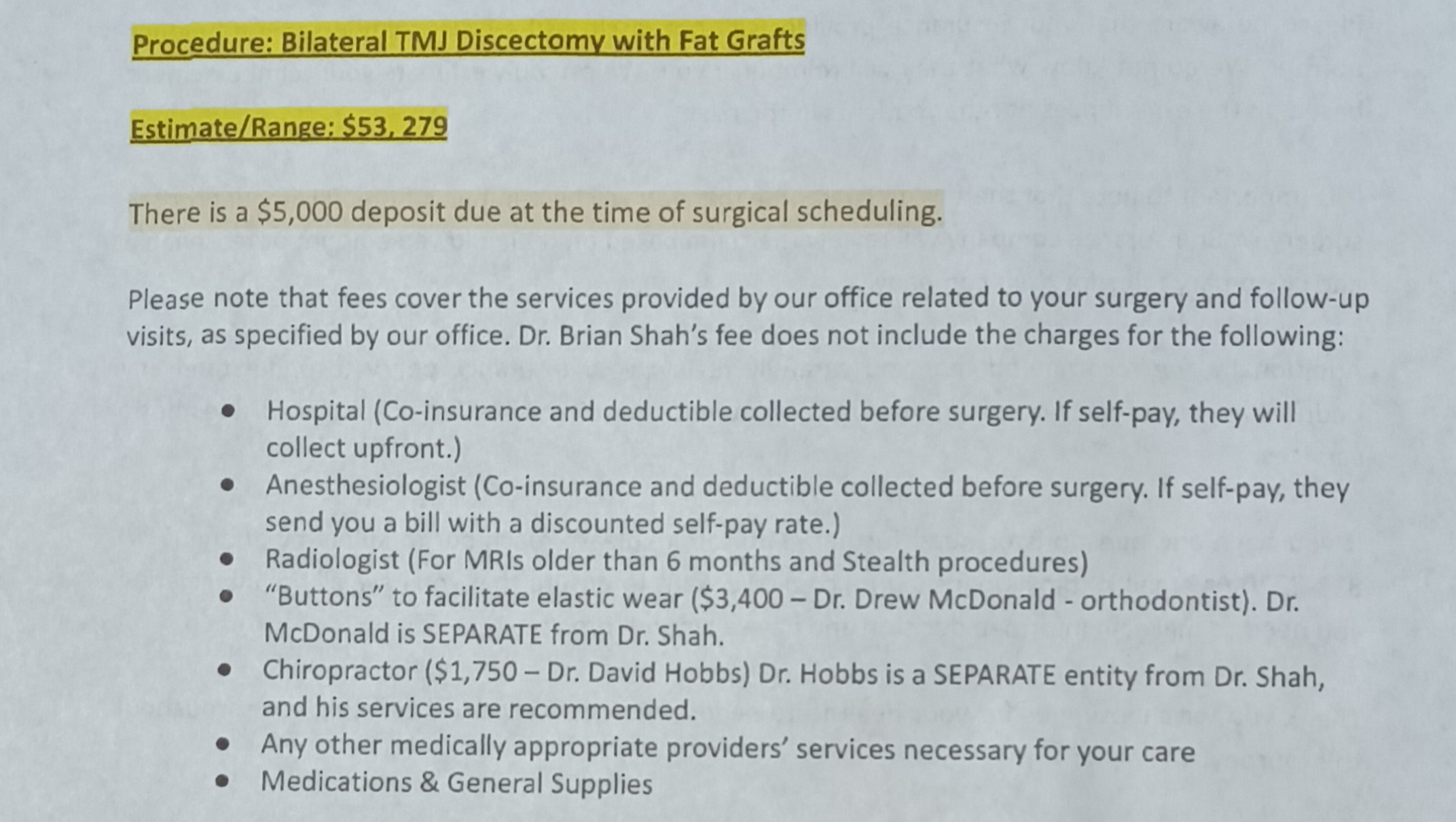
 For over 14 years, I have suffered from severe temporomandibular joint disorder (TMJ), a chronic and debilitating condition affecting the jaw joints and surrounding musculature. My diagnosis includes: Bilateral temporomandibular joint intra-articular dysfunction Disc displacement without reduction Persistent arthralgia (joint pain) Myalgia involving the temporalis and sternocleidomastoid (SCM) muscles Cervicogenic pain with limited mandibular opening Despite years of conservative treatment — including physical therapy, posture rehabilitation, occlusal therapy, injections, Botox, nerve blocks, medication management, and lifestyle modifications — my condition has progressed. In October 2025, I underwent arthroplasty with autologous fat grafting in an effort to restore joint function and relieve pain. Unfortunately, postoperative imaging confirmed continued bilateral disc displacement without reduction and persistent mechanical limitation. My opening remains restricted to approximately two finger breadths, and I continue to experience preauricular joint pain, temple pain, and chronic neck involvement. After further specialist evaluation and diagnostic nerve blocks confirming ongoing intra-articular arthralgia (without degenerative joint disease), the next recommended step is bilateral microscopic arthroplasty with discectomy and autologous fat grafting. This procedure involves removal of the non-functional discs and placement of autologous fat grafts to reduce inflammation and decrease the risk of heterotopic bone formation. The medical goals of surgery are: Improve mandibular range of motion Reduce chronic intra-articular inflammation Decrease daily arthralgia Improve ability to eat, speak, and sleep Prevent further joint deterioration This is not elective or cosmetic — it is a medically necessary procedure aimed at restoring function and reducing long-standing pain. The Emotional and Functional Impact Chronic craniofacial pain is invisible, but its impact is constant. Living with daily joint and muscle pain for over a decade has affected every part of my life — from eating and sleeping to working and maintaining relationships. Simple activities like chewing, yawning, or sitting at a computer can trigger significant pain. The combination of jaw dysfunction and neck involvement has made daily functioning exhausting. The prolonged nature of this condition has taken a profound emotional toll. Fighting constant pain for years without sustained relief can feel overwhelming. My goal with this surgery is not just pain reduction — it is regaining stability, function, and quality of life. Financial Need TMJ surgery is highly specialized and frequently not fully covered by insurance. The projected expenses include: Surgeon fees Hospital and anesthesia costs Imaging and preoperative testing Postoperative rehabilitation Travel and recovery expenses Time away from work The out-of-pocket burden is significant and beyond what I can manage alone. If you are able to donate or share this campaign, it would mean more than I can express. Every contribution brings me closer to relief, healing, and a chance to live without relentless daily pain. Thank you for taking the time to read my story and for any support you can provide. With gratitude, Melissa
started a fundraiser
Melissa’s Fight for a Pain-Free Future
3% complete