An Update on Wolf — and What Your Support Has Made Possible
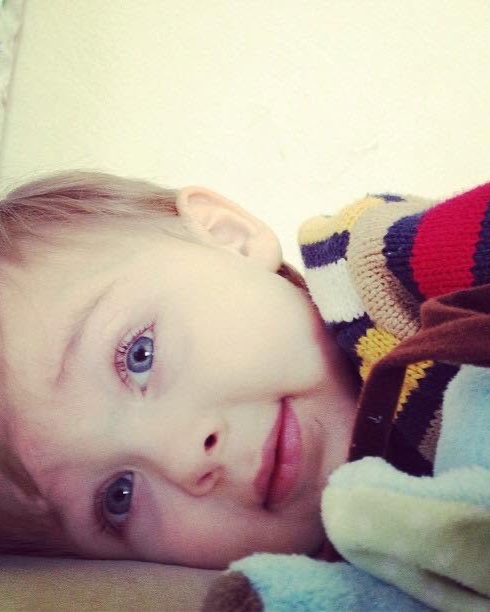
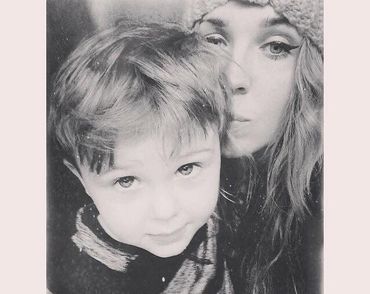
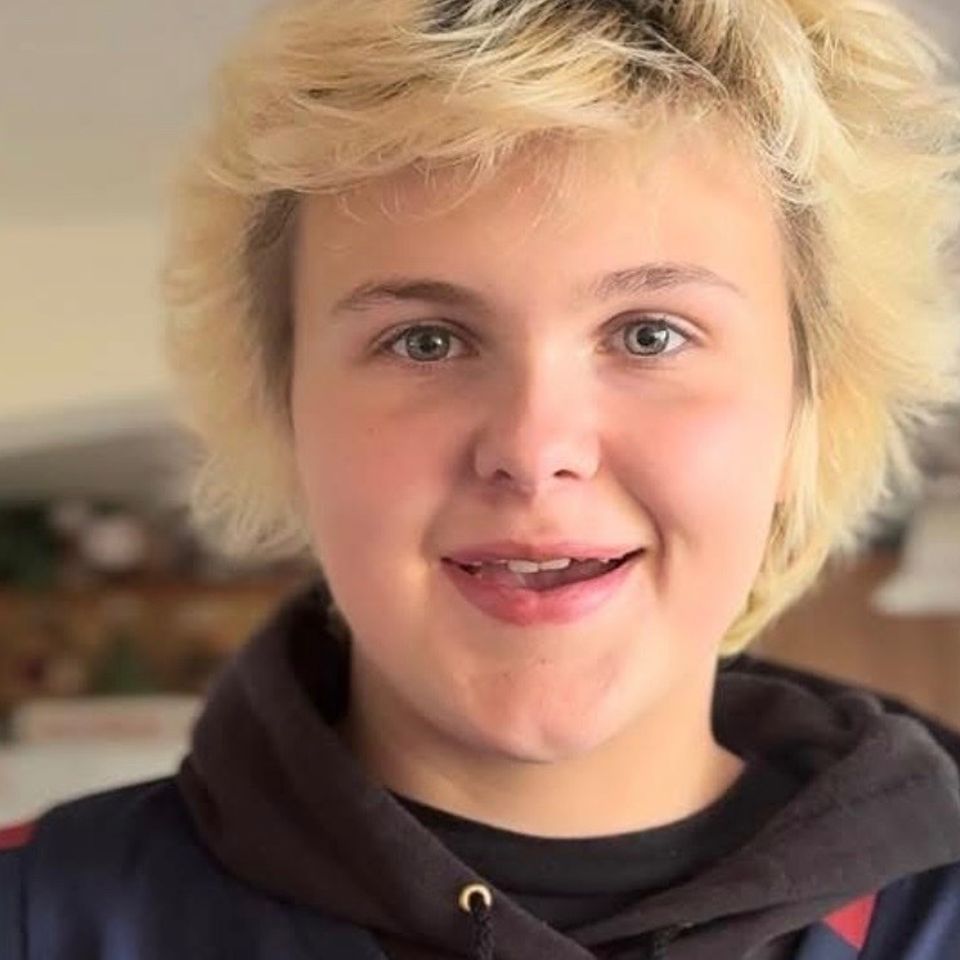
It has been two months since I lost my only child, Sterling Wolfgang Thomas, on July 2, 2026.
I’ve struggled with how to write this update because so much has been happening behind the scenes. But I want everyone who donated, shared this fundraiser, attended one of Wolf’s services, sent food, flowers, messages or memories, or simply said his name to understand what your generosity has made possible.
First and most importantly, you helped me take care of my son.
Your donations helped cover the expenses surrounding Wolf’s death and allowed me to give him the funeral and memorial he deserved.
I was able to hold two gatherings for him. The first was his funeral on July 13 — a smaller, intimate ceremony where we could say goodbye with care and dignity. Later, we held a larger, more casual public memorial where his friends, classmates, teachers, family and members of the community could come together and celebrate the fifteen years we were lucky enough to have him here.
Your generosity also gave me something I will carry with me for the rest of my life: time alone with my son.
Before his funeral, I was able to be with Wolf’s body, help get him dressed and do his hair. I was able to sit with him, touch him, talk to him and have private time with my child before saying goodbye to his physical body forever.
Those moments were incredibly painful, but they were also sacred to me.
Your donations helped cover funeral and burial expenses, his services and memorial, flowers, photographs, printed materials and the many other unexpected costs no parent imagines having to pay for their child.
But your support has also given me something just as valuable in the weeks since: time.
Time to grieve without immediately having to pretend life is normal. Time to care for Wolf’s resting place and preserve his belongings and memories. And time to investigate what happened, obtain records, work with attorneys, meet with public officials and legislators, ask difficult questions and fight for my son.
In the weeks since Wolf’s death, I have spent countless hours trying to understand not only what happened on July 2, but what happened in the months and years leading up to it.
According to information provided to me by investigators, the male driver who killed my son was operating the motorcycle at approximately 83 mph in a 25 mph zone when he struck Wolf, right down the street from our home.
What has become increasingly difficult for me to accept is that July 2 did not happen in a vacuum.
Court and law-enforcement records I have obtained show the driver has previous dangerous-driving incidents, court involvement, probation and supervision, and a conviction for driving without a motorcycle endorsement — an endorsement he still did not have at the time of the crash that killed my son.
That is why I have worked hard to redirect the public conversation away from simply focusing on the fact that Wolf was riding an e-bike. It did not matter what my son was riding that day and was not simply an "e-bike" accident. The circumstances surrounding the motorcycle driver, his documented driving history, his previous interactions with the justice system, and the opportunities for intervention before July 2 deserve scrutiny too.
And somewhere along the way, my search for answers for Wolf became something larger.
I have begun meeting and communicating with public officials and Idaho legislators about changes I believe our state needs. I am researching how probation information is shared between counties, what law enforcement can see during traffic stops, how violations in one jurisdiction reach the court or agency supervising someone in another, and where dangerous patterns can fall through the cracks when those systems do not communicate effectively.
I have been comparing how other states address these issues, studying possible technology solutions, reviewing Idaho law and preparing materials for legislators.
I am now working toward proposed legislation intended to close some of those gaps — particularly when someone already under court supervision continues to demonstrate dangerous driving behavior.
At what point should a pattern of dangerous behavior trigger intervention before someone dies?
I cannot change what happened to Wolf or go back to July 2 and bring my son home. But I can understand every opportunity that may have existed to prevent what happened to him. And if there are gaps in our system that allowed warning signs to be missed, I can fight to change them so another parent does not someday find themselves doing the investigation I am doing now.
There are portions of the criminal investigation and potential civil matters that I cannot publicly discuss yet, and there is information I am continuing to verify before sharing. I want anything I say publicly about Wolf’s case to be accurate.
So if I have seemed quiet at times, please know that behind that silence, I have not stopped.
I am grieving, investigating, asking questions, learning systems I never imagined I would need to understand, and meeting with people who have the ability to change them.
And I am fighting for my son.
I plan to keep the fundraiser open until I am back at work with the American Red Cross of Idaho, Montana and East Oregon. I am eager to return and hope to begin easing back into a work schedule soon, but the grief and trauma of witnessing the scene of my son’s death have made that difficult. Any donations that continue to come in are helping me through this period of unpaid leave — covering ordinary living expenses while allowing me the time to continue seeing a grief and trauma therapist weekly, and I am also using this time to work with attorneys, obtain and review records, meet with officials and legislators, research Idaho’s laws and systems, and develop legislation that I hope can prevent another family from experiencing this.
I also want to again give thanks to our Regional CEO, Nicole Sirak Irwin, our board members and my fellow staff for giving me the time and support I have needed. The American Red Cross is an incredible organization not only because of the assistance it provides to people every day, but because of the care I have personally experienced from the people I work alongside.
Thanks again to all of you as well. You are giving me the ability to continue being his mother in the ways I still can — protecting his memory, seeking accountability, finding answers and trying to create something meaningful in his name.
There will never be adequate words for what that has meant to me.
As the criminal case progresses and my legislative work develops, I will continue sharing what I can.
My hope is that someday I will be able to tell everyone who helped us that a law carrying his name changed Idaho for the better and helped prevent another family from experiencing this.
Until then, I will keep going.
For Wolf. Always.
— Kristin