
- J

Ghanaian Agricultural Initiative
0% complete
$2,810 raised of $3K
22 donations
The Engineers Without Borders San Jose State University Student chapter (EWB-SJSU) is looking for sponsors to help fund our volunteer trip to Southern Ghana this summer. Your contribution will help university students from a wide variety of engineering and science disciplines give back to communities abroad, while at the same time receive an exceptional experience in the field of engineering. Our work will provide rural communities in the south of the country with sustainable agricultural resources, including helping to build sustainable farms to grow food for the area. Travelers will gain hands-on experience with managing an engineering project, be introduced to an exciting multidisciplinary field, and form a relationship with future engineers of Africa.
We were inspired to undertake this project after seeing the exceptional work done by the California Native Garden Foundation (CNGF) in the area of agriculture. The regenerative, organic agriculture model championed by organization founder Alrie Middlebrook has the dual purpose of providing an economical source of food for humans, as well as a home to maintain a region’s native species of plants. This model has resulted in five community gardens in the town of Yamoransa, as part of the CNGF project Garden for Ghana, and is planned to be expanded in future years. EWB-SJSU will be supporting the expansion of agriculture in this area with technologies to improve access to clean water, healthy soil, and renewable energy.
Our team comes from San Jose State University, located in the heart of the Silicon Valley which is one of the leading technological hubs of the world. Prior to becoming known as the Silicon Valley this area was one of the largest agricultural areas in California. It was home to many farms, orchards, and gardens because of its lush, fertile soil making excellent land for growing food. Due to the contrasting fields of technology, San Jose State University has access to both sides of the equation for sustainable agricultural growth. As students of San Jose State we can utilize technology in order to bring simple, sustainable solutions to remote areas of the world where they do not have access to large scale farming methods.
Ghana is a very interesting country in that it was the first, and only, country in Africa to gain its independence peacefully. The people of Ghana are extremely tenacious in their desire to form relationships with other countries and organizations to bring prosperity and self-supporting solutions for their own livelihood. They are working hard to improve the wellbeing of their own lives and welcome any assistance in this matter.
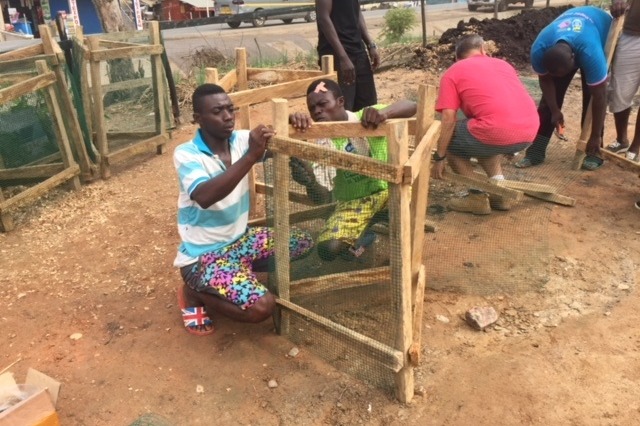
We are currently planning activities with community leaders throughout the region in anticipation of our July 26th to August 10th visit. Our trip will include talks hosted at institutions of learning such as the University of Cape Coast, the University of Ghana, and the Information Communications & Technology Center in Yamoransa. During conversations with students there, we will be reinforcing the importance of sustainable design, as well as exchanging educational experiences from our respective countries. Our liaisons in Ghana have worked hard to get us connected to students in engineering and the sciences so our presentations will have the greatest impact.
Organizations such as the Junior Green Club and the Center for No-Till Agriculture based in Ghana are very supportive of our efforts in promoting sustainable thought. Our team feels a responsibility to assist in the Ghanaian movement for a healthier ecosystem, because they show so much faith in this course of action. Our itinerary will include conversations with these groups regarding climate change and the appropriate responses. With rising levels of food, water and energy insecurity on a global scale, it is important that global cultures collaborate to find new solutions.
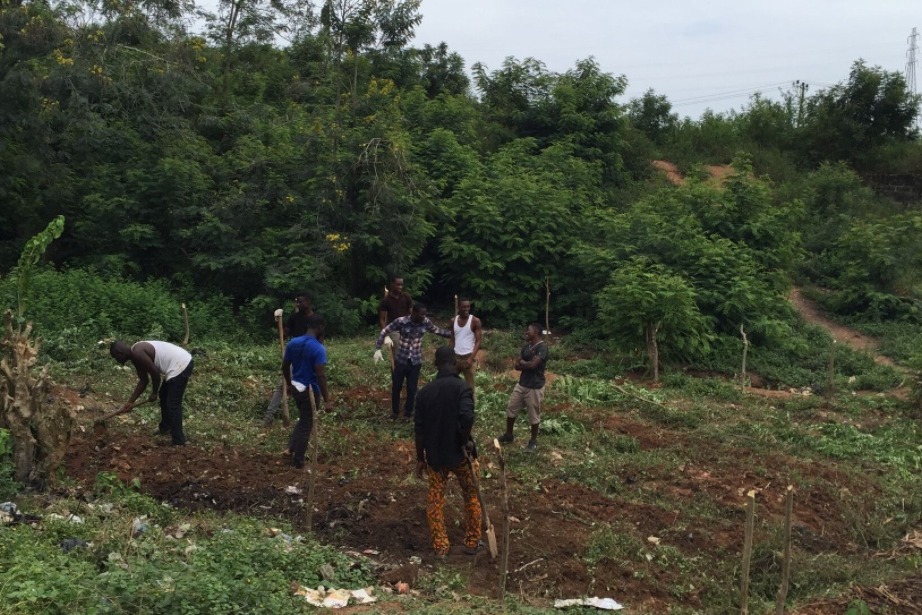
Our primary goal during this trip will be to present lectures on biogas, rainwater harvesting, biosand filtration, and aquaponics technologies to interested community members as well as high school and college students. We want to establish a partnership with the communities we will be assisting and participate in a cultural exchange with students there. We will be thoroughly documenting all features of the landscape that we encounter; with a focus on how to implement sustainable community infrastructure.
Our secondary goal will be assessing the needs of these communities through observation and interaction, and to focus our efforts on solutions that will be the most beneficial to them. This trip is the beginning of a six-year process that will lead to the construction of valuable agricultural infrastructure. We will be visiting farms in Yamoransa and Ntranoa in order to start assessment and drafting of plans to begin construction and improvement projects. Engineering projects along the same lines as our lectures will be investigated and determinations on how to implement unique solutions in each area will begin this year.
This project has not yet been officially sanctioned by our parent organization, EWB-USA, and because of this we are looking for charitable donations to offset individual costs of travel and lodging. Our plans are to return to Ghana next summer to begin construction of our project, and to do so with the full support of EWB-USA. For this initial trip, travelers will be paying 50% of their own expenses, and we are looking for assistance with the remaining costs. Your donation to this project will provide EWB-SJSU the funds to make this trip to Ghana a reality and will contribute to the fund of money we donate to the Non-Profit organizations there. We thank you for your support in service to the people of Ghana.
We were inspired to undertake this project after seeing the exceptional work done by the California Native Garden Foundation (CNGF) in the area of agriculture. The regenerative, organic agriculture model championed by organization founder Alrie Middlebrook has the dual purpose of providing an economical source of food for humans, as well as a home to maintain a region’s native species of plants. This model has resulted in five community gardens in the town of Yamoransa, as part of the CNGF project Garden for Ghana, and is planned to be expanded in future years. EWB-SJSU will be supporting the expansion of agriculture in this area with technologies to improve access to clean water, healthy soil, and renewable energy.
Our team comes from San Jose State University, located in the heart of the Silicon Valley which is one of the leading technological hubs of the world. Prior to becoming known as the Silicon Valley this area was one of the largest agricultural areas in California. It was home to many farms, orchards, and gardens because of its lush, fertile soil making excellent land for growing food. Due to the contrasting fields of technology, San Jose State University has access to both sides of the equation for sustainable agricultural growth. As students of San Jose State we can utilize technology in order to bring simple, sustainable solutions to remote areas of the world where they do not have access to large scale farming methods.
Ghana is a very interesting country in that it was the first, and only, country in Africa to gain its independence peacefully. The people of Ghana are extremely tenacious in their desire to form relationships with other countries and organizations to bring prosperity and self-supporting solutions for their own livelihood. They are working hard to improve the wellbeing of their own lives and welcome any assistance in this matter.
We are currently planning activities with community leaders throughout the region in anticipation of our July 26th to August 10th visit. Our trip will include talks hosted at institutions of learning such as the University of Cape Coast, the University of Ghana, and the Information Communications & Technology Center in Yamoransa. During conversations with students there, we will be reinforcing the importance of sustainable design, as well as exchanging educational experiences from our respective countries. Our liaisons in Ghana have worked hard to get us connected to students in engineering and the sciences so our presentations will have the greatest impact.
Organizations such as the Junior Green Club and the Center for No-Till Agriculture based in Ghana are very supportive of our efforts in promoting sustainable thought. Our team feels a responsibility to assist in the Ghanaian movement for a healthier ecosystem, because they show so much faith in this course of action. Our itinerary will include conversations with these groups regarding climate change and the appropriate responses. With rising levels of food, water and energy insecurity on a global scale, it is important that global cultures collaborate to find new solutions.
Our primary goal during this trip will be to present lectures on biogas, rainwater harvesting, biosand filtration, and aquaponics technologies to interested community members as well as high school and college students. We want to establish a partnership with the communities we will be assisting and participate in a cultural exchange with students there. We will be thoroughly documenting all features of the landscape that we encounter; with a focus on how to implement sustainable community infrastructure.
Our secondary goal will be assessing the needs of these communities through observation and interaction, and to focus our efforts on solutions that will be the most beneficial to them. This trip is the beginning of a six-year process that will lead to the construction of valuable agricultural infrastructure. We will be visiting farms in Yamoransa and Ntranoa in order to start assessment and drafting of plans to begin construction and improvement projects. Engineering projects along the same lines as our lectures will be investigated and determinations on how to implement unique solutions in each area will begin this year.
This project has not yet been officially sanctioned by our parent organization, EWB-USA, and because of this we are looking for charitable donations to offset individual costs of travel and lodging. Our plans are to return to Ghana next summer to begin construction of our project, and to do so with the full support of EWB-USA. For this initial trip, travelers will be paying 50% of their own expenses, and we are looking for assistance with the remaining costs. Your donation to this project will provide EWB-SJSU the funds to make this trip to Ghana a reality and will contribute to the fund of money we donate to the Non-Profit organizations there. We thank you for your support in service to the people of Ghana.
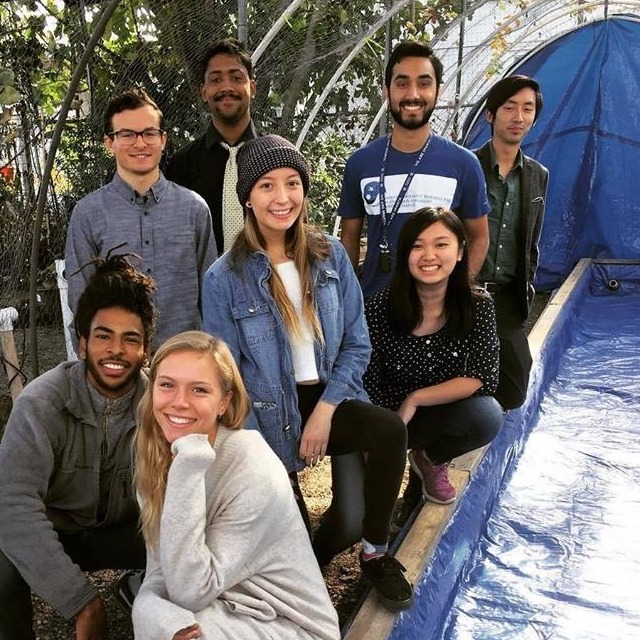
Organizer
The Tower Foundation of San Jose State University
Beneficiary