Westchester Clubhouse For The Arts (Fountain House Model)
0% complete
$1,068 raised of
8 donations
Westchester Clubhouse for the Arts
Launch and Growth Strategy for People Living with Special Needs, Disability and Serious Mental Illness (SMI)
We are not just starting a program. We are building a community.
Our 40 acre project needs funding to provide for our members.
Our clubhouse is for people with special needs. In a vastly underserved region with a population of 100.000 with mental illness and 55.000 with SMI
Disabilties are hard to live with, having a home base to operate from which involves
SMI is serious business and people with it suffer higher hospitaliation, homelessness, substance use and often die 10-20 years earlier then people without.
About the Project
The Westchester Clubhouse for the Arts operates as an innovative arts clubhouse for people with special needs and disabilities focused on psychosocial rehabilitation, community, creativity and culture. Services for specialized supports, accommodations, and programs are designed to help individuals with physical, mental, or cognitive disabilities achieve independence, equality, and inclusion.
Westchester Clubhouse for the Arts uses art as a vehicle for psychosocial rehabilitation through hands-on, peer-run programming and partnership with local agencies and creative studios in Pound Ridge, Bedford Hills and Mount Kisco. Westchester Clubhouse for the Arts aims to become an accredited program and member of Clubhouse International using the time-tested, evidence-based model, which originated in New York City and has been replicated over 300 times around the world. We look to bring this evidence-based model infused with arts programming to support the recovery of individuals living in Westchester County.
Why Westchester
The New York State Comptroller’s office reported that 21.1% of adults statewide struggled with mental illness in 2021 - 2022, and 5.1% had a severe mental illness - an estimate of over 55,000 people in Westchester County. According to United States Substance Abuse and Mental Health Services Administration (SAMHSA) statistics, 25% of people with SMI live below the poverty line. Up to 90 percent are unemployed, and more than 30% are homeless as compared with 5% of the general population. Pushed to the margins of society, most people with mental illness live invisible and lonely lives. The resulting poverty, homelessness, addiction, incarceration, and “revolving door” hospitalizations are both detrimental to those afflicted and costly to communities.
Westchester County uniquely is experiencing an increase in adolescent mental health cases, with a 32% rise in incidents and 41% increase in public costs. Despite the robust research on the clubhouse model, with proven outcomes including reductions in loneliness and reductions in re-hospitalizations, Westchester residents, as well as Putnam and Fairfield County, do not have long-term, community-based, cost-effective programs in the (their) community.
Westchester Clubhouse for the Arts is uniquely positioned to thrive in Westchester County, thanks to a longstanding culture of creativity, public art and creative institutions in the region, including Storm King, Dia Beacon, Katonah Museum, Caramoor, Purchase College of Art to name a few.
Westchester Clubhouse for the Arts Program
At Westchester for the Arts, we believe art-making inherently builds a culture of hands-on work, enrichment and community. Arts and culture can contribute to the diminishment of stigma, create community and engagement; critical elements to recovery for people living with serious mental illness and the clubhouse model.
Art communities are built through the practice and work of art-making, which both clears the mind and refocuses senses into constructive work. The development of an artist-run community for people with serious mental illness builds on the principles of art-making. We take raw materials and create refined works of art, and welcome people in raw states into trusted spaces of care with open arms allowing for individual transformation. Working together, showing together, learning together. A community is formed through trust-based relationships and the daily practice of creation.
Daily programming includes four main elements: art, education, an exhibition calendar, and daily operations. Through a full, work-ordered day schedule, members will have access and opportunities to lead various workshops, educational classes and activities to build self-esteem, connect to community and engage in mindful spaces designed to relieve mental distress and expand oneself from within.
Dr. Patrick Corrigan, a leading expert in stigma reduction, identified that sharing stories and hearing from people with lived experience builds belonging. Dr. Tom Insel, leading neuroscientist and author of Healing the Path from Mental Illness to Mental Health, consolidates the solution to the growing mental health crisis in three key ways: people, place and purpose. At Westchester for the Arts, we weave both of these philosophies together. A community is formed through the arts using the clubhouse mode.
Westchester Clubhouse for the Arts Leadership
Executive Director, Dominik Love, comes with a background in establishing artist-run studios in Los Angeles. Dominik has a BFA from RISD where he studied Painting, Architecture and Illustration. He focused on Twelfth Century Sienese Glaze technique and Beaux Arts D’Lecoute. Dominik is also certified as a NAMI peer leader and a Peer Specialist with the Academy of Peers. Through his own lived experience, Dominik understands both the role of art-creation and the role of the clubhouse model as a member of Fountain House since 2019 has had on his recovery. He is uniquely positioned to lead Westchester for The Arts and establish a member-run clubhouse fully immersed in intentional art programs to ensure people living with serious mental illness in Westchester receive access to the holistic programs needed for long-term recovery.
Westchester Clubhouse for the Arts is a 501c3 seeking partners and funders to expand programming to our permanent, physical location and cover operating expenses to restore dignity and improve the lives of people with mental illness in Westchester.
Contact us
Dominik J Gabrielsen 001 (914) [phone redacted]
(and don't forget Nature! being outside and experiencing nature with a community, from Plein Air Painting to Picnics and outdoor music or movie night. Being immersed in nature and able to take walks and breath fresh air is a huge part of our project.)
Although we have temporary locations our primary location is 44 acres of untouched rezoned land working with the city to build our departments, such as ceramics or woodshop. Where people can learn a new skill and create artwork, build their own community and show in the gallery.
-----------------------------------------------------------------
This effort is led by members themselves, people who know firsthand that recovery does not happen in isolation. Like the original group known as We Are Not Alone, whose shared commitment gave rise to Fountain House, we are carrying forward the most essential truth of the Clubhouse model: when people are needed, valued, and connected, lives change.
What we are building in Westchester is not a service for people, but a community of people, one grounded in dignity, contribution, and belonging. It is a proven, human-centered approach that strengthens individuals, families, and the broader system.
At its core, this work is simple: creating a place where a person can say and know, I am not alone.
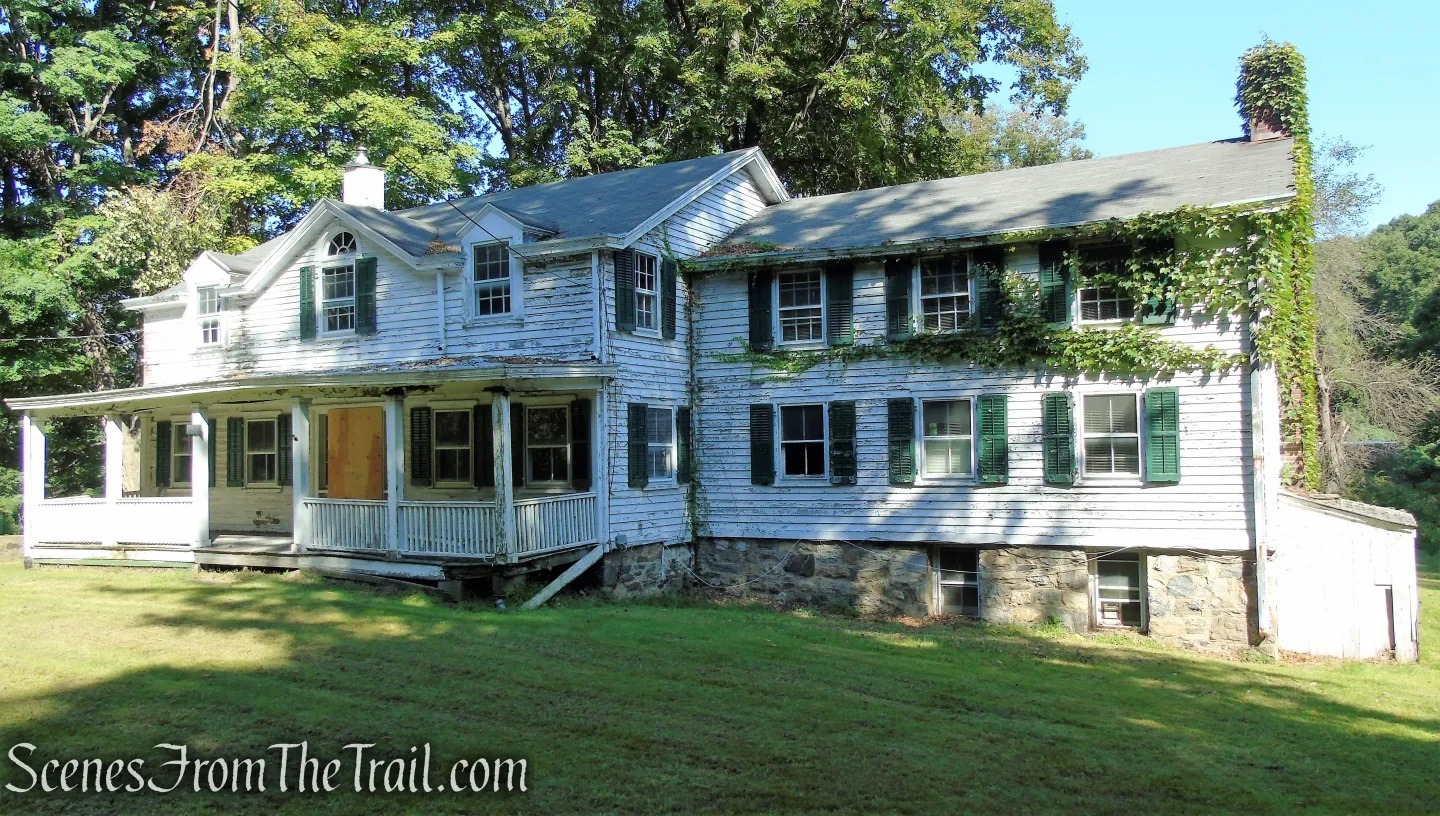
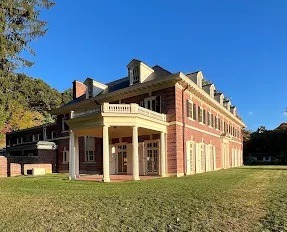
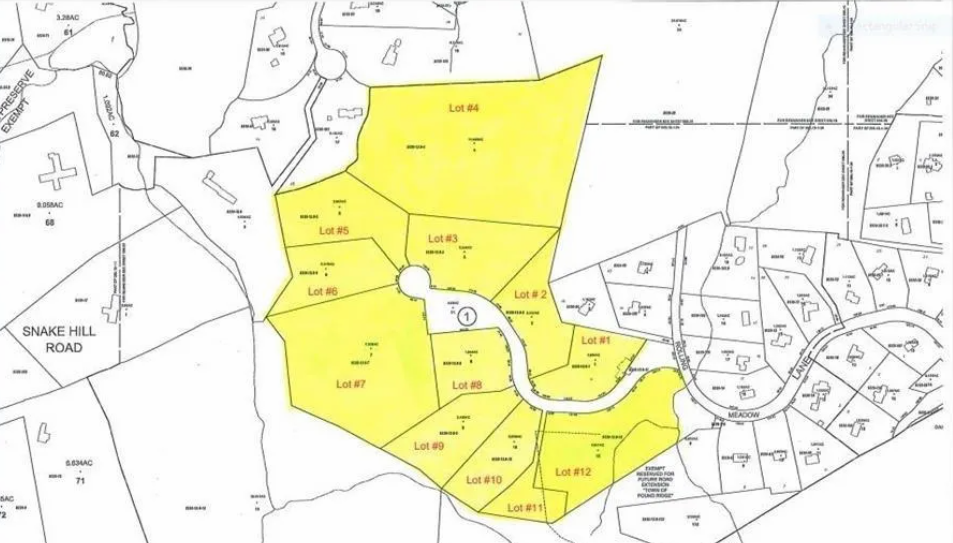
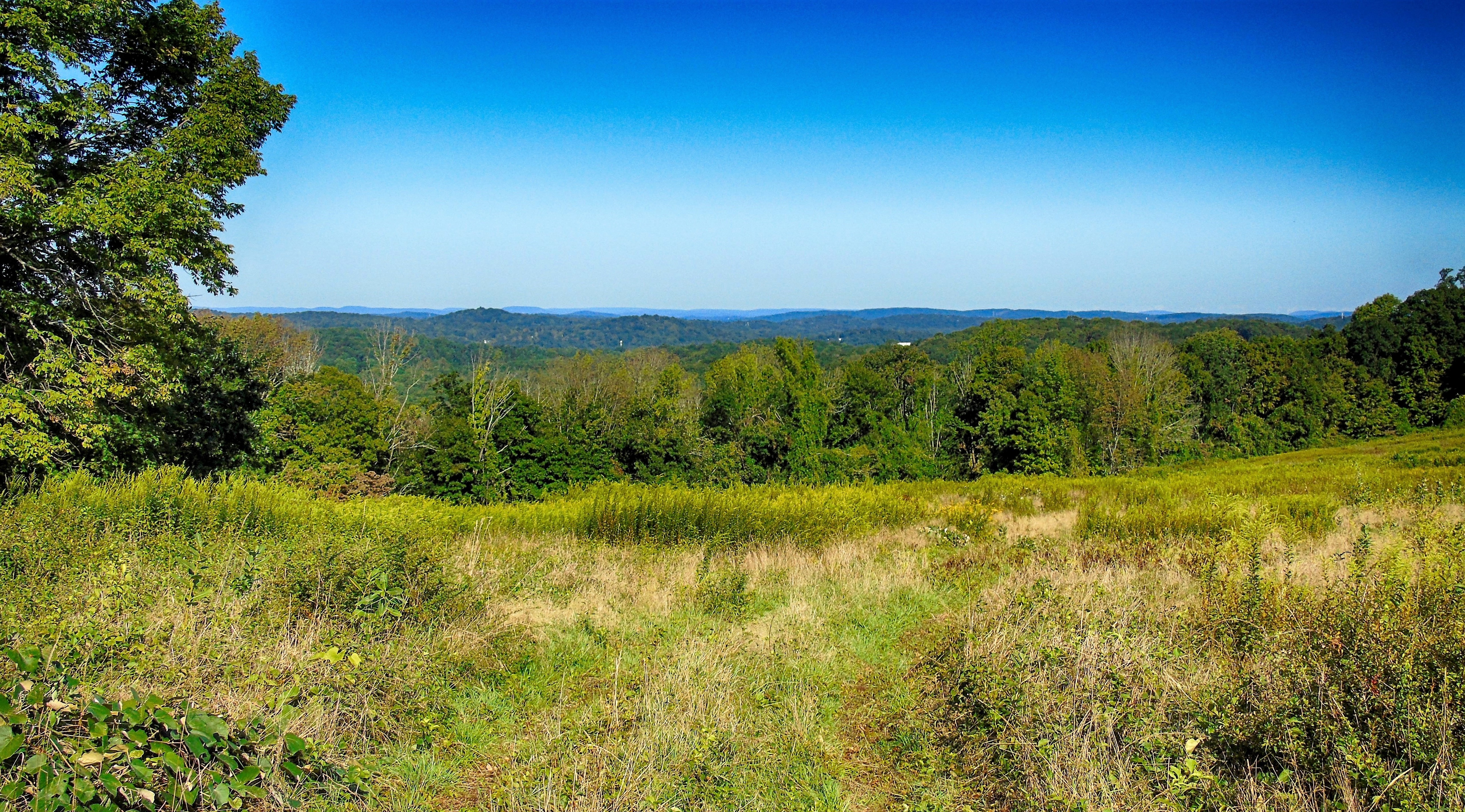
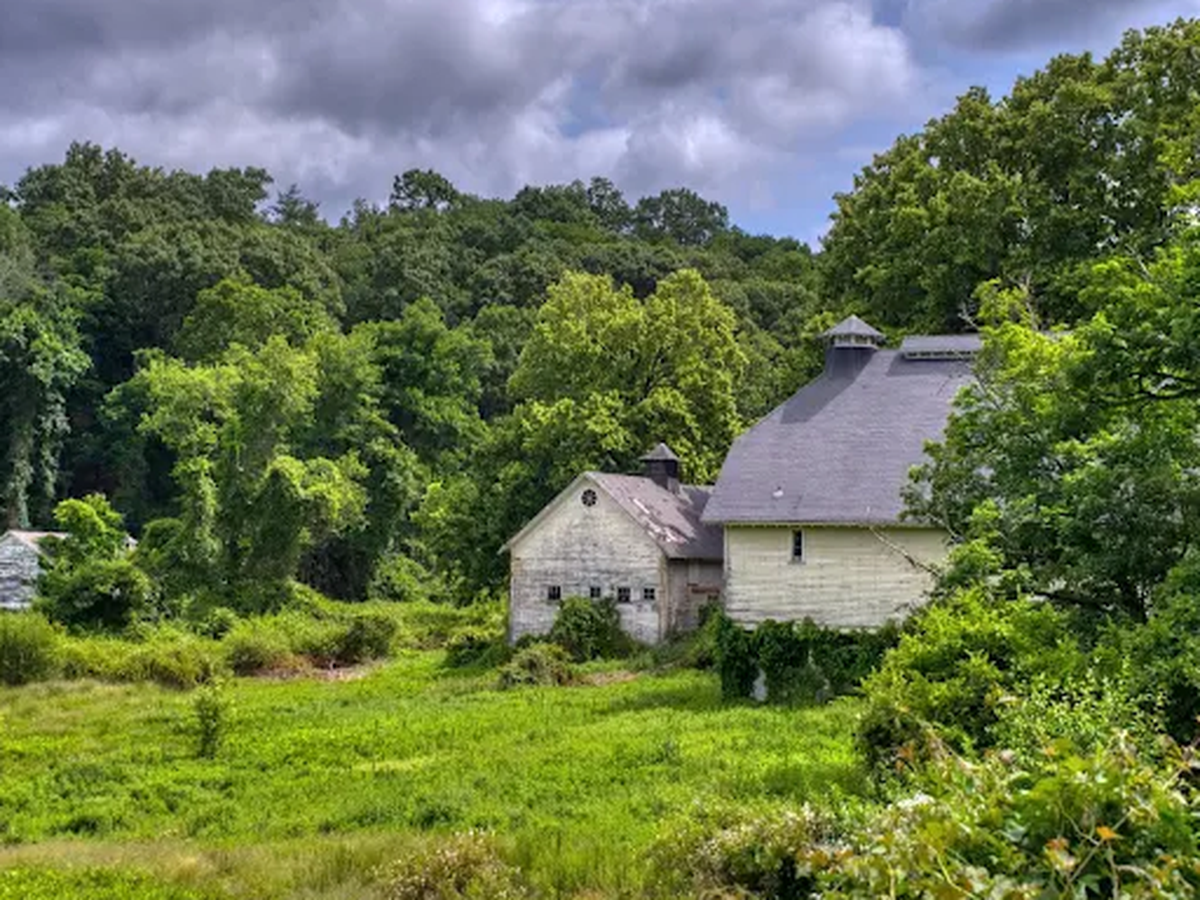
We have this (see photos) property to renovate with multiple houses on the land. And a second property (see map) property to build from scratch. All in all this is over 100 acres in property being designated for people with special needs and severe mental illness.
WCH is a Clubhouse for people with special needs and disabilities. We have a major lean onto the arts. Our campus like site will include Ceramics, Woodshops, Painting and Drawing studios, Sculpture, Print making, Photography, Sound studios and 3D printing.
We hold out a special place in our heart for a Glass Blowing studio. Right now were working with some existing facilities to help orchestrate this.
While we have all the other UNITS of the Standard Clubhouse Model (https://www.clubhouse-intl.org/documents/standards_2016_eng.pdf)
Such as Culinary, the Welcome Center, Home and Garden, Research, Education and Employment, Silver Center, Communications & Wellness. We also nurture artisan and artistic talent.
The Offset of a Clubhouse in someone's life:
There is a 21% less likelihood that Clubhouse members will re-enter the hospital. referred to as "In Patient", at 1500$ a day minimum, for on average 30 days that is saving social security 30,000$. Followed up by PHP (partial hospitalization program) at 1,000$ a day for 3-8 weeks, Continued in an IOP (intensive out patient) like charlie health for 1900 a day for 13 weeks.
"Lets go outside for a picnic"
And watch their eyes light up! Going outside for a picnic is just the beginning if there was live music and or a nighttime outdoor film screening. What is missing from most urban centered clubhouses is nature, some fresh air. Nature heals, inspires and helps build community. That is why our clubhouse is situated one 2-3 sites, a 42 acre site where we build to suit and a 130 acre site where we renovate existing structures.. the third site is our headquarters hosted by the Masonic Lodge.
Lets do more together.
Working with the community and professionals:
We work closely with the elected officials from OMH, and from the township. We are working with experts at Fountain House, and Clubhouse International.
The first of its kind:
We already exist as the first if its kind online web hosted club house. Offering classes and working as a community towards the physical location. We are the first member driven clubhouse initiative since WANA (we are not alone) whom founded the first clubhouse, Fountain House, the founder of clubhouse international now leading to there being 377 locations. We are the first arts focused, let alone arts heavy
We are a Fountain House member driven initiative, the first of its kind since Fountain House itself was founded: https://fountainhouse.org/
This is the Patient, Member & Artists statement:
We are a collective of Artists, Artisans and Fountain House members. Led by several people including Kiko, Craig, Kelila, April, Ariel and Dom. We live in Westchester, and we live with serious mental illness (SMI).
Like so many others, we have known isolation, hospitalizations, and the feeling of being cut off from the world we want to be part of. What changed our lives was finding community, a place where we were not treated as problems to be managed, but as people who matter.
Now we are working to build that same kind of place here in Westchester. Building a clubhouse for people with Special Needs.
A Clubhouse is a proven, international model of mental health recovery built on one simple idea. When people are needed, valued, and connected, recovery becomes possible. Members work side by side, build relationships, and create real lives through purpose, dignity, and belonging.
This model began in New York City more than 70 years ago, when a small group of people living with mental illness came together and called themselves We Are Not Alone. They created a place where no one had to recover by themselves. That community became Fountain House, and it sparked a global movement that today supports tens of thousands of people through Clubhouses around the world.
We are carrying that same spirit forward in Westchester.
What We Are Raising Funds For
This campaign is raising the seed funding needed to take the first real steps toward opening a Clubhouse here, including:
• Organizing our founding group of members
• Receiving expert guidance and technical assistance
• Building community partnerships
• Forming a nonprofit organization
• Preparing to seek county, state, and foundation support
These early dollars are what turn hope into something real. They allow us to move from an idea to a living, breathing community.
Why This Matters
Right now, too many people in our county are cycling through hospitals, living in isolation, or stuck without meaningful support. A Clubhouse changes that. It creates a place where people can go every day, be known, be needed, and build a future alongside others who understand.
When you give to this campaign, you are not just donating to a project. You are helping create a place where someone who feels alone can find people. Where someone leaving the hospital can find purpose. Where recovery is not something you do by yourself, but something you do together.
We are building this not only for ourselves, but for the people we have not yet met. For families looking for stability. For Westchester to have a stronger, more human mental health system.
Thank you for believing in us.
Thank you for helping us make room.
Together, we are not alone.
● Adults: An average of 10.8% of adults in the region experienced poor mental health for 14 or more days in a month, 100,800 people. This rate was lower than the New York state average of 11.1%.
● Adolescents: There was a 32% increase in the incidence of mental health issues and a 41% increase in costs among adolescents in Westchester County.
● Statewide context: The New York State Comptroller's office reported that 21.1% of adults statewide struggled with mental illness in 2021-2022, and 5.1% had a severe mental illness.
● National context: On a national level, the National Alliance on Mental Illness (NAMI) reports that 22.8% of U.S. adults experienced mental illness in 2021, and 5.5% experienced serious mental illness.
● Other factors: Socioeconomic factors can impact mental health, as evidenced by the higher rates of mental health-related hospitalizations and emergency department visits in lower-income areas compared to higher-income areas in other New York regions.
Serious mental illness (SMI) affects more than 4% of the global adult population. Approximately 60 million people live with bipolar disorder, 21 million people live with schizophrenia, and 300 million people live with depression. People living with SMI die 10-20 years earlier than the general population. They face disproportionate impacts due to stigma, discrimination, and lack of understanding. For too long, we have not had a person-centered approach for people living with SMI in their own recovery, nor have we embraced the promise of community-based supports – but it’s time to change.
Below you will find information on our training and development opportunities.
Partners/Potential Partner: