

WE SUPPORT OUR NEIGHBORS
0% complete
$12,896 raised of
128 donations
Dearest friends.
My name is Scott Frisch. A little bit about myself. I live in St. Paul, MN and in Minneapolis prior to the past 7 years since 2010. I’ve been a longtime employee at Whole Foods Market for over 28 years and I’m a local musician in the vibrant Twin Cities community.
My fiancé Danielle is an elementary English Second Language school teacher in Rosemount, and together we have a 6-year old son, Rowan, who attends Adams Spanish Immersion School.
For the past couple months, we’ve been working in tandem with a Latino-based church. Danielle has been delivering to families on Saturdays. On Fridays, I’ve been organizing quite a successful weekly food relief effort.
The benefactors are families of schoolchildren who have been robbed of the basic dignity of providing for their own children as a result of being unable to leave their homes under the ongoing I.C.E. occupation to our home here in the Twin Cities.
The following is a bit about how this operation works, how it started, where it is now, and where we hope to be in the near future with it.
The model I’ve come up with, which I continually evolve and refine, is very simple:
•HOW MANY PEOPLE CAN I POSSIBLY FEED ON A GIVEN BUDGET• - and-
•HOW CAN i MAXIMIZE THE EFFICIENCY OF ASSEMBLY, PURCHASE, TRANSPORT AND DELIVERY OF OUR CONVOYS.•
Regarding the first point.
It’s bulk staple foods. And a lot of them.
I’ve extensively studied the math and metrics behind food cost, sourcing, weekly sales etc. With this, I’ve been able to establish a solid template containing a variety of healthy foods that cover many vital food groups while simultaneously being as affordable as possible.
This template focuses on the following items:
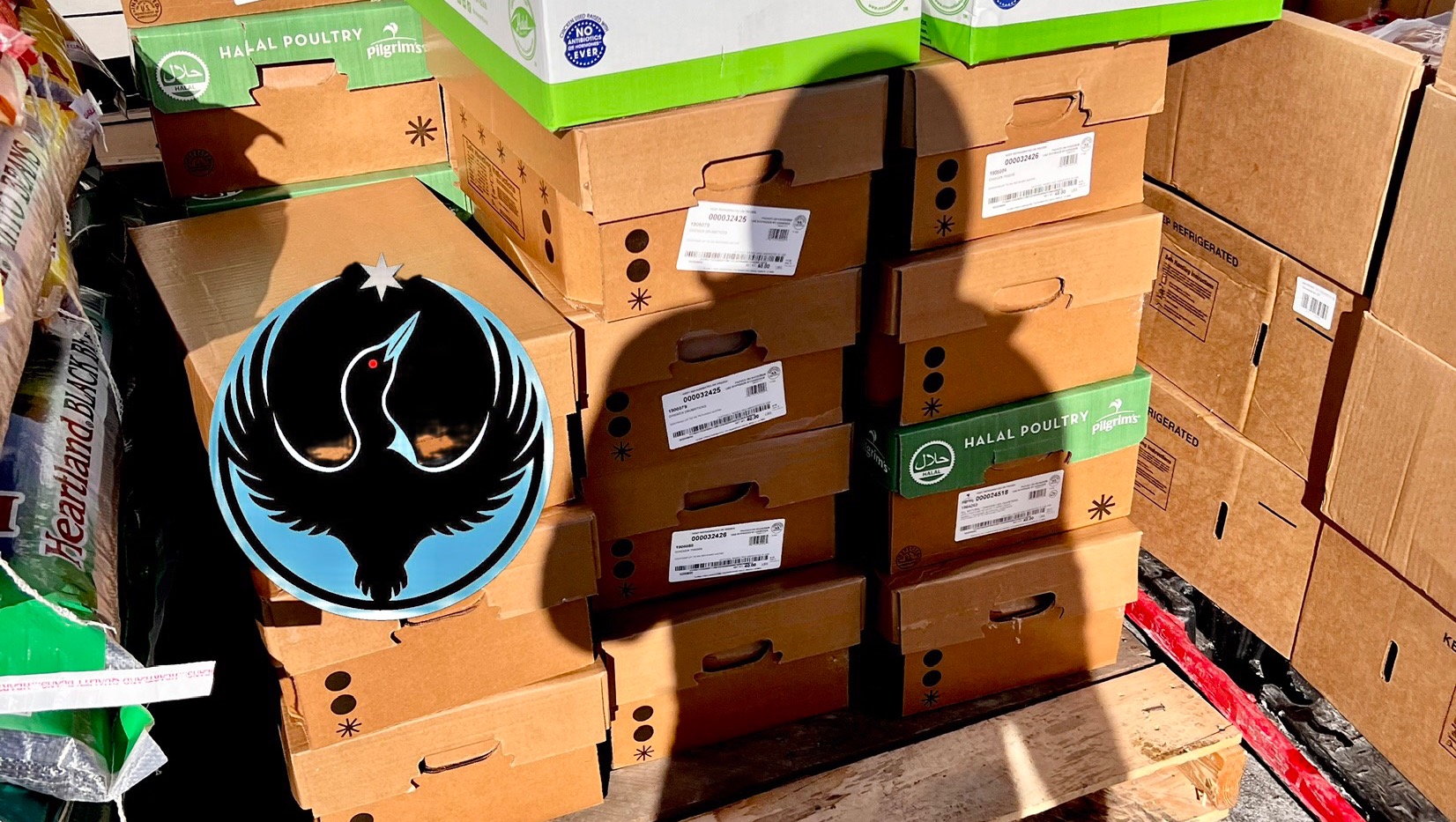
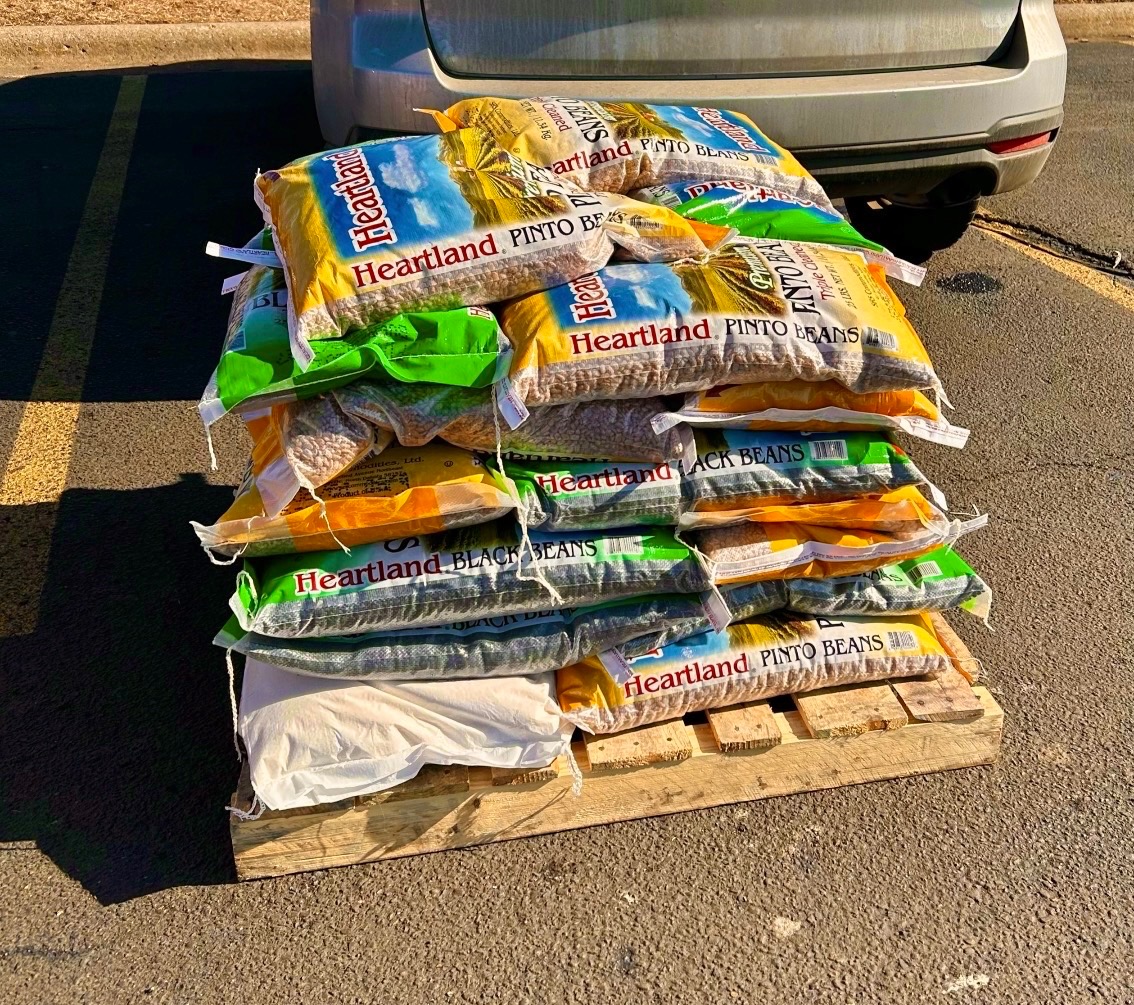
Dark meat bone-in chicken (thighs, leg quarters and drumsticks), white long grain rice, pinto and black beans, white corn tortillas, bananas, oranges, red and yukon gold potatoes, and 2% milk.
I base everything specifically on a per pound/ounce/unit price to maximize the yield of product the dollar.
Again. How many mouths can we possibly feed on the dollar.
Bottom line.
To the second point, and how I started:
While at work, and early in the ICE occupation, I received a text from my fiancé Danielle that contained a volunteer form from a Latino-based church in Burnsville. She said that she was going to volunteer with delivering groceries to families who were afraid to leave their homes and asked if I was interested as well.
This led me to the ‘lightbulb’ moment.
I thought, “I work for Whole Foods!”
Surely this can help serve this purpose. After a couple of polite donations from friends at work coupled with my own trip to Costco, I put together about 400 pounds of relief that first week on my off day on Friday.
Then I did it again. More donations, with myself matching 10% of all of them.
2 carloads in my trusty Rav4 with a -28° windchill that week. I was so moved by others doing the same as thing as well.
Then again the next week. This time with Danielle, and a second vehicle.
Fast forward a month..
Through many donations by people who want to help us and these families, and my network of friends, we’ve been able to build a growing system that provides steady relief to these families.
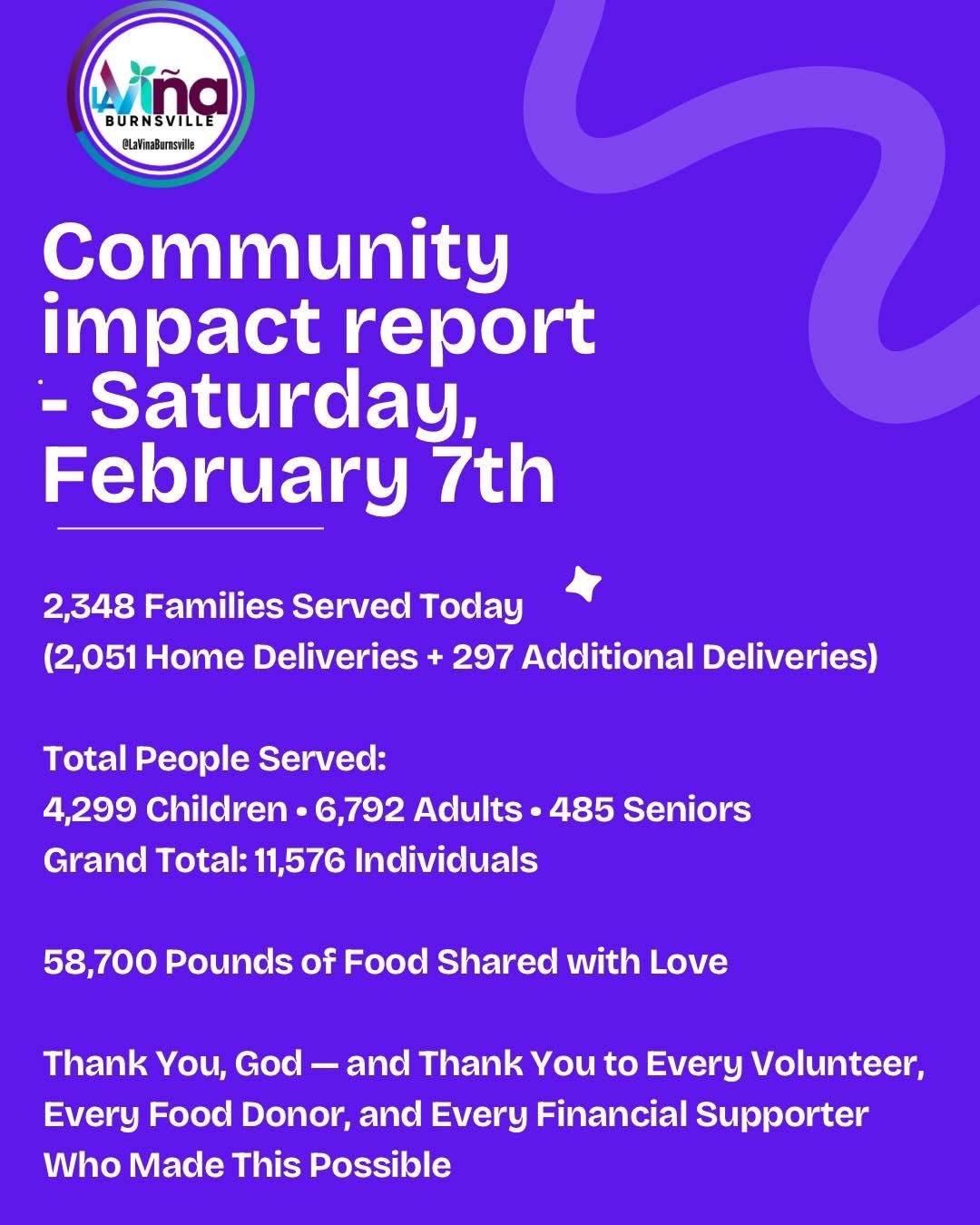
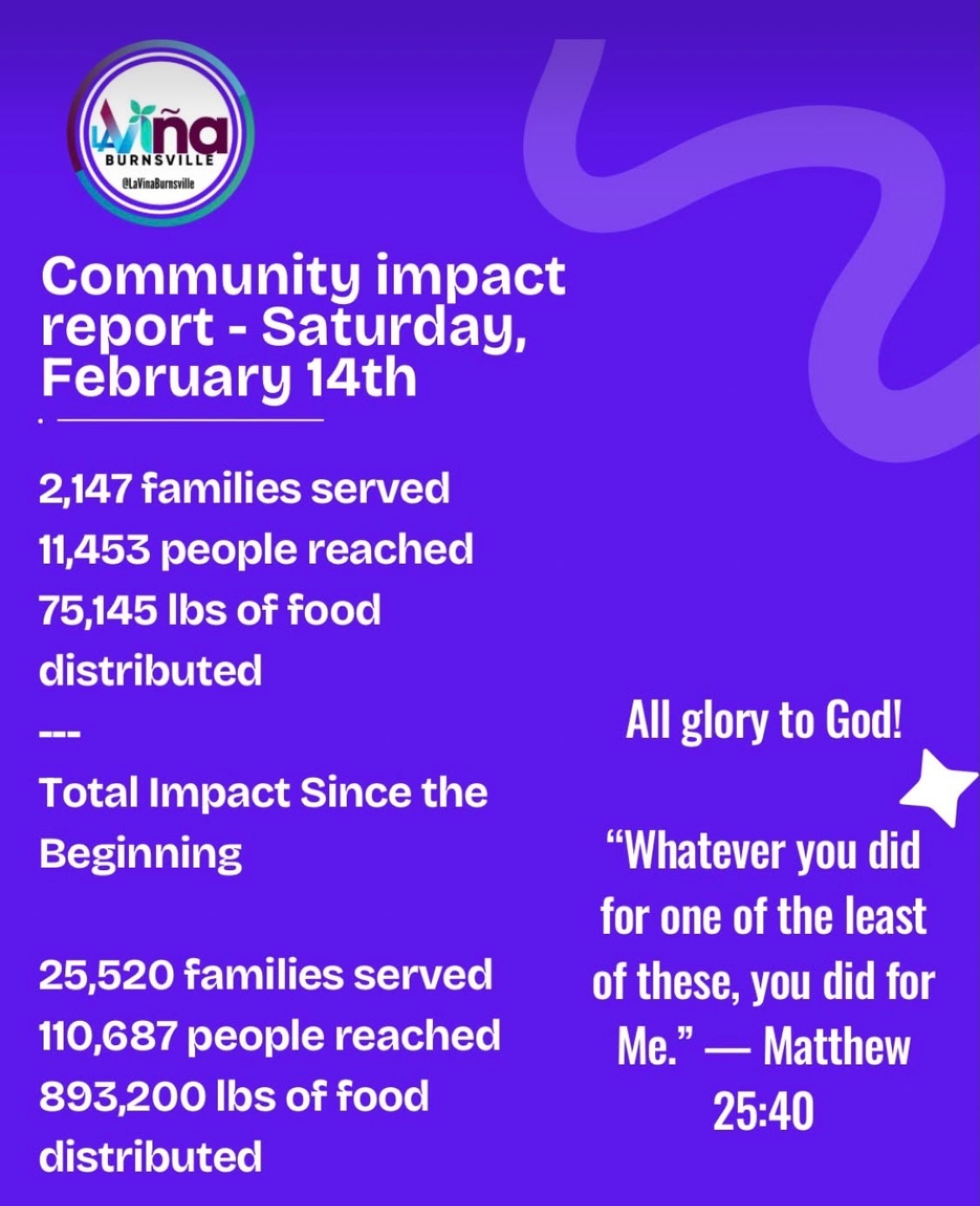
It has grown into multiple wave convoys and we’ve now eclipsed the 20,000 POUND mark of food delivered.
How it works:
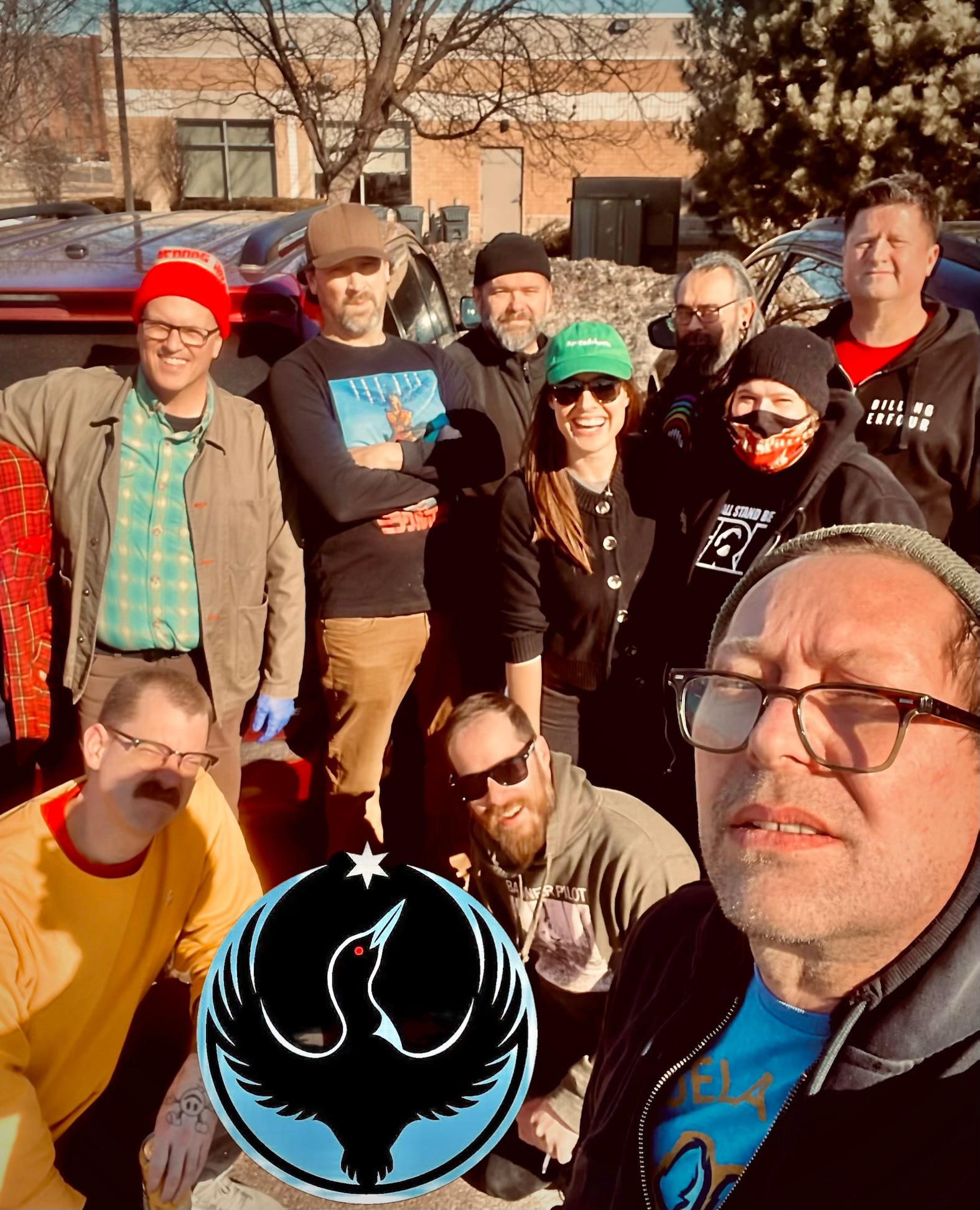
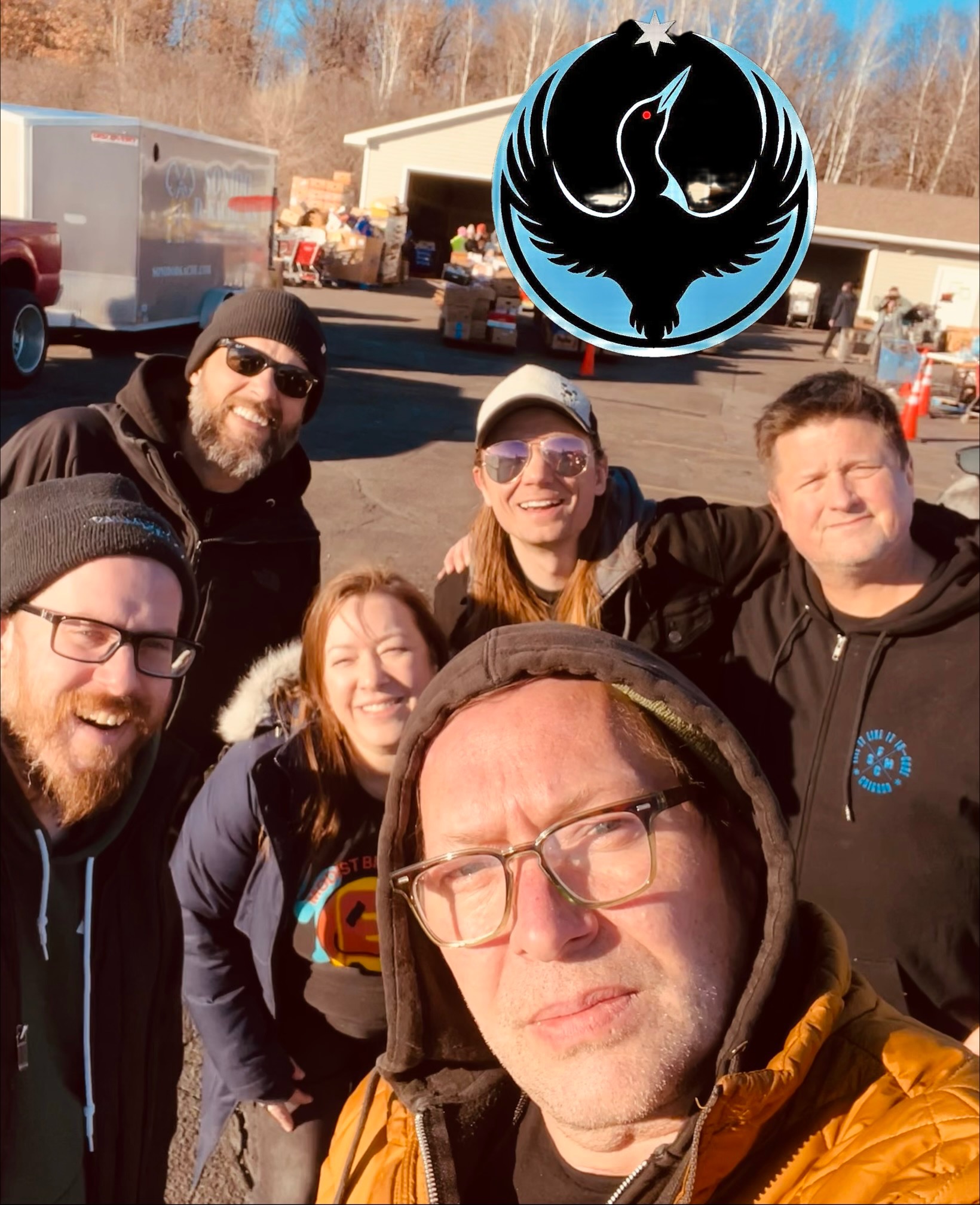
I allocate the funds to drivers a day prior to avoid fees to insure that every penny goes to the cause. We make efficient well-organized separate purchases according to the template with a large team, we transport it, and then we drop it. The church has a large team of volunteers, it is then sorted and delivered to homes THE. NEXT. DAY.
We do this every Friday.
This week was the first time a run was made on a Monday.
The church deliveries to the families are made on Saturdays, Mondays, and Tuesdays.
My hope is to increase the reach in order to be able to deliver to the maximum on all of these days to these families during this crucial time.
The reference I keep referring to, and to put it simply:
a $20 donation buys a 50-pound bag of white rice or beans. That cooks into 140-150 pounds of solid hot food.
$100 turns into 650-750 pounds.
Please try to internalize exactly how many people that can feed.
And lastly, please consider helping us to make hope and gratitude the prevailing feelings in this season of darkness for these families, who are all of our neighbors.
Thank you.
❤️❤️