- M
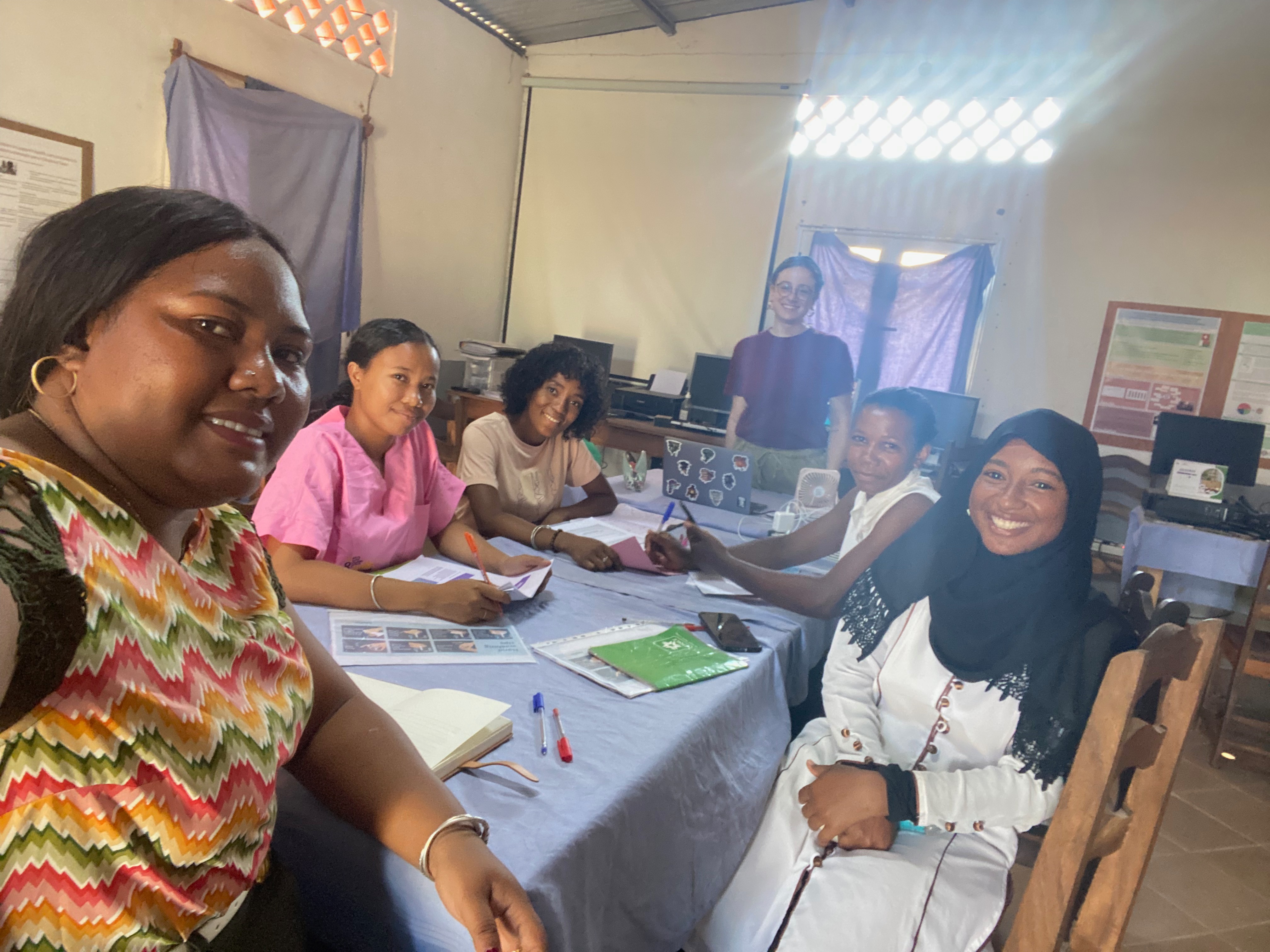
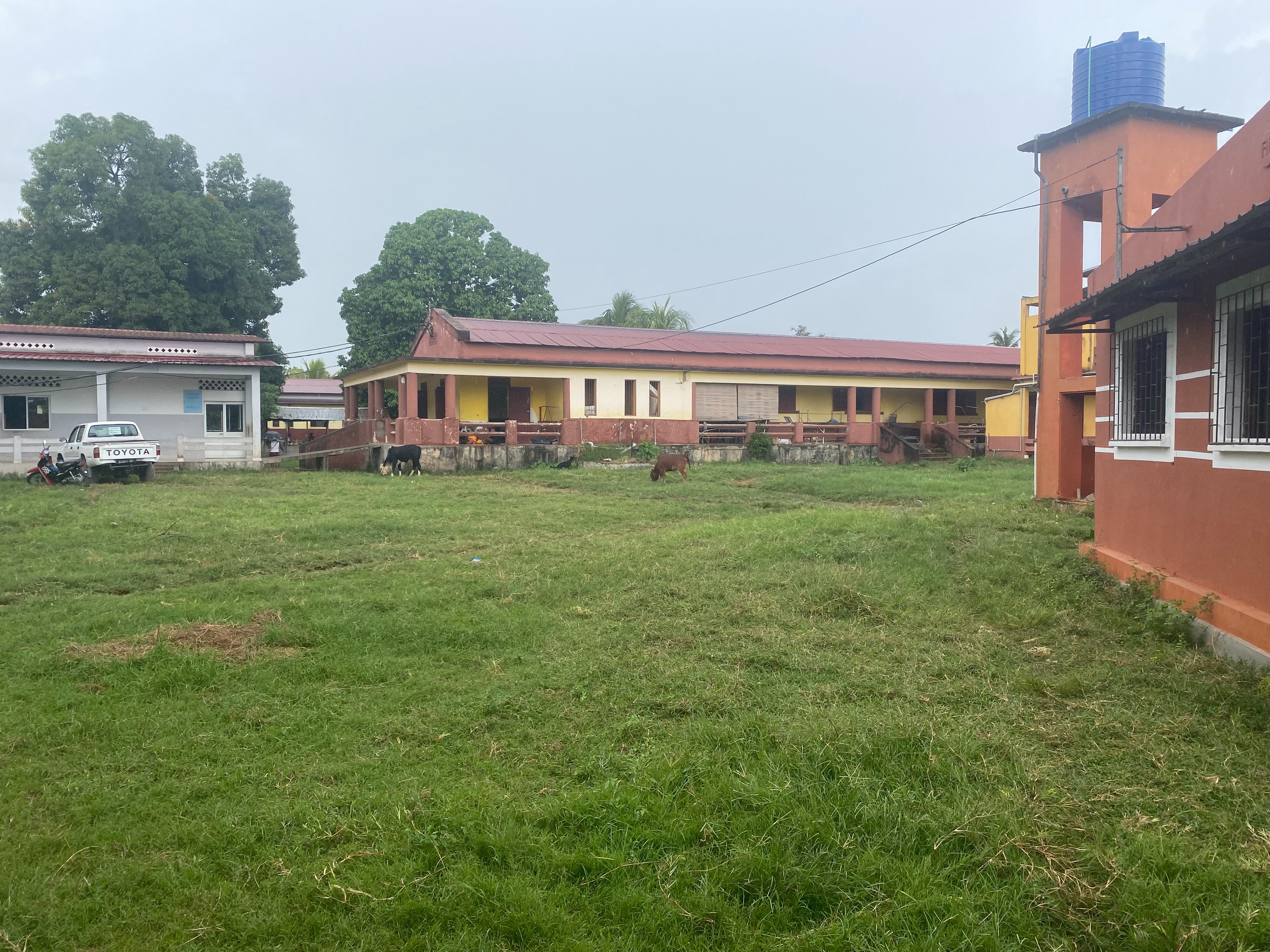
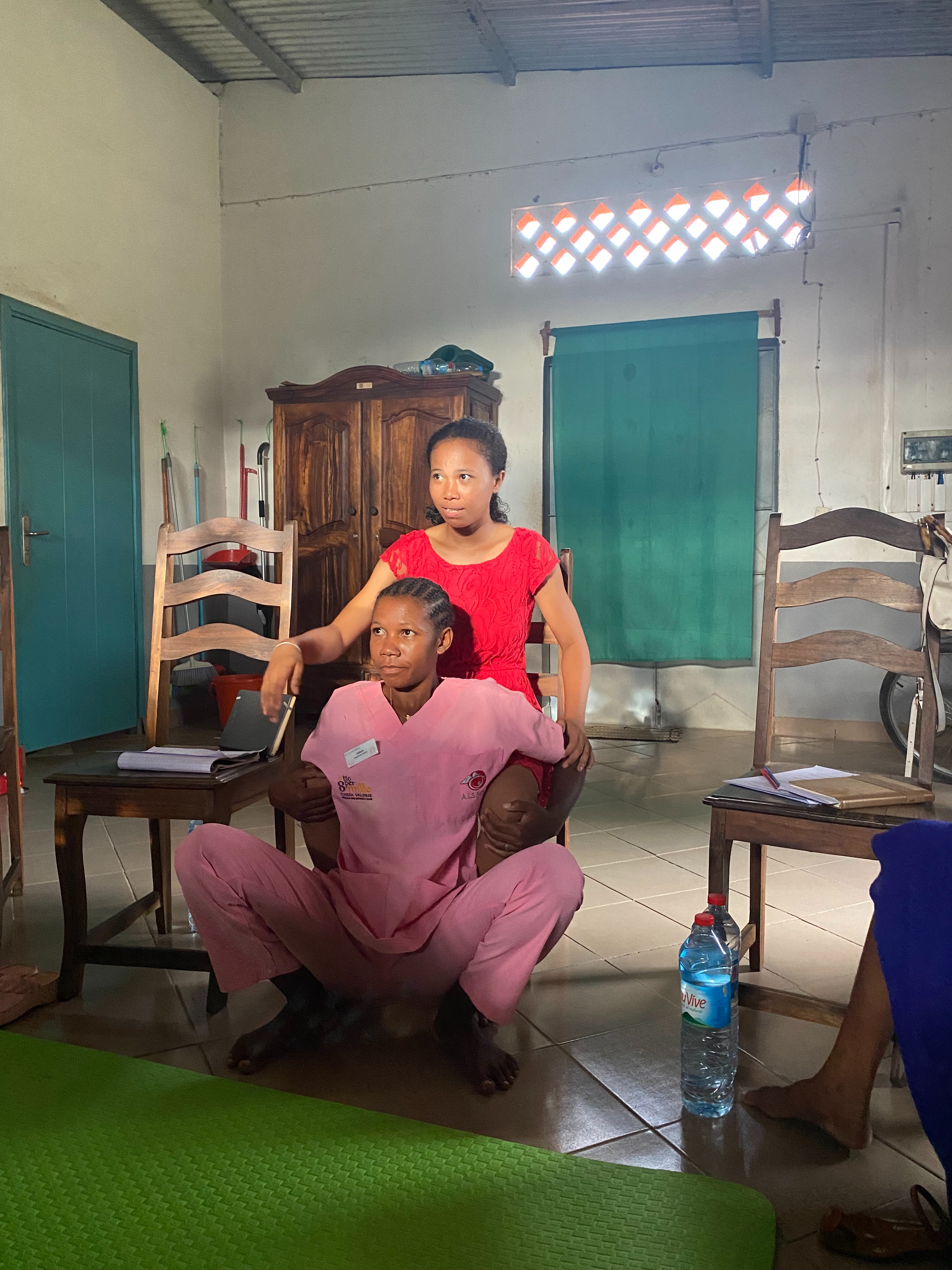
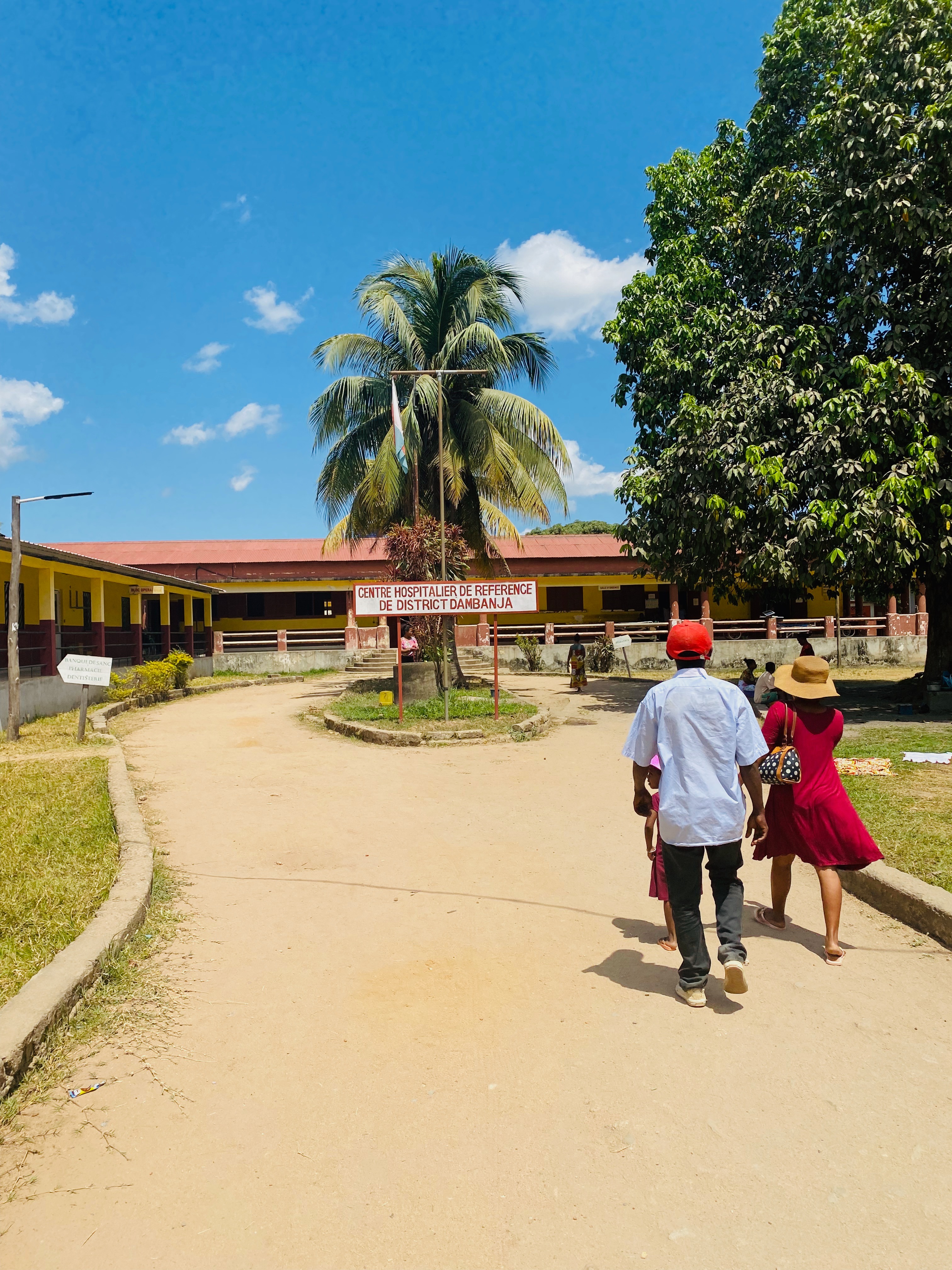
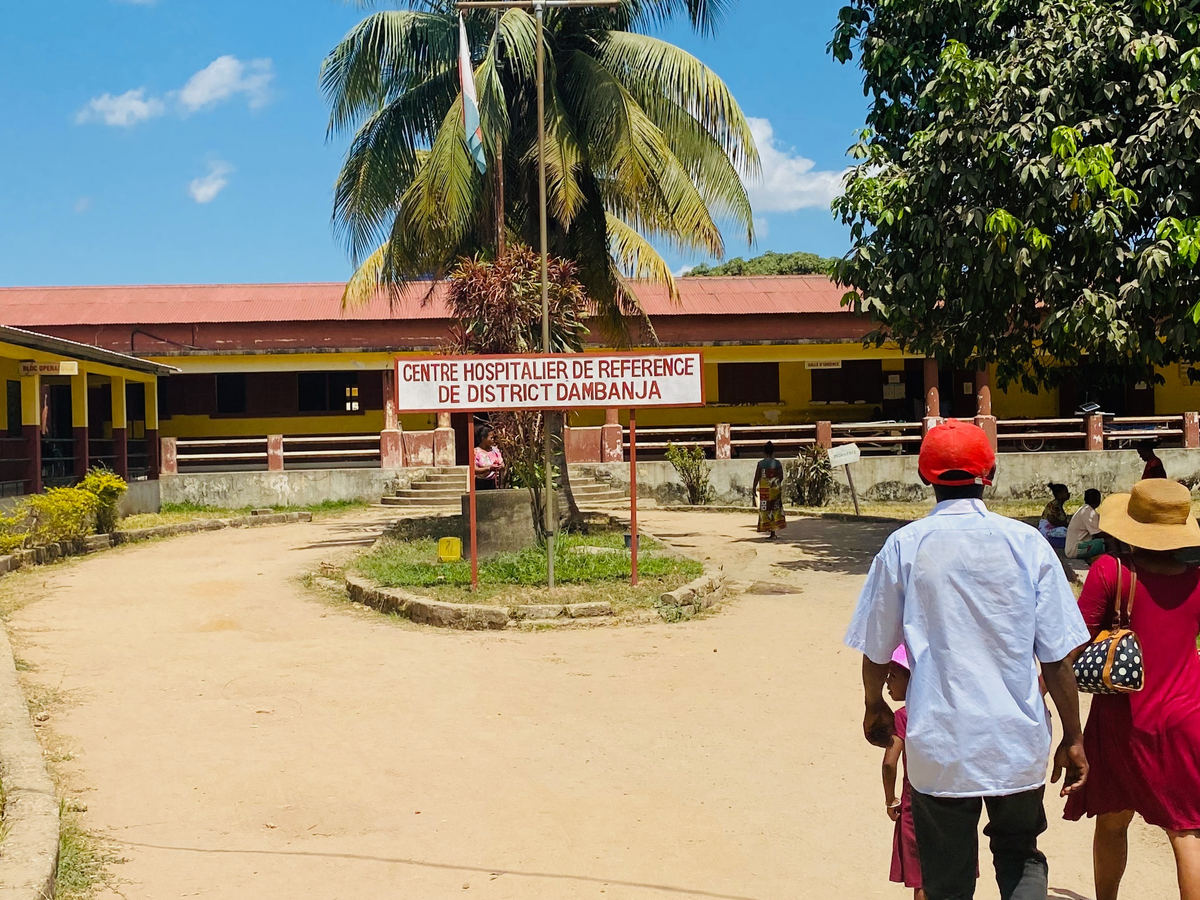
In June 2024, I fortuitously met Dr Giovanna Stancanelli, who led the implementation of the P.A.N.D.A. (Pregnancy And Newborn Diagnostic Assessment) mobile technology in Ambanja, Madagascar. Since then, I have been teaching English to P.A.N.D.A. midwives in remote. I volunteered in Madagascar for 5 weeks last October, where I continued my teaching and gained some local midwifery care experience.
As a telemedicine system that uses mobile technology to standardise antenatal and postnatal care consultations and documentation where health facilities are limited, P.A.N.D.A. uniqueness lies in the visual layout. Icons allow women to actively participate in the conversation and midwives are prompted to collect data, take history and perform all the necessary tests. At the same time, women improve their individual learning around childbirth, pregnancy and postnatal period.
Over the last decade, the P.A.N.D.A. initiative prepared the ground for a holistic and compassionate approach in the antenatal and postnatal periods. However, P.A.N.D.A. has not ventured into the delicate sphere of intrapartum care yet. In the wider maternity services, women’s needs are disregarded and invasive procedures carried out without consent, especially during labour and birth. Furthermore, the current situation is of a medicalised environment where interventions are often used unsafely and unnecessarily, without the adequate resources and training to respond to the potential pathological consequences. Due to lack of resources, high and low-risk women currently give birth under midwife-led care only, as there are no obstetricians nor neonatologists available.
I'm working with the Global Health Parterships Department of my Trust to create a partnership with Madagascar with the idea of a culturally sensitive adaptation of the UK midwifery model of care within the P.A.N.D.A. project framework. Within this project, first steps include training of P.A.N.D.A. midwives around respectful intrapartum midwifery and Continuity of Carer, through theory sessions, simulations around physiological birth and obstetric emergencies, and practice. Ultimately, the development of the P.A.N.D.A. mobile technology towards the introduction of an intrapartum care section would be ideal.
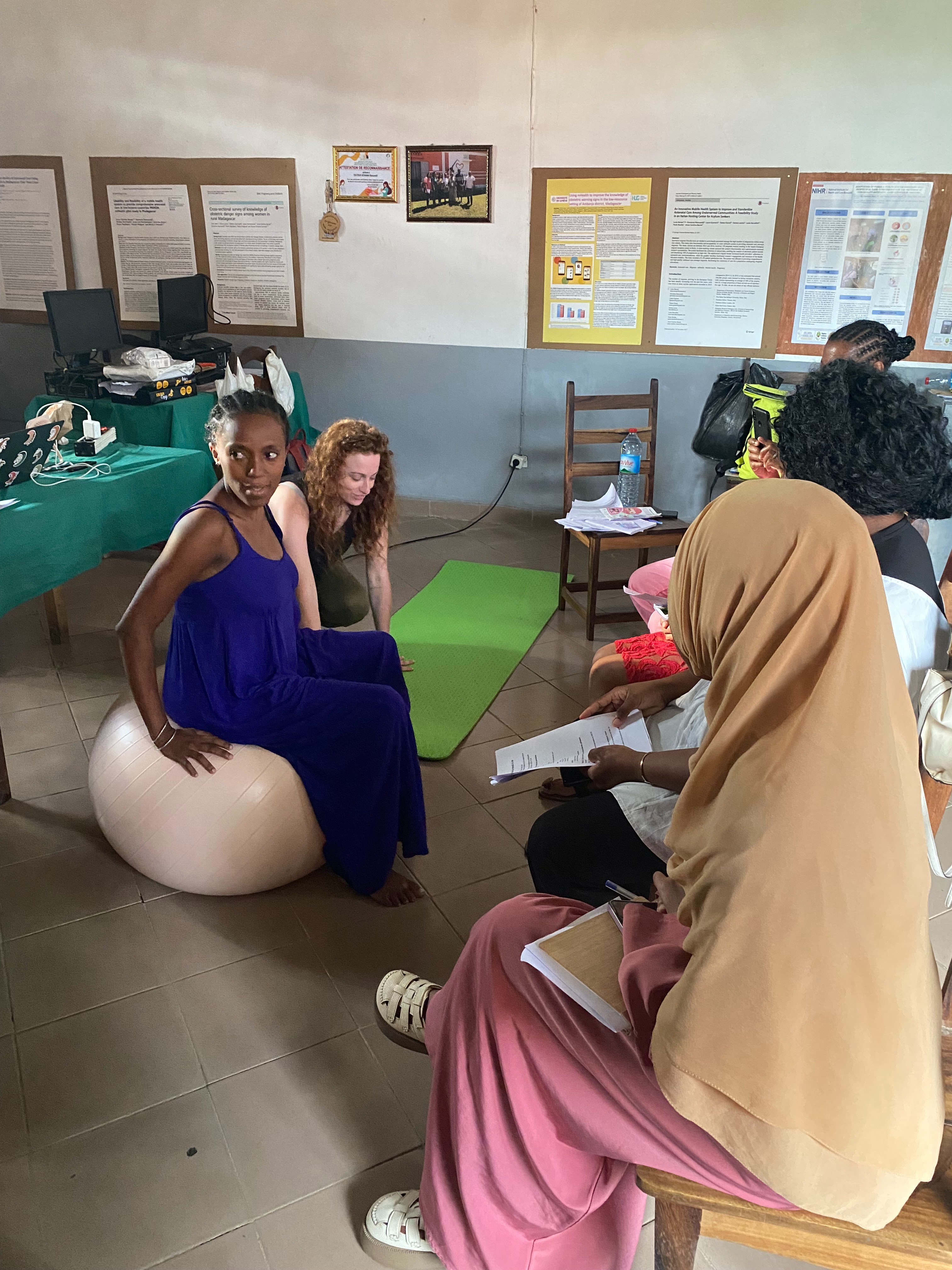
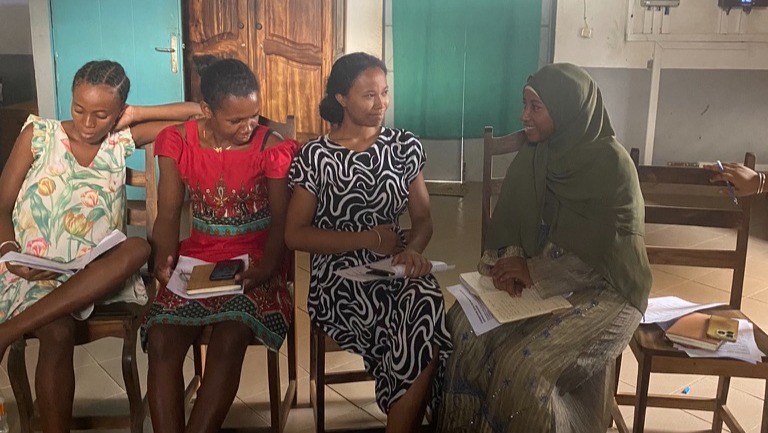
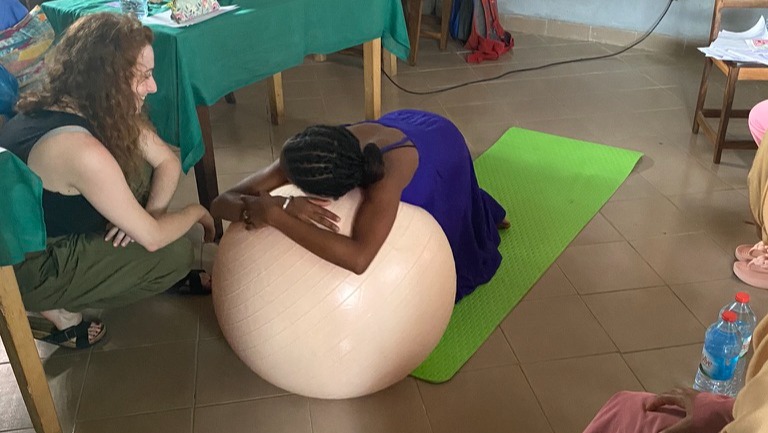
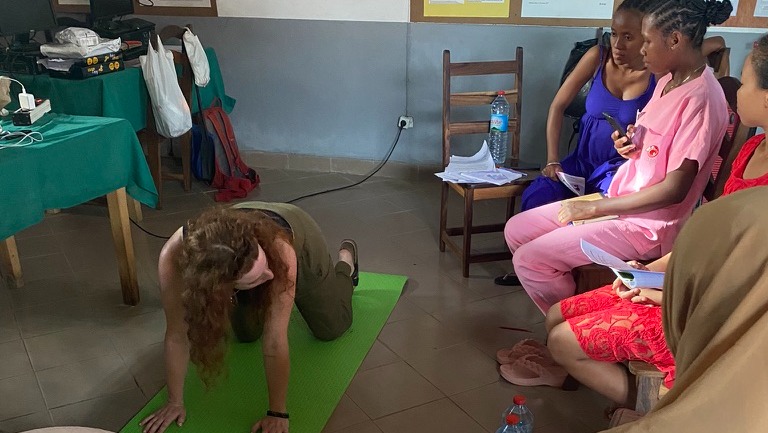
I was back as in Madagascar in May, for 3 weeks, during which I prepared and delivered training for P.A.N.D.A. midwives around sensitive midwifery, labour and birth care, international guidelines and biomechanics techniques for pregnancy and birth. The next phase of this training will be to practice these new skills in the local intrapartum context and to train midwives in responding to obstetric and neonatal emergencies in a low-resource context. This is planned for next September/October and it will require me travelling over there again for a few weeks, as a volunteer.
For some unclear reasons, despite Madagascar having one of the most under-resourced and under-developed health care systems in the world, it is beyond challenging to find funds to support improvements. I have self-funded both past trips, from flight tickets to living cost and insurances, which is why I would wholeheartdly appreciate whatever help will come my way. Any amount of money left will be going towards my next missions to make this project a reality. Thank you.
May 2025
RESEARCH ARTICLES: