Vancouver's Iconic Stanley Park is Being Logged
Be the first to donate
Inspire others and help Michael build momentum.
1st donor
Stanley Park is a National Historic Site of Canada , world-renowned tourist destination, and cherished natural refuge from city life for thousands of nearby urban dwellers.
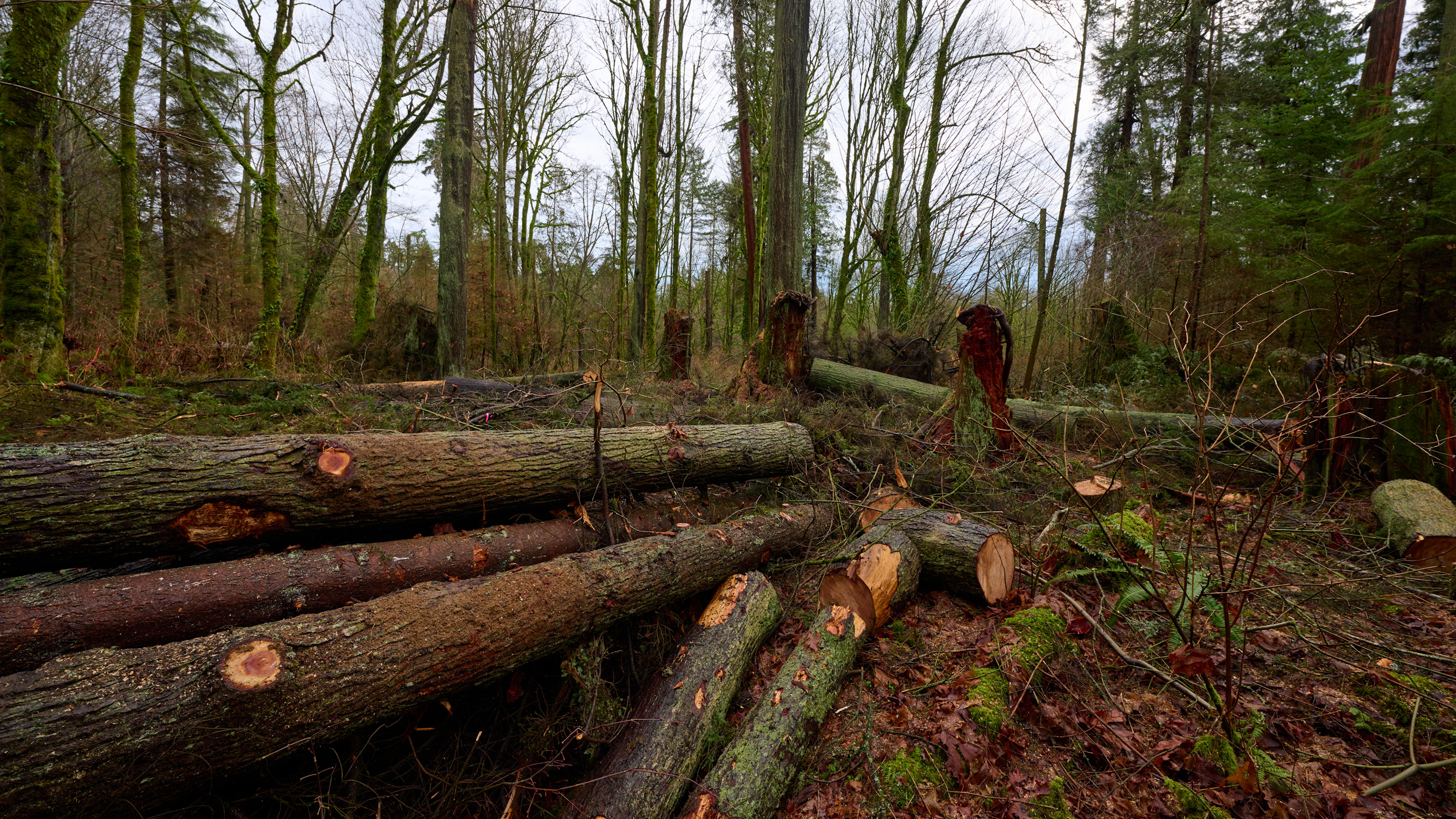
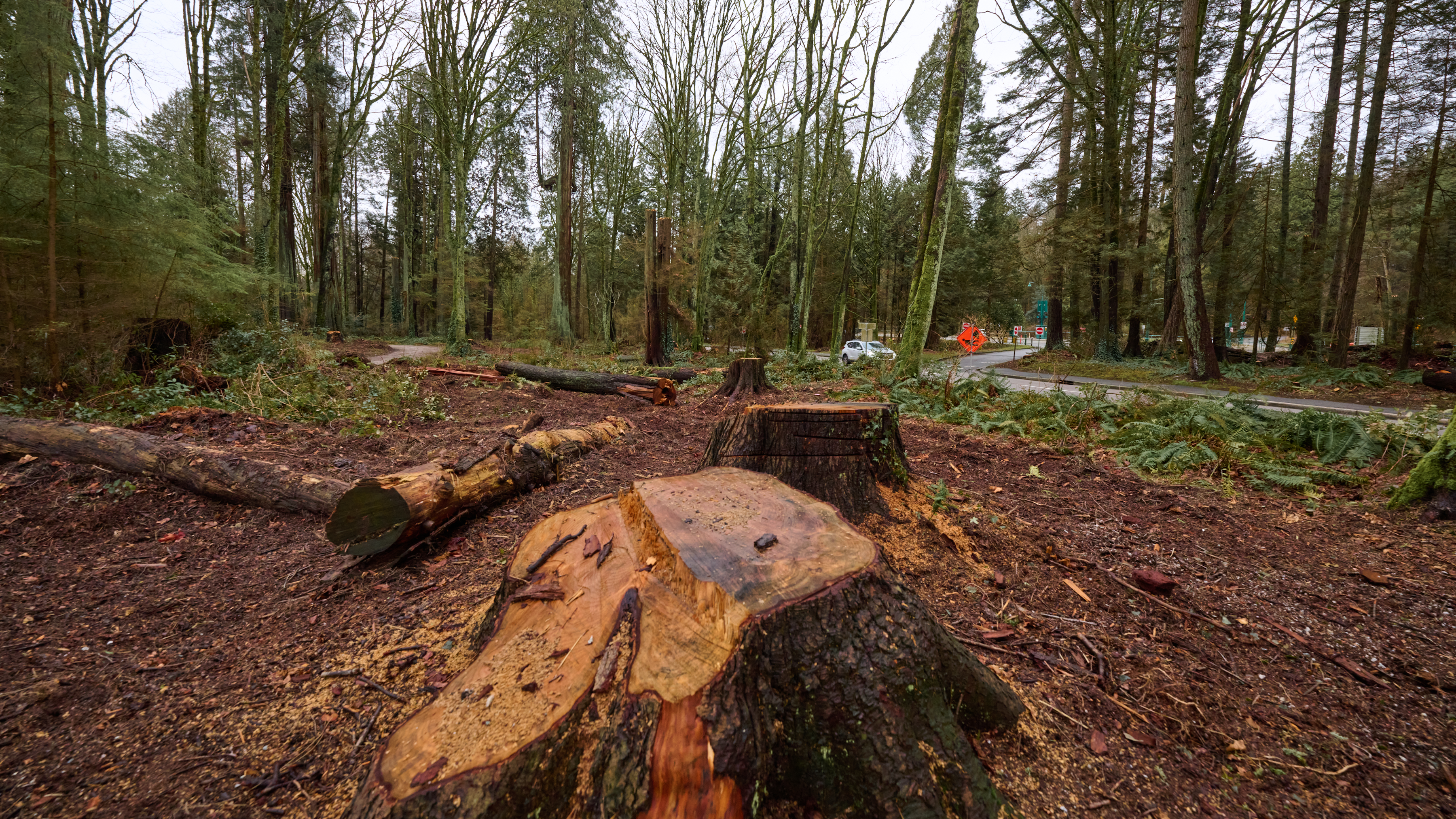
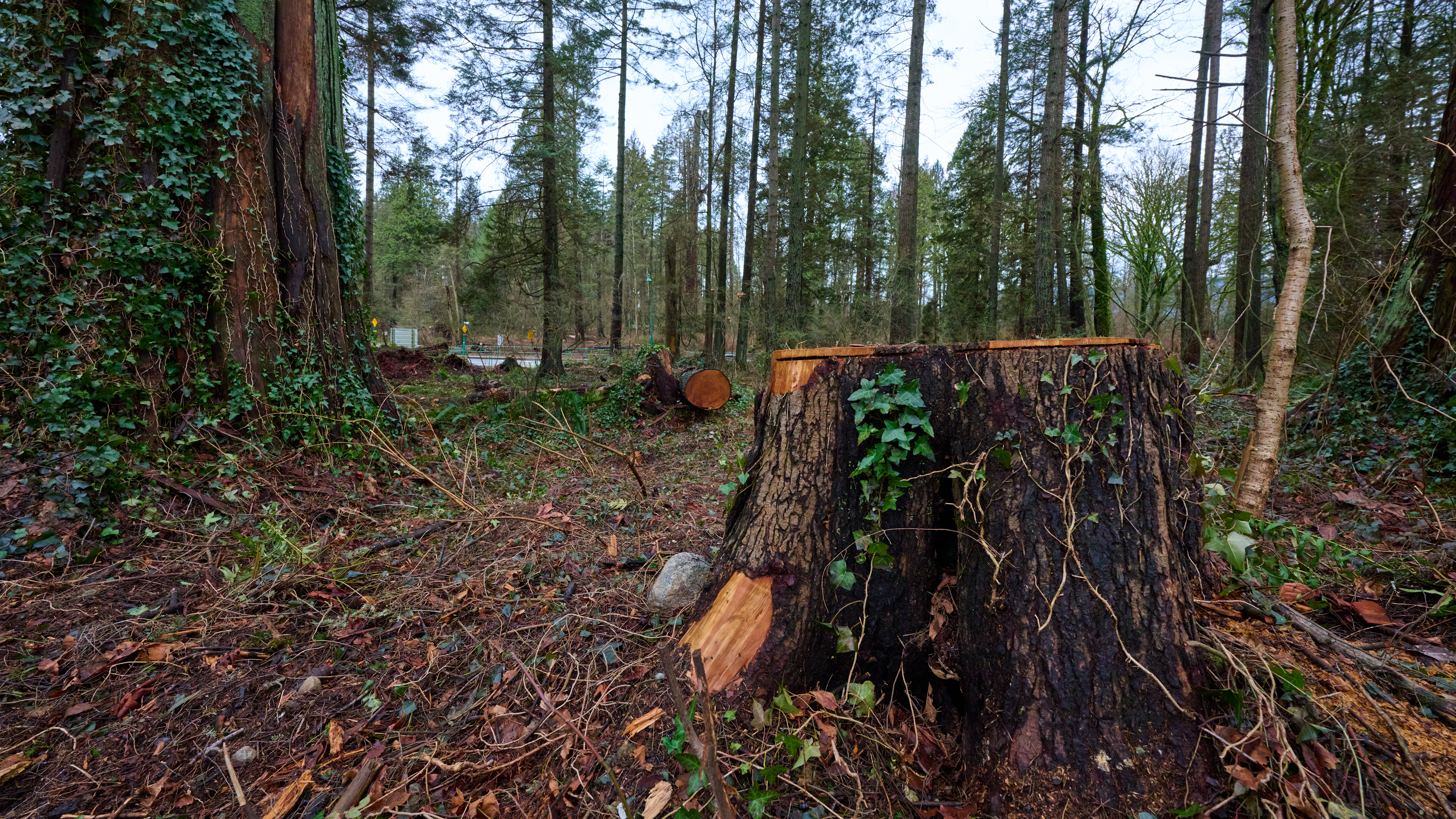
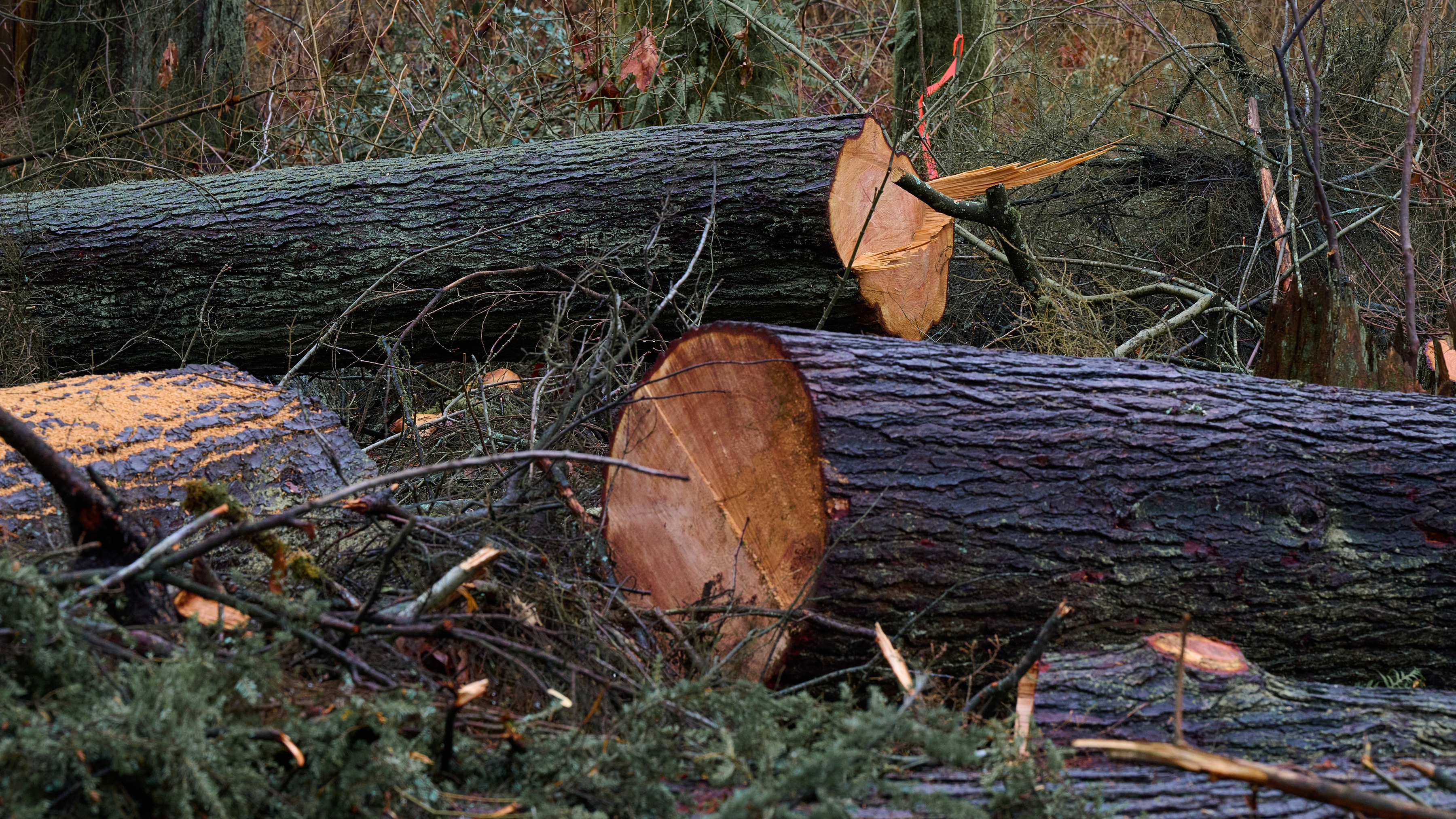
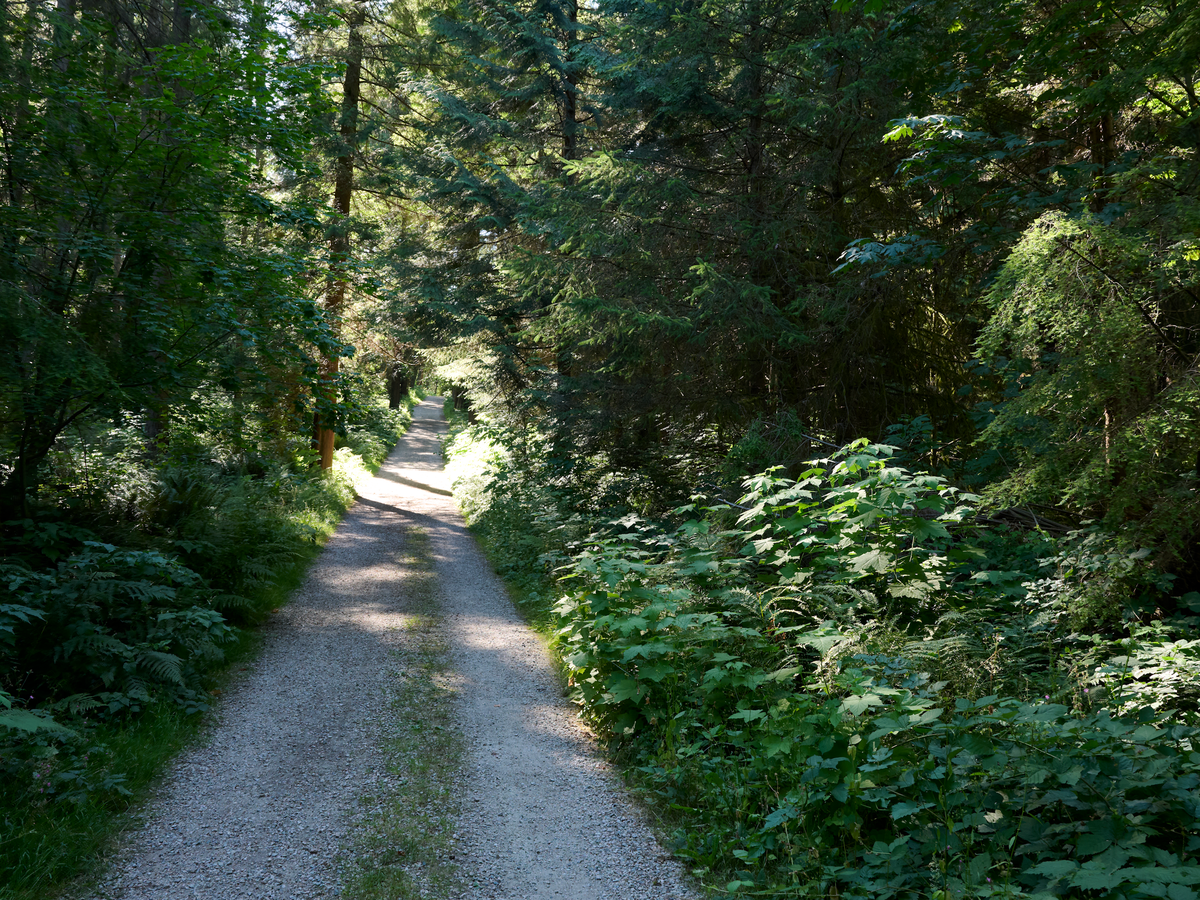
The City of Vancouver and its forestry contractor have been conducting what they say are tree risk and fire prevention operations in Stanley Park since fall of 2023, resulting in the removal of 11,016 trees. So far, the operations have affected approximately 58% of the 263 hectares of native forest in Stanley Park. Another operation to log the remaining 42% is imminent.
Further, the City and several Vancouver Park Board commissioners have stated their intention to replace native coastal western hemlocks with species such as Douglas fir and red alder, on the claim that the naturally dominant hemlocks are “doomed.”
No credible scientific evidence has been presented to justify this massive deforestation and transformation of Stanley Park. In fact, the Stanley Park forest represents one of the last remaining native coastal western hemlock forests (CWH) in North America, and supports a vast and diverse web of life which depends upon the coastal western hemlock as a keystone species.
The chain of events which led to this debacle started in 2022 with the natural feeding cycle of the hemlock looper, a native defoliating insect whose activity peaks in ten-to-fifteen-year cycles in CWH forests. The looper is an important and beneficial member of the CWH ecosystem because the trees it defoliates often become wildlife snags—dead trees which are uniquely capable of providing habitat for a multitude of bird species and insects.
Several City of Vancouver employees became concerned that the abundance of snags might represent a wildfire risk and a public safety danger to users of roads and trails in the park. They contracted to conduct a risk assessment, which the contractor performed in spring of 2023. Unfortunately, the risk assessment contract provided for the possibility that the assessor would later become the general contractor for tree removals.
This risk assessment contract therefore seeded a conflict of interest, in that the risk assessor stood to profit in proportion to the level of risk it assessed. Conflict of interest does not necessarily lead to bias. However, there are reasons to believe that the forestry contractor’s assessment was indeed biased.
First, the contractor’s assessment used faulty methodology to model fire growth in Stanley Park, should there be an ignition. The software used contained no fuel model for a coastal western hemlock forest, so the contractor substituted another fuel model. One of the fire modeling software's authors informed the City that the results were unreliable and that the danger was grossly overstated.
Second, the contractor ignored the existence of more that seventy water hydrants distributed throughout Stanley Park.
Third, the forestry contractor assumed twelve hours of no fire suppression—an unlikely scenario in a closely-monitored park with a nearby fire house.
Fourth, with respect to public danger, the assessment failed to conform to the WorkSafeBC regulation and guidelines which are specifically designed to assess tree risk in a park and recreation area. The guidelines state that only a person who has completed the Wildlife Dangerous Tree Assessor's Course, administered by the Wildlife Tree Committee (WTC), can complete a risk assessment and make recommendations for managing dangerous trees.
However, in the forestry contractor's assessment, no mention is made of the Wildlife Dangerous Tree Assessor's Course nor is there any representation made that any crew member had completed the Wildlife Dangerous Tree Assessor's Course.
A respected Vancouver tree risk assessor studied trees marked for removal in Stanley Park, and found that almost all were not dangerous. Most of them were subsequently felled.
The City was informed multiple times by Stanley Park Preservation Society and multiple scientists , who reviewed the forestry contractor’s assessment and performed independent assessments of Stanley Park, that the contractor’s report contained multiple flaws and that the snags in Stanley Park did not represent a significant danger. Despite this, the City failed to commission even one peer review of the contractor’s findings. Rather, the city stated simply that it trusted its contractor.
Stanley Park Preservation Society appealed to the Vancouver Board of Parks and Recreation, which has the power to approve or deny outsourced contracts. However, the Park Board rubber stamped the logging contracts on the grounds that it relied upon City employees.
This chain of events resembles a house of cards. A natural looper feeding cycle leads to panic amongst poorly informed city officials who then hire a forestry company to assess danger, the contractor declares danger, City staff rely upon the contractor, then the same contractor lands multi-million-dollar contracts to mitigate the “danger.” Finally, the Park Board, relying upon City staff, rubber stamps the logging contracts. An understanding that the looper cycle was natural and that the panicked assessment was flawed would cause the entire house of cards to fall, and Stanley Park would not now suffer from decimation for no legitimate reason.
For the above reasons, Stanley Park Preservation Society sued the City of Vancouver and the park Board to nullify the logging contracts in the Supreme Court of British Columbia. Arguments were heard in early November, 2025. A decision is impending.
Meanwhile, we have accrued tens of thousands of dollars in legal bills. Several of our members face depletion of their life savings. We are asking for your generous assistance in helping pay our lawyers, and in making an appeal possible, if necessary.
Even if we win this battle, the war will not be over. Stanley Park Preservation Society intends to remain a watchdog over the Gem of Vancouver—Stanley Park.
Please consider a donation of whatever you can afford to help this cause.
Assertions and characterizations made in this document are the opinions of the authors.