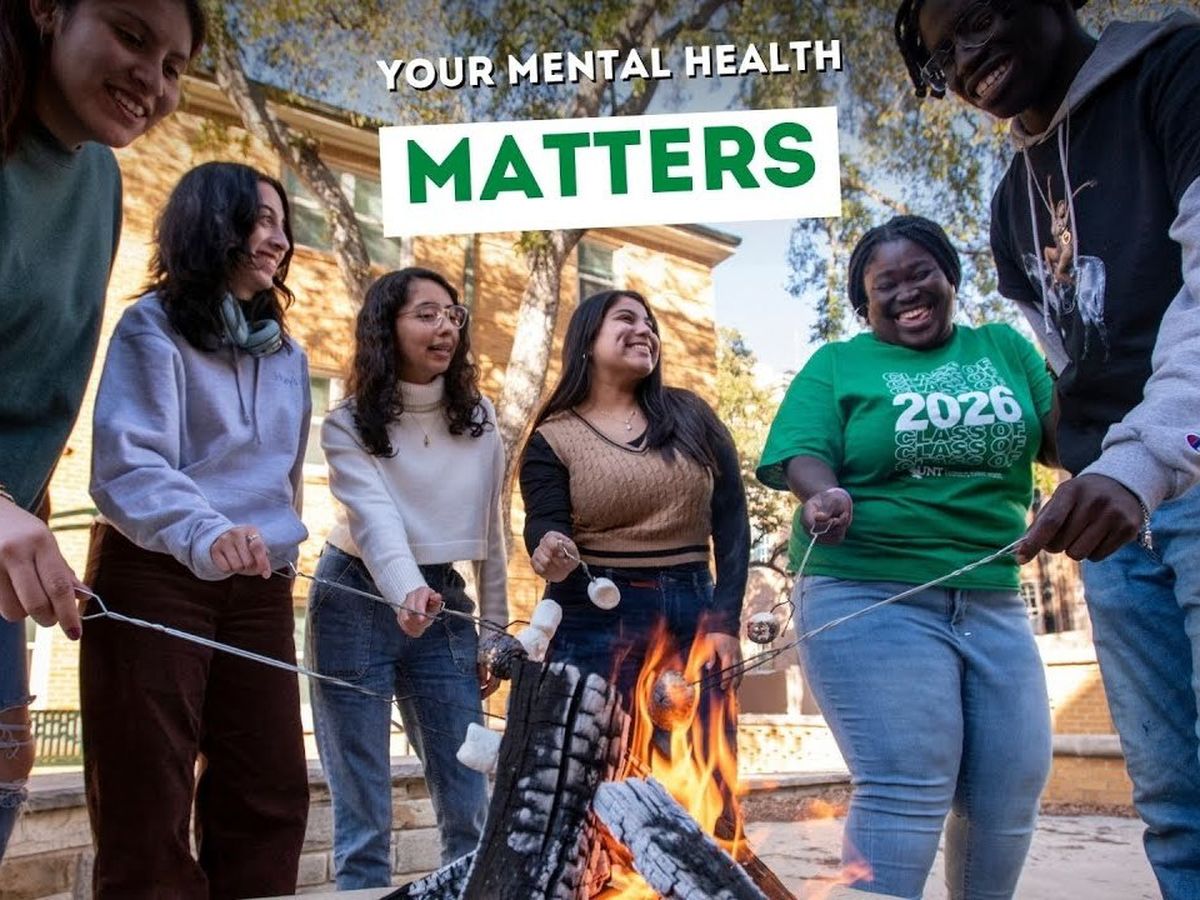
Support Mental Health America: Together We Will
0% complete
$60 raised of
3 donations
Organized by Mindful Milestones (Students of UNT)
Mental Health Matters
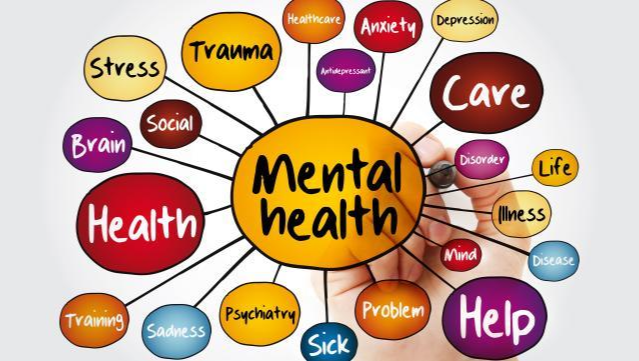
Mental health is an important aspect of overall health and well-being, it affects people at all stages in life. There are many times in a person's life when interventions like those Mental Health America (MHA) can provide, such as education, screening, and a 24-hour crisis line, can facilitate a rough patch dealing with the difficulties in our complex society.
According to a report by MHA – In 2024 alone, 60 million American adults experienced a mental health illness, that is 23.4% of the US population.
Giving support to MHA allows this organization to reach millions of Americans in our society that don't have access to these types of resources, and can help those seeking help to manage their mental health and access resources during a crisis through the 130 of MHA's affiliate community organizations.
About Mental Health America
Through the darkness of one man’s horrific experiences birthed the conception and light of a movement that has helped millions over the last 9 decades to bring hope and real reform through education and legislative change on both state and federal levels.
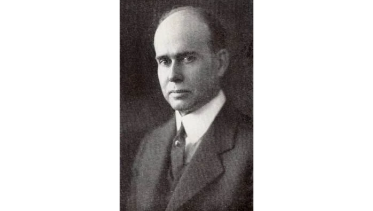
Founded by Clifford Beers, Mental Health America began as a movement to address the mistreatment of individuals experiencing mental illness. Following the 1908 release of Beers' autobiography, A Mind That Found Itself, the honest depictions of the cruel and horrific abuse he and other patients endured at the hands of many untrained “attendants” and doctors, leading to national awareness and the creation of MHA. Initially known as Connecticut Society for Mental Hygiene (CSMH) and expanded to the National Committee of Mental Hygiene (NCMH) and undergoing several other title changes, MHA became the non-profit advocacy group’s name officially in 2006.
Public Policy & Advocacy
From Mental Health America's dark and humble beginnings to it’s current state in conjunction with its 233 affiliates nationwide, MHA has brought about awareness, education, and reform to our country. Starting in the 1910s, MHA has truly helped to change and reform our country for the better and continues to do so today. For example, at the Surgeon General’s request, in preparation for WWI, MHA drafted the mental “hygiene” program that was adopted by the Army and the Navy in 1917. In 1920, MHA was responsible for a commitment laws model, which many states used to help in the creation of their state statues for the commitment of others to institutions for mental illness.
For more detailed information on the historical progress of initiatives, ACTS, and bills MHA has had a hand in developing and initiating through legislative and policy changes and reform, please visit https://www.mhagc.org/impact-history/
For additional and detailed information on MHA's 2026 legislative bills and policy priorities, please visit https://mhanational.org/policy-issues/mental-health-america-2026-priorities/
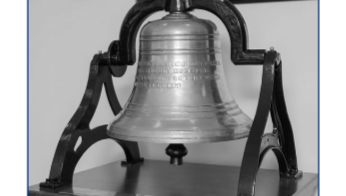
The Bell of Hope commissioned in 1959, used the melted down metal of chains and shackles once used on patients and donated by institutions is symbolic of real reform and hope having transpired into reality.
Young Leaders Programs
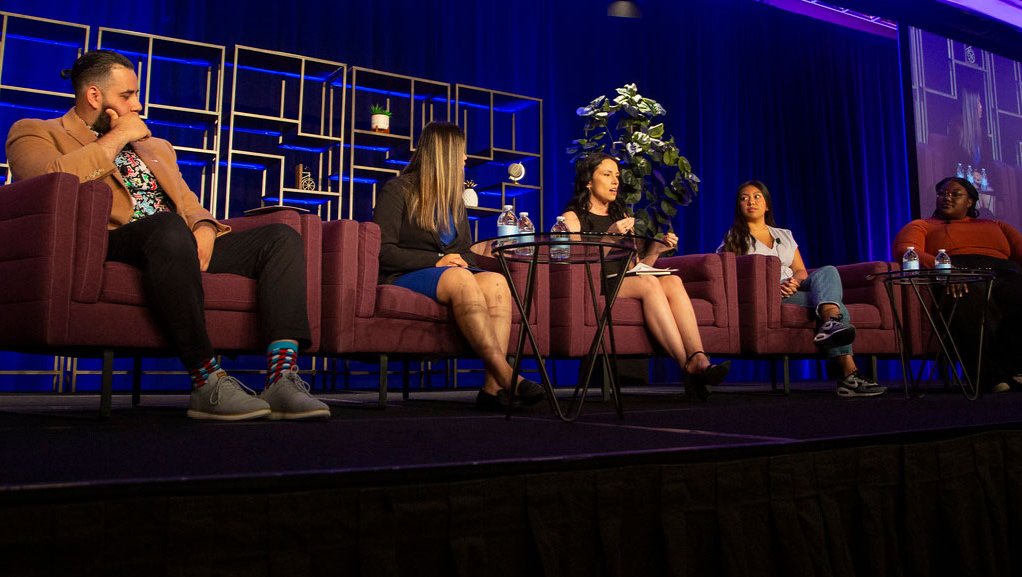
Mental Health America help youths turn their experiences and ideas into mental health advocacy through its Young Leaders programs. Its Young Leaders Council (YLC) brings together 10 applicants aged 18-25 for a six-month program that includes mentoring, leadership development, and connections with other advocates.
MHA also offers the Youth Policy Accelerator, a virtual program in which 5 applicants are selected to develop model mental health legislation. Later, participants speak at the MHA Policy Institute and Annual Conference in Washington, DC.
When people dismiss mental health as “all in your head” or suggest that simply thinking positively will make the issues go away, it makes it harder for people to speak up or look for help. We want to raise awareness and help others understand that mental health concerns deserve to be taken seriously. These programs further reinforce our beliefs that young people deserve to be heard in conversations about mental health. Supporting MHA means supporting an organization that helps young advocates turn conversations into meaningful actions
The Young Leaders Council has also demonstrated how competitive these opportunities are, with a reported 3% acceptance rate and over 2,000 applicants each year since the program launched in 2017.
Workplace Mental Health
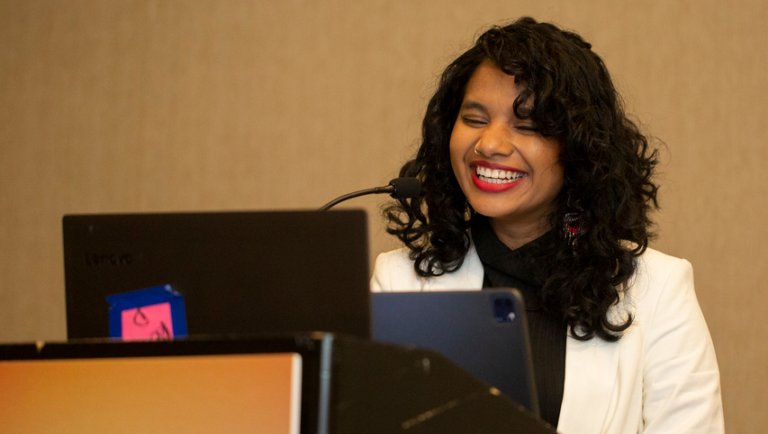
At least one-third of the lives of working Americans are spent at work, and we don’t leave our mental health at home when we leave for the office. Work is bound to have an impact on workers' mental health, for better or for worse.
As full-time workers and full-time students, we value the consideration of mental health in the workplace. Burnout, fatigue, and anxiety are all just around the corner if we are not careful about our own mental wellbeing. Having access to additional resources through MHA can be the difference between making it through, or crashing and burning.
MHA provides resources for both employers and employees regarding mental health in the workplace. One resource to address this need is Mind the Workplace, an annual report of the state of mental health and well-being of employees, and contributing factors that exist in the workplace in the United States.
2024’s Mind the Workplace Report is based on surveys of 3,915 employees who work in 21 industries. The report found several factors that positively impact workers’ mental health: psychological safety, trust, transparency, and supportive leadership.
In addition to the annual reports, MHA also publishes free articles and hosts bi-weekly webinars concerning mental health, including research and advice on topics like resilience, coping mechanisms, stress, and isolation in remote work. They also provide links to external resources on their webpage that are helpful to employees and employers alike.
Finally, MHA also provides resources for employees to learn more about their legal rights and accommodations around mental health at work, including articles about asking for help, seeking accommodations, and applying the Family and Medical Leave Act (FMLA).

Education & Resources
Mental Health America offers a wide range of free educational tools and resources for understanding mental health conditions, helping others, or accessing information for personal, academic, or professional purposes. Various mental health conditions and facts can be found on their Mental Health Learning Hub, which also includes blogs and resource libraries covering topics ranging from Youth Mental Health to Artificial Intelligence.
MHA also offers a free, anonymous, and clinically validated screening program for individuals who want to check on their mental health and receive personalized resources. In 2025, over 4.2 million mental health screenings were completed, and MHA was able to identify key trends in mental health, trauma, disparities, and access to care through analyzing screening data.

Why Our Team Chose This Cause
The Mindful Milestones team voted to create a campaign supporting Mental Health America for this project. After reviewing several social issues, we settled on mental health due to its importance in all aspects of life. Mental health impacts our ability to live healthy, productive lives. As students and workers, we are especially prone to burnout and stress, so understanding our own mental health is a fundamental need.
We all have a special connection to this cause, either through our own personal experiences and struggles or by witnessing the experiences and struggles of family, loved ones, and friends. Awareness, education, reform, and greater access to services can change lives for the better and help those struggling know they are not alone.
“How your donation makes a difference”
Your donation can help someone in need. According to Mental Health America, one in five people live with a mental health condition, and more than 50% of those diagnosed with mental illness are unable to receive any mental health treatment. With your support, MHA can:
- Connect people with essential education tools and resources to support their mental health and recovery.
- Advocate for improving access to and quality of treatment, as well as reducing homelessness, incarceration, and discrimination against those with mental health conditions
- Raise awareness for mental health by sending trained members to outreach events and providing free screening for individuals
- Continuously develop and provide free public education materials on mental health conditions and educate others.
References:
Adams, T., Craig, S., & Fritze, D. (2024, August). Mind the workplace 2024 report: Healthy workplaces lead with trust and support. Mental Health America. https://mhanational.org/wp-content/uploads/2025/03/2024-MTW-Report.pdf
Mental Health America. (2025a). 2025 annual report. https://mhanational.org/wp-content/uploads/2026/02/MHA-Annual-Report-2025.pdf
Mental Health America. (2025b). State of mental health in America 2025. https://mhanational.org/research/state-of-mental-health-in-america-2025/
Mental Health America. (n.d.-a). Mental health learning hub. https://mhanational.org/mental-health-learning-hub/
Mental Health America. (n.d.-b). Workplace mental health resources for employees. https://mhanational.org/resources/workplace-mental-health-employees/
Mental Health America. (n.d.-c). Workplace wellness resources. https://mhanational.org/workplace/
Mental Health America. (n.d.-d). Youth policy accelerator application. https://mhanational.org/youth-policy-accelerator-application/
Mental Health America. (n.d.-e). Youth programs. https://mhanational.org/youth-leadership/youth-programs/
Images:
Eppard, Z. L. (n.d.). Raising awareness about mental health [Diagram]. Sound Vision. https://www.soundvision.com/article/raising-awareness-about-mental-health
Mental Health America. (n.d.) [Photograph of Young Leaders]. https://mhanational.org/youth-leadership/about-mhas-young-leaders-initiatives/
Mental Health America of Greenville County. (2025, February 6). [Photograph of Clifford Beers]. https://www.mhagc.org/clifford-whittingham-beers-the-visionary-who-pioneered-mental-health-reform/
Mental Health America of the Heartland. (n.d.). [Photograph of the Mental Health America Bell]. https://mhah.org/our-history/
University of North Texas Libraries. (2025, September 29). Your Mental Health Matters [Photograph]. https://guides.library.unt.edu/counseling-testing/group-community-services
Adobe Stock Image
Pixabay
Organizer


Mental Health America
Beneficiary