Help Scam Compound Whistleblower Rebuild His Life
0% complete
$5,024 raised of
64 donations
Red Bull was trafficked, tortured, and forced to work as a scammer - but he risked his life to give Wired reporter Andy Greenberg the most detailed information we have about scam compound operations -- and you can give back and help Red Bull rebuild his life.
(Please read WIRED’s resulting story, watch the video that accompanies it and the secondary article that analyzes in depth the gigabytes of information that he leaked. (Because WIRED has a paywall, if you’re not a subscriber you can, if necessary, find the original story archived outside the paywall, though some design elements are broken. The video is NOT paywalled.)
He became a whistleblower, then escaped -- and now he's waiting tables.
In a rational world, multiple countries would be competing to get him asylum and a place in a cybersecurity degree program. We don't live in a rational world - but together, we can thank him by making it possible for him to pursue his dream of living in safety and pursuing a degree in cybersecurity.
****
Section 1: The Story
Section 2: How YOU Can Help
****
Section 1: The Story
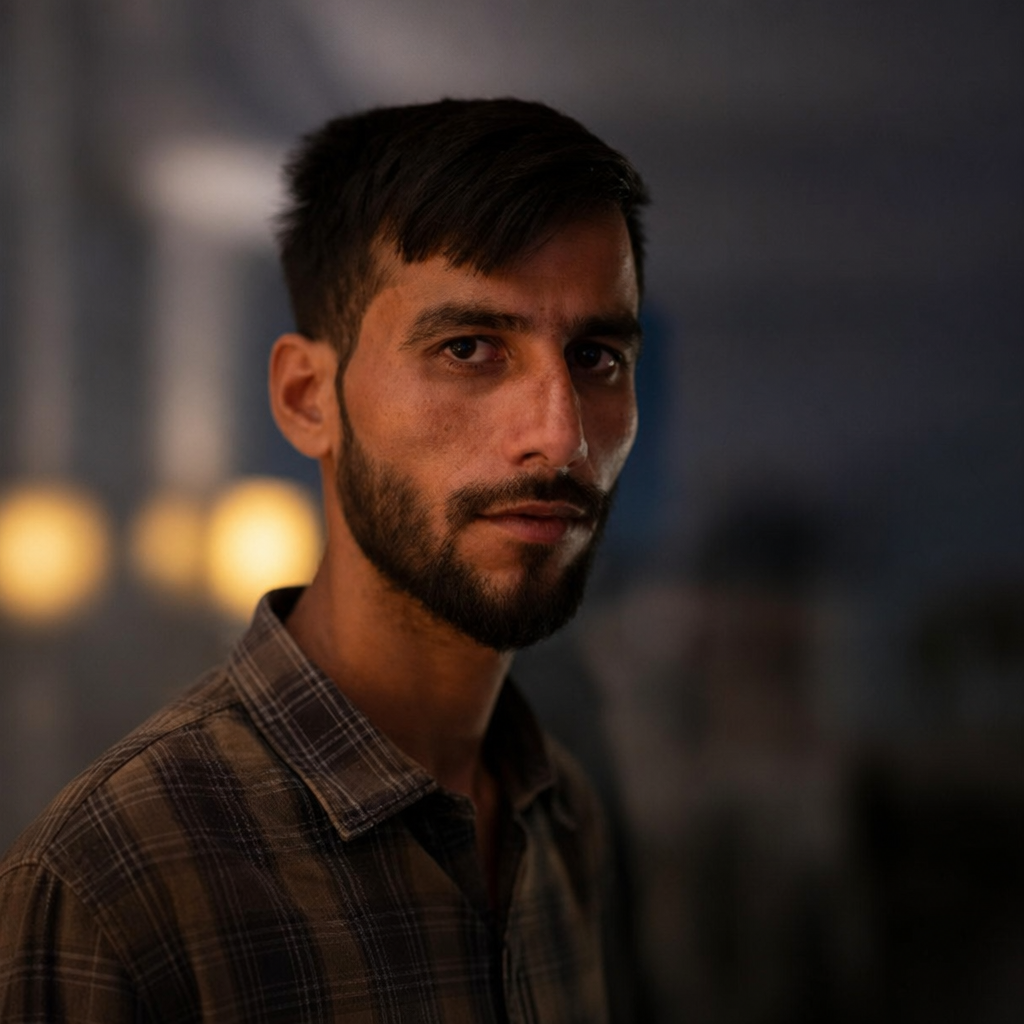
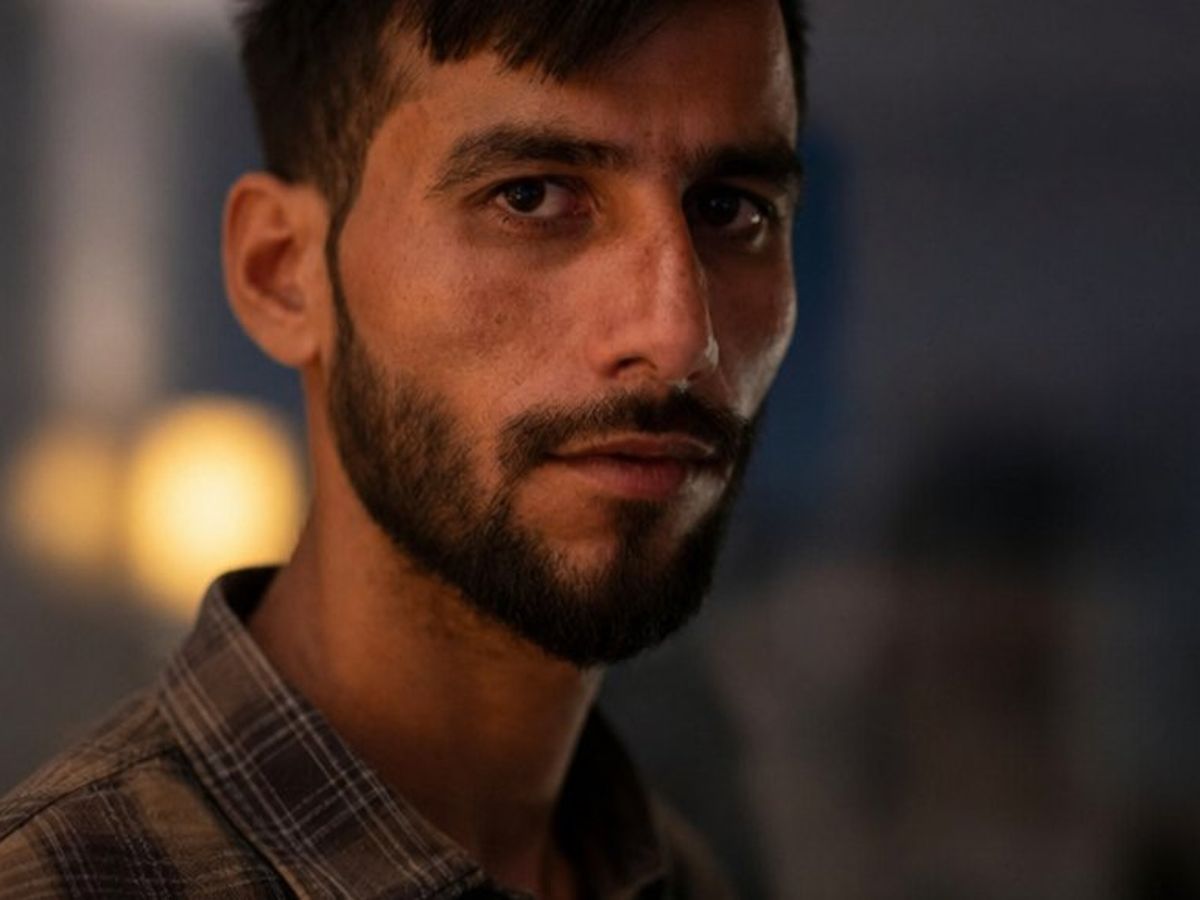
Last year Mohammad Muzahir, aka Red Bull, became the world’s first whistleblower inside the Southeast Asian crypto scam industry.
Across Myanmar, Cambodia and Laos, hundreds of thousands of human trafficking victims are enslaved in compounds and forced to work as text-based crypto scammers or face brutal punishments. Muzahir was one such victim, but risked his life to contact a journalist at WIRED Magazine, leaking the compound’s internal documents, communications, video and photos to help expose a criminal empire that is stealing billions of dollars a year from innocent scam targets around the world.
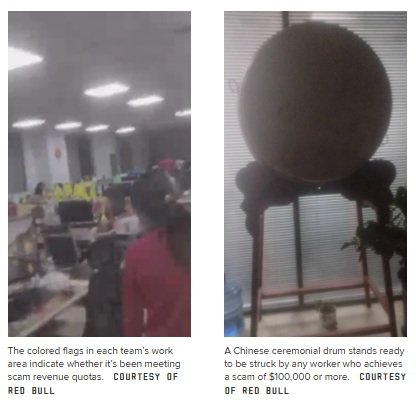
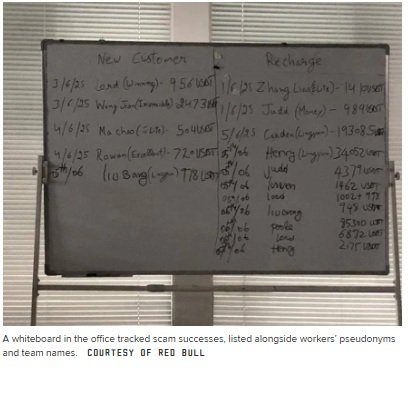
The TL;DR is: Red Bull grew up in India, and was lured to the Golden Triangle, an area in the northwest corner of Laos largely controlled by Chinese business interests, with the promise of a job as an IT manager when he was in his early twenties. On arrival, his passport was confiscated and he was forced to work 15 hours a day as a scammer, on a schedule that overlapped the day times of the compound’s victims (mostly Indian Americans) in the US.
As WIRED writes:
"He was paid a base salary of 3,500 Chinese yuan a month, close to $500, but the money was almost entirely taken from him by daily fines for various infractions, most often not meeting his quota of initial conversations with victims. The result was that he had virtually no income and subsisted off the food in the cafeteria, mostly rice and vegetables that he said tasted of strange chemicals.
"Red Bull knew of co-workers who were beaten and electrocuted for breaking rules, a female staffer who he believes was sold into sexual slavery, and other coworkers who mysteriously disappeared."
He wanted out, but had no way of escaping unless he paid thousands of dollars he didn't have. Determined to get information about the scam's operations out, no matter the risk to himself, he contacted US and Indian law enforcement agencies and Interpol, as well as the tip lines for a few news outlets, but no one responded - except Andy Greenberg a cybercrime reporter at WIRED.
Fueled by an insistence on holding onto his own humanity and dignity in a place that tries to turn people into "monsters," Red Bull sent Greenberg details of his work: the compound’s guides to creating fake profiles, using scam scripts, and "manually spamming out hundreds of introductory messages every night to lure new victims." When he did not meet his quotas for first contacts, or move them to deeper conversation and completed scams, his boss threatened him with beatings and electric shocks.
Red Bull kept gathering material. Greenberg wrote: "The documents displayed the anatomy of scamming at a level of resolution I’d never seen before: lists of conversation starters; tutorials on what to do when a target asks for a video call and how to delay until a deepfake model is ready to speak with them; tips on how to complain about overcautious financial institutions so victims don’t get spooked by their own bank’s warnings."
When Red Bull had gathered all the information he could, he made a plan to get out. But his bosses detected his attempt to escape, locked him a room for days on end, denied him food, and beat him.
Even then, amazingly, Red Bull continued to gather data. He managed to gain access to a boss's work phone, "allowing him to read the scam compound’s internal messaging. He used that access to make screen recordings, meticulously scrolling through months of the compound’s internal conversations, as well as all the screenshots of chat logs with victims his colleagues had posted.
As WIRED writes:
"Another day, he found his own work phone left unattended in a different dorm room—he hadn’t had access to it since he was first caught trying to escape—and repeated the WhatsApp linking trick so that he could access that device’s messages, too, from his personal phone. Then he made another screen recording of scrolling through its chats. Together, the videos added up to a detailed record of three months of the compound’s day-to-day operations."
Over a period of weeks, Red Bull was denied food, water, and a place to sleep, as well as regular access to his phone. When the compound had to move to escape a police raid, however, he convinced his captors to let him go. Without even allowing him to collect his clothing or shoes, they dumped him over the Golden Triangle’s border in Laos. But he was free.
On his way home to India, he began sending Greenberg the most unique and valuable material yet: "a detailed diary of life inside the compound, cataloging every successful scam it achieved during those months and laying out the scale and hierarchy of the operation. It also reveals the mundane minute-by-minute life of the forced laborers carrying out those scams, from their daily schedules to the fines and punishments they received to the Orwellian language their bosses used to manipulate, cajole, and discipline them."
Greenberg writes, "Ultimately, no one had given Red Bull the help he needed to escape—not the human rights groups I tried to connect him with, not the Indian government (which never rescued him as promised), and not WIRED. Red Bull had rescued himself."
Section 2: How You Can Help
Despite his incredible work for WIRED, the magazine’s policy prevents it from paying him or soliciting donations on his behalf, a common rule of journalistic ethics at many US publications.
But after reading the article, I couldn't stop thinking that someone should raise some funds to help Red Bull get to safety and thank him for his bravery and courage in exposing a system that is harming so many.
Andy Greenberg was kind enough to let Red Bull know that I wanted to help. One thing led to another, and I have now spoken with Red Bull directly and he has authorized this GoFundMe.
So now YOU can help Red Bull the help he needs in return for his bravery in getting the story out. Hopefully, this information will be used to shut down these operations that destroy the lives of scammers AND their victims.
Red Bull needs money to get back on his feet in a country that will grant him safety from his old bosses. The best way to do that is to enroll in a university that will allow him to get a student visa. He’s also by all accounts a very talented IT worker with an incredible motivation to fight scammers, and he dreams of doing this full time with a career in the cybersecurity industry.
YOU can help Red Bull achieve his dream of safety and furthering his education by making a contribution. Even a small donation could be life-changing.
Can you give $5, $10, $100, or $1000 today?
***
The complete target for this fundraiser is $150,000. GoFundMe recommends using automated targets, which start with a portion of the amount needed in order to help donors feel encouraged, and then increase as momentum builds.