- E
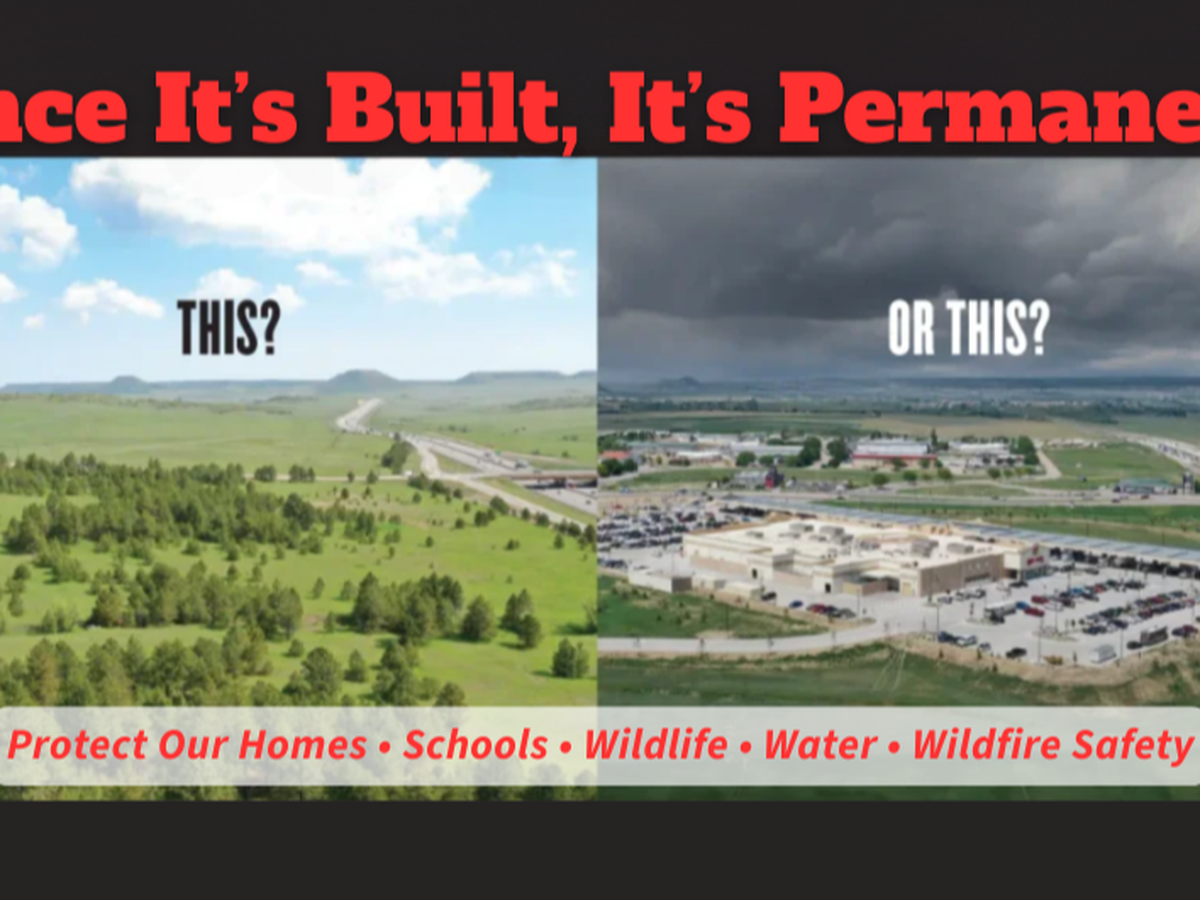
Protect Tri-Lakes from the 74,000 Sq Ft Buc-ee's
0% complete
$20,985 raised of $50K
102 donations
⛔ Protect Tri-Lakes from the 74,000 Sq Ft Buc-ee’s ⛔
Homes • Schools • Wildlife • Water • Wildfire Evacuation Safety
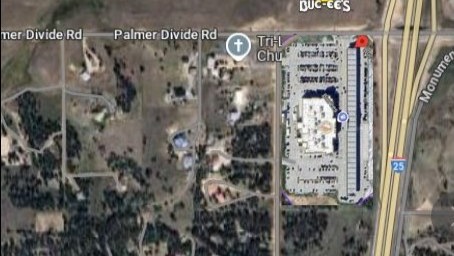
A 74,000 square-foot, 120-pumps, ~165 toilet/urinal (per May 27, 2025 reporting), 24/7 Buc-ee’s mega travel center is proposed for Tri-Lakes.
This is not a neighborhood gas station.
It is designed to serve tens of thousands of vehicles per day.
If approved, it could:
- Reduce nearby property values by tens of thousands per home
- Add traffic that pushes wildfire evacuation toward 8 hours
- Undermine a taxpayer-funded wildlife corridor
- Strain limited regional water supplies
- Reduce funding for schools and public safety
Once built, it cannot be undone. We need your help now.
⚠️ WHAT THIS COULD COST THE VALUE OF YOUR HOME
For most families in Tri-Lakes, their home is their largest financial asset.
Extensive peer-reviewed research shows that proximity to high-traffic corridors and major commercial uses can reduce nearby property values — with the strongest impacts closest to the source.
Published research includes:
- Meta-analyses of North American housing markets find measurable property value discounts associated with highway traffic noise exposure, often in the range of 5–10% depending on proximity (e.g., Nelson, Journal of Transport Economics & Policy).
- Transaction-level housing studies using hedonic pricing methods show statistically significant capitalization of environmental disamenities such as traffic noise and air pollution within several hundred meters of major roadways (e.g., NBER Working Papers; Chay & Greenstone).
- Quasi-experimental research examining housing markets near major industrial or environmental disamenities finds price discounts that can exceed 10% at close proximity in some markets (e.g., Greenstone & Gallagher, Quarterly Journal of Economics).
Based on this published literature, we modeled 5–10% scenarios within one-three miles for illustrative purposes.
Using proximity-based modeling for Tri-Lakes:
✔️ Within 1 Mile (Scenario)
- ~10% potential impact
- ≈ $77,000 average loss per home
- ≈ $51 million total neighborhood impact
✔️ Within 3 Miles (Scenario)
- ~5% potential impact
- ≈ $30,000 average loss per home
- ≈ $197 million total regional impact
Even a conservative 1% across three miles equals nearly $40 million in property value reduction.
This is retirement equity. This is generational wealth. This is decades of hard work.
❗WHAT $2 MILLION PER YEAR REALLY MEANS
Property values directly fund schools and community services.
Under a 10% regional scenario, modeling shows approximately:
- ≈ $1.15 million per year less for schools
- ≈ $1.1 million per year less for local government
That’s over $2 million annually potentially removed from public services.
To put that in perspective (illustrative comparisons based on typical public cost ranges):
Approximately $1 million school dedicated tax dollars per year could fund:
- 12-14 public school teachers (based on typical total compensation ranges of $70k–$80k+)
Approximately $1 million local government tax dollars could fund:
- 3–6 miles of pothole repair or road resurfacing (depending on scope and depth), or
- 7–9 additional firefighters — strengthening emergency response in a wildfire-prone corridor, or
- Expanded wildfire mitigation or equipment upgrades
These are illustrative examples — but they show the real-world scale of what is at stake.
✔️ REAL TRAFFIC NUMBERS FROM OTHER BUC-EE’S
In the December 2024 community meeting, Buc-ee’s representative Stan Beard referenced approximately 8,000 cars per day. That number later appeared as 6,000 cars per day in the Stolfus study presented in the March 2025 Area Impact Report. It then increased to 11,000 vehicles per day in the July 2025 “White Paper” presented by the Town of Palmer Lake, before returning to 6,000 cars per day at the August Planning Commission hearing. These shifting projections raise significant questions about the reliability and consistency of the traffic estimates being presented to the public.
Public reporting from other Buc-ee’s locations indicates that post-opening traffic volumes have in some cases exceeded pre-construction estimates.
Most recently, at the Harrison County, Mississippi Buc-ee's, WLOX reported the following traffic volumes, citing findings from the Gulf Regional Planning Commission (2025):
- ~27,000 vehicles per weekday
- ~42,000 vehicles over a weekend period
(WLOX reporting citing Gulf Regional Planning Commission findings, 2025.)
When real traffic doubles projections, congestion, crash risk, emergency response, and evacuation throughput are directly affected.
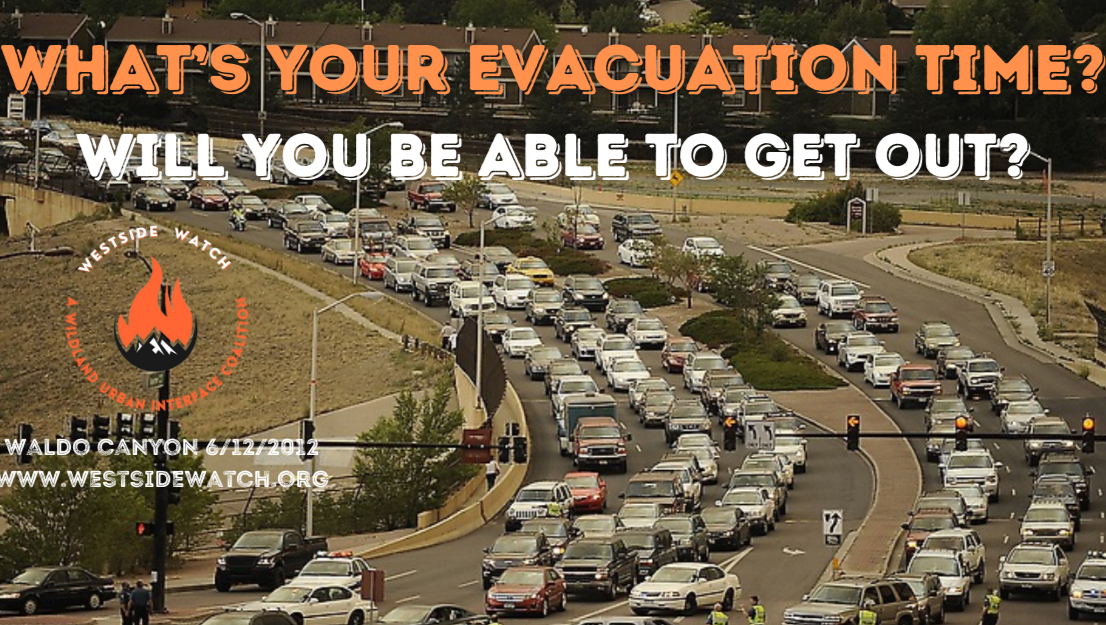
⭐ WILDFIRE EVACUATION: TIME = LIFE
Westside Watch evacuation modeling indicates:
- Today, clearance evacuation times already exceed 5 hours in blue-sky conditions
- With Buc-ee’s-scale traffic added, preliminary models shows over 8 hours
That estimate does not account for stalled vehicles due to smoke-related breakdowns and tires popping, accidents, or blocked lanes. In wildfire country, traffic congestion is not an inconvenience.
It is a life-safety risk.
⚠️ A MAJOR TAXPAYER WILDLIFE INVESTMENT AT RISK
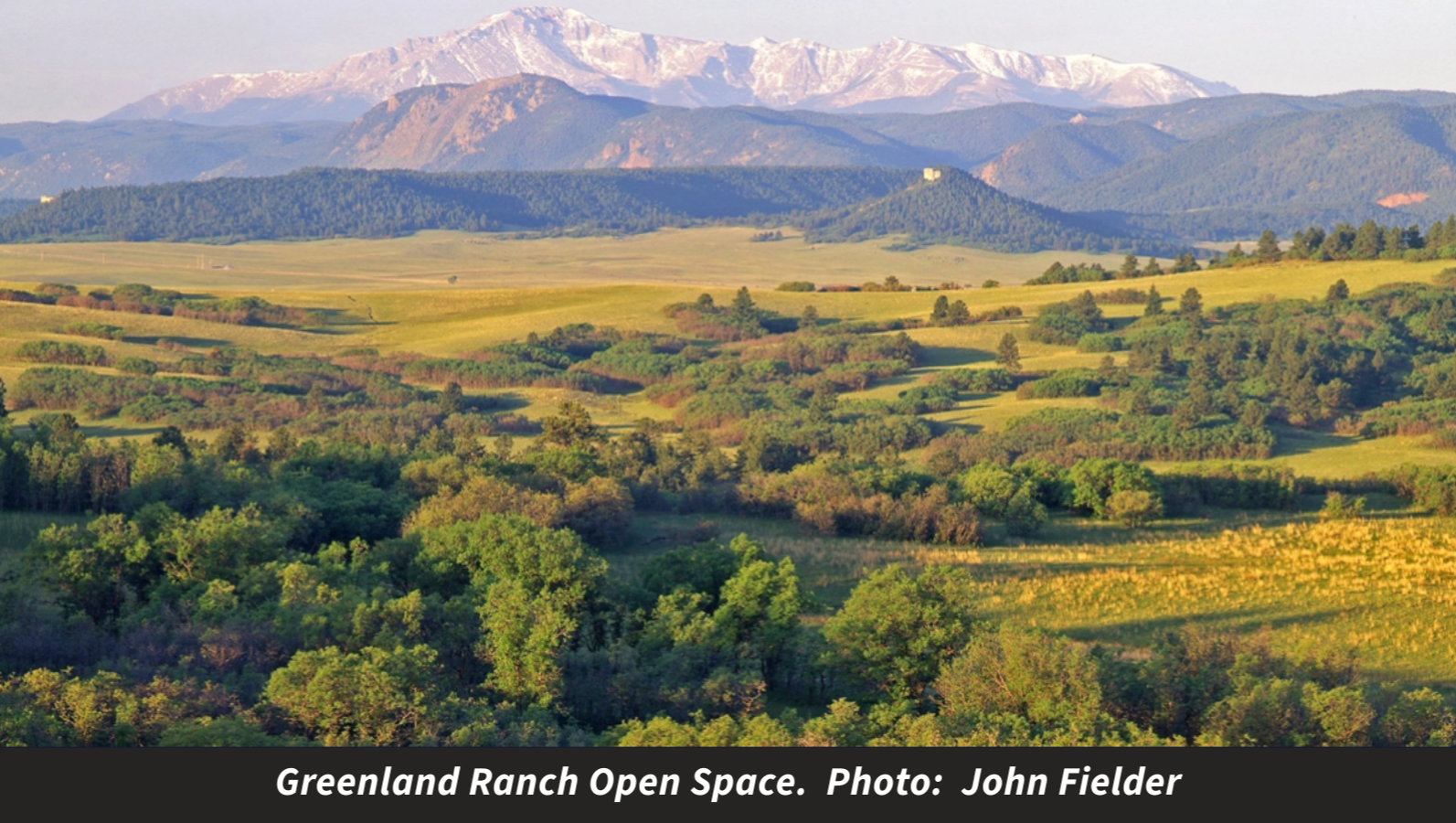
Colorado recently completed the I-25 Greenland Wildlife Overpass, described by the Governor’s Office as North America’s largest wildlife overpass.
CDOT reports it reconnects approximately 39,000 acres of habitat across I-25.
The surrounding Greenland Ranch conservation area encompasses over 17,000 acres of permanently protected open space, preserved to prevent sprawl and protect wildlife corridors between Denver and Colorado Springs.
Adding tens of thousands of additional daily vehicles in this corridor increases:
- Wildlife-vehicle collision risk
- Nighttime light disturbance
- Noise impacts
- Pressure on habitat connectivity taxpayers invested millions to restore
We paid to protect this landscape for future generations.
We should not undermine it.
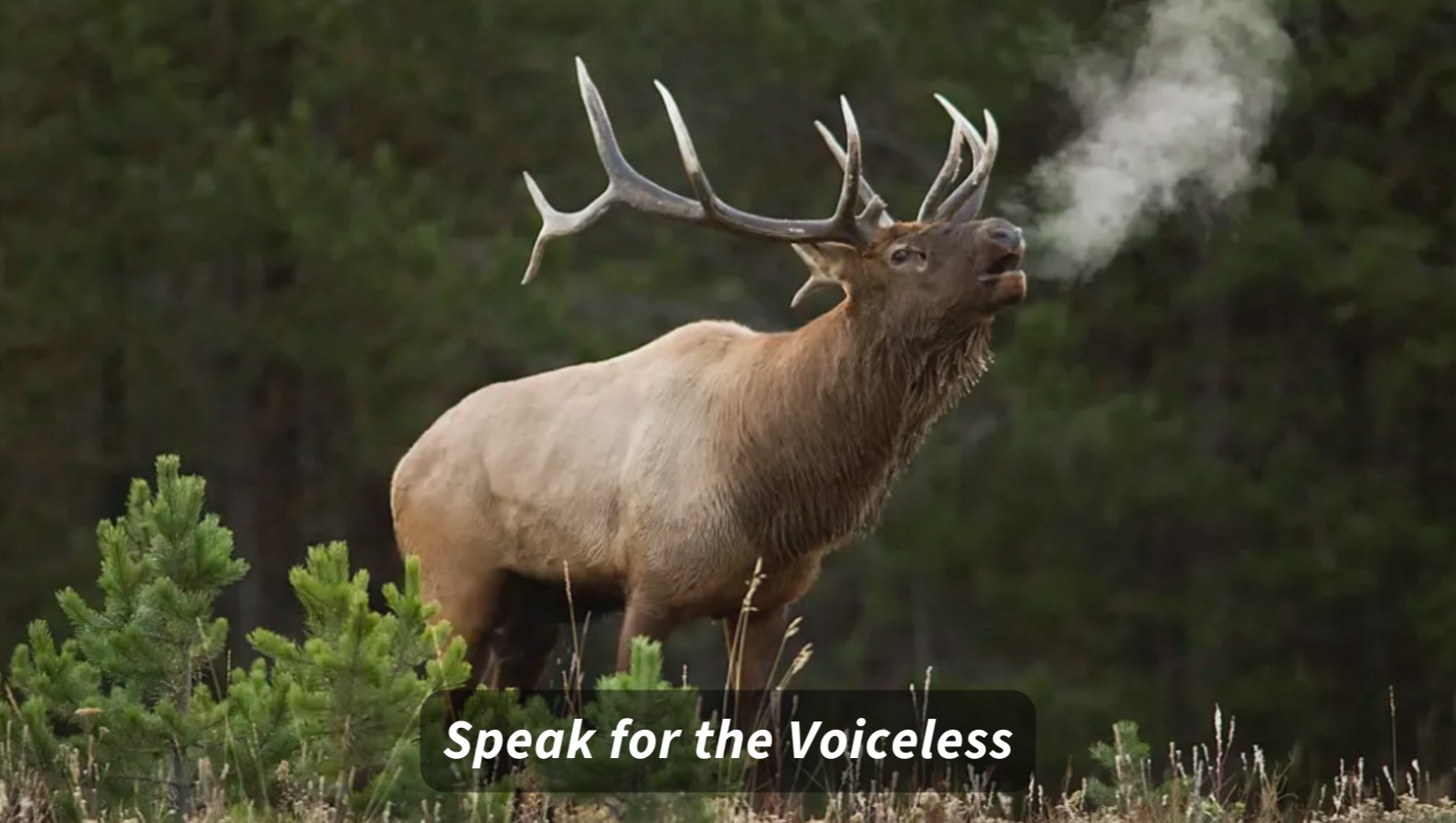
This corridor supports elk, deer, and migratory species moving between Front Range habitats.
❗THE SCALE FEW PEOPLE REALIZE
Facilities of this size are built for extreme throughput.
Comparable Buc-ee’s locations include approximately:
- 165 toilets and urinals
- Massive 25-35 acre parking areas
- 120 gas pumps
- Continuous heavy vehicle turnover
This project has been discussed as requiring roughly 1.2 million gallons of water per month (Buc-ee’s estimate - we think it’s closer to 3-4 million gallons of water per month).
Tri-Lakes relies on the non-renewable Denver Basin aquifer system.
Water here does not recharge on human timescales.
⚠️ STORMWATER & ENVIRONMENTAL RISK
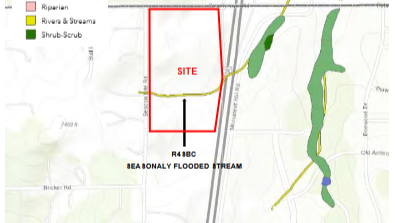
Drainage study shows direct impacts to adjacent wetlands. Large fueling facilities and expansive pavement create stormwater management challenges.
Federal Highway Administration and EPA guidance acknowledge that transportation runoff can carry particulates such as brake dust and other roadway contaminants.
Placing an industrial-scale fueling complex near conserved wetlands and open space demands serious scrutiny - especially when the drainage report shows direct impact to the wildlife drinking water supply of the Greenland Ranch Open Space and potential nearby residences.
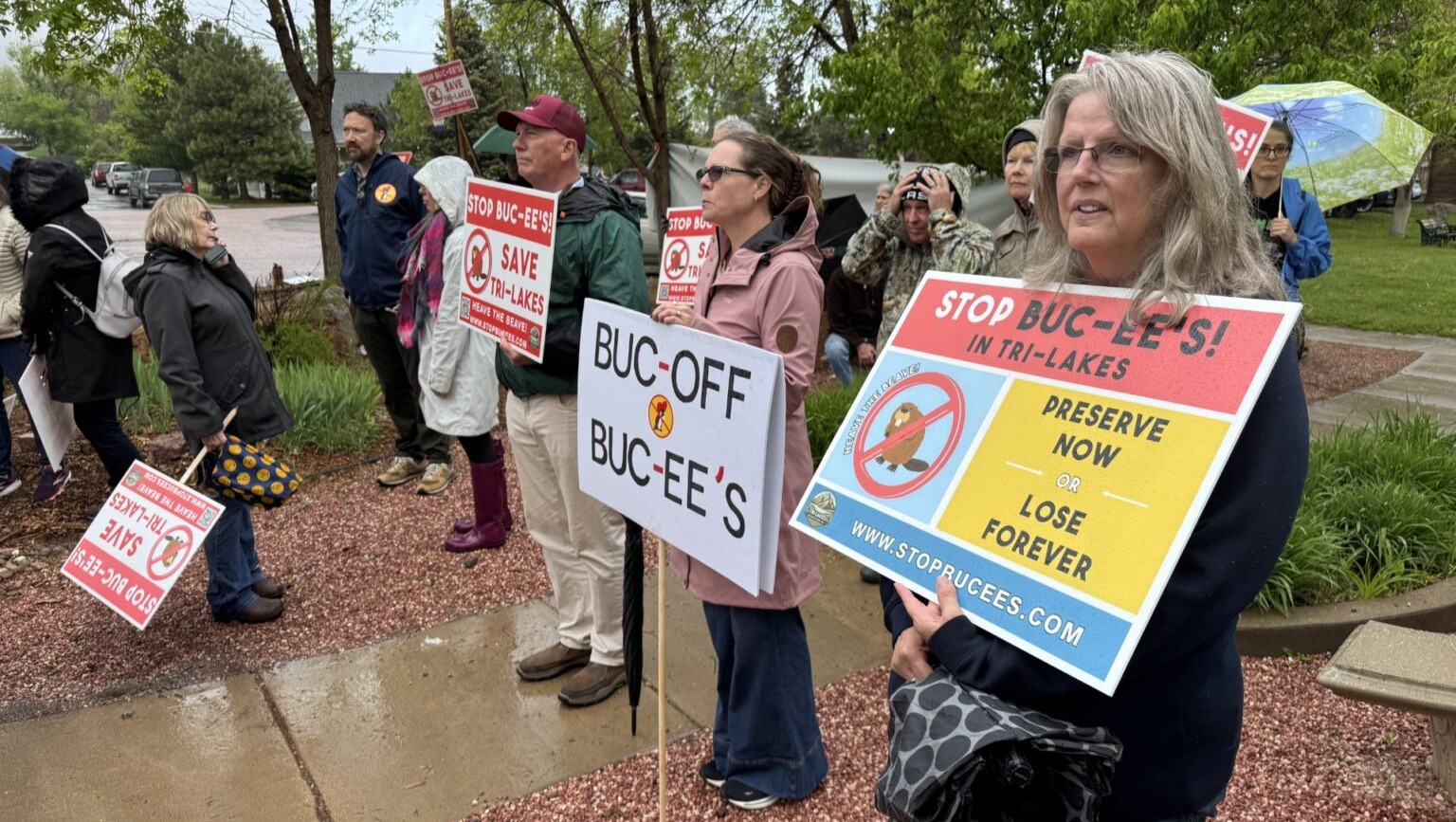
Photo: Savannah Eller
❗PROPERTY RIGHTS BELONG TO THE PEOPLE — NOT JUST CORPORATIONS
This is about protecting the property rights of thousands of homeowners — not privileging one large landholder over an entire community.
Homeowners have rights too.
️✔️ HISTORIC, BIPARTISAN OPPOSITION
In a rare and historic move, Governor Jared Polis and U.S. Senators Michael Bennet and John Hickenlooper signed a joint letter urging Buc-ee’s to choose a different location.
When a sitting Governor and two U.S. Senators publicly oppose a specific development site, it sends a powerful signal. Moreover, 70% of the voters, cast a clear vote against Buc-ee’s when they voted to put the power in the hands of the people in annexing land for the proposed Buc-ee’s.
It raises a fair question:
What kind of corporate partner proceeds despite unified, bipartisan concern?
Responsible companies collaborate with communities.
⚖️ WHY TIMING MATTERS
There are active discussions about pursuing approval pathways through the County, including administrative processes.
Administrative approvals can move quickly and involve less public scrutiny.
If approvals advance administratively, reversing course becomes significantly more difficult.
That makes this moment urgent.
⭐ A BROAD AND UNITED COALITION
This effort is led by:
• Tri-Lakes Preservation 501c3 — President: Sean Sawyer, “Location matters. Responsible growth protects community safety and long-term stability.”
• Integrity Matters 501c4— President: Dana Duggan, “Transparency and lawful process must protect residents — not just corporate interests.
• Westside Watch 501c3— President: Scott Hiller, “Evacuation modeling is math. When traffic increases, evacuation time increases.”
• Palmer Lake for the People 501c4 — President: Jacob Fenton, “This community is united: growth must fit its location.”

Opposition is broad, bipartisan, and community wide.
✔️ SUGGESTED DONATION LEVELS
- $25 — Helps fund community outreach
- $50 — Supports public hearing participation
- $100 — Contributes toward independent traffic analysis
- $250 — Helps fund environmental review
- $500+ — Supports legal filings and expert consultation
Every contribution - every penny matters. No donation is too small.
⏳ THE WINDOW IS SHORT. THE IMPACT IS PERMANENT.
Approvals move quickly.
Construction moves faster.
The consequences last generations.
If you care about:
- The value of your home
- The safety of your family
- The funding of your schools
- The protection of wildlife corridors
- The sustainability of our water
Please donate today.
Tri-Lakes is worth protecting.

Donations by check can be mailed to: P.O. Box 212, Monument, Colorado 80132
Tri-Lakes Preservation is a 501c3. All donations are tax deductible.
Organizer
T
Tri-Lakes Preservation, Inc.
Beneficiary