- J
- V
- T

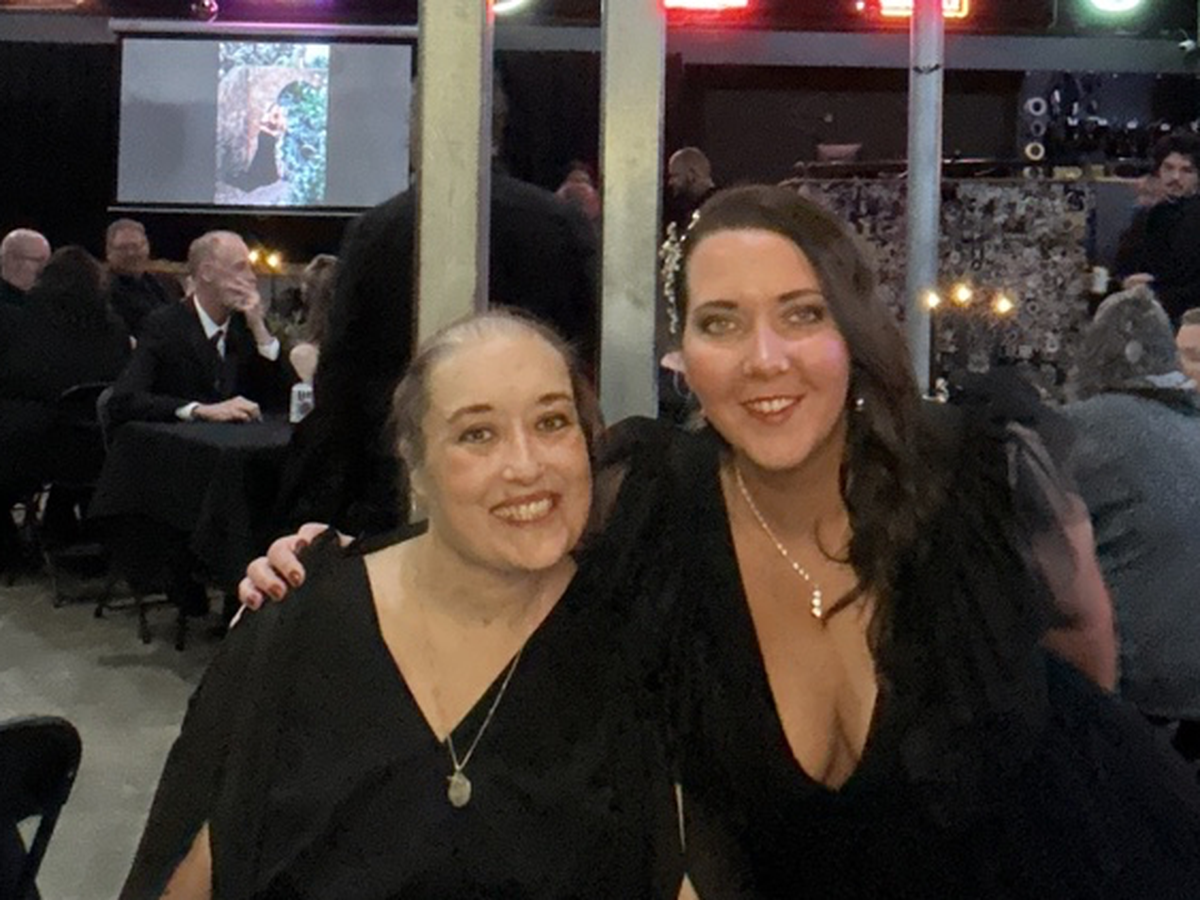
Support Mandy's Fight for Recovery
0% complete
$4,305 raised of
53 donations
Update1/27/2026: Mandy’s tricuspid valve replacement surgery is scheduled for February 26, 2026. The tricuspid valve is one of the heart’s four valves and helps keep blood flowing in the right direction. Because her valve is too damaged to repair, doctors will replace it with a biological valve made from pig tissue, called a porcine valve. This type of valve works naturally with the heart and usually does not require lifelong blood thinners. Mandy will be fully asleep during the procedure, and a heart-lung machine will temporarily support her body while the new valve is placed.
Mandy has continued physical therapy at home but remains mostly wheelchair-bound. We are hopeful this surgery will improve blood flow and oxygen to her legs so she can walk again and work toward returning to her old life. She is still unable to work, and although we have hired attorneys and applied for disability, it has not yet been approved. In the meantime, everyday expenses like her mortgage, car payment, utilities, and other bills continue, making it hard to make ends meet.
We are incredibly thankful for every prayer, message, donation, and act of kindness. If you’re unable to donate, we completely understand — sharing this fundraiser means just as much and helps us reach more people. Your support in any form truly makes a difference, and we are deeply grateful.
7/4/2025: As many of you know, my older sister Mandy is at University Hospital fighting for her life. She went to Aultman Hospital on July 2nd to have a cardiac ablation* done to correct an abnormal heartbeat. After having this procedure, she started having a hard time breathing and eventually went down to 30% oxygen levels. This was caused by a hole in her heart, making her blood bypass her lungs where it should be picking up oxygen to give to the rest of her body. At this point, they put her into a medically induced coma and inserted a breathing tube. On the night of July 4th, she was life-flighted to University Hospital where they did emergency surgery to connect her to an ECMO machine*. On July 7th, they performed left and right heart catheters* as well as a TEE*. They found that she has a very leaky valve and a moderate-sized hole. As of now, things are looking as good as they can given the situation. She has no pulmonary hypertension*, no blockages, and is younger in age. The plan was to get as much imaging as they could of the hole to find the best way to fix it.
All of this to say, this is a huge financial burden my family is taking on. My mom and sister live together and share a mortgage as well as all utilities. Obviously, neither of them have been working to meet their financial needs. We don’t know how long it will take to get Mandy up on her feet again and how long my mom will need to be up in Cleveland to be her voice as well as her support. I know times are hard and the world seems to be one disaster after the next, but anything would honestly help. Any money donated will go towards monthly bills, travel costs, and the overwhelming medical bills to come. The amount of support our family and friends have shown us has been overwhelming and honestly given me so much faith in humanity. Thank you for your kindness and love.
*Cardiac ablation is a treatment for irregular heartbeats, called arrhythmias. It uses heat or cold energy to create tiny scars in the heart. The scars block faulty heart signals and restore a typical heartbeat.
*ECMO machines circulate blood outside the body, adding oxygen and removing carbon dioxide, before returning it to the patient. This process effectively replaces the function of the lungs (oxygenation) and/or heart (pumping).
*A heart catheterization, also known as cardiac catheterization, is a minimally invasive procedure that uses a thin, flexible tube (catheter) to diagnose or treat certain heart conditions. It involves inserting the catheter into a blood vessel, usually in the groin, wrist, or arm, and guiding it to the heart under X-ray guidance.
*A transesophageal echocardiogram (TEE) uses an ultrasound transducer on a probe inserted into the esophagus to image and evaluate the heart in real time. The doctor can move the probe to view the heart from different angles.
*Pulmonary hypertension is a type of high blood pressure that affects the arteries in the lungs and the right side of the heart.