- P
- B
- c
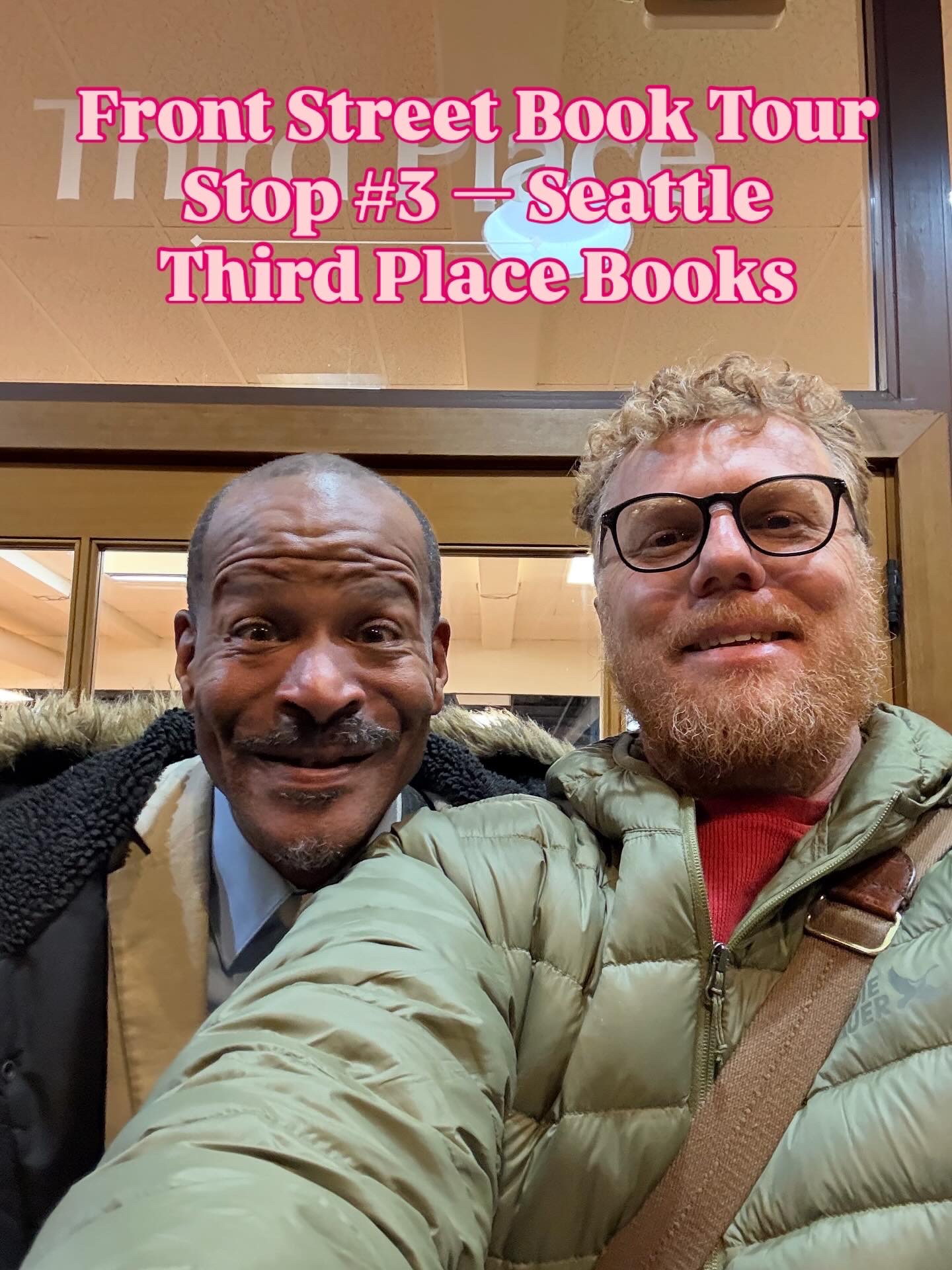
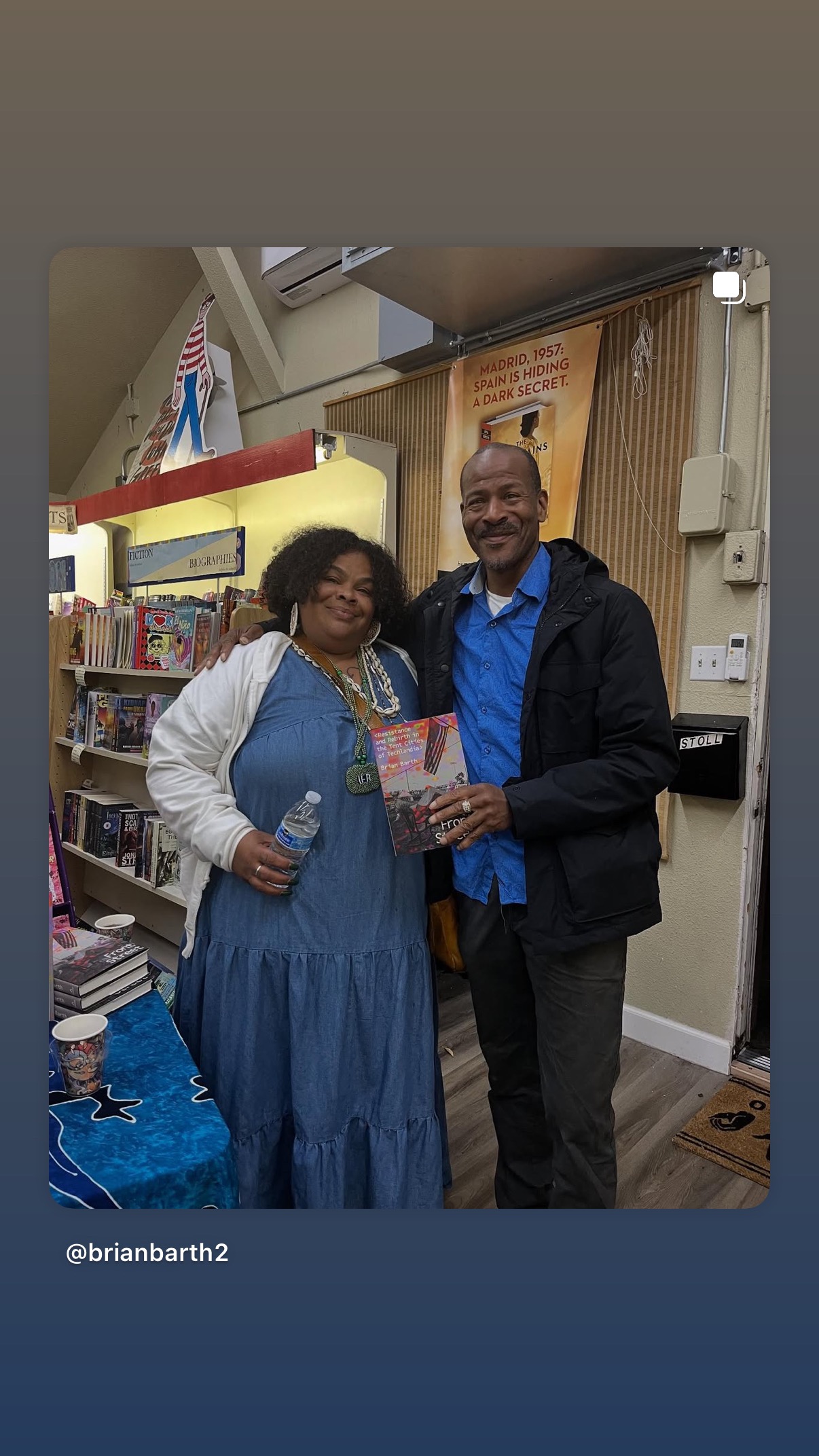
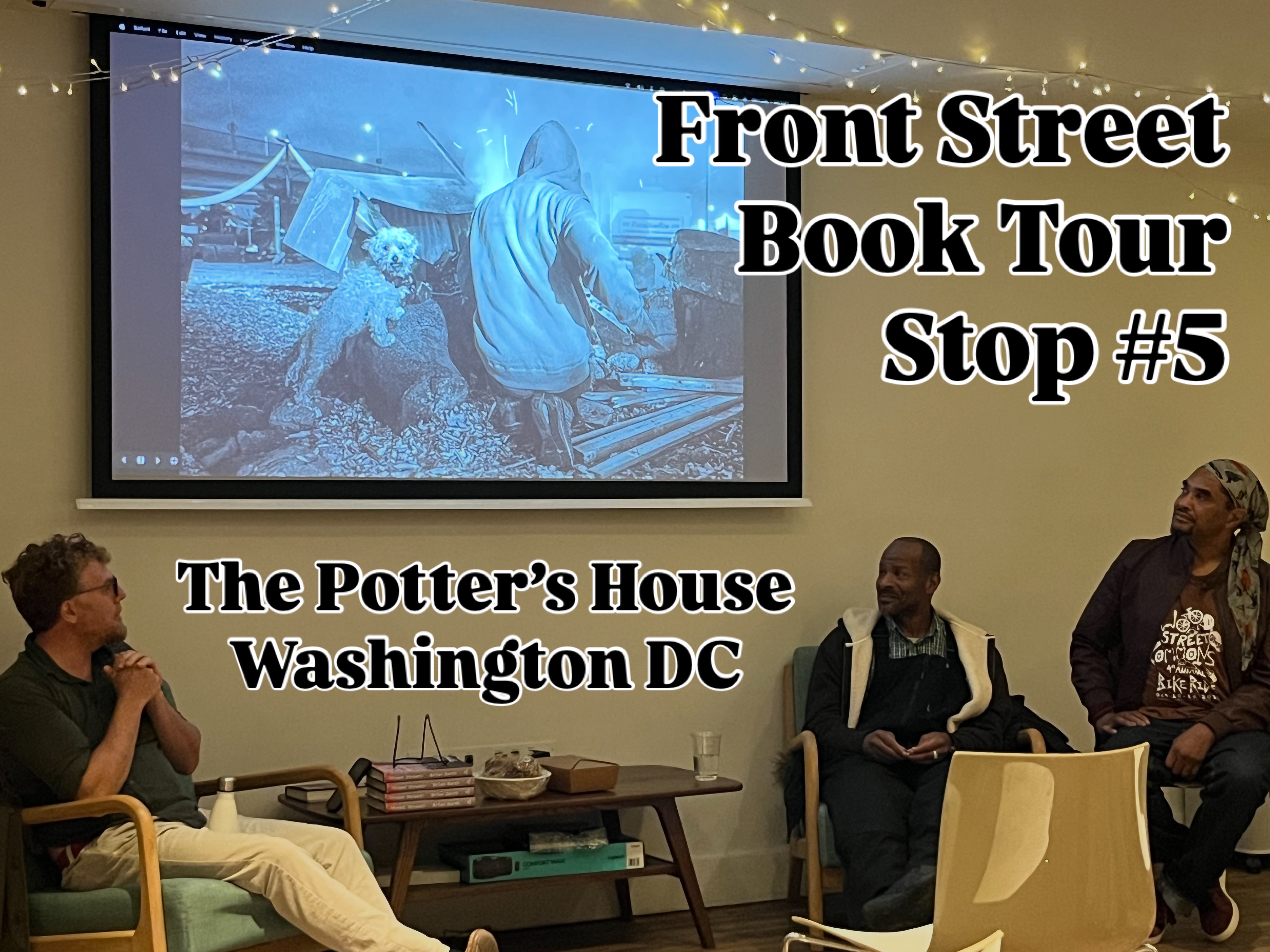
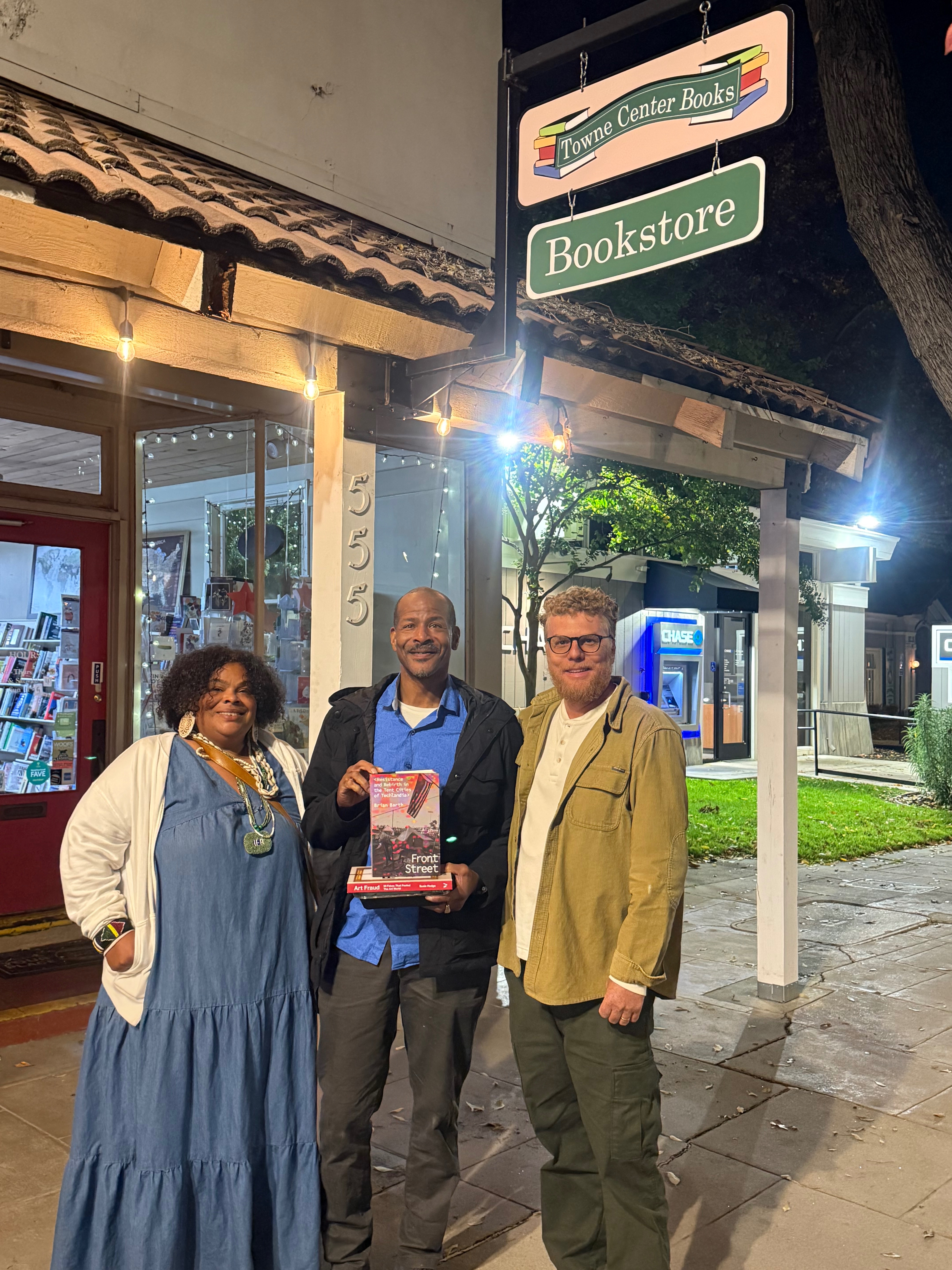
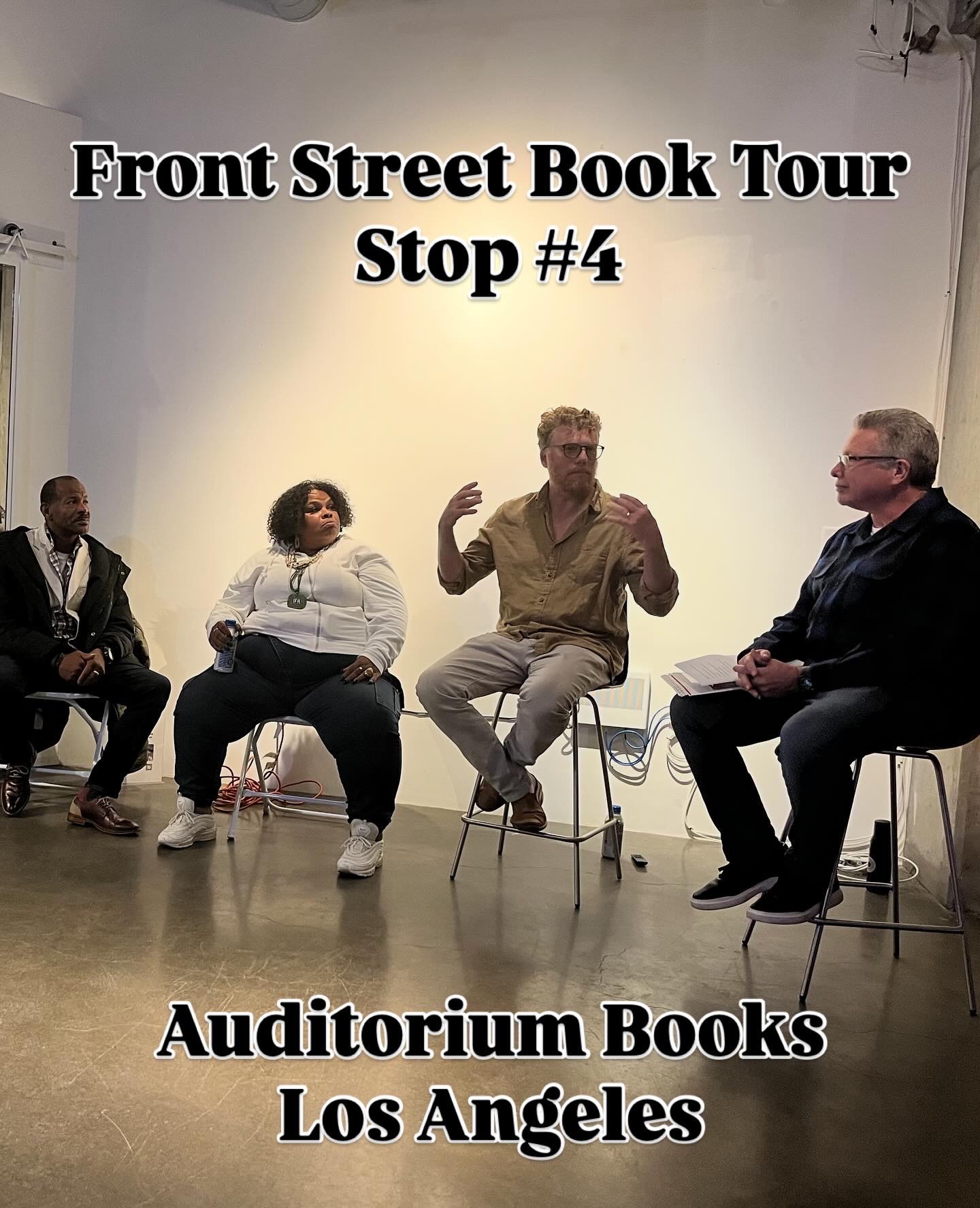
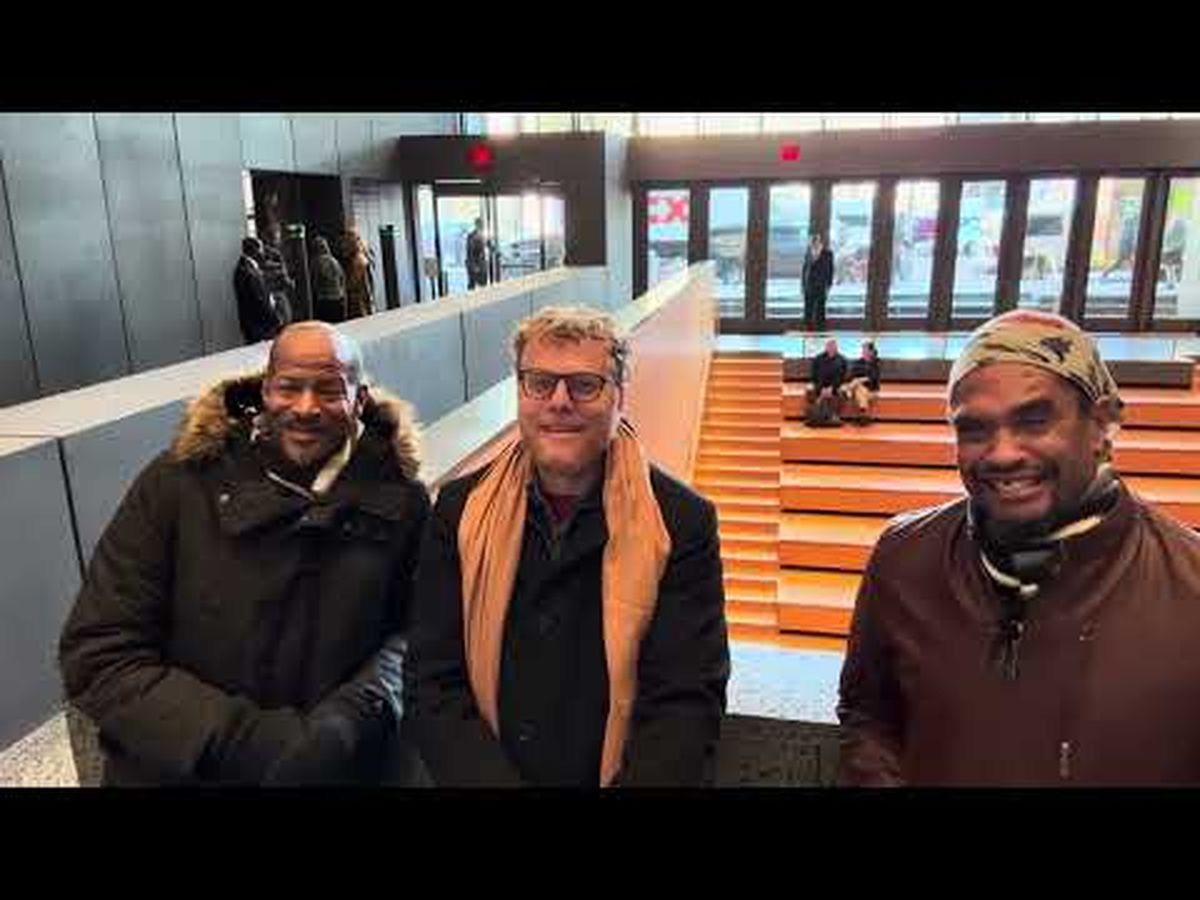
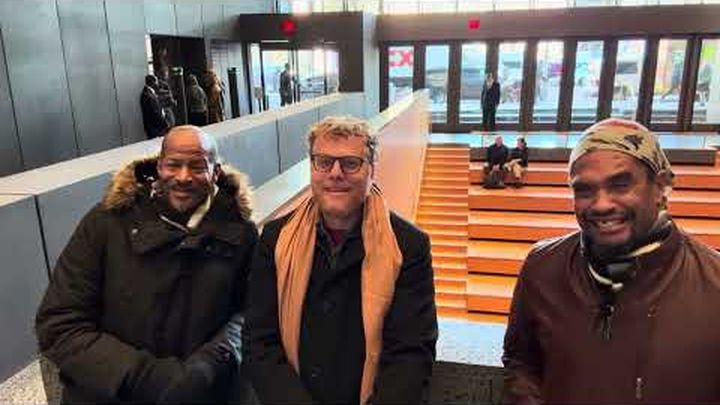
Support John, Monte and Leajay to go on book tour
0% complete
$7,389 raised of $12K
64 donations
I met John, Monte and Leajay four years ago as they were establishing Wood Street Commons , a collective of unhoused activists based at the homeless camp where they lived in West Oakland. They fed each other, clothed each other, sheltered each other, counseled each other and loved each other -- a peer-based approach to homeless services that they refer to as "homeless helping the homeless." They helped me to understand that our unhoused neighbors are the experts we should be listening to in the effort to address the homeless crisis.
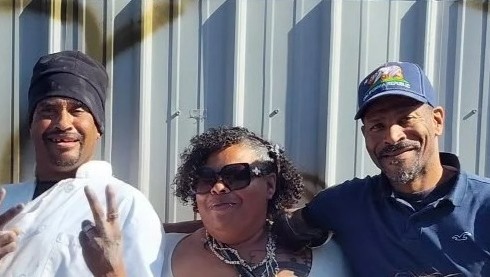
Meeting John, Monte and Leajay radically transformed my understanding modern American poverty and inspired me to write a book and make a film. I see both as a platform for their voices to be heard, which is why I've invited them to accompany me on my book tour over the next few months -- I believe it's important that folks coming to the book events can hear from them directly. Rather than me recapitulating what I learned from them, we will share the stage in what I hope will be highly engaging salon-style discussions in each city we visit.
We will be hitting the West Coast in November, the East Coast in December and points in between in the new year. My travel expenses are covered, but we are looking to raise funds to cover airfare, lodging and meals for John, Monte and Leajay, who are now housed, for at least a dozen stops on the book tour.
If you have unused air miles that you would be willing to donate, please contact me through my website.
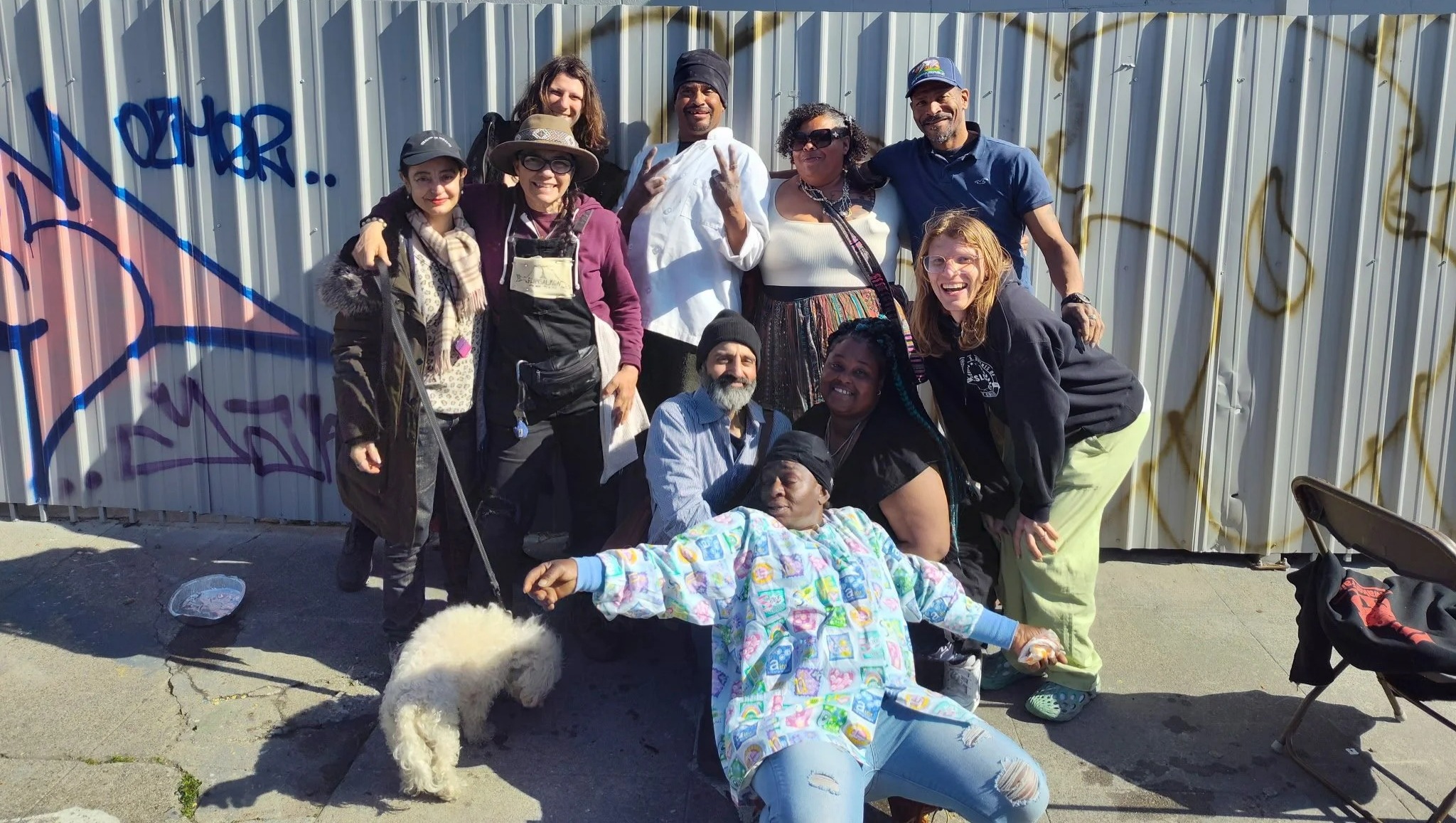
ABOUT WOOD STREET COMMONS -- In their words
Wood Street Commons began as a response to systemic displacement and the deepening housing crisis in Oakland. Formed by unhoused residents and allies, we’ve built a strong, interdependent community on the principles of mutual aid, dignity, and collective care. Despite facing fires, evictions, and ongoing city-led displacement, we continue to create pathways toward long-term stability and liberation.
We provide mutual aid to unhoused communities, and do advocacy to help our unhoused relatives have a better quality of life. We envision a future where unhoused people are decision-makers in the solutions that affect them — with access to safe shelter, wellness, and power.
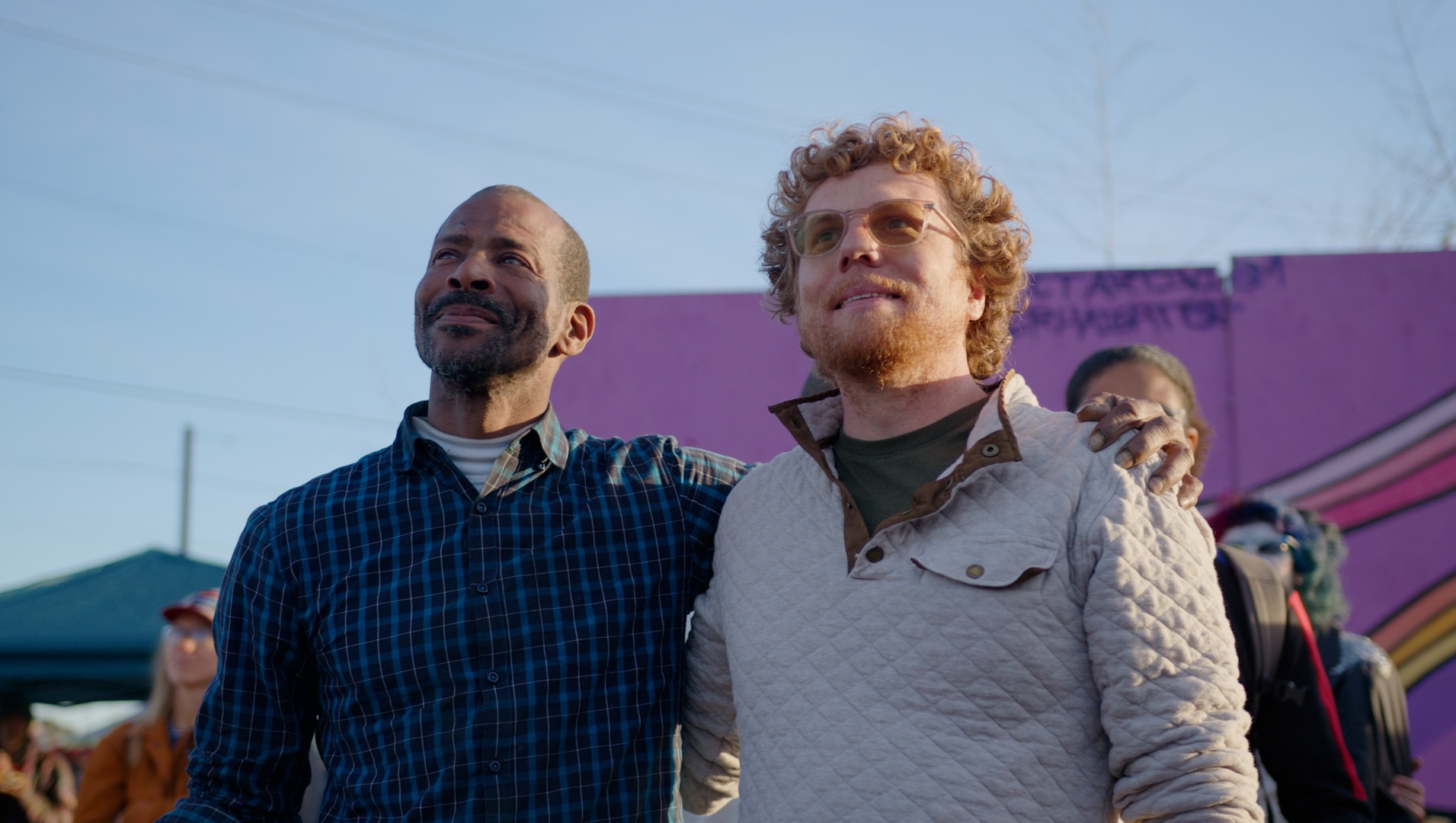
ABOUT BRIAN BARTH
Brian Barth is an award-winning independent journalist with bylines in the New Yorker, National Geographic, Washington Post, The New Republic and Mother Jones, among other publications. He lives between the Bay Area and California’s remote Lost Coast region, where he is developing a spiritual refuge—open to seekers, broken souls and all of humankind—amid a foggy, fern-filled forest.
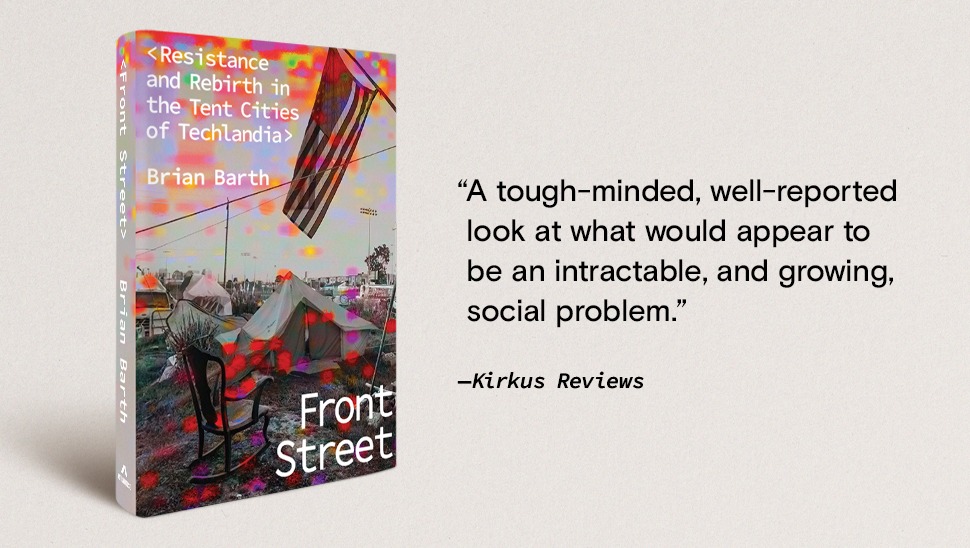
ABOUT FRONT STREET
In his first book, award-winning investigative journalist Brian Barth takes us on an immersive journey deep into Silicon Valley’s homeless encampments, challenging everything we thought we knew about our unhoused neighbors.
In this wide-reaching portrait of the constellation of people living in tents, shacks, and cars in the shadow of tech campuses and skyscrapers, award-winning journalist Brian Barth introduces us to the misfits, activists, and iconoclasts of Silicon Valley’s homeless encampments. Blending memoir, investigative reporting, history, and cultural criticism to paint a portrait of a community searching for dignity and connection in the midst of a national crisis, Front Street is a conversation-changing story about the struggle for housing.
This immersive work follows residents of three distinct camps—Crash Zone in San Jose, Wood Street in Oakland, and Wolfe Camp in Cupertino. Regularly harassed by police and local government, and frequently at risk of often violent and always destabilizing sweeps, these camps may seem chaotic to some but more often than not, to their residents they are sites of refuge and rebirth. In research on 19th- and 20th-century homelessness and philosophical contemplations of communal anarchy, and through honest conversations with residents, Barth shows how the solution to homelessness isn't as straightforward as one might think.
Front Street considers the root causes and possible solutions to chronic homelessness, contemplating political, economic, social and spiritual approaches alike. With empathy and poise, Barth follows this cast of characters, describing their personal stories, quotidian experiences, private philosophies and political activism. In doing so, Front Street explains why the country's current approach to homelessness has become at once cruel and ineffective and makes the radical argument that encampments, when treated generously and fairly, have something important to teach the rest of us about autonomy, dignity, connection and care.
This video (of a group hug from one of the many celebrations Wood Street Commons put on in their camp) is a small taste of the film I'm working on, a scene that captures the spirit of the community -- kind, loving and full of giggles.