- R
- M
- c
Hi/Salam everyone,
My name is Ariba Talukdar and I’m a student at Berkeley High School in California. This winter break, I am traveling to Bangladesh to visit family and hope to use this trip as a chance to give back to one of the hardest-working communities I know: the rickshaw pullers of Bangladesh.
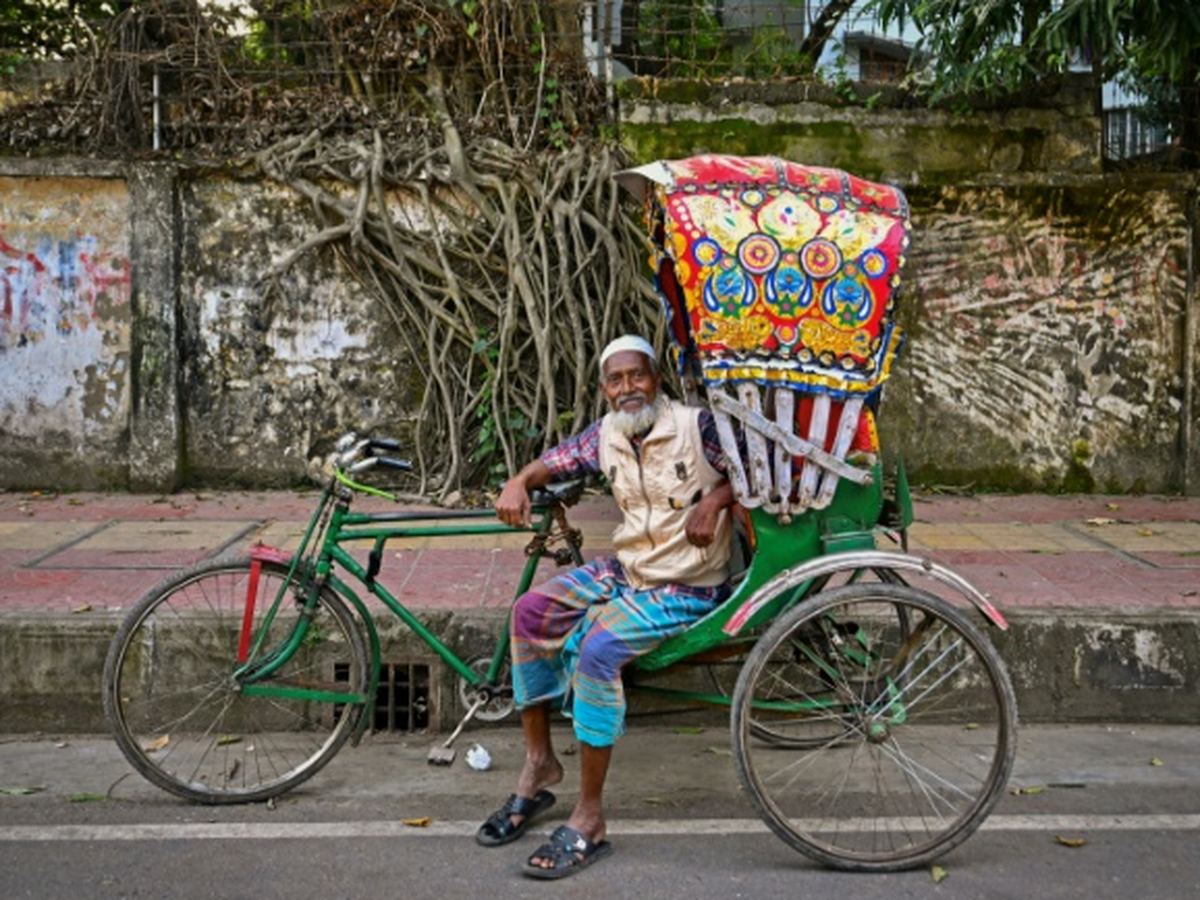
In Dhaka, there are hundreds of thousands of cycle rickshaws on the streets every day and despite how important they are, rickshaw pullers themselves live very hard lives. Studies show that most pullers do not own their rickshaw and rent them by the day from garage owners or middlemen. Their work is part of Bangladesh’s informal sector, which means no contracts, no health insurance, and no pension, even after decades of labor. Rickshaw pulling is also extremely physically demanding where pullers spend long hours pedaling in traffic, often more than 22 days a month, just to survive and usually earn only $4–7 USD per day. From that small amount, they still have to pay daily rent for the rickshaw, food, and cramped housing in the city’s slums. On top of this, research shows that many rickshaw pullers experience food insecurity and poor nutrition since they often can’t afford enough calories to match the energy they burn every day at work.
Although child labor is officially illegal in Bangladesh, the reality on the ground is different. Journalists and researchers have documented boys as young as 12 pulling rickshaws or working as helpers, especially in urban slums, because their families depend on any income they can bring. These children should be in school but are instead working for just a few cents a ride. At the other end of the spectrum, many rickshaw pullers keep working into their 60s and 70s because they have no savings, pension, or reliable support.
Bangladesh is close to the equator and has a hot, humid tropical climate. In Dhaka, average high temperatures in the hot season are above 90°F, and heat waves can push temperatures to 104–108°F. Most rickshaw pullers work outdoors all day in this heat, with minimal shade, irregular meals, and limited access to healthcare. Yet the cost of each ride for passengers is still very low, often just enough for the puller to cover that day’s rent and food.
This winter break, while I am in Bangladesh with my family, my goal is to directly support rickshaw pullers with cash assistance: small envelopes of money that can help cover food, medicine, rent, or a day off from work. I plan to hand out direct cash gifts to rickshaw pullers I meet in Dhaka and surrounding areas, with a special focus on:
Older pullers (in their 60s and 70s), younger drivers (in their teens)
Pullers who share that they are supporting children, elderly parents, or family members with health concerns
Depending on how much is raised, I may also purchase essential items (like food staples or warm clothing) to distribute alongside cash, based on what people say they need most.
For context: if many pullers are earning around $4–7 a day, then a $10 donation can be more than a full day’s income for someone.
This fundraiser is my small way to give back to the rickshaw-puller community of Dhaka that keeps the city running. If you are able to give, any amount helps and if you aren't able to donate, sharing this link is also a huge help.
Thank you so much for reading and for caring about Bangladesh’s rickshaw pullers
— Ariba