- I
Sounds of Hope: Bring light to Myanmar
0% complete
€3,490 raised of €10K
7 donations
Hello, I’m Win Htut Thaw (Itö), director of Myanmar Jazz Club (MJC). I'm appealing to the global community for support as we move into the second phase of our relief efforts for the survivors of the devastating earthquake in Myanmar.
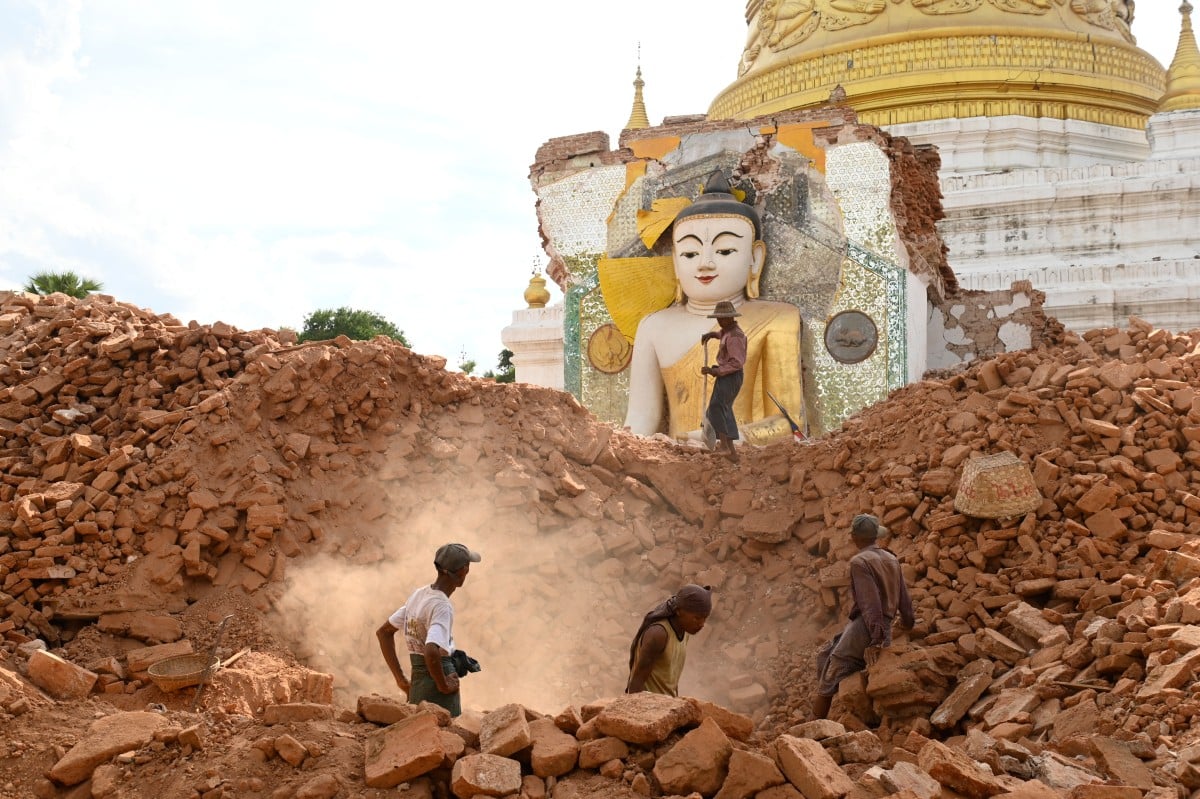
A week after the earthquake struck, I travelled to the affected areas of Mandalay, Amarapura, Sagaing, and Inlay with the MJC team. The devastation was overwhelming—thousands of people had lost their homes, their families, and their livelihoods. The survivors were living in makeshift shelters, unsure of when or if they would ever have homes again. It was a heartbreaking scene, but amidst the immense suffering, I saw a flicker of light: these communities were starting to play music.
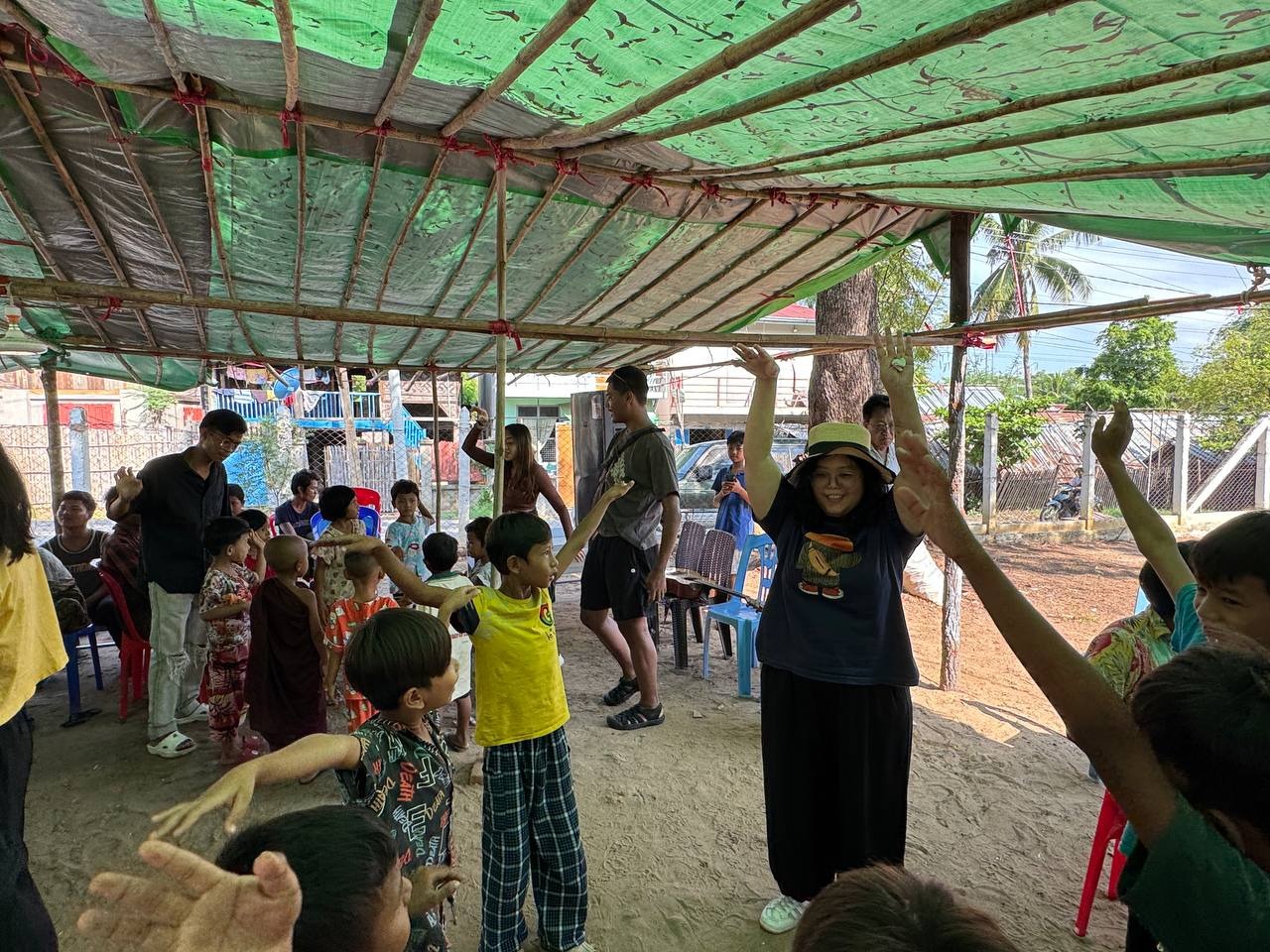
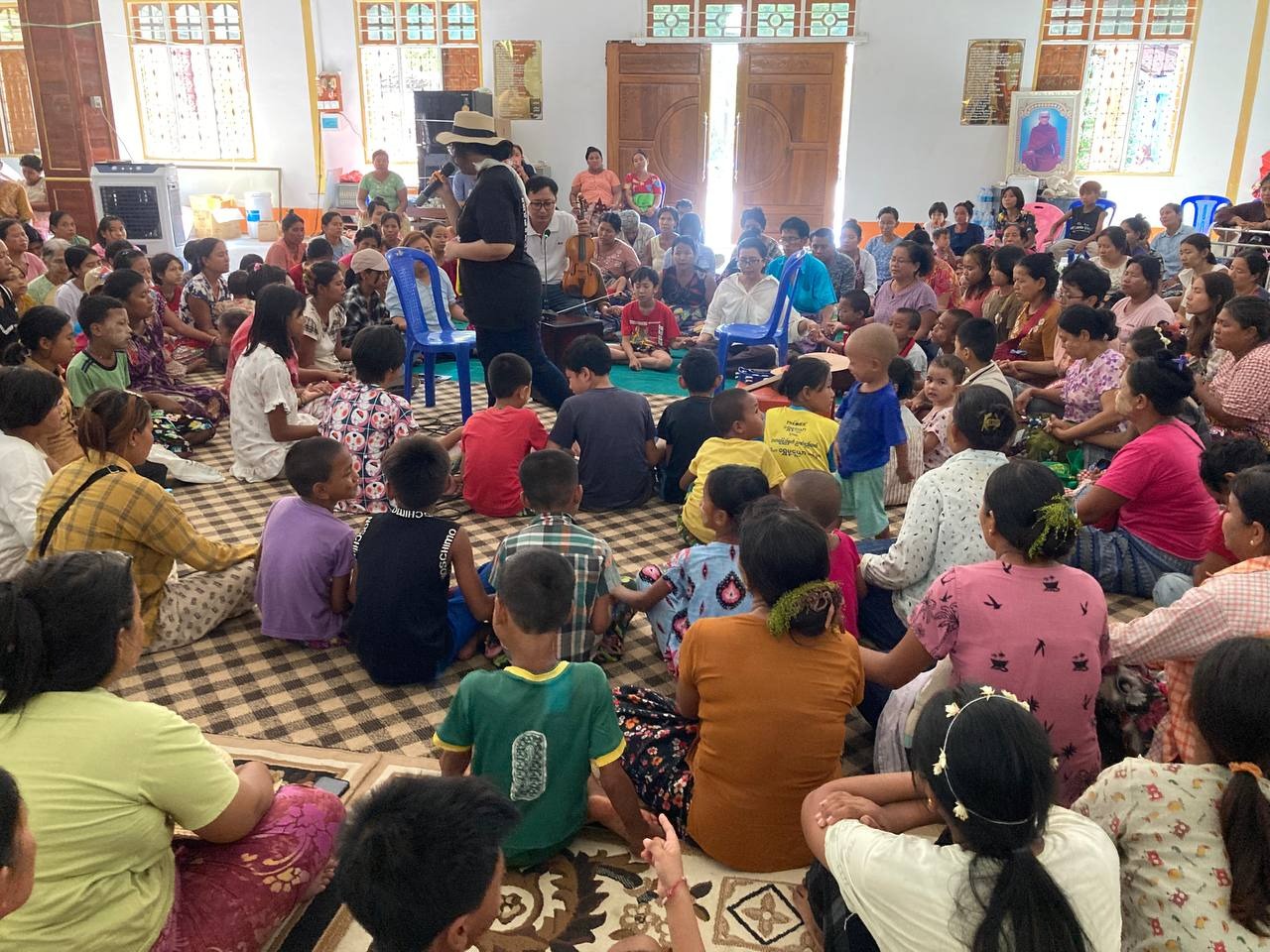
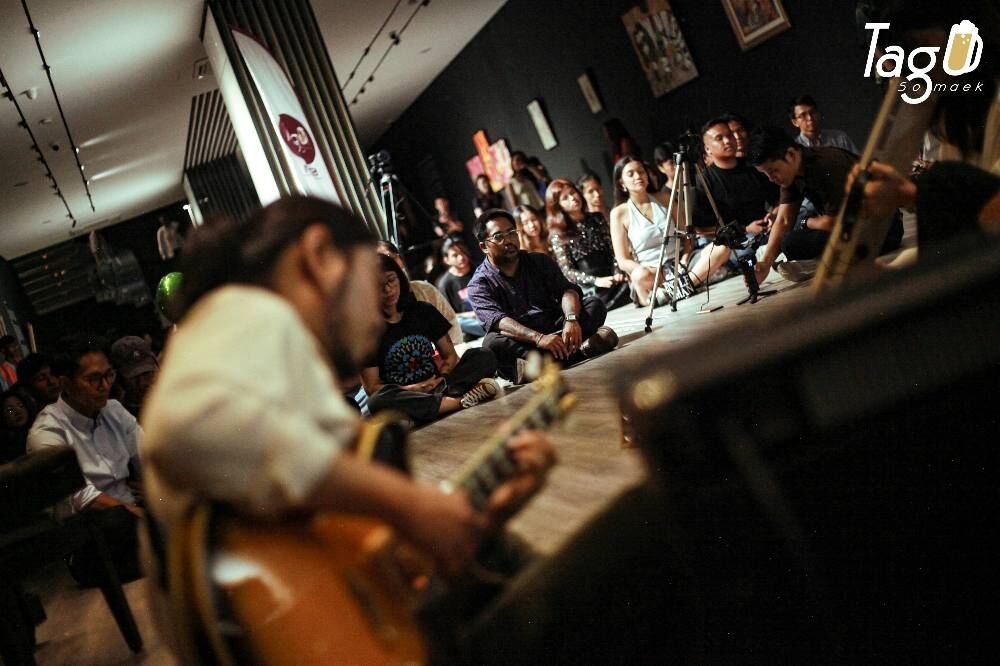
I observed survivors singing, playing instruments, and improvising with whatever they could find. Not just to pass the time—but to self-soothe and self-regulate. I saw music used as a tool to stabilise emotions, it provided a sense of agency in helpless times, and brought people together out of isolation.
I realised that while we had raised 5,000 euros in the first phase to provide food, water, solar lights, and temporary shelters, some things were still missing. The emotional and psychological toll was immense, and it became clear to me that the next phase of our relief efforts needed to sustainably address the psychosocial needs of these communities.
And that’s where "Sounds of Hope" comes in.
PHASE TWO: "Sounds of Hope"
The relief we provided in Phase One—food, clean water, shelter—was vital. But it’s now time to address the emotional and mental health needs that are equally urgent.
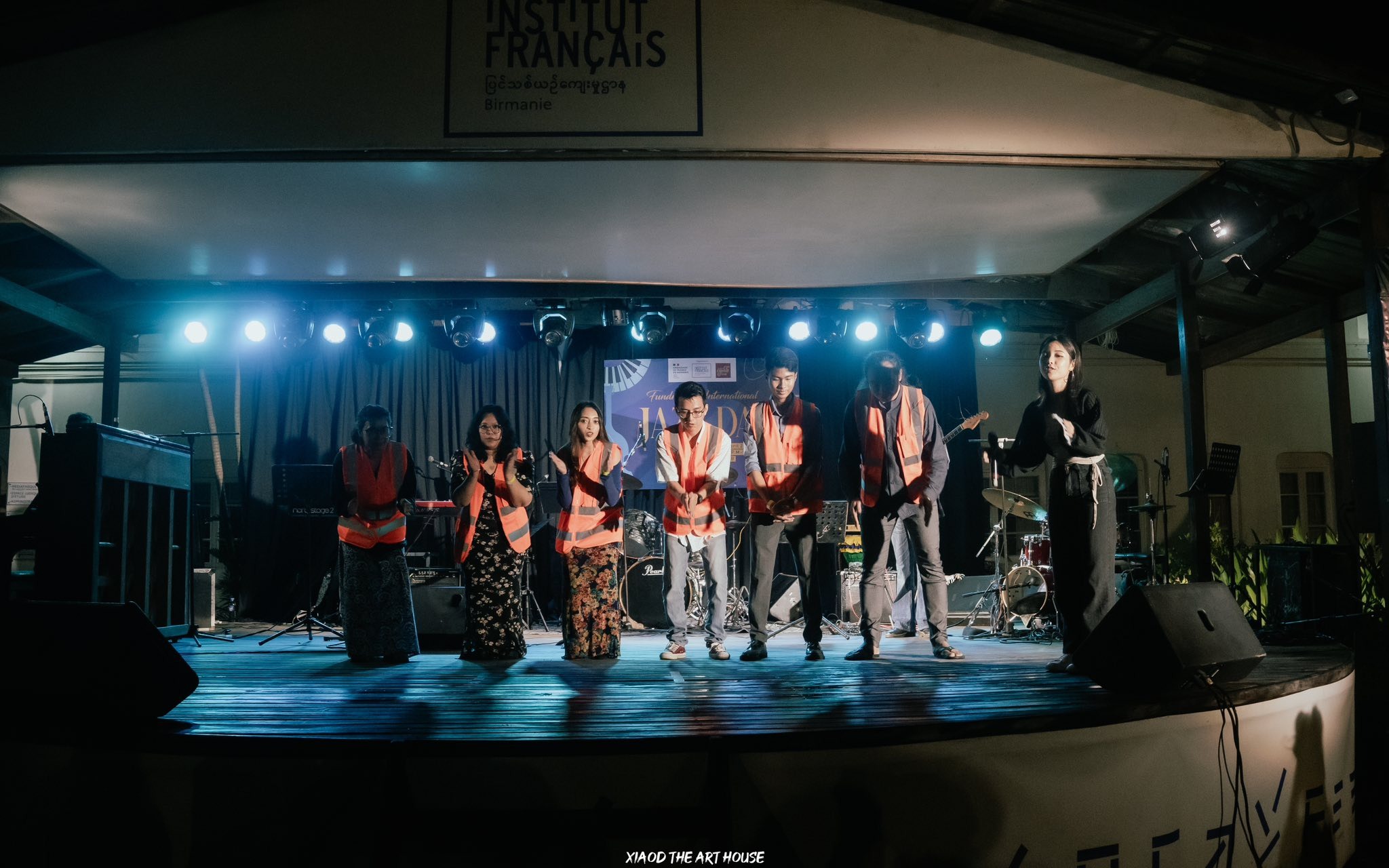
Music has always been a tool for healing, but in the face of trauma, it becomes even more essential. Given what I saw, we at MJC have brought together a team of qualified music therapists and music pedagogists, trained and certified in using music to address psychosocial needs.
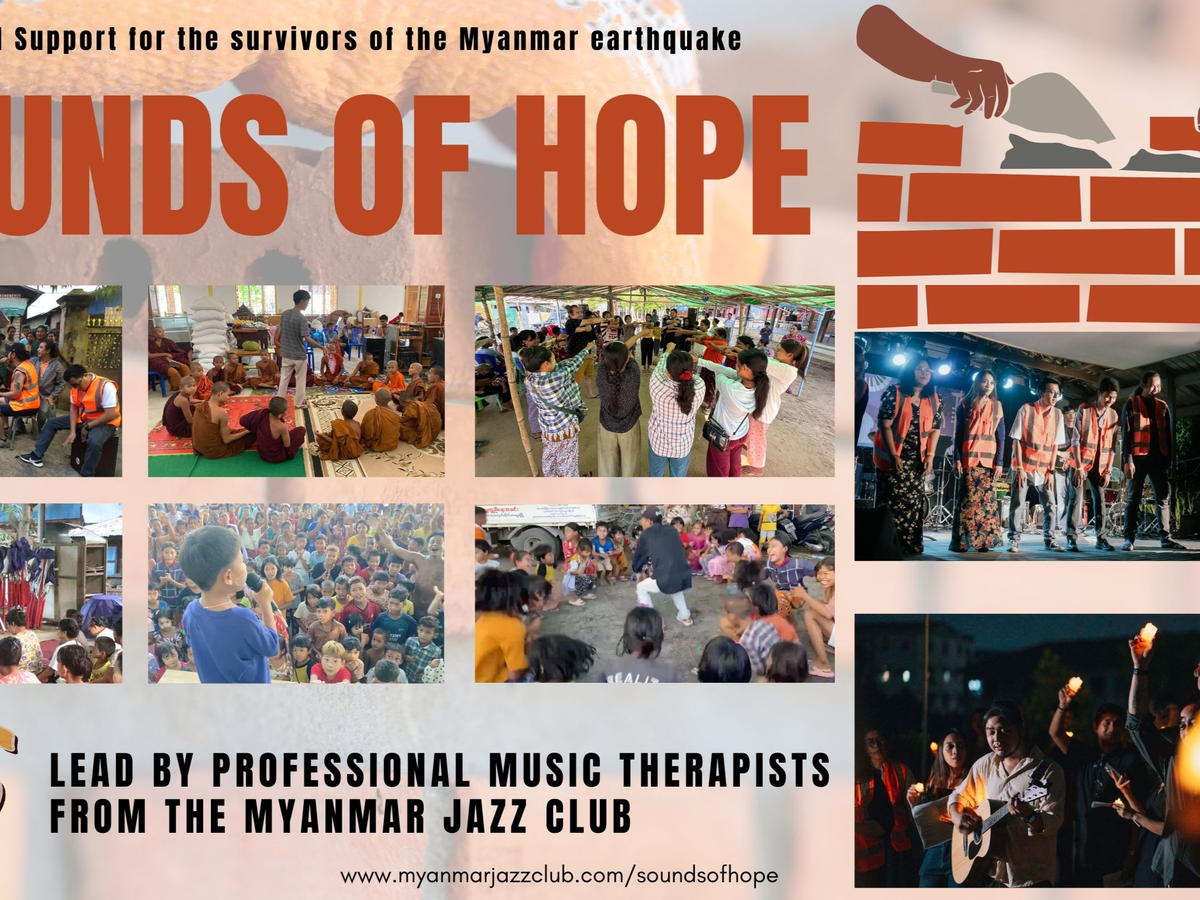
Our goal in Phase Two is to bring sustainable psychosocial support through music to the survivors of the earthquake.
Our objective is to:
- Train Local Music Leaders: We will train talented local volunteers in the affected areas (and from Yangon) to use music and song as a form of emotional support. These trainees might be village singers, teachers, or youth leaders – anyone with a passion for helping. After training, they will become community music leaders who can carry on the healing activities independently.
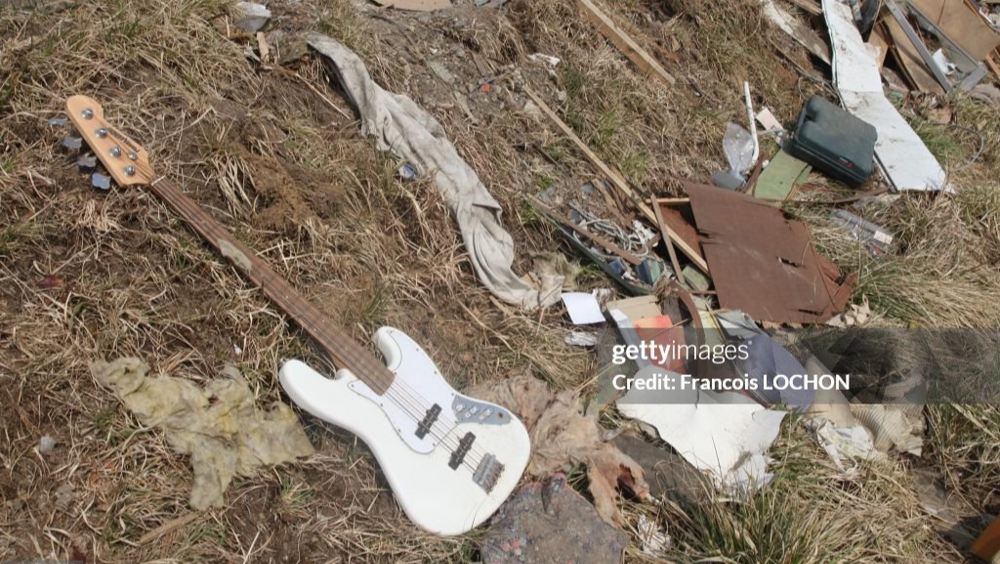
- Provide Instruments and Materials: Many lost everything in the disaster. We will provide guitars, drums, and other musical instruments so communities have the tools to make music again. We’ll also bring therapy materials (like art supplies for children to draw their feelings, and simple percussion instruments for group activities).
- Support Our Team’s Outreach: I will be leading a small team of musicians, therapists and engineers travelling to the villages. Your support will cover travel, lodging, and food for this team as we go out to the camps and remote areas. This means we can stay with the community for days at a time, organising workshops and music sessions without burdening the hosts who are already struggling.
- Provide Trauma-Informed Community Music Sessions: We will organise regular group sessions informed by music therapy principles. This isn’t a formal therapy class, but rather community gatherings where everyone is invited to sing familiar songs, learn new ones, play instruments, and even dance if they feel like it. These music circles will be a safe space for expressing joy, grief, and everything in between. Through these sessions, people can form supportive bonds, reduce stress, and find moments of happiness amid the hardship.
- Monitor Healing for the Long Term: We are not just coming and leaving. We’ll support ongoing sessions and collect feedback and stories to see how the music is helping. By gathering data (like participation rates, smiles seen, songs written, and personal testimonies), we can evaluate the impact and continually improve the program. This way, every contribution is used in the most effective manner, and we can share with you the progress – the songs of hope returning to these communities.
Why is this necessary?
In order to ensure that we are providing effective and safe therapeutic support, we need to properly train local music leaders who can then go into their communities and train other community leaders. This consideration ensures that the impact of the program will extend beyond our team and become a lasting part of community support systems.
The training process will cost some money, but it’s a vital investment to ensure that our music facilitation team provides adequate psychosocial care, especially for vulnerable populations such as children and the elderly. Through this program, the leaders we train will be equipped with the knowledge and skills to make a meaningful, long-term difference.
Our Team includes:
- Supakarn Nakavisut, MA, Music Therapy, SRH University, Germany. A trained music therapist from Thailand who has worked closely with the Myanmar population, will ensure the program is evidence-based and culturally sustainable.
- Dr. Phway Nu Moe, A medical professional and one of Myanmar’s top jazz singers, will also provide training and supervision.
- Khin Myat Mon, MA Music Education, Silapakorn University, Thailand. A music educationalist/pedagogist who works with Myanmar refugees on the Mae Sot border, training teachers to support children’s development in refugee camps. She will ensure that the design of this program is systematic, relevant and has impact.
These activities will include group music-making, singing, and playing instruments, alongside mindfulness activities and practices—all with the goal of grounding and facilitating a sense of belonging and hope. Music therapy has been shown to improve emotional well-being, reduce stress and anxiety, and create a sense of community among survivors, and with your help, we can empower leaders to make a positive difference in their community.
What Will Your Support Do?
Your donations will directly fund the implementation of "Sounds of Hope", covering:
- 3,000 euros | Music leader training programs and facilitation fees for music leaders within the affected areas and Yangon.
- 1,000 euros | Music therapy supplies (instruments, therapeutic materials) needed for the sessions.
- 3,000 euros | Travel and transportation to reach remote regions and conduct the training.
- 3,000 euros | Logistical support (accommodation, food, and essentials for the team during training and community outreach).
Our aim is to create a lasting impact by helping survivors regain their emotional stability and resilience—enabling them to move forward with hope and determination.
Why This Matters
After the basic needs of food, water, and shelter are met, it’s the psychosocial needs that often get overlooked in relief efforts. Survivors of natural disasters like this earthquake face not just physical hardship, but also psychological trauma that can last for years. Music has the power to heal emotional wounds and give survivors a sense of community, purpose, and hope in a time when they feel completely isolated.
As Pope Francis shared in his final message to Myanmar just before his passing,
“During this time, let us not fail to assist the people of Myanmar, plagued by long years of armed conflict, who, with courage and patience, are dealing with the aftermath of the devastating earthquake in Sagaing, which caused the death of thousands and great suffering for the many survivors, including orphans and the elderly. We pray for the victims and their loved ones, and we heartily thank all the generous volunteers carrying out the relief operations. The announcement of a ceasefire by various actors in the country is a sign of hope for the whole of Myanmar."
We are honoured to be part of this relief effort. But to make this work, we need your help.
How can you help?
Do you believe music has the power to heal? If yes, here’s how you can contribute:
- Donate: Your donation will go directly to funding the music leader training program, community music sessions, and logistical needs of the team.
- Share: Help us spread the word by sharing this campaign with your network.
- Volunteer: If you’re a musician or therapist, consider joining our effort to provide support on the ground.
I’m writing to you not as a distant organiser, but as someone who has sat with these survivors around the camps, singing to soothe each others souls.
I invite you to join our mission.
- Your support will directly bring music and hope to those who need it most. By donating to this GoFundMe, you become a part of our musical family.
- You’ll be funding training for a young leader who can uplift their whole village with song.
- You’ll be putting drums into the hands of children who haven’t had a reason to laugh in weeks, months, possibly years...
- You’ll be fueling a journey of a team of artists and healers to go out and light up communities with the sound of music.
No contribution is too small. Every dollar will make a difference – whether it buys a simple ukulele or covers a tank of gas to reach a far-flung village.
In return, you will receive:
- A certificate of gratitude for your donation
- Constant updates on our progress
- Access to future music that MJC will produce
If you’re not able to contribute financially, sharing this campaign with your friends and family is also a tremendous help. The more people hear about “Sounds of Hope,” the more hearts and ears we can engage in this journey.
Thank you for your kindness and support. We couldn’t do this without you. Together, we can make a real difference in the lives of the earthquake survivors in Myanmar.
With gratitude,
Win Htut Thaw (Itö)
Director, Myanmar Jazz Club (MJC)
Organizer