- L

#SevereMErgency:Save Savannah from dying inside NHS hospital
0% complete
£24,825 raised of
991 donations
SUMMARY OF SAVANNAH'S SITUATION 19th NOV 2026:
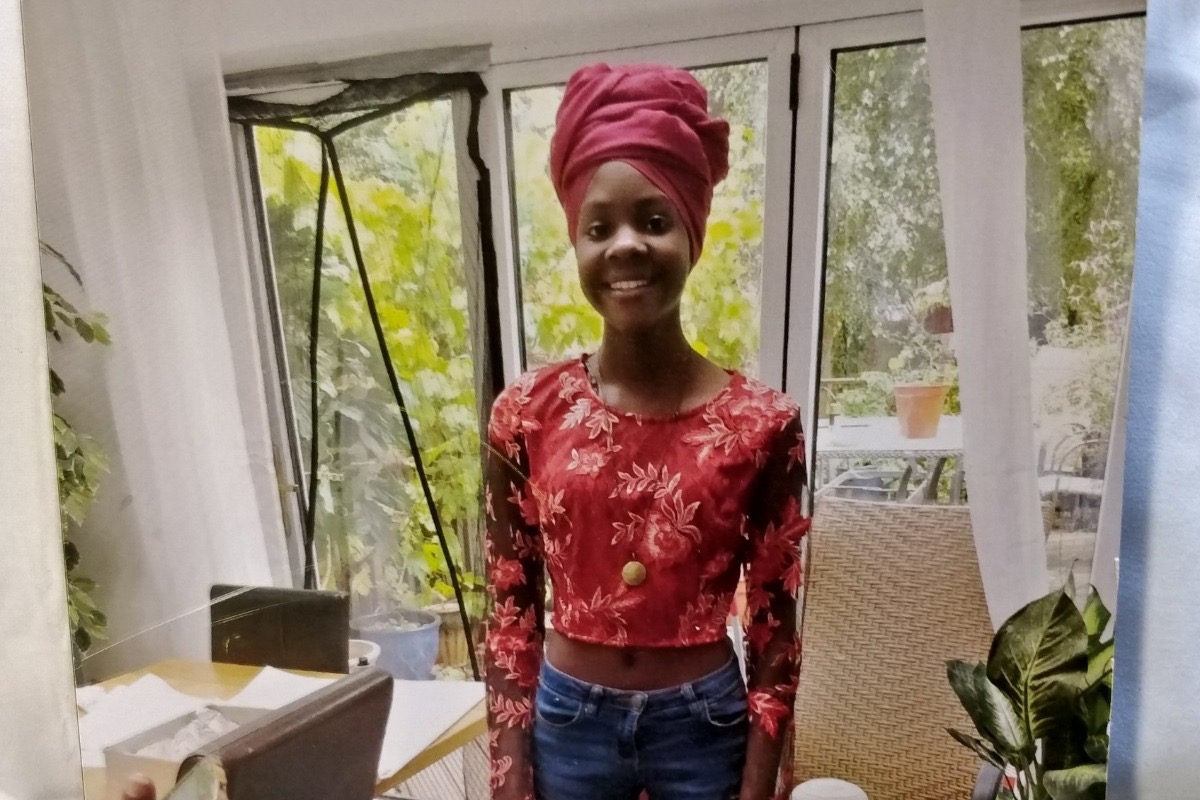
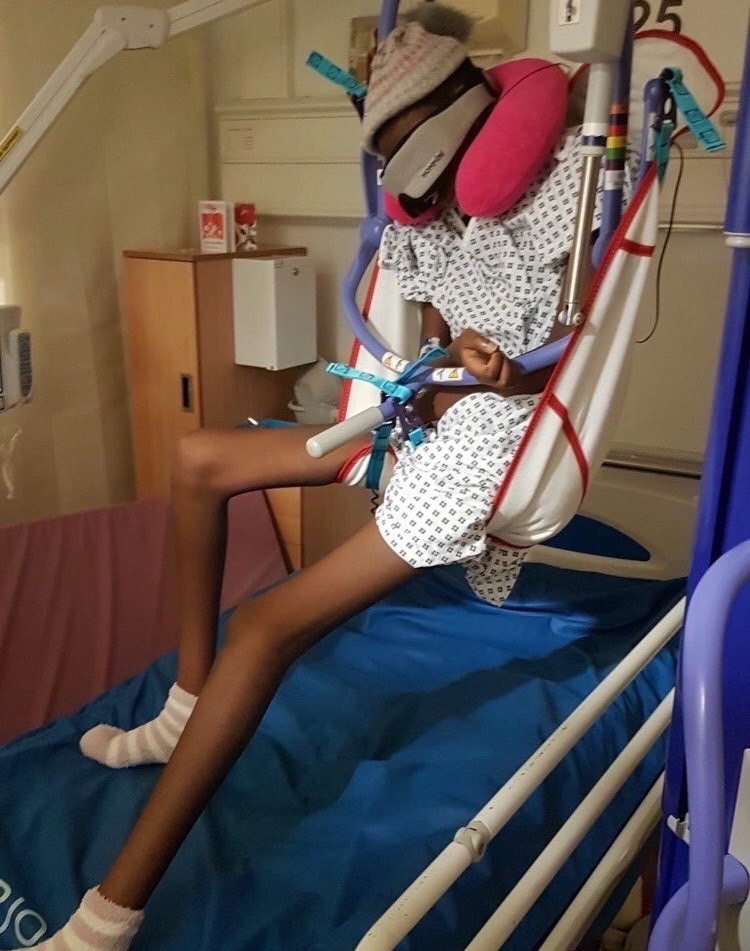
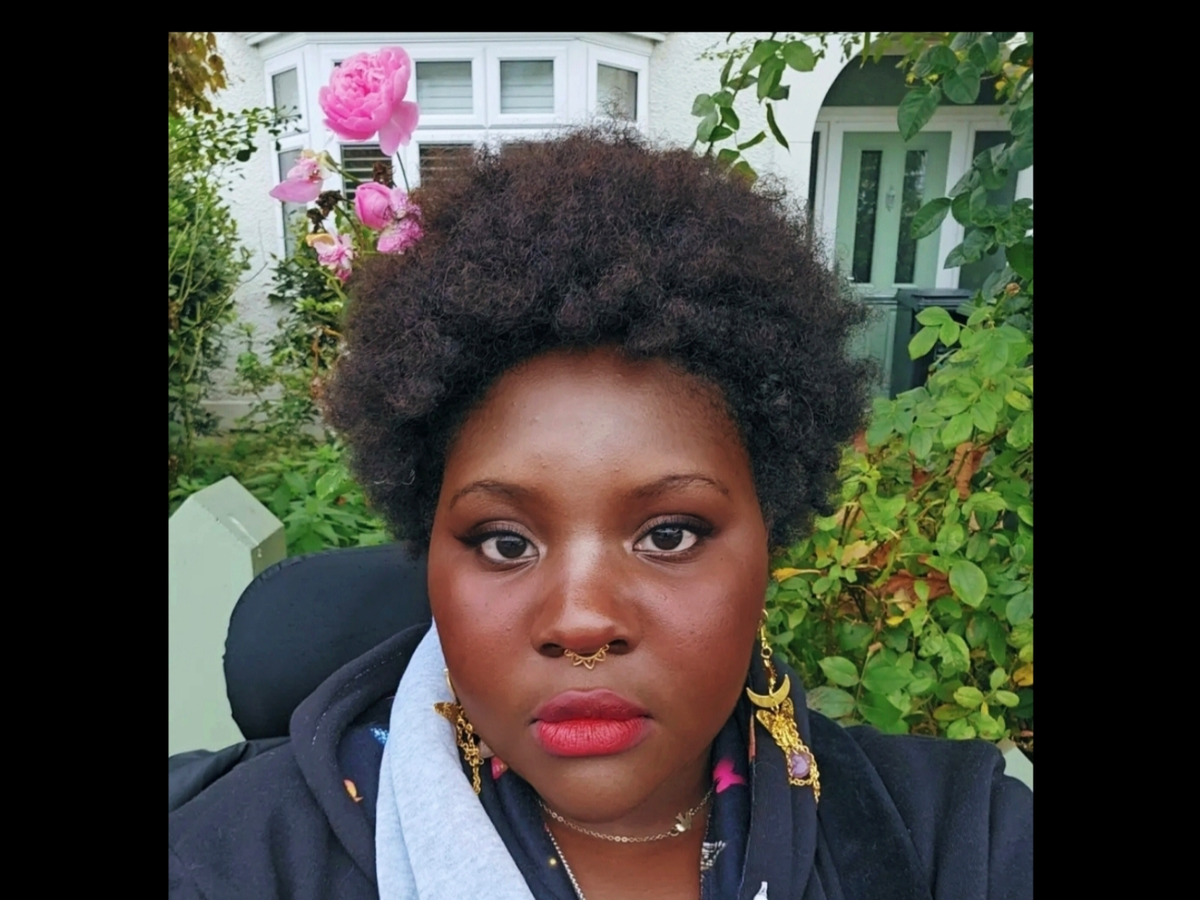
Savannah Victora-May is 24 year old woman who has been bedbound for 8 years with Severe ME. As a teenager, she spent more than a year in Lewisham Hospital, London where her disease was not taken seriously and she became dangerously malnourished. Only when ME specialist Dr Weir persuaded a new consultant to let her sleep in the dark for a couple of months was she able to recover enough to be discharged.
In March 2025, she was admitted to Queen Elizabeth Hospital, London with pain that was causing paralysis and seizures. When, after a couple of months of trials of ineffective medication, she was put on oxycodone, her pain was finally brought under control and she was able to eat, sit up in bed without a blackout shield, and consider returning to studying.
But because medical authorities don’t believe ME is disabling and refuse to read up-to-date scientific evidence, when months later she wasn’t able to get out of bed and walk, QEH decided her cellular oxygen-starving energy-limiting chronic illness was ‘all in her head’. In late December, they withdrew the anti-emetic cyclizine that allows her to eat, thinking the prospect of Christmas food would ‘tempt’ her out of her ‘delusions’ that she was unable to adequately swallow and digest.
QEH ignored the advice of ME experts and withdrew IV fluids for a week in January 2026, causing Savannah to come close to death from dehydration. Race seems to have played a huge part in her healthcare, as QEH treated her as if she were 'just a drug addict' and dismissed her pain. When they started withdrawing pain killers, her suffering became relentless burning agony.
After 10 weeks without cyclizine and an 80% reduction in oxycodone, Savannah was facing death from malnutrition or organ failure, but QEH ignored legal letters asking for adherence to NICE guidelines about gastroparesis and extreme pain in Severe ME. At the end of February, GFM money that had been raised by the ME community for legal fees allowed her to escape via private ambulance to the Royal Devon and Exeter hospital. We were hoping for more enlightened treatment from the institution that had underestimated the suffering of Maeve Boothby-O’Neill, resulting in her death from malnutrition and dehydration in 2021.
In mid-March, after Dr Weir met with a Royal Devon consultant, cyclizine and then oxycodone were finally restored and Savannah was able to eat and speak again. Although she was much weakened from being denied adequate nutrition, hydration and pain relief for so long, the consultant was amazed at the immediate increase in her capacity.
However, since then she has been unable to gain ground or even stabilise. Although the foundation of any recovery in ME is uninterrupted rest, for 20 months now Savannah has been forced to set alarms to request medication, currently 10 times every 24 hours. Royal Devon consultants continue to refuse to consider giving her a syringe driver as granted to palliative care patients.
Despite the heatwaves over the summer, they ignored specialist Dr Weir who advised upping IV fluids from 2L to 3L daily to counteract low blood volume, and more tests to investigate why her pain is so extreme and why she has lost sensation in her feet.
Six months later, frustrated by her inability to improve enough for discharge – caused by their own refusal to provide uninterrupted rest and adequate fluids as specified by NICE for Severe ME and in their own guidelines – Royal Devon is once more proposing to withdraw fluids and pain medications which make it possible for her to eat, risking death from dehydration and malnutrition all over again.
On 1st Sept the hospital sent a letter to Savannah stating that the “overriding diagnosis currently driving your presentation is severe personality disorder”, concluding that her pain is “nociplastic” and that her symptoms are caused by “enduring, pervasive patterns of thinking, feeling, behaving and relating to others that result in significant emotional distress, impaired functioning and difficulties across multiple areas of life.”
Overnight they embarked on a steep withdrawal of her only proven effective pain relief. Savannah was shaking by 11am, screaming by 12 and lost consciousness at 1pm. For 3 days she was unable to eat because of uncontrolled pain and lay in spilt urine and menstrual blood, as she was incapable of being washed or changing a sanitary pad.
Had she been asked, Savannah would not have given consent to a trial of an alternative sublingual medication during her period, which magnifies pain and PEM. This failed trial significantly lowered Savannah’s baseline, and she is beginning to lose the capacity to sustain speech.
In mid-October, an independent NHS psychologist submitted concerns to the Chief of the Devon constabulary and the Care Quality Commission that the Royal Devon hospital is ignoring clear warnings in the Prevention of Future Deaths report issued by the Coroner who conducted Maeve Boothby-O’Neill’s inquest in 2024.
On 5th November, Savannah received a follow-up letter from the Chief Medical Officer of the Royal Devon stating that she is suffering from Functional Neurological Disorder (FND).
It appears this diagnosis was given by a psychiatrist at Queen Elizabeth Hospital, London on the basis of a barely 20 minute conversation in late January 2026. After Savannah described her symptoms and limitations in some detail, the psychiatrist asked her whether she thought her condition might be caused by historical sexual abuse or “being the middle child” (sic). At no point was Savannah asked to consent to a mental health assessment.
When she arrived at the Royal Devon hospital a month later, Savannah was so exhausted that, after 12 weeks of malnutrition, she declined to speak with any more psych team members, in line with NICE guidelines. Without any evidence of a proper clinical assessment, it seems Royal Devon has decided on the diagnosis of FND as an explanation of her condition through nothing more rigorous than a series of Chinese whispers.
Since Savannah first became bedbound aged 16, a succession of healthcare professionals uneducated in recognising ME have speculated that her incapacity to walk and talk and digest is down to laziness or wilfulness or craziness and concluded she has some flavour of personality disorder – without once following any formal diagnostic process. In any case, a mental health diagnosis should not preclude treatment for the physical disease ME.
The letter stated, “We are not seeking to dispute or remove Savannah's ME/CFS diagnosis or to invalidate the severity of her symptoms and distress”, yet the covering email added they may soon be moving her to a 4 bed bay and intend to proceed with their plan to withdraw oxycodone.
When this was last attempted, from January-March and in Sept, withdrawal caused immediate and catastrophic pain, unnecessary exertion through elevated heart rate, compounding PEM, inability to eat and significant reduction in capacity. Yet somehow the Royal Devon thinks that swapping to pain medications that have proved ineffective in the past, plus tapering IV fluids, will miraculously speed her towards discharge.
Denying Savannah pain control for the third time this year, with her body more fragile than ever after 20 months of enduring exhausting hospital conditions, is a recipe for catastrophe.
Savannah's is an important test case. It’s over a year since the DecodeME research results proving the genetic basis of energy-limiting chronic illness were published in Britain to great public fanfare. If a patient with Very Severe ME is still being treated like this in a UK hospital, then what hope is there that Mild and Moderate ME sufferers will have their symptoms - or NICE guidelines - respected anywhere in the NHS?
The ignorance and bias demonstrated by these hospitals is shameful and dangerous, and someone as sick as Savannah shouldn’t have to fundraise for legal support to fight for her right to safe healthcare. Since Maeve Boothby O’Neill’s death in 2021, dozens of young women with Severe ME have been subjected to avoidable agony in hospital due to the dismissal of their gastroparesis and pain. How many more of us need to die before a consultant deigns to read some science?
We challenge the Royal Devon to give Savannah a syringe driver and 3L fluids daily for one month and see how the ‘uninterrupted rest’ and ‘sufficient hydration’ recommended by NICE might boost her energy reserves enough to attempt the alternative pain medication trials that could enable discharge!
TEXT OF ORIGINAL APPEAL 29th JAN 2026:
Very Severe ME patient 23 year-old Savannah Victora-May is at risk of death in Queen Elizabeth Hospital, in Woolwich, London.
Savannah is being denied appropriate fluids, nutrition and most critically right now, pain relief.
Multiple ME expert clinicians and national charity chiefs have offered the hospital guidelines for safer care. However, her medical team remains intransigent. There’s no other hospital she can transfer into where she’s guaranteed better treatment, and despite huge efforts on Savannah’s part to arrange access to palliative care in a hospice, QEH refused to facilitate a transfer.
Having exhausted all other avenues, we are setting up a fundraiser for Savannah to cover supplementary medical treatment costs, including private pain management, a syringe driver and ME-literate nursing support to try and arrest her decline and prevent death from organ failure. Donations may also be used for legal costs around hospital negligence. If there are any funds left over, they will be passed on via mutual aid to other Severe ME sufferers in crisis situations.
Savannah’s current situation at Queen Elizabeth Hospital:
Since March 2025, Savannah has been an inpatient at QEH. Throughout her stay, clinical staff have subjected her to a litany of dangerous and abusive care decisions including:
Neglecting to clean her Peripherally Inserted Central Catheter (PICC) line for weeks, resulting in blockage, and putting her at risk of infection.
Violently removing sensory protections and ridiculing her use of a blackout tent.
Essentially starving her after withdrawing, in the week before Christmas, a vital anti-histamine medication that had allowed her to tolerate nutrition via NJ tube for the past 7 years. She has only managed morsels since. At the time of writing, Savannah’s last meal was 5 chips, 12 days ago. Eating or drinking orally causes her to pass out with pain.
Removing her fluids for days and causing significant decline through the cruel effects of dehydration.
Repeated visits by a psychiatrist interrogating her about her childhood and dismissing the biological neuroimmune basis of ME.
Relentless unnecessary interactions that are keeping her in a dangerous downward spiral of rolling PEM (post exertional malaise) and pain.
Savannah has high hopes for her future, that include A-Levels, university and becoming a doctor. But as it stands, QEH is failing even to stabilise her. Right now, we are witnessing her endure a slow and excruciating death via dehydration and malnutrition without pain relief. As people living with post-viral disease the world over are painfully aware, it wouldn’t be the first time a hospital has killed a Severe ME patient through hubris and negligence. Please someone ask them to google the Semmelweis reflex.
If you are in a position to donate or share this GoFundMe, please show your solidarity with Savannah and your belief in the suffering of the Very Severe in the NHS, and give her a chance to achieve the brighter future she deserves.
Background on the organisers:
Sam Pearce has written for The Sick Times about her work campaigning with the Severe ME Advocacy Group (SMEAG) and represents the Severe on the strategic leadership board of the World ME Alliance. She is also the co-founder of SICK Pride in South Africa (IG: @sick pride_sa).
Michiel Van Zanten is a volunteer from ME Action Scotland (https://bsky.app/profile/murtoz.bsky.social)
Hannah Sharland is a journalist with ME who works at The Canary highlighting stories of people with Severe ME (IG: @hannahasharland).
Rachel Spalding is also a member of SMEAG, but based in UK (IG: @memyselfandmyalgice) - Rachel will be administering the funds and making payments because Savannah is currently too weak.
Savannah Victora-May (IG: @savannahinsoftbloom) has expressed her wish that, once she is transferred from QEH to safety, any remaining funds should be passed on via mutual aid to other people suffering SevereMErgency.
PAYMENTS MADE SO FAR (invoices available on request):
12th Feb Scott-Moncrieff & Associates solicitors (2 hours) £720
16th Feb Scott-Moncrieff & Associates solicitors (3 hours) £1080
25th Feb Harley Street Ambulance Service (across London) £785
25th Feb Scott-Moncrieff & Associates solicitors (2 hours) £720
27th Feb Trans Euro Ambulance service (to Devon) £1295
27th Feb Nevra mutual aid £100
27th Feb Mari mutual aid £100
27th Feb Nafas mutual aid £100
2nd March Rosemil Care £755
5th March Trans Euro Ambulance service (supplementary waiting time) £150
5th March Scott-Moncrieff & Associates solicitors (4 hours) £1500
18th March Savannah medical and mobility aids £500
23rd March Savannah's cousin travel expenses to Devon £422
25th March Dr Weir consultancy day visit fee £750
21st April Savannah's mother expenses £373
29th April 25% Group membership to enable advocacy support £20
7th May local support volunteer L.A. expenses £34
5th June Nevra mutual aid £250
5th June Mari mutual aid £250
5th June Nafas mutual aid £250
5th June Daryna mutual aid £250
5th June transaction fees £15
21st June local support volunteer C.B. expenses £74
25th June balance £9045 transferred to Savannah's cousin to facilitate direct payments for housing deposit, legal fees, 2 private medical consultants, Savannah's food deliveries etc
27th Feb Please note, we would like to make it clear that, as was stated at the outset, the SevereMErgency bank account was set up to benefit Savannah and other multiply marginalised people with Severe ME in crisis situations, and it is independently managed by Rachel Spalding of SMEAG. In February, as well as paying for legal fees, a private ambulance and carer costs for Savannah, on the recommendations of the Severe ME Advocacy Group, £100 each has been donated to:
Nevra: Pakistani DV survivor with Very Severe ME in an ongoing health crisis https://gofund.me/b196b5243
Mari: Multiply marginalised person with Severe ME trying to escape caregiver abuse https://gofund.me/7135be274
Nafas: Multiply marginalised person with Very Severe ME, deteriorating rapidly
In June, another £250 x 4 were donated to mutual aid of the above plus:
Daryna: Ukranian Very Severe ME and MG patient to enable her evacuation to Germany https://gofund.me/7f6f8dc74
Co-organizers4

Rachel Spalding
Beneficiary

Michiel Van Zanten
Co-organizer

Savannah Yulia Victora-May
Co-organizer