- H


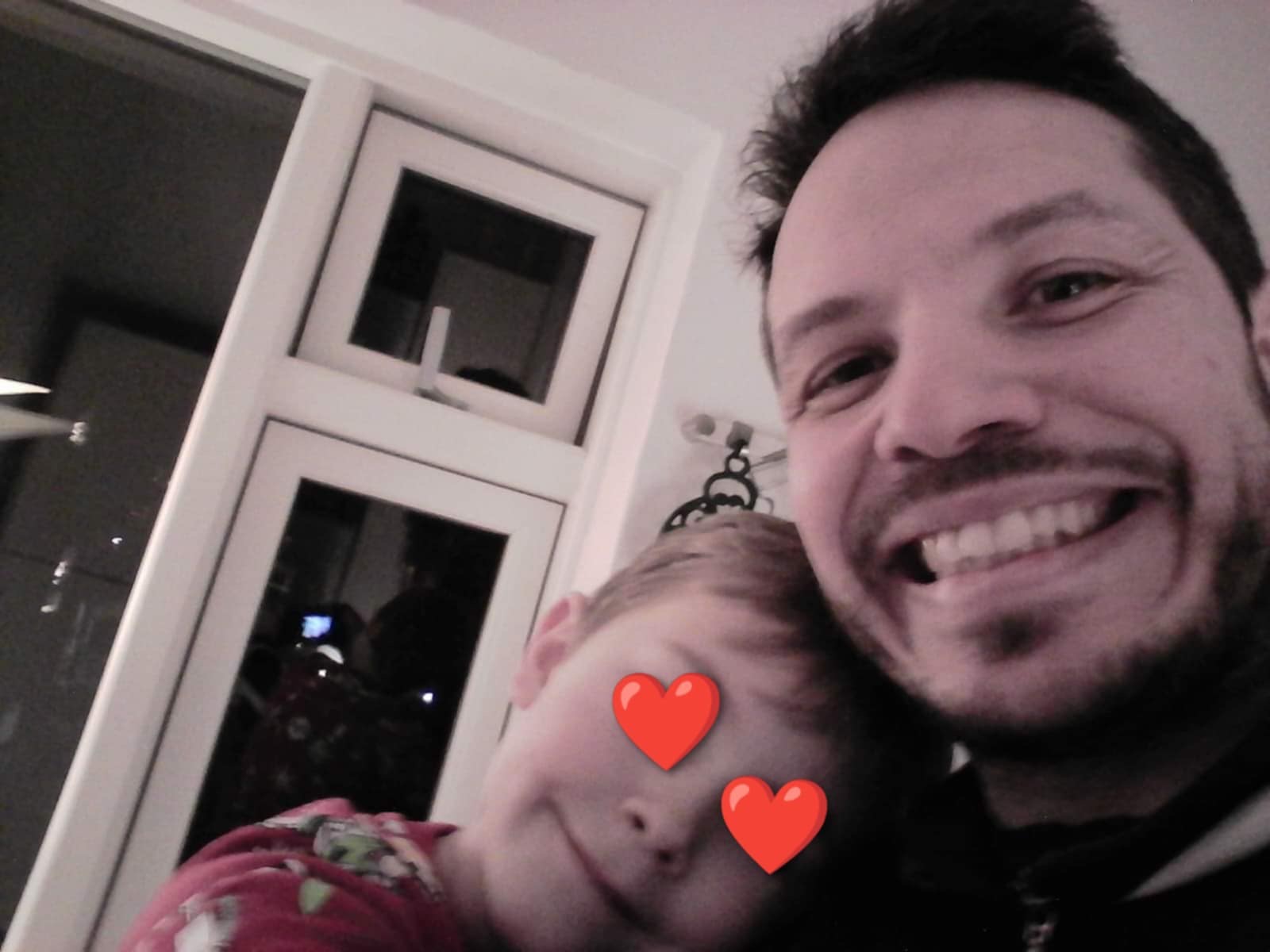

Appeal to the Court of Iceland to Protect My Son
0% complete
€14,981 raised of €40K
319 donations
Thank you for reading.
I am a father in Iceland seeking help to fund an appeal to the Court of Iceland. Over the past four years I have been fighting custody and medical decisions for my son, who was diagnosed with autism recently. When he was seven his mother began a gender-related transition process; at ten the court ruled in her favor on a name change and the use of puberty blockers.
I strongly believe these measures are not in my son’s best interest and am pursuing a legal appeal to challenge the decision. The cost to continue this case to Court is substantial — legal fees, court filing fees, and expert reports are required. I have exhausted my personal resources and am asking for financial help to cover appeal-related expenses.
All funds raised will be used exclusively for legal fees, court costs, and expert testimony related to the Court appeal. I will provide updates and a transparent accounting of how donations are spent.
Thank you for your support.
Below is an English summary of the court's judgment issued on December 10, 2025 and the evidence the court relied upon:
Summary of the Judgment
This is a custody dispute resolved by the District Court of Reykjavik on December 10, 2025. The case involves separated parents of a child born in December 2014. The parents previously agreed in 2019 to joint custody, with the child’s primary residence with the mother and regular visitation for the father, along with standard child support payments.
Background and Key Issues
The parents cohabited from 2013 to 2019. The current case arose primarily due to disagreements over the child’s gender identity. Since December 2022, the child has consistently identified as a transgender girl and wishes to use a feminine name and pronouns. The mother has supported this, while the father has been more cautious, emphasizing the child’s young age and opposing changes like name updates in official records or school systems.
Additional factors include the child’s diagnoses of atypical autism and ADHD, along with significant behavioral challenges, such as aggression toward peers and school staff, emotional distress, and recent self-harm tendencies. Child welfare services have been involved since 2020, providing support to the family. Reports highlight the child’s anxiety around visitation with the father and instances of alleged physical incidents, though no ongoing violence was substantiated. Medical tests initially raised concerns about hormone exposure but were later attributed to lab errors.
An court-appointed psychological expert assessed both parents as generally capable, with stable living situations and no major mental health issues. However, the expert noted deep trust issues between the parents, particularly over the child’s gender identity, leading to tension that affects the child. The child expressed stronger bonds with the mother and a desire for reduced time with the father, while still wanting contact.
Court’s Reasoning
The court prioritized the child’s best interests, considering parental fitness, stability, child-parent bonds, risk of harm, and the child’s wishes (given their age and maturity). It found that joint custody was no longer viable due to the parents’ inability to collaborate, especially on gender-related matters, which has caused ongoing conflict and distress for the child. The child’s special needs (autism, ADHD, behavioral issues) require consistent support, and the court noted the child’s preference for more time with the mother and recognition of their gender identity.
The father was deemed fit but resistant to affirming the child’s identity, contributing to relational strain. The mother was seen as providing more emotional security. Maintaining the child’s current residence and school stability was emphasized to avoid further disruption.
Ruling
- Custody and Residence: Sole custody awarded to the mother, with the child’s legal residence remaining with her.
- Child Support: The father must pay standard (single) child support from the judgment date until the child turns 18.
- Visitation: The father has access every other weekend (Friday after school to Monday morning, or equivalent during summer). Alternating holidays (Christmas/New Year, Easter, winter breaks). Four consecutive weeks in summer (June 1 to August 15). Visitation can occur abroad to facilitate family connections. Parents can agree to adjustments; otherwise, the schedule starts as specified.
- Costs: No legal costs awarded to either party.
- Appeal: The judgment takes immediate effect, even if appealed.
The court emphasized the need for both parents to support the child’s well-being and gender exploration in line with Icelandic law on gender autonomy.
Role of the National Queer Organisation of Iceland - Samtökin ‘78
Samtökin ‘78, Iceland’s national queer organization advocating for LGBTQ+ rights, played a supportive role in this custody ruling by providing expert evidence and resources related to the child’s gender identity.
- Counseling and Report: A family therapist and team leader from their counseling service submitted November 2024 report based on interviews with both parents and the child. It highlighted the child’s signs of gender dysphoria (physical and social distress common in transgender individuals) and noted that unsupported gender expression could lead to behavioral and emotional issues, as seen in the child’s aggression and distress. This supported the need for affirming the child’s identity as a girl.
- Youth Services: The child attended their queer youth center (Hinsegin félagsmiðstöð, a collaboration with Reykjavík City), which was referenced in the case. The center’s director testified, providing context on supportive environments for transgender youth.
This input influenced the court’s reasoning under Icelandic child welfare laws (e.g., Barnalög nr. 76/2003 and Kynrænt Sjálfræði nr. 80/2019), emphasizing the child’s best interests, including gender autonomy and stability. It contributed to awarding sole custody to the mother, who affirmed the child’s identity, while noting the father’s resistance created relational strain. The organization was not a party but served as an impartial resource for transgender-related expertise.
Organizer