- M
- M
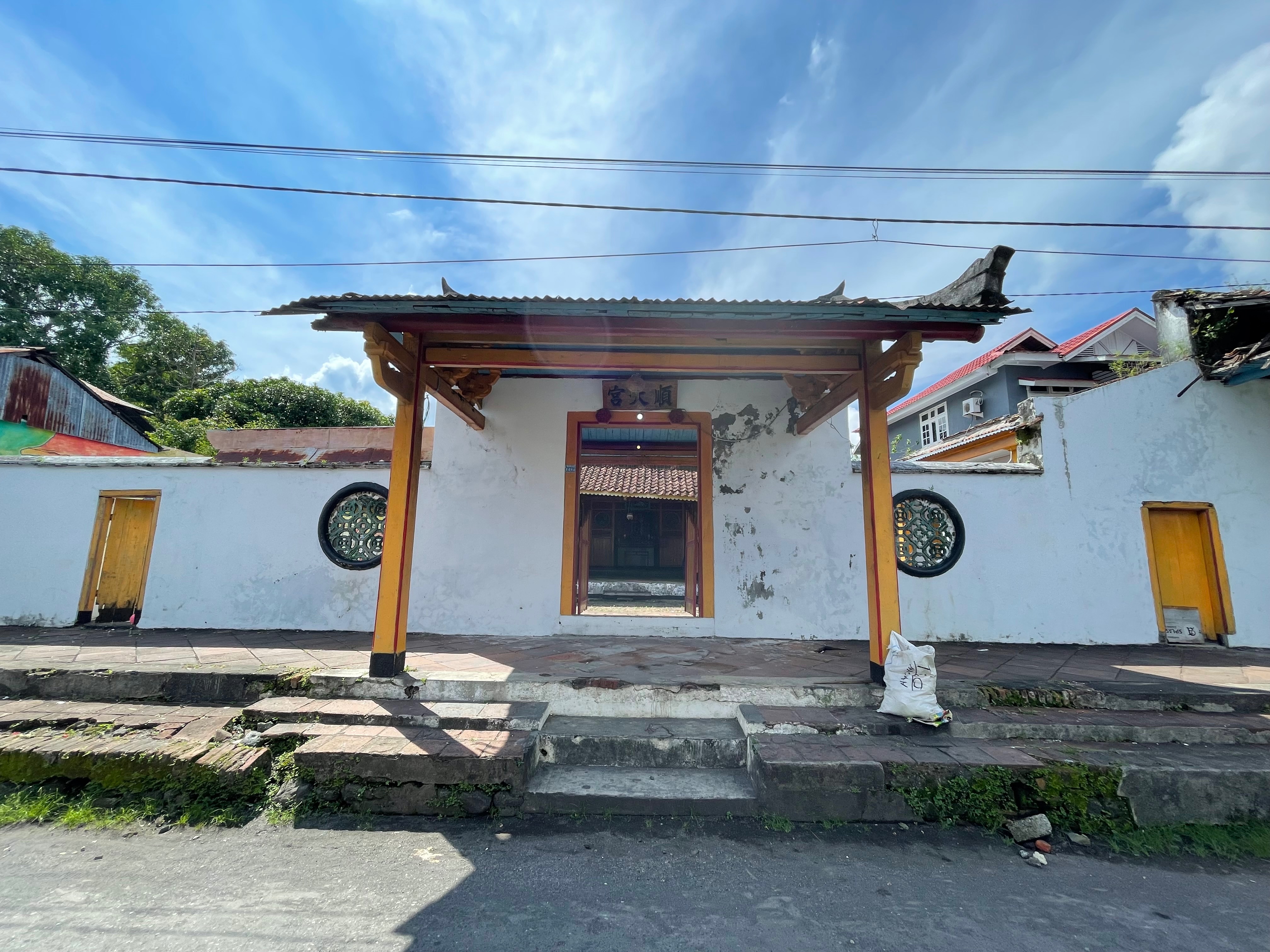
Support the restoration of the Chinese Tempel in Banda Neira
0% complete
€1,666 raised of
21 donations
Support a unique cultural heritage: the restauration of the Chinese temple of Banda Neira, Indonesia.
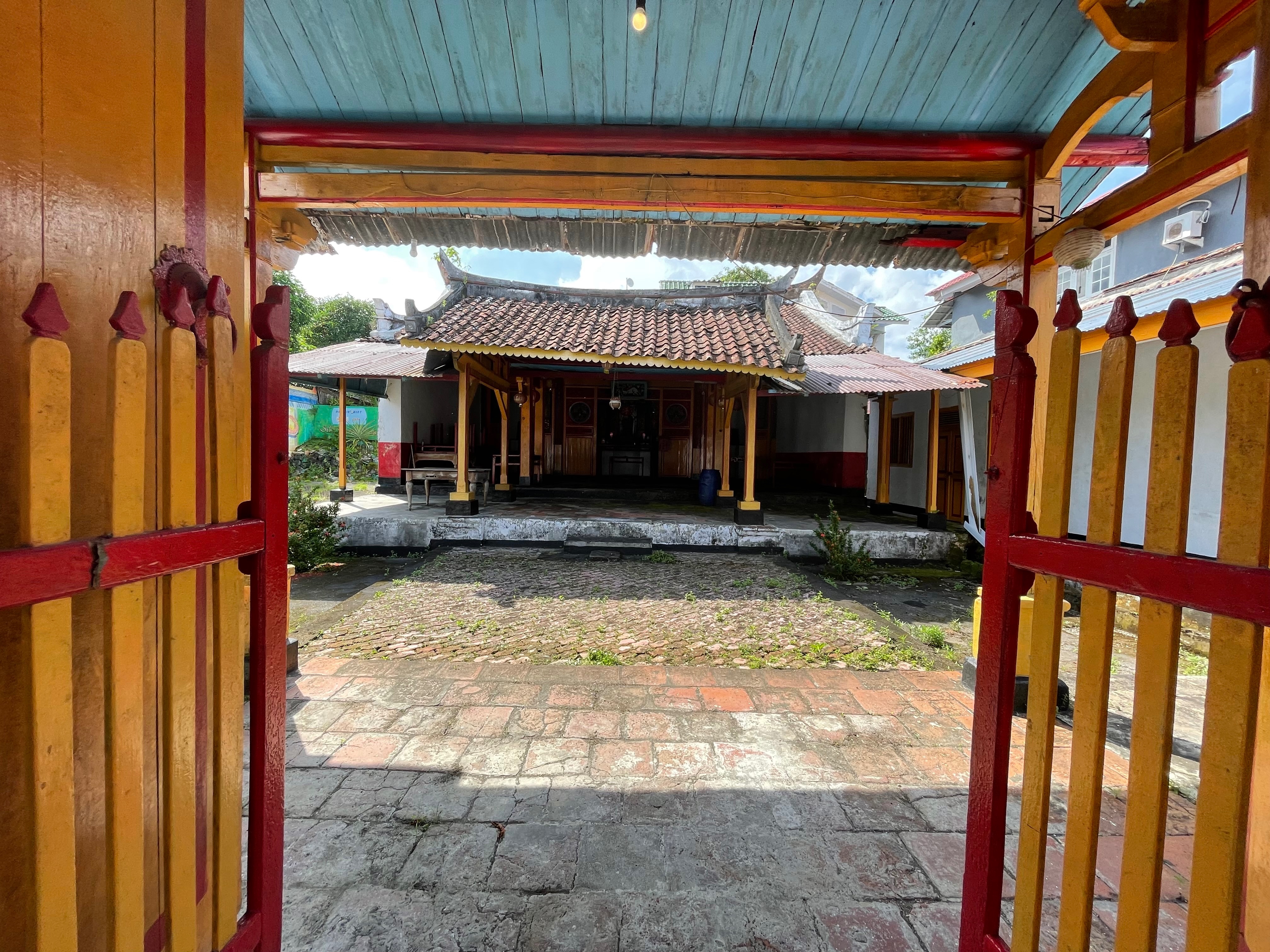
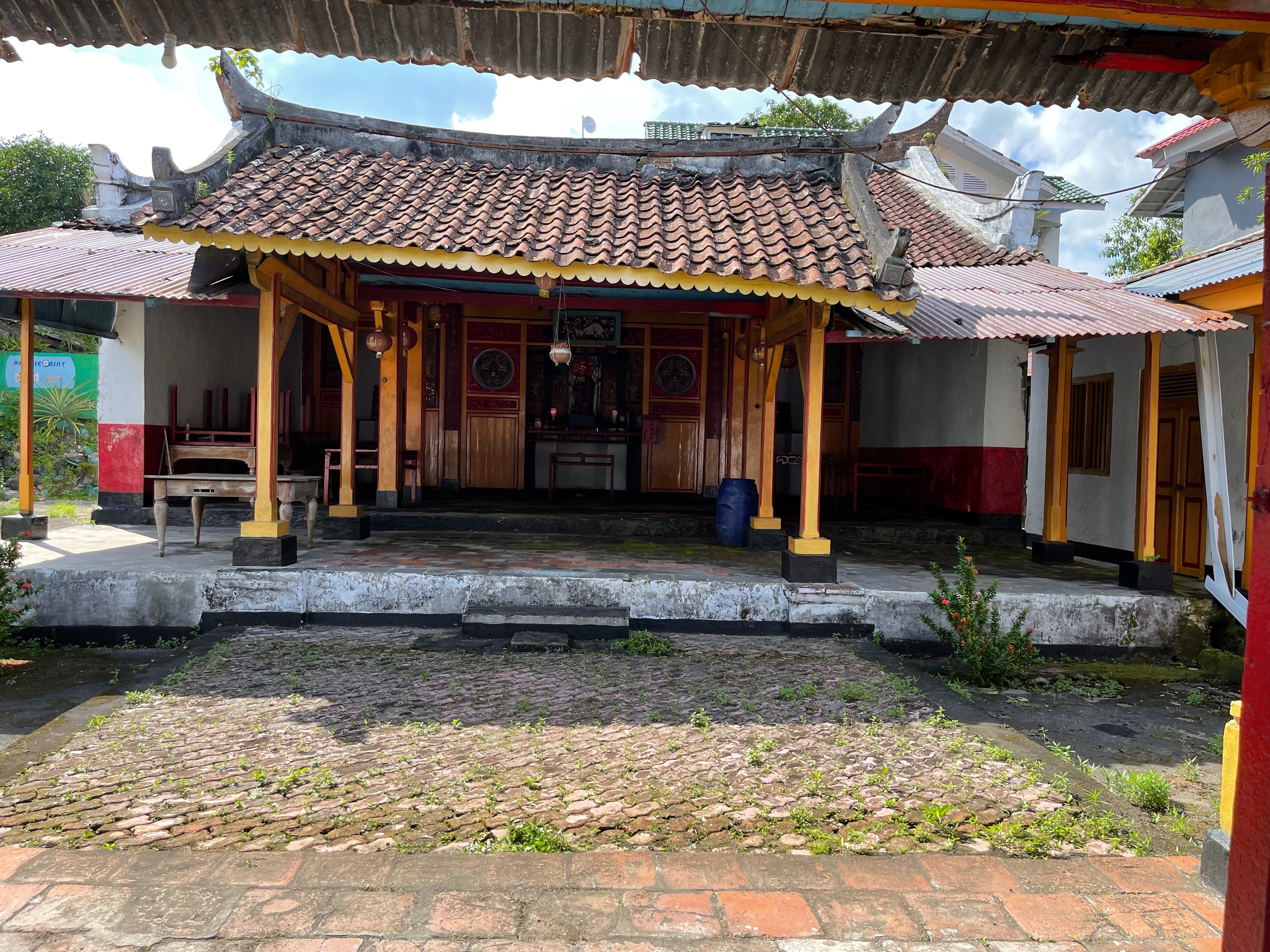
The historic 400 years old Chinese temple on Banda Neira is in poor condition and is in danger of being lost without restoration. Therefore, Lukman A. Ang, board member of the Budaya Tionghoa Banda Neira Foundation, and Oscar Ernstsen, a descendant of the Ong Ko Ki family from Banda Neira, have taken the initiative for an international fundraising campaign.
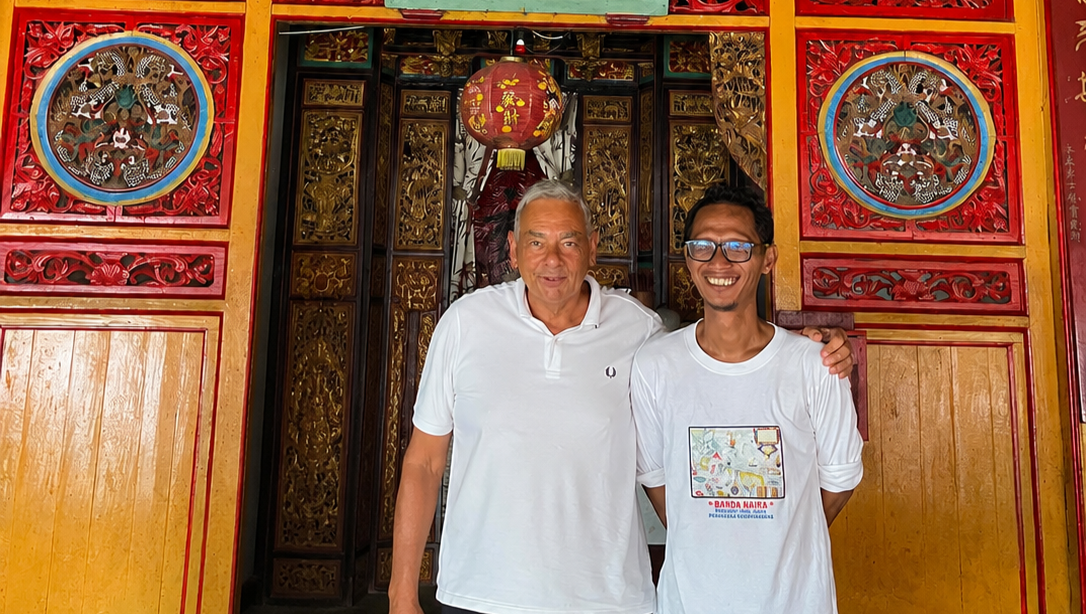
With this campaign, they aim to restore the temple and preserve this valuable cultural heritage for future generations.
The joint goal is not only the restoration of the building but also the development of a small-scale boutique museum that makes the rich history of the Chinese community on Banda Neira visible to future generations.
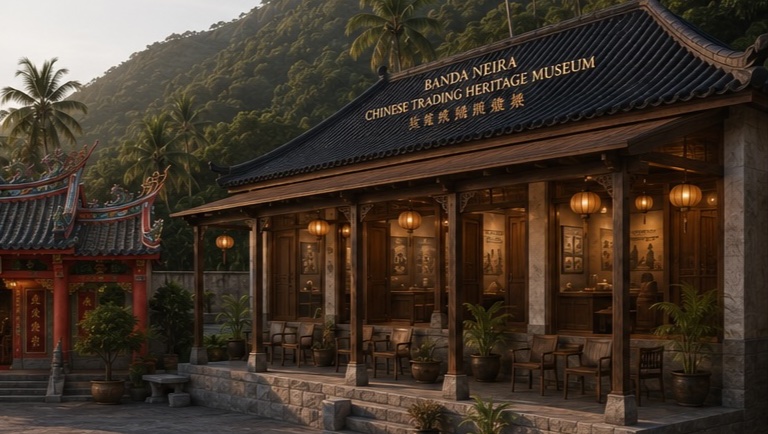
For both of us, this temple holds deep personal significance. For Oscar, it forms a tangible connection to his family history and the legacy of his ancestors. For Lukman, it represents an indispensable part of the cultural heritage of Banda Neira and the centuries-old presence of the Chinese community on the Banda Islands.
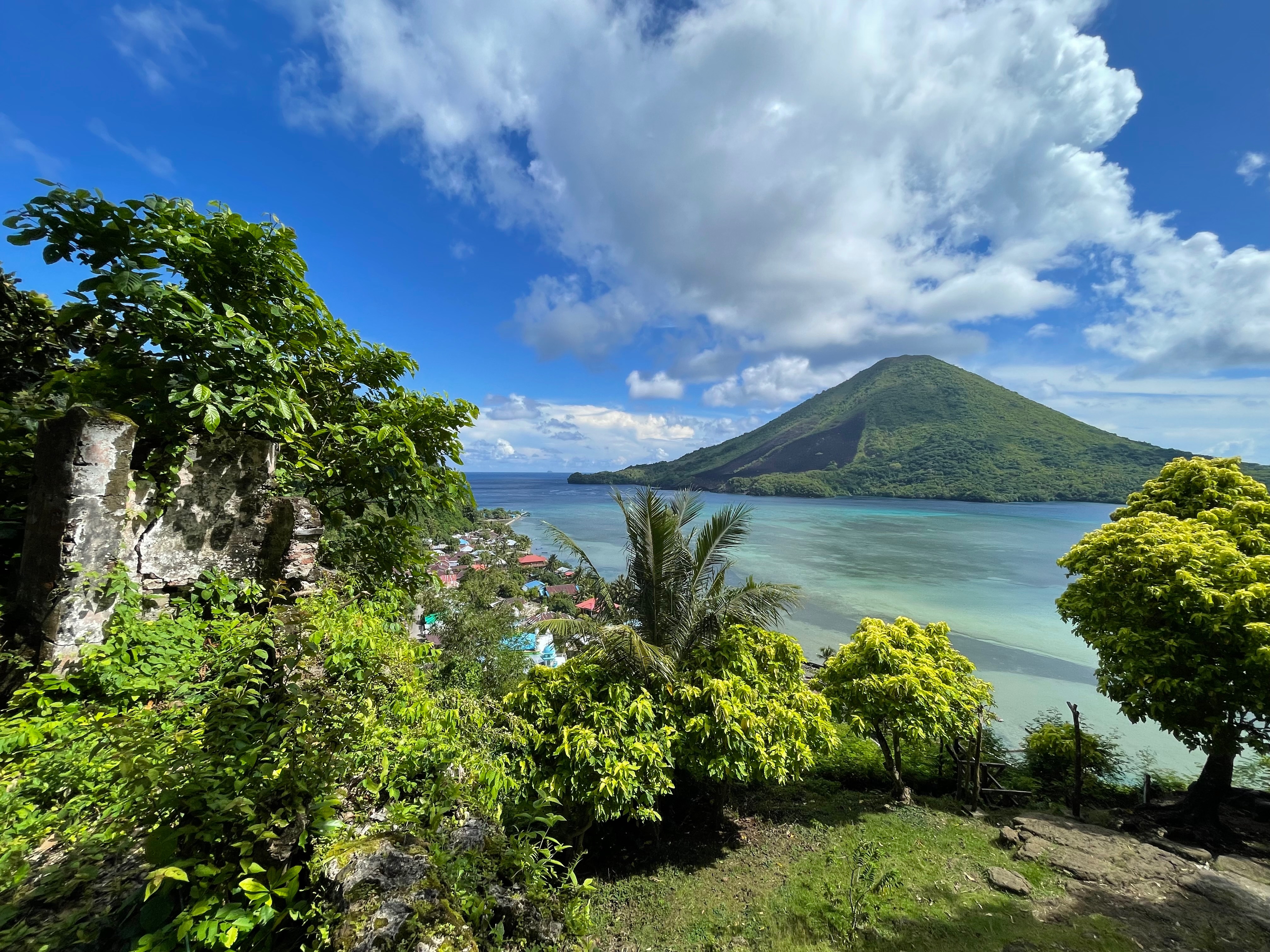
The temple tells a much larger story: that of more than two thousand years of maritime trade contacts between China and the Indonesian archipelago. Generations of Chinese traders visited Banda Neira to participate in the world-famous trade in nutmeg and other goods. This exchange of people, knowledge, culture, and trade has had a lasting influence on the identity of Banda Neira.
With the restoration of the temple, we aim not only to preserve a historical monument but also to create a meeting place where visitors, researchers, and future generations can become acquainted with this special chapter in the shared history of China, Indonesia, and world trade.
Your support contributes directly to the preservation of this unique heritage and ensures that this story is not lost but remains alive for the generations that come after us.
Restoration of the Chinese Temple in Banda Neira with the Construction of a Boutique Museum
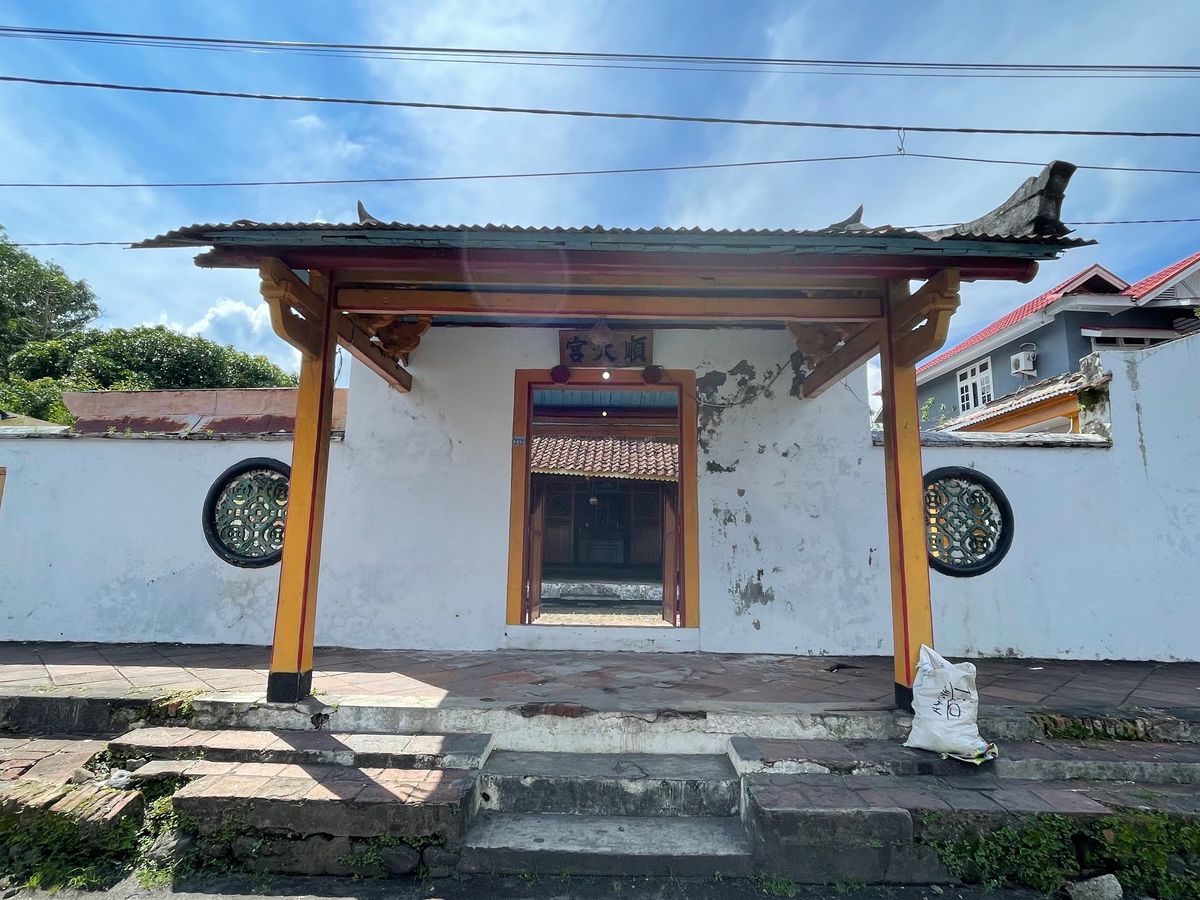
Restoration of the Chinese temple, Sun Thien Khong Temple, in Banda Neira
- Why is it unique?
The Sun Thien Khong temple is one of the oldest (300-400 years old) in the Indonesian archipelago and is dedicated to the Goddess of Seafarers; Mazu.
- Why restore it now?
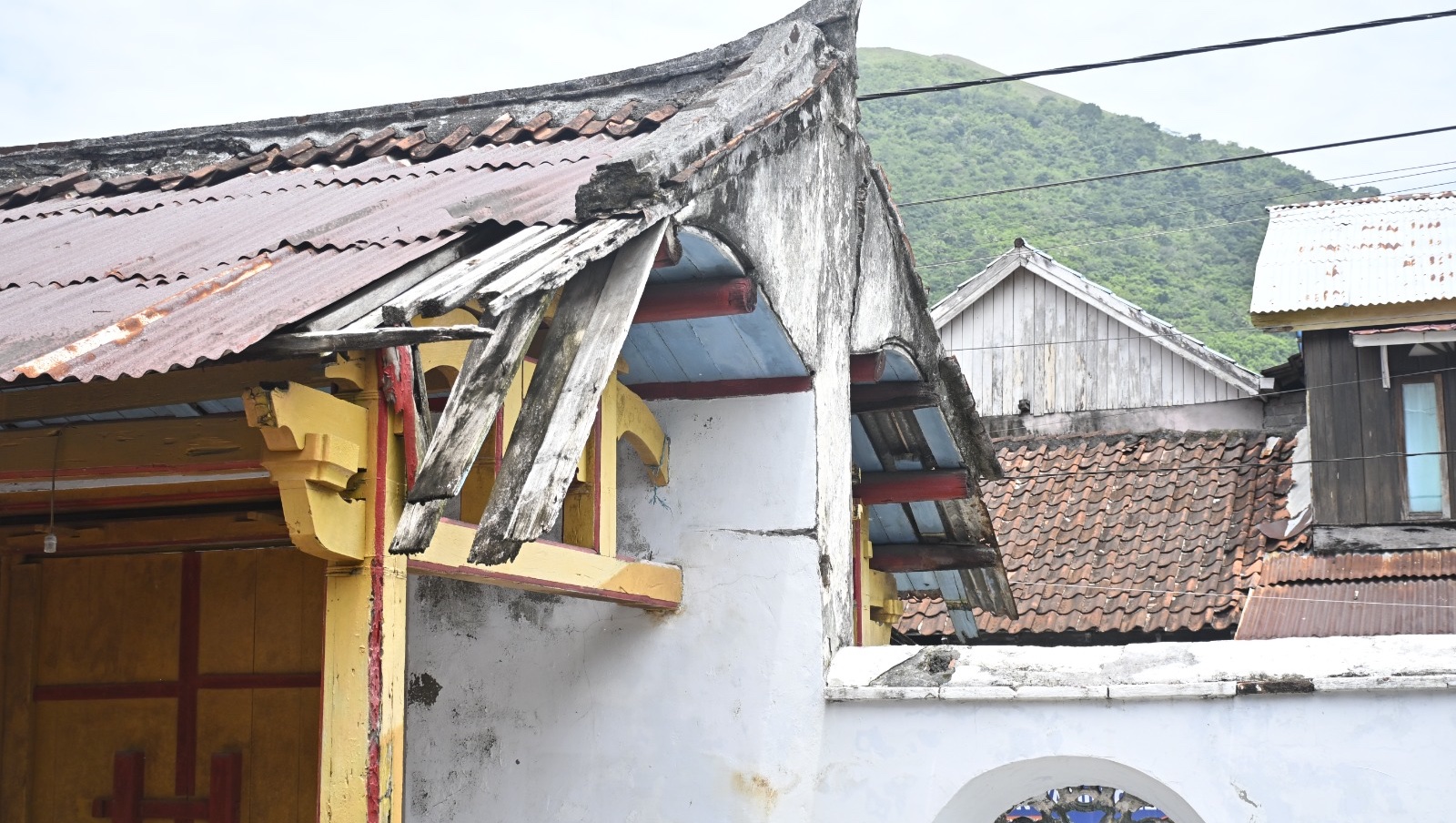
The temple is in very poor condition. The partly wooden temple has not been restored since the end of the 19th century. Many wooden structures are severely damaged.
- What is the goal?
Contribute to preserving important historical and cultural heritage of the 2,000-year-old Chinese history of Banda Neira. Additionally, to be able to share this history through exhibitions in the museum for the local population, schools, and visitors.
- How much budget is needed?
The budget for the restoration is €80,000, with an additional €20,000 allocated to a reserve fund to support the project's start-up and initial operations.
- Who benefits?
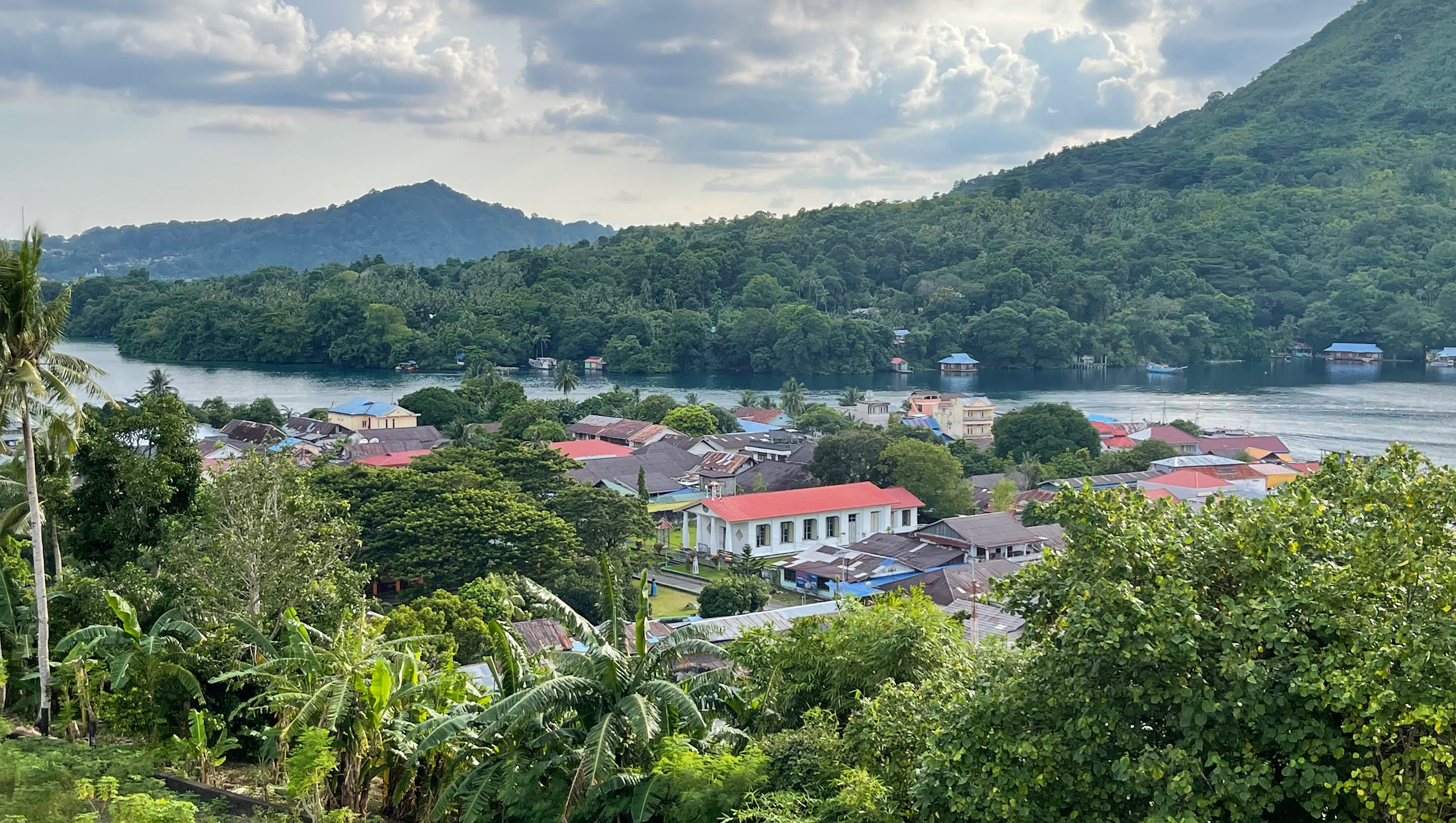
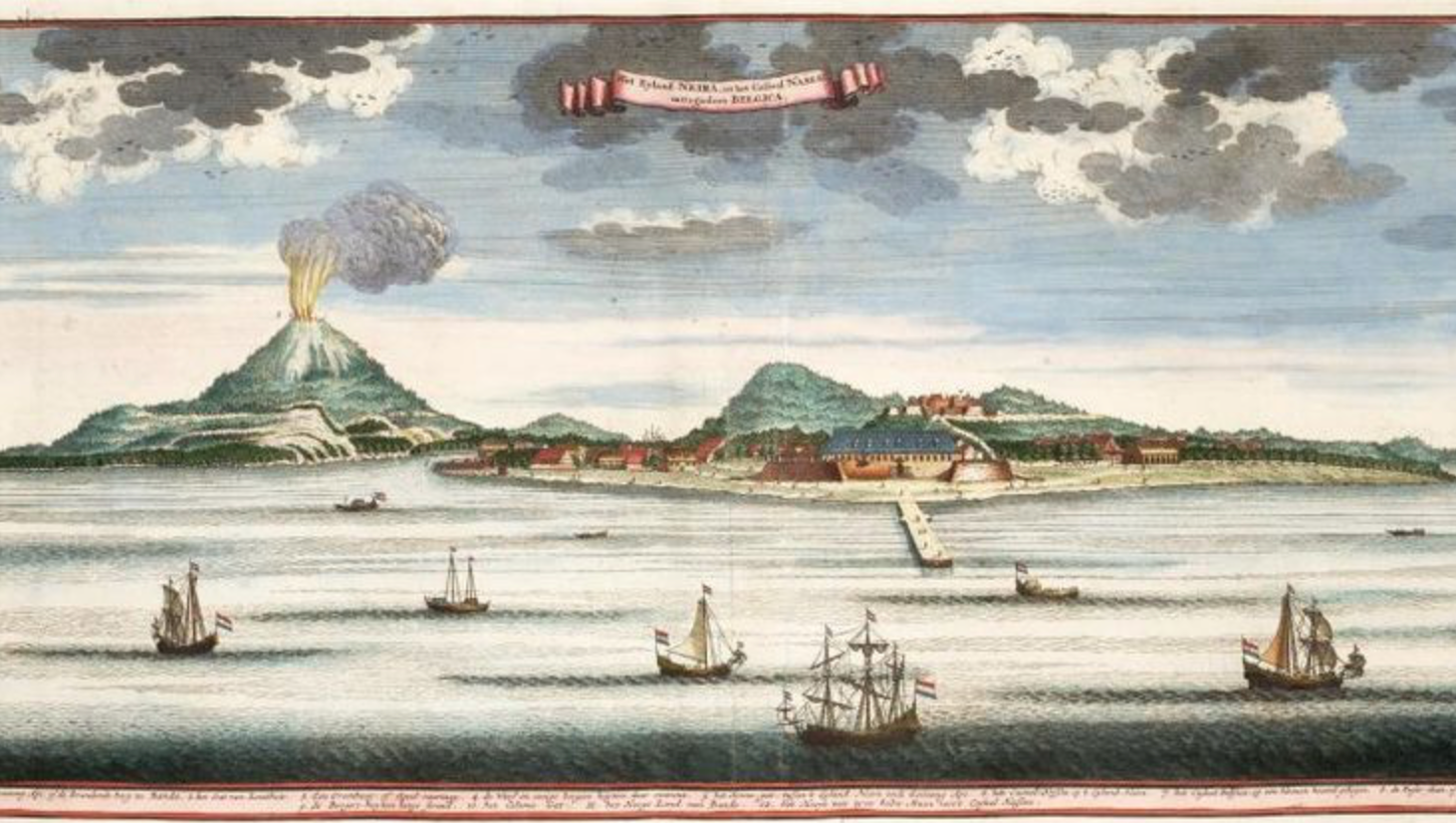
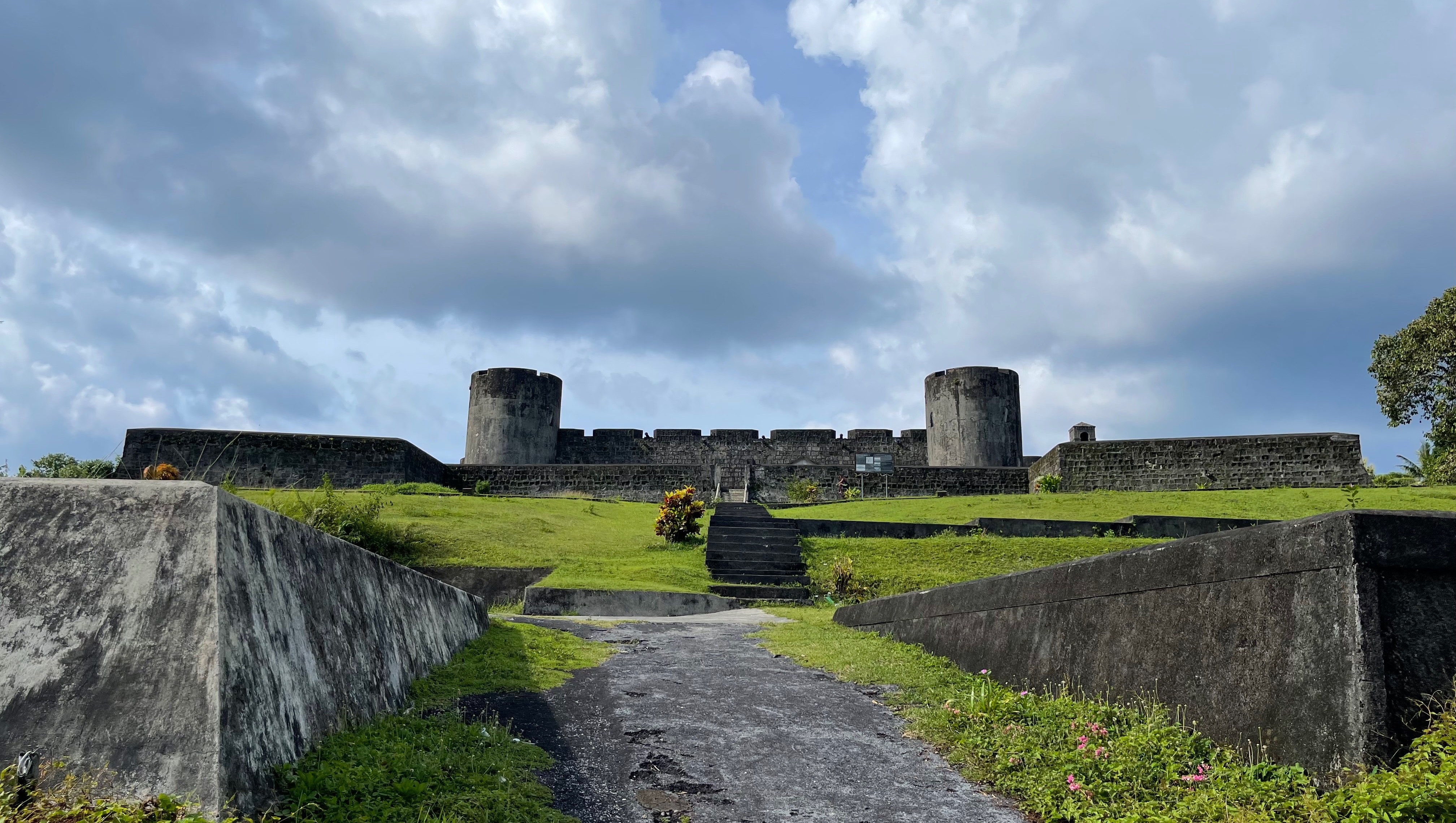
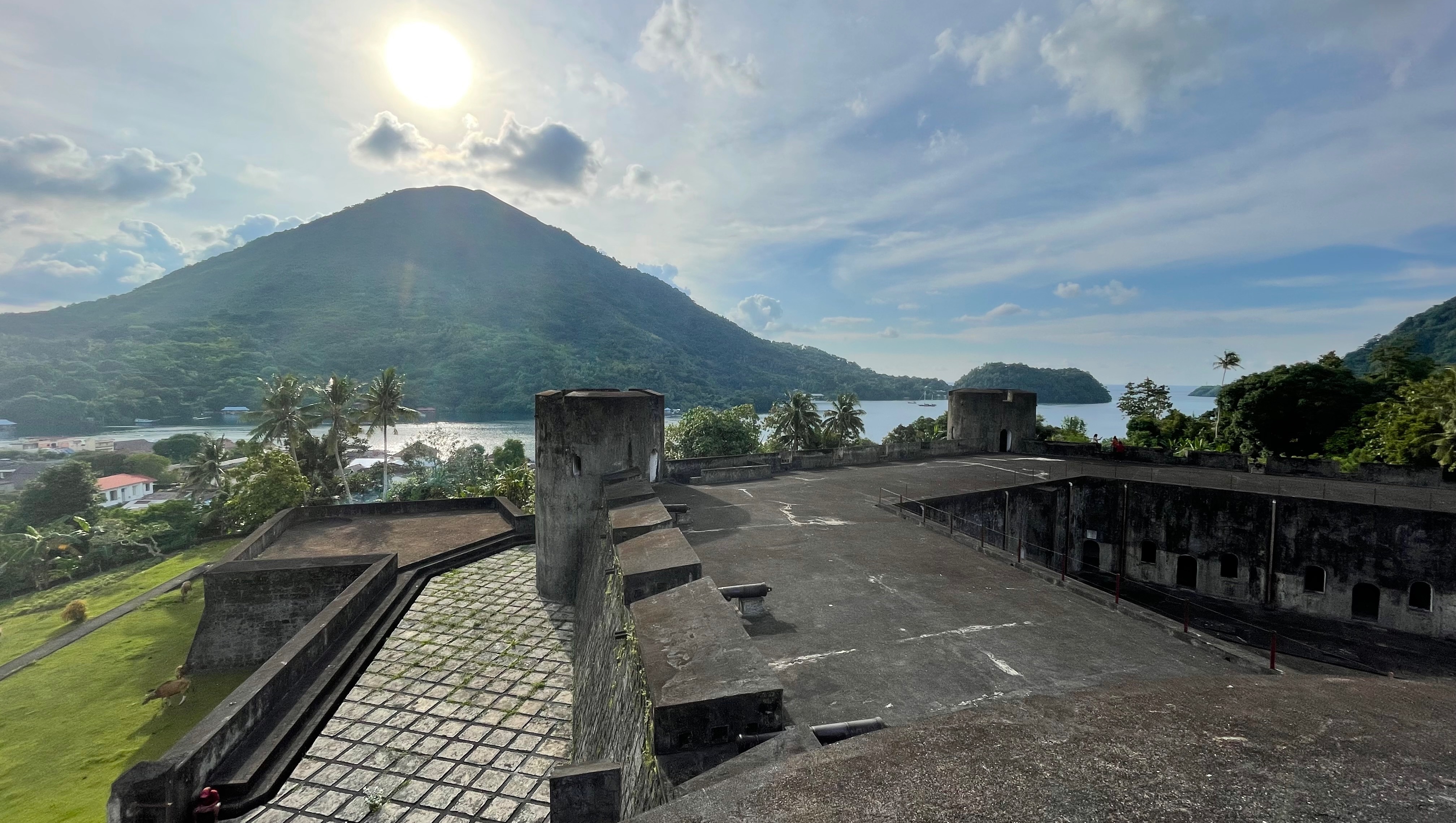
First, the local Chinese population. They can organize their annual cultural festivities there again, ensuring the continuation of their cultural history. Furthermore, it is an important part of the tourist attractions on Banda Neira, where many old forts from the Dutch East India Company (VOC) era still exist, such as Fort Belgica.
- Who supports the restoration?
The local government of Banda Neira and provincial authorities support the restoration of the Chinese temple.
Historical and Cultural Significance
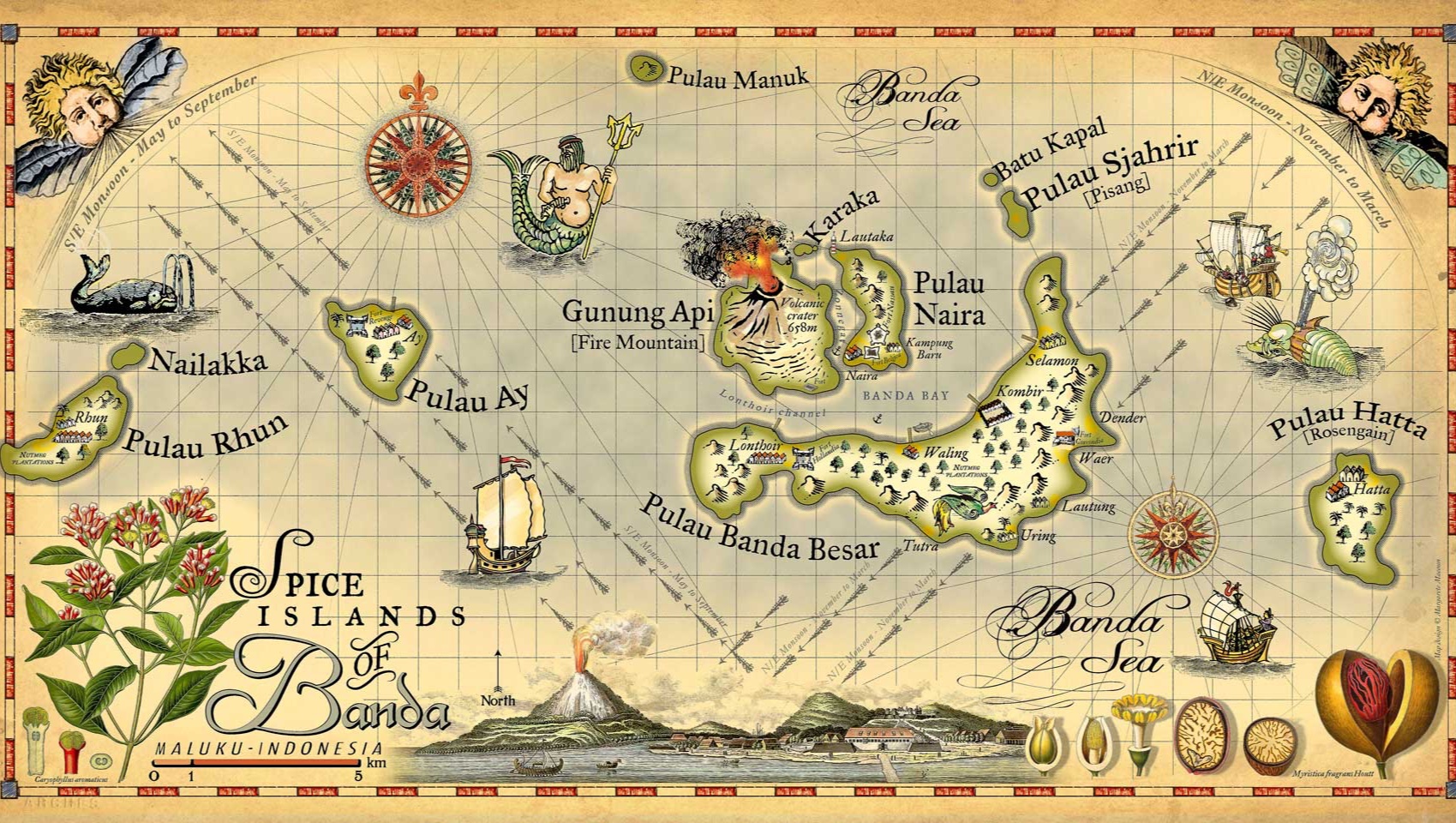
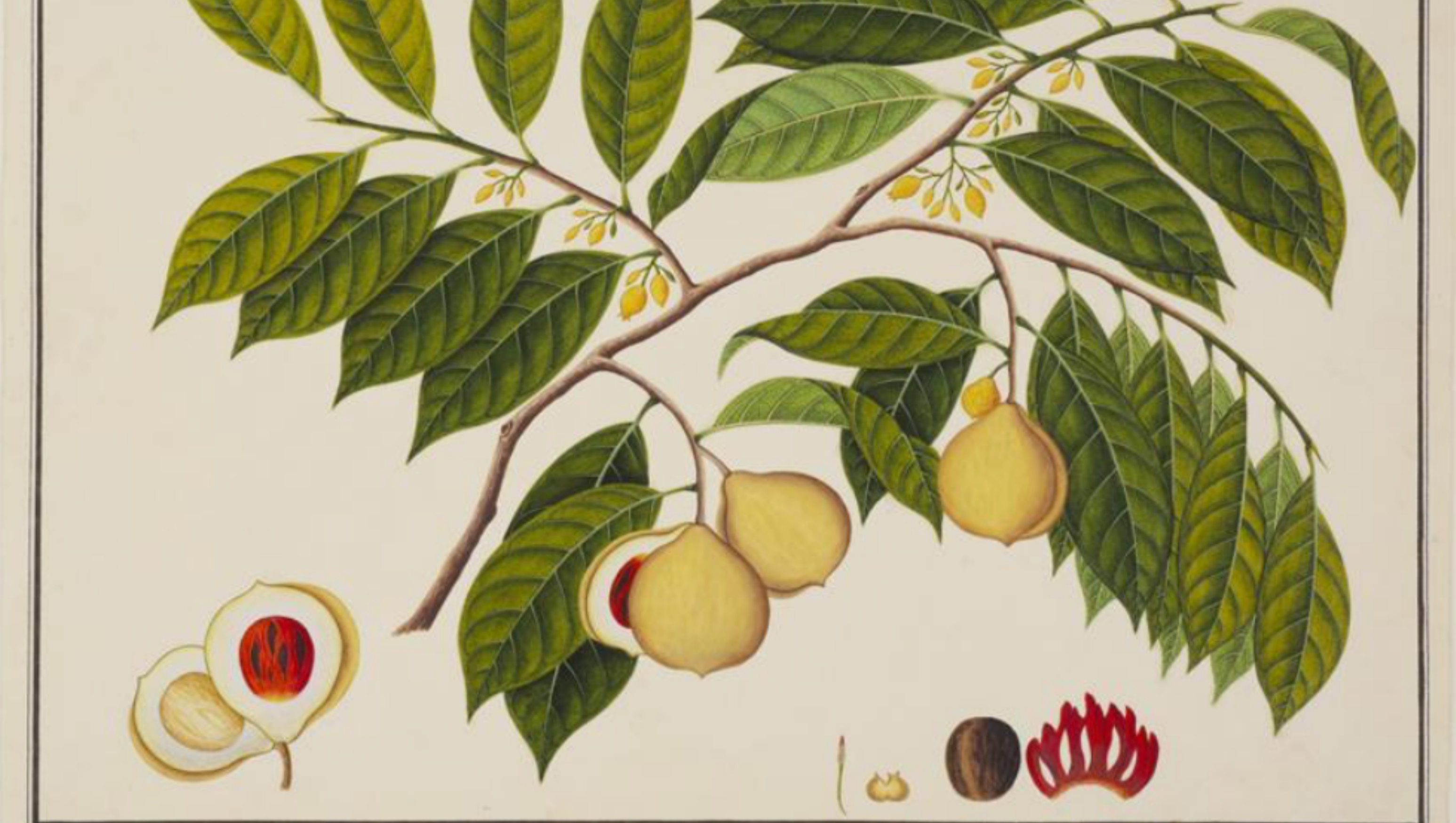
Nutmeg was once found naturally only on the Banda Islands, making this small Indonesian archipelago one of the most valuable trading centers in the world. References to nutmeg appeared as early as the Han Dynasty in China (202 BCE–220 CE), while Arab and Persian traders were already trading the spice throughout the Middle East and Al-Andalus during the early Middle Ages.
Known scientifically as Myristica fragrans, nutmeg has long been valued for both culinary and medicinal purposes. In Traditional Chinese Medicine, it is used to support digestion, regulate Qi, promote sleep, relieve pain, and reduce inflammation. Its antibacterial properties also contributed to its popularity.
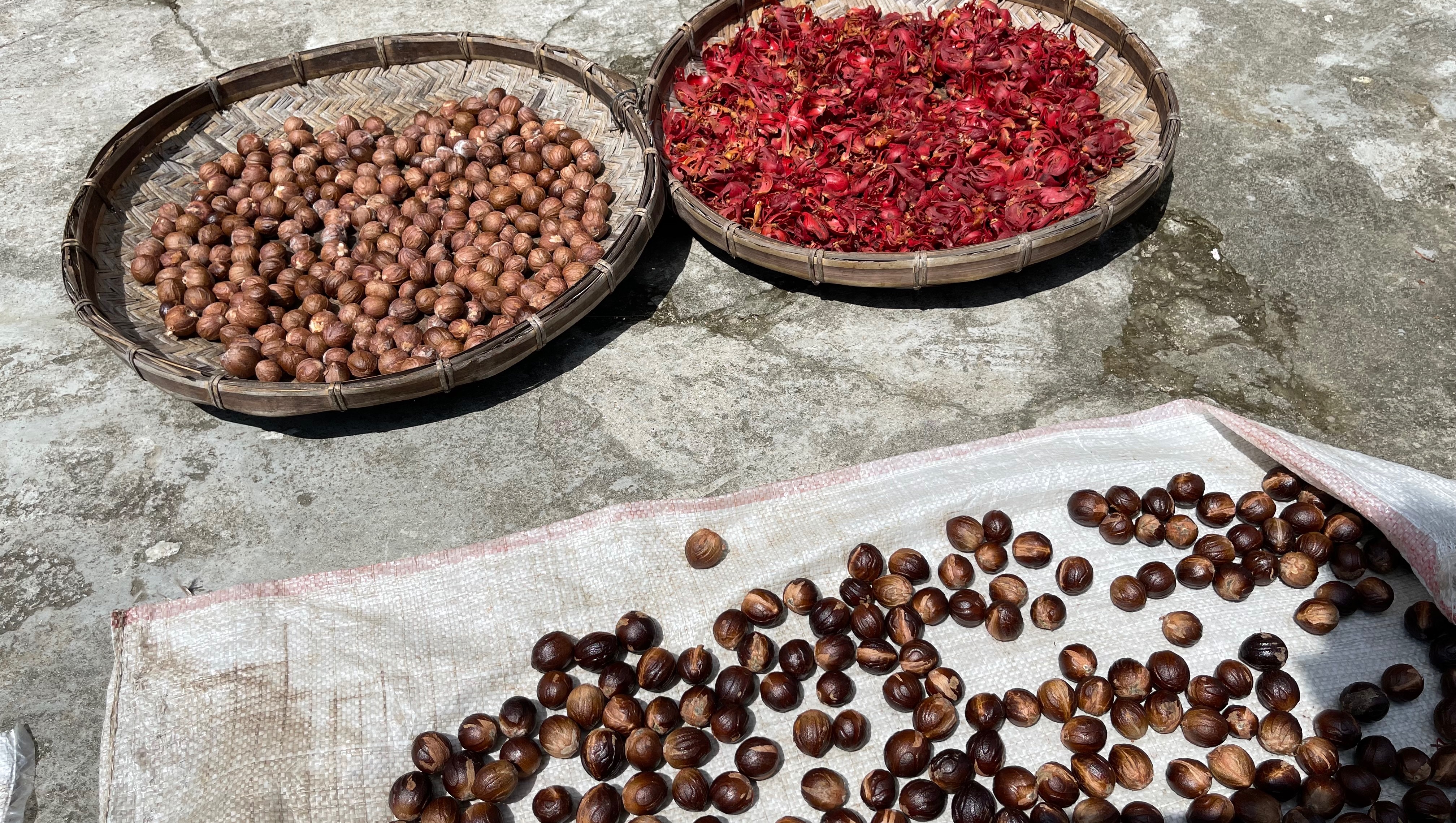
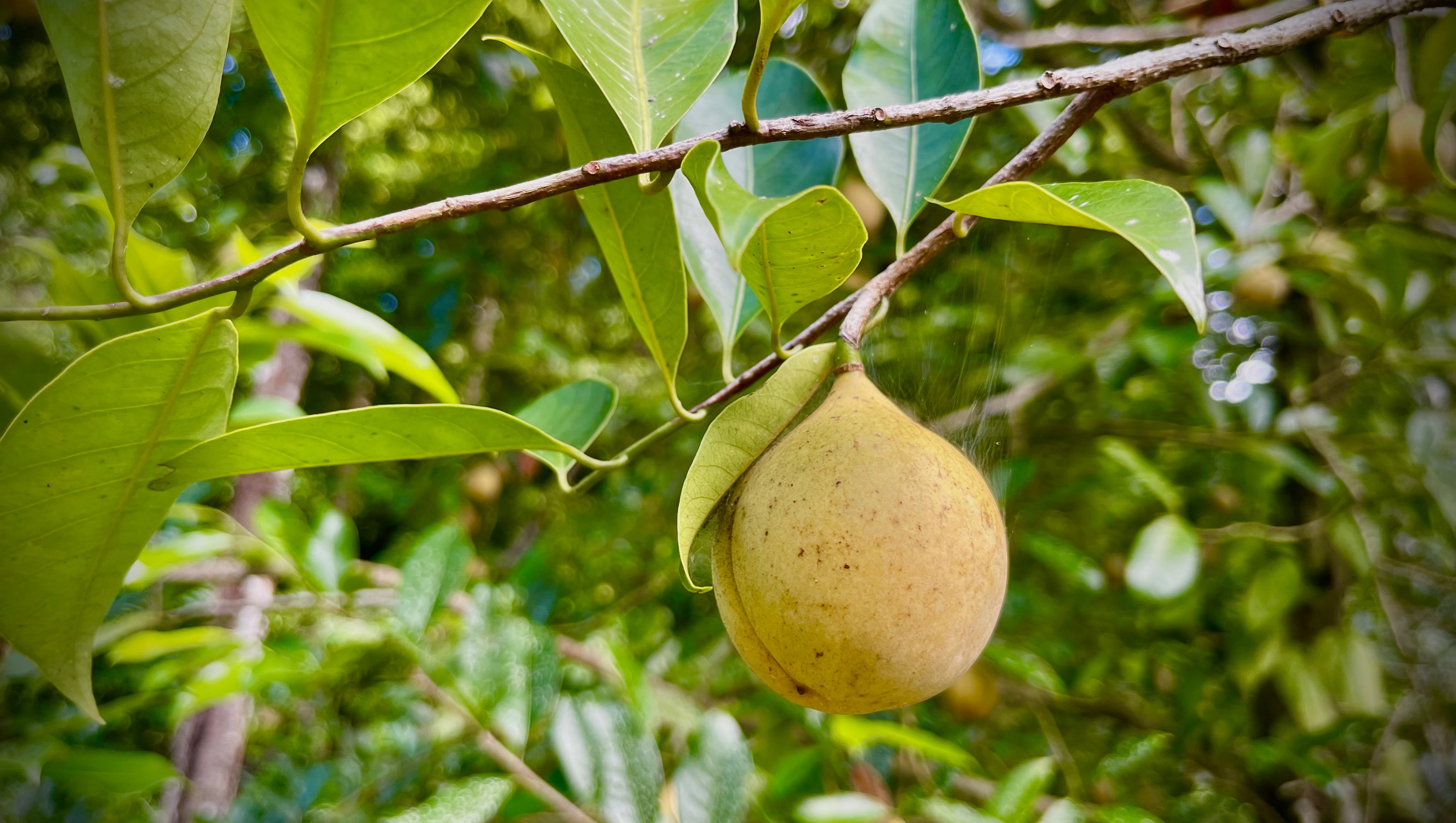
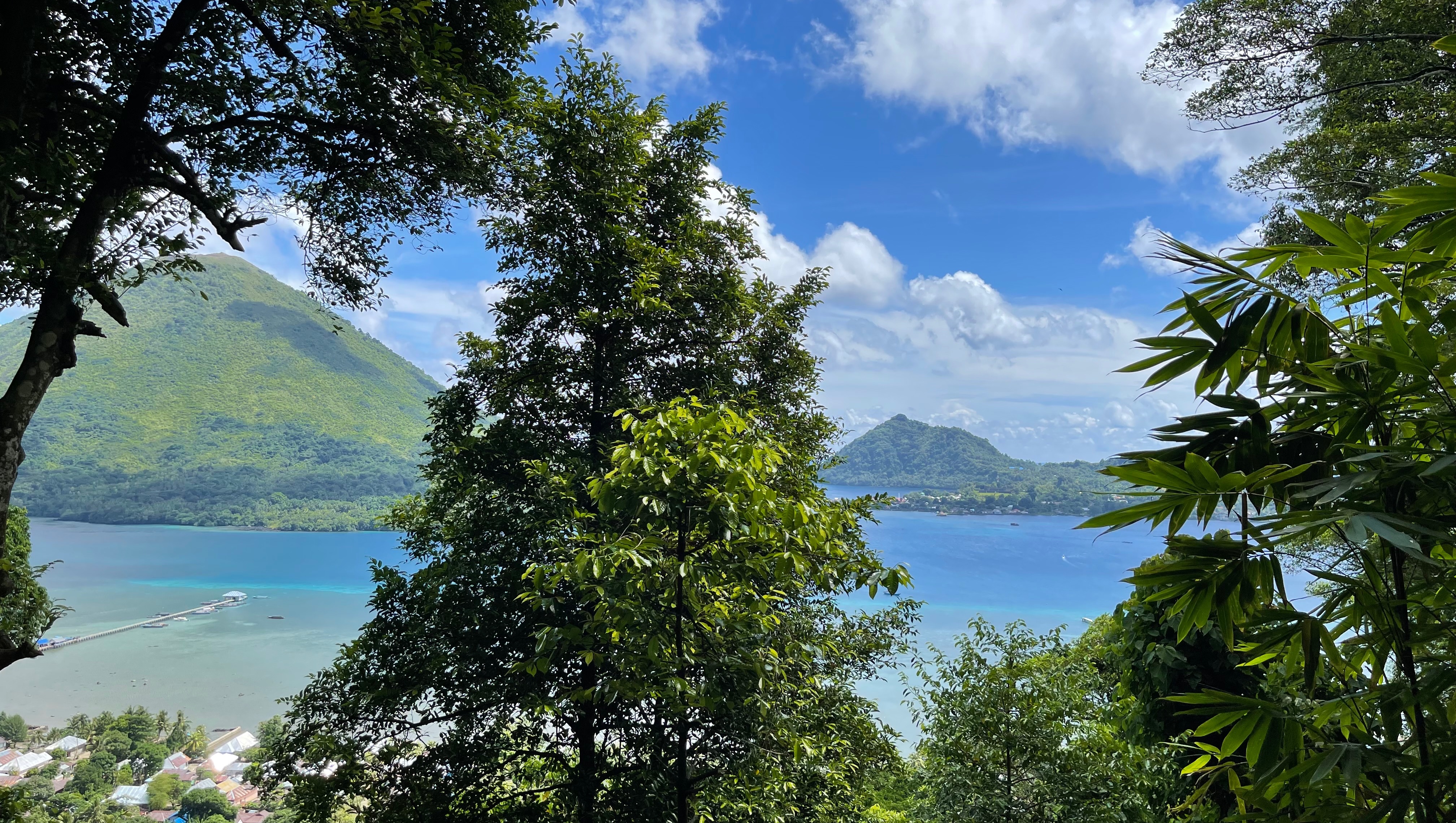
Chinese maritime traders had contact with Banda for nearly 2,000 years, followed by Arab merchants and later European powers. During the Dutch VOC era, nutmeg became a highly profitable commodity throughout Europe. In 1621, Jan Pieterszoon Coen conquered the Banda Islands in a campaign marked by mass killings and deportations, establishing a Dutch monopoly on nutmeg and mace.
Despite colonial rule, Chinese traders continued to play a vital role in Banda’s economy. Through the Southern Maritime Silk Route connecting Guangzhou with Southeast Asia, India, and the Middle East, they brought not only goods but also knowledge, technology, and cultural influences.
Archaeological discoveries across Banda Neira, Banda Besar, Ai, and Lonthoir reveal centuries of contact with China. Chinese ceramics from the Song, Yuan, and Ming dynasties, originating from major production centers such as Guangdong, Fujian, Longquan, and Jingdezhen, have been found throughout the archipelago. Large numbers of Chinese coins from the same periods further confirm these trade connections.
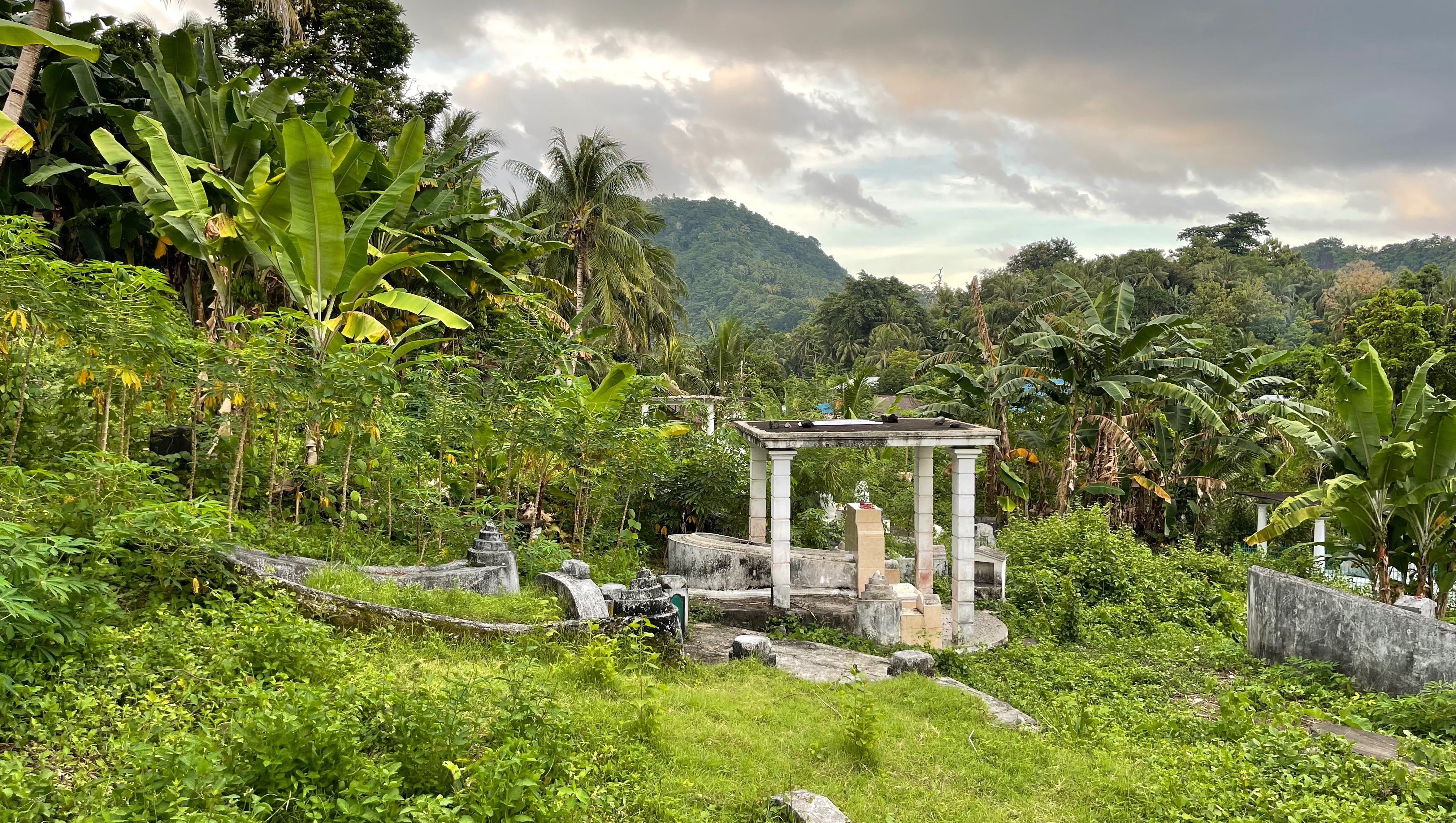
This relationship extended beyond commerce. A Chinese community became established in Banda, leaving lasting traces through historic cemeteries and the Sun Thien Khong Temple. Chinese traders introduced silk textiles, ceramics, tea, coins, paper, administrative practices, and maritime technologies. Their influence can still be seen today in Banda’s cultural traditions, including dragon imagery on flags, Kora-Kora war boats, and Cakalele ceremonial dances.
The Sun Thien Khong Temple
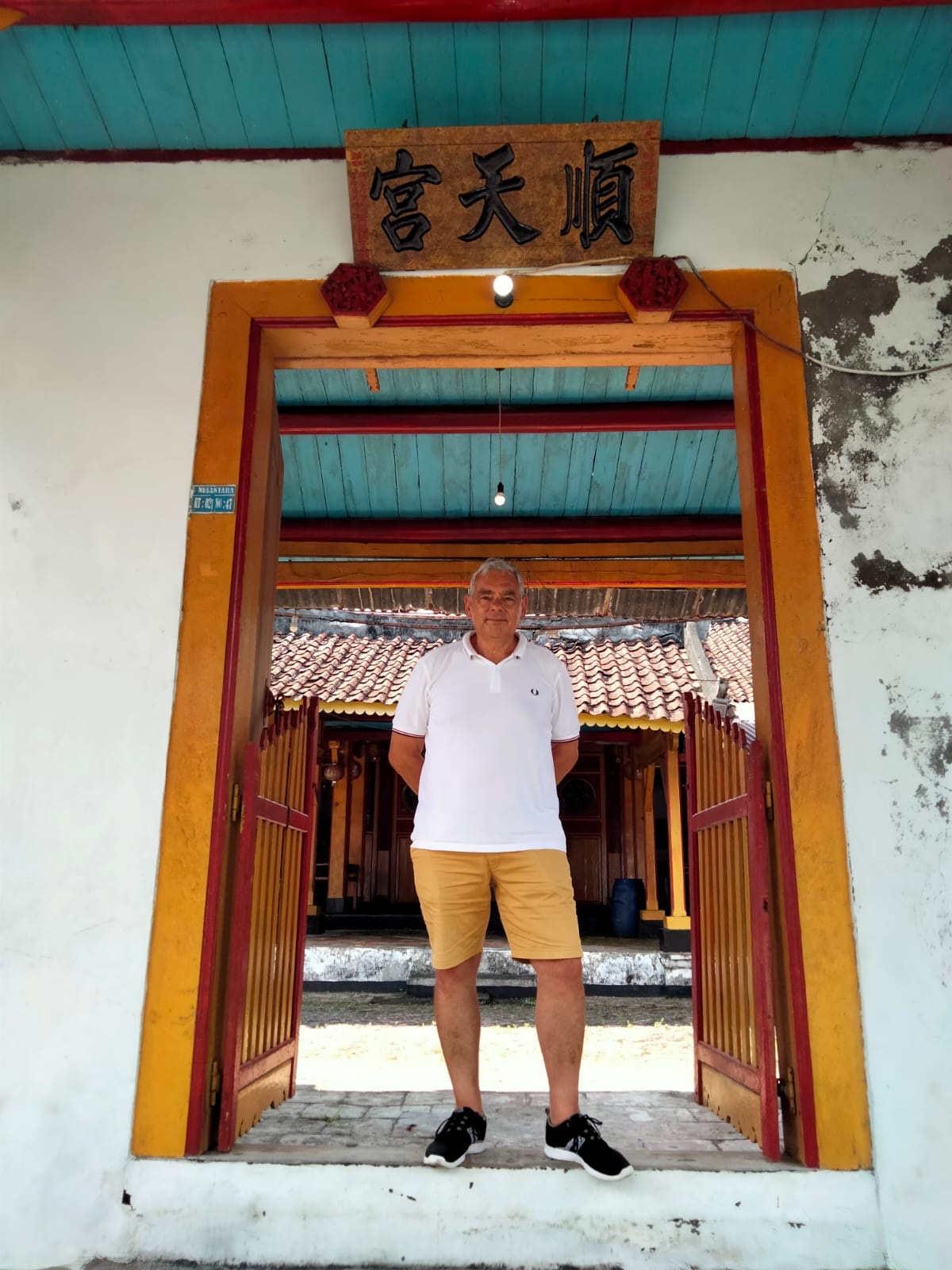
The name Sun Thien Khong (善天宮) translates as Temple of the Heavenly Lord. Across Southeast Asia, this name is commonly associated with temples dedicated to a syncretic pantheon of Chinese deities. In Banda Neira, however, the temple is primarily linked to Mazu, the Chinese Goddess of the Sea and protector of sailors.
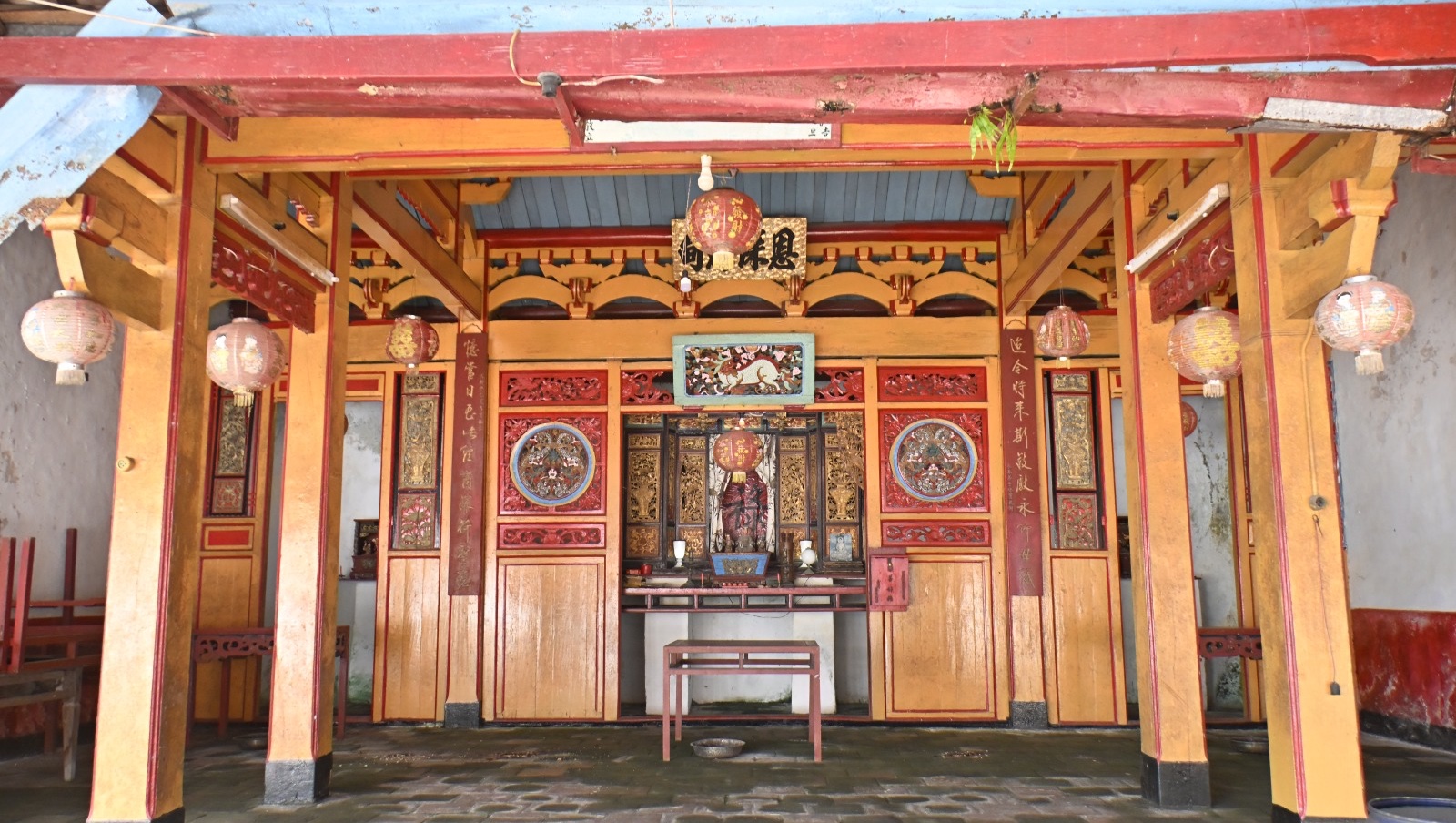
According to Banda’s Chinese elders, the temple predates the Portuguese arrival and was founded by Chinese merchants and craftsmen, making it one of the oldest Chinese temples in the Indonesian archipelago. While some sources describe it as around 300 years old, its origins are believed to date back approximately 600 years, with the first structure likely established around the twelfth century. Major rebuilding took place in the sixteenth century, and another extensive renovation was completed in 1892 under Kapitan Cina Njio Poan Kok.
When Portuguese explorers Francisco Serrão and António de Abreu arrived in Banda in 1512, they discovered that Arab traders had already been active there for about a century, while Chinese merchants had maintained trade connections with the islands for several centuries before that. The temple stands as a testament to these long-standing maritime links between China and the Banda Islands.
Today, the temple remains an important symbol of the Chinese community in Banda Neira, although its condition is increasingly fragile. Significant structural damage to the roof threatens one of the region’s most valuable cultural heritage sites.
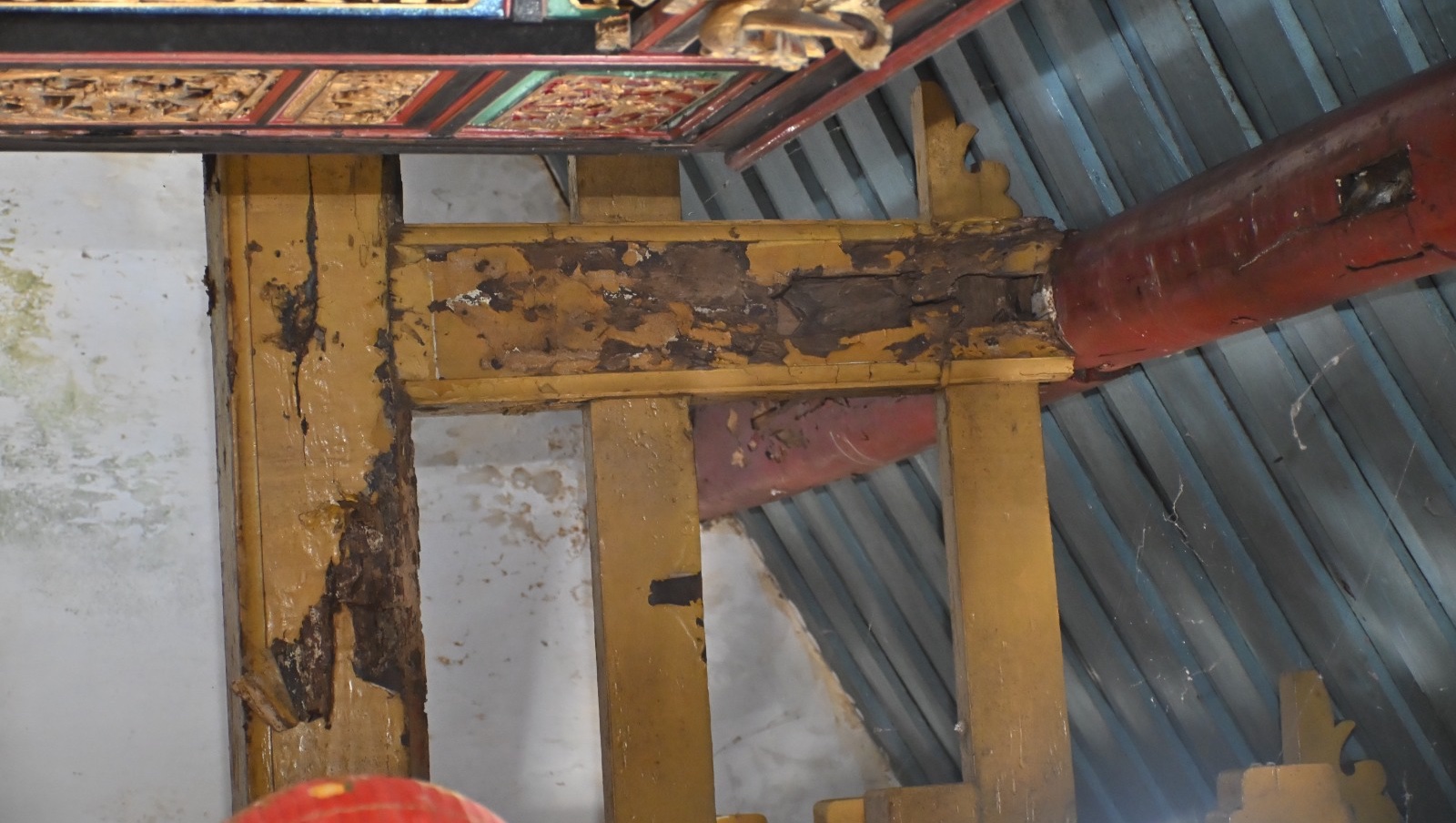
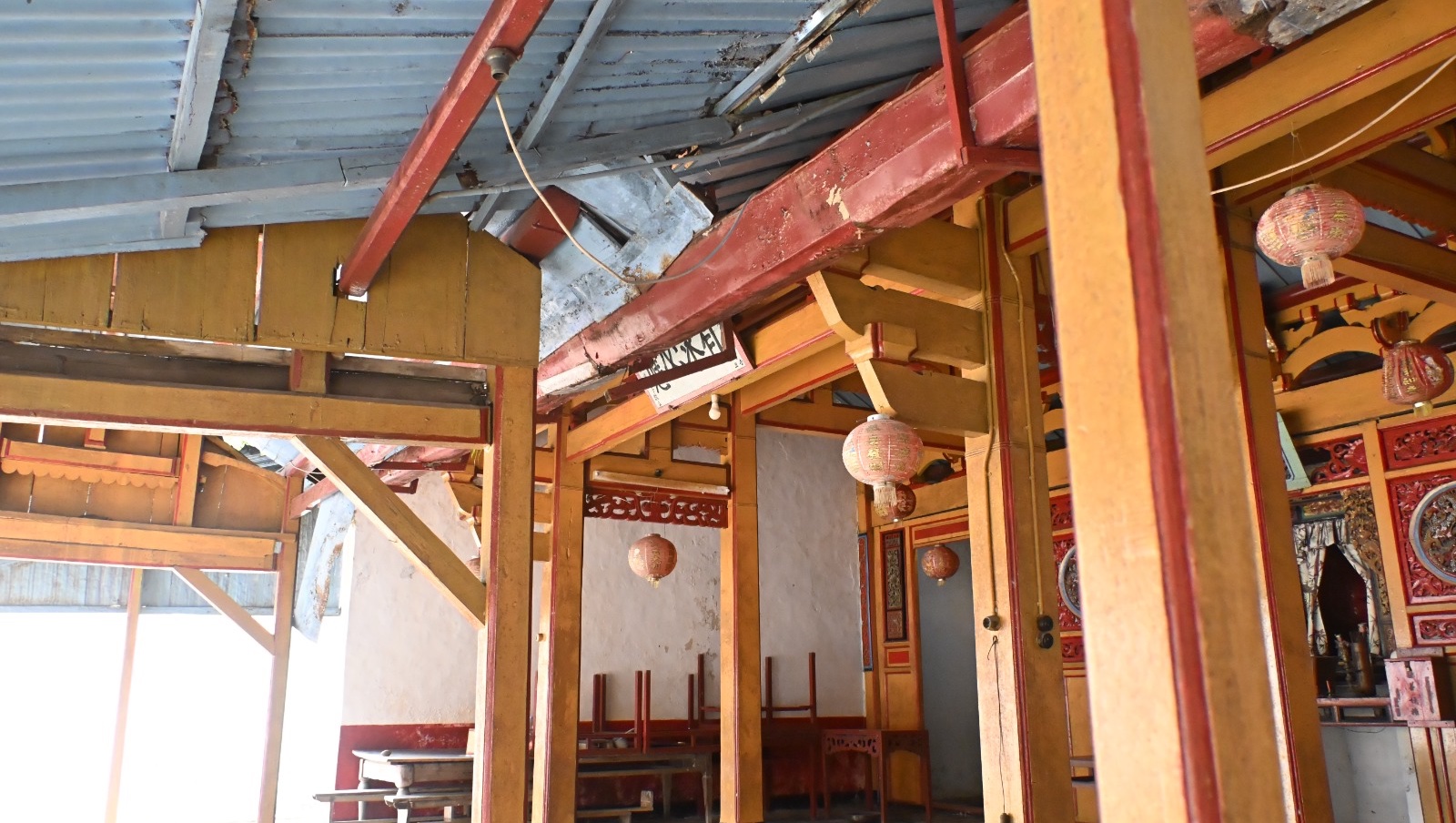
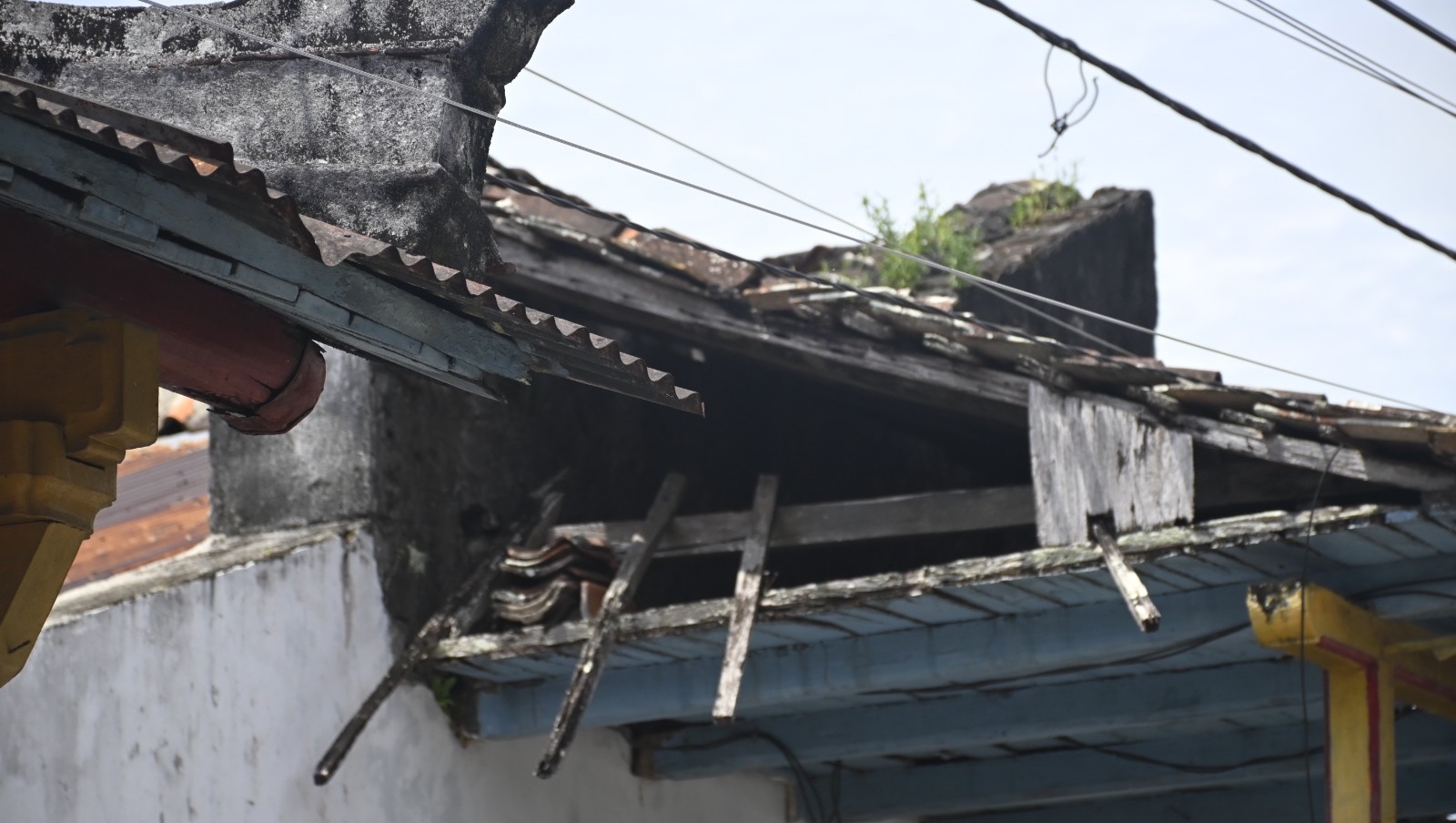
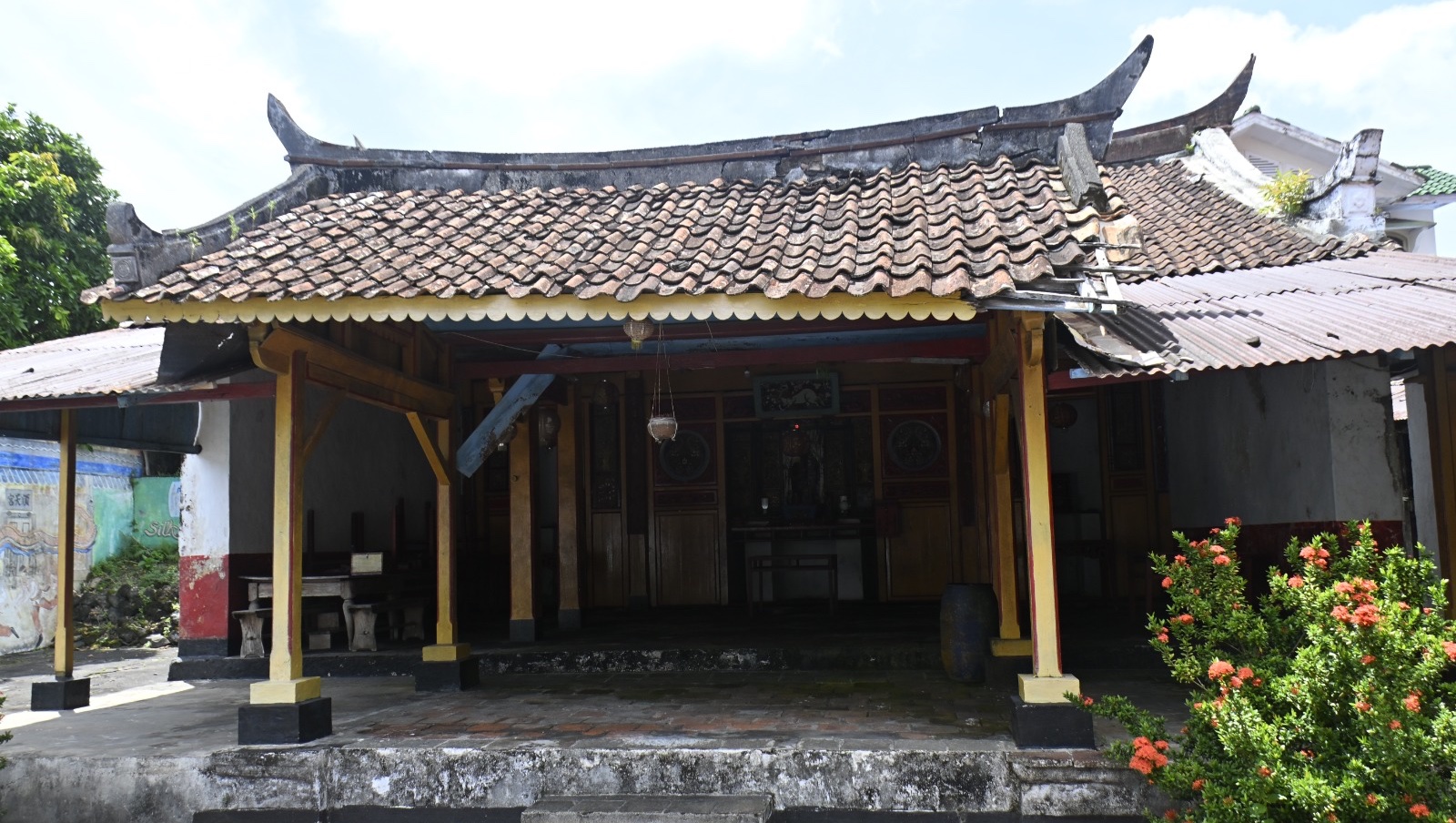
The temple’s main deity, Mazu (also known as Tian Hou), originated from the historical figure Lin Mo Niang (960–987 CE) of Fujian Province, China. After her death, she was revered as a protector of fishermen and seafarers. Her cult spread throughout Asia via Chinese maritime trade networks, reaching major ports in China, Taiwan, Vietnam, Malaysia, Singapore, the Philippines, Thailand, and Indonesia, including Banda Neira. Through migration, Mazu worship later expanded to North America, Australia, and Europe, becoming a powerful symbol of Chinese maritime heritage and diaspora identity.
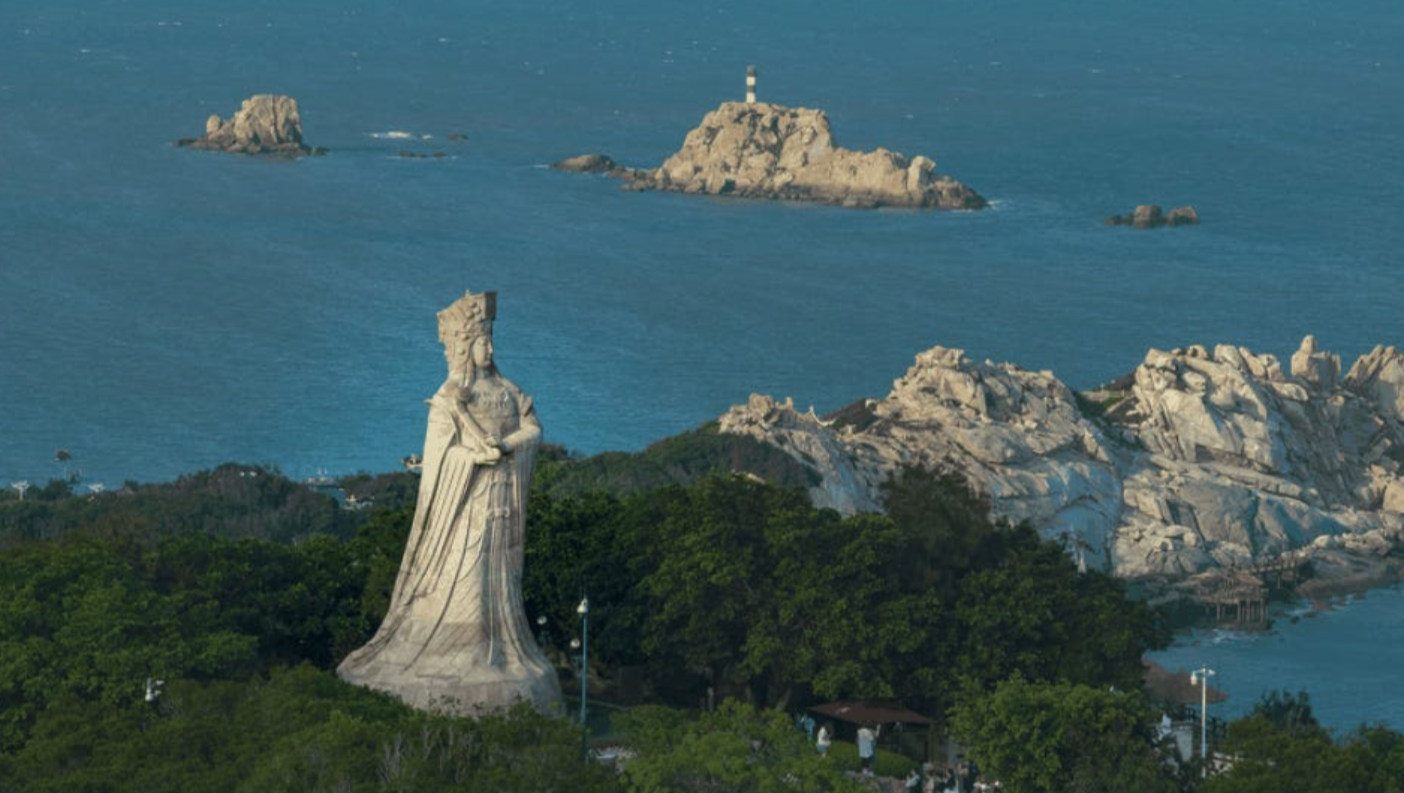
The Sun Thien Khong Temple represents one of the easternmost expressions of this centuries-old tradition. It reflects not only the movement of goods across the seas, but also the exchange of beliefs, culture, and community that connected Banda Neira to the wider maritime world.
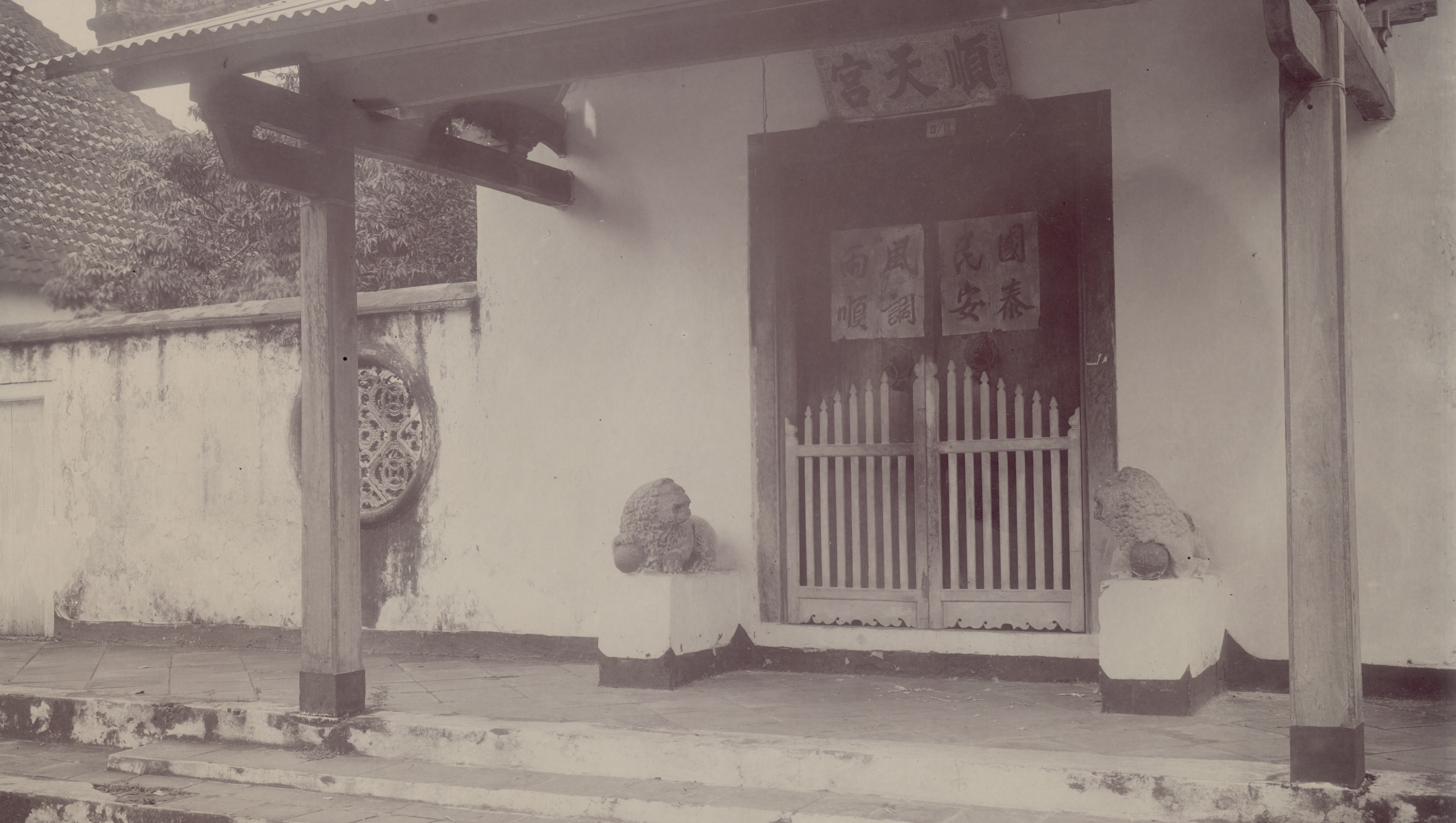
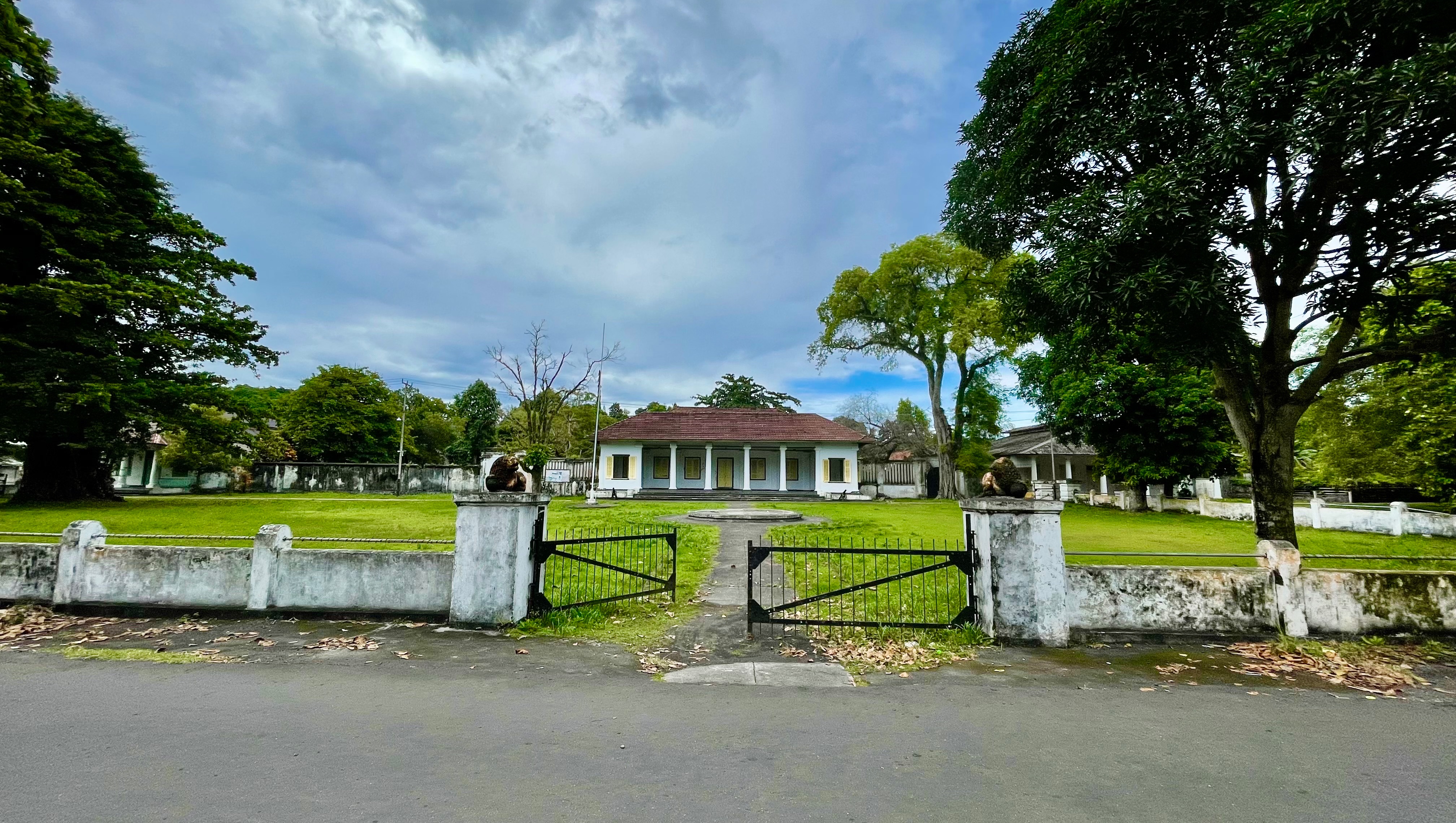
Originally, two stone guardian lions (Shishi or Fu Lions) stood at the temple entrance. Introduced into Chinese culture through Buddhist influences from India and Central Asia, these lions symbolized protection, strength, and prosperity. According to local oral history, the statues were removed in the 1930s and relocated to the gate of Istana Mini, the former residence of the Dutch colonial governor. Their relocation was reportedly linked to celebrations held in honour of Queen Wilhelmina during the Dutch East Indies period.
Objectives
Upon Receiving 50% of the Required Funding
- Architectural survey and restoration assessment, with expert advice from the University of Ambon.
- Conservation of original building materials, artifacts, and statues.
- Implementation of approved restoration plans. We are pleased to announce that the Sun Tien Khong Temple Foundation has received the necessary restoration permits from both the local government of Banda Neira and the provincial authorities.
- Restoration of the roof, foundation, and wooden structures.
Upon Receiving 75% or More of the Required Funding
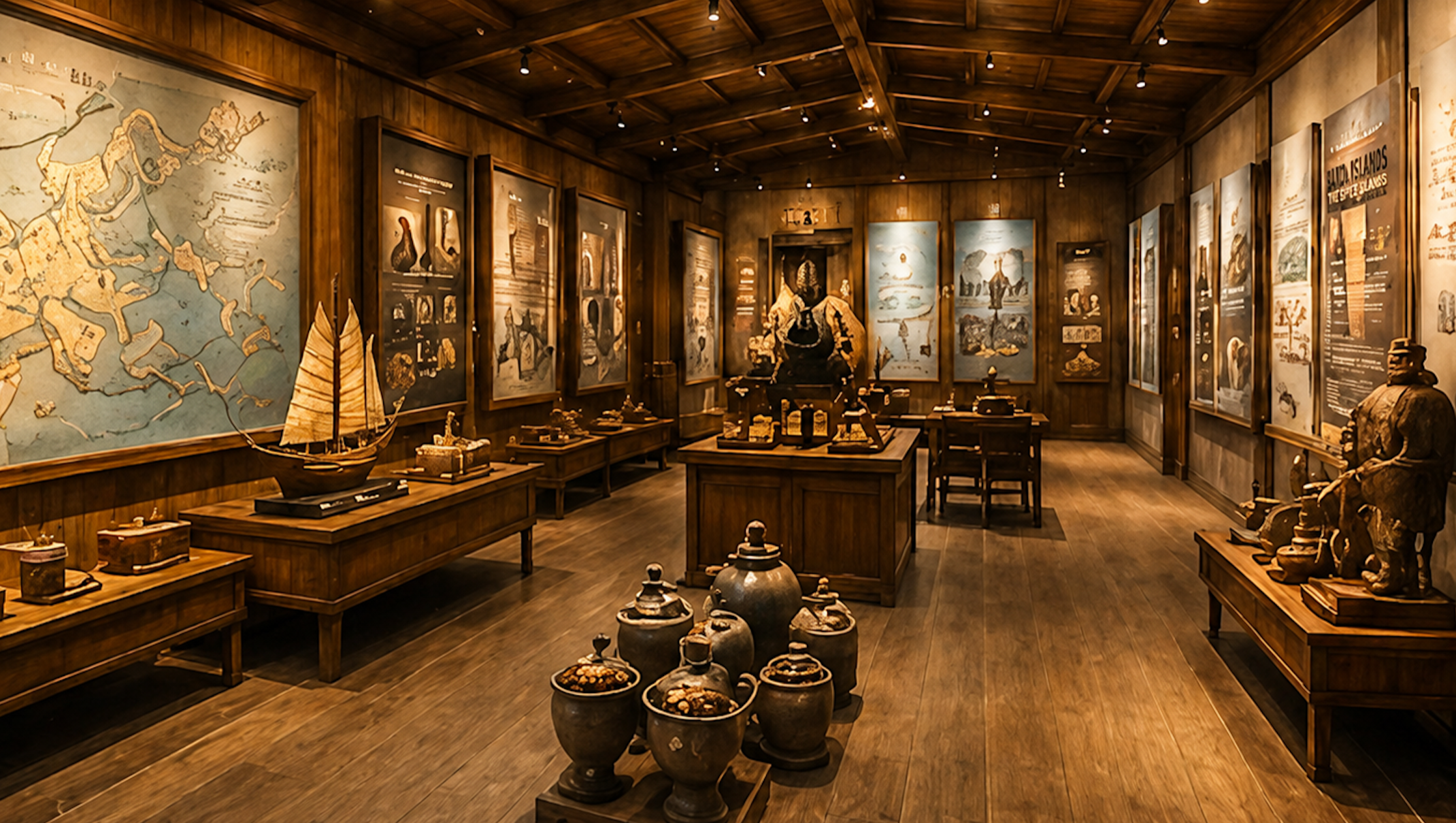
- Construction of a boutique museum.
- Development and cataloguing of the museum collection, including documentation of archaeological discoveries and historical artifacts.
- Construction of a tea house, souvenir shop, and visitor facilities.
- Development of educational programs for schools and universities.
- Revival of annual cultural and historical festivals.
- Establishment of international partnerships and collaborations.
The restoration of the Chinese temple in Banda Neira offers a unique opportunity to combine cultural heritage preservation with sustainable economic development and international cultural tourism.
The project has the potential to develop into an iconic heritage initiative within the historic Spice Islands region and become an important symbol of Sino-Indonesian cultural history.
Help us make this restoration possible with your contribution. We, Oscar Ernstsen and Lukman Ang, are very grateful to you for this.
Organizer