- A
- A
- R
Your support provides individuals with developmental disabilities including autism, cerebral palsy, intellectual disabilities and others the opportunity make friends! This partnership is a win-win for all! As we approach our 1-year anniversary, we look forward to another year of people making new friends, finding romance and otherwise, just not being alone!
Perspective
As a parent, having a lonely child is nothing less than heartbreaking. Last summer, a neighbor boy was walking by my front porch while we hastily decorated for my daughter’s 30th birthday party. He asked, “are you having a party?” to which I replied, “Yes, it is Lauren’s birthday, why don’t you join us?” He attended the party and had a wonderful time. We later learned that this boy, who has social deficits, had never been invited to a party in his 12 years of life. Heartbreaking.
Need
It is commonly assumed that children and adults with autism spectrum disorders (ASD) do not want friends and that they prefer to be alone, this couldn't be farther from the truth. In fact, a new study refutes the idea that people with autism are not affected by loneliness. In fact, adults with autism spectrum disorder (ASD) can experience negative consequences of loneliness, as can people who don't have autism, according to research by University of Missouri psychologist Micah O. Mazurek Ph.D.
Loneliness may be a result of "social difficulties for individuals with (Autism Spectrum Disorders) ASDs" and may have "emotional repercussions above and beyond the effects of social impairment," according to her research article, published in the journal Autism. Adults with ASD who desire friendships but do not have them may be especially vulnerable to depression and lower self-esteem. It's also possible that some adults with ASD have "underlying depression and anxiety" that causes them to feel lonely and socially isolated. Dr. Mazurek recommended more study of this topic. [Source: http://iancommunity.org/loneliness-autism-study ]
Robert Putnam, author of "Bowling Alone" reports that social isolation is responsible for as many deaths per years as is attributed to smoking.
How We Do It
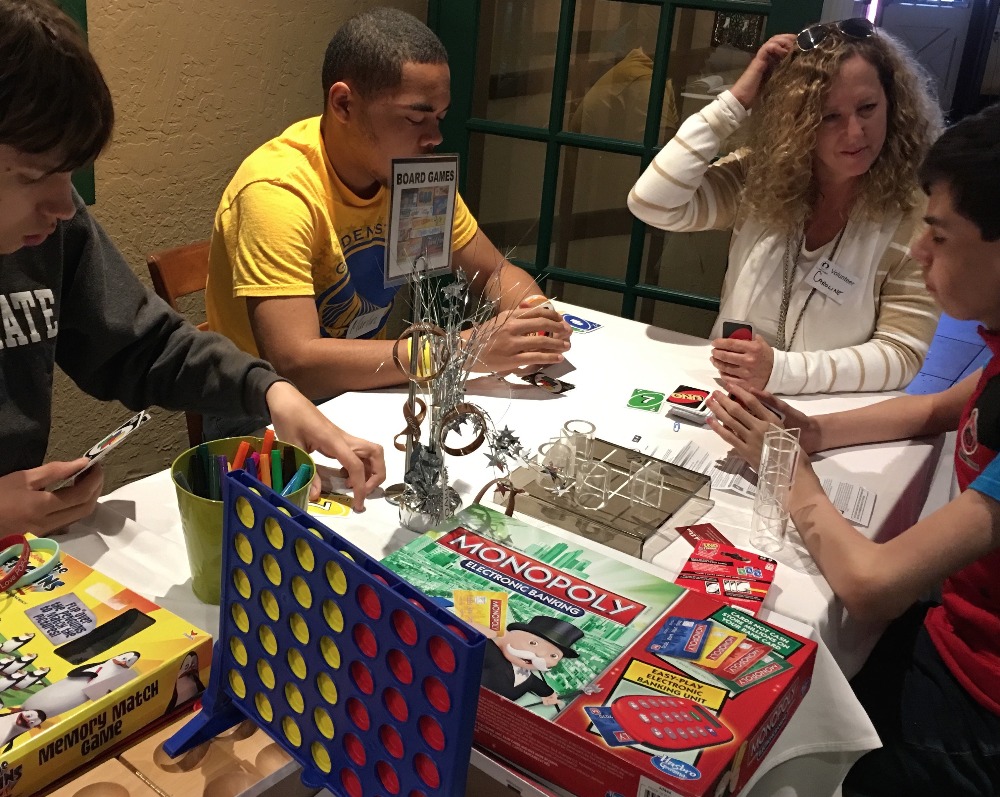
Unlike other events, that are usually topic or activity based, the BFF Events are set up based on what the people attending have told us they like to do.
We set up 4-5 tables with topics for each. Every 15 minutes we change topics, 3 times, allowing us to cover up to 12 topics of interest in one evening! This way everyone gets a chance to meet someone who shares similar interests and maybe more than one! No one is left out.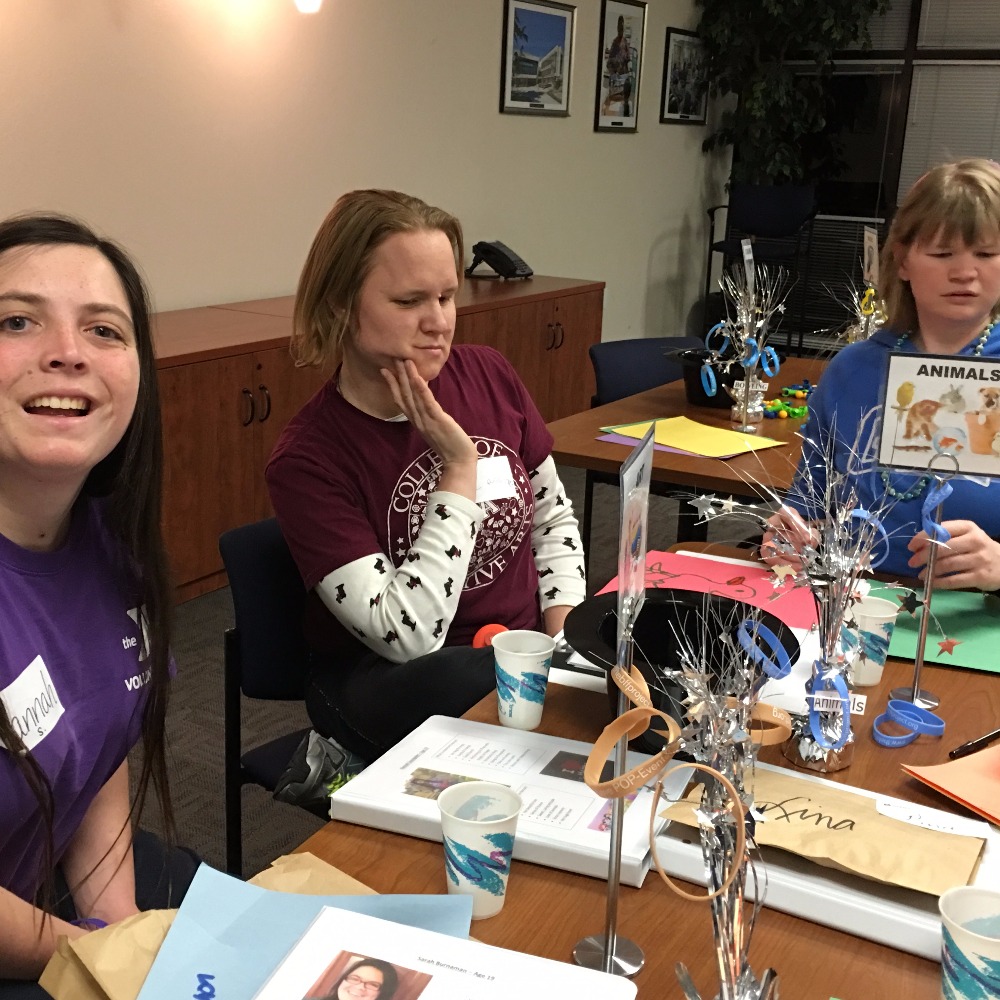
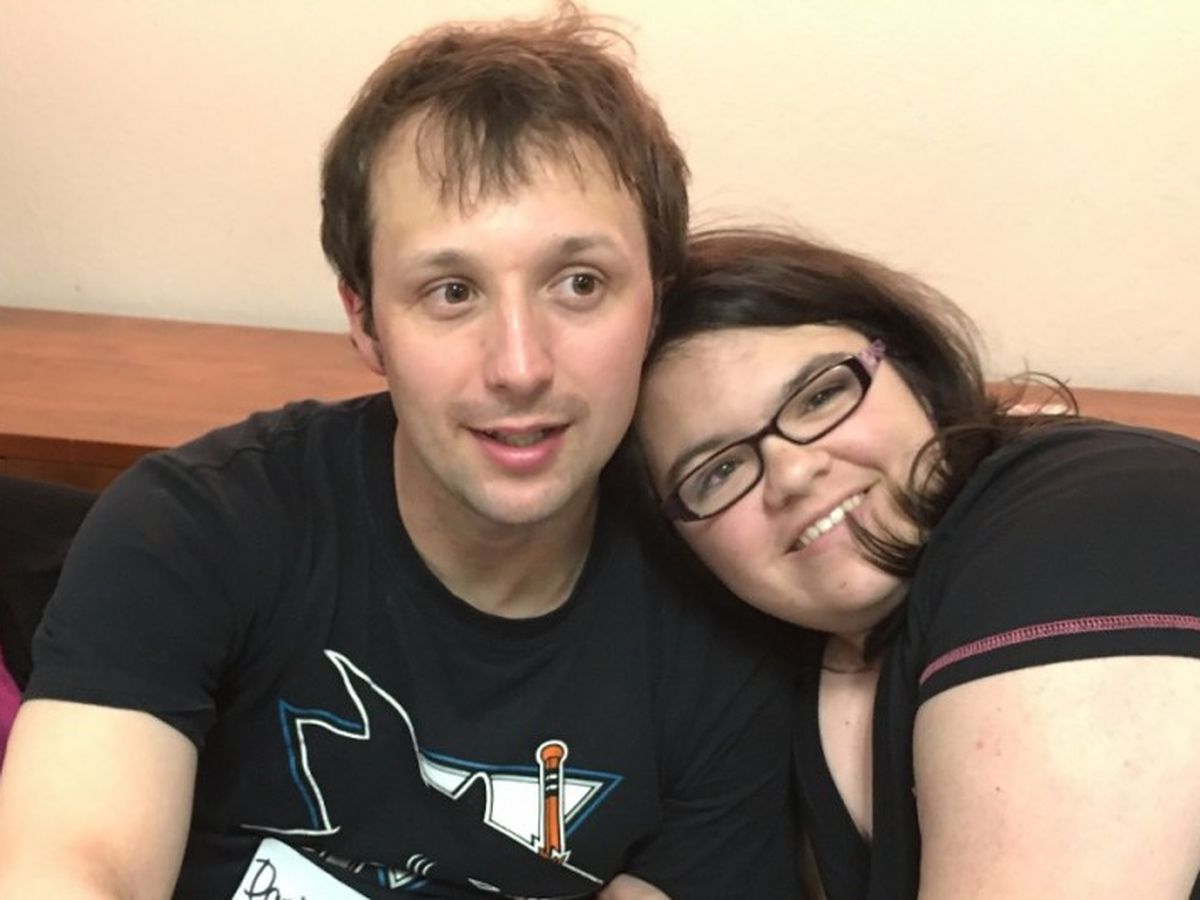
It is so exciting to observe the synergy of the youth and young adults as they connect around common topics and exchange phone numbers or email addresses!
They are also instructed to bring their contact cards to exchange, a 1-page social profile, prepared in advance with instruction (see video).
Parents or caregivers stay on site for safety but they don't actively participate unless their participant wants them to, often during their first event.
This model needs your support so we can create modules for facilitators to expand across the nation.
We use person centered thinking tools in preparation to help the individuals participating identify like-minded people with whom the may build rapport.
An online orientation for parents is available on Youtube. 1:1 support offered when needed to prepare for the event.
Participants receive a "social notebook" and color coded silicone bracelets to indicate their interests. The BFF Events model is unique in that it is not a single topic driven activity that just gets people out of the house, it is an activity that is customized to its attendees. It presents the opportunity for individuals to have people in their life that are not paid to be there.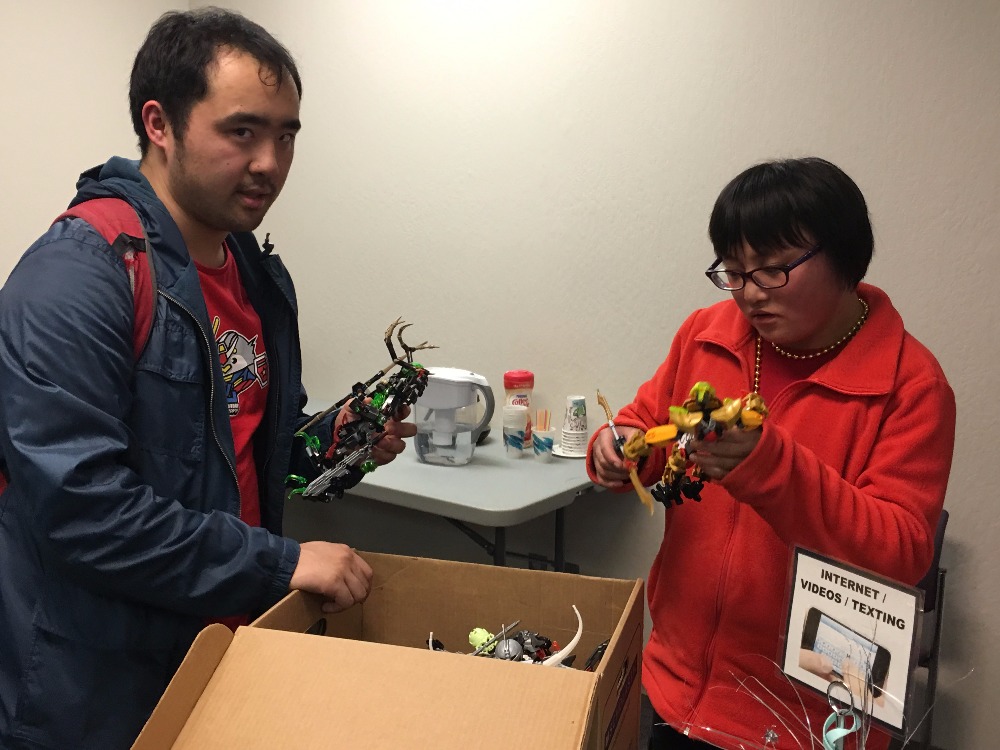
The Impact of Loneliness
Two 2012 studies found that living alone -- or just feeling lonely -- may increase a person's risk of early death.
One study followed nearly 45,000 people ages 45 and up who either had heart disease or were at high risk for it. Those living alone, the study found, were more likely to die from heart attacks, strokes or other complications over a four-year period than those living with family or friends or in some other communal arrangement. [Source: http://www.cnn.com/2014/02/19/health/lonely-research/ ]
Loneliness Is The Only Disability
http://www.dimagine.com/NASDDS.pdf
It is heartbreaking to think about the hundreds of thousands of lonely people who have a human need for companionship but are herded through their day and then sent home to nothing.
People with developmental disabilities and autism struggle to find meaningful friendships, romance, and companionship with their peers. When a child comes home from their school or day program, that is often it. They watch TV alone, they eat alone, they go to bed alone. They are there with their family, or group housemates, with little in common they have no one to chat with on the phone, and no one with whom they can call their BFF.
Be one of those who contribute toward this social goal that everyone has a BFF, a boy or girlfriend, a companion and someone with whom they may grow old. Isn’t that what most of us want?
Sad Fact
Close to 20 % of people with disabilities have not had any social contact over the last three months, a new report from the Productivity Commission, the independent government research body, has found.
Source: http://www.news.com.au/lifestyle/health/stuck-in-a-routine-of-loneliness8217-disabled-face-no-social-contact-for-months-says-report/story-fneuz9ev-1226679116267