- K
- S
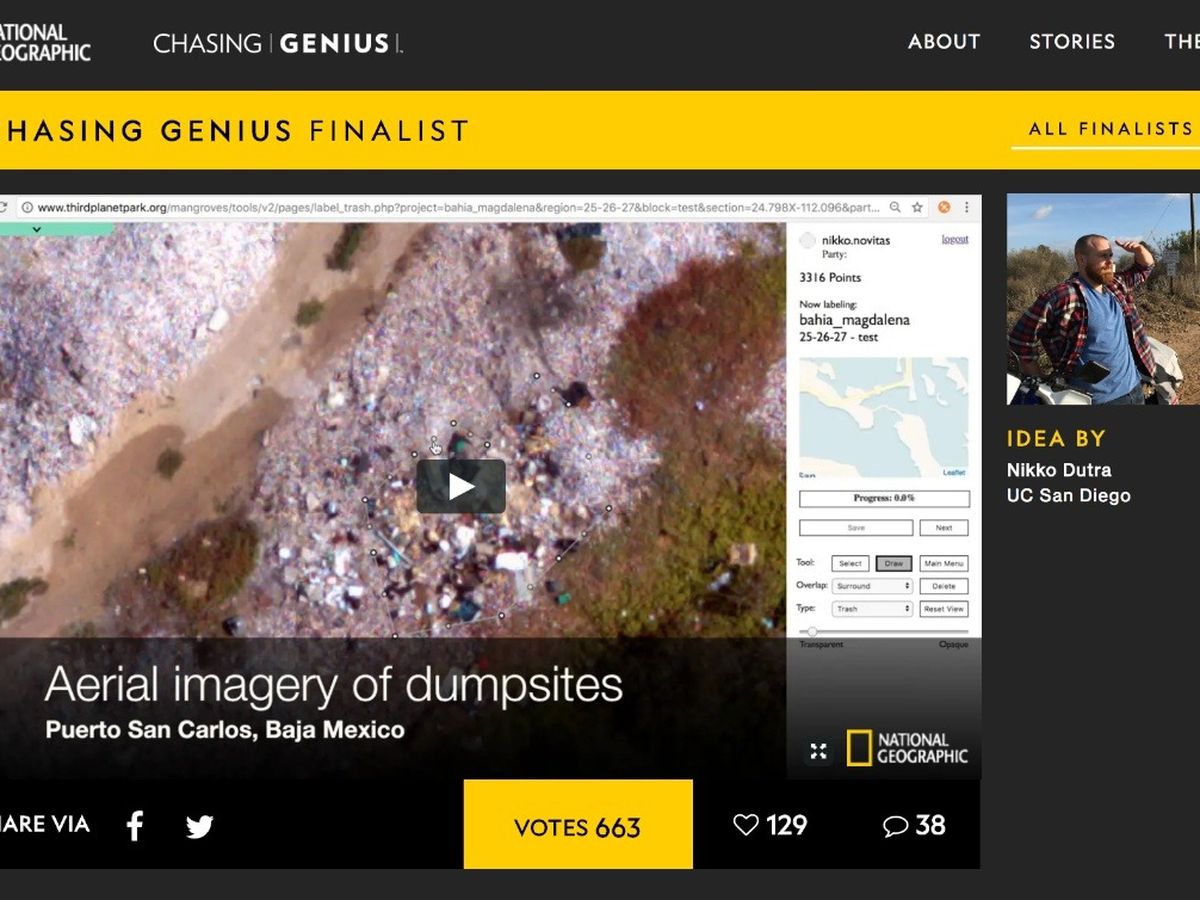
Operation Trash Route helps communities keep trash out of ecosystems by only paying garbage collectors after they deliver trash collected to designated facilities. Watch a 1 min. overview from the competition: http://NatGeo.TrashRoute.org
-Or here on GoFundMe.com
Short Summary:
On a research trip to Baja California, I witnessed first-hand the sad reality of waste management in rural, underdeveloped communities. Garbage collectors can dump trash any place that is convenient for them. We can put an end to this environmental pollution by addressing one simple problem. The problem is rooted in the fact that garbage collectors get paid before trash is delivered to a designated facility.
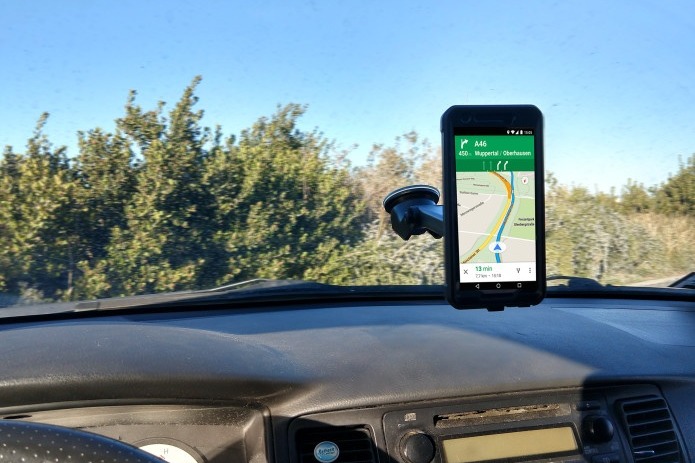
To stop this we are creating a solution, that utilizes mobile phone technology and the power of the internet to ensure trash is delivered to a designated facility. By collecting payments from residents and business owners up front and only paying these garbage collectors when trash is delivered to the designated facility, we can take one step closer to ending environmental pollution.
Garbage collector accountability:
Operation Trash Route is a business that gives developing communities an internet based tool kit that uses mobile phone technology to track the location of garbage collectors in order to guarantee that the trash collected is delivered to a designated facility.
This is accomplished by collecting payments from the community and then broadcasting garbage routes to drivers. Trash Route only pays these drivers after they deliver trash collected to a designated facility.
A new age of waste management:
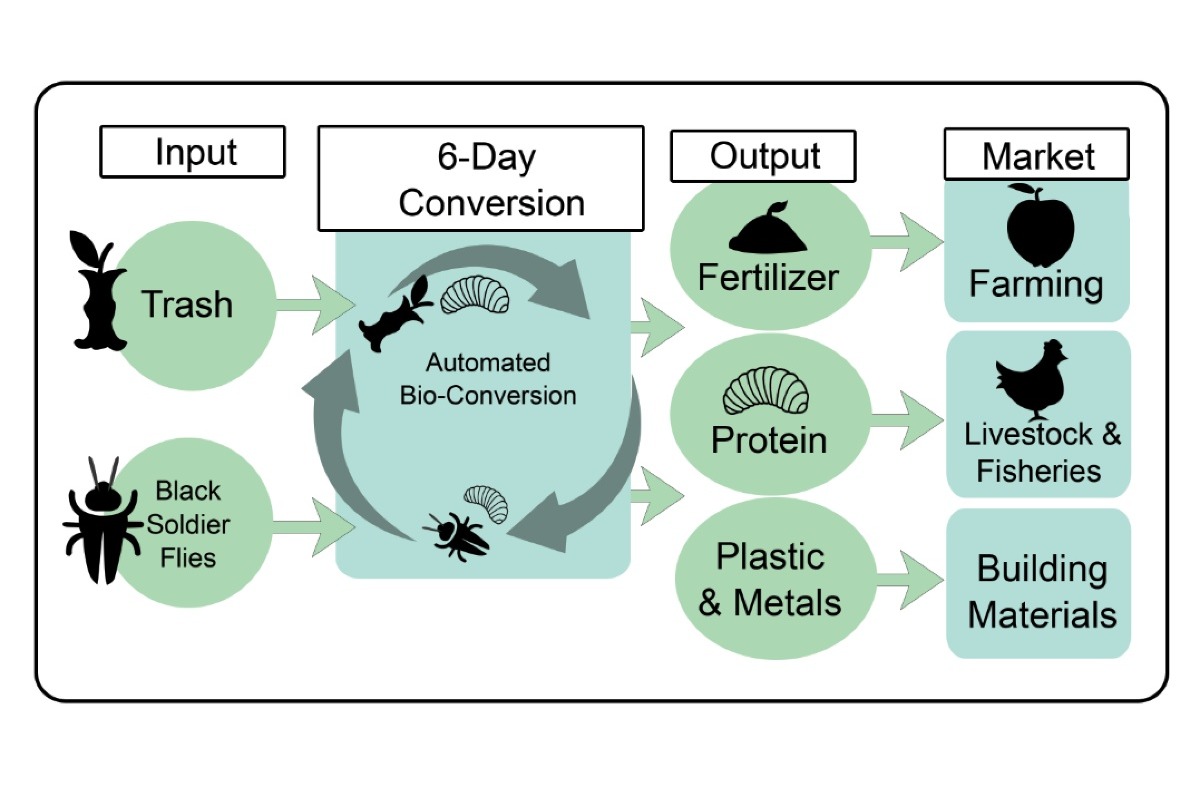
We also help communities establish waste management facilities to help reduce the impact on local ecosystems. Partnering with recyclers, energy producers, and farmers we can create valuable resource from waste using new technologies. Leveraging the innovations in biology and technology, humanity now has the ability to transform waste management industries. Below is a diagram of one of these innovations, illustrating how nature can be utilized to capture organic waste into many different marketable resources.
How your support helps keep trash out of ecosystems:
1) Every $10 keeps 100 pounds of trash out of natural ecosystems!
2) A self sustaining business model is our goal, community members pay $8 per week for the service and for those who can not afford the service we are looking to businesses and localized government programs as a means to subsidize support to those unable to afford the monthly expense.
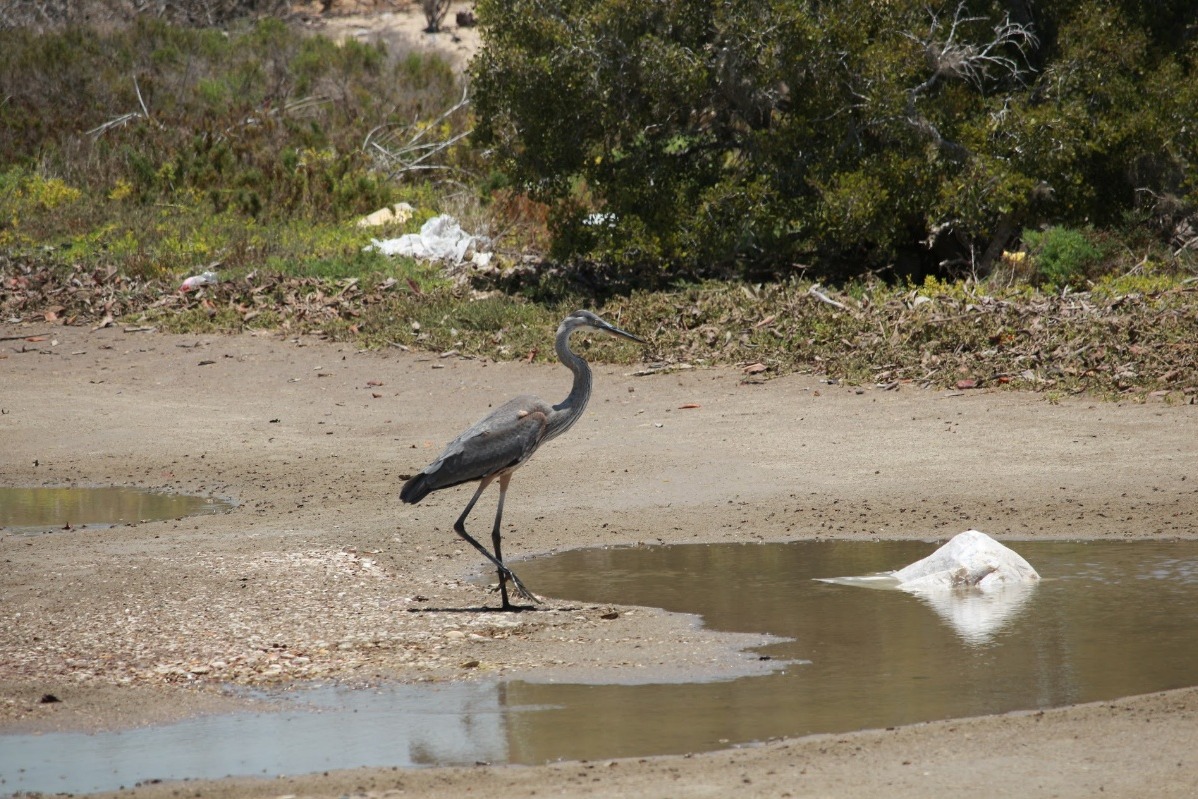
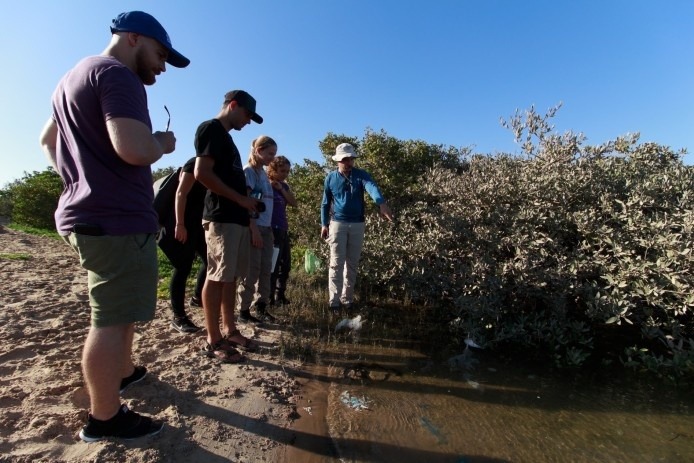
3) 80% of the Trash in the ocean originates from illegal dumping like this, you will help save our planet.
What We Need & Why We Need It:
The $10,000: will help pay for our pilot program travel expenses, labor, and create a funding pool that we will use to help stimulate the adoption of this program.
Why we need a funding pool: It will be challenging to get communities to adopt this new technology if they need to pay trash route more for the same services they currently receive.
The funding pool: gives us marketing power to offer introductory discounts to residents and business owners. This will help us build our driver network and increase the economic activity in the region.
Economic activity: As drivers make more money they will have more disposable income, we predict that this will help increase the income level of the entire region and eventually reach a new equilibrium capable of sustaining the trash route service expense. Charging residents $8 per weekly pickup is only affordable for some. Most businesses can afford this and the opportunities for business revenue will help subsidies those with low incomes.
Pickup Rates: We will offer four different service types.
1) On-demand business pickups:
a) Construction
b) Events
c) Restaurants
2) Weekly Pick up: $32 per month for those who need a more frequent service.
3) Bi Weekly Pick up: $16 per month for those who produce a moderate amount of waste.
4) Monthly Pick up: $8 per month for those that produce very little waste.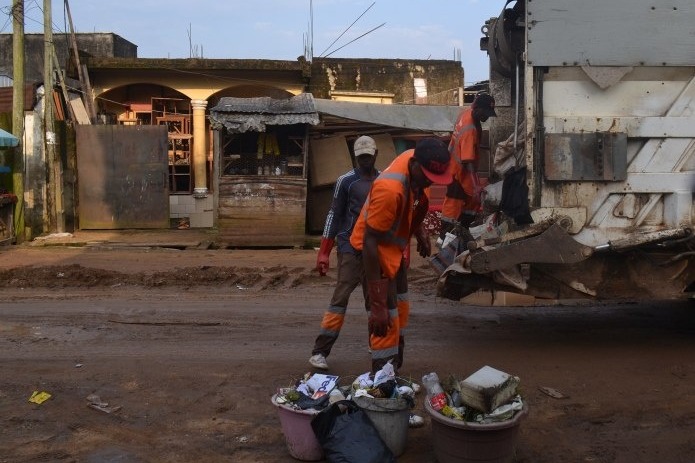
The Impact:
1) Divert forty million pounds of waste from ecosystems by 2021
2) Reduce landfill input through recycling programs by 50% by 2025.
3) Guarantee 90% of trash is delivered to
waste management sites by 2025.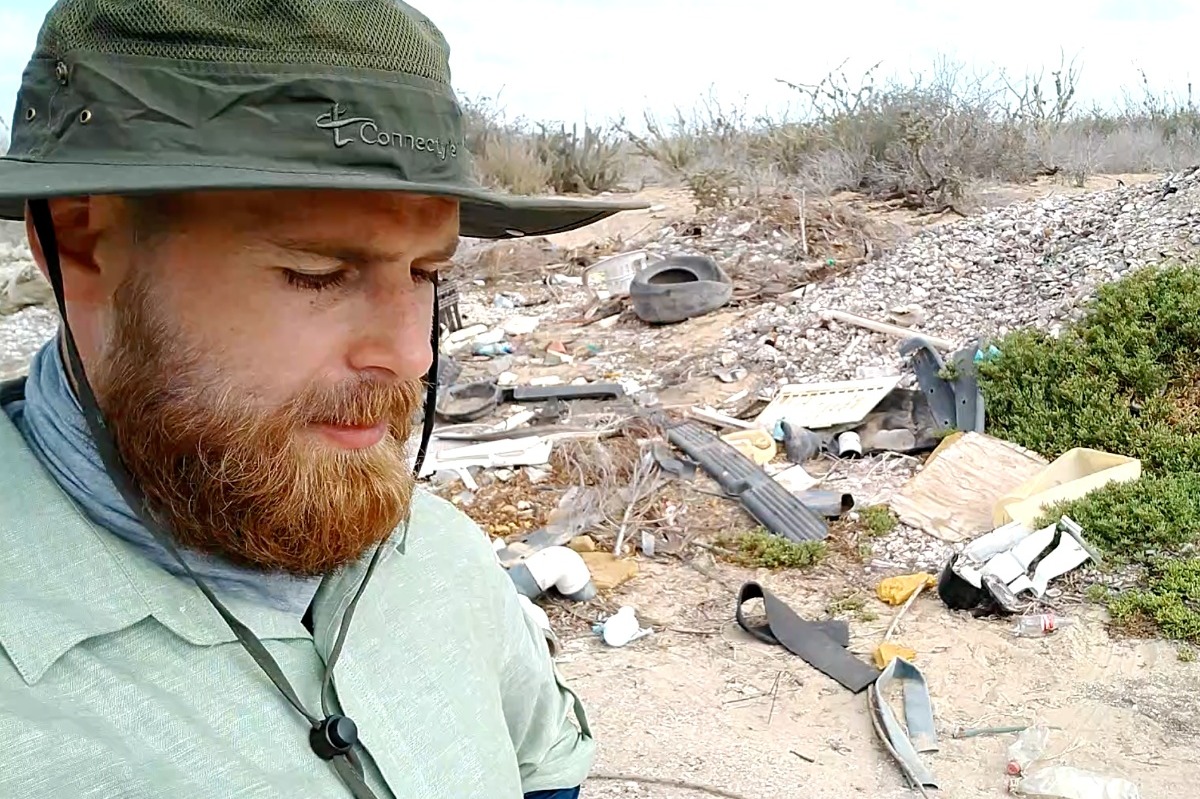
Protecting Nature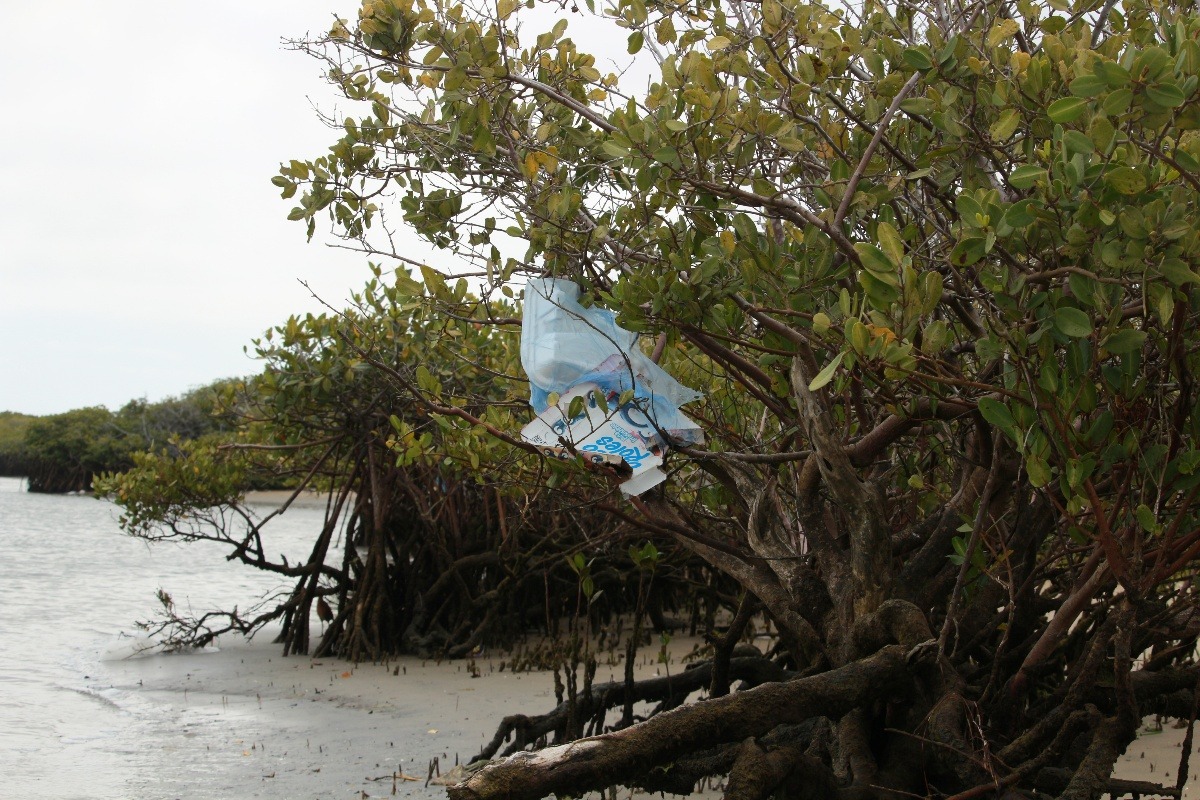
Risks & Challenges
○ The main challenge we face will be to build a relationship with drivers, community members, and landfills so that they adopt this program.
○We also must identify landfills within a 35 mile radius as anything further than this makes the economics of this business model less feasible with fuel prices at the current levels.
○ Another challenge we face resides with the existing garbage collection drivers. If they do not have cellphones we will need to look for other solutions.
○ Some communities around the world may not have cellular service we will need to adapt the program in a way that utilizes other technologies for payment and trash delivery verification.
Why Trash Route:
○ I work with a team of UCSD engineers, SIO scientists, and passionate undergraduate students in partnership with the Qualcomm Institute and Engineers for Exploration. This gives us a very unique mix of expertise and community connections with in Baja California.
○ http://e4e.ucsd.edu/mangrove-monitoring
○ http://aburto.ucsd.edu
○ http://qi.ucsd.edu 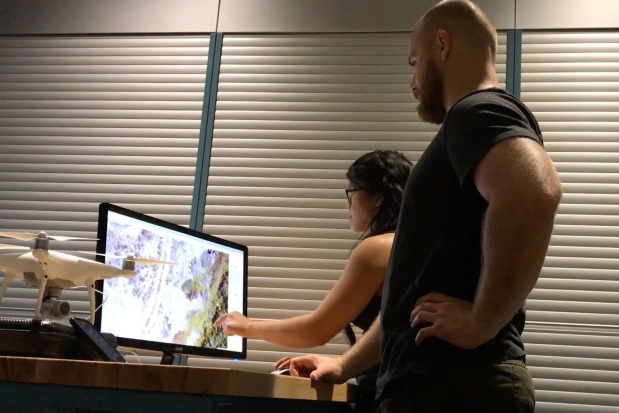
Nikko Dutra: ( Founder )
http://qi.ucsd.edu/news-article.php?id=3030
Background: I’ve come to realize that creativity and innovation have the power to take humanity in a better direction and ultimately fix many of the problems we face today and in the future. When I became an engineer at UCSD, I began working with ocean scientists to improve the health of our global ecosystems.
I am a computer engineer, and I have been a serial entrepreneur for more than 15 years. The experience I gained establishing and managing business ventures has given me the ability to look at problems and create strategic solutions. I draw from a broad range of experiences and skills to create solutions that can both scale and inspire people to take action.
From storytelling to systems engineering the power of creativity and innovation has always driven me to learn new skills and carve out a new path when necessary.
Job roles:
◙ Systems Engineer
◙ Product Designer
◙ Entrepreneur
◙ Visionary
Operation Trash Route Team and Partners
Andres Gomez:
◙ Computer engineer
◙ Entrepreneur
Octavio Aburto:
◙ PHD in Marine Biology at Scripps Institute of Oceanography, UCSD
◙ GCMP - http://gulfprogram.ucsd.edu/
◙ National Geographic Photographer
Eric Lo:
◙ Drone Pilot
◙ Engineers for Exploration Staff Engineer
Spencer Higgs:
◙ Media Editor
◙ Marketing expert
Other Ways You Can Help
Make some noise about Operation Trash Route!
Share Operation Trash Route with the GoFundMe buttons on the page!
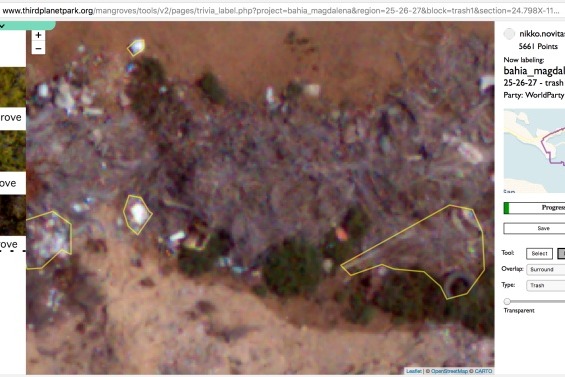
Join at http://science.TrashRoute.org to help us identify trash sites.