



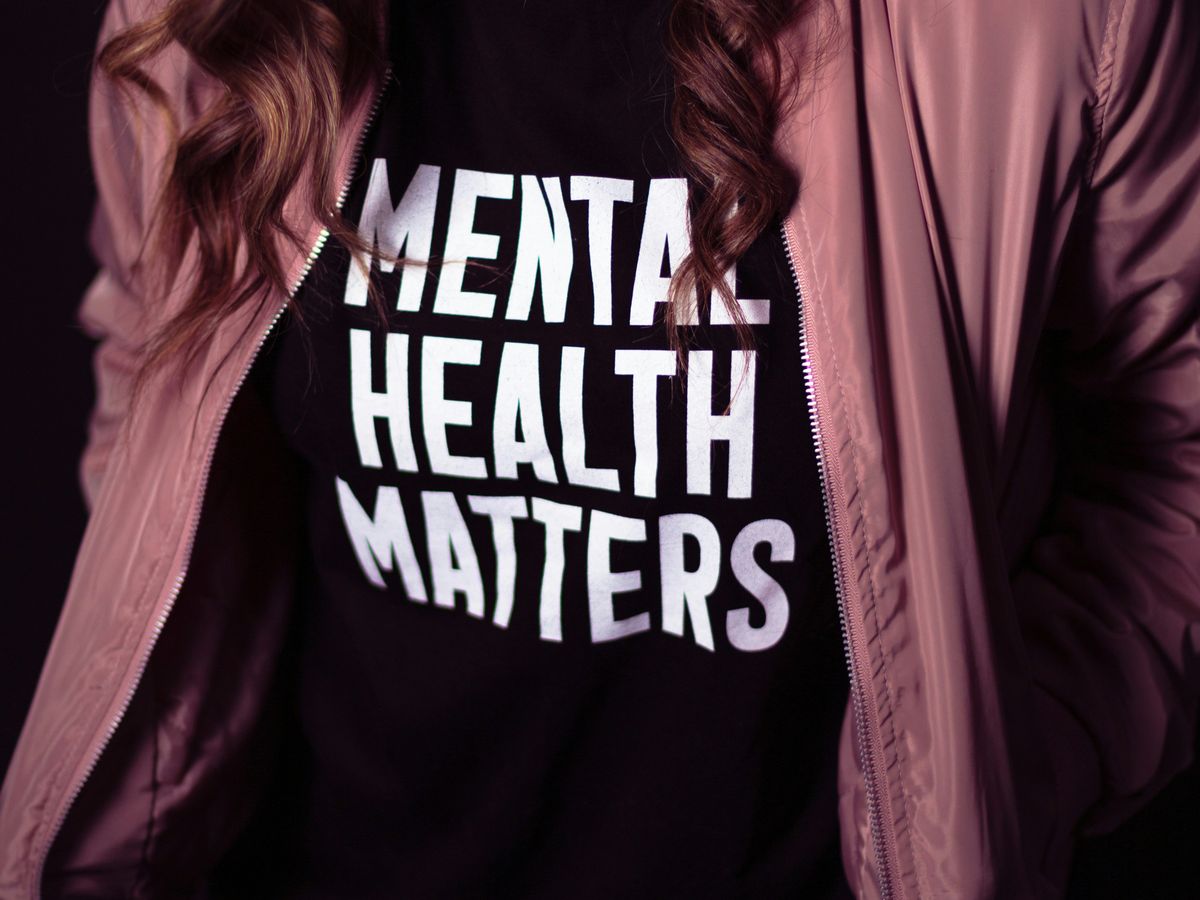
No One Fights Alone: Supporting Mental Health America
0% complete
$36 raised of
4 donations
Help Us Make Mental Health Matter: Supporting College Students and Young Adults
Mental health matters, and no one should have to struggle alone.
Mental health challenges are becoming an increasingly serious issue among college students and young adults across America. Behind the busy schedules, classrooms, assignments, jobs, and everyday responsibilities, many people are silently struggling with anxiety, depression, stress, and other behavioral health concerns. Our goal is to bring awareness to this growing crisis and help make mental health resources, education, and support more accessible to those who need them.
The statistics are concerning. According to UnitedHealthcare’s 2026 Student Behavioral Health Report, approximately 62% of young adults between the ages of 18 and 28 experienced a mental or behavioral health concern within the past year. College students reported an incidence 15 percentage points higher than young adults who were not enrolled in college. Even more concerning, 69% of college students reported experiencing a mental health concern while only 43% of parents recognized that their child was struggling.
Students and young adults face many challenges that can affect their mental well-being, including academic pressure, financial difficulties, social expectations, loneliness, and the stress of transitioning into adulthood. According to the Substance Abuse and Mental Health Services Administration (2025), some of the most common reasons people do not seek mental health treatment are the cost and the belief that they should be able to manage their struggles on their own. Unfortunately, this can leave individuals suffering in silence instead of receiving the help they deserve.
A Real Story: Why Mental Health Support Matters
As part of our campaign, we had the opportunity to hear from Brittany, a research nurse at a children’s hospital, who courageously shared her personal mental health journey. Her experience reminds us that mental health struggles are not always visible and that getting the right support can make a life-changing difference.
Brittany described her journey as lifelong, explaining that she experienced anxiety and overwhelming fears as a child. As a teenager, she began experiencing obsessive-compulsive behaviors but did not recognize what was happening until she was older. It took years of research and personal struggle before she received a proper diagnosis and treatment for OCD, generalized anxiety disorder, and depression.
When asked how mental health affected her daily life, Brittany shared:
“Imagine being a prisoner of your own mind all day, every day, with a ten out of ten anxiety feeling in your body. You miss being in the present moment. You don’t enjoy big life moments because you were too busy being tormented by your brain.”
After years of struggling, Brittany found that medication and specialized therapy made a tremendous difference in her recovery. She explained that medication was “quite literally lifesaving” because it helped her recognize when her OCD was happening and use the tools she learned to manage it.
When asked what advice she would give someone currently struggling, Brittany offered an important reminder:
“You are not alone. There is a light at the end of the tunnel, even if you are completely surrounded by darkness. Just take the first step of getting help…don’t ever give up. NOTHING lasts forever.”
Her story illustrates why awareness, understanding, accessible treatment, and support systems are so important. No one should have to wait years to understand what they are experiencing or feel ashamed to ask for help.
How You Can Help
We are raising funds to support Mental Health America (MHA), a non-profit organization committed to the promotion of mental health and well-being of all people in the U.S. They advance their mission through public education, research, advocacy and public policy, and direct service. We are particularly excited about MHA’s young leaders initiatives: programs aimed at serving youth and young adults by providing them with tools to drive change in their communities.
We believe conversations about mental health should be normalized. Asking for help should never be considered a weakness, and everyone deserves access to support regardless of their financial situation. Every donation, no matter the amount, will help us move closer to creating a community where people feel heard, supported, and understood. If you are unable to donate, sharing this campaign with friends, family, and your community is another meaningful way to help.
You never know what someone is going through behind closed doors. Together, we can break the stigma, spread awareness, and remind students and young adults that they are not alone. Help us make mental health a priority, because everyone deserves to feel supported, heard, and valued.
Thank you for being part of this mission!
References:
UnitedHealthcare & UnitedHealthcare. (2026, May 6). Report: Ongoing mental health challenges for young adults and college students. UnitedHealthcare. https://www.uhc.com/news-articles/newsroom/student-behavioral-health-report-2026
Salmon, E. (2026, May 29). Breaking Point: Why College Students' Mental Health Challenges Are Rising Again and the Solutions That Could Change Everything. Virginia State Council of Higher Education (SCHEV). https://www.schev.edu/Home/Components/News/News/796/200
Centers for Disease Control and Prevention. Youth Health in Focus: Findings From the National Youth Risk Behavior Survey 2015–2025. U.S. Dept of Health and Human Services; 2026. https://www.cdc.gov/yrbs/yhif/files/2025/YHIF-2015-2025-Final-508.pdf
Kerr, E., & Claybourn, C. (2023, August 14). Stress in college students: What to know. US News& World Report; U.S. News & World Report. https://www.usnews.com/education/best-colleges/articles/stress-in-college-students-what-to-know
UnitedHealthcare. (2026, April 27). Report: Ongoing mental health challenges for young adults and college students. Uhc.Com; UnitedHealthcare.
Organizer

Mental Health America
Beneficiary