- K
- B
Sometimes when we're flooded with stories of loss and suffering, it's hard to figure out how to help in a meaningful way. Through my community health clinic, I feel lucky to be able to connect personally and authentically with families who are truly struggling, as well as those who are thriving. Mostly the help I give is medical, but just as often it's emotional. More and more lately, it's been helping to meet concrete needs-- food, clothing, housing, education, transportation. Paying a cell phone bill. Writing letters to utility companies. Often it's by helping them access community resources, but also just plain going food or clothes shopping for a family and bringing it to their door. I started giving my personal cell to moms who don't have anyone else to help (something I never ever thought I would do). Through repeatedly hearing it, I've come to really understand the phrase "se desespera". To feel desperate. Hopeless. To despair.
This year, for whatever reason, this one particular family from Oaxaca, Mex. has captured my heart and attention. I've changed their names to protect privacy. Their story isn't all that different (just maybe a bit more extreme) from most of my patients' families. I can only say I felt compelled to reach out and grab on to this mom, the same way you would if someone were drowning right in front of you. We're connected now, and we're in deep. I'm not letting her, or them, go under.
I am the PCP for their 3 boys, ages 14y and 7yo twins. Parents Manuel and Maria are undocumented, and speak limited English. They were farmworkers in central CA. The twins were born in CA, and they are bilingual. Antonio, 14y, had stayed behind in Mexico until last year, when he made the crossing to the US to join the family, just in time for pandemic lockdown. He struggles with English, has not made friends, struggles to cope with the trauma of separation and his journey, feels isolated and depressed. They were new arrivals to Santa Rosa in mid-December 2020 when the twins appeared on my clinic schedule. It was a routine establish care visit. I just happened to ask-- how is everything at home? Are you safe? Do you have enough food in the house? And Maria haltingly answered no, not really. Everything is terrible. I don't know what to do. Me desespero.
The family kindof crash-landed here when Manuel needed to be hospitalized from complications of uncontrolled diabetes and COVID. A brother-in-law in Santa Rosa helped secure them a room to rent in an apartment shared with another family, and he paid their $800/mo rent for 2 months. But the brother-in-law is himself a vineyard worker, and is unable to really help with anything more. Otherwise, they have no other family to help out. No car. No friends nearby. They are 5 in one room. Covid precautions kept them closed in, only using the kitchen and bathroom when the other family in the apartment was not.
Manuel was hospitalized for 2 months, finally released with weekly infusion therapy. He remains disabled with permanent pulmonary damage. He can supervise the boys at home, but that's it really. The whole family are now patients at our clinic. Maria has found work under the table at a fast food restaurant, has gotten the kids enrolled at school and the twins into a hybrid program. They receive food bank donations from the school. She got Antonio a therapist to begin treating his depression. Mark and I (and other generous hearts) buy them groceries and clothes, we paid the boys' enrollment in a local soccer program, bought cleats and sports gear, and gave them rides. Maria feels thankful because finally Manuel is getting good regular care for his diabetes for the first time in his life, plus help managing his lung damage. The boys like their schools.
At the end of February, they were asked to move out of their rented room. Maria has been incredibly stressed, searching for an acceptable apartment in this extremely expensive place. Every apartment application asks for deposits and proof of income that she doesn't have, credit that she's never built. We've connected them with emergency housing support through local charities, but the onus is on Maria to find the apartment and apply for it first. She does everything from her cell phone, when she's not working or cooking or caring for the kids. She searches on foot. She doesn't share the difficult details with Manuel, she doesn't want to burden him or impact his recovery.
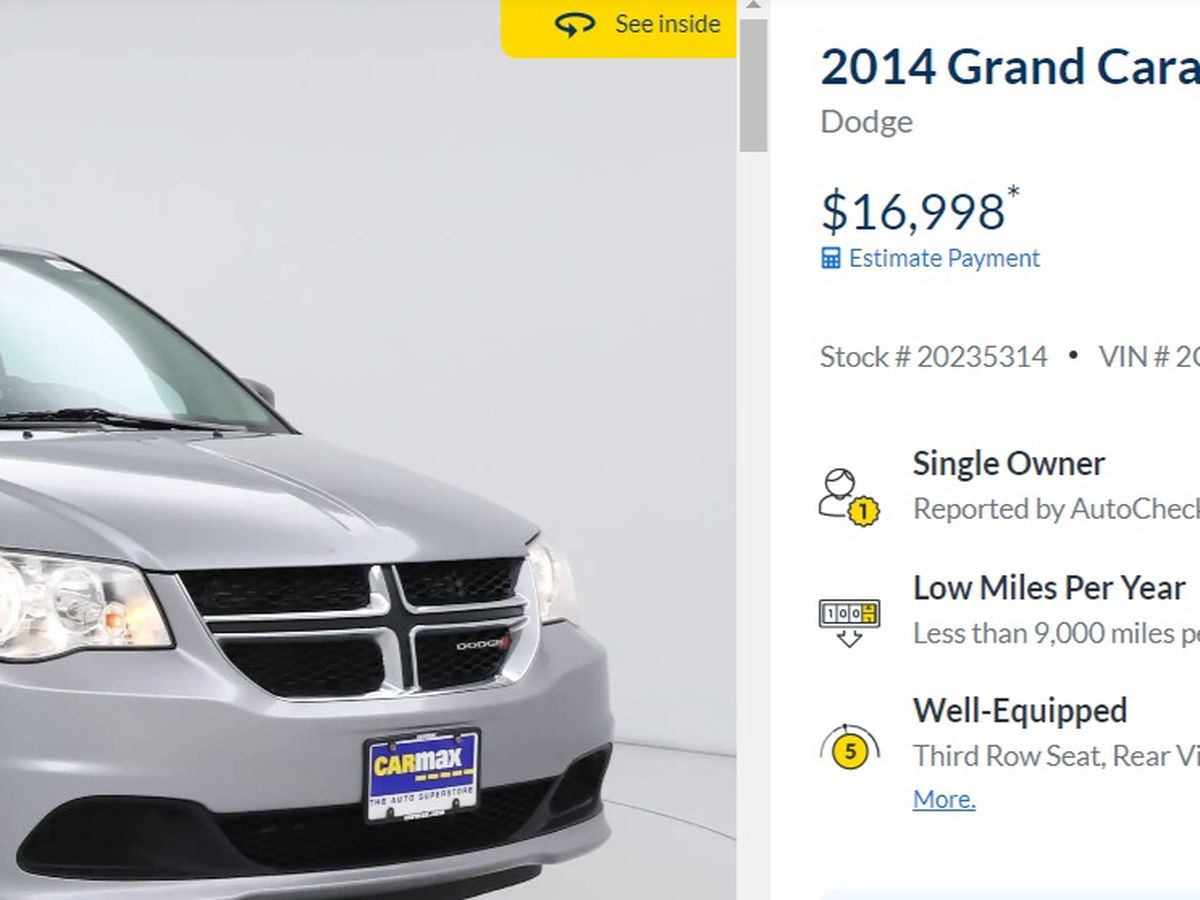
You can see now. You feel their need too, probably. Where to start? The thing that would really help the most is an apartment, but that is a mountain to ascend. So we can start with a car. The public transit in Sonoma county is dismal. With 3 kids and a disabled husband, it's impossible. A car to find decent work and be able to get around, run the family's errands, take the boys (especially Antonio) OUT of the house-- to play soccer, go to the park. Take Manuel to appointments. So I thought-- I can do this. I can find them a solid used minivan, for around 15K. If the down-payment is $8K, then it brings the monthly payment down to about $125 per month. I can pay that until Maria has steady enough work to take over the payments. In the meantime, we continue to search for apartments.
I appreciate you listening. I'd love your help!
If we raise more than $8k for a car downpayment, extra funds will go to paying the boys' soccer enrollment fees, car insurance, rent. Shoes that the kids keep growing out of. All of the things a family with 3 kids always needs.
If you know of others who might want to chip in, even a little, pass it on! It takes all of us to keep them afloat.
This year, for whatever reason, this one particular family from Oaxaca, Mex. has captured my heart and attention. I've changed their names to protect privacy. Their story isn't all that different (just maybe a bit more extreme) from most of my patients' families. I can only say I felt compelled to reach out and grab on to this mom, the same way you would if someone were drowning right in front of you. We're connected now, and we're in deep. I'm not letting her, or them, go under.
I am the PCP for their 3 boys, ages 14y and 7yo twins. Parents Manuel and Maria are undocumented, and speak limited English. They were farmworkers in central CA. The twins were born in CA, and they are bilingual. Antonio, 14y, had stayed behind in Mexico until last year, when he made the crossing to the US to join the family, just in time for pandemic lockdown. He struggles with English, has not made friends, struggles to cope with the trauma of separation and his journey, feels isolated and depressed. They were new arrivals to Santa Rosa in mid-December 2020 when the twins appeared on my clinic schedule. It was a routine establish care visit. I just happened to ask-- how is everything at home? Are you safe? Do you have enough food in the house? And Maria haltingly answered no, not really. Everything is terrible. I don't know what to do. Me desespero.
The family kindof crash-landed here when Manuel needed to be hospitalized from complications of uncontrolled diabetes and COVID. A brother-in-law in Santa Rosa helped secure them a room to rent in an apartment shared with another family, and he paid their $800/mo rent for 2 months. But the brother-in-law is himself a vineyard worker, and is unable to really help with anything more. Otherwise, they have no other family to help out. No car. No friends nearby. They are 5 in one room. Covid precautions kept them closed in, only using the kitchen and bathroom when the other family in the apartment was not.
Manuel was hospitalized for 2 months, finally released with weekly infusion therapy. He remains disabled with permanent pulmonary damage. He can supervise the boys at home, but that's it really. The whole family are now patients at our clinic. Maria has found work under the table at a fast food restaurant, has gotten the kids enrolled at school and the twins into a hybrid program. They receive food bank donations from the school. She got Antonio a therapist to begin treating his depression. Mark and I (and other generous hearts) buy them groceries and clothes, we paid the boys' enrollment in a local soccer program, bought cleats and sports gear, and gave them rides. Maria feels thankful because finally Manuel is getting good regular care for his diabetes for the first time in his life, plus help managing his lung damage. The boys like their schools.
At the end of February, they were asked to move out of their rented room. Maria has been incredibly stressed, searching for an acceptable apartment in this extremely expensive place. Every apartment application asks for deposits and proof of income that she doesn't have, credit that she's never built. We've connected them with emergency housing support through local charities, but the onus is on Maria to find the apartment and apply for it first. She does everything from her cell phone, when she's not working or cooking or caring for the kids. She searches on foot. She doesn't share the difficult details with Manuel, she doesn't want to burden him or impact his recovery.
You can see now. You feel their need too, probably. Where to start? The thing that would really help the most is an apartment, but that is a mountain to ascend. So we can start with a car. The public transit in Sonoma county is dismal. With 3 kids and a disabled husband, it's impossible. A car to find decent work and be able to get around, run the family's errands, take the boys (especially Antonio) OUT of the house-- to play soccer, go to the park. Take Manuel to appointments. So I thought-- I can do this. I can find them a solid used minivan, for around 15K. If the down-payment is $8K, then it brings the monthly payment down to about $125 per month. I can pay that until Maria has steady enough work to take over the payments. In the meantime, we continue to search for apartments.
I appreciate you listening. I'd love your help!
If we raise more than $8k for a car downpayment, extra funds will go to paying the boys' soccer enrollment fees, car insurance, rent. Shoes that the kids keep growing out of. All of the things a family with 3 kids always needs.
If you know of others who might want to chip in, even a little, pass it on! It takes all of us to keep them afloat.