Left Behind Twice — A Gold Star Widow Still Fighting
0% complete
$660 raised of
11 donations
Ever wonder what happens to the Gold Star widows our soldiers leave behind?
My husband died on active duty at 37 — consumed by wounds three combat tours built in silence, invisible to everyone around him, including me. The insurance meant to protect me was stripped away while I was kept in the dark. Every office that existed to help me — failed me.
Every time I try to climb out, something pushes me back in — back into his grave. Every office, every system, every person that was supposed to be there for me has felt, time and again, like they expected me to open it up, crawl in, and disappear with him.
Two years later I am still here. Still fighting. What happened to us should not have been possible.
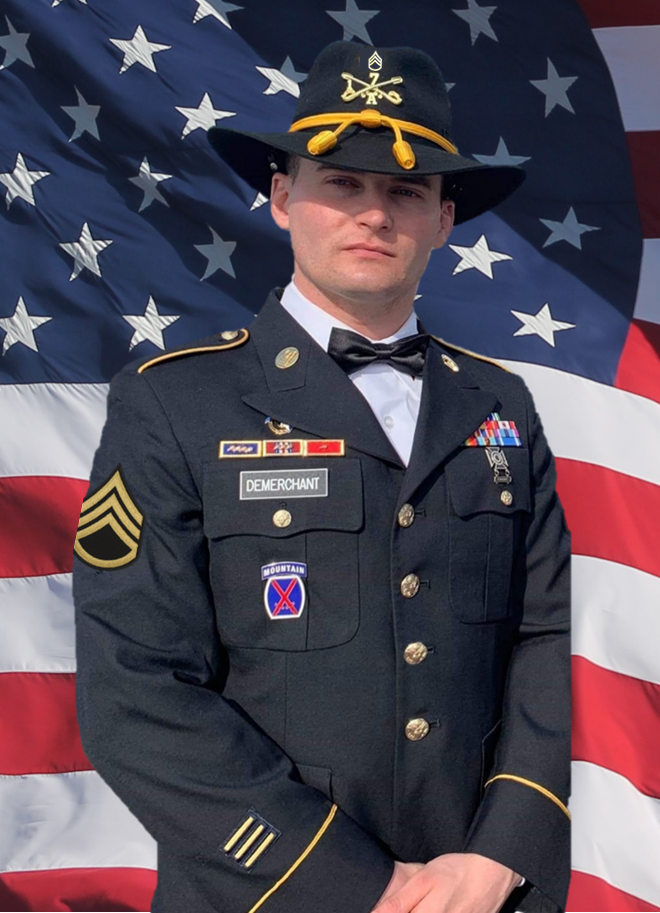
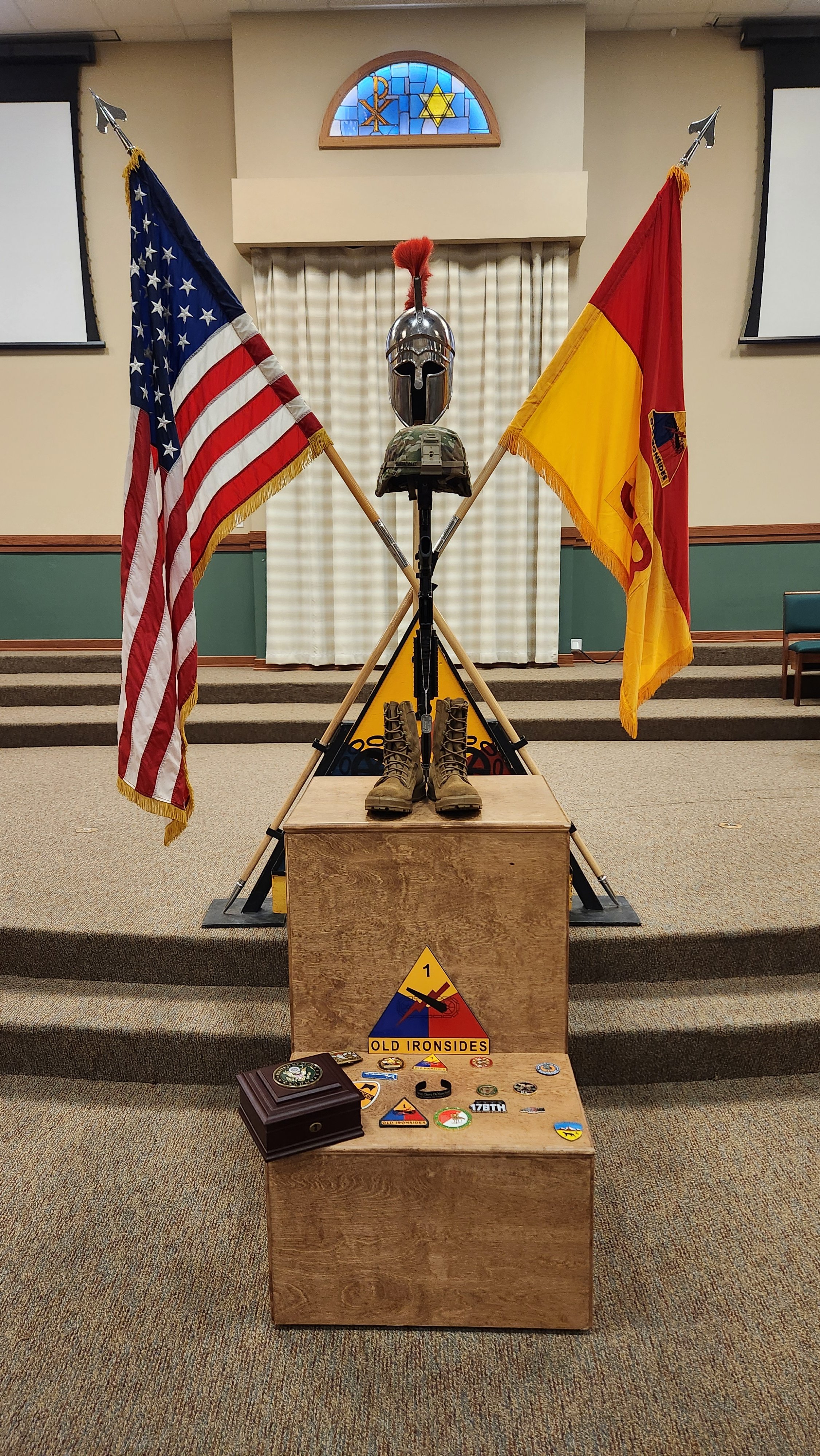
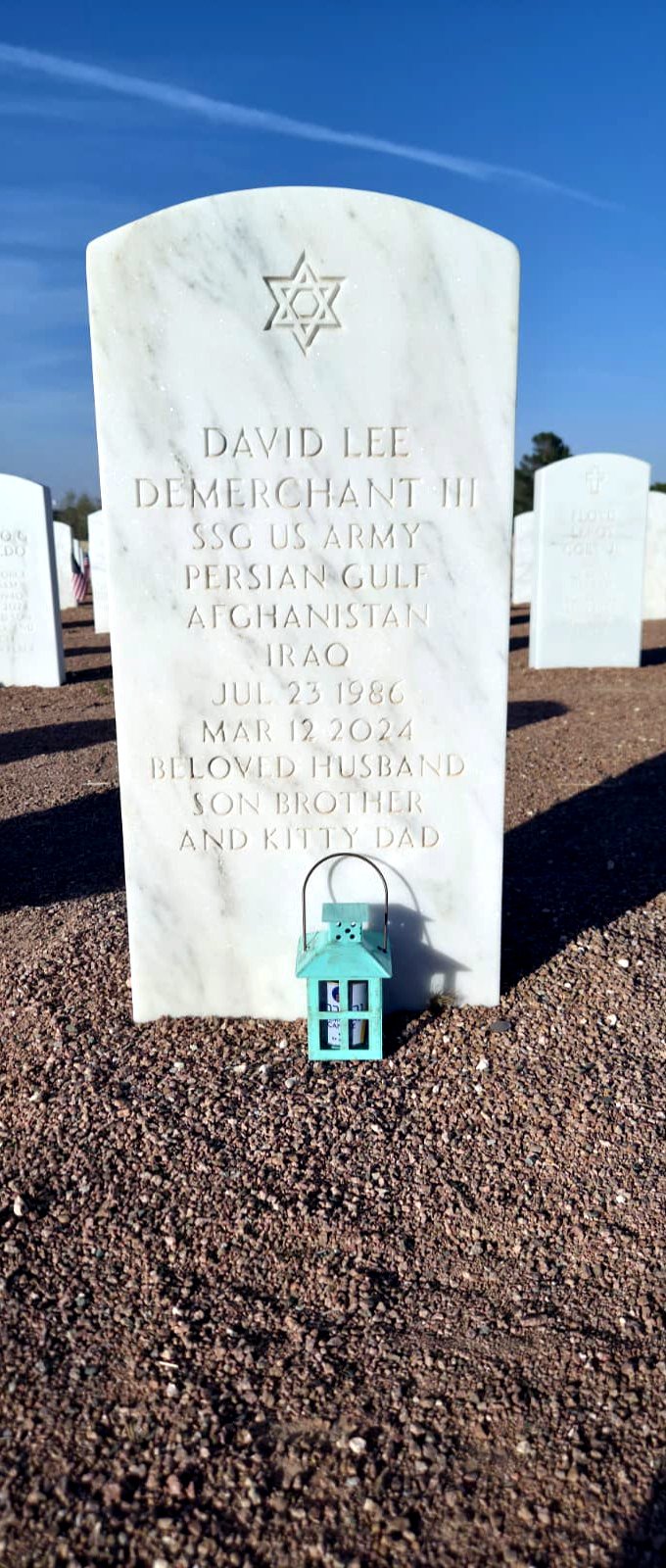
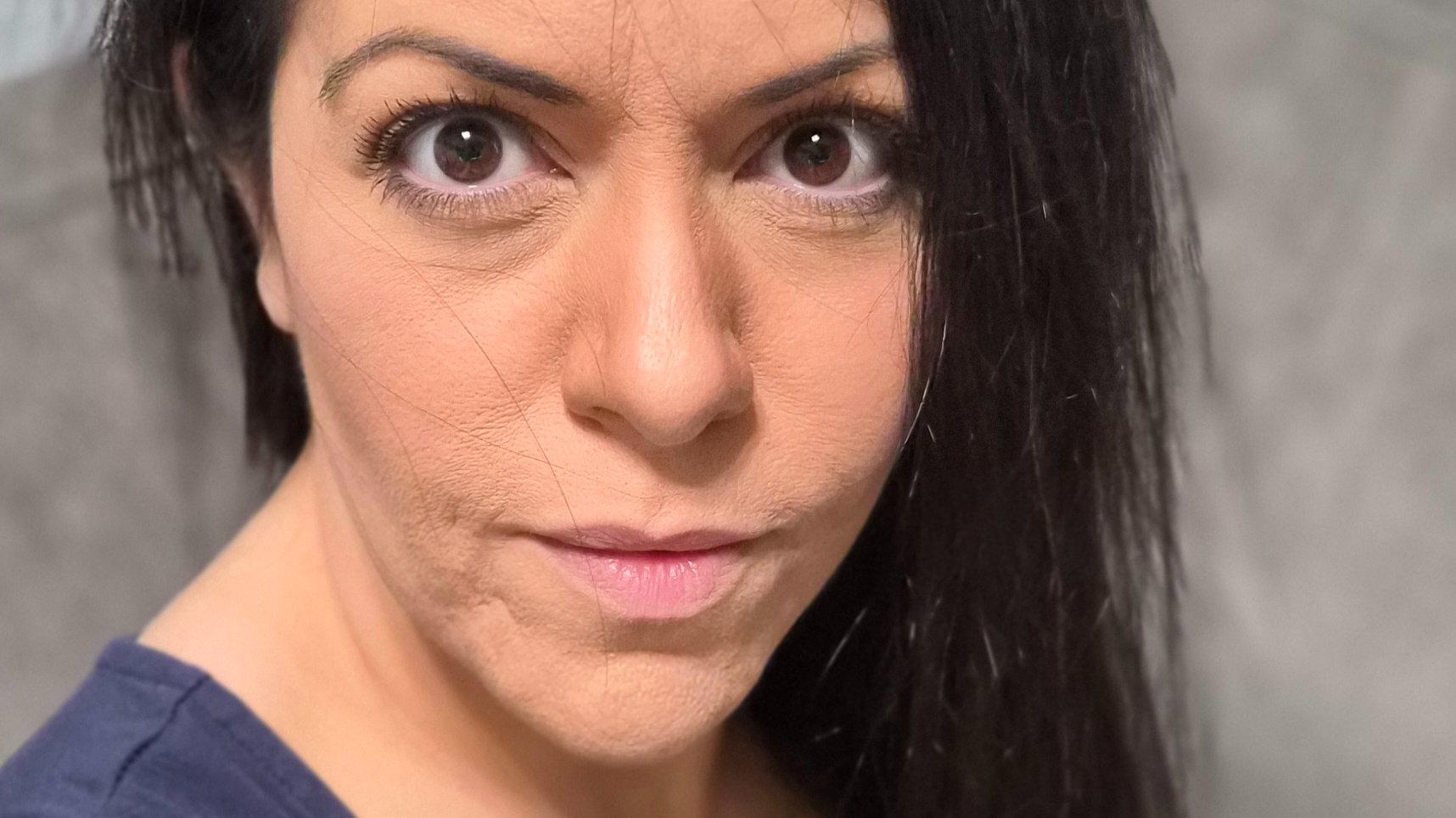
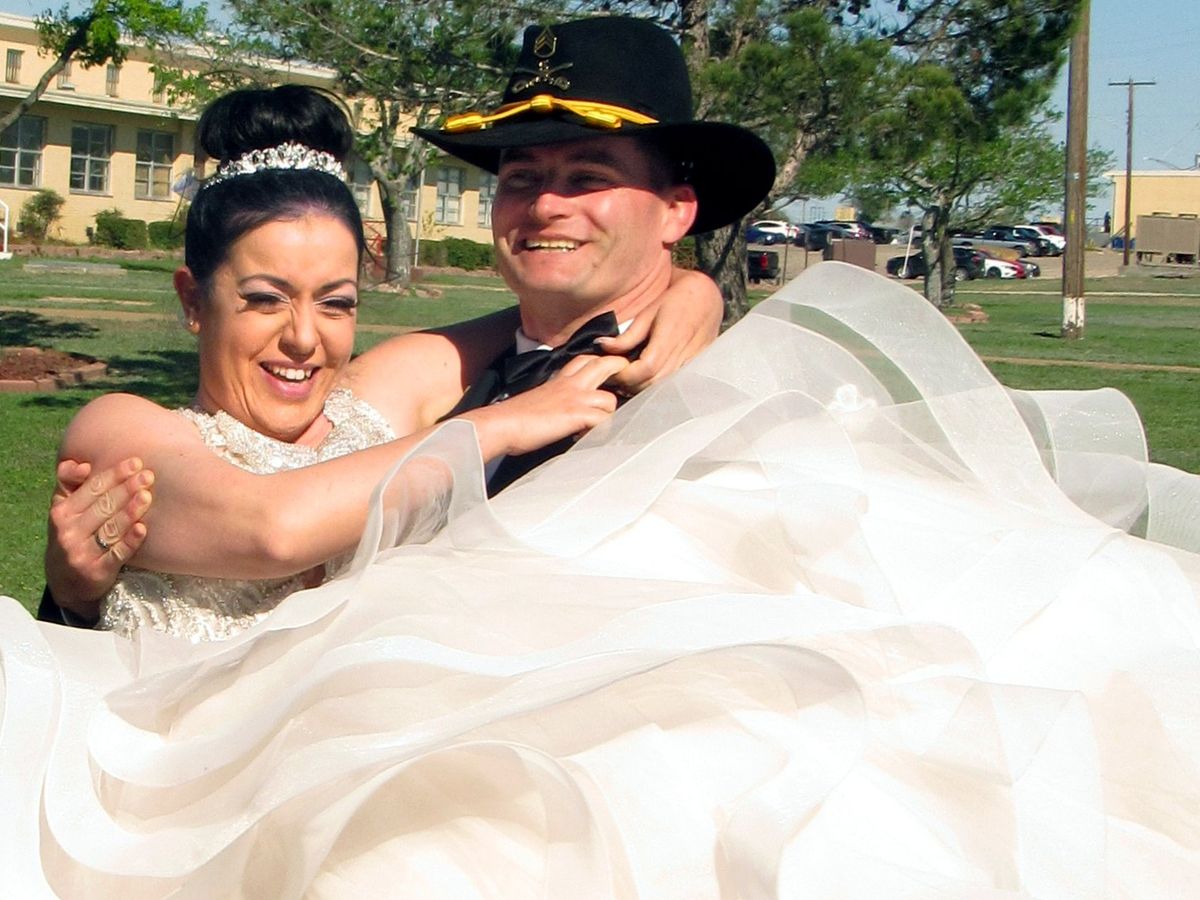
My name is Haddar DeMerchant. My husband was Staff Sergeant David DeMerchant, United States Army, active duty. He enlisted at 18. He left briefly for college, then re-enlisted — because serving was simply who he was. He did three combat tours in Iraq and Afghanistan as infantry, then served as a scout — another combat MOS — for most of his career. He spent nearly his entire adult life in the Army’s most demanding, high-stress roles. He died on March 12, 2024, at 37 years old, consumed by invisible wounds his years of service had built in silence.
I want to tell you who Dave was before I tell you what happened — because this story only makes sense if you understand the kind of man he was first.
My Answered Prayer — A True Good Samaritan
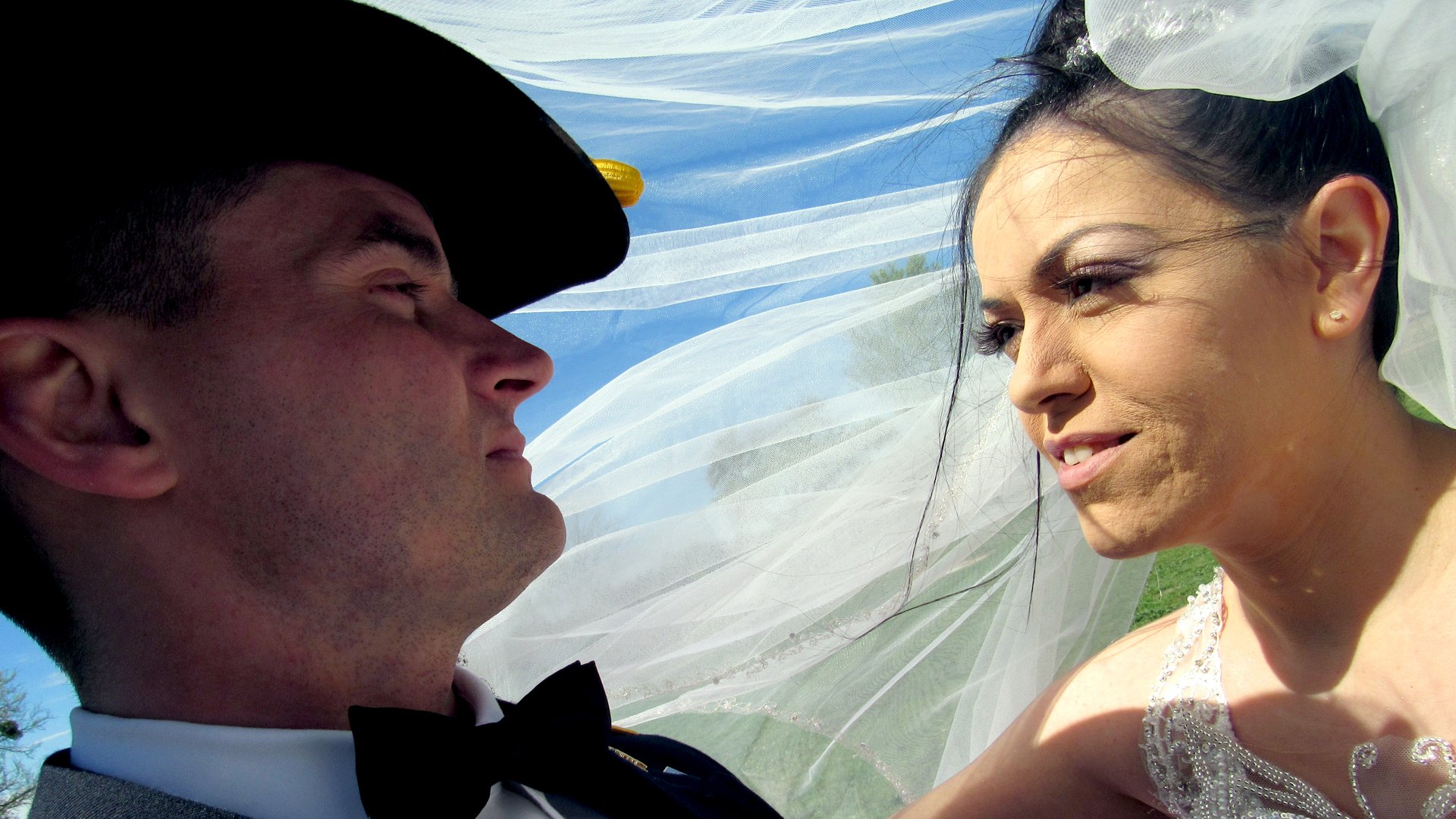
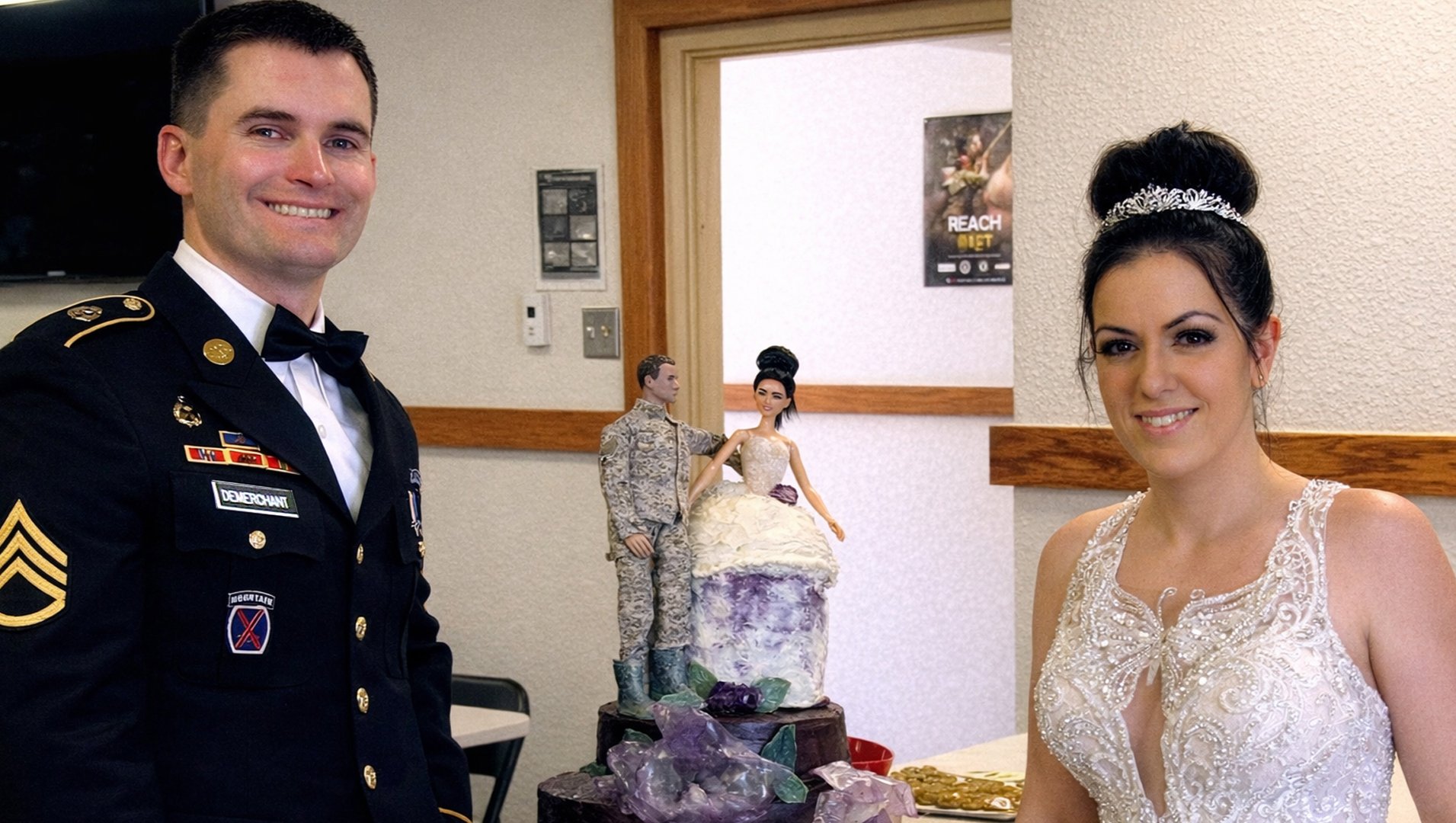
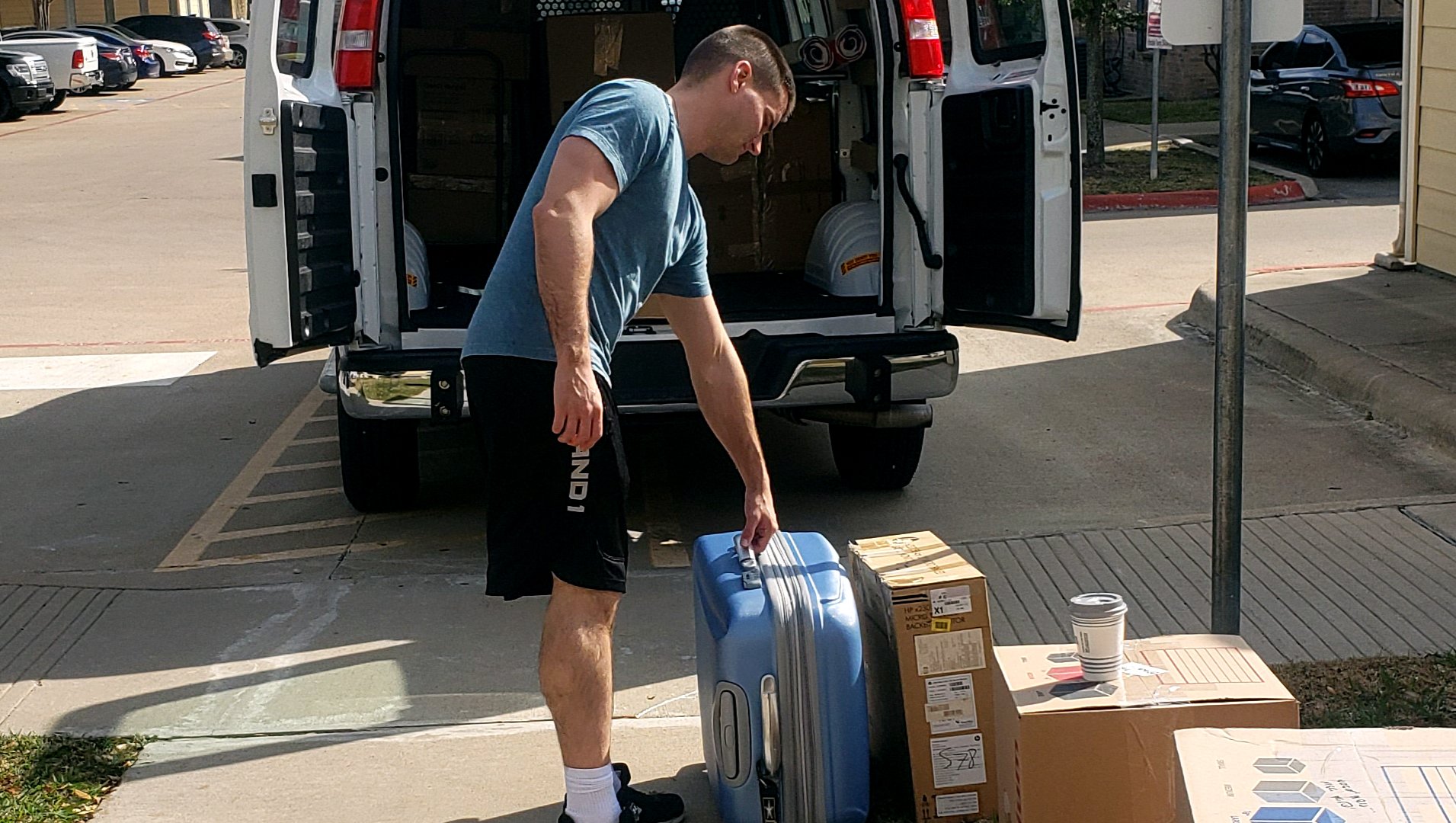
We met when I had to move. An Army wife I knew asked her husband’s battle buddies to help me during Thanksgiving weekend. Dave was one of them. After that weekend, everyone went home — except Dave.
He had a twelve-hour shift, seven days a week, for an entire month for a special exercise. And every single day that month — before his shift or after it — he showed up at my door and helped me finish moving. For a whole month, just because I needed help. No other reason. No conditions. He didn’t try to make it something it wasn’t. He didn’t ask for anything back. He simply showed up, every single day, because I needed him to.
He was my answered prayer from the moment he appeared — I just didn’t yet understand how rare a human being he truly was.
I understand it now. In the two years since his passing, I have tried repeatedly to find help, kindness, and human connection. What I have encountered instead are conditions, expectations, and people who treat others as disposable. No one has simply shown up. What Dave did was not normal. The world has made that very clear to me.
When I needed a roommate, he moved in — not because it was cheaper or more convenient for him (I’m sure it wasn’t), but because I needed someone. He paid for all our food without being asked, without it being discussed, without making it a condition of anything. Living together, we grew close, and eventually a friendship became a love story.
As a partner he was just as thoughtful. He planned entire days around making me feel seen — a deeply personal gift, a special restaurant, walks, adventures, all woven into one birthday or Valentine’s Day, or even just because. He found hidden, remote beautiful places and simply took me there because he thought I would love them. He was rare — the world has very few people like him. I know that now more than I ever wanted to.
His friends said he was always the one who lifted the room — the one who made everyone laugh no matter the situation, who uplifted the people around him regardless of what he was carrying. Everyone leaned on him. No one knew what he was carrying himself.
The Wounds No One Could See — Not Even Those Who Loved Him
Dave served in combat roles for nearly his entire career. In the final chapter of his service, he reclassed from scout to finance — and that reclass brought us to Fort Bliss in May 2023. It was, he said, an attempt to find a little peace at work. After everything those years of combat service had cost him, he was trying to heal.
But the stress of the new duty station hit immediately. In the ten months between our arrival and his death, he bounced continuously between different units — uncertainty about where he belonged, where he might be sent next, what his future looked like — all of it layered rapidly on top of everything his years of service had already cost him silently. Those ten months were his entire time here. Everything happened at an impossible speed.
His wounds were invisible to everyone around him — including me. I did not recognize what was happening. I wish more than anything that I had.
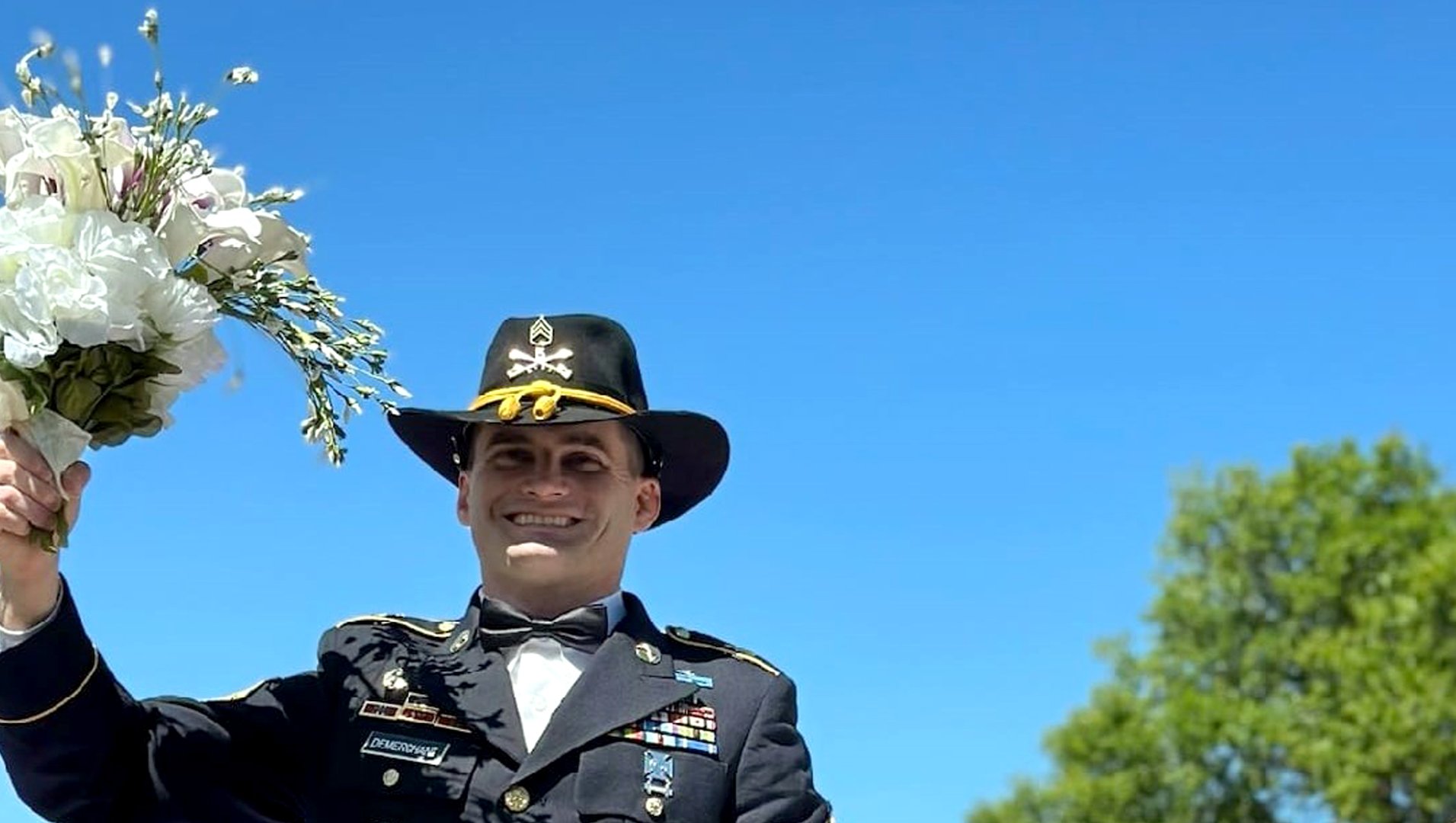
But looking back now, I can see it clearly — it was always there. He bought those guns right after returning from Iraq — years before we even met. They sat in locked boxes, buried deep in our storage closet, untouched, uncleaned, and unseen across nearly five years of our life together. They were simply locked away, invisible, like everything else he was carrying.
The day before he died, he went into that storage closet and dug the gun box out from under all the boxes it had been buried beneath. He transferred a gun into a backpack and left it with his army gear. I had no idea what he was doing at the time.
The next evening, after returning from work, he walked out with that backpack.
A couple of hours later — moments before he pulled the trigger, the gun already in his hands — he texted me. He told me what he was about to do. He said the guns had always been his plan.
That was the first time he had ever said anything like that.
He had carried that plan silently for over a decade. Made everyone around him laugh. Uplifted every room he walked into. And carried this alone the entire time. That is what an invisible wound looks like — invisible to everyone, sometimes even to the person carrying it.
I wish with everything in me that counseling were mandatory in the Military — not as a punishment, not as something to be singled out for, but as a quiet, standard part of service that could reach the soldiers who would never seek it out on their own. It might have saved Dave. Maybe it could save the next one. We keep losing them to wounds no one can see, and it has to stop.
What the Law Required — And What Their Silence Cost Me
When Dave was alive, he was enrolled in the standard SGLI life insurance — the benefit designed to protect military families when the unthinkable happens. I was his sole beneficiary. I never signed anything. I was never notified of any changes. I was told after his death that his full coverage was in place.
Then the deposit arrived. A fraction of what it was supposed to be.
What I later discovered — confirmed by the CAC office’s own screens — is that his coverage had been reduced approximately one month after we arrived at our new duty station, while we were still living in a hotel, searching for a home. It is impossible to update a permanent address to a hotel. Yet somehow, a reduction was processed — and I was never notified.
Federal law requires that a spouse be notified when a service member reduces SGLI coverage. That notification never came to me.
There were nine months between that reduction and Dave’s death. Nine months in which, had I been told, I could have spoken with him and restored the full coverage. Nine months that were taken from me by a failure to follow the law.
When the deposit arrived as a fraction of what it should have been, I went to the offices that exist to serve Gold Star widows. I asked if there was anything I could do. They said nothing. Not one of them told me my rights. Two years later, a retired senior NCO contacted me when my home failed to sell. When I explained my situation, he told me that reducing the coverage without notifying me or getting my consent was against federal law. That was the first time I’d ever heard it. I started researching and discovered I had a one-year window to appeal — a window the offices had kept hidden through their silence. By the time I knew options existed, the door was already closed.
This is why I am here — not in a courtroom, not with a lawyer, but on this page, sharing our story — because the system that was supposed to defend me failed me. I have no legal path left. I have only the hope that people still choose to care.
What Came After: Fighting Every Battle Alone
The injustice did not stop with the insurance.
After Dave’s death, I was assigned a Casualty Assistance Officer whose entire purpose was to guide me through what came next. Instead, she crossed tasks off her list without telling me they needed to be done — tasks I had no way of knowing about, navigating a process I had never faced before, completely alone.
She eventually abandoned me at a VA representative’s office. That representative felt so sorry for me that he helped me with things far outside his job, because otherwise those things simply would not have gotten done.
I had no idea what I was supposed to be doing or how. No one was telling me.
When I called to report this and request a new CAO, I was promised one would be assigned once the Line of Duty decision came in. When it did and I called back, I was told the paperwork they had walked me through signing — the paperwork they had told me was about my next CAO — had actually been signing them out of my case forever. Nothing had been resolved. And the door was closed.
I fought the LOD appeal almost entirely alone. I had to fight simply to receive a JAG appointment I was already eligible for. I had to go to headquarters to plead for basic services that should never have required pleading.
Where I Am Now
I am still in the Fort Bliss area — the city where Dave died, the last duty station the Army ordered us to — because I am trapped.
His death reduced my income to a fraction of what we had together. As a surviving spouse I receive a portion of the retirement he would have received — roughly twenty to thirty percent of the total income we lived on when he was alive. No housing allowance. No subsistence allowance. I cannot afford the home we were approved for together when he was alive. I cannot afford to move without selling first. I cannot sell without absorbing a financial loss I don’t have the cash to take. Every door leads to another wall.
Finding work has been its own battle. I am qualified, and yet I keep hitting walls. Automated systems reject me for lack of experience I actually have. My surviving spouse hiring preference points — points I am entitled to as a Gold Star widow — keep getting stripped away because someone skims past the word “widow” in the eligibility description and decides I must have claimed to be a disabled veteran’s wife instead. I am not a wife. I am no longer married. Because he died.
Two lines. That’s all anyone would need to read.
Instead I am left writing emails to people who will not read, call, or engage like human beings, trying to explain eligibility that should be recognized automatically — on top of every other battle I am already fighting alone.
Every door I approach seems to push me back toward that grave. They cut our income to less than thirty percent of what it was. They stripped away the insurance protection I needed. And now the jobs I need to survive keep slipping away over errors no one will take sixty seconds to correct. He’s dead — I’m not. I won’t disappear. I am still here.
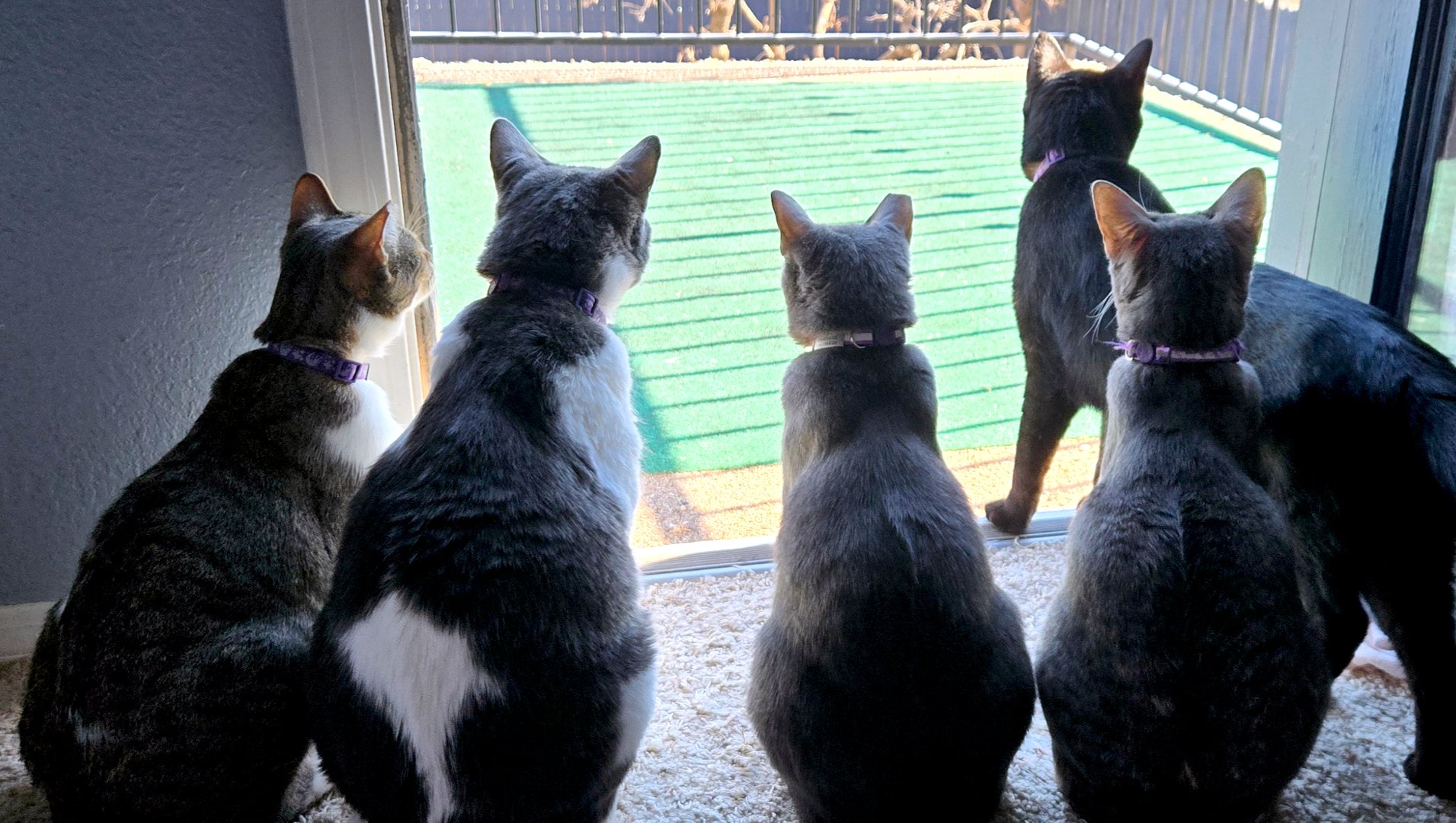
I am completely alone here. No family nearby. No friends. No support system of any kind — except our five cats who he loved more than anything, who need me, and who I will be honest are a significant reason I keep getting up each morning.
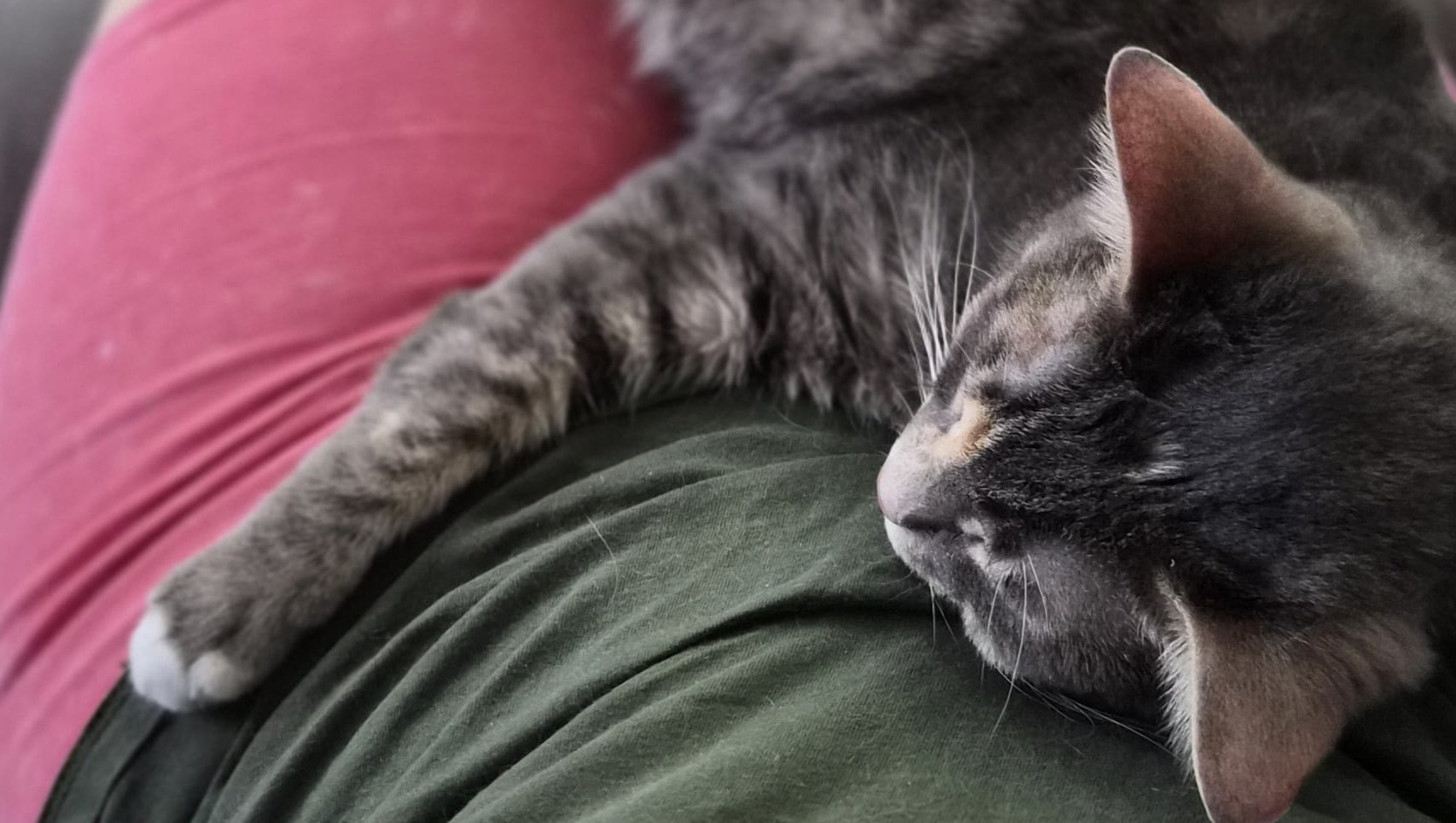
Every small thing is a battle. Getting groceries takes an entire day. People watch me struggle in parking lots and walk past. I once waited a week for a grip opener to arrive from Amazon because I couldn’t open a bottle of oil to cook until it came. Life is genuinely, measurably more expensive when there is no one to call — when every task that most people take for granted must be hired out or simply endured.
For two years I have been isolated, financially crushed, and fighting battle after battle alone. It has felt as though the world expects me to open his grave, crawl in, and disappear. I have been pushed back into that hole every time I tried to climb out. But I am still here. Still fighting.
There is one more thing I feel I need to share, because it belongs here honestly. Dave and I never got the chance to have children — he died too young, too soon. I am 39. That window is closing. Even reaching this goal may not be enough to cover both moving from here and attempting to have children on my own — it is that expensive, and the math is that brutal. But I am not ready to surrender that future without trying. I still hope to make motherhood a reality in my life if I can.
What I Am Asking For
I am asking for enough to:
• Restore what Dave’s service was supposed to protect me with — the insurance he earned through decades of service and three combat tours, that was stripped away from me without my knowledge or consent.*
• Move out of the city I am trapped in and begin building a life that isn’t defined entirely by loss
• Afford the help that others receive from family and friends — because I have neither here, and because a life without any support system carries a very real financial cost most people never have to calculate
• Give myself a fighting chance at the future Dave and I were supposed to have — hopefully, including the possibility of becoming a mother before that door closes entirely
*The amount reflects the original SGLI coverage after GoFundMe platform fees and taxes — what was supposed to actually reach me, not more.
I know this is a significant ask. I know that even if this goal is reached, it may not cover everything. But it represents what was supposed to be there — the protection Dave earned — and I believe that is worth asking for honestly.
Will You Be My Answered Prayer?
My husband was my answered prayer — a true Good Samaritan, in the oldest sense of that word. He helped a stranger move boxes over Thanksgiving weekend simply because I needed it. He showed up every single day for a month, before and after twelve-hour shifts. He moved in when I needed a roommate. He paid for groceries without being asked. He never wanted anything back. He showed up because I needed him — and that was enough reason for him.
So many people pray for others and move on. Dave was the rare kind who became the answer.
I am asking you — whoever you are reading this — to consider being that today.
If you can donate, please do. If you cannot, please share this. Either one matters more than you know. Either one makes you my answered prayer.
You don’t have to move boxes for a month. You just have to share this link, or give what you can, and know that in doing so you are doing exactly what Dave did on a Thanksgiving weekend years ago — showing up for someone who needs it, simply because they need it.
For Dave. For the soldiers we keep losing to wounds no one can see. For the next family that deserves better protection than this one received.
Thank you.
— Haddar DeMerchant
Gold Star Surviving Spouse of SSG David DeMerchant, United States Army
Organizer