L. Femperial "her roots trust"
Be the first to donate
Inspire others and help liliane build momentum.
1st donor
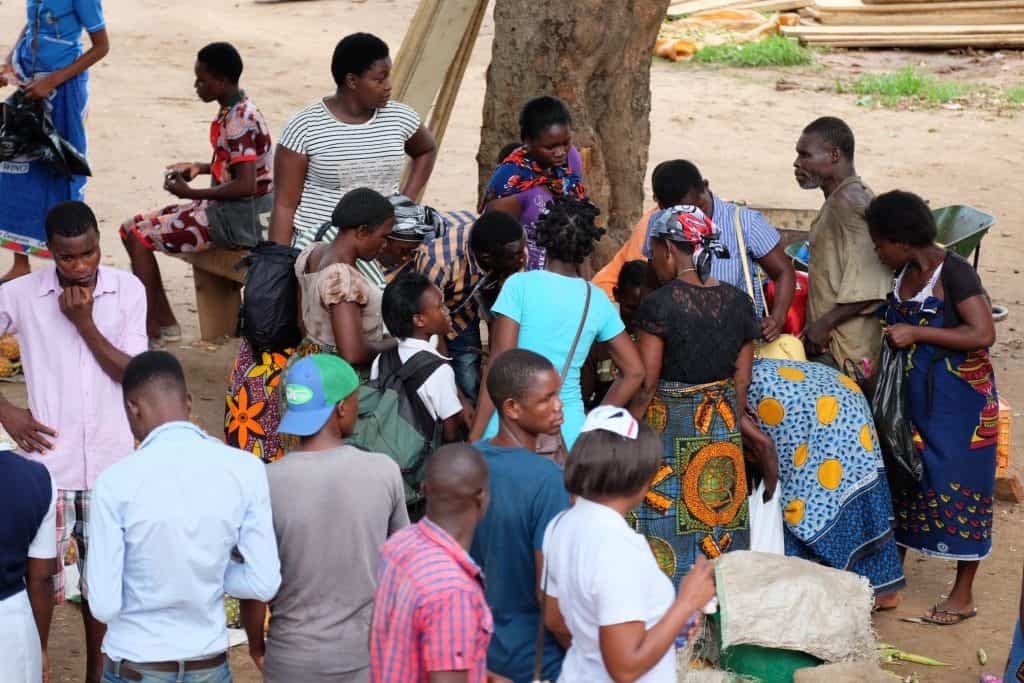
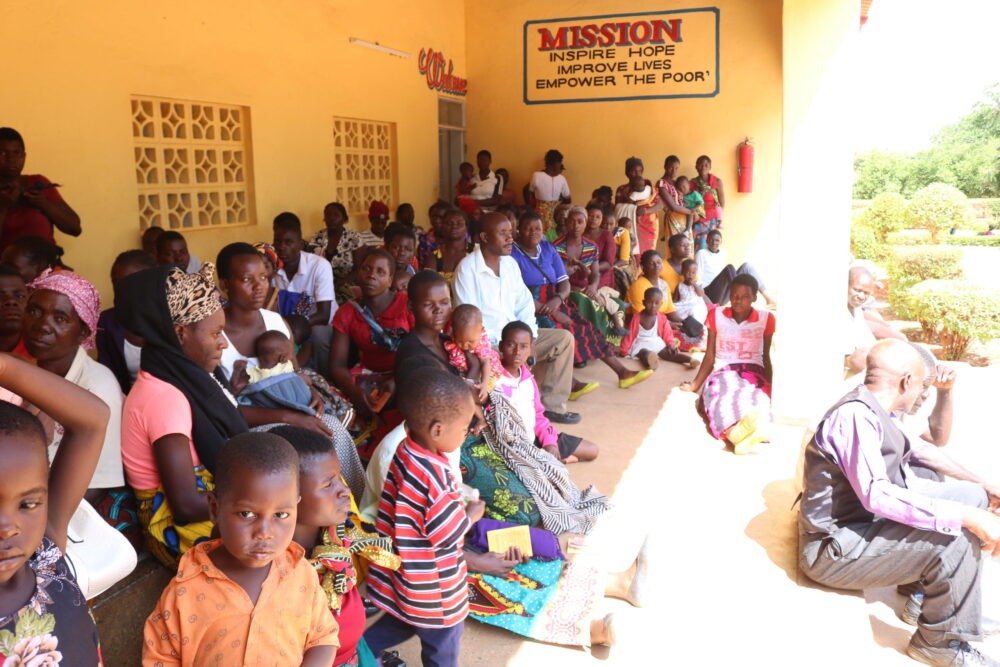
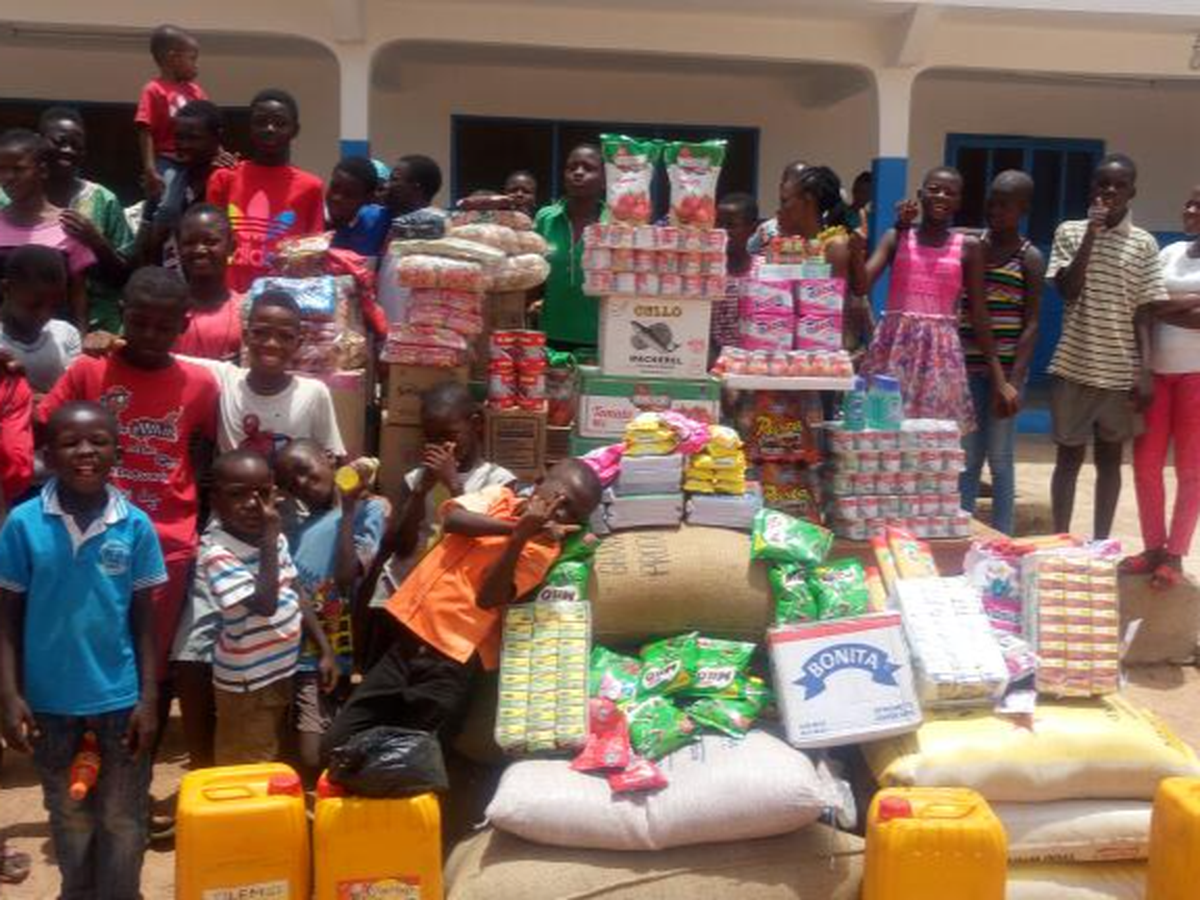
Hi, My name is Liliane Faber, a Belgian of national origin from Guinea. For those who don't know, Guinea is situated in the west of Africa, and gained independence in 1958. I am establishing this fundraising to help the most vulnerable women and children of Sikhourou, Forecariah prefecture of Kindia. Women and children who have been isolated and robbed from civilisation, have never seen a day of light, let alone the luxury you and I may have lived. There is an attachment down bellow for you to have a read yourselves . This is a 5 year plan trying to get as many children into education as possible some of the kids or mothers stories are horrifying you will see as small as a 1 or 2 years old carrying another new born on their backs still carrying their mothers merchandise on top of their heads boys and girls. Little boys all they want is a toy car or better shoes to go play football.
RURAL COMMUNE OF SIKHOUROULOCAL DEVELOPMENT PLAN(L.D.P)III.1 CURRENT STATE OF DEVELOPMENT OF THE COMMUNEIII.1.1. THE STATE OF THE LOCAL SOCIO-ECONOMIC SITUATION• AGRICULTUREThe agricultural potential of the Rural Commune of Sikhourou is very significant but remains underutilized. This sector employs nearly 90% of the population, with rice being the main crop. It is grown as a monoculture in the plains and lowlands and, in some places, on the hillsides. Although modest, surplus production is marketed. The weakness of current production is mainly due to the lack of development of lowlands and plains.Peanuts and tubers (cassava, sweet potatoes) constitute the second staple crop of the commune. As for vegetable crops, they are cultivated throughout the commune. They mainly include lettuce, green onions, okra, eggplant, and chili peppers, which are used for household consumption. The high cost of acquiring agricultural products and inputs, as well as the poor organization of product marketing, are among the obstacles to the development of the agricultural sector. In addition, there are: The rudimentary nature of work tools; The high cost of inputs (seeds, fertilizers, seedlings, insecticides); The lack of substantial financial support for investment; The low level of producer training; The poor organization of producers. LIVESTOCK Livestock farming is traditional in all villages. The main animal species raised are cattle, goats, sheep, and poultry. Despite its importance in the socio-economic life of the CR, livestock farming faces problems related to pastures and recurring conflicts between herders and farmers. These types of conflicts are generally frequent around water points and areas with high potential for off-season crops. It should be noted that the Note that the livestock sector is not organized like in other parts of the country where there are well-organized and powerful associations. However, almost all the people engaged in this activity in the CR express the desire to receive support in raising small ruminants. FISHING As a traditional activity, fishing is practiced by the population in rivers and some ponds, all of which are seasonal. The production is almost entirely consumed, and only one-third of it is delivered to the market. - Weak infrastructure; - The weakness and rudimentary nature of fishing equipment; - The absence of adequate processing, storage, transformation, and marketing structures; - Difficulties for fishermen in acquiring basic equipment and materials (nets, engine spare parts) BEEKEEPING Beekeeping occupies an important place in the rural economy, particularly in in areas with diverse vegetation and a favorable climate. It constitutes an income-generating activity for many households, particularly for young people and women, while contributing to food security and environmental protection through pollination. In several localities, this practice remains artisanal, using traditional hives, with limited mastery of modern production and processing techniques. CRAFTSLess developed, the craft sector is characterized by low production, mainly due to the notable lack of technical and financial support. It is also worth noting the complete lack of organization within the sector.TOURISMThe rural commune of Sikhourou has significant motorable tracks that serve all 11 districts. However, these neglected tracks are in a state of disrepair, making it impossible for people and their goods to circulate, especially during the season Winter Energy: In the municipality, as in certain districts, access to energy remains limited. Some households and institutions use solar panels or generators, which is an advantage. However, the majority of the population still depends on firewood and charcoal, leading to increasing pressure on forest resources. The lack of electricity hinders the development of economic activities, education, and improvements in living conditions. Communication: Mobile phone networks are available and allow people to stay connected with the outside world. Young people increasingly use the Internet and social media. However, in some areas, coverage is weak or nonexistent, and the quality of the connection remains unstable. The high cost of the Internet also makes it difficult for low-income households to access, limiting the use of ICT in educational and economic activities in the municipality. SOCIOECONOMIC INFRASTRUCTURE/ECONOMIC ACTIVITIES The local economy is mainly based on agriculture, livestock, small-scale trade, and handicrafts. Weekly markets are important places for exchange and economic stimulation. However, producers lack means of preservation, processing, and storage, which leads to post-harvest losses. The lack of technical support and financing also limits the profitability of activities. ROADS/TRACKS The commune of Sikhourou has rural tracks that connect villages to each other and facilitate access to markets and basic social services. However, these roads are generally in poor condition, especially during the rainy season when they become impassable. This limits commercial exchanges and complicates the evacuation of patients to healthcare facilities. URBAN PLANNING The urban center is experiencing gradual growth with the establishment of housing. and small businesses. But this urbanization occurs without a master plan, leading to chaotic land occupation. The lack of a development plan also promotes the growth of unhealthy neighborhoods with poor access to basic services. HOUSING: The majority of households live in traditional compounds built with banco or local bricks, which is an advantage in terms of cost and material accessibility. However, many of these dwellings are precarious, poorly resistant to bad weather, and often lack access to drinking water or electricity. This weakens the living conditions of families.EDUCATION: The commune of Sikhourou has primary and secondary schools that accommodate many children. The presence of motivated local teachers is also an asset. But the infrastructure is insufficient and often dilapidated, with a glaring lack of furniture and educational materials. The enrollment of girls remains low, hindered by pdue to early marriages and household poverty. HEALTH AND NUTRITIONThe health center and existing health posts allow the population to access certain basic care, supported by community health workers. Nevertheless, these facilities suffer from a lack of qualified personnel, equipment, and medicine. Access to specialized care remains limited, sometimes forcing populations to travel long distances to receive treatment. WATER, HYGIENE, AND SANITATIONImproved boreholes and wells have been constructed in certain villages, which improves access to drinking water. However, their number remains insufficient, and several facilities break down due to lack of regular maintenance. In some areas, people still consume surface water, which is often exposed to contamination risks. CHILD PROTECTIONWomen play a leading role in the local economy through associations and income-generating activities.
Organizer