- C
- A
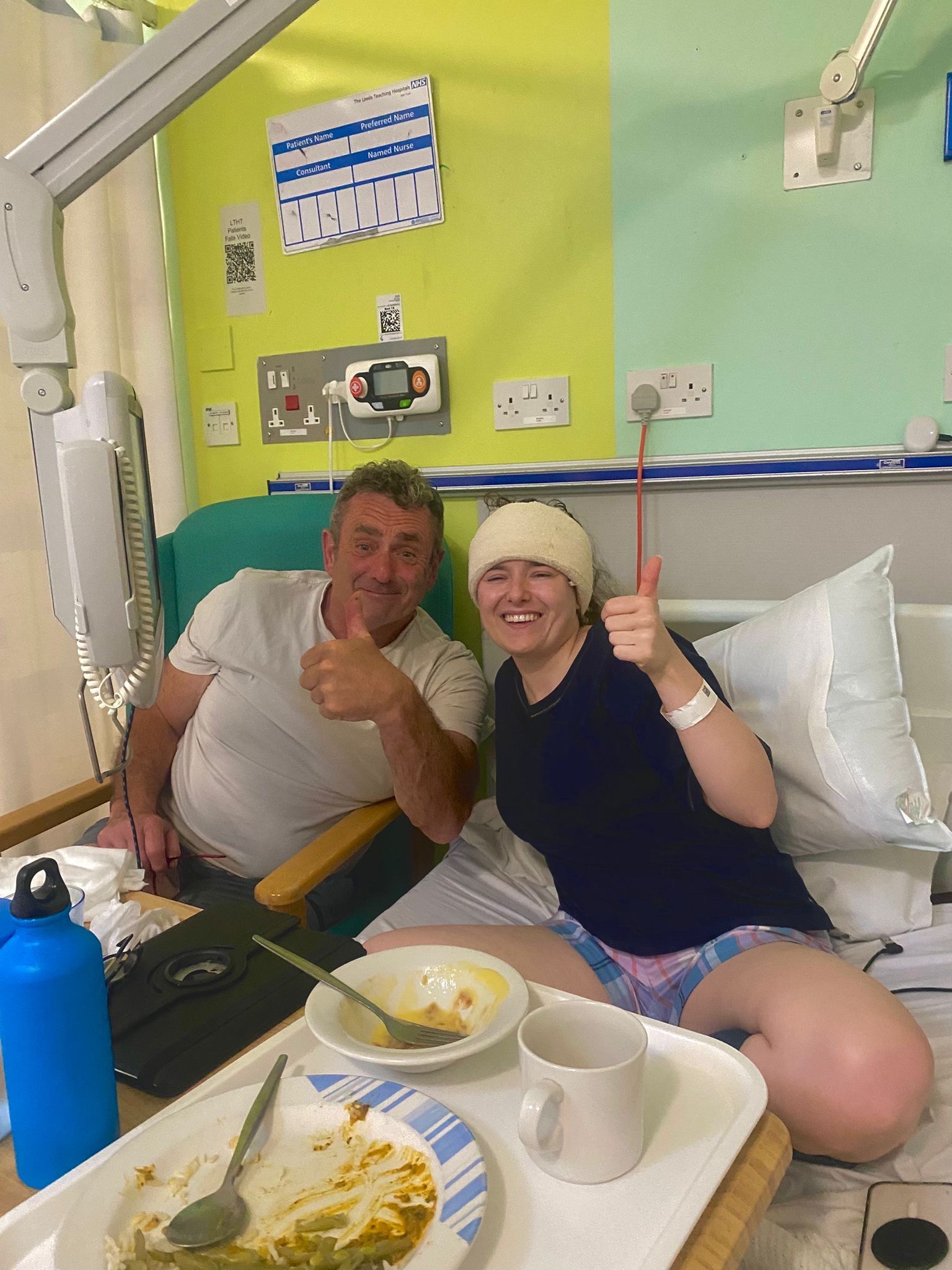
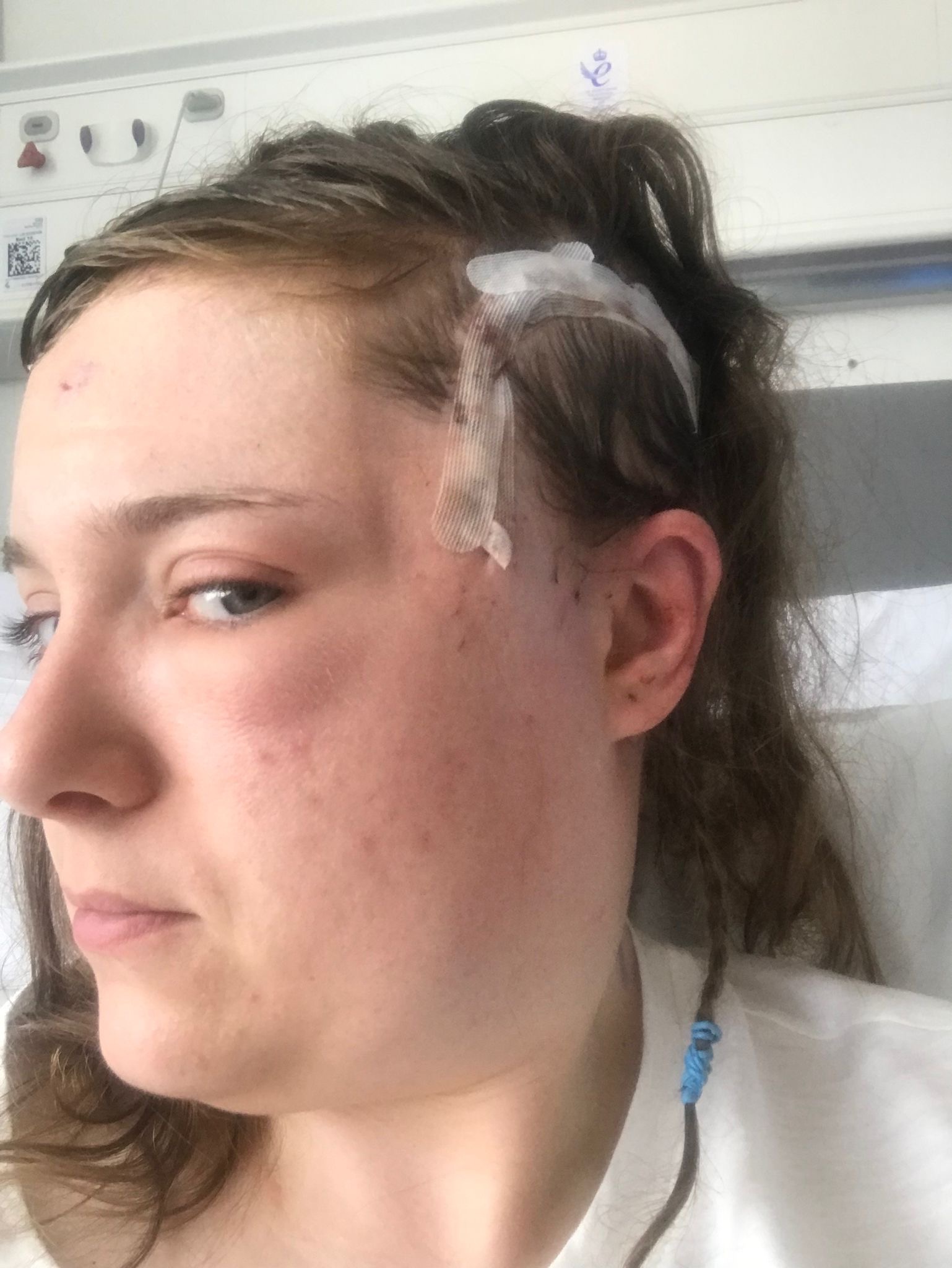
Katie was just 27 when diagnosed with brain cancer
0% complete
£92,651 raised of £150K
809 donations
Katie’s Story
Our daughter Katie is facing something no one should ever have to face, especially at just 27 years of age.
In May 2021, what started as a few worrying symptoms turned into a life-changing diagnosis: a high-grade brain tumour (Glioblastoma).
Instead of building her future with her partner Lewis, Katie was suddenly thrown into brain surgery, cancer treatment, and an uncertain road ahead.
If you know Katie, you’ll know she’s the kind of person who lights up a room, enjoys the simplest things in life, she is kind, funny, and always thinking of others before herself. That hasn’t changed, even now.
What Katie Has Already Been Through
In July 2021, Katie underwent a major awake brain surgery, where doctors were able to remove around 70% of the tumour.
She then went through:
Radiotherapy: [standard of care]
Chemotherapy: [Temozolomide (TMZ)]
Her tumour was tested for:
MGMT status: [unmethylated]
IDH status: [wildtype]
Then something remarkable happened.
For nearly four years, Katie’s scans remained stable.
Four years of being able to live, laugh, and make memories. Four years where we had hope.
Where We Are Now
In May 2025, the tumour returned.
Katie underwent further surgery in June 2025 followed by:
Additionaltreatment:Temozolomide (TMZ) and PCV chemotherapy.
Despite everything she has endured, recent scans in January 2026 show the tumour is continuing to grow. She has recently been treated with more radiotherapy and she is waiting for a follow up MRI scan on the 25th May.
Her medical team has told us that standard treatment options are now extremely limited.
Katie has also been assessed for clinical trials:
Eligibility: She is currently not eligible for any open clinical trials.
This is the point no family ever wants to reach.
Why We Are Asking for Help
The NHS has been incredible, and we are so grateful for everything they’ve done.
But right now, we are running out of options.
After extensive research and discussions with specialists, we have identified a potential immunotherapy treatment, which is not available in the UK that could give Katie another chance.
The Treatment Giving Us Hope
Katie has been in contact with the IOZK clinic in Cologne, Germany: under Stefaan Van Gool.
She has been accepted for a personalised multi model immunotherapy programme.
This treatment is tailored specifically to her tumour and immune system, and may include:
Personalised cancer vaccine (created from her own cells)
Immunotherapy (including Tecentriq)
Virus therapy and supportive treatments
Advanced testing to guide treatment
This is not available on the NHS.
It is not a guaranteed cure.
But it offers something we don’t currently have in the UK — a real possibility of slowing the tumour and giving Katie more time.
The initial fund raising target was set at £75,000 The cost of treatment alone over the three initial visits over 3 months came in at £63,000. This does not include travel, accommodation, care, or other essential expenses involved in receiving treatment in Germany.
The first three months of treatment include:
Liquid Biopsy-a non-invasive diagnostic test in which a sample of a body fluid—most commonly blood—is analysed to detect disease-related material, especially cancer cells, identifying their genetic mutations to guide targeted therapy, monitoring response to treatment and identifying resistance mutations.
Comprehensive oncological diagnostics – detailed testing and ongoing monitoring of the brain tumour to assess its progression and guide treatment
Dendritic cell therapy – a personalised immunotherapy that trains the body's own immune cells to recognise and attack the tumour.
Oncolytic virotherapy combined with loco-regional radiofrequency hyperthermia – specially designed viruses are used to target cancer cells, while controlled heat therapy helps enhance the treatment's effectiveness and stimulate the immune system.
Tecentriq (atezolizumab) – an immunotherapy drug that helps the immune system identify and fight cancer cells.
Since returning from our first trip to Germany, we've learned that this is not a one-off treatment. If the treatment is successful and future scans remain stable—or, even better, show improvement—she will need to return to Germany regularly for ongoing maintenance treatment, monitoring, and consultations.
This means the costs extend far beyond the initial treatment, with repeated travel, accommodation, and follow-up care becoming essential parts of her treatment plan.
For that reason, we have made the difficult decision to increase our fundraising target from £75,000 to £150,000. This gives us the best chance of funding not only the initial treatment but also the ongoing care needed to give this treatment every opportunity to succeed.
Thank you again for everyone’s ongoing support x