- T
- C
Breastfeeding Support Program in Khanke Refugee Camp
Birthed out of the desire to provide women with the education and support to help their babies thrive, the Iraq Breastfeeding Support Program seeks to empower mothers. Dr. Chew, an OB/GYN serving in a refugee camp of 32,000, saw the devastating effects of moms who did not have the support and knowledge to breastfeed. Mothers using formula struggled with the end of formula distribution due to cuts in aid funding, and mothers were left without a way to feed their babies because their breastmilk supply had decreased and their families did not have the resources to purchase formula. This left babies vulnerable to becoming malnourished, failure to thrive, and ultimately death.
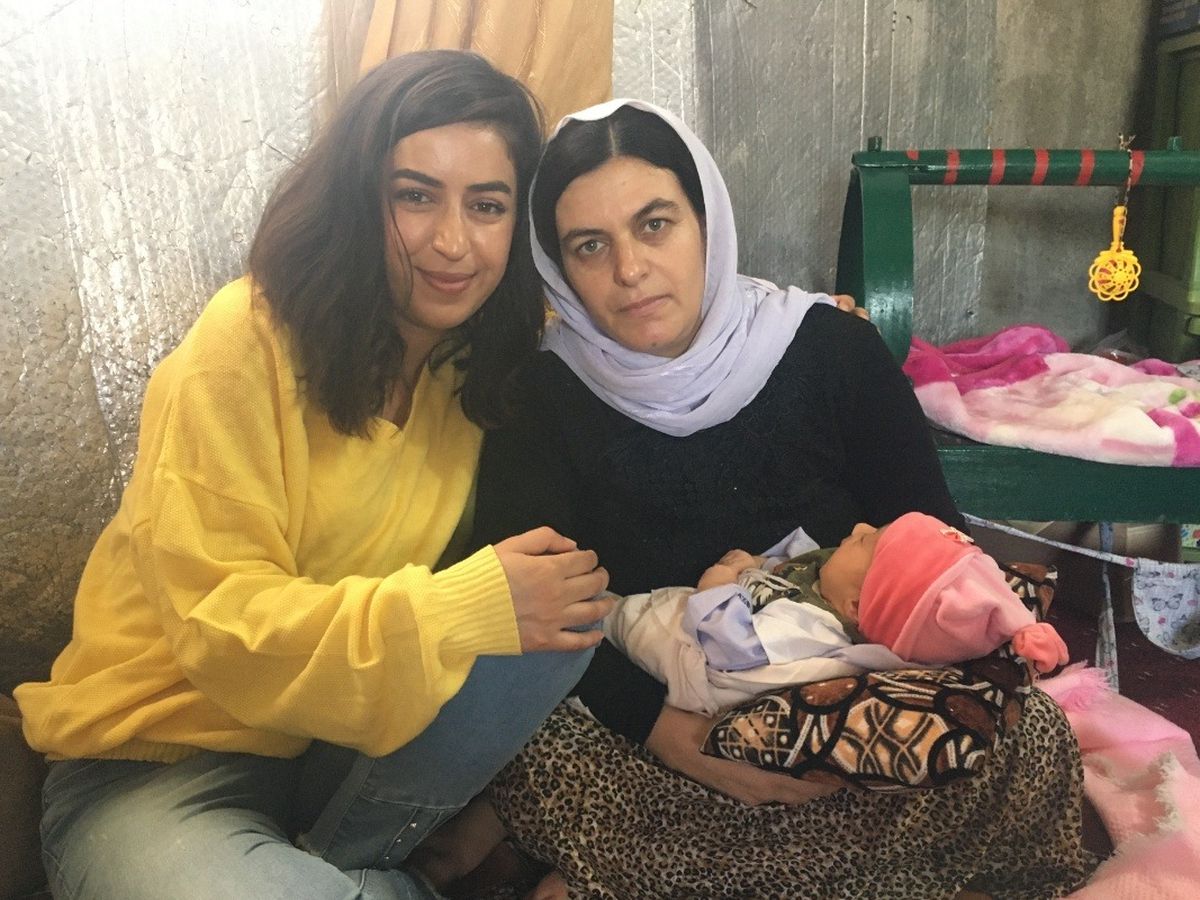
Dr. Chew invited me, as a public health professional and lactation consultant (IBCLC), to go to Iraq in 2018 to train local women to be community health workers (CHWs). These CHWs provide education through prenatal and postpartum breastfeeding classes, and through direct support by visiting the most vulnerable moms and babies in their tents. During the tent visits, the CHWs assess breastfeeding and monitor the babies’ weights to ensure appropriate growth. During my most recent trip in November 2019, I accompanied the CHWs on tent visits. Tent after tent we visited, the mothers communicated their gratitude for the support they received, and how thankful they were to have resources freed up to provide food for the rest of the family. To see women empowered and the impact that the CHWs are having was an incredible experience and honor to be a part of. The program has had wonderful success over the past 13 months, and it has been sustained thus far through private donations.
The issue of breastmilk vs. formula is fraught with tension in our culture. The decision of how to feed one’s baby, however it is made, does not determine the adequacy of a woman to be a good mother. All mothers want to be able to provide for their babies and see them thrive; for many that journey is not an easy or simple path, and all mothers deserve the right support to make an informed decision regarding what is best for them and their family. This program is about empowering women by helping those in situations with limited funds and education who are living in refugee camps with very limited support. Please consider donating so that we can continue to provide lifesaving support to these babies and their families.
Stories from moms we visited:
Two weeks postpartum: “This is my 6th baby. I have had problems breastfeeding my other children, which caused incredible financial strain on my family because formula is so expensive [formula is the same price in the refugee camps as it is in America]. Three days after I gave birth, Manal [CHW] came to visit me. My breasts were so full and heavy and my baby was having a hard time latching. Even though Manal taught me hand expression, I could not do it because it was too painful. Manal stayed with me for two hours, hand expressing my breasts until they were soft. She gave me a plan of what to do and how to help my baby latch. He is now exclusively breastfeeding and he is happy and getting bigger. I am so relieved because my family has more money now to be able to buy food.”
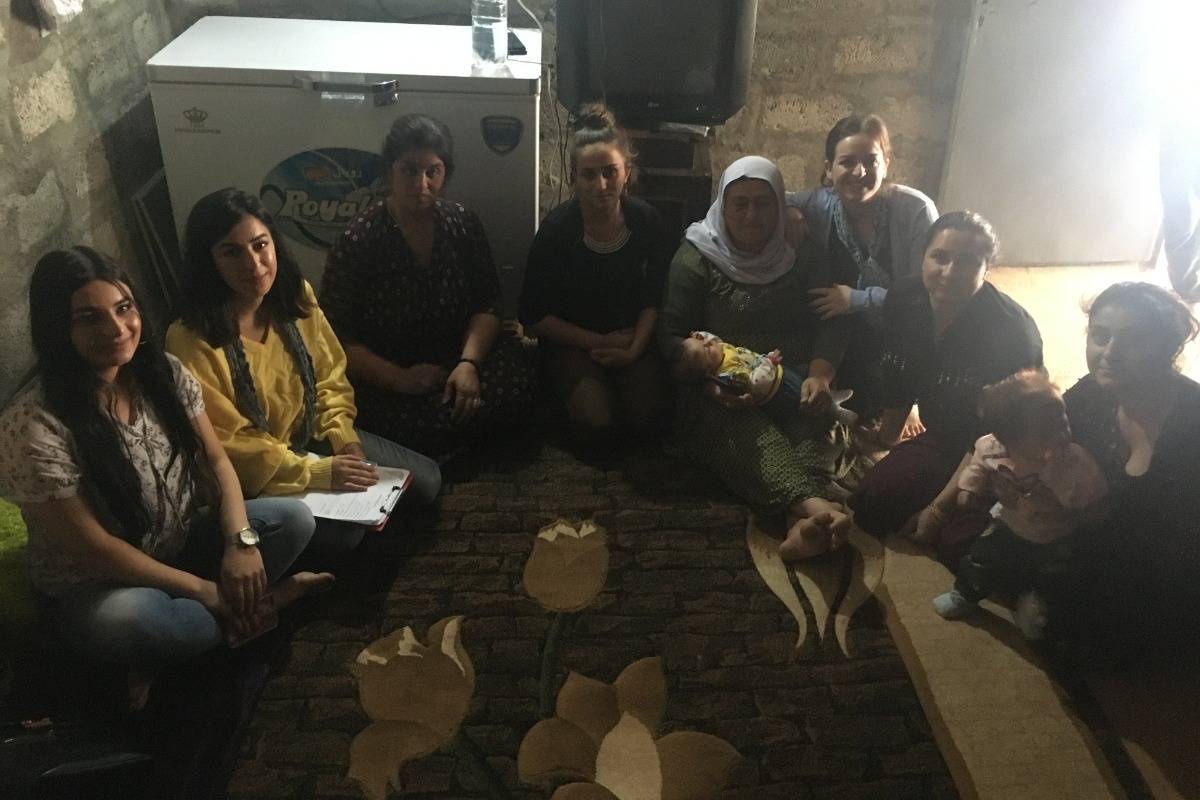
Four days postpartum: “Because of what Jamilya [CHW] told me about colostrum and when I should expect my milk to come in, I did not offer donated formula in the first few days. I felt a little worried because I thought I did not have enough milk, but my milk came in this morning and I can hear my baby swallowing and I know she is happy because she is getting more milk now.”
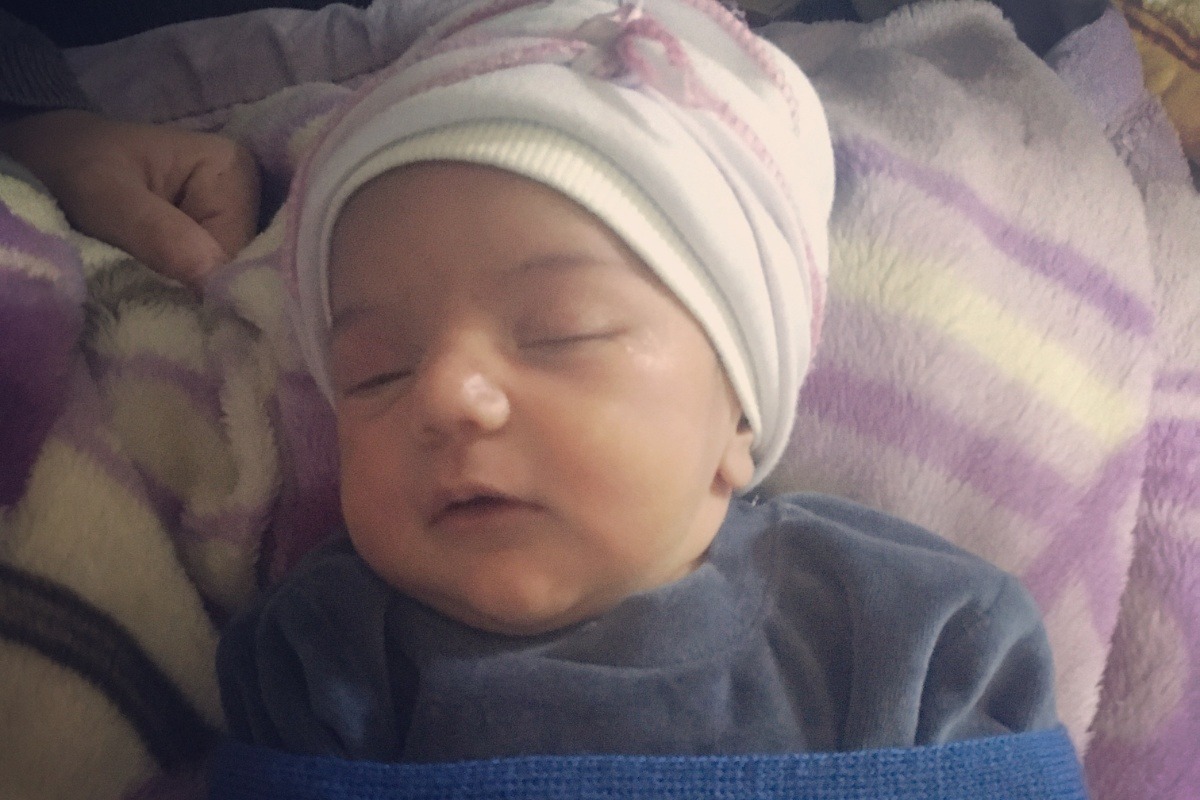
Another mom we visited expressed concern that her four-week-old was not getting enough milk due to the baby crying; she had asked her neighbor to come to her tent and breastfeed her baby a few times. I watched as the CHW gently talked through some of the physiological reasons her baby may be crying (i.e. growth spurt/needing comfort) and why her breasts may feel softer (i.e. milk supply begins regulating between 4-6 weeks/baby is transferring more completely). Through questions and conversation, the CHW discussed with the mom that her milk supply appeared adequate due to baby’s appropriate weight gain and diaper output as well as observing how the baby was breastfeeding and showing the mom how to identify that her baby was actively sucking and swallowing for 15 minutes and came off of the breast happy and satisfied.
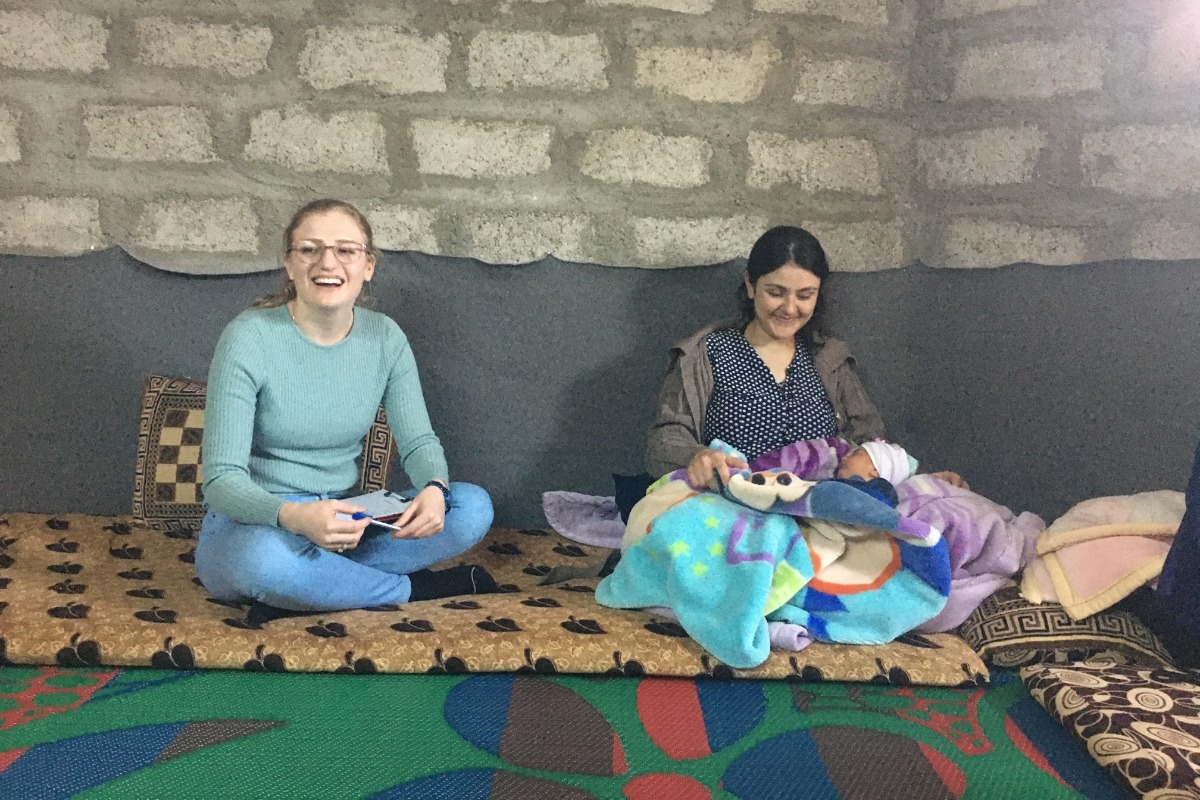
Postpartum Breastfeeding Education Class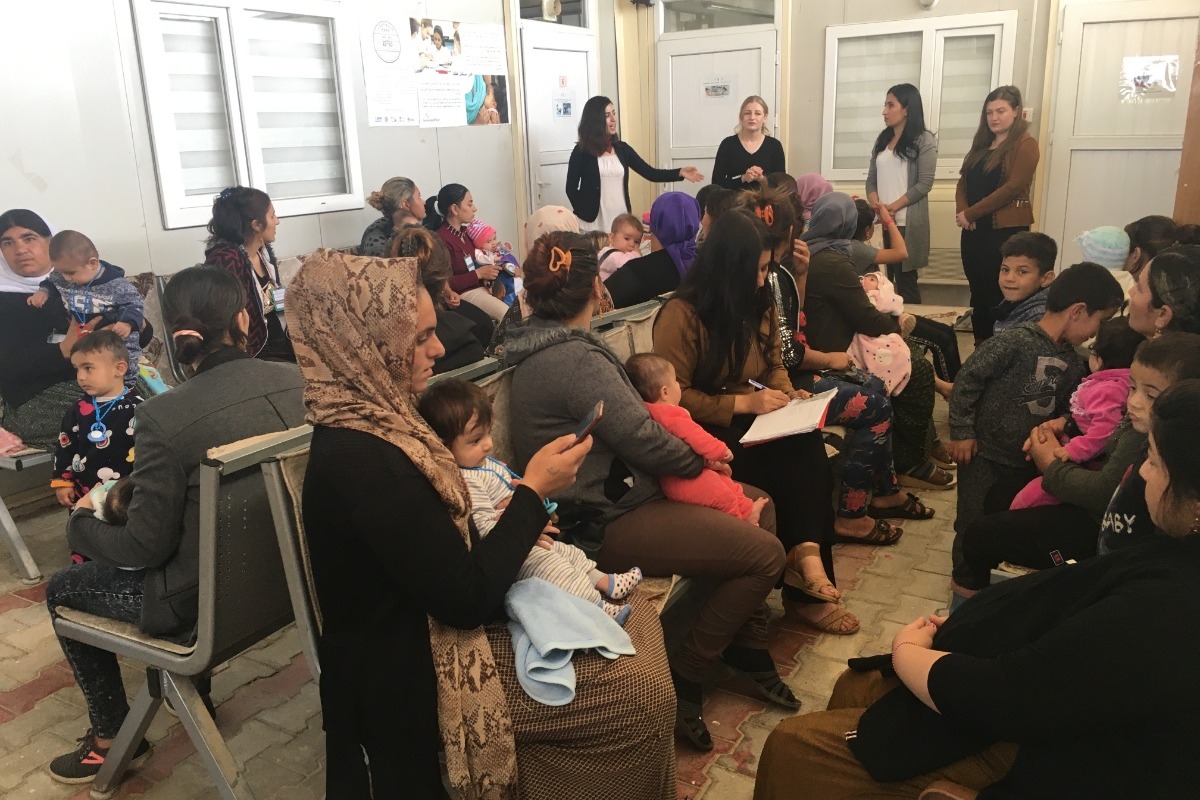
Birthed out of the desire to provide women with the education and support to help their babies thrive, the Iraq Breastfeeding Support Program seeks to empower mothers. Dr. Chew, an OB/GYN serving in a refugee camp of 32,000, saw the devastating effects of moms who did not have the support and knowledge to breastfeed. Mothers using formula struggled with the end of formula distribution due to cuts in aid funding, and mothers were left without a way to feed their babies because their breastmilk supply had decreased and their families did not have the resources to purchase formula. This left babies vulnerable to becoming malnourished, failure to thrive, and ultimately death.
Dr. Chew invited me, as a public health professional and lactation consultant (IBCLC), to go to Iraq in 2018 to train local women to be community health workers (CHWs). These CHWs provide education through prenatal and postpartum breastfeeding classes, and through direct support by visiting the most vulnerable moms and babies in their tents. During the tent visits, the CHWs assess breastfeeding and monitor the babies’ weights to ensure appropriate growth. During my most recent trip in November 2019, I accompanied the CHWs on tent visits. Tent after tent we visited, the mothers communicated their gratitude for the support they received, and how thankful they were to have resources freed up to provide food for the rest of the family. To see women empowered and the impact that the CHWs are having was an incredible experience and honor to be a part of. The program has had wonderful success over the past 13 months, and it has been sustained thus far through private donations.
The issue of breastmilk vs. formula is fraught with tension in our culture. The decision of how to feed one’s baby, however it is made, does not determine the adequacy of a woman to be a good mother. All mothers want to be able to provide for their babies and see them thrive; for many that journey is not an easy or simple path, and all mothers deserve the right support to make an informed decision regarding what is best for them and their family. This program is about empowering women by helping those in situations with limited funds and education who are living in refugee camps with very limited support. Please consider donating so that we can continue to provide lifesaving support to these babies and their families.
Stories from moms we visited:
Two weeks postpartum: “This is my 6th baby. I have had problems breastfeeding my other children, which caused incredible financial strain on my family because formula is so expensive [formula is the same price in the refugee camps as it is in America]. Three days after I gave birth, Manal [CHW] came to visit me. My breasts were so full and heavy and my baby was having a hard time latching. Even though Manal taught me hand expression, I could not do it because it was too painful. Manal stayed with me for two hours, hand expressing my breasts until they were soft. She gave me a plan of what to do and how to help my baby latch. He is now exclusively breastfeeding and he is happy and getting bigger. I am so relieved because my family has more money now to be able to buy food.”
Four days postpartum: “Because of what Jamilya [CHW] told me about colostrum and when I should expect my milk to come in, I did not offer donated formula in the first few days. I felt a little worried because I thought I did not have enough milk, but my milk came in this morning and I can hear my baby swallowing and I know she is happy because she is getting more milk now.”
Another mom we visited expressed concern that her four-week-old was not getting enough milk due to the baby crying; she had asked her neighbor to come to her tent and breastfeed her baby a few times. I watched as the CHW gently talked through some of the physiological reasons her baby may be crying (i.e. growth spurt/needing comfort) and why her breasts may feel softer (i.e. milk supply begins regulating between 4-6 weeks/baby is transferring more completely). Through questions and conversation, the CHW discussed with the mom that her milk supply appeared adequate due to baby’s appropriate weight gain and diaper output as well as observing how the baby was breastfeeding and showing the mom how to identify that her baby was actively sucking and swallowing for 15 minutes and came off of the breast happy and satisfied.
Postpartum Breastfeeding Education Class