- D
- K
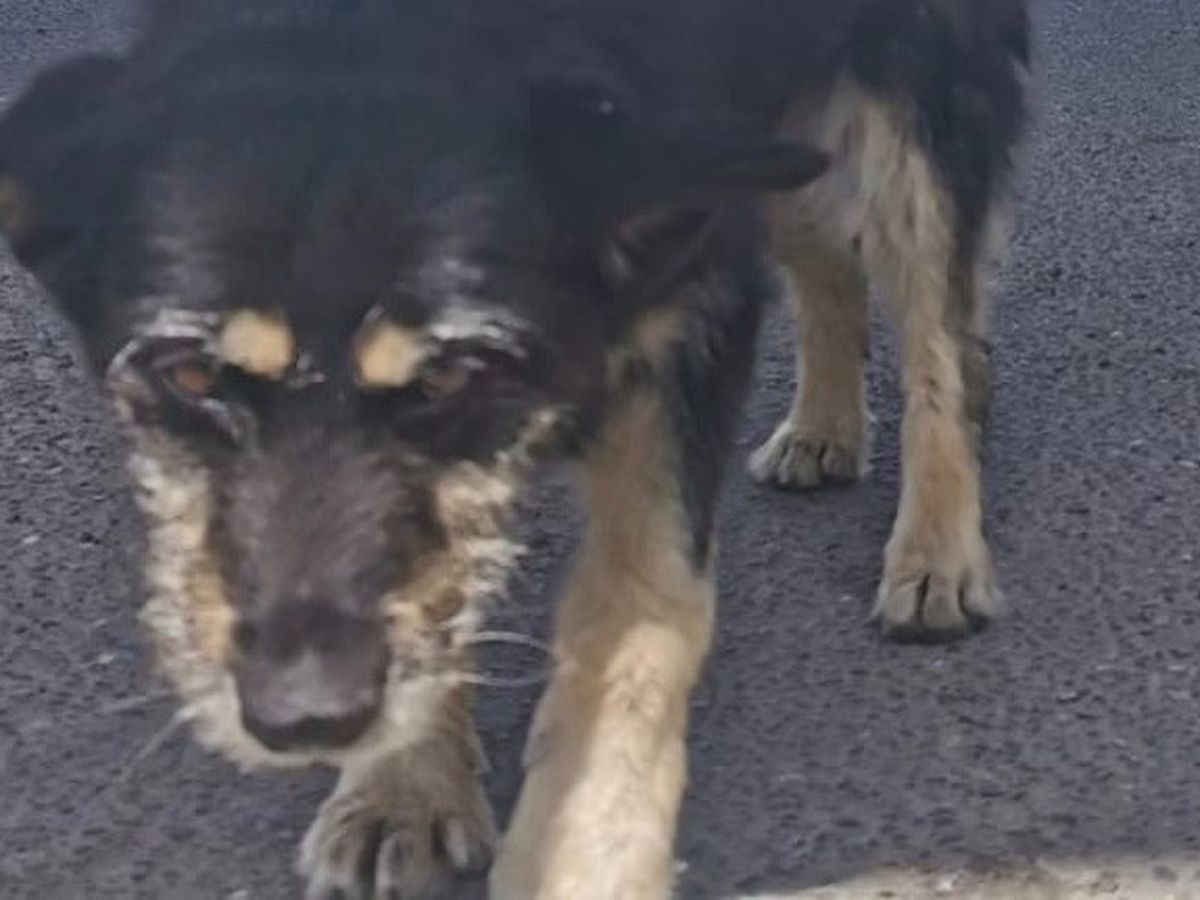
Helping the Homeless Dogs of Romania
0% complete
$4,239 raised of $5K CAD
33 donations
Hi! My name is Melanie, and I am a semi-retired veterinarian from Saskatchewan, Canada. During my recent trip to Romania to assist with humanitarian efforts for displaced Ukrainian people, I was struck by the number of stray dogs living on their own in Romania. In fact, it is estimated by the European Society of Dog and Animal Welfare that there are at least 2 million stray dogs in Romania.
From 1974 to 1989, people’s lands and homes were seized to pay off Romania’s debts, forced into apartment buildings in urban centres. Because pets were not allowed in apartments, many dogs and cats were turned loose on the streets and in the country, where they were free to reproduce. The population become uncontrolled.
Dogs started to become feral and run in packs, resulting in fear amongst the people of Romania. The fear and hatred of dogs resulted in their killing, often in inhumane ways. Dogs were shot, poisoned, hung, burned to death or confined to small kennels where they would die of dehydration or starvation. A law passed in 2013 allowed for the killing of all dogs after 14 days of capture, resulting in more and more dogs being caught and confined. Animal abuse was rampant.
Legislation prohibited the release of stray dogs back into the streets, even if neutered. This has led to the current situation, where large number of dogs are often housed in overcrowded shelters lacking resources, and many more roam the streets freely, un-neutered and at risk of injury and disease.
The plight of dogs in Romania was documented in late 2018 in the video “A Dog’s Life- The Homeless Dogs of Romania” at The Homeless Dogs of Romania .
It is accepted worldwide that the stray dog problem cannot be solved by killing dogs, but only through neutering and through the education of citizens. While neutering and vaccination play an important role in tackling the issue, a focus on human behavioural change is equally important. Breeders, sellers and buyers have to be made aware of their responsibilities through education. Mandatory identification and registration are important to ensure proper legislative enforcement and to allow the tracking of stray dog populations.
Although more work needs to be done, things are moving in the right direction. In 2014 the World Organsation for Animal Health (OIE) launched the Regional stray dog Roadmap for the Balkans. All Balkan countries, including Romania, agreed to be fully compliant with OIE Chapter 7.7. on stray dog population control by 2025, a project financially supported by the EU. The aim is to develop national roadmaps, monitor their situation on a regular basis, and reduce the stray dog population with humane methods.
You may wonder, why do I want to help dogs in a country across the world instead of right here in Canada? I have spent my entire career helping animals in Canada. I have never seen a situation like that in Romania. Here in Canada, we have progressive animal protection laws and well-funded animal shelters that aim to re-home animals rather than to kill them. Citizens in Canada, in general, are much more aware of the responsibilities of pet ownership and preventing pet overpopulation which leads to suffering. The situation in Romania is much different. The dogs of Romania need help and resources are sorely lacking.
Although I can only do so much as one person, I plan to collaborate with a global organization, ACT Foundation Global, and their Romanian subsidiary, to provide veterinary service such as sterilization, treatment and other surgical procedures to provide food and medications, and to increase public awareness and education about responsible animal care and population control.All of my work will be done with no-kill shelters and on the streets rather than in the public shelters following the 14-day kill policy.
I will be establishing a hub in Europe and in concert with ACT Foundation Romania, to begin my efforts near the City of Timisoara in Romania. All of my veterinary work will be done free of charge as a volunteer, but I will need funding for materials, medication and pet food. As the project grows, we will expand to other areas where help is needed and as resources are available. I will be traveling to Romania on an intermittent but regular basis to provide this much-needed care for dog and other animals.
If you would like to help the dogs of Romania by making a donation, I will be immensely grateful. All of my travel will be self-funded; your donations will be used directly for food, medications and medical supplies for these beautiful creatures.
One positive act each day, one life at a time.