Helping Diandra Through Spinal Surgery & Recovery
0% complete
$14,122 raised of $15K
157 donations
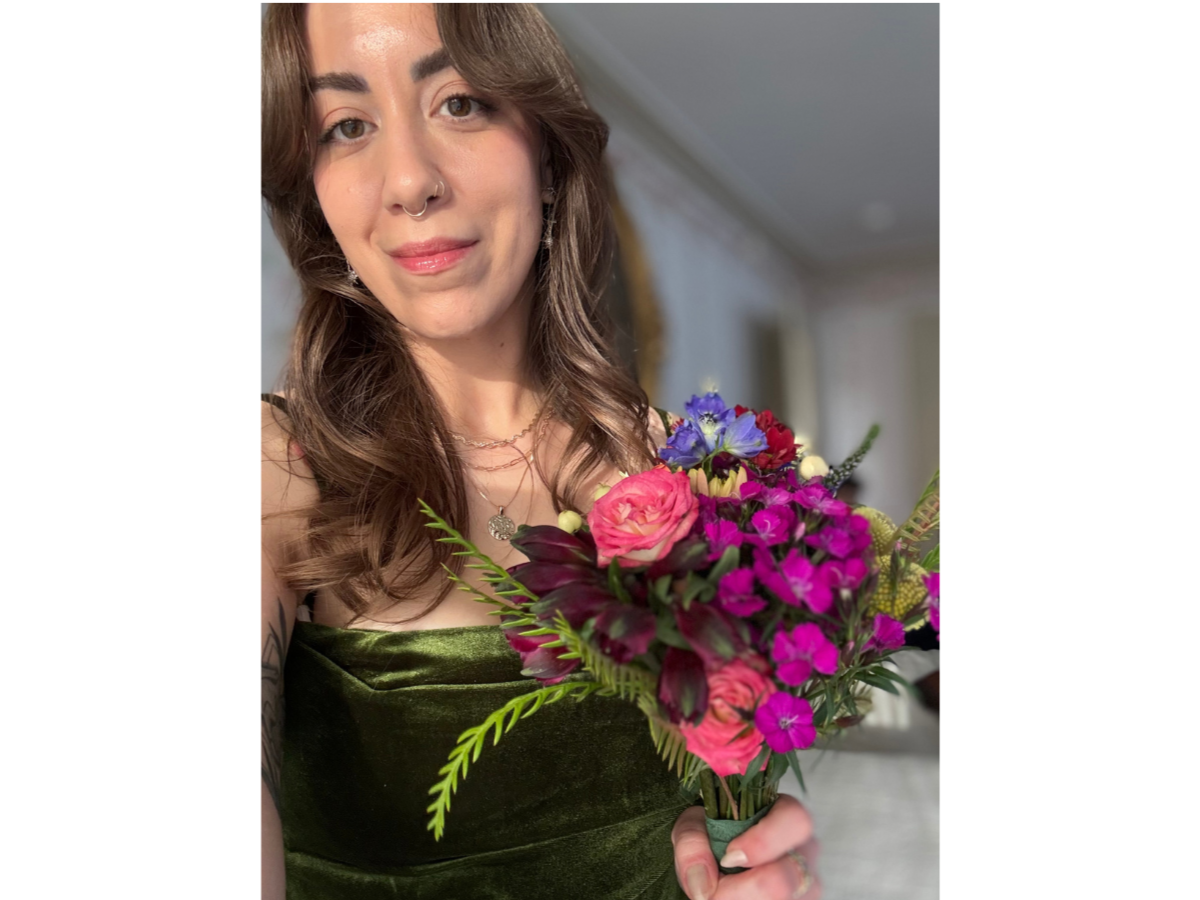
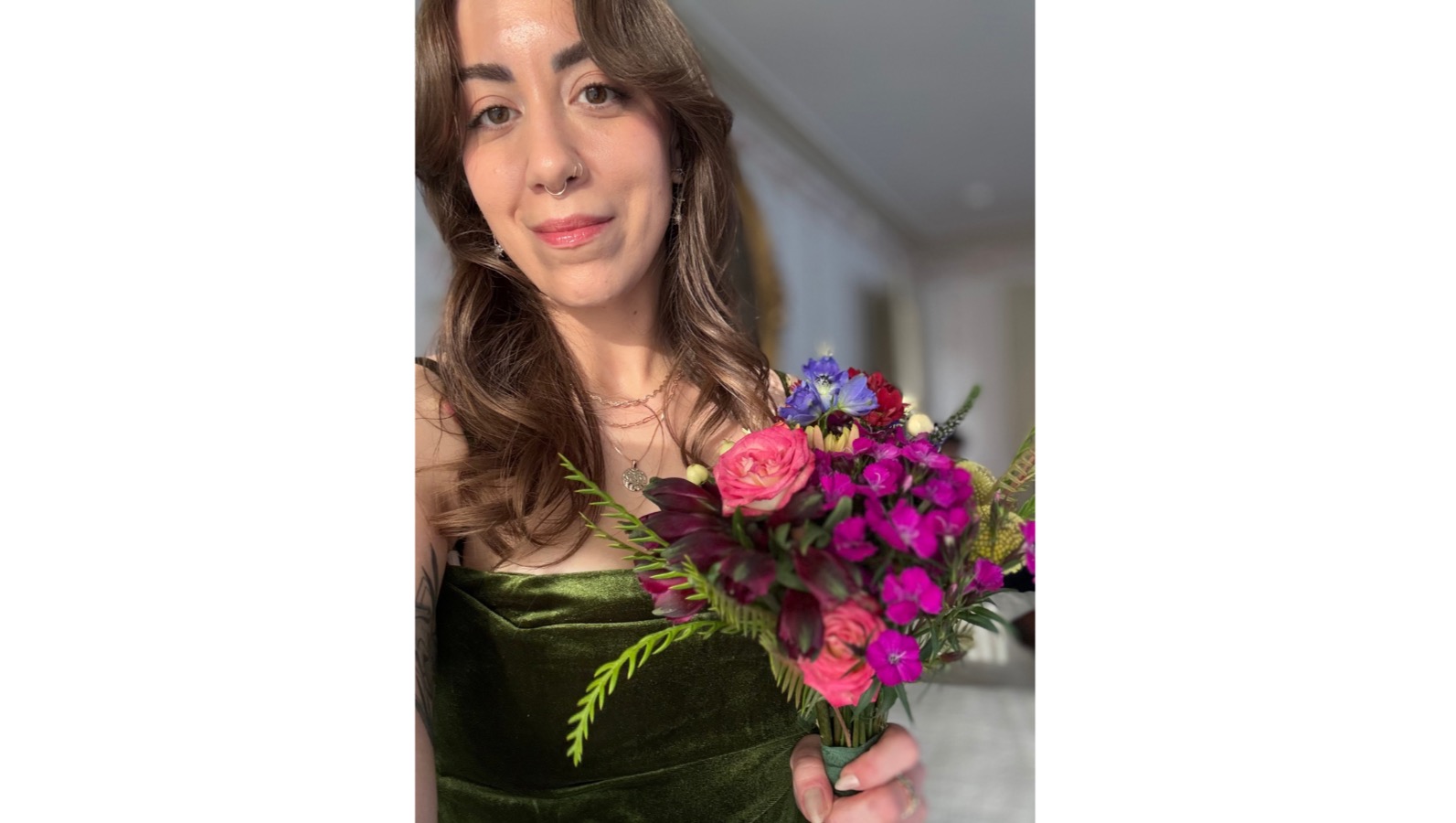
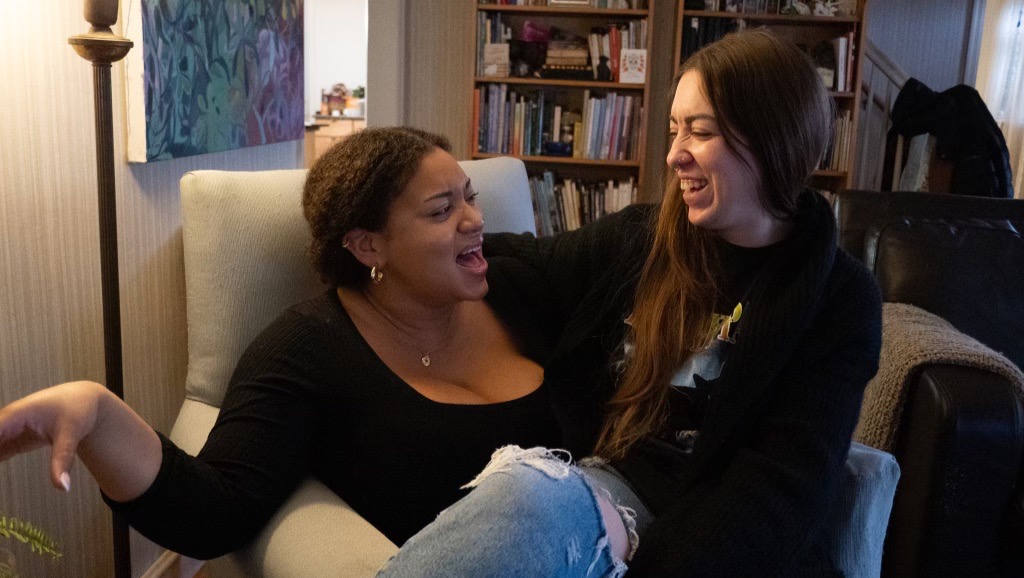
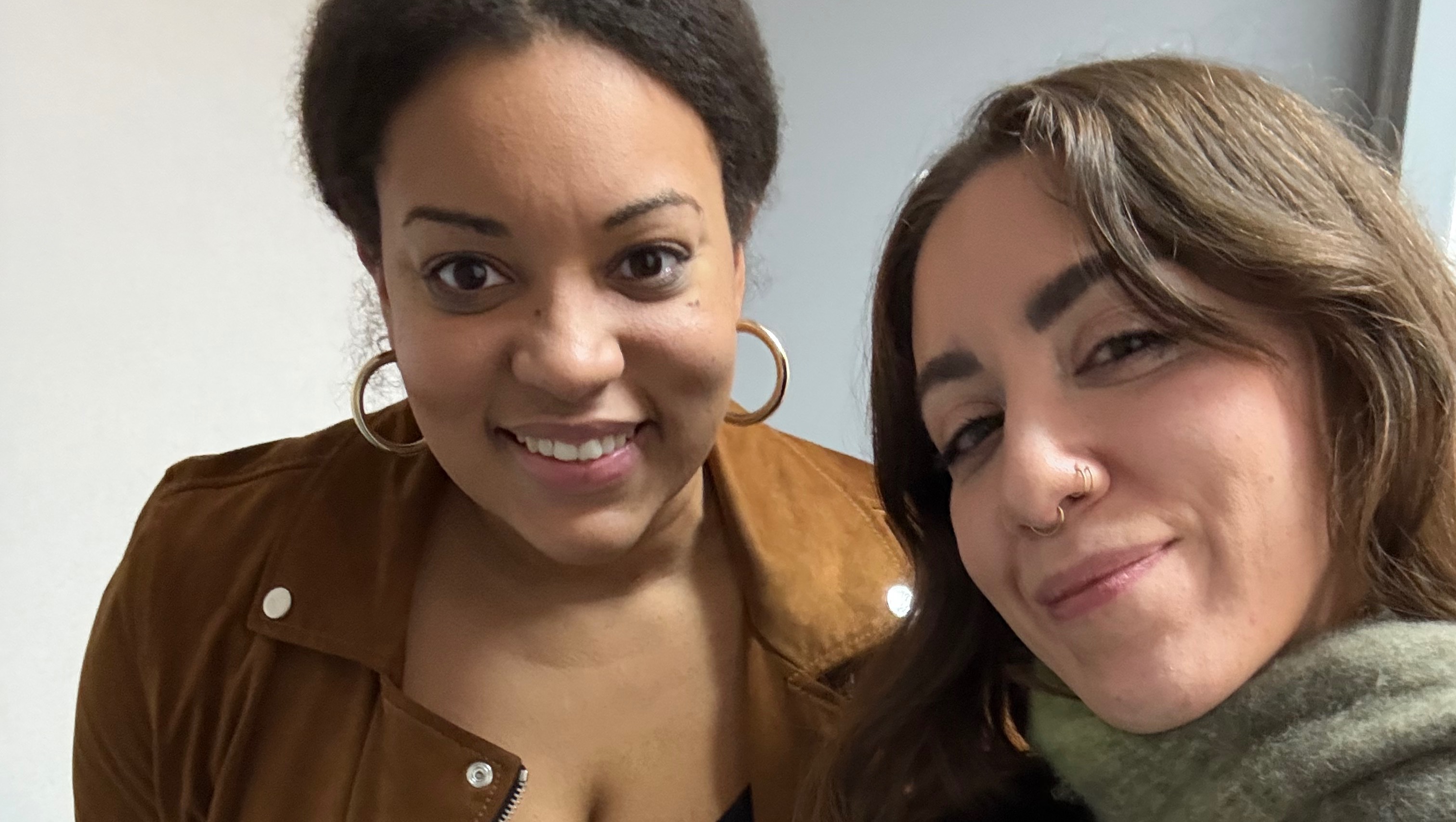
Hi, I’m Claire — and I’m writing this fundraiser on behalf of my best friend, chosen family, and “wife,” Diandra (as we’ve called each other for nearly two decades).
⭐ If you only read one thing:
Diandra was recently diagnosed with rare neurological spinal cord conditions and has major spinal surgery scheduled for January 28, after years of worsening symptoms and medical dismissal. This surgery is not a cure — but without it, she risks long-term neurological impairment, permanent nerve damage, and paralysis.
Our goal is $15,000 to help cover her insurance out-of-pocket maximum, required home recovery setup, medical supplies, general living expenses while she’s unable to work, allergy-safe food, and platform fees.
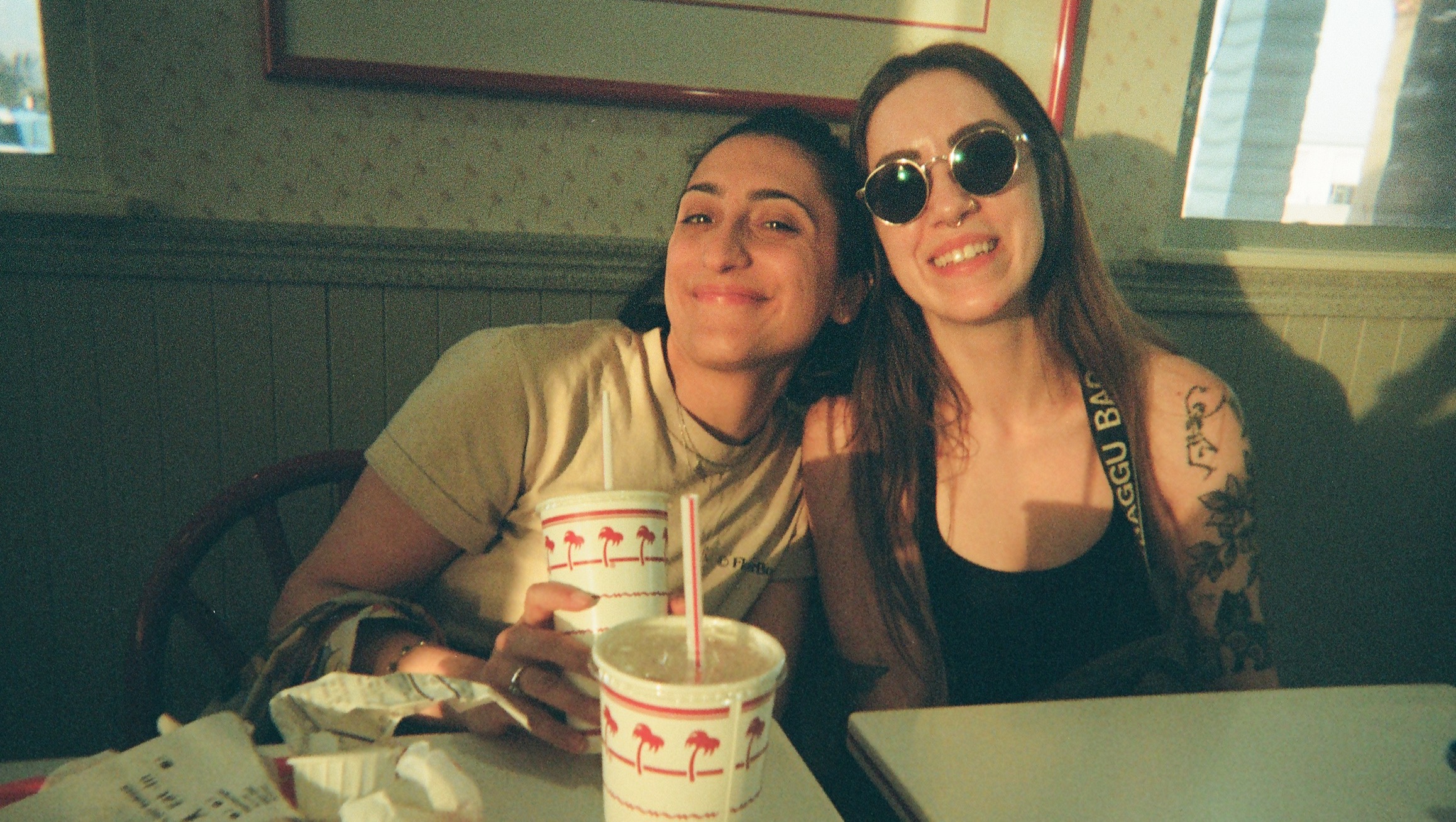
Diandra and I met in 4th grade basketball, where I thought she was terrifying — serious, intense, very “Spinelli from Recess.” We didn’t talk much back then. By 9th grade, we became inseparable, and I genuinely can’t imagine my life without her.
I’m writing this because Diandra would never ask for this herself — and because if there is one person who deserves support right now, it’s her.
⎯⎯⎯⎯⎯⎯⎯⎯⎯⎯⎯⎯⎯
❤️ Who Diandra Is (as someone who loves her deeply)
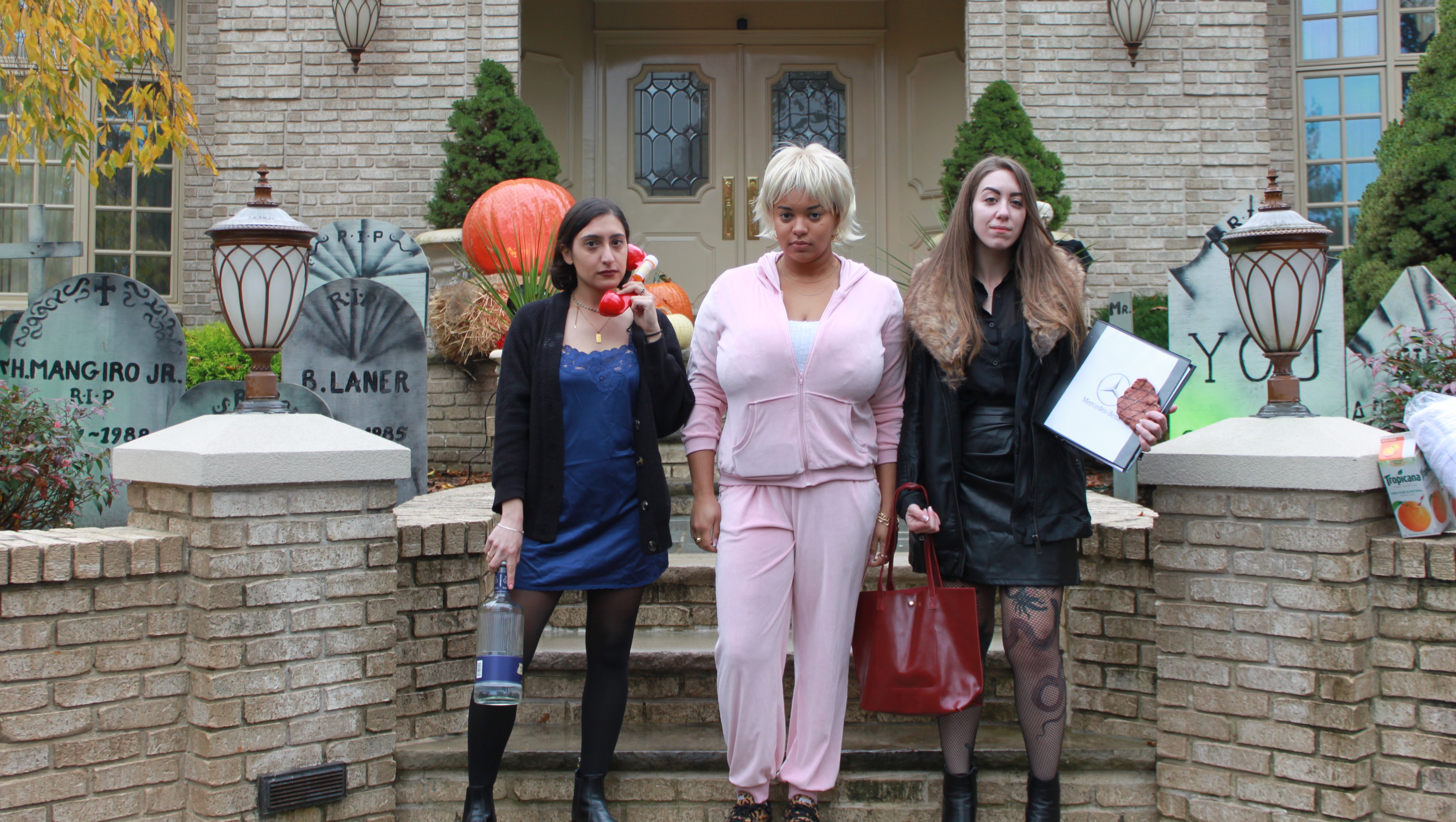
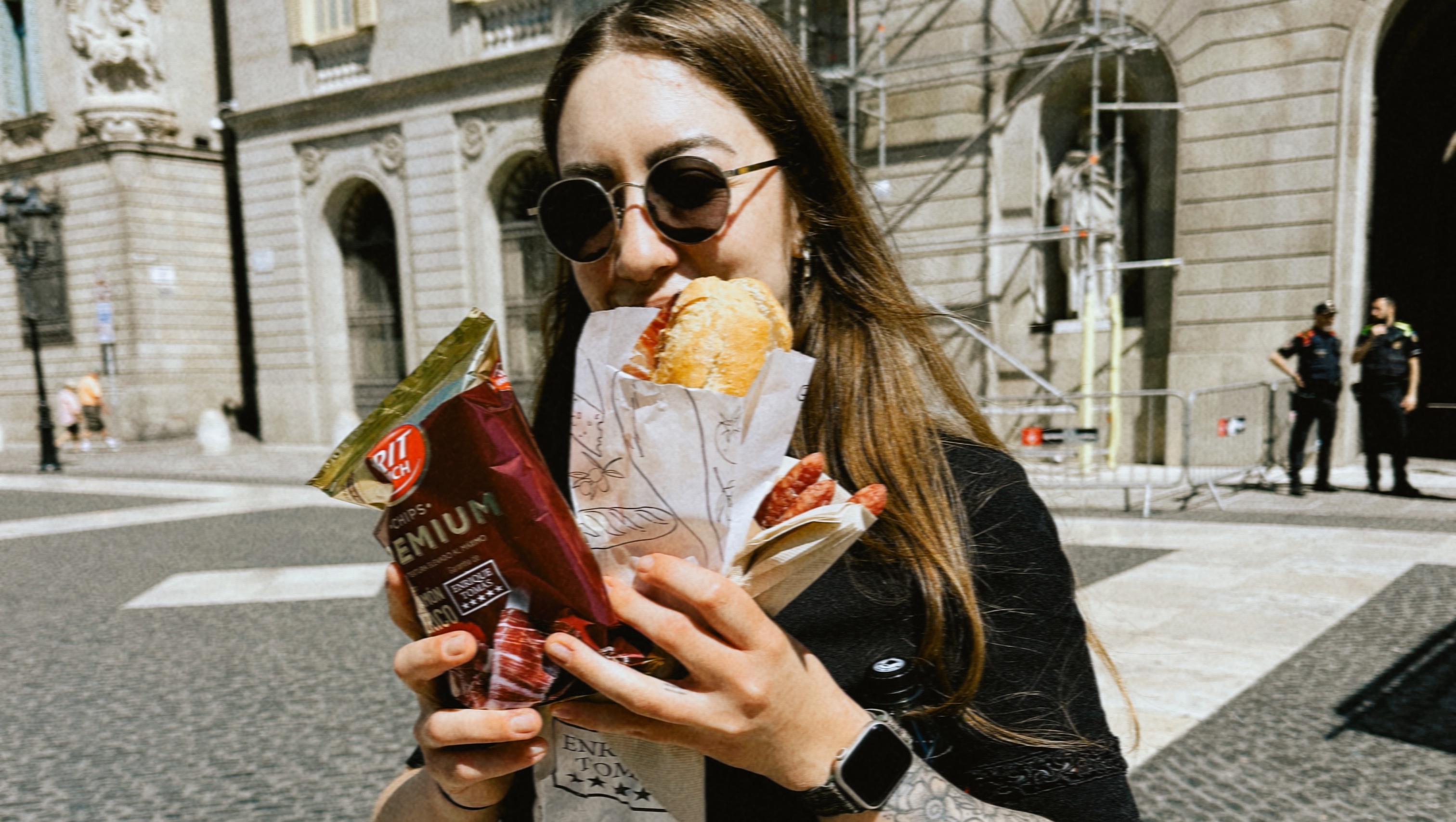
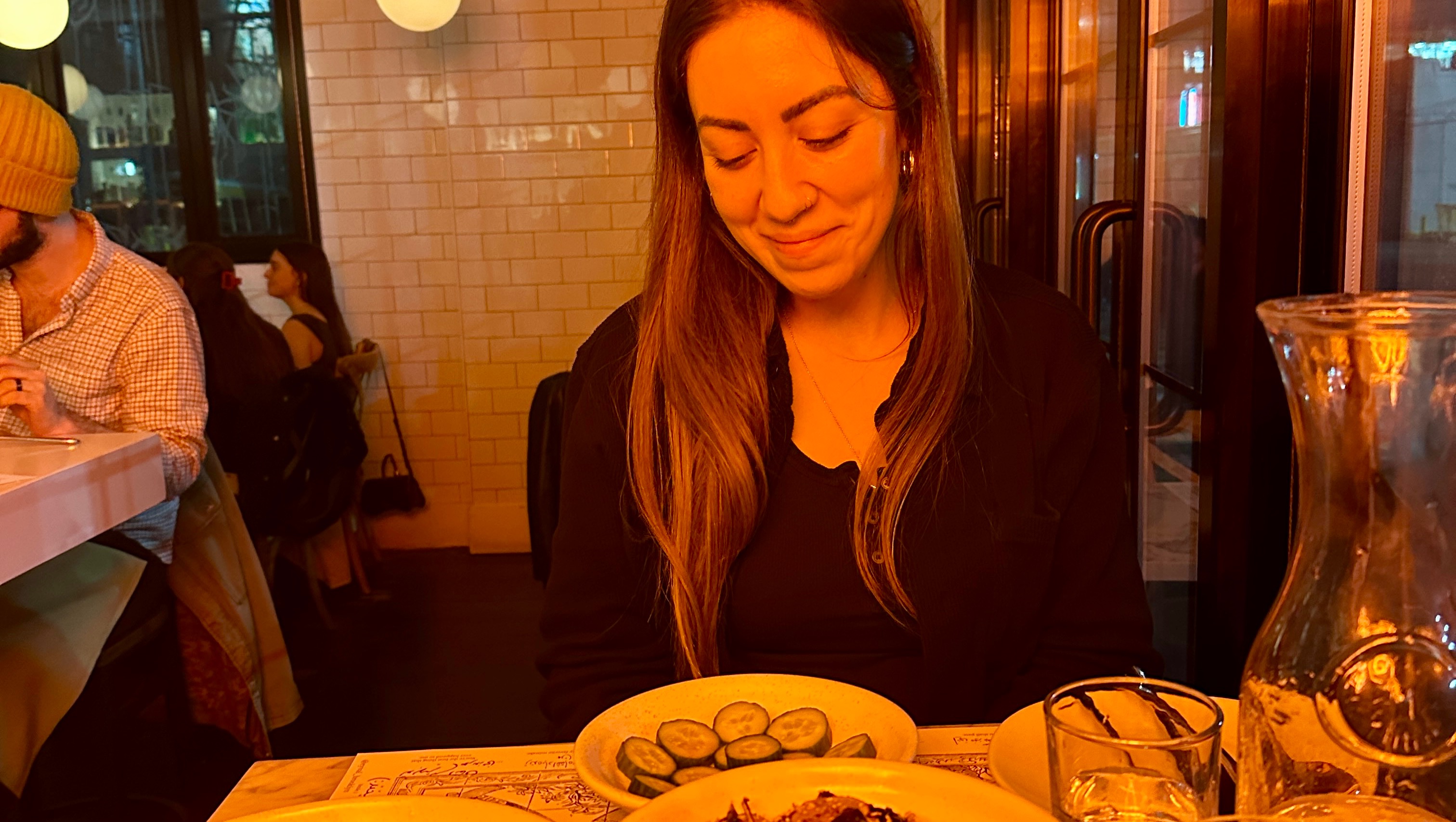
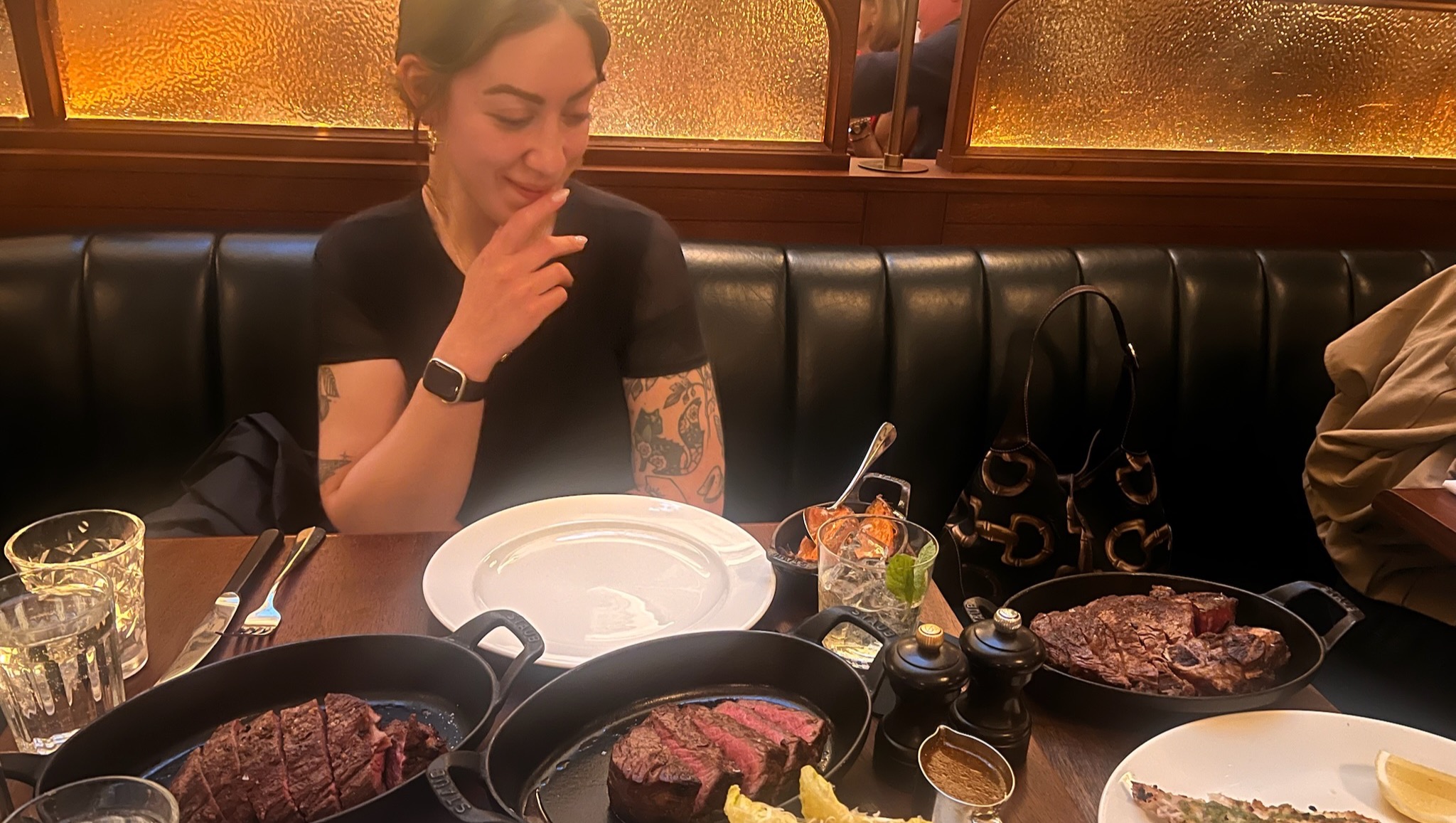
If you know Diandra, you know she’s the friend you call at 3am. The one who will get in the car and drive across state lines, or book a same-day flight without blinking. She’s always prepared, always laughing, and always helping.
She’s the problem-solver, the snack-bringer, the one with a gadget for everything — the person who starts conversations with strangers and walks away with new best friends. She’s deeply kind and has a way of making people feel immediately safe.
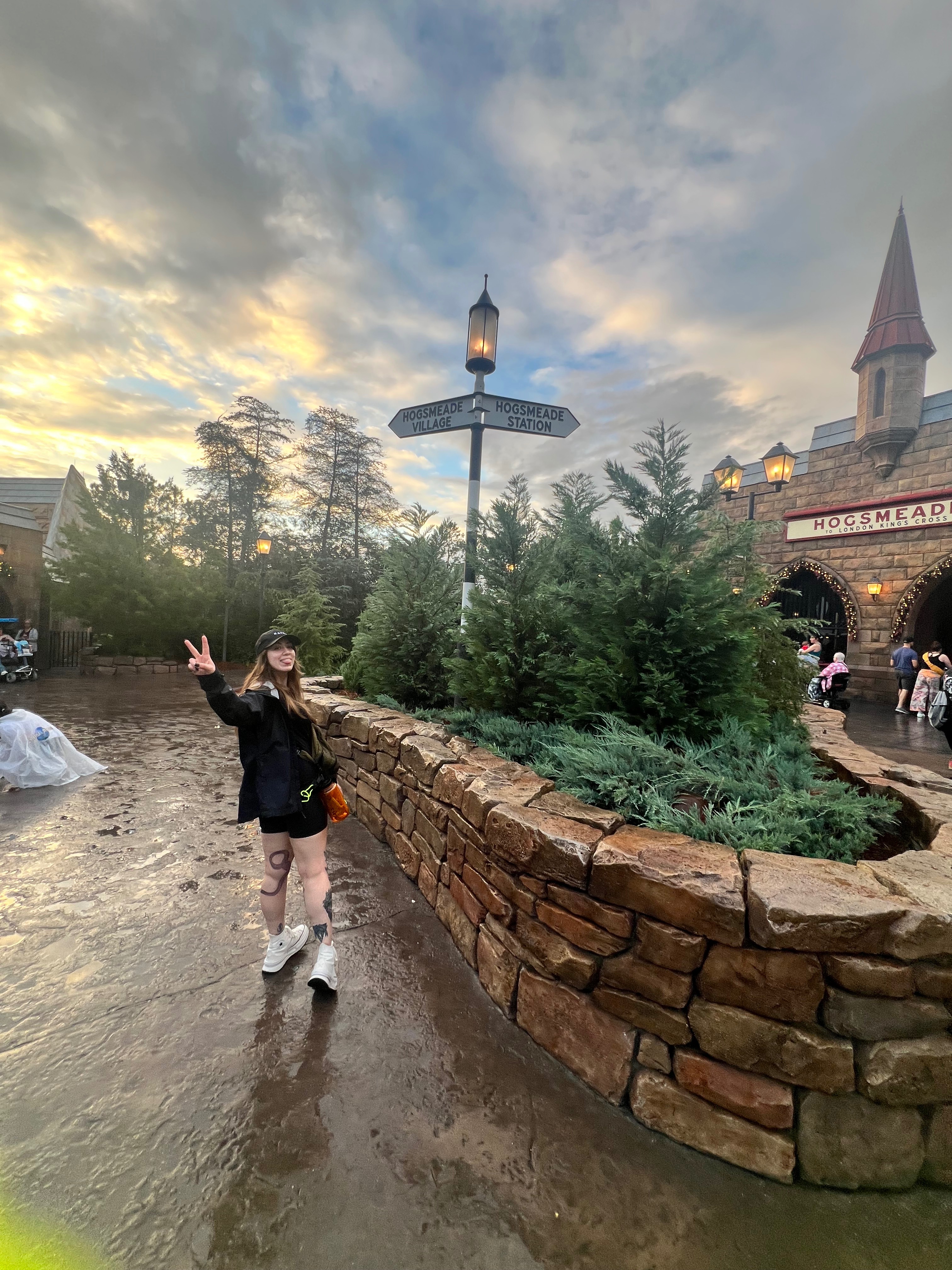
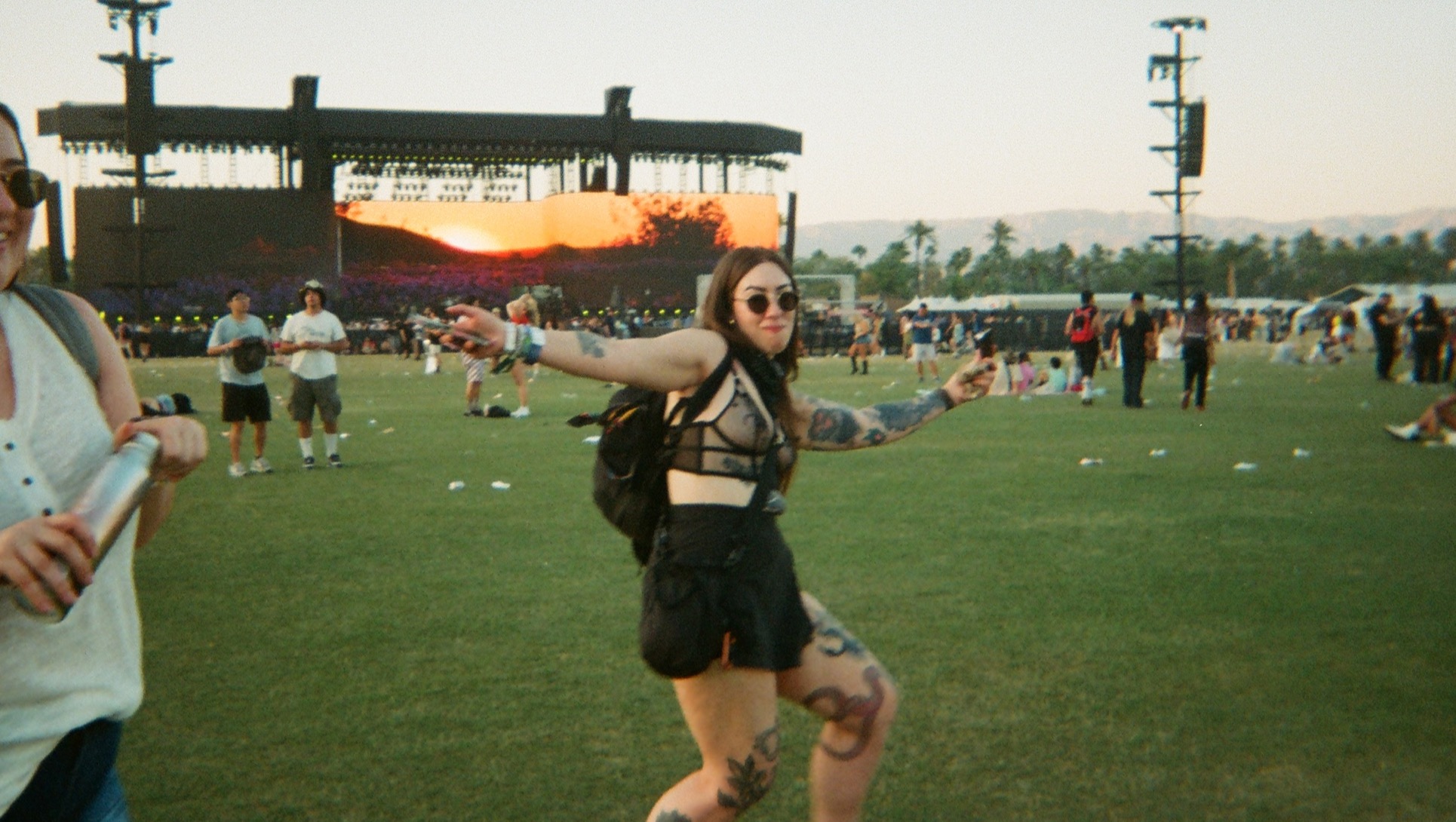
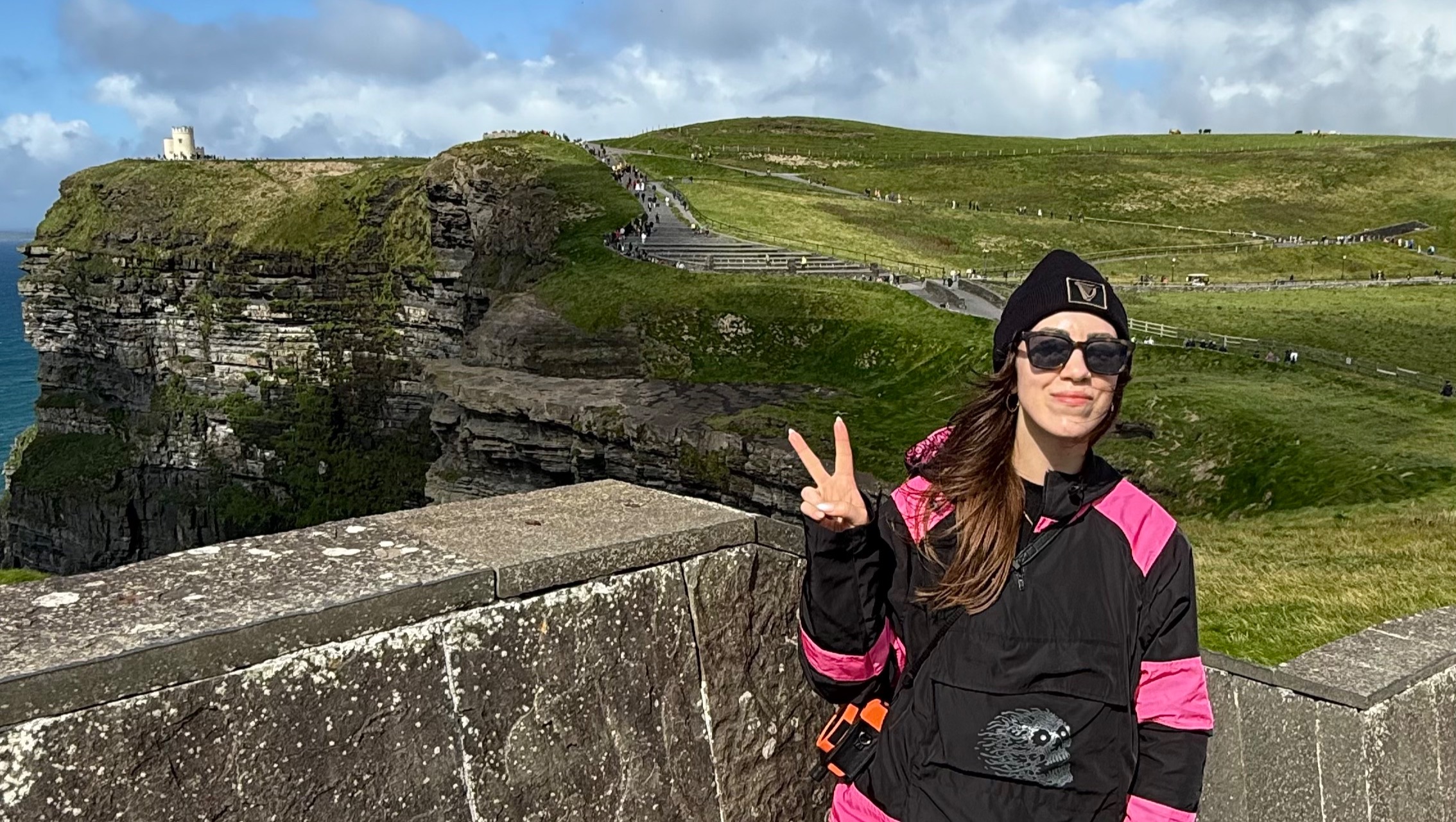
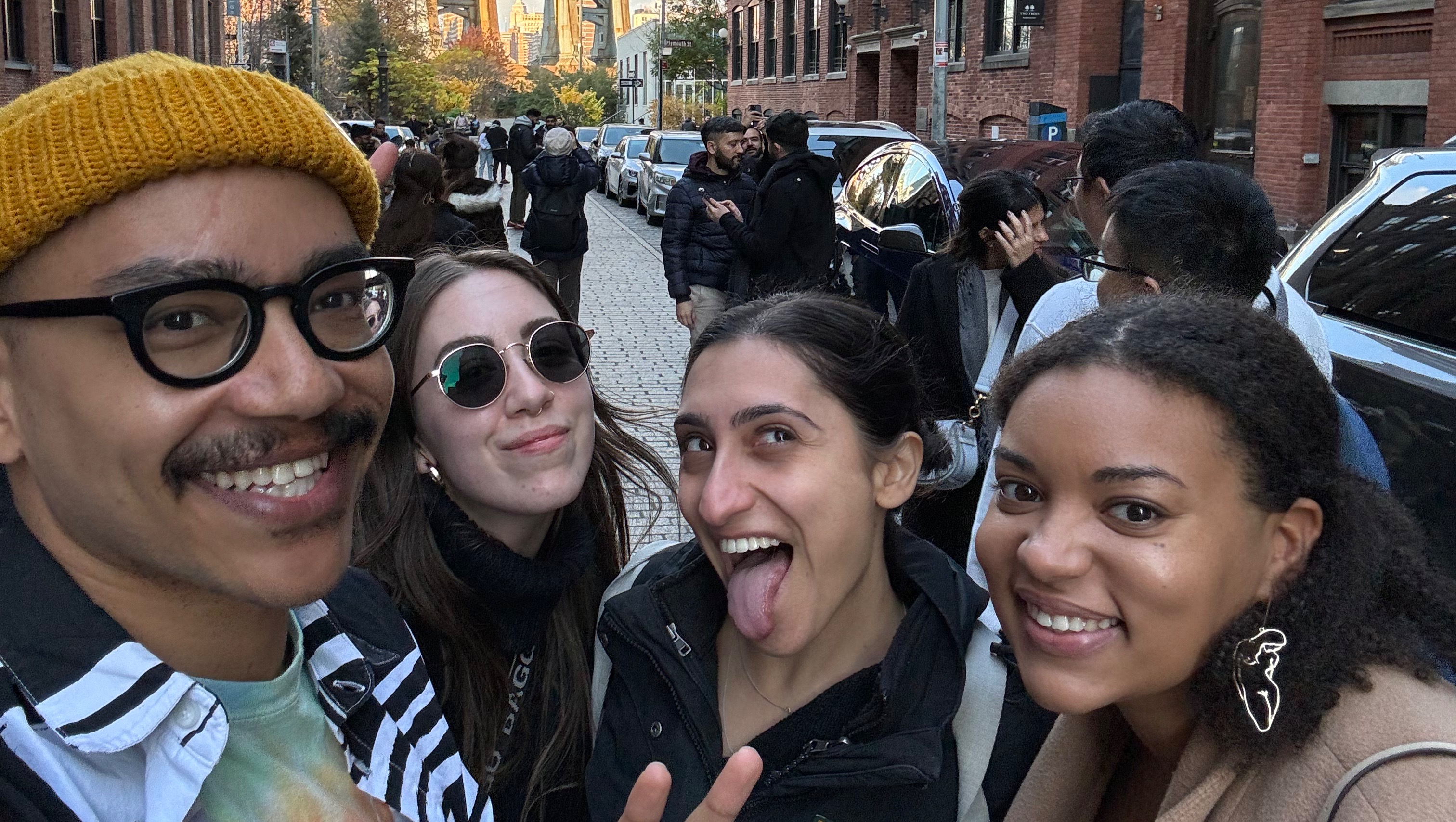
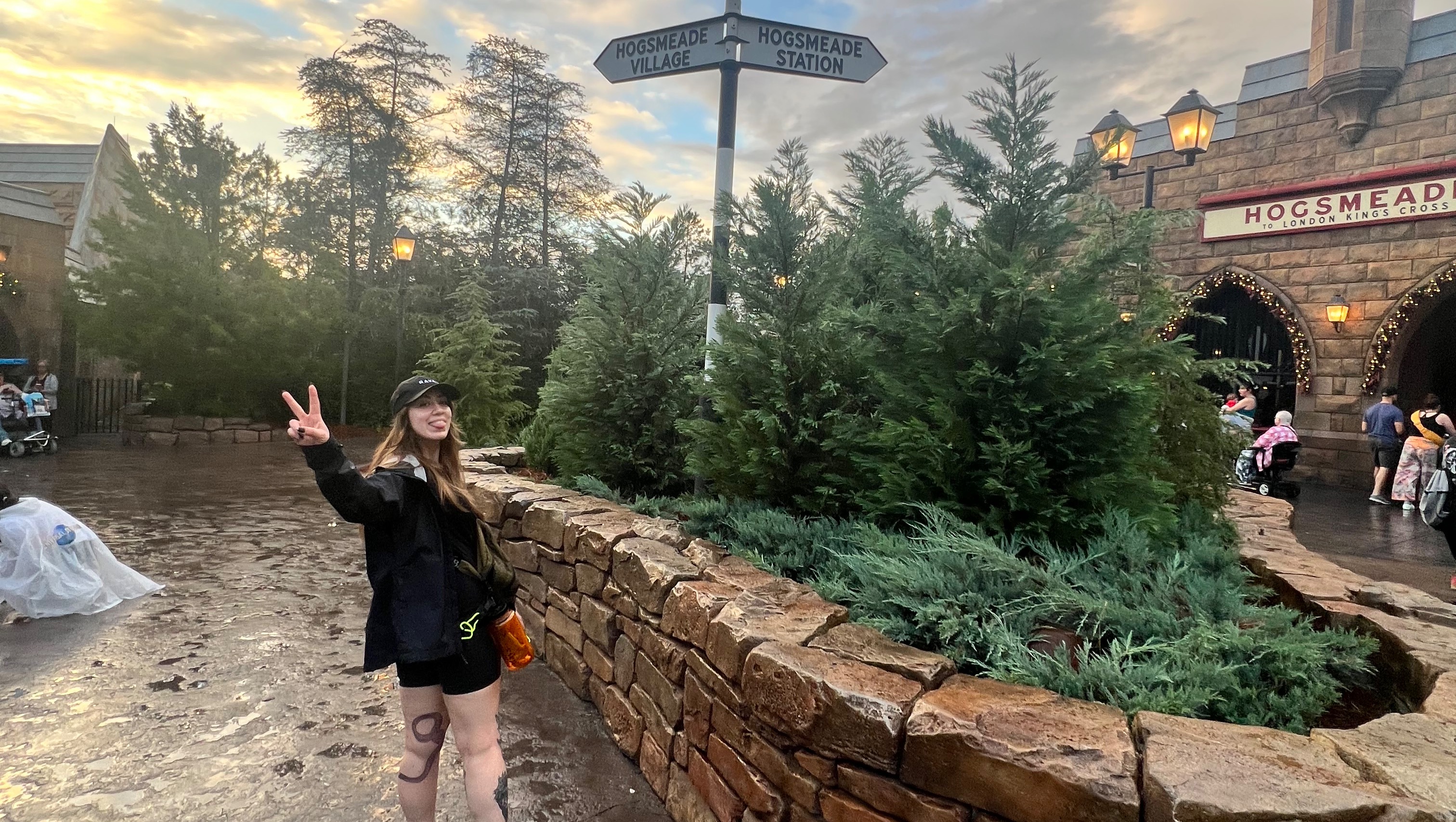
She has lived her life intentionally — fully, joyfully, spontaneously — with several bags half-packed at all times. She road-trips to New York (and beyond) like it’s a hobby, city-hops across the country, and collects tattoos as souvenirs.
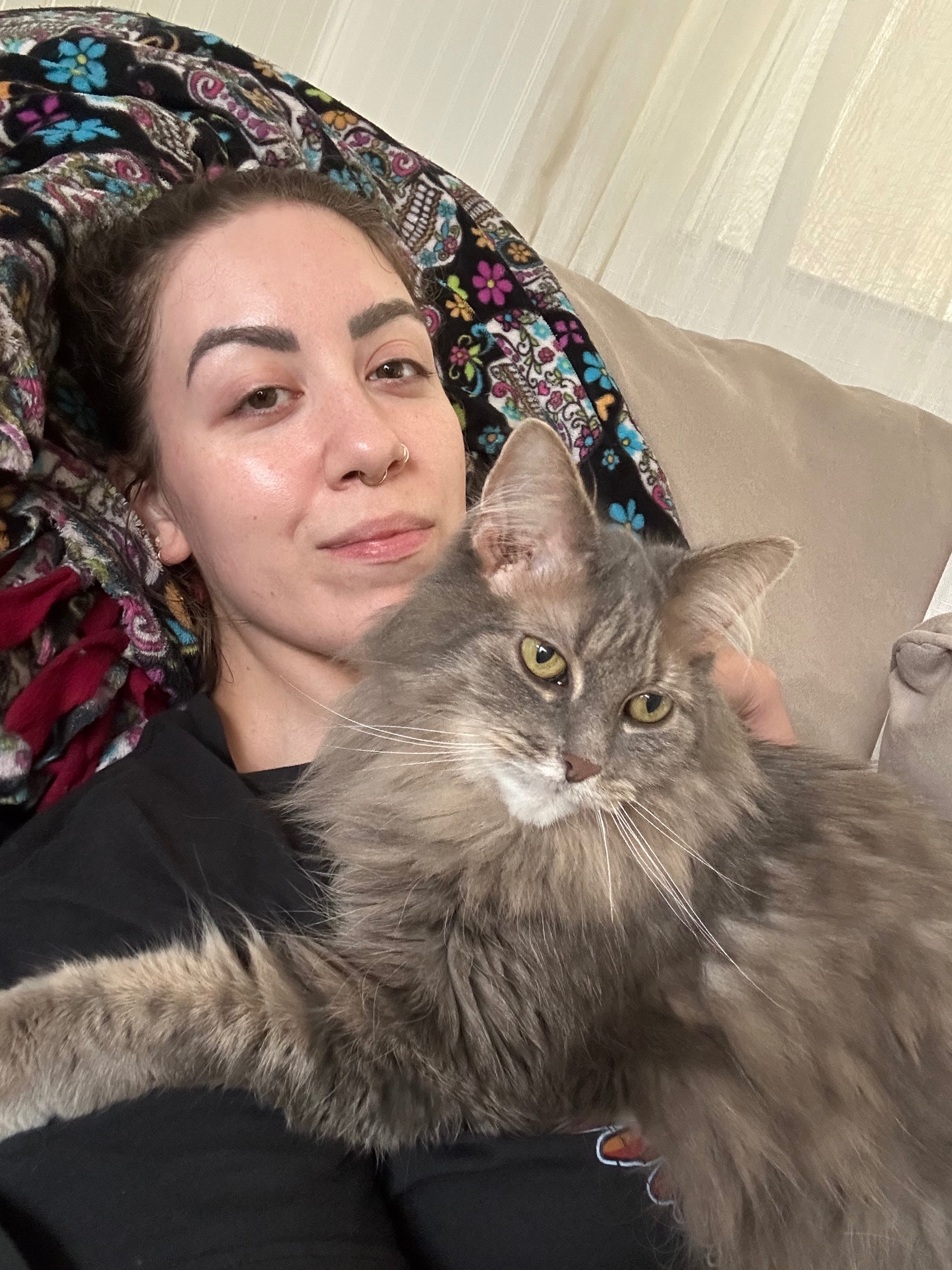
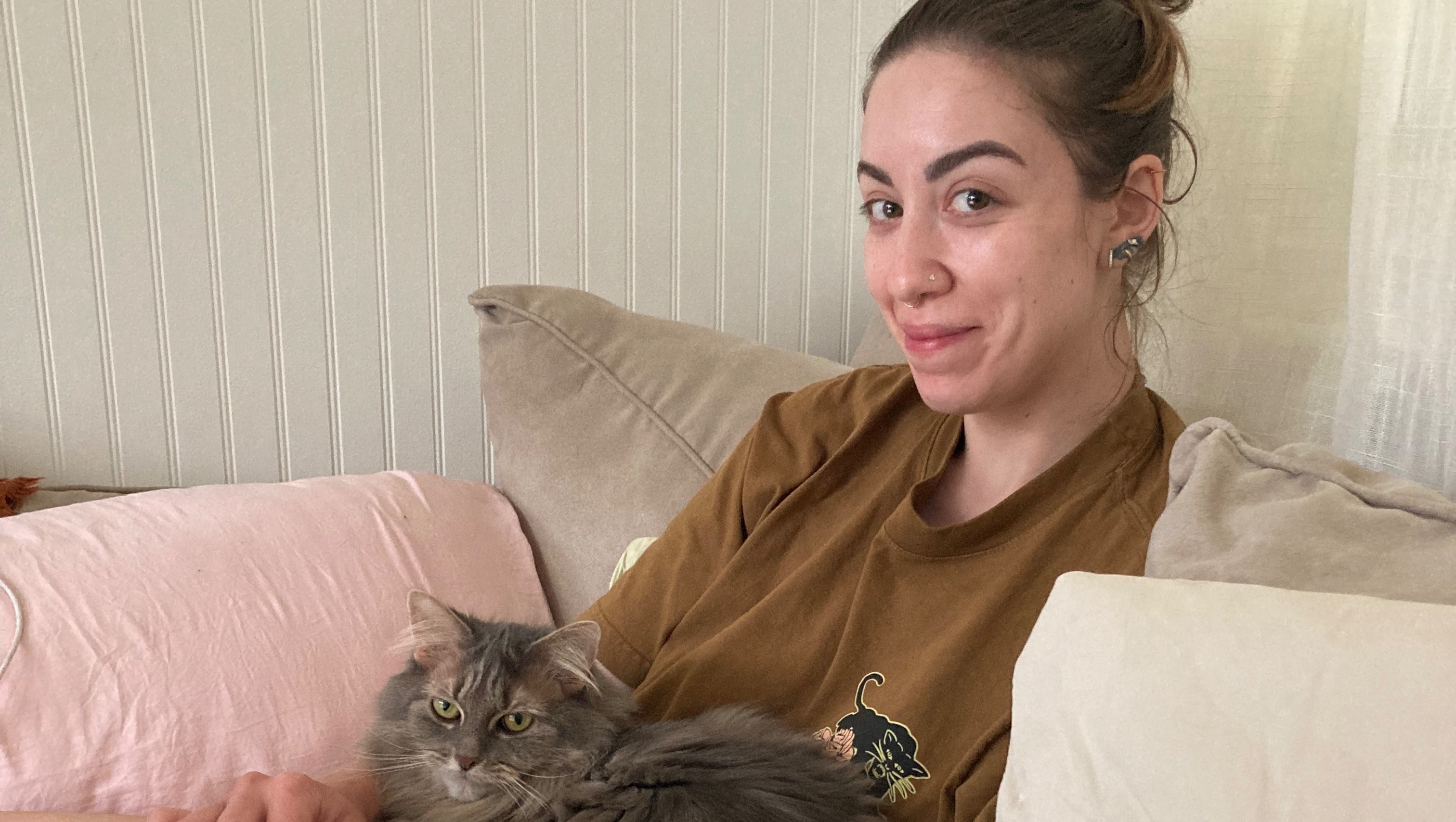
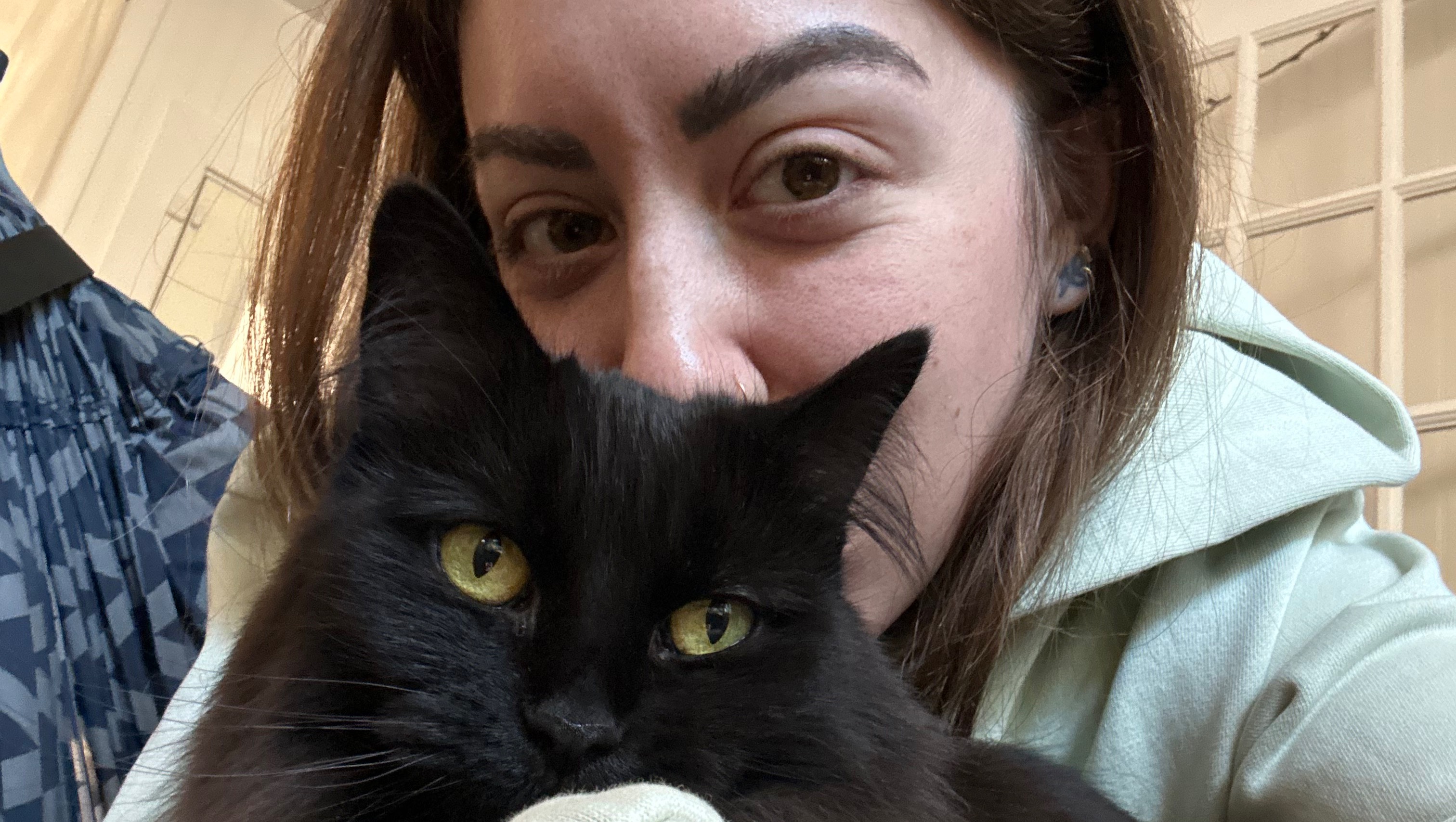
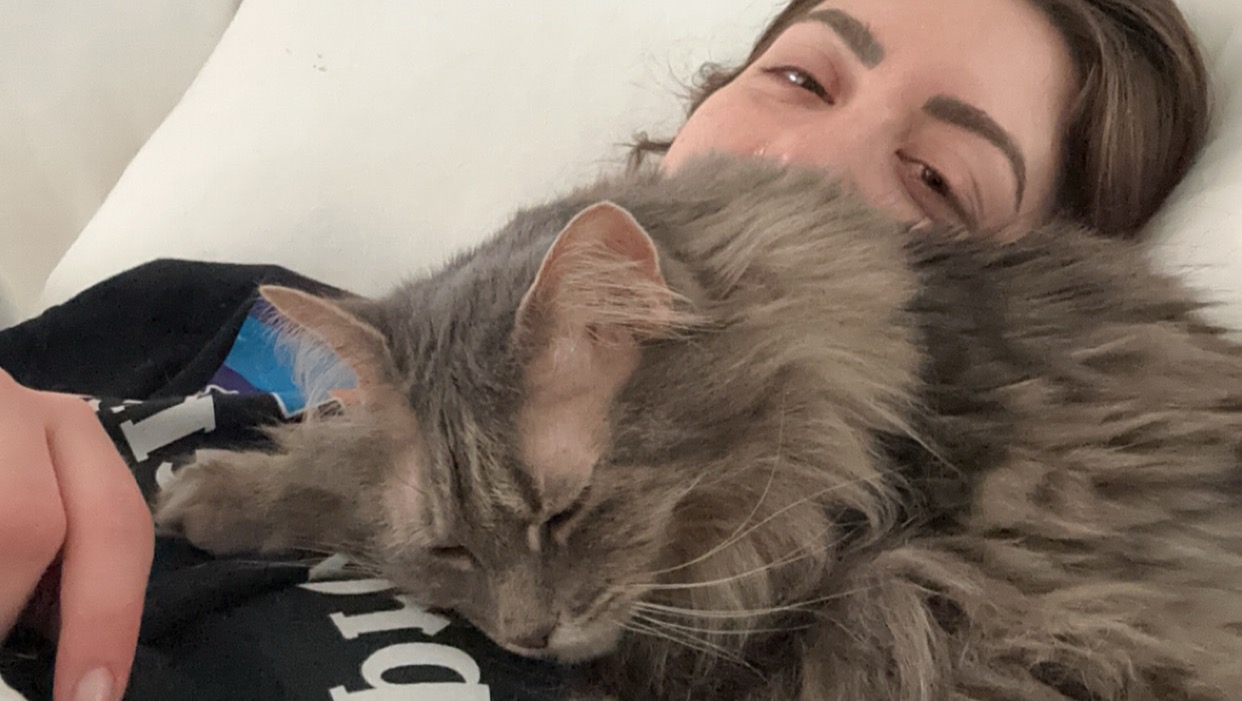
She’s also a devoted cat mom to four very loved cats, who are a huge source of comfort — and will be especially important to her during a long, difficult recovery.
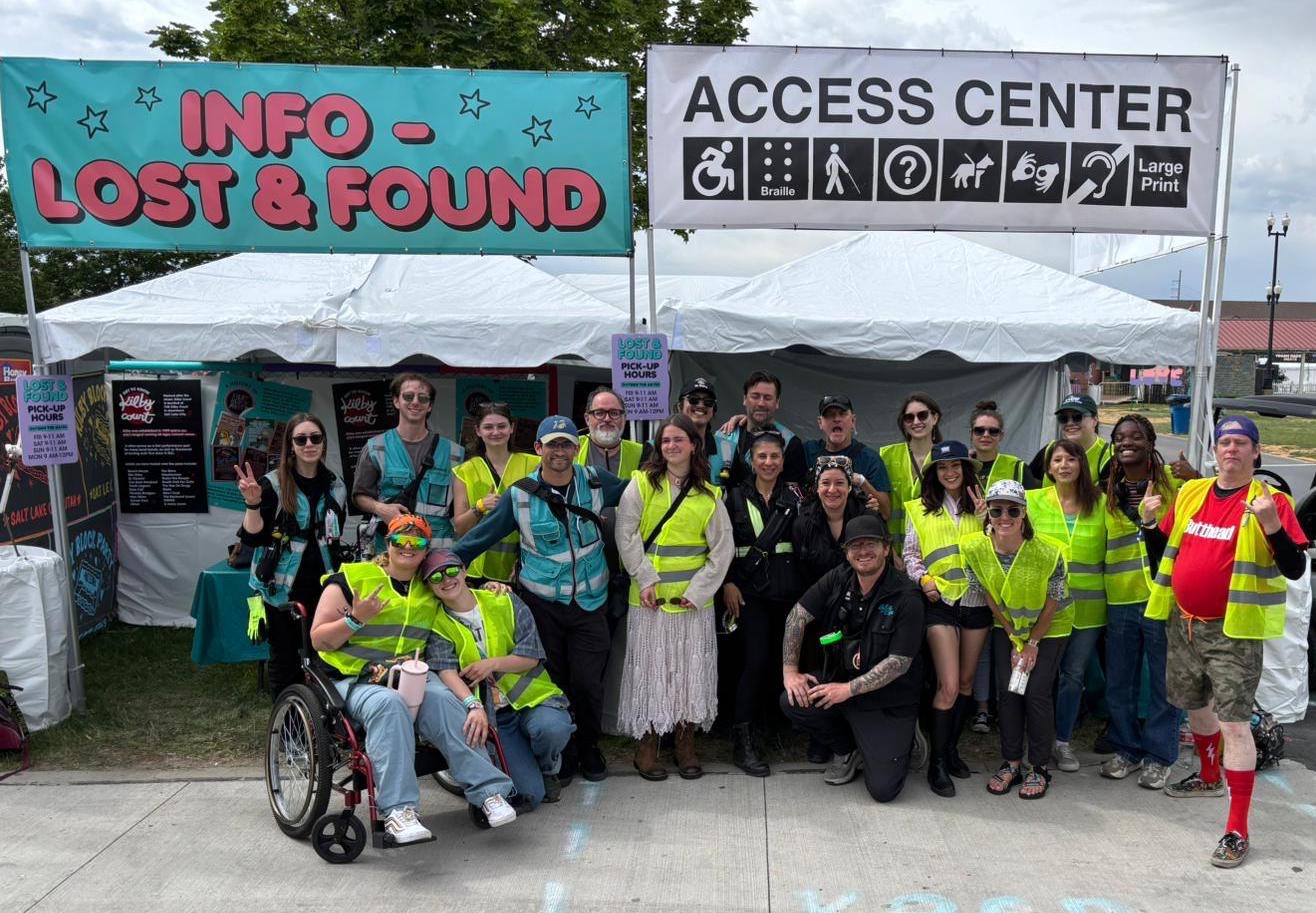
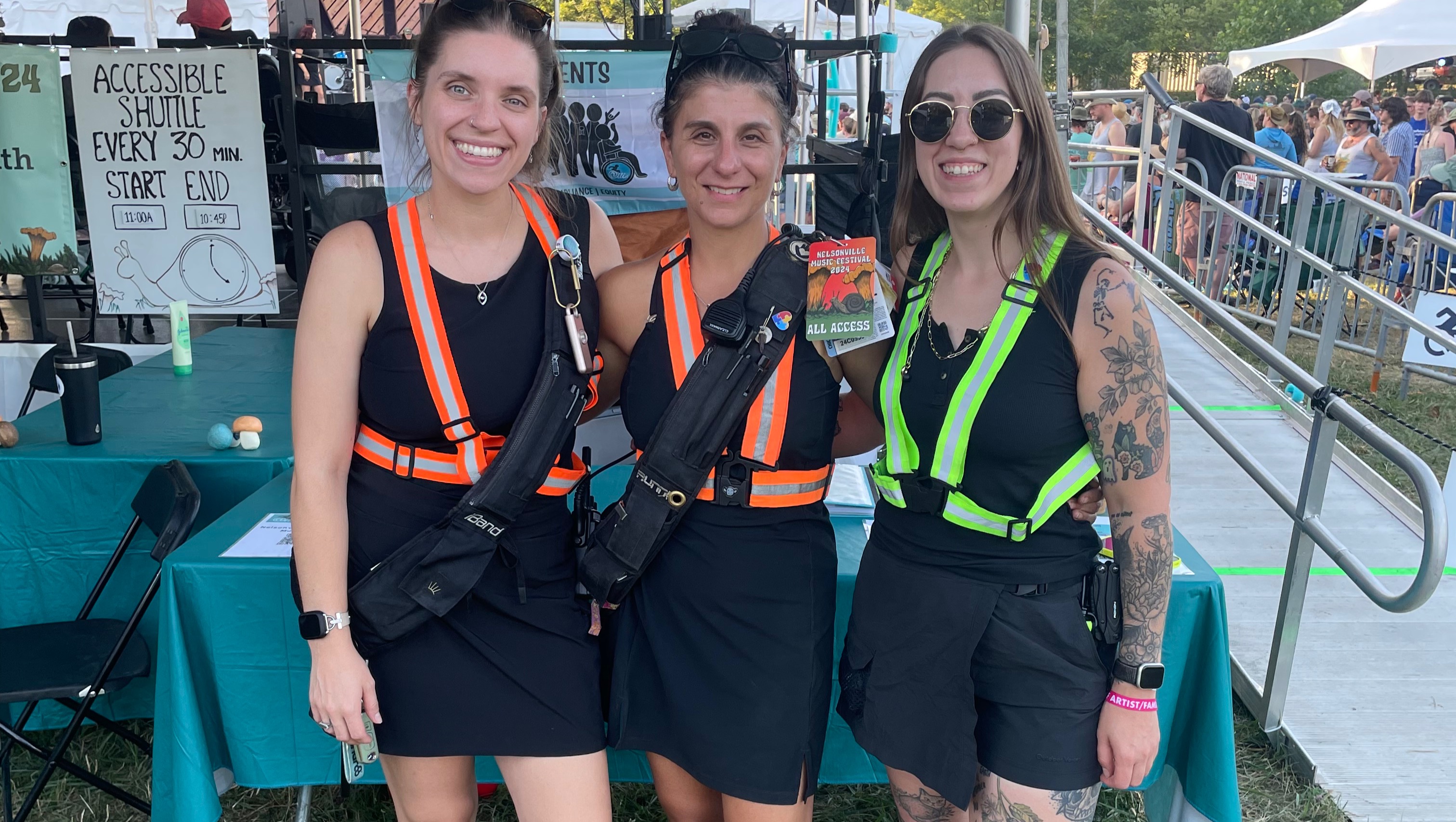
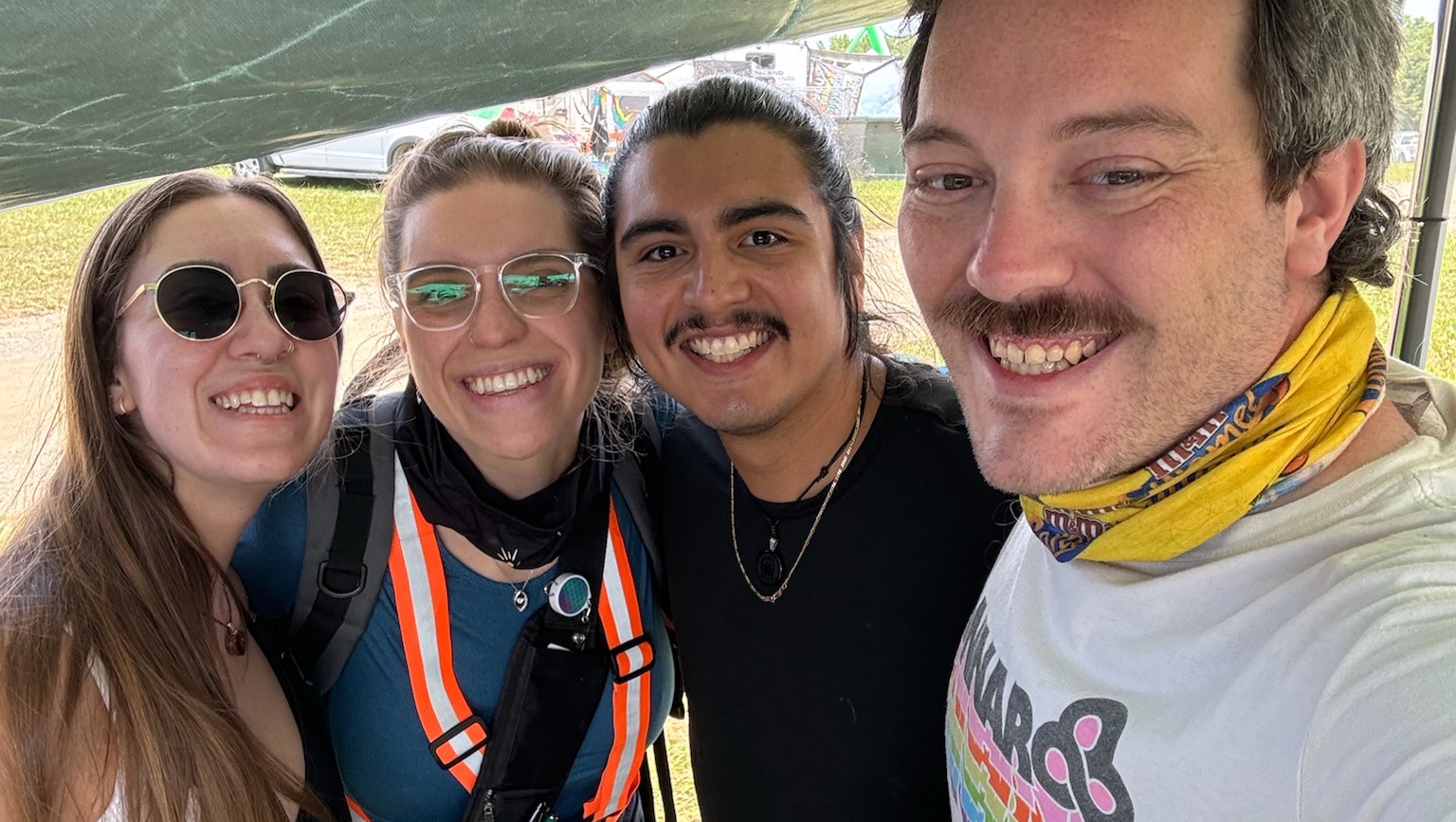
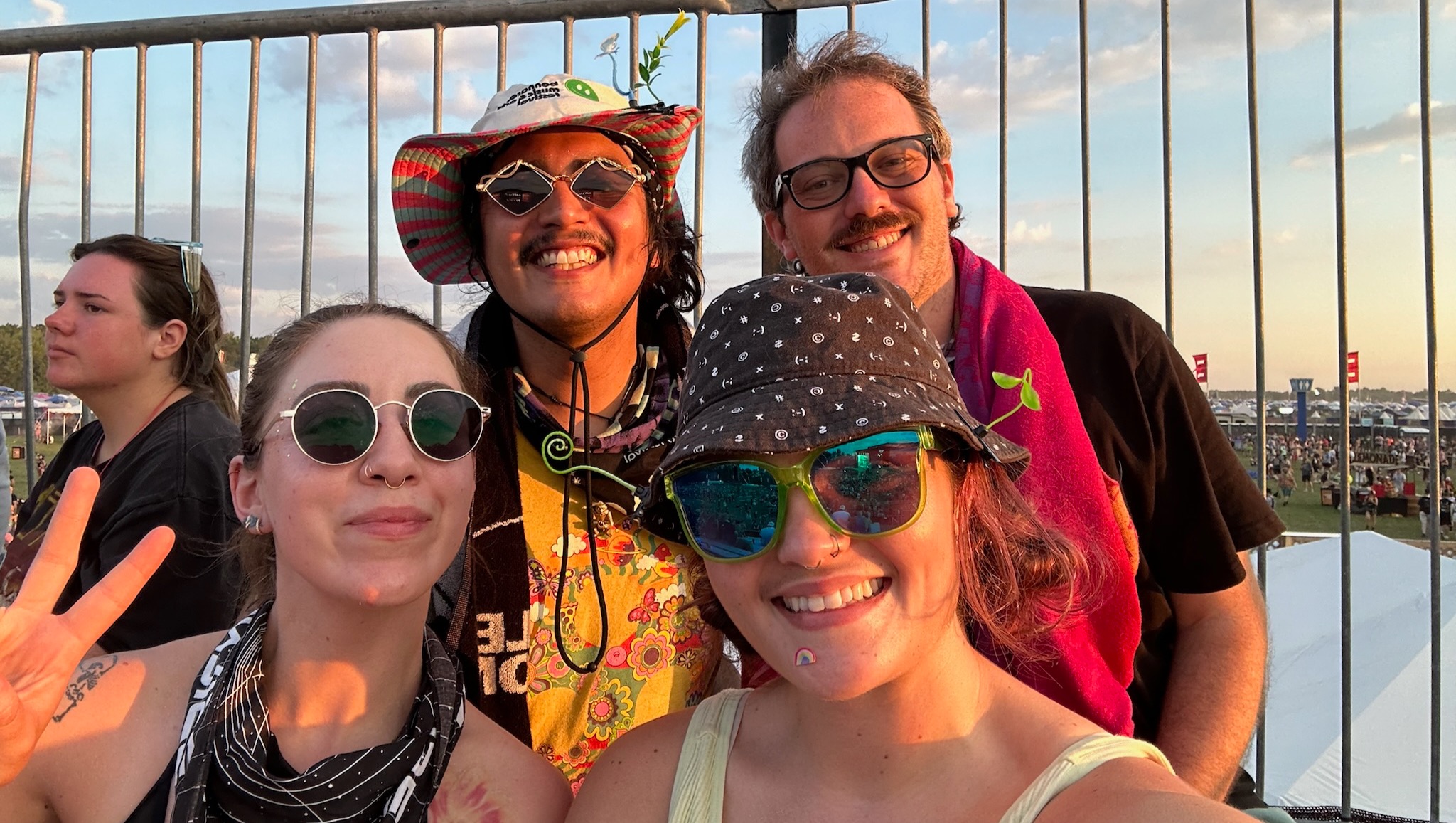
Music festivals are her happy place. She started as a volunteer helping fans, eventually became paid staff, and has spent over a decade creating safe, equitable experiences for disabled and non-disabled music lovers. She’s known for taking time off from her day job to work these festivals. Long before she ever knew she herself would need accessibility accommodations, Diandra was already making live music safer, more inclusive, and unforgettable for others.
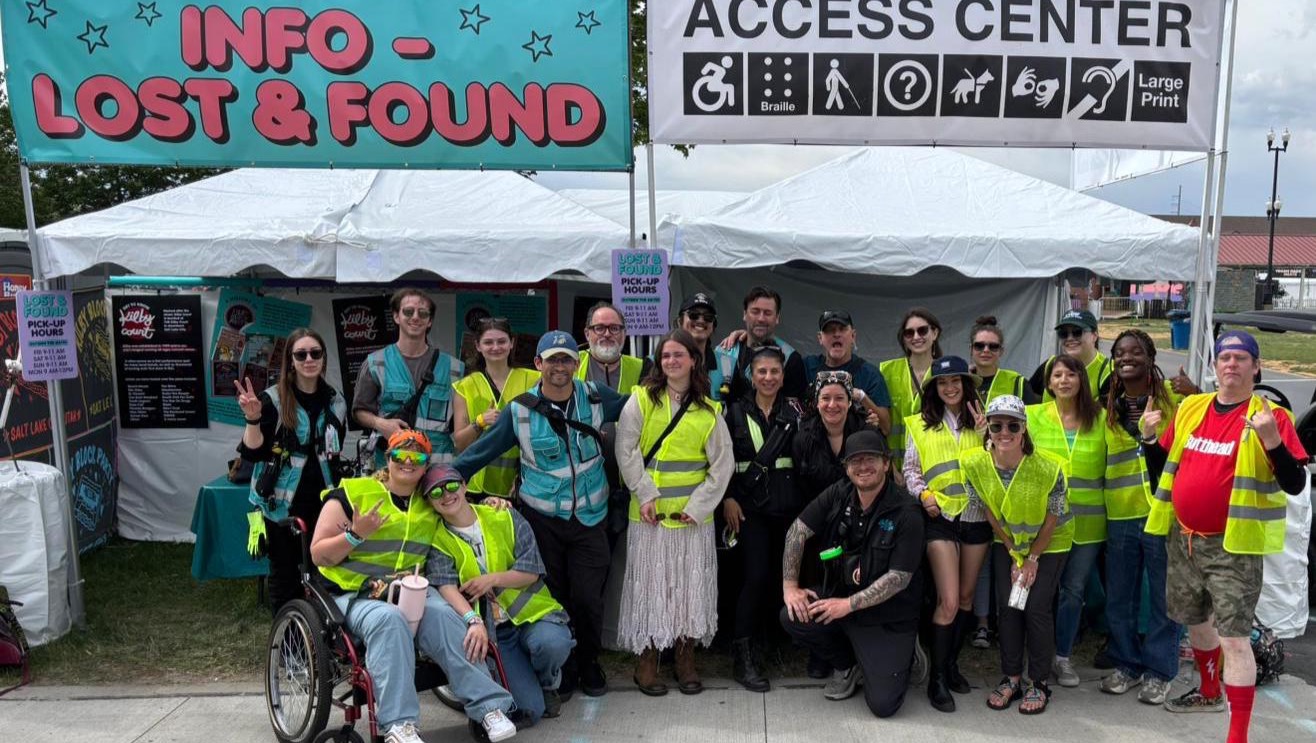
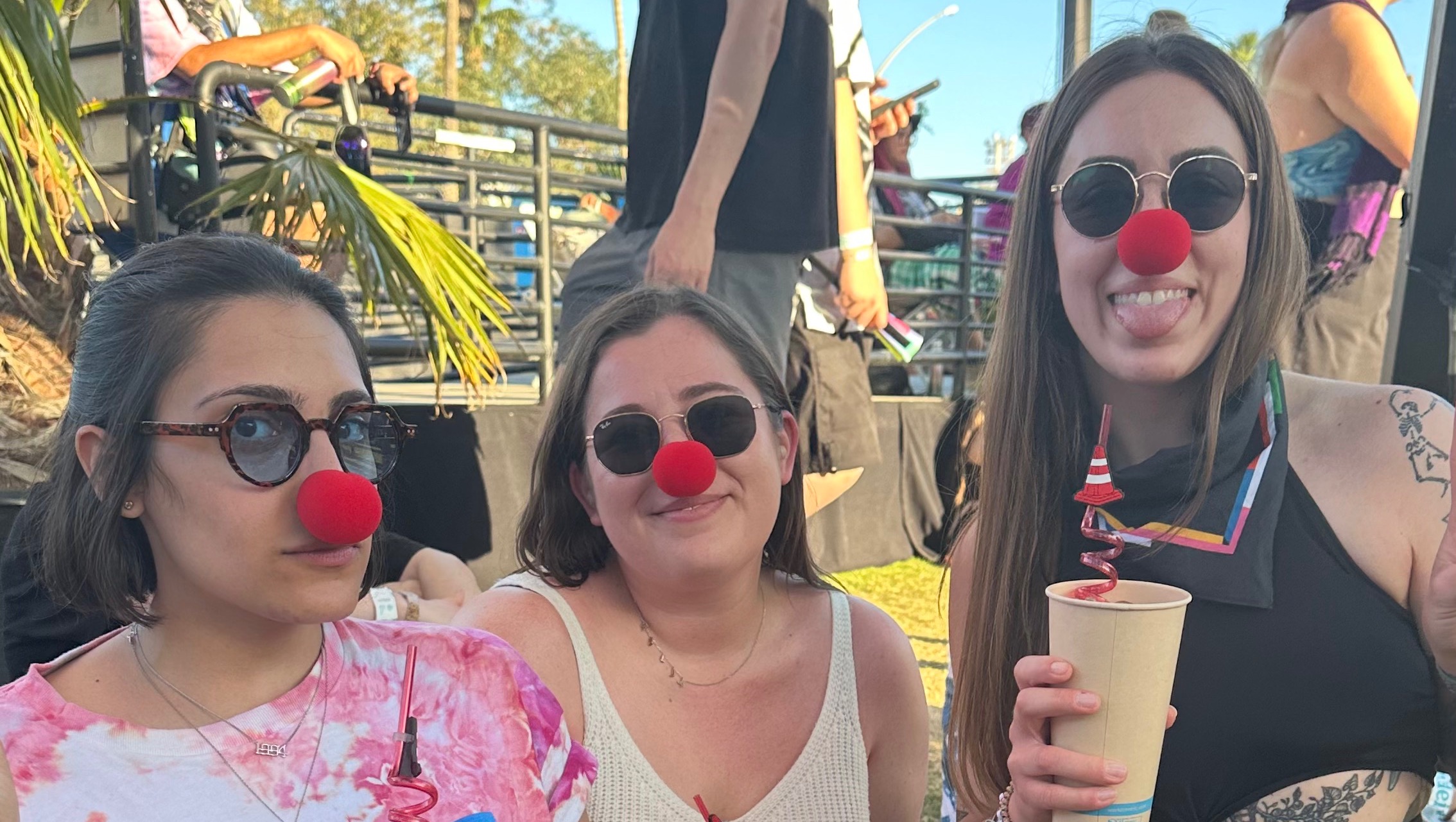
Her community spans states, backgrounds, personalities, and identities. People find her everywhere — and keep her. She collects people the way some people collect magnets. She has always shown up for others.
She’s also stubborn, always on the go, and going to have a very hard time resting — which makes what comes next even harder.
What most people don’t see is that she’s done all of this while quietly managing years of worsening pain, neurological symptoms, and medical dismissal.
⎯⎯⎯⎯⎯⎯⎯⎯⎯⎯⎯⎯⎯
✏️ Diandra’s Story
For years, Diandra pushed through a body that refused to cooperate — one that was quietly deteriorating.
Yet the same phrase followed her for decades: “You look like a perfectly healthy young girl.”
She was a kid who was constantly sick or in pain with no explanation — a “medical mystery” with endless tests, repeated MRIs, autoimmune workups, and specialist visits. In 2021 she was finally diagnosed with Ehlers-Danlos Syndrome (EDS), Mast Cell Activation Syndrome (MCAS), and Postural Orthostatic Tachycardia Syndrome (POTS) at the Center for Human Genetics in Boston — a real answer, but still not the whole story.
⎯⎯⎯⎯⎯⎯⎯⎯⎯⎯⎯⎯⎯
⏳ When Things Escalated
By early 2021, she developed constant pressure at the base of her skull and neck. MRIs and X-rays were repeatedly deemed normal.
In April 2023, she began physical therapy twice a week (a common recommendation for people with EDS), primarily for her neck, and stayed fully committed for over two years.
While progress was made in some areas, other symptoms worsened — and new ones appeared.
By 2024 she was dropping objects without warning, losing grip strength, dealing with increasing neurological symptoms, and struggling through flare days no one saw because she hid them behind her usual “I’ve got it, don’t worry” energy.
In August 2025, physical therapy discharged her — not because she wasn’t trying, but because she was getting worse and urgently needed a neurosurgeon.
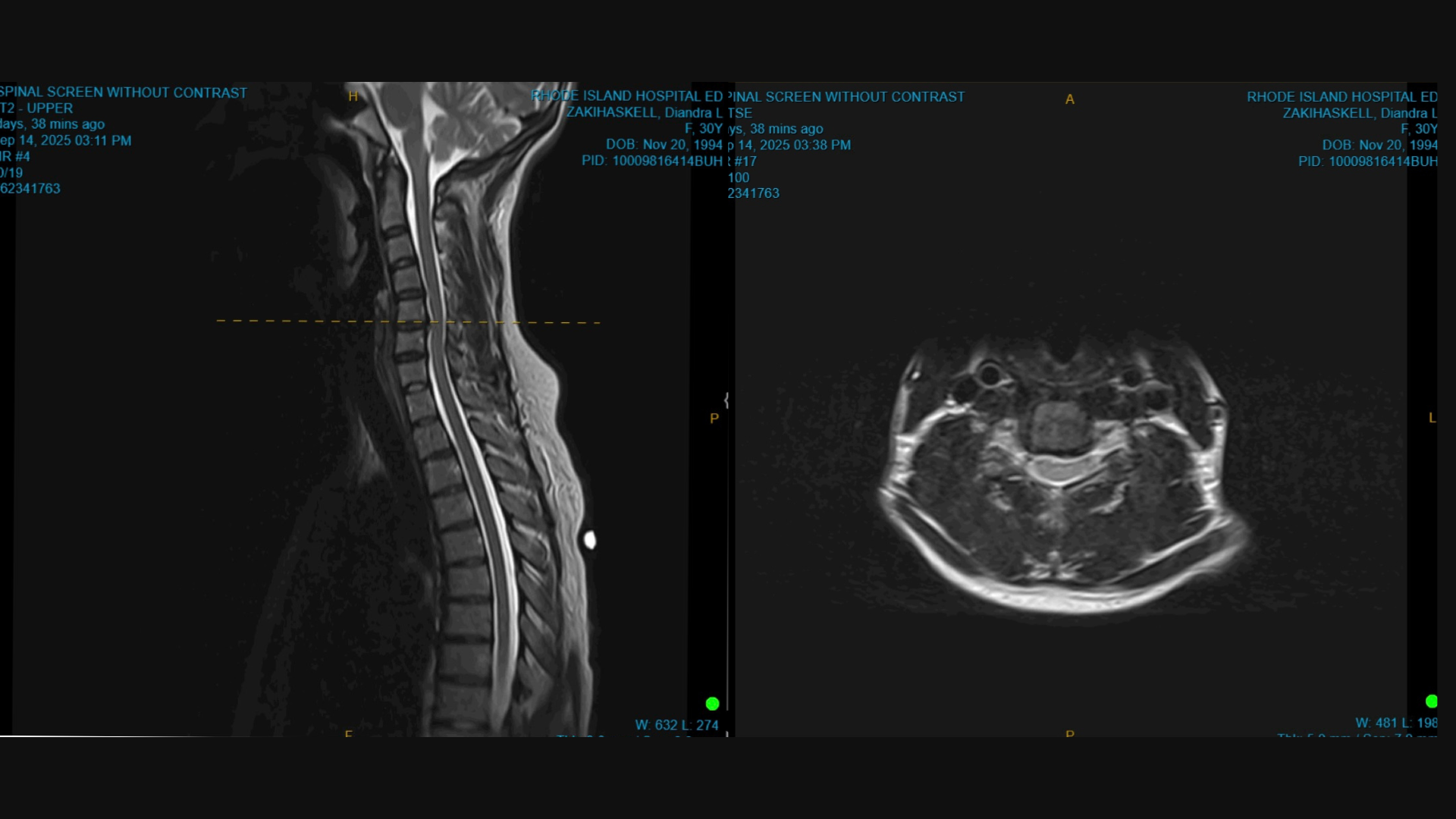
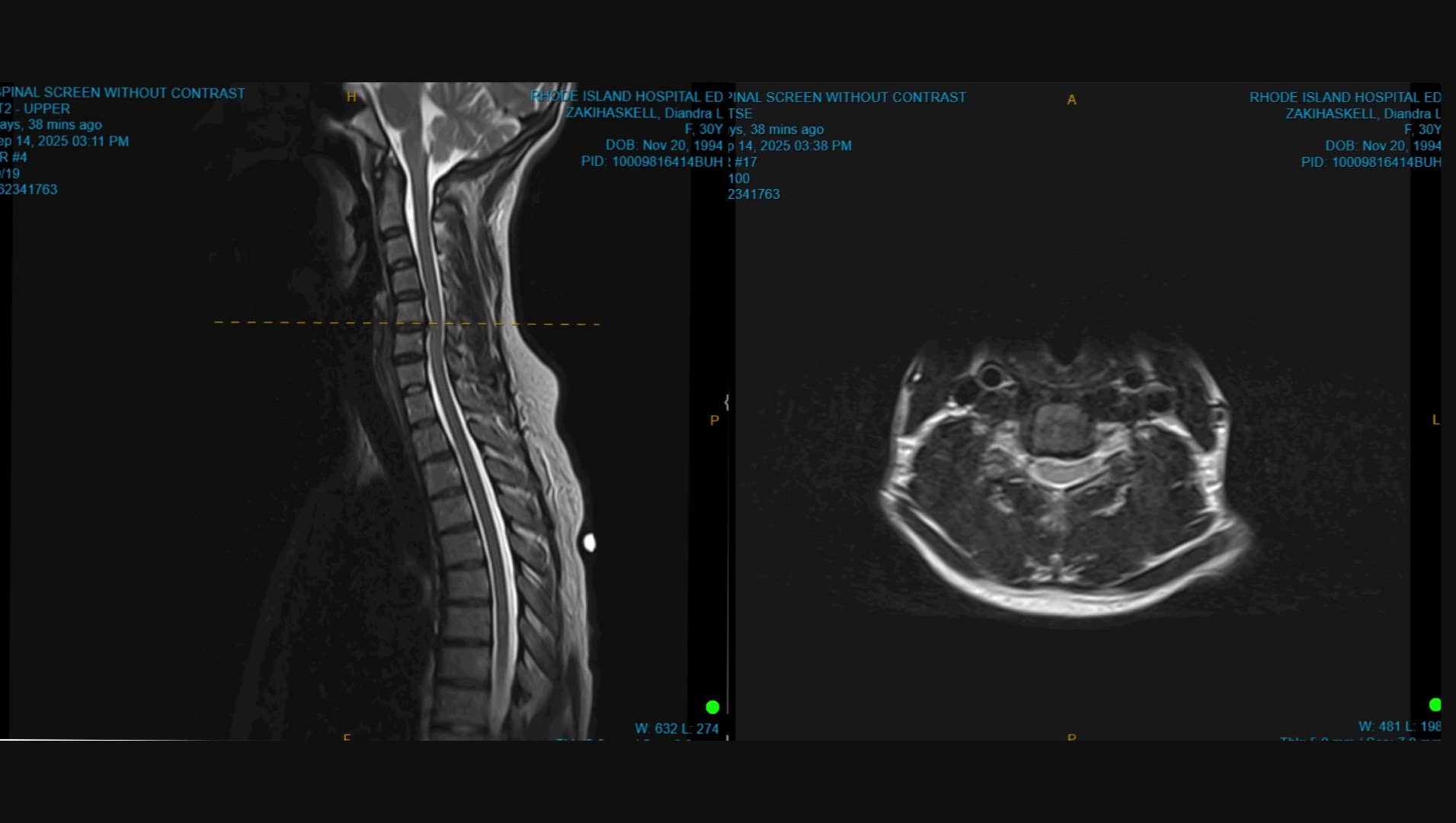
Late 2025 brought extensive imaging: a full-spine MRI and several X-rays.
The radiologist missed the most critical findings.
Her neurosurgeon didn’t.
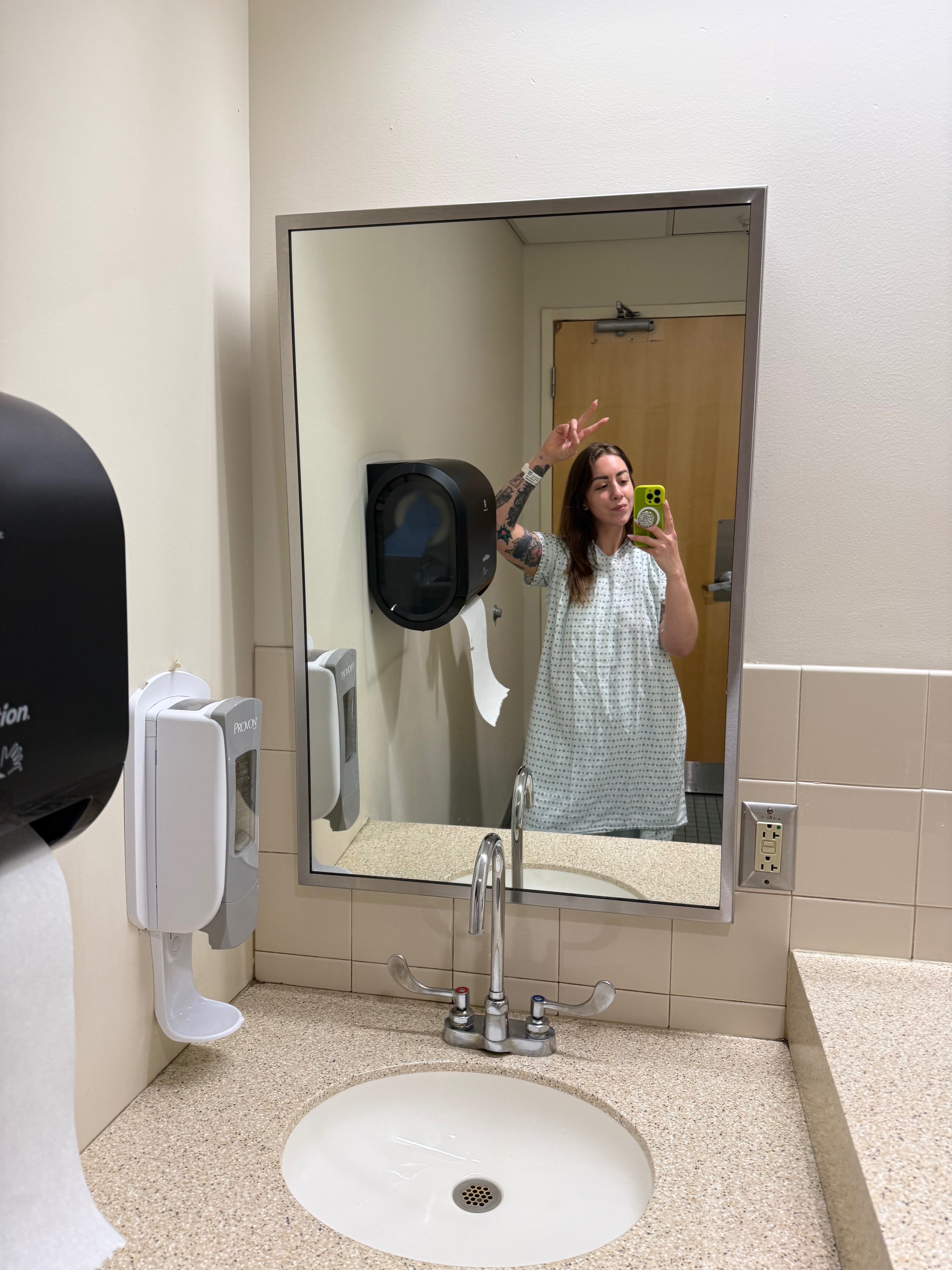
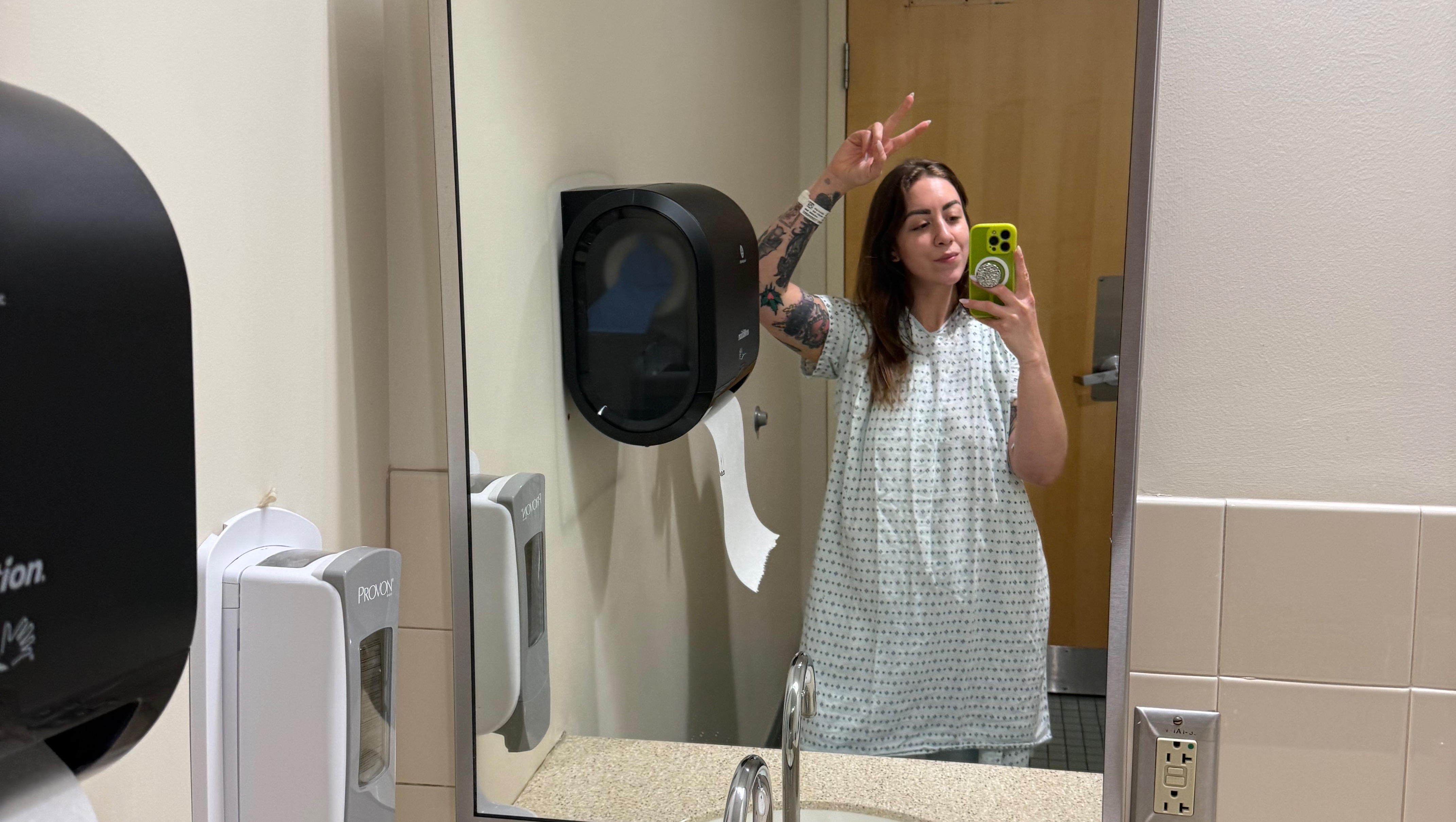
And now, we’re finally here — with answers, a diagnosis, and a major spinal surgery scheduled for January 28.
⎯⎯⎯⎯⎯⎯⎯⎯⎯⎯⎯⎯⎯
The Diagnosis That Finally Explained Everything
After personally reviewing the imaging, her neurosurgeon diagnosed:
- Tethered Cord Syndrome
- Syringomyelia (a syrinx in the cervical and thoracic spine)
⎯⎯⎯⎯⎯⎯⎯⎯⎯⎯⎯⎯⎯
Why Surgery Is Necessary
Diandra has been diagnosed with rare neurological spinal cord conditions, including tethered cord syndrome and syringomyelia.
Tethered Cord Syndrome occurs when the spinal cord is abnormally anchored and cannot move freely, causing it to stretch with normal movement. Imagine your spinal cord being pulled downward, stretched, and irritated every time you move.
Over time, this leads to progressive nerve damage. It is rare, extremely difficult to diagnose, and often dismissed until symptoms become severe.
Symptoms include:
- Chronic spine and nerve pain
- Weakness
- Loss of coordination
- Bladder dysfunction
- Loss of grip strength
- Sensory changes
- Joint instability
- Worsening neurological symptoms over time
Untreated, TCS progresses. It causes irreversible nerve damage.
Syringomyelia is a fluid-filled cavity (syrinx) inside the spinal cord itself.
It disrupts normal cerebrospinal fluid (CSF) flow — similar to a blockage in plumbing that increases pressure upstream — increasing pressure within the spinal cord and brainstem. This can cause pain, weakness, sensory loss, coordination issues, autonomic nervous system dysfunction, and cognitive symptoms such as brain fog and slowed processing due to altered CSF dynamics.
Left untreated, a syrinx can enlarge and permanently damage the spinal cord.
These conditions:
- Are rare
- Are extremely difficult to diagnose
- Are often dismissed until symptoms become severe
- Are treated conservatively, with surgery considered only when progression is clear
This surgery is not a cure. It is intended to prevent further neurological damage and slow progression, not to “fix” everything.
Without surgery, Diandra risks long-term neurological impairment, permanent nerve damage, and paralysis.
The procedure carries serious risks, including CSF leaks that may require immediate follow-up surgery, and the real possibility of additional surgeries in the future, as many patients require multiple procedures due to retethering.
⎯⎯⎯⎯⎯⎯⎯⎯⎯⎯⎯⎯⎯
✳️️ Recovery & Why Help Is Needed
Recovery is long and intense. Diandra has a remote job that requires long hours at a computer and will be out of work for at least 8 weeks.
Recovery looks like:
- Weeks 1–2: mostly bedrest
- Weeks 3–6: short walks only, no stairs
- Months 3–12: slow rebuilding
Her bedroom is upstairs, so her den must become a temporary bedroom. These aren’t comfort upgrades — they’re what allow her to move safely, use the bathroom independently, and recover without risking further injury.
This includes:
- A temporary bed
- Doctor Trigger recovery pillow system
- Mobility aids (cane, rollator, etc)
- Bathroom safety equipment
- Adaptive clothing
- Medical and wound-care supplies
- Allergy-safe food
Because surgery is at the start of the year, she also owes 100% of her insurance out-of-pocket maximum — nearly $9,000 — all at once, on top of recovery-related expenses.
Our goal covers Diandra’s insurance out-of-pocket max, home recovery setup, medical supplies, general living expenses while she’s unable to work, allergy-safe food, and platform fees.
⎯⎯⎯⎯⎯⎯⎯⎯⎯⎯⎯⎯⎯
❤️ Why I’m Asking
I know people see a lot of fundraisers. I don’t take this lightly.
Diandra is the person who always shows up.
She’s supported herself through more than most people ever see.
She has built joy, community, and connection everywhere she goes.
She would never ask for help like this — so I’m asking for her, because she needs it and deserves it.
This surgery will limit Diandra's mobility and independence for weeks, possibly months.
But it also gives her the chance to protect the full, joyful, spontaneous life she’s built — the travel, the festivals, the friendships, the road trips, the memories, the tattoos-as-souvenirs, the “let’s just go” moments that make her who she is.
I want her to heal without worrying about choosing between pain and poverty, between surgery and groceries, between safety and debt.
She has always been the one helping others - and now she needs her community more than ever.
If she has ever made you laugh, comforted you, or simply existed in your world in a way that mattered, please consider helping her now.
If you’re able to donate, share, or even just take the time to read, it means more than words can express.
Thank you for reading.
Thank you for caring about her.
Thank you for helping protect the life she’s worked so hard to build.
— Claire
(aka the wife since 4th grade “you scared me on the basketball court” era)
⎯⎯⎯⎯⎯⎯⎯⎯⎯⎯⎯⎯⎯
Resources:
Organizer and beneficiary
Diandra Zaki
Beneficiary