
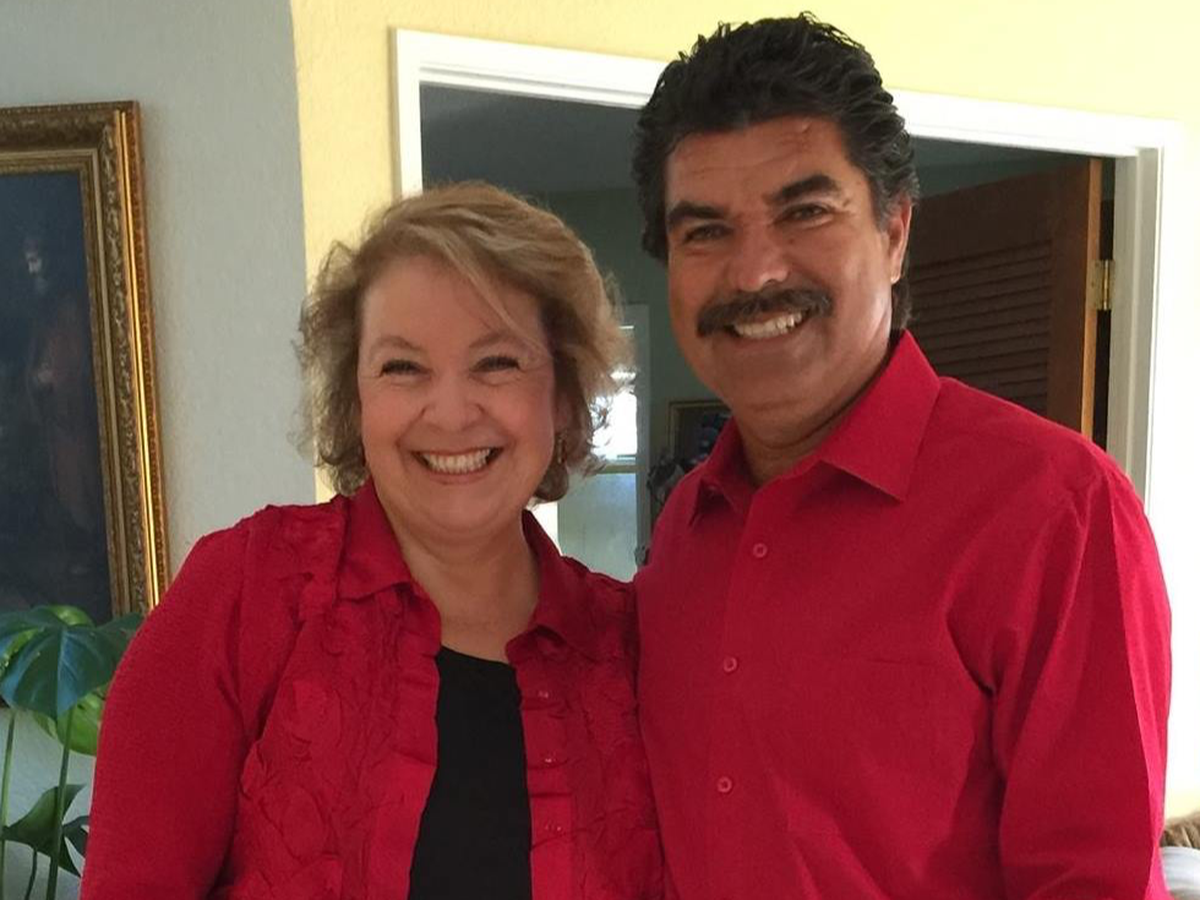
Help Us Care for our Mother, Ana Bertha, at Home
0% complete
$6,000 raised of $10K
74 donations
Like most Alzheimer's families, our world fell apart when we started noticing signs of dementia in our mother. It has been a journey of confusion, devastation, embarrassment, grief, and unconditional love. My mother, Ana Bertha Lopez Chavez, was diagnosed in 2024 but started showing symptoms in 2019. The neurologist says that most early-on-set cases in women can start as early as 55 years old. The disease is awful: there is no cure, it financially ruins families, and it causes the loved one so much strife. Through each stage we have dealt with so many hard behaviors that stem from the paranoia associated with the dementia. When I gave birth to my daughter I was no longer able to take care of my mother during the day time. My sister gave up her career - and life- in Sonoma to move to Long Beach to become my mother's full-time caretaker. My sister has a skillset and personality for caretaking, but no child ever plans to assume such a role for their parent. No child should have to make this sacrifice. Caregiving is hard and painful and depressing.
So now, as she has reached a new phase deep into the disease, we need help. She is only 62 years old so we do not qualify for Medicare or Medical benefits. Caregiving is getting harder as she becomes more dependent: my mom is having trouble sleeping, is barely talking, refuses to eat most of the time, and is falling a lot. She depends on us to for her daily hygiene care and to use the restroom. Many have asked how to support our family. We are so grateful for the care and concern many have shown us. We have felt the prayers in moments of sadness and frustration. At the encouragement of some, I have created this GoFundMe to help us with the compounding costs of her care. We have medical insurance, but, like most people, it does not cover everything and it does not cover a caretaker or respite care. (For context, I am adding estimated costs below.) Anything and everything helps.
Here is where our money goes:
-Groceries for her brain food diet ($150 per month)
-Neurologist out-of-pocket visit ($180 per visit)
-Medications (about $60 not covered by insurance per month)
-Incontinence Products ($25 a month)
-Assistance with home cleaning for my parents ($180 per month)
-Respite Care (between $500 - $1500 a month)
We need to save for:
-Wheelchair
-Suitable Bed
-Future provider visits
-In-home Caretaker
At this time she is home with us. Memory care facilities cost between $3,500 - $12,000 a month, depending on type of facility and amenities. That is not even an option for us. We hope to be able to care for her at home, with help from a caretaker so we can stay within our tight budget and also soak up as much time with her as we have left.
You can donate here or via Venmo (@Ana-Lopez-94) or Zelle (to my cell #). Thank you in advance.
Thank you for reading our story and helping in any way you can. My mother always tried to help others and always wanted to encourage others to feel God's love. She loved people! We miss her and her infectious smile. We pray for God's strength and love for this journey. <3
. .
Como la mayoría de las familias afectadas por el Alzheimer, nuestro mundo se desmoronó cuando empezamos a notar los primeros signos de demencia en nuestra madre. Ha sido un camino lleno de confusión, devastación, vergüenza, dolor y amor incondicional. A mi madre, Ana Bertha López Chávez, le diagnosticaron la enfermedad en 2024, pero empezó a mostrar síntomas en 2019. El neurólogo dice que la mayoría de los casos de aparición temprana en mujeres pueden comenzar a los 55 años. La enfermedad es terrible: no tiene cura, arruina económicamente a las familias y causa un sufrimiento inmenso a la persona que la padece. En cada etapa, hemos tenido que lidiar con muchos comportamientos difíciles derivados de la paranoia asociada a la demencia. Cuando nació mi hija, ya no pude cuidar de mi madre durante el día. Mi hermana dejó su carrera —y su vida— en Sonoma para mudarse a Long Beach y convertirse en la cuidadora a tiempo completo de nuestra madre. Mi hermana tiene las habilidades y la personalidad adecuadas para el cuidado de personas mayores, pero ningún hijo planea asumir un papel así para sus padres. Ningún hijo debería tener que hacer este sacrificio. Cuidar a un ser querido es difícil, doloroso y deprimente.
Ahora, que ha llegado a una nueva fase avanzada de la enfermedad, necesitamos ayuda. Solo tiene 62 años, por lo que no cumplimos los requisitos para Medicare ni para los beneficios de asistencia médica. El cuidado se vuelve más difícil a medida que se vuelve más dependiente: mi madre tiene problemas para dormir, apenas habla, se niega a comer la mayor parte del tiempo y se cae con frecuencia. Depende de nosotros para su higiene diaria y para ir al baño. Muchos nos han preguntado cómo pueden apoyar a nuestra familia. Estamos muy agradecidos por el cariño y la preocupación que muchos nos han demostrado. Hemos sentido las oraciones en momentos de tristeza y frustración. Animada por algunos, he creado esta página de GoFundMe para ayudarnos con los crecientes costos de su cuidado. Tenemos seguro médico, pero, como la mayoría de las personas, no lo cubre todo y no cubre a un cuidador ni los cuidados de relevo. (Para que se hagan una idea, a continuación incluyo los costos estimados). Cualquier ayuda es bienvenida. Aquí es donde se va nuestro dinero:
- Comestibles para su dieta especial para el cerebro (150 dólares al mes)
- Consulta con el neurólogo (180 dólares por visita, no cubiertos por el seguro)
- Medicamentos (aproximadamente 60 dólares al mes, no cubiertos por el seguro)
- Productos para la incontinencia (25 dólares al mes)
- Ayuda con la limpieza del hogar para mis padres (180 dólares al mes)
- Cuidados de relevo (entre 500 y 1500 dólares al mes)
Necesitamos ahorrar para:
-Silla de ruedas
-Cama adecuada
-Futuras visitas médicas
-Cuidador a domicilio
Actualmente, ella está en casa con nosotros. Las residencias para personas con problemas de memoria cuestan entre 3500 y 12 000 dólares al mes, dependiendo del tipo de centro y los servicios que ofrecen. Esa opción ni siquiera es viable para nosotros. Esperamos poder cuidarla en casa, con la ayuda de una cuidadora, para poder ajustarnos a nuestro presupuesto limitado y también disfrutar al máximo del tiempo que nos queda con ella.
Gracias por leer nuestra historia y por su ayuda. Mi madre siempre intentó ayudar a los demás y siempre quiso que los demás sintieran el amor de Dios. ¡Amaba a la gente! La extrañamos mucho, a ella y a su sonrisa contagiosa. Oramos para que Dios nos dé fuerza y amor en este camino. <3
. . . .
The figures below give an overview of the long-term care costs of Alzheimer’s and dementia so you can start a care plan:
Average costs in 2023 for assisted living in the U.S. are estimated at $6,694 per month, while nursing home facilities cost $12,240, according to the National Investment Center for Seniors Housing & Care (NIC). Many nursing home facilities offer memory care, which is care tailored to the specific needs of people with Alzheimer’s and dementia. About three-quarters of senior facilities are equipped to care for people with dementia.
Memory care units offer something in between. A safe, structured environment to limit the stress for people living with Alzheimer’s. They can be assisted living facilities or full nursing homes, depending on the individual’s needs. The average memory care monthly rent is $8,399 in the U.S., according to 2023 NIC statistics.
All together, average annual monetary costs associated with Alzheimer’s and dementia ranged from almost $42,000 to over $56,000 per person.
Because nursing homes are so expensive, many people with Alzheimer’s hire dementia caregivers for part-time, in-home care. The median national cost of care for home health care is over $4,500 per month.
Although home health aids are more affordable than nursing homes, most aids only work part-time. Family or friends may fill in to give informal, unpaid care when the paid care worker is off.
Examples of informal care include the son who helps his mother get out of bed every day or the daughter who helps her father find a nursing home. Nearly 12 million people are unpaid caregivers for someone with Alzheimer’s. It’s worth calculating the indirect costs of these hours of care to understand the full economic impact, including time off work and travel expenses.
The Alzheimer’s Association’s 2025 facts and figures report estimated that caregivers for people with Alzheimer’s and dementia contributed 19 billion hours of unpaid care. This work was valued at $413 billion.
That same organization’s 2025 report, the lifetime cost of care for a person living with dementia is over $405,262. As many as 70% of these costs are met by family caregivers in the form of unpaid caregiving and out-of-pocket health and long-term care expenses, or from unpaid care.
Organizer