
Help Revive the Boys and Girls Club Chicago Ceramics Program
0% complete
$3,525 raised of $15K
46 donations
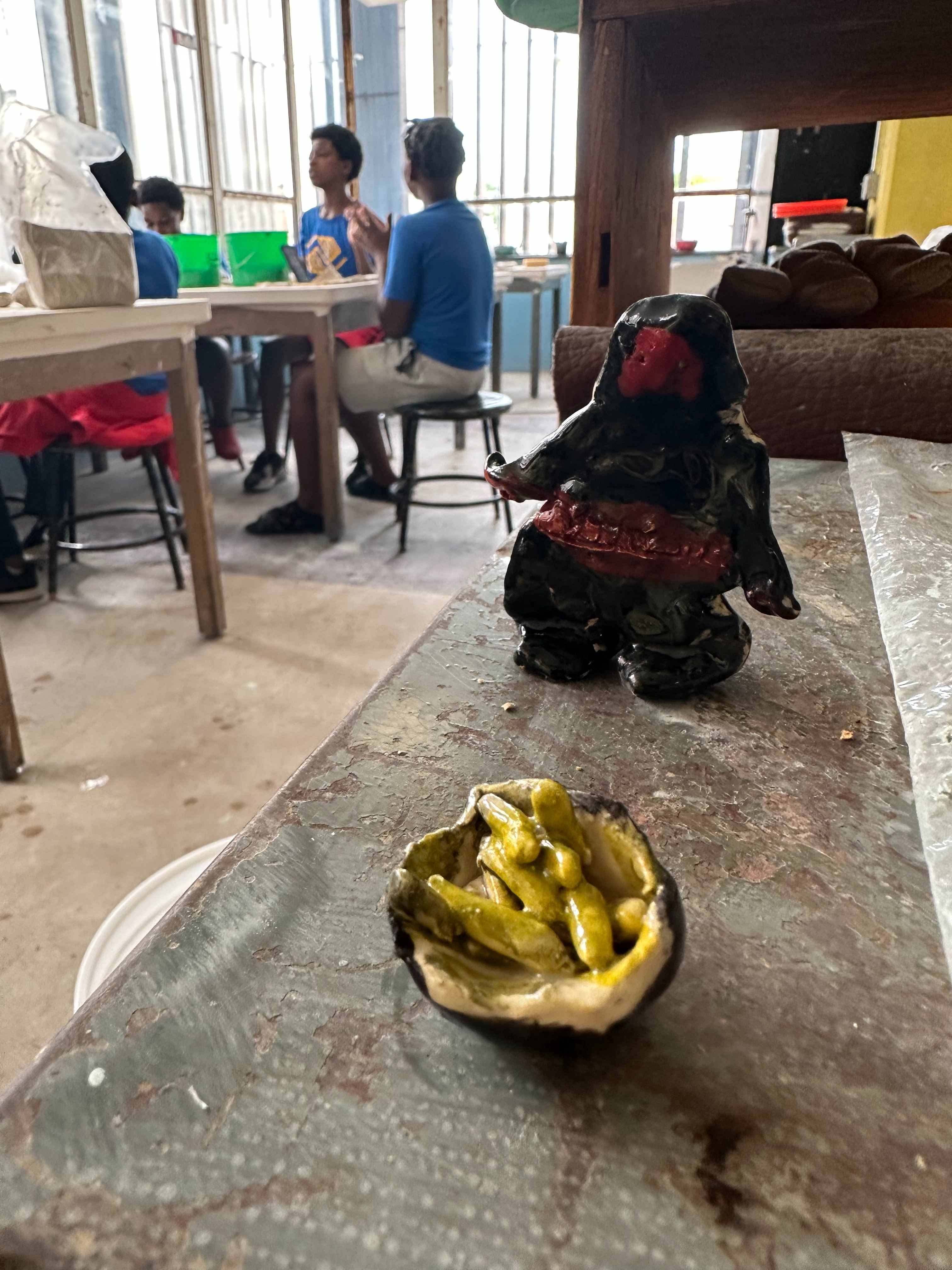
In 2022–2023, a ceramics program pilot launched through the Boys & Girls Clubs of Chicago quietly became something more than an art class.
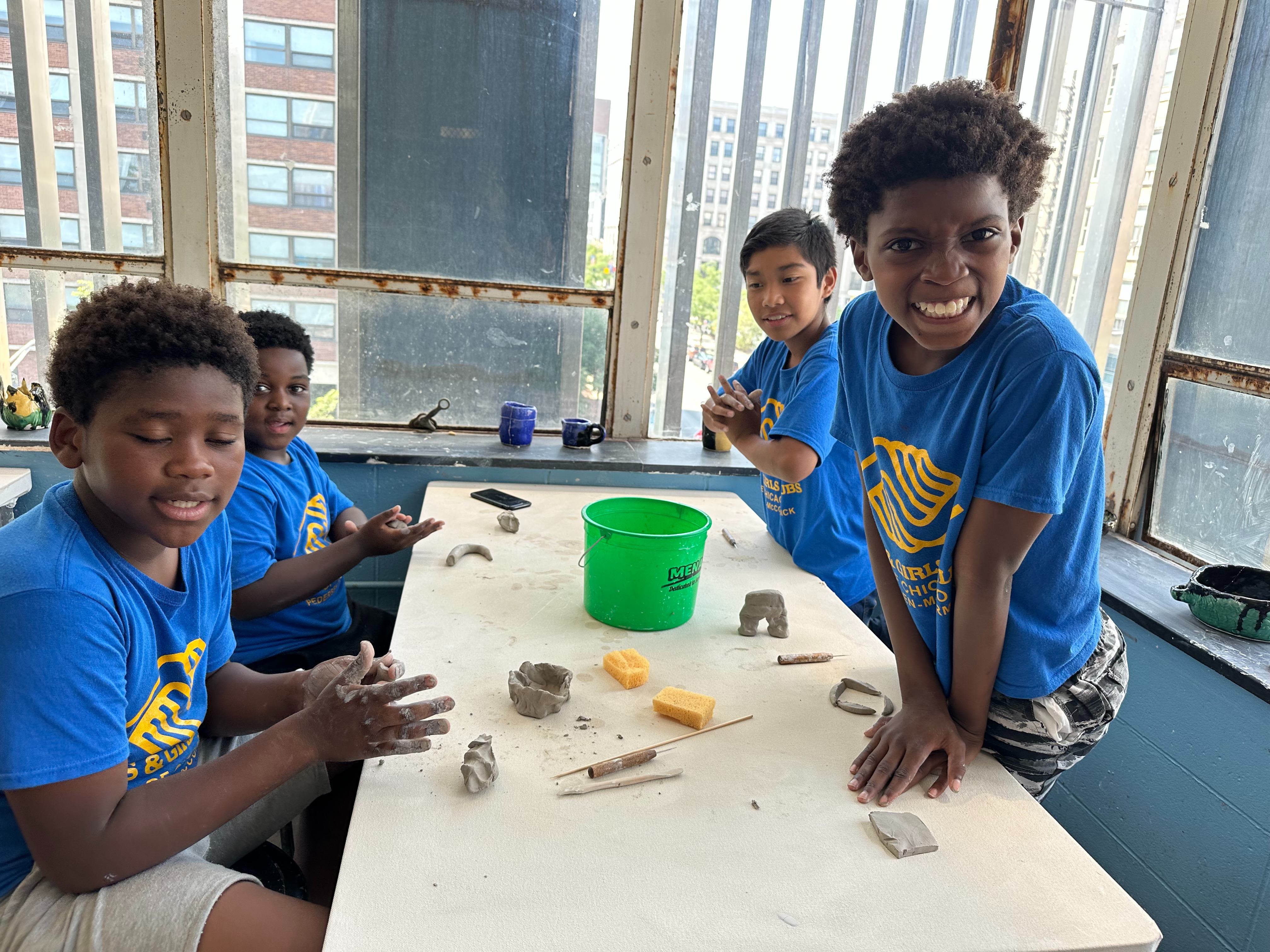
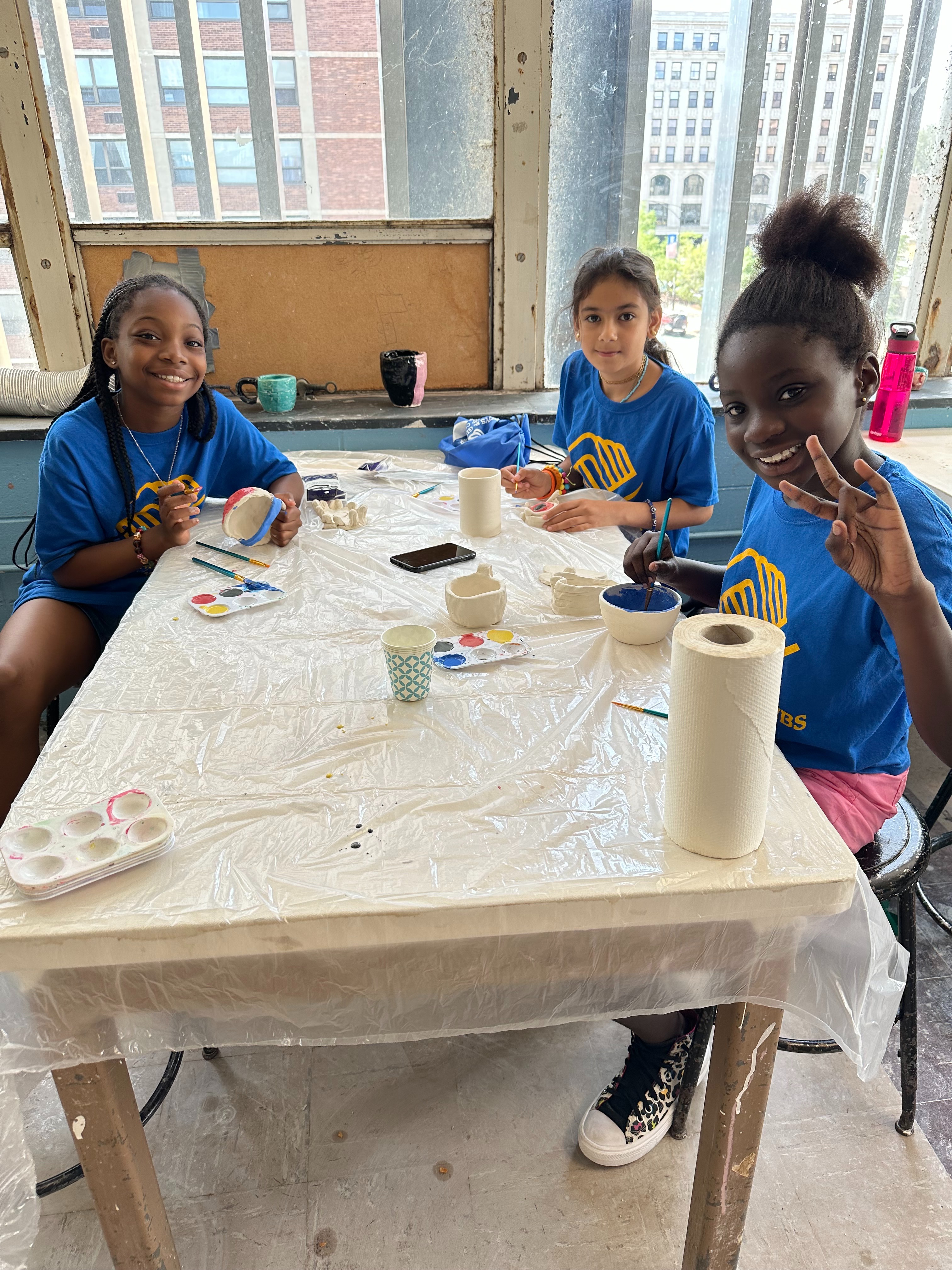
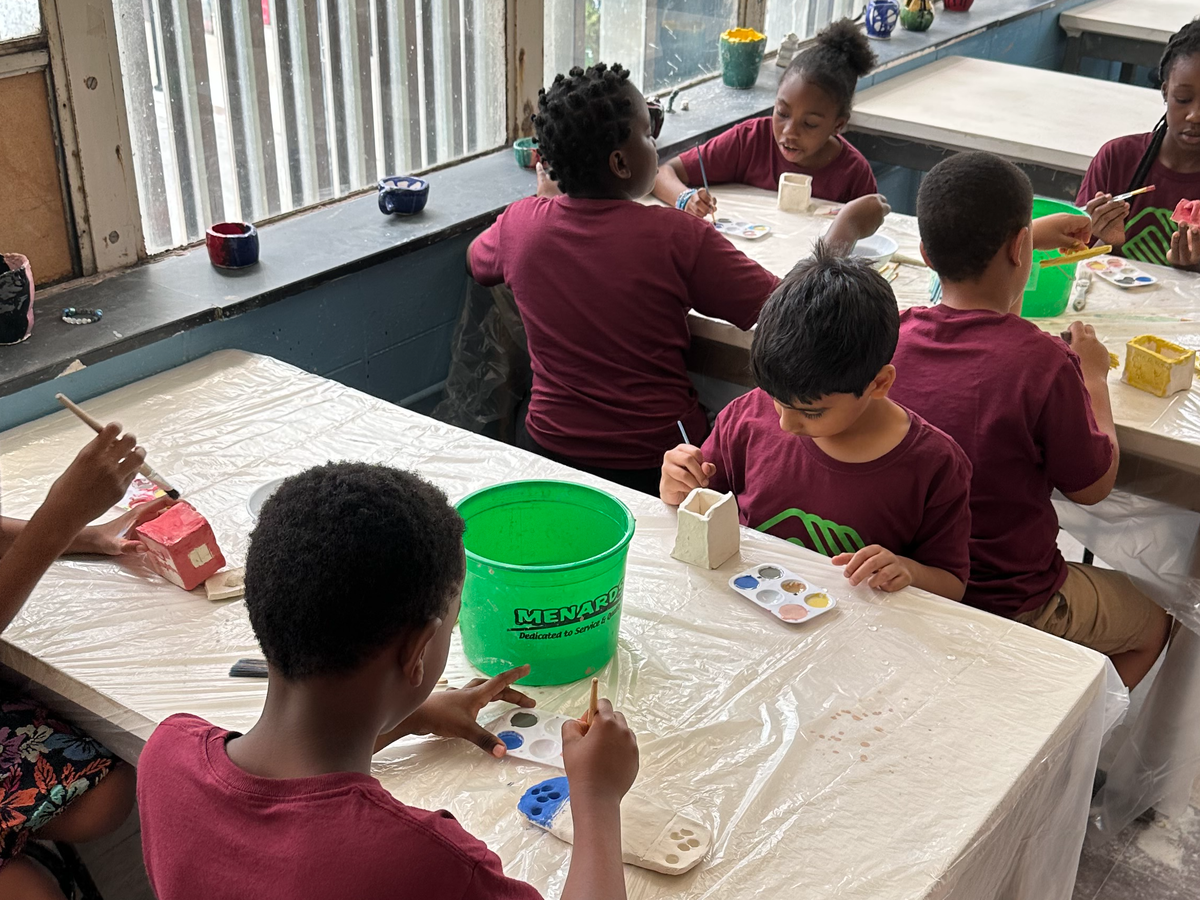
It created a safe, engaging, and playful space where Chicago’s kids and underserved youth were able to explore clay and their own self expression. It fostered agency during a time and developmental stage many young people struggle to find confidence in their voice, while supporting their ability to connect with one another around making.
The value of it was clear: they stayed longer than they “had” to. They found a diverse space of acceptance and care— they found focus.
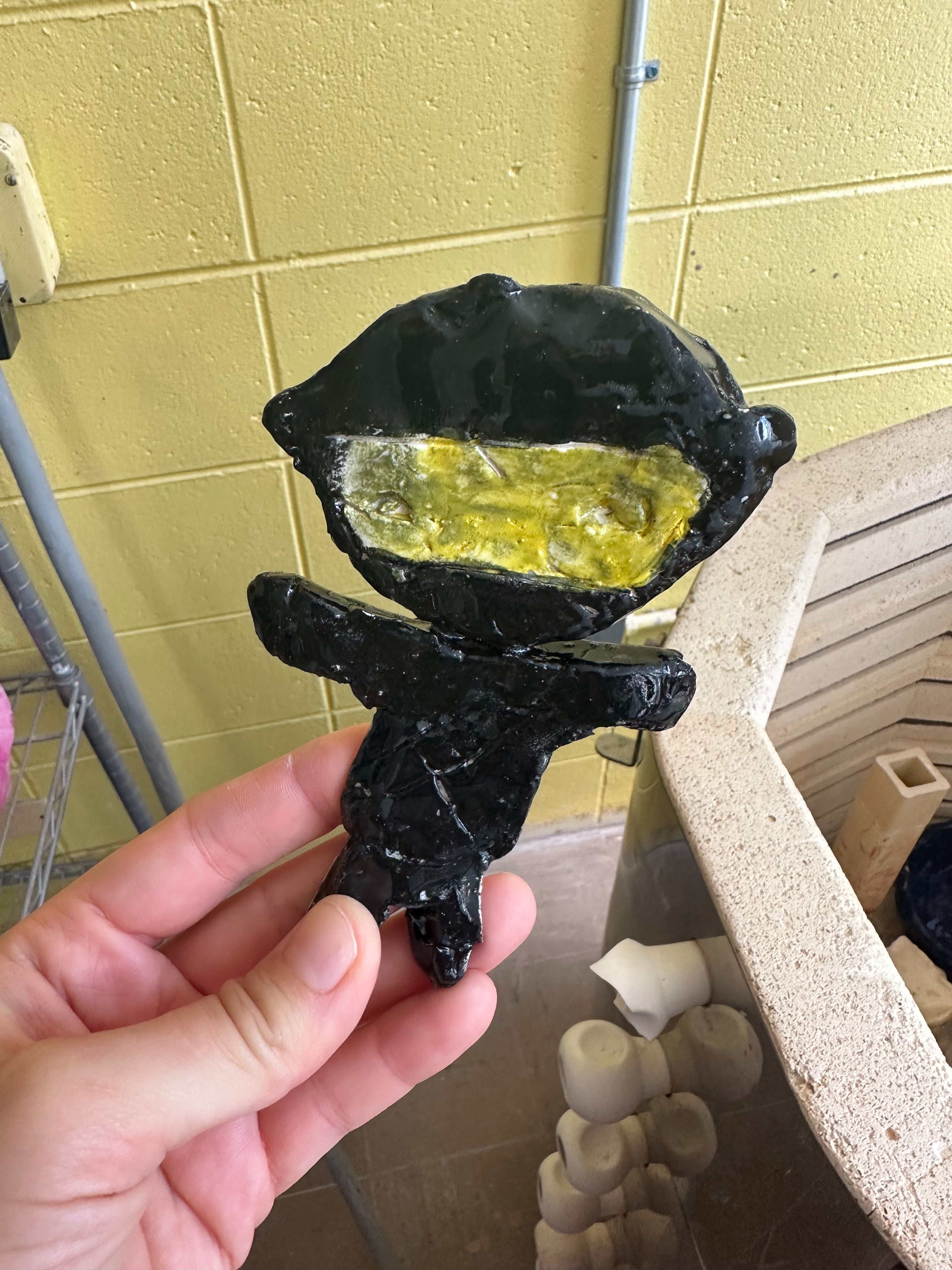
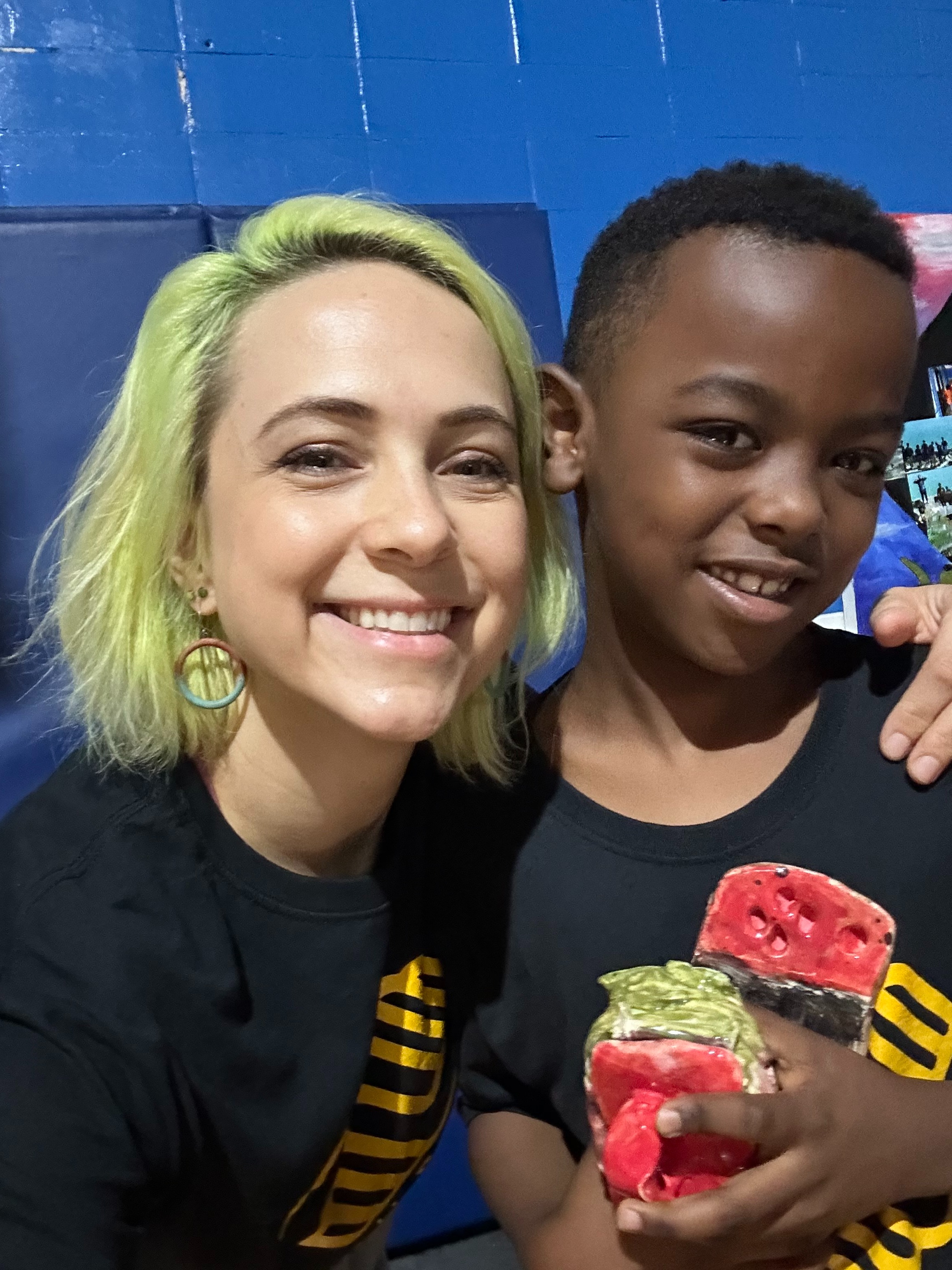
The kids and youth made something real, from start to finish. For some, it was the first time they experienced that kind of ownership and accomplishment.
Then the program stopped. It stopped not because it failed, but due to the failure of a critical piece of infrastructure, and lack of funding to address it.
What disappeared wasn’t just access to clay, it was a space where young people could:
- Build patience in a world that rewards speed
- Express themselves in ways they don’t always have language for
- Experience pride in completing something tangible, from nothing
In a time where youth are increasingly navigating isolation, burnout, and constant digital noise, spaces to be physically present— to make and to bond— are increasingly important. For the kids at Boys & Girls Clubs of Chicago, spaces to experience community and create in an encouraging and safe space are of particular importance. They are essential and in short supply. Together, we can change that.
What We Need: Funding Overview
We are seeking funding to restart and stabilize the program through its next phase. Funding and programming support will cover:
- Core infrastructure: kiln repair, equipment and capacity for engaged operations
- Program delivery: materials (clay, glaze, tools) and instructional time
- Capacity building: shelving, equipment, and expanded student access
- Sustainability development: groundwork for a self-funding model through advanced student production
Our goal is to move from a highly successful pilot to a restored program, and over the next three years, expand and stabilize to a durable, repeatable offering within the Boys and Girls Club.
Why This Matters Now
Programs like this don’t often get second chances. Arts programming is consistently underfunded, despite being one of the most effective ways to engage and retain youth in community spaces.
This initiative is not speculative. It has already worked across multiple sites, age groups, and program formats.
What funding does now is bridge the gap between a successful pilot and a stable, ongoing program. It restores something that proved its value, is increasingly in demand and highly impactful, and ensures youth continue to grow within a space they have already shown commitment to.
What You’re Supporting
This campaign is about reinstating and extending a proven youth program, not starting from scratch.
Funding will:
- Restore full program operation so youth can once again complete and exhibit their work
- Re-establish consistent ceramics programming within the club’s existing structure
- Build toward a model that can sustain itself over time through skill development and program-based revenue
This program, if fully funded, is set up in such a way that it will become self-sustaining after its third year. Additionally, if this campaign proves fruitful, it will be used as a model to fund future programs beyond ceramics.
How We Put Your Donation To Work:
This funding restores full program function and supports an initial operating window. The details for restoring the ceramics program by summer 2026 are as follows:
Core Infrastructure (Essential)
Kiln repair (elements, relays, etc) $1,200 - $3,500
Ventilation and safety compliance. $300 - $1,200
Subtotal: $1,500 - $4,700
Materials & Equipment (Essential)
Clay, glaze, and firing materials $800 – $2,200
Tools and shared class equipment $300 – $800
Kiln furniture (shelves, posts) $300 – $900
Subtotal: $1,400 – $3,900
Program Delivery (Initial Term)
Instruction (multi-week sessions) $3,000 – $6,000
Technical support (firing, maintenance) $800 – $1,800
Program coordination/admin $800 – $1,800
Subtotal: $4,600 – $9,600
Total: $7,500 – $18,200
This provides enough flexibility to ensure the program launches fully functional, safe, and consistent, not partially restored.
If We Exceed Our Goal
Additional funding will immediately expand access and strengthen program stability:
- Increased student capacity (more materials, more sessions)
- Expanded tools and workspace infrastructure
- Backup kiln components to prevent future shutdowns
Historical Summary — A Note From Ceramics Program Coordinator and Instructor Natalie Wagner:
In the summer of 2022, I had the opportunity to help pilot the return of ceramics programming at the Boys & Girls Clubs of Chicago, made possible through external funding at the time. I volunteered that summer, working weekly with kids at the Dr. Martin Luther King Jr. Club in Garfield Park. We tested whether there was real interest—across different age groups—and whether a program like this could actually hold their attention.
It could. It did. The attendees showed so much joy, care for the craft, the space, and one another.
From these successes, the program expanded. Alongside Arts Programming Director Kourtnee Quiza, we located a working kiln within the club network and brought ceramics to the Pedersen-McCormick Club in Uptown in 2023. I taught two classes of 8–10 students each, across different age groups. That summer was one of the most meaningful experiences of my life. The room was loud, messy, focused, joyful—sometimes all at once. The kids showed up, not just physically, but fully. Not only did they show up for their scheduled times, but would often spend time working while I managed the operational side of running a functioning ceramics studio. They shared parts of themselves in ways that stuck with me: moments of pride, frustration, quiet, and honesty that you don’t forget.
Near the end of the program, the kiln began to fail. We pushed through just enough to finish firing pieces for the annual art show, but after that, it couldn’t continue. Repair costs were assessed, but funding wasn’t available. Without that core piece of infrastructure, the program stopped. Funding for this initiative is essential to getting the program on track, in an expanded and continued operation. This includes funding to ground the initiative in operations that create sustainable funding tracks; however, at this point in time we need financing and support to create that bridge and lay a stable foundation. A foundation, that if given the opportunity, is a framework that can in turn be applied in other places and spaces.
And finally, I’d like to leave you with this:
Pottery is not just making things from clay; it’s connection to land, to place, to our bodies and between each other. As one of the oldest known forms of human craft, pottery is a common thread rooted across different cultures, body types, skin colors, languages, and religions. It has been used to express individuality, joy, process grief, engage in the spiritual, and to signify personal, social, and historical healing. Kids deserve access to all of this, especially at a time where we are seeing record loss of third spaces.
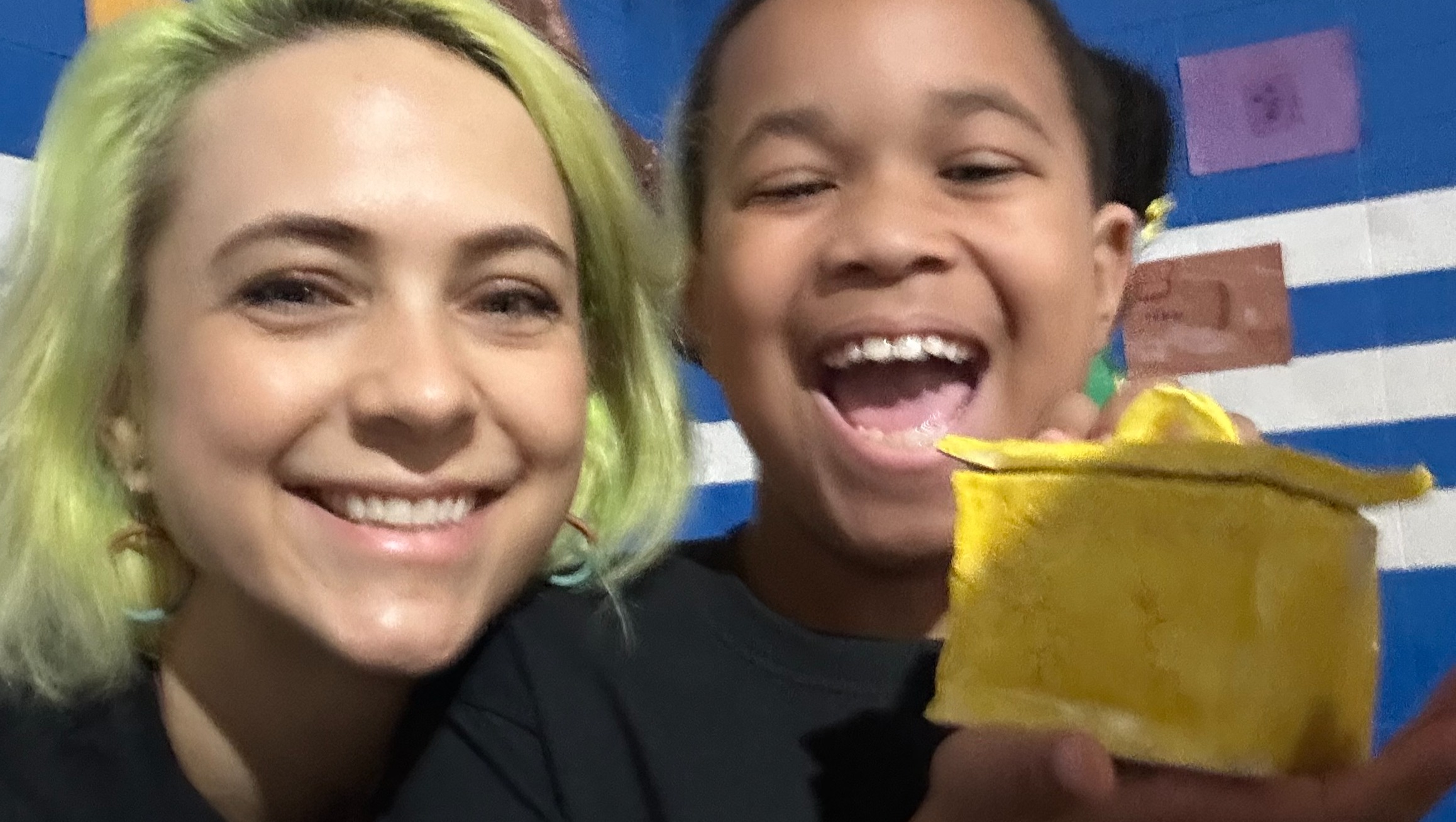
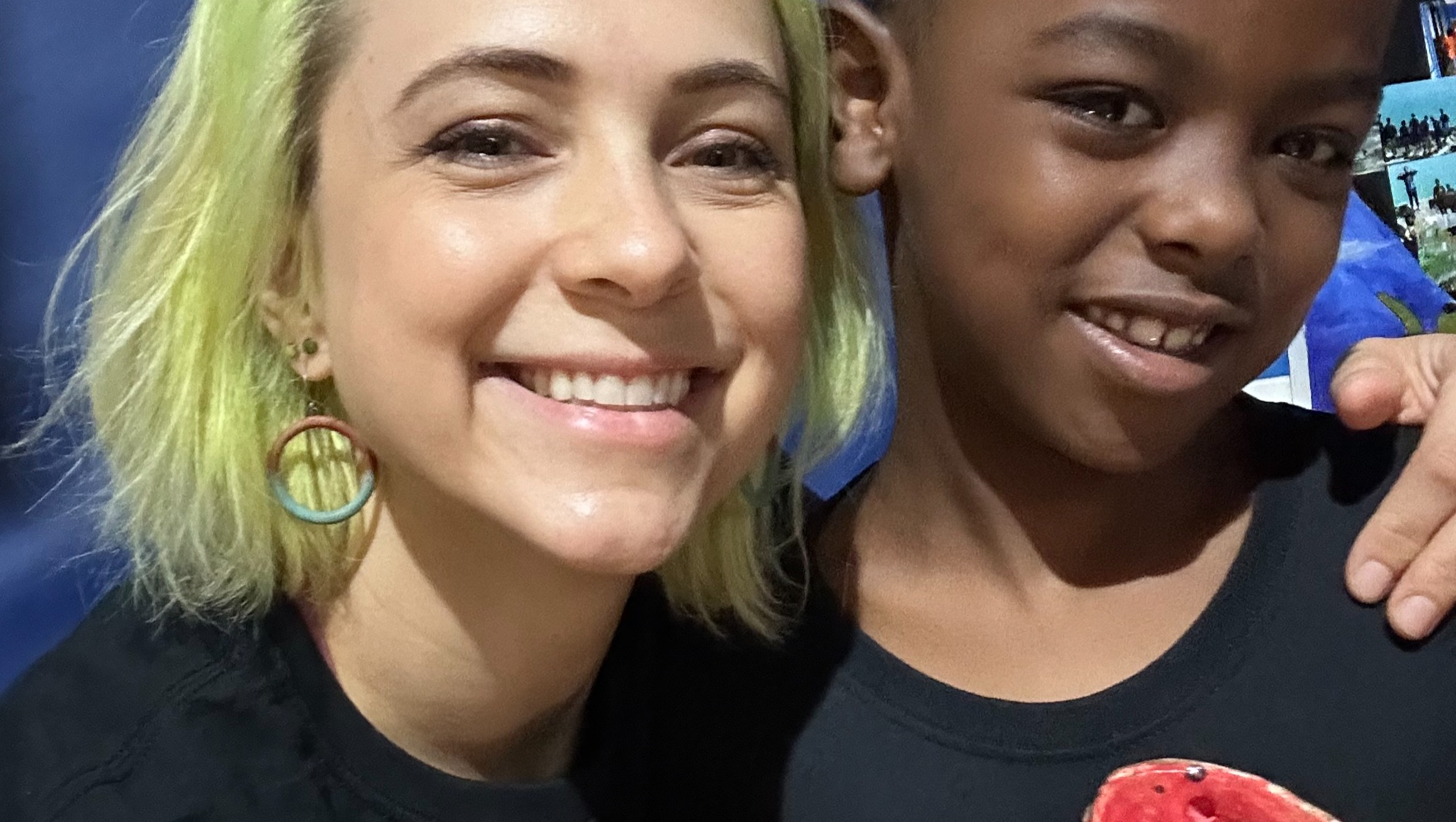
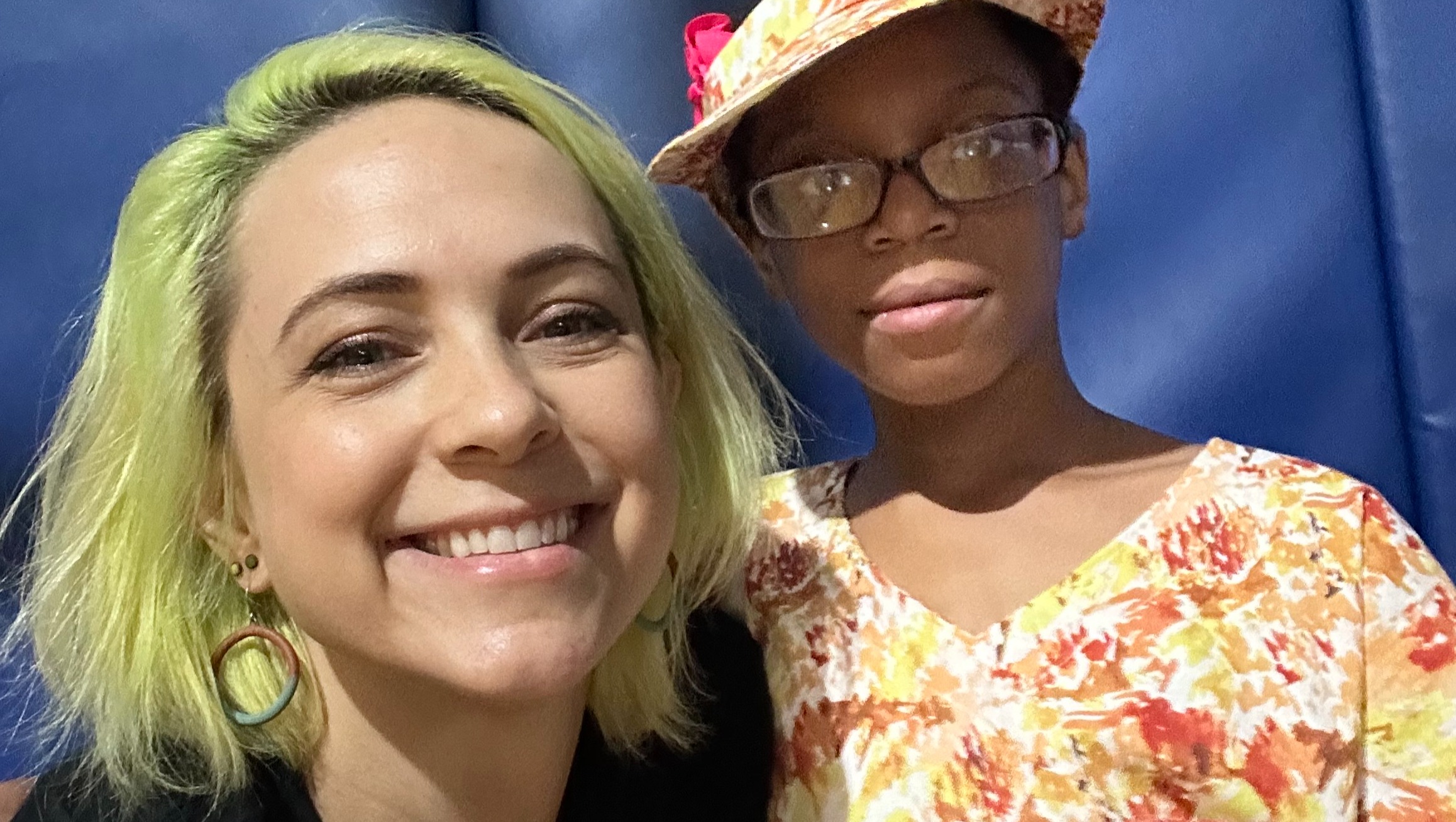
I would like to thank Melanie Castillo, Cale J. Passmore and Matthew Opal for their efforts in helping me put together this campaign. It would not have been possible without their efforts and input. And I would like to thank Fawn Penn and Zoe Minzenberger for creating a community in which I have been able to see this vision come to fruition. Finally, I would like to thank you for taking the time to consider participating in this vision for the future of ceramics programming at the Boys and Girls Clubs of Chicago by helping us fund this program. Without people like you, this vision would not be possible.
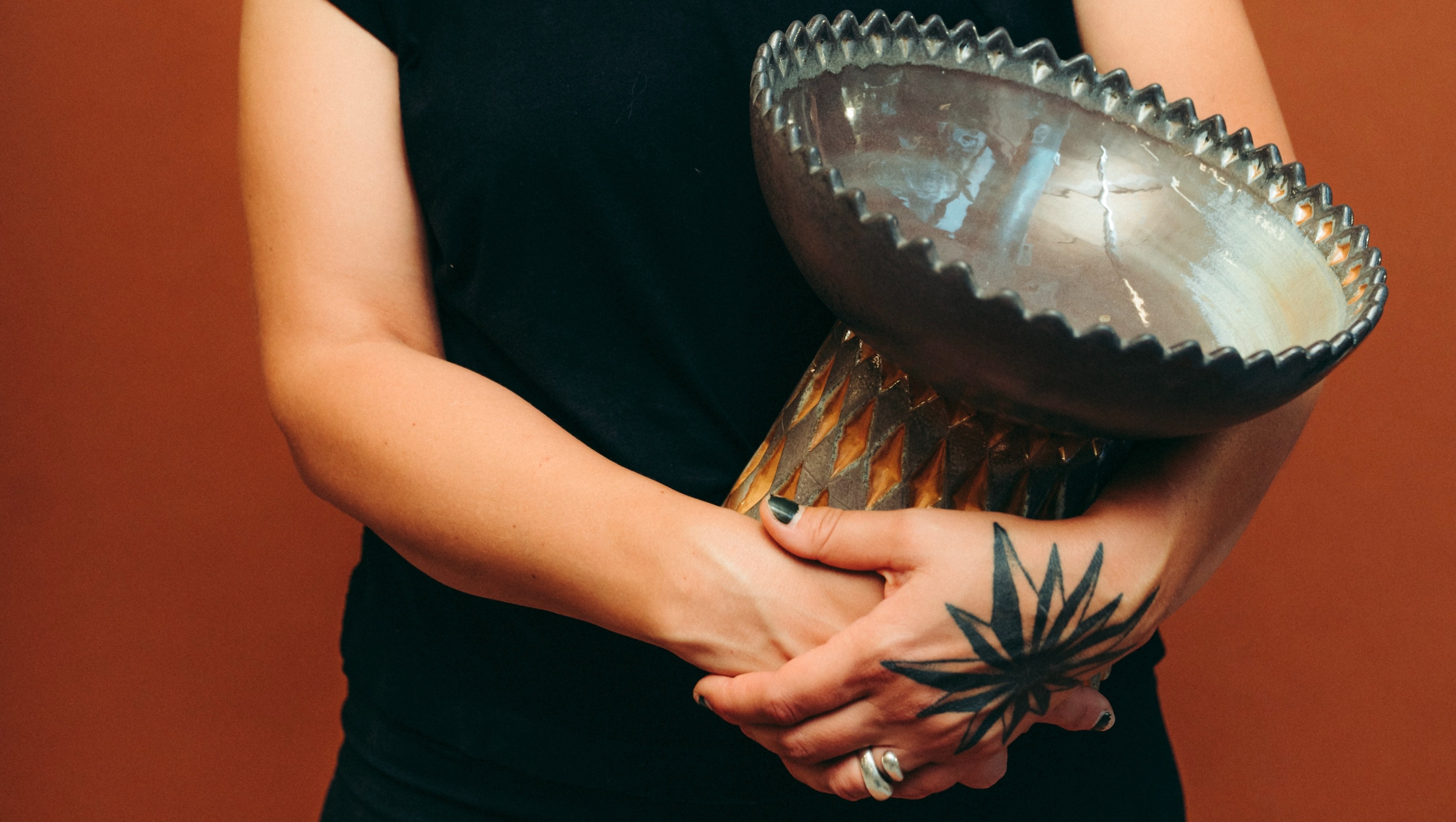
About the creator of this program:
Natalie Wagner is a multidisciplinary artist who’s practice is primarily grounded in ceramics, who works and teaches, at multiple studios. Not only do they have an intimate knowledge of craft and clay, but additionally have an extensive professional work history in the broader arts community and nonprofit and business sectors. Within the arts they have experience directing of exhibitions and programs for a nonprofit gallery and large scale exhibition fine art showcase, helping operate multiple teaching artist studios, preparator work and assisting artists one on one on larger bodies of work. In the business sector, they have experience in retail and large scale event management and execution on a regional level across multiple states and locations, creating and managing teams, budgets, training manuals and entire operational protocols for an entire US event marketing team, as well as, helping build teams and marketing strategies for retail expansions. It is the breadth of this applied, working knowledge that makes them believe that the above vision is not only feasible, but attainable and sustainable, given the appropriate initial financial runway.