- L
- J
- R
I'm reaching out with a difficult request. My 83-year-old mother was recently the victim of an elaborately sophisticated fraud scheme, and she needs help recovering from the financial losses, but also to raise awareness of sophisticated fraud scheme's like this that target the elderly.
The Call No Child Wants to Receive
Last week, I received a call from my 83-year-old mother's landlord. My mom's bank account had been closed for suspected fraud, and she was devastated, confused, and couldn't access her Social Security—her only source of income.
As I pieced together what happened, my heart broke. My mom hadn't committed fraud. She had been the victim of it.
How It Started: A Dream Reignited
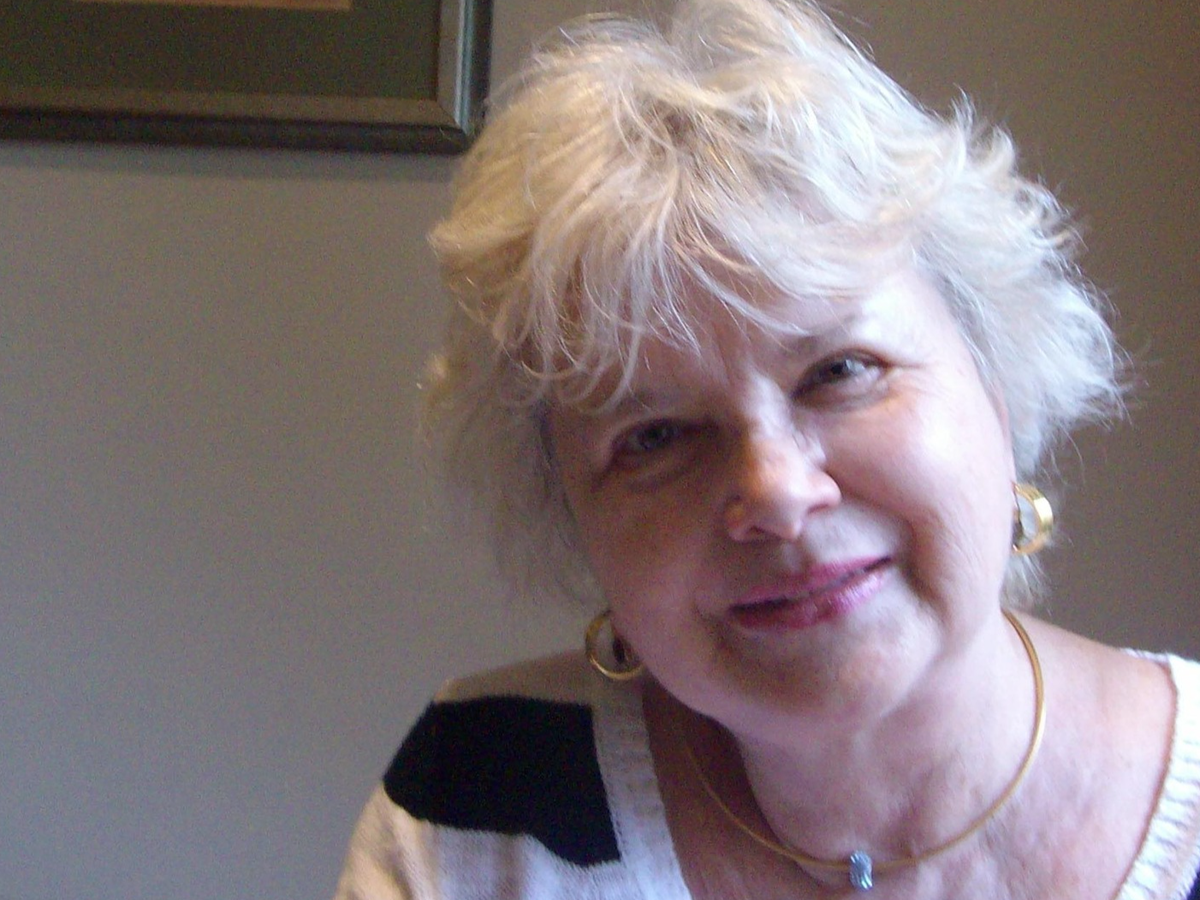
My mother, Marita, is 83 years old and lives alone. After a lifetime of working with children and young people, she's struggled with the loneliness and sense of purposelessness that retirement can bring. She deeply missed feeling connected to meaningful work.
When someone she believed was a former coworker reached out on Facebook with an opportunity to develop educational curriculum for an orphanage, it seemed like an answer to her prayers. The promise of $70,000 for her expertise felt like validation—that her skills still mattered, that she could still make a difference.
She threw herself into the work, spending weeks developing comprehensive curriculum materials. She was excited. She felt alive again.
When Dreams Become Nightmares
What my mother didn't know was that her former coworker's Facebook account had been compromised. The person she was communicating with wasn't her friend at all—it was a scammer running a sophisticated fraud operation.
The level of sophistication was staggering. After weeks of communication and curriculum development, they invited her to fly to New York to present her work directly to the school administration. This felt like the ultimate validation—they wanted to meet her in person! She booked a flight on JetBlue, packed her materials, and hired a driver for the long drive to the airport.
She was standing in the airport, boarding pass in hand, when a message came through: "Don't get on the plane. The children are taking exams this week, and you won't be able to work with them. We'll reimburse you for the ticket."
Disappointed but understanding, she returned home. That's when things got even more manipulative. To "process the reimbursement and her payment," the scammers asked to be added to her bank account to "help manage the money." Thankfully, Bank of America blocked this attempt—but my mother didn't understand why at the time. She was just trying to get reimbursed and paid.
Then the checkbooks arrived! They looked completely legitimate—professionally printed with inspirational phrases like "Amazing Grace" and "Let Your Light Shine." The scammers gave her detailed, specific instructions on how to deposit checks and process payments, which she followed to the letter, believing this was standard business practice for working with organizations.
When the bank detected the fraudulent checks, they closed my mother's account—not because she was committing fraud, but because they believed she was! To them, the pattern looked suspicious. To my mom, she was just trying to get paid for honest work she'd completed.
The Devastating Reality
My mother never received a single dollar from this "job." Instead, she lost:
- $360 on a non-refundable plane ticket to New York (canceled at the last second while she was standing in the airport)
- $1,500 owed to a kind neighbor who drove her to the airport and then multiple times afterward to try to resolve the banking issues
- $850 owed to her landlord who covered her rent when the account closed
- Access to her bank account where her Social Security checks are deposited
- Her sense of dignity and self-worth
The worst part? The trip to New York should have been the biggest red flag. What legitimate organization invites someone to fly across the country and then cancels at the last possible moment? But here's what people don't understand about these scams: by that point, my mother had invested weeks of work, formed what she believed was a professional relationship, and was emotionally committed. The scammers knew exactly when to pull her deeper in.
The canceled flight wasn't a mistake—it was strategy. It created urgency around "reimbursement," which is when they tried to gain access to her bank account. When that didn't work, they pivoted to the checkbook scheme. Every step was calculated.
She recognized every single red flag in hindsight. The fake name, the strange communications, the suspicious instructions, the last-minute flight cancellation. But in her loneliness and desire to feel valuable again, she pushed those doubts aside. Now she's devastated, embarrassed, and facing a financial crisis on a fixed income that barely covers her basic needs.
Why This Matters to All of Us
If you're reading this, you likely know someone like my mother. Maybe it's your own parent or grandparent. Maybe it's an elderly neighbor or family friend. The statistics are staggering:
- 10% of elderly Americans fall victim to fraud every year - there are more than 60 million over 65 - That's 6.1 million!!!
- Elder fraud losses have increased more than 400% in recent years
- The average loss for victims over 65 is $2,299
Scammers deliberately target our most vulnerable population. They exploit loneliness, the desire for purpose, and the natural trust that comes from a generation raised to believe people are generally good. They use sophisticated tactics—compromised social media accounts, professional-looking materials, fake business meetings, elaborate multi-week schemes, and psychological manipulation—that would fool many of us.
Think about it: they had my mother book a cross-country flight, drive hours to the airport with packed presentation materials, and then canceled it at the last possible moment—all to create urgency around payment processing so they could access her bank account. This wasn't some clumsy email from a "Nigerian prince" ! This was orchestrated, professional, and devastatingly effective.
My mother isn't naive. She's not careless. She's a victim of criminals who studied exactly how to exploit her emotional vulnerabilities and built an elaborate, multi-layered scheme designed to keep her believing until it was too late.
What Happens Next
I have been working frantically to help her:
- File fraud claims with Bank of America
- Report the scam to the FBI, FTC, and local police
- Coordinate with Social Security to ensure her December payment isn't lost
- Try to find a bank that will give an 83-year-old fraud victim a second chance
But the immediate reality is harsh: my mother has debts she can't pay, no access to her income, and her savings—which were never substantial—are gone.
She needs help, and I don't want her to feel like this is just another burden she's placing on family.
How Your Support Will Help
We're seeking to raise a minimum $3,000 to cover:
- $1,500 repayment to her driver
- $850 repayment to her landlord
- $360 for the lost plane ticket
- $290 for immediate living expenses (food, medications, basic needs)
Every single dollar goes directly to my mother. I'm not asking for help for myself—I'm asking you to stand with an elderly woman who trusted the wrong people and paid a terrible price.
If $3,000 seems like a lot, please remember: this represents months of Social Security income for someone living on less than $1,500 per month. For my mother, this isn't a setback—it's a crisis.
A Personal Note
Writing this is hard. My mother is mortified that I'm sharing her story publicly. She feels stupid, ashamed, and responsible. She's reminded me multiple times that she "should have known better."
But here's what I want her to know—and what I want you all to know:
She didn't deserve this. Scammers are professionals who make their living exploiting people. They're criminals. They're the ones who should be ashamed, not their victims.
My mother is a kind person who wanted to feel useful again. She wanted to help children. She wanted to contribute. Those are beautiful impulses, and she was punished for them.
If you can donate any amount, thank you from the bottom of my heart. If you can't, please share this campaign. And if you know an elderly person in your life, please check in on them. Talk to them about scams. Help them understand that it's okay to question things, to ask for help, to slow down.
These scammers win when we're silent about their tactics. They win when victims feel too ashamed to speak up. They win when we don't stand together.
Let's not let them win this time.
By sharing this, you're not just helping my mother—you're:
- Raising awareness about elder fraud
- Showing other victims they're not alone
- Sending a message that communities protect their vulnerable members
- Maybe, just maybe, preventing this from happening to someone else's parent
Updates and Transparency
I will provide regular updates on:
- The status of the bank fraud investigation
- How donated funds are being used
- My mother's recovery process
- Any developments in reporting this crime
All funds will be withdrawn directly to cover documented expenses. I'm happy to provide receipts to any donor who requests them.
Thank You
To everyone who reads this, shares this, or contributes—thank you! You're helping an 83-year-old woman who just wanted to feel valuable again. You're showing her that the world has more kind people than cruel ones. You're giving her hope. And in a moment when she feels utterly hopeless, that means everything.