- A
- H
- H
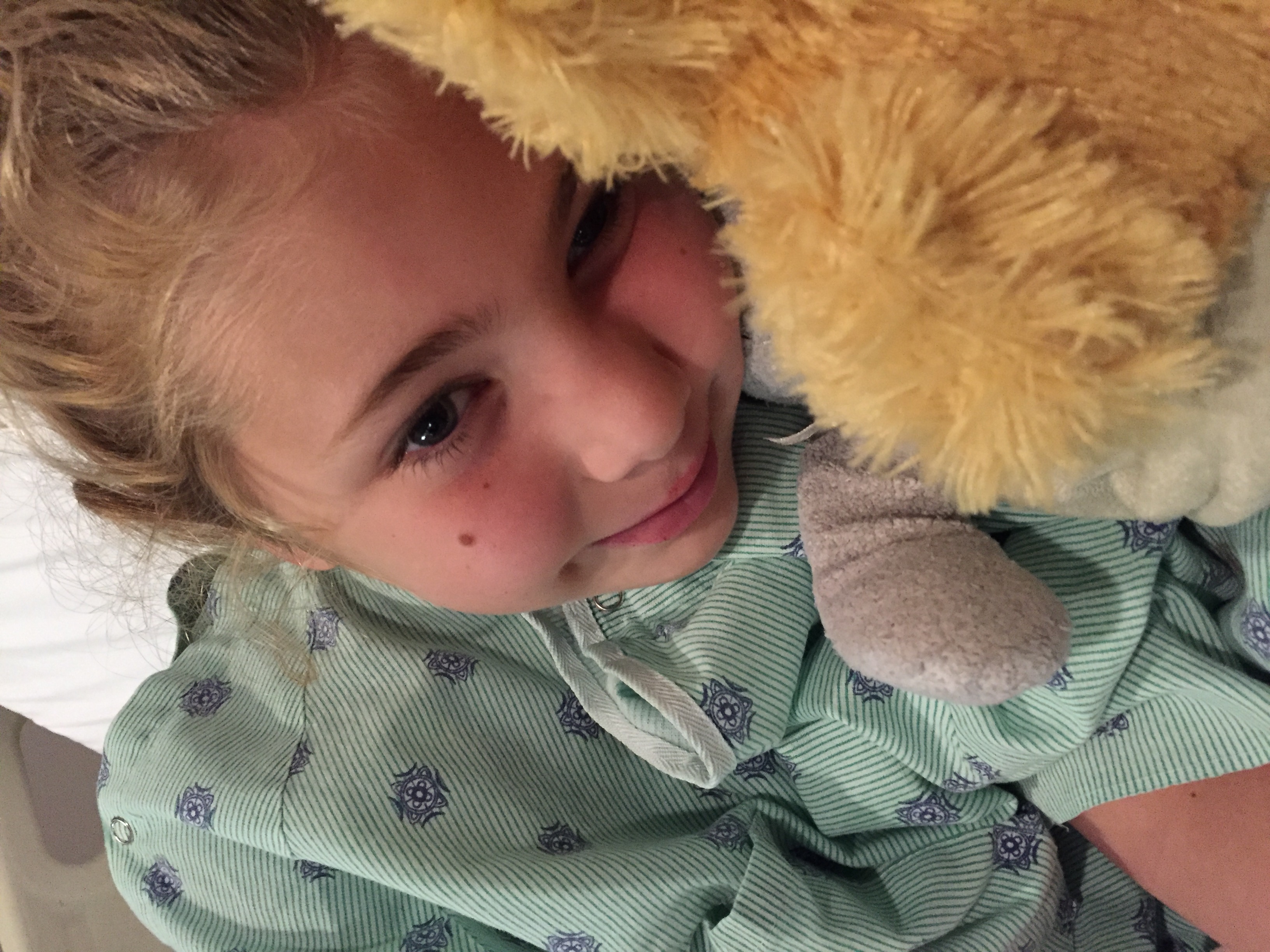
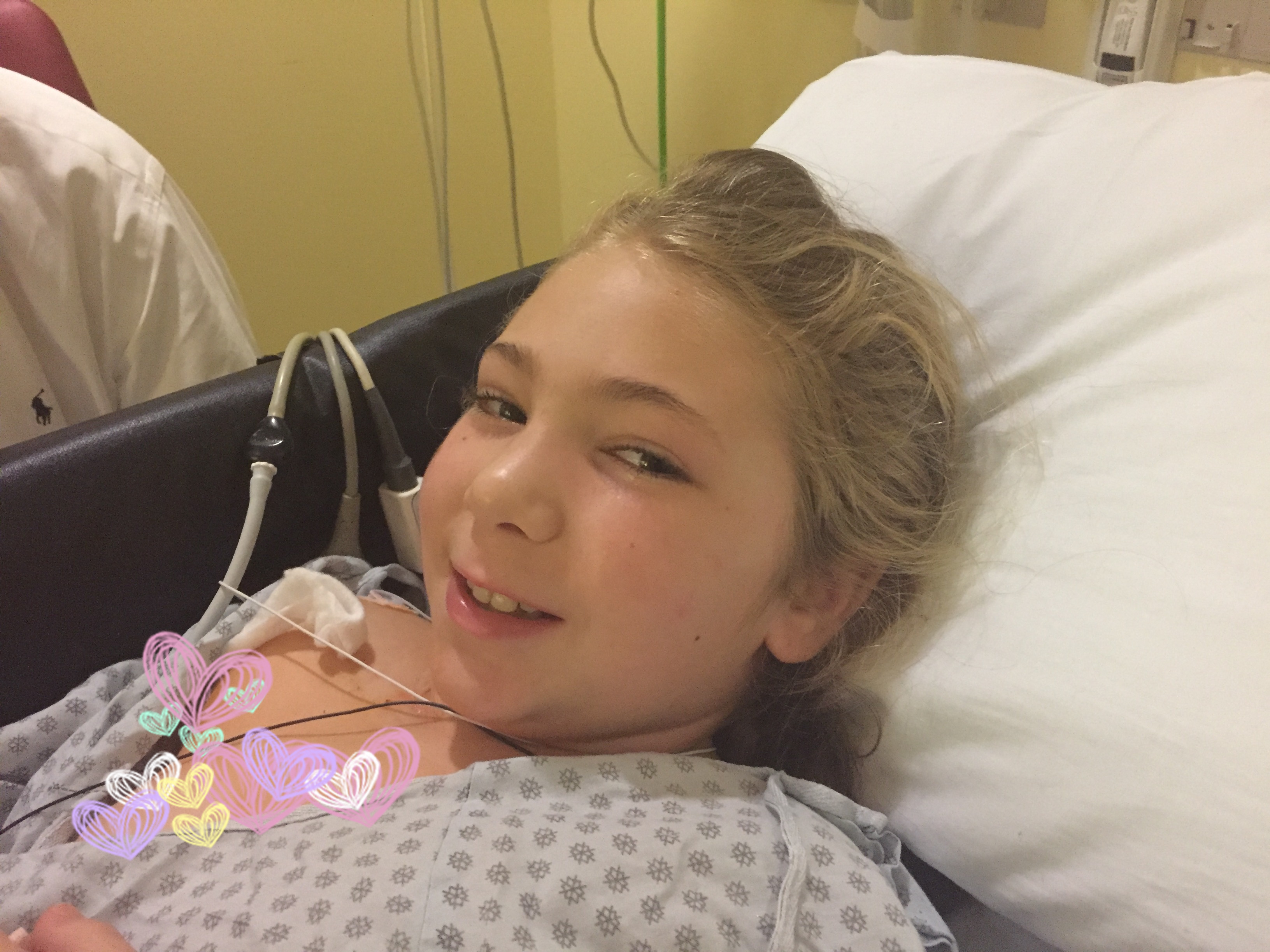
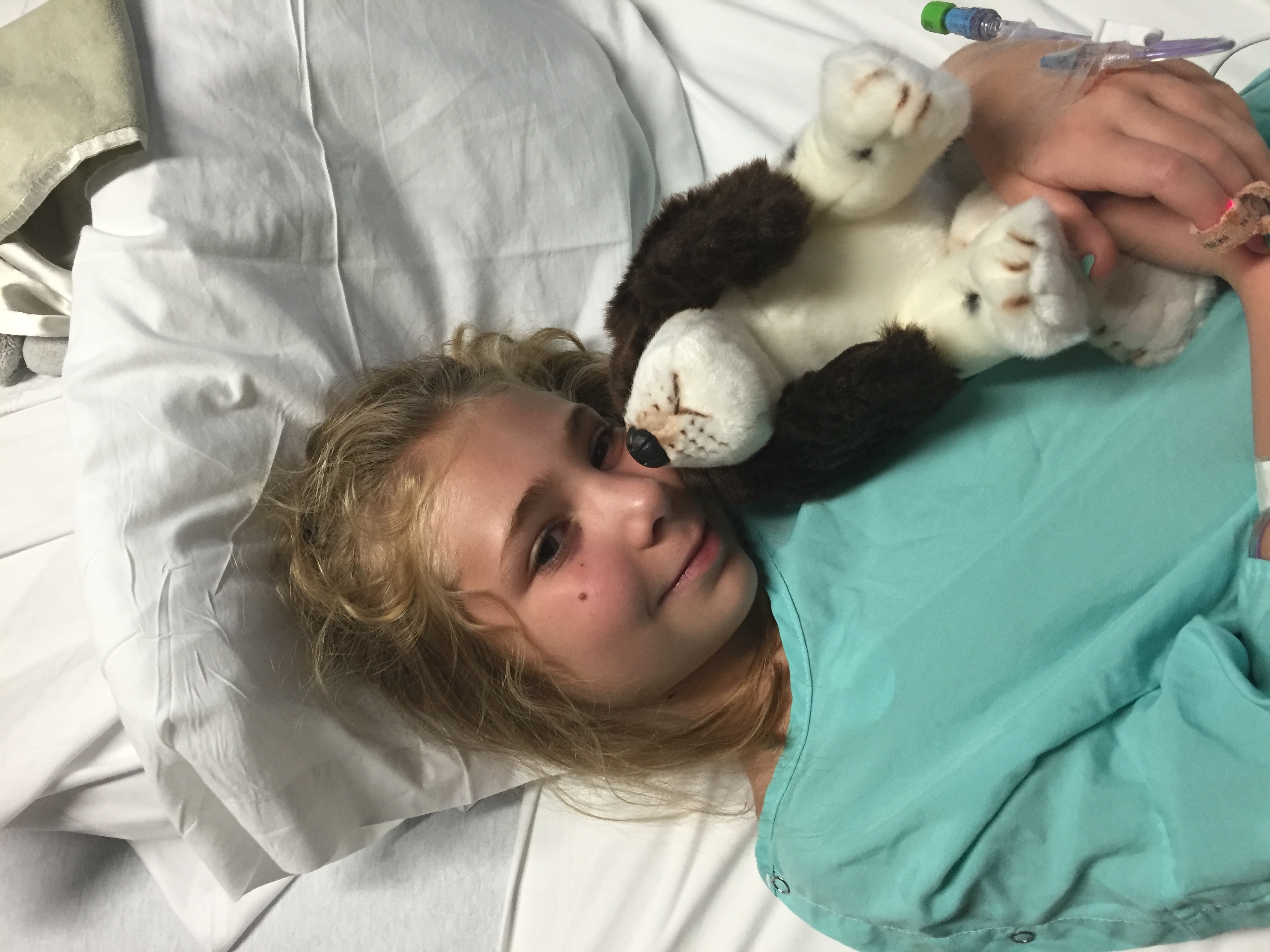
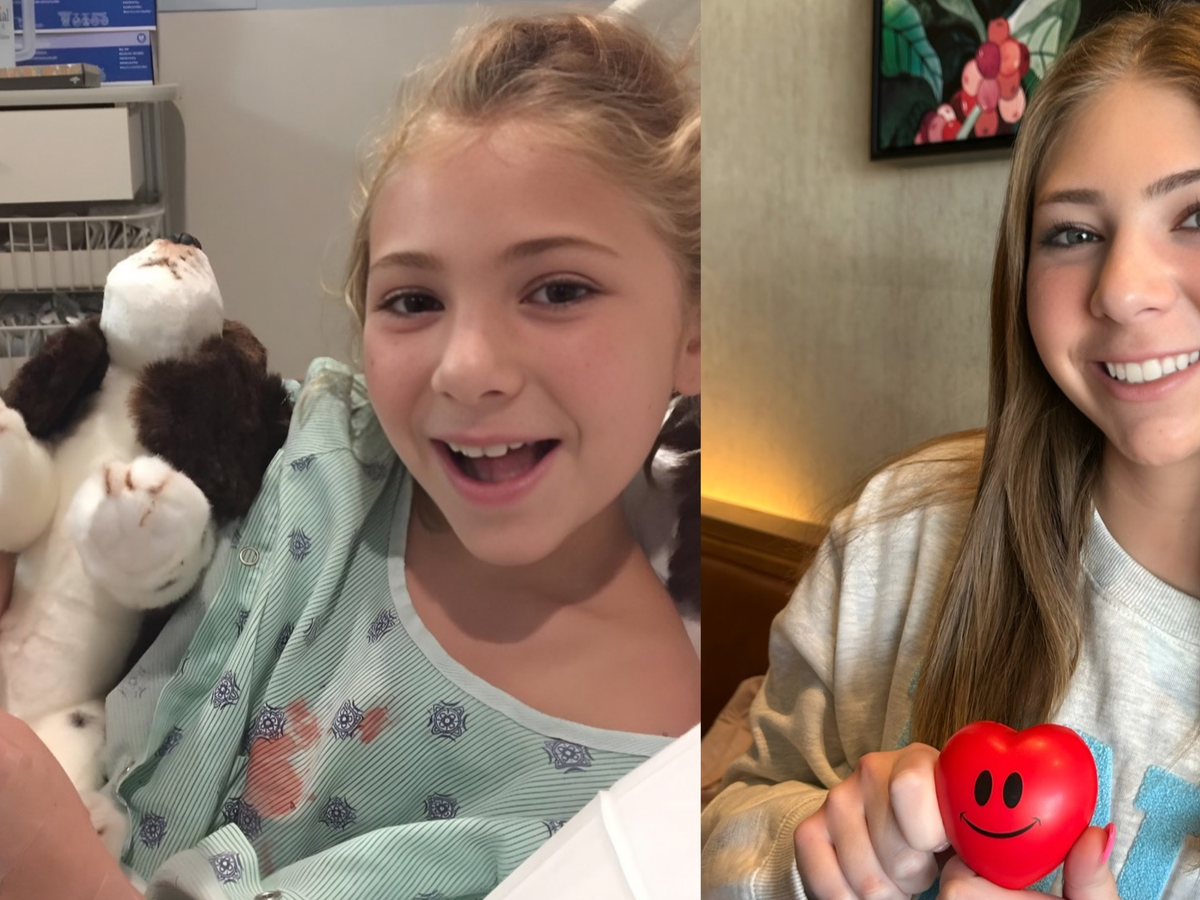
Hi! I’m Lily Kramer, from Douglas, Georgia. This April 2025, I’ll be celebrating my 17th birthday, as well as the 10 year anniversary of a heart ablation procedure that changed my life.
When I was seven years old, I started experiencing terrifying moments when my heart would race uncontrollably. I’d feel dizzy, nauseous, and it was hard to breathe. After experiencing three of these episodes, the fourth was so intense that it terrified my parents. They rushed me to the Emergency Room at Coffee Regional Medical Center—and that’s where my journey truly began.
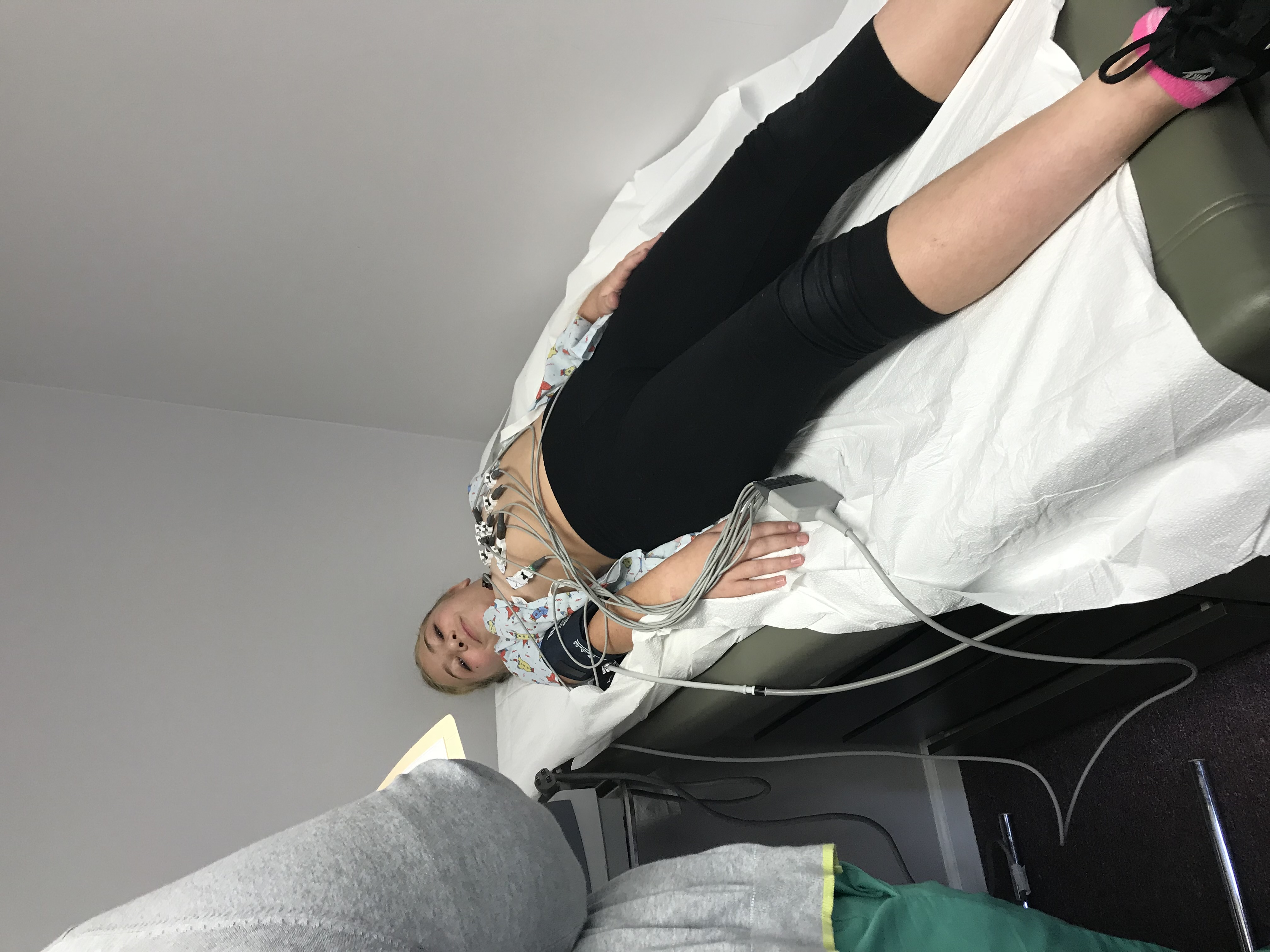
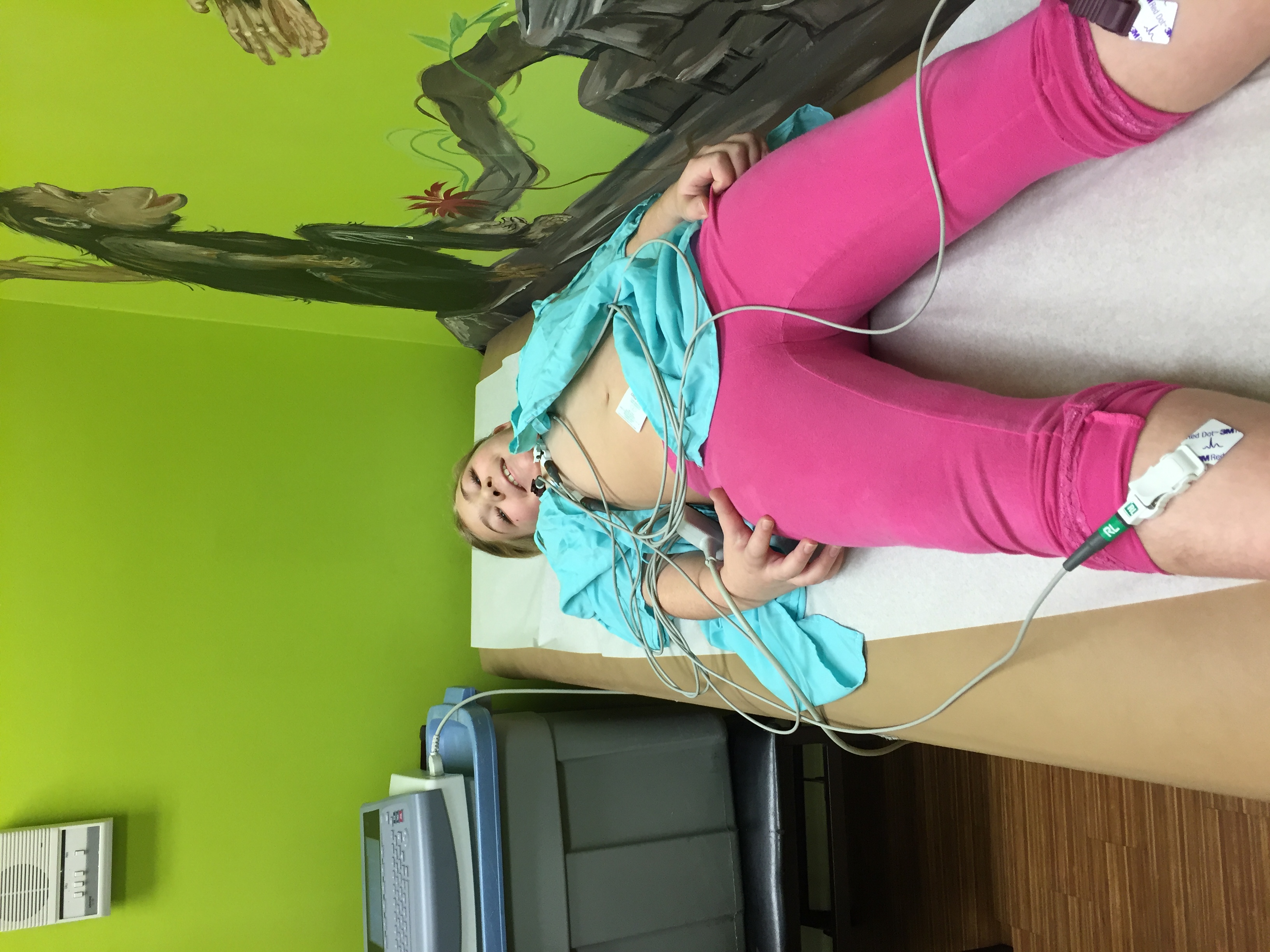
When we reached the ER, my heart was racing at 174 beats per minute, far above my normal 72 BPM. The medical staff noticed my unusual heart rhythm and ran tests, including an ECG. They found I had Wolff-Parkinson-White (WPW) syndrome, a rare congenital heart condition where there’s an extra electrical pathway in the heart that can cause it to beat much faster than normal, causing supraventricular tachycardia (SVT) episodes. The CRMC staff’s quick thinking captured my episode on the ECG, which is crucial for diagnosing WPW.
After the ECG, I was quickly taken to another room where doctors administered adenosine to slow my heart rate. A defibrillator was nearby in case my heart didn’t respond. I was covered in wires and I was really scared. The doctors and nurses there were incredible—they kept me calm and reassured my family’s fears in the middle of the night. They were the ones that stabilized me and then arranged for me to be transported by ambulance to the Children’s Hospital Medical Center in Savannah for further tests.
After three days of monitoring, the doctors put a treatment plan in place, and I was finally able to go home. I had to take daily medication and wear a Holter monitor once a week until my scheduled surgery in Atlanta. Two months later, I checked into the Children’s Healthcare of Atlanta for a heart catheter ablation procedure to correct my condition. The surgeon had to freeze the abnormal electrical pathway rather than burn it, since it was too close to my natural pacemaker to risk using heat. So, the ablation wasn’t considered a complete success—the pathway was still there. However, my cardiologist closely monitored me for six years and genuinely believed it had been damaged enough to prevent any future episodes :) I remember the surgeon telling my parents they made a wise decision by rushing me to the ER that night. She praised the quick and effective actions of the Coffee Regional Medical Center’s ER team, whose care led to my early diagnosis and treatment!
Symptoms of WPW can include irregular heart rate, dizziness, fainting, chest pains, and difficulty breathing. Diagnosis is challenging as episodes often go unnoticed unless caught on an ECG during an episode. WPW affects approximately 1.5 out of 1,000 people worldwide and can lead to serious complications if not promptly diagnosed and treated.
Here I am, 10 years later and feeling grateful. Thanks to the amazing care I received that night in CRMC’s Emergency Room, I no longer have to worry about having another episode.
To show my appreciation, I’m organizing this fundraiser to donate directly to their department. By sharing my story, I hope to encourage others to seek medical attention for unexplained rapid heart rates and to support institutions like Coffee Regional Medical Center that provide critical emergency care services for rural communities.
THANK YOU for visiting my page. Any donation you can give would mean the world to me.
Love,
Lily