- C
- C
- A
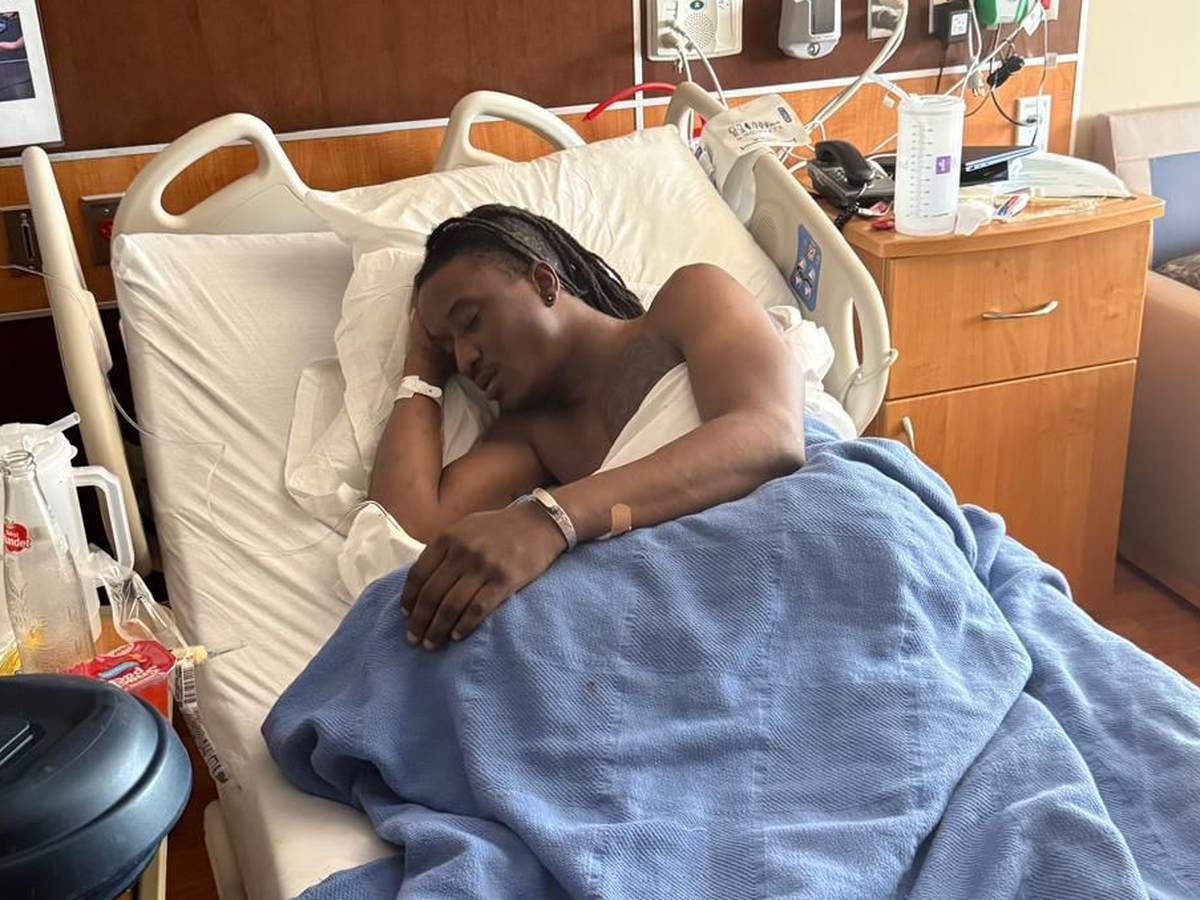
Help Ibrahim Diallo Get the Care He Needs
0% complete
$3,090 raised of
59 donations
When the pain comes, Ibrahim Diallo says it feels like his body is turning against him. He describes the sensation like the feeling you get when your leg falls asleep. That pins-and-needles feeling, but imagine it’s your whole body— like every muscle, every vessel, every cell is at war with itself.
Sickle cell disease, the genetic blood disorder he’s lived with since birth, has always made survival a daily act of defiance. But now, locked inside the Prairieland Detention Facility, in Texas, that defiance has become a slow-motion battle against the machinery.
He needs constant care.
Ibrahim, 32, came to the United States from Mauritania when he was 5-years-old. His mother, a home-care worker who has spent her life tending to others, has now spent months pleading for someone to tend to her son. Since his detention in April, she’s watched his health decline through scratchy phone calls and secondhand reports. ICE has taken him to the hospital three times — each trip a desperate race to stop his blood from clotting and his body from shutting down.
By ICE’s own standards, Ibrahim should never have been detained. Federal directives — ICE Directive 11032.4, among others — instruct agents to avoid detaining individuals with serious medical conditions unless absolutely necessary. Yet Ibrahim has spent nearly a year inside the system, cycling between detention facilities and overcrowded county jails, often alongside violent offenders.
A bureaucratic ghost story
The paper trail of Ibrahim’s case is blurry — a missed hearing notice sent to the wrong address, a father estranged from his mother, a DACA application lost in the churn of changing administrations. He’d been on the waiting list for eight years. When DACA protections were rescinded, he fell into the shadows — not by choice, but by bureaucracy.
There’s a quiet cruelty in what’s happening here. A man who’s lived in this country since childhood is now facing deportation to a place he doesn’t know, for paperwork he never received, while his body deteriorates inside a facility unfit to keep him alive.
The great moral test of this moment isn’t about borders or ballots. It’s about who we become when compassion becomes conditional.