- A
- J
- K
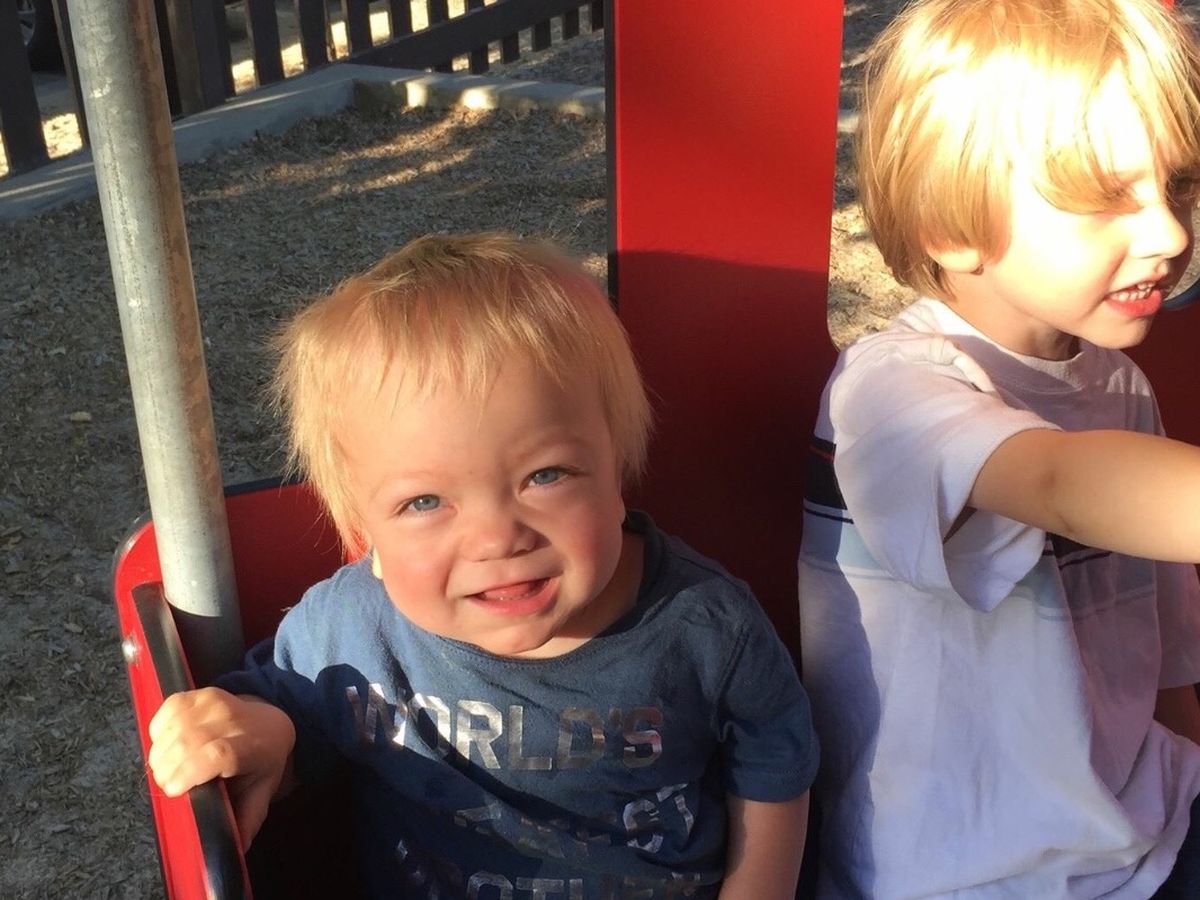
Let me introduce you to my nephew, Graham Kaye McDonough, handsome babe, just under 2 years old. He was recently diagnosed with Hurler Syndrome. Besides the heartache of watching your child suffer there will also be unforeseen medical bills that my brother and sister in law will face. I’m reaching out for support to help them through this difficult process. Their elder son, Miles, is not a carrier of the gene and is a perfect bone marrow match. They will both begin this journey together next week starting with Chemotherapy for Graham to clear the slate. This is a long treatment that will keep the family at UCSF for many weeks. Your help, your thoughts and your prayers make a difference. Thank you.
There is currently no cure for Hurler Syndrome. Enzyme replacement therapy with iduronidase(Aldurazyme) may improve pulmonary function and mobility. It can reduce the amount of carbohydrates being improperly stored in organs. Surgical correction of hand and foot deformities may be necessary. Corneal surgery may help alleviate vision problems.[7]
Bone marrow transplantation (BMT) and umbilical cord blood transplantation (UCBT) can be used as treatments for MPS I. BMT from siblings with identical HLA genes and from relatives with similar HLA genes can significantly improve survival, cognitive function, and physical symptoms. Patients can develop graft versus host disease; this is more likely in non-sibling donors. In a 1998 study, children with HLA-identical sibling donors had a 5-year survival of 75%; children with non-sibling donors had a 5-year survival of 53%.[8]
Children often lack access to a suitable bone marrow donor. In these cases, UCBT from unrelated donors can increase survival, decrease physical signs of the disease, and improve cognition. Complications from this treatment may include graft versus host disease.
There is currently no cure for Hurler Syndrome. Enzyme replacement therapy with iduronidase(Aldurazyme) may improve pulmonary function and mobility. It can reduce the amount of carbohydrates being improperly stored in organs. Surgical correction of hand and foot deformities may be necessary. Corneal surgery may help alleviate vision problems.[7]
Bone marrow transplantation (BMT) and umbilical cord blood transplantation (UCBT) can be used as treatments for MPS I. BMT from siblings with identical HLA genes and from relatives with similar HLA genes can significantly improve survival, cognitive function, and physical symptoms. Patients can develop graft versus host disease; this is more likely in non-sibling donors. In a 1998 study, children with HLA-identical sibling donors had a 5-year survival of 75%; children with non-sibling donors had a 5-year survival of 53%.[8]
Children often lack access to a suitable bone marrow donor. In these cases, UCBT from unrelated donors can increase survival, decrease physical signs of the disease, and improve cognition. Complications from this treatment may include graft versus host disease.