- D
- E
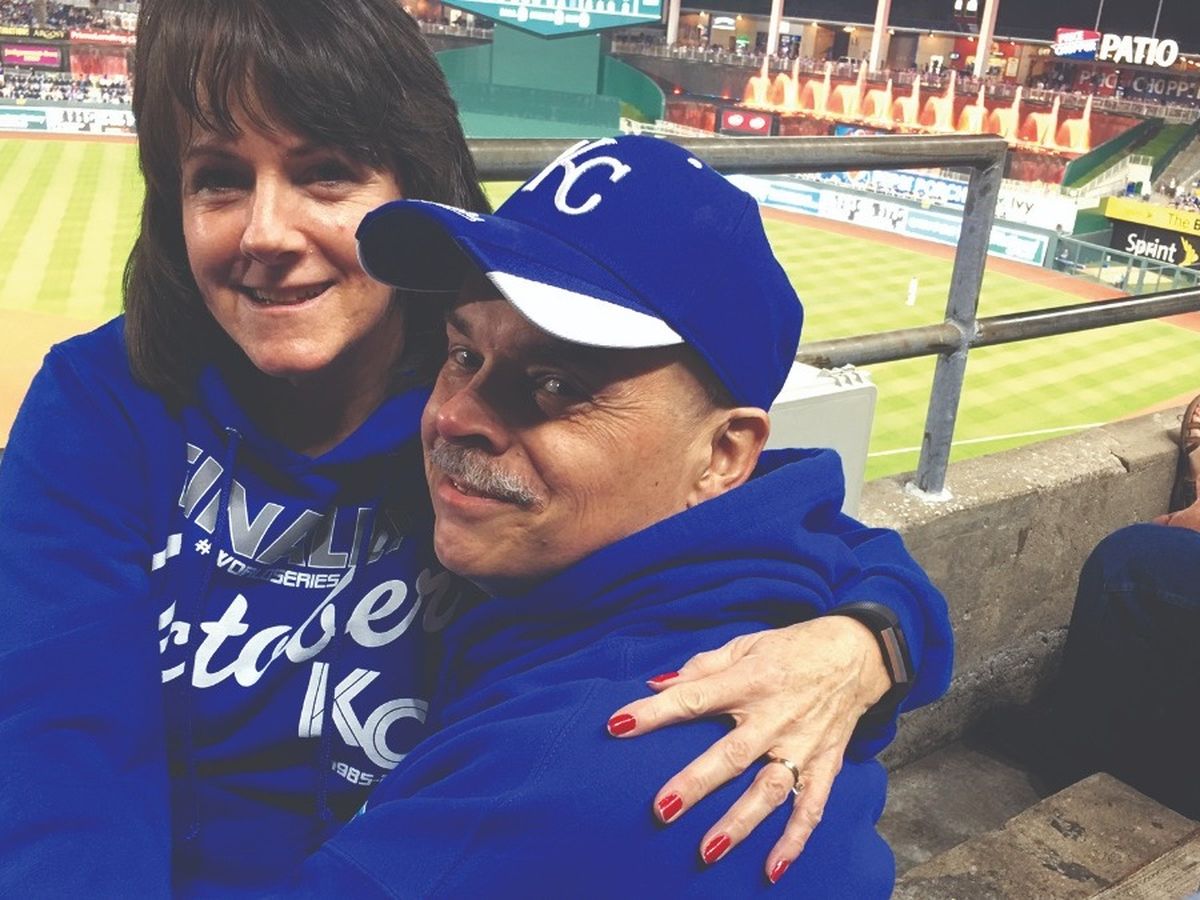
David and Denise Stephan have been walking through a difficult journey during the past few months. In the fall of 2017, David started experiencing back pain, along with severe digestive blockage issues. The severity increased for several months, which led to an exhaustive pursuit of doctor visits, x-rays, MRIs, and specialty doctors. David’s pain was unmanageable, in spite of the medications suggested by the doctors.
In February, fearing dehydration issues, David went to the ER. A CT scan revealed a 15 cm mass attached to the base of his intestines. The next morning, the first doctor to make the rounds was the oncologist who said the scariest words, “You have cancer. It is malignant. We just need to find out what kind of cancer this is.” The next 10 days were spent in the hospital, as the doctors did their best to manage his pain and perform the various tests needed. The biopsy result was the best possible scenario: non-Hodgkin’s lymphoma. The cancer was limited to the mass in his abdomen. The doctors assured David and Denise that this cancer is supposedly the easiest to cure. Chemo treatments began.
A few weeks later, however, the doctors again met with David and Denise to tell them that genetic testing showed a double gene rearrangement. The type of non-Hodgkin’s David has would be easy to put into remission, but it would not stay in remission. The chemo regimen was amped up, and David spent two 5-day, 24-hour chemo infusions in the hospital. Another PET scan indicated the mass, though shrunken to about a third of its original size, was still there. The doctors regrouped to determine the next course of action.
By now, David’s care had been transferred from Lee’s Summit to KU Med University. The oncologists had the idea to see if David qualified for a clinical study. It seems God’s hand was clearly in all of this. If David had been diagnosed earlier, he would have missed the window of opportunity to qualify for this trial, which started the first week of June. It is for a new cancer treatment called CAR T. (https://www.cancer.gov/about-cancer/treatment/research/car-t-cells). David easily qualified for this study, as he was the right age and his chemo had not progressed too far.
The next chapter of this journey ... David will be admitted to the hospital on July 5 for the CAR T treatment and will be in the hospital for at least one week. While David will receive excellent care in the hospital, prayers are coveted for the success of this treatment. This treatment will pave the way for future cancer patients. It is both exciting and daunting to be part of this. The three weeks following the treatment will also have its challenges.
NEEDS
Due to the severe depletion of David’s immune system and other side effects of this treatment, David cannot be left alone for at least 30 days following his treatment. Denise will need to take time off from work to provide round-the-clock care for David. Denise owns her own business and will have no income for the duration of David’s treatment. David’s pay is short-term disability, and while it covers insurance, his paycheck has been cut in 1/2.
Groceries - Denise must provide all meals for David from scratch in their kitchen - No prepared food from any other sources.
Cleaning products - The cleanliness of house, bedding, clothes, surfaces, etc., must be increased..
Gasoline - Almost daily trips to KU for follow up appointments, approximately 60 miles round trip.
Financial need = $5,000
In February, fearing dehydration issues, David went to the ER. A CT scan revealed a 15 cm mass attached to the base of his intestines. The next morning, the first doctor to make the rounds was the oncologist who said the scariest words, “You have cancer. It is malignant. We just need to find out what kind of cancer this is.” The next 10 days were spent in the hospital, as the doctors did their best to manage his pain and perform the various tests needed. The biopsy result was the best possible scenario: non-Hodgkin’s lymphoma. The cancer was limited to the mass in his abdomen. The doctors assured David and Denise that this cancer is supposedly the easiest to cure. Chemo treatments began.
A few weeks later, however, the doctors again met with David and Denise to tell them that genetic testing showed a double gene rearrangement. The type of non-Hodgkin’s David has would be easy to put into remission, but it would not stay in remission. The chemo regimen was amped up, and David spent two 5-day, 24-hour chemo infusions in the hospital. Another PET scan indicated the mass, though shrunken to about a third of its original size, was still there. The doctors regrouped to determine the next course of action.
By now, David’s care had been transferred from Lee’s Summit to KU Med University. The oncologists had the idea to see if David qualified for a clinical study. It seems God’s hand was clearly in all of this. If David had been diagnosed earlier, he would have missed the window of opportunity to qualify for this trial, which started the first week of June. It is for a new cancer treatment called CAR T. (https://www.cancer.gov/about-cancer/treatment/research/car-t-cells). David easily qualified for this study, as he was the right age and his chemo had not progressed too far.
The next chapter of this journey ... David will be admitted to the hospital on July 5 for the CAR T treatment and will be in the hospital for at least one week. While David will receive excellent care in the hospital, prayers are coveted for the success of this treatment. This treatment will pave the way for future cancer patients. It is both exciting and daunting to be part of this. The three weeks following the treatment will also have its challenges.
NEEDS
Due to the severe depletion of David’s immune system and other side effects of this treatment, David cannot be left alone for at least 30 days following his treatment. Denise will need to take time off from work to provide round-the-clock care for David. Denise owns her own business and will have no income for the duration of David’s treatment. David’s pay is short-term disability, and while it covers insurance, his paycheck has been cut in 1/2.
Groceries - Denise must provide all meals for David from scratch in their kitchen - No prepared food from any other sources.
Cleaning products - The cleanliness of house, bedding, clothes, surfaces, etc., must be increased..
Gasoline - Almost daily trips to KU for follow up appointments, approximately 60 miles round trip.
Financial need = $5,000