Key Interventions (2025-2030):
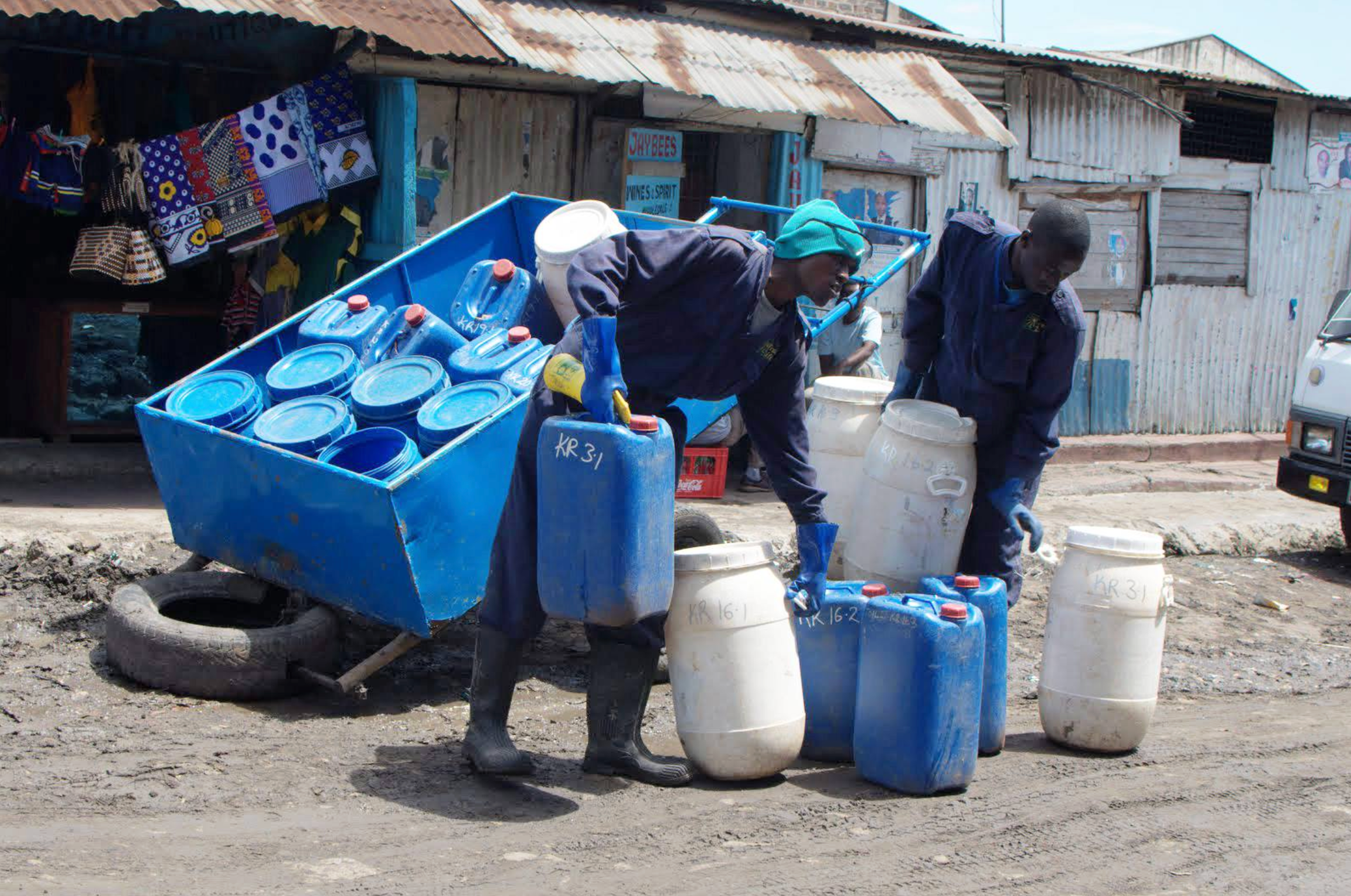
Access to Clean and Safe Drinking Water: HEDSO advocates for strengthening water quality treatment systems and linkage to county water departments to ensure clean water access in schools, health facilities, and communities. This includes water harvesting systems integrated with climate-smart agriculture projects in the 10 targeted counties.
Improved Sanitation Infrastructure: HEDSO promotes sensitization on safe collection, disposal, and treatment of human waste. This includes provision of adequate, disability-accessible toilet facilities in schools and health centers, proper management of wastewater and sewage, and integration of sanitation with environmental conservation initiatives to prevent pollution.
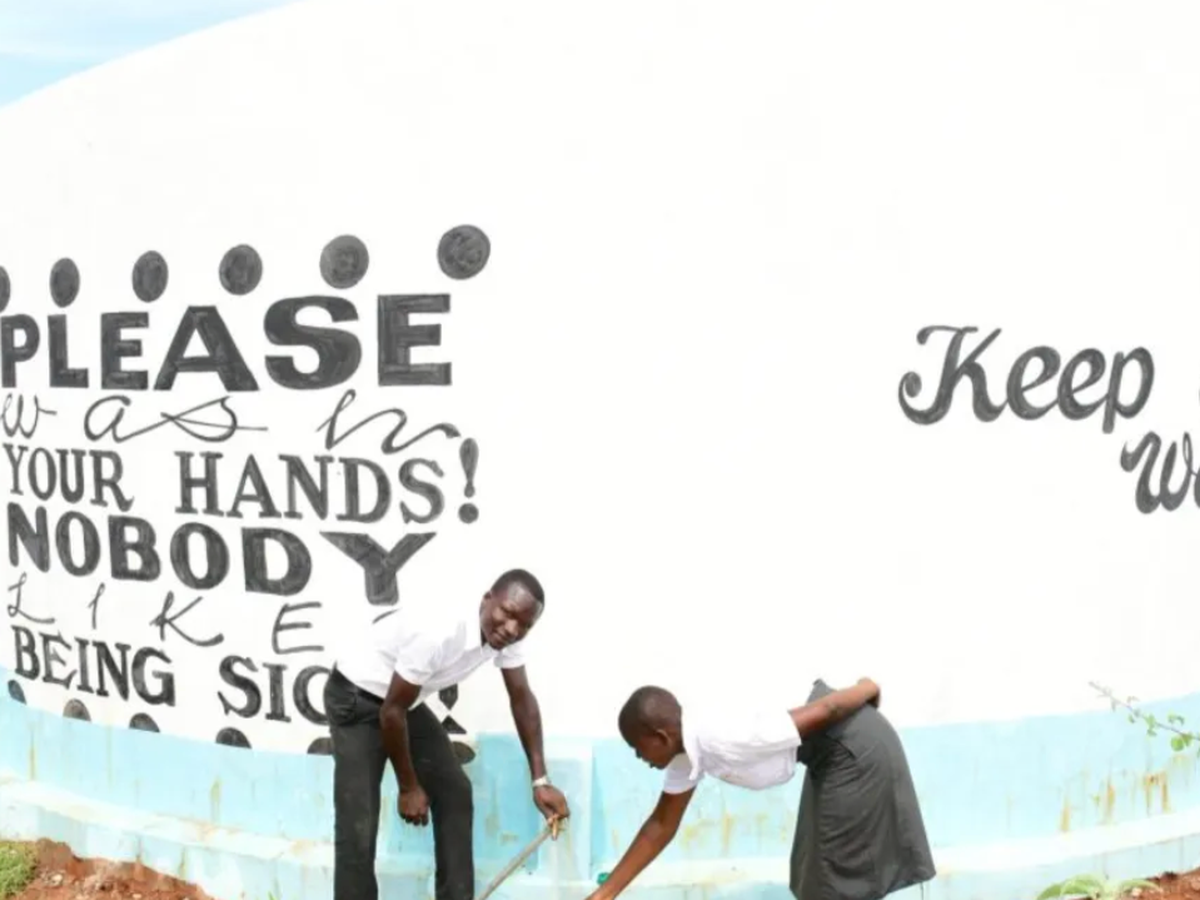
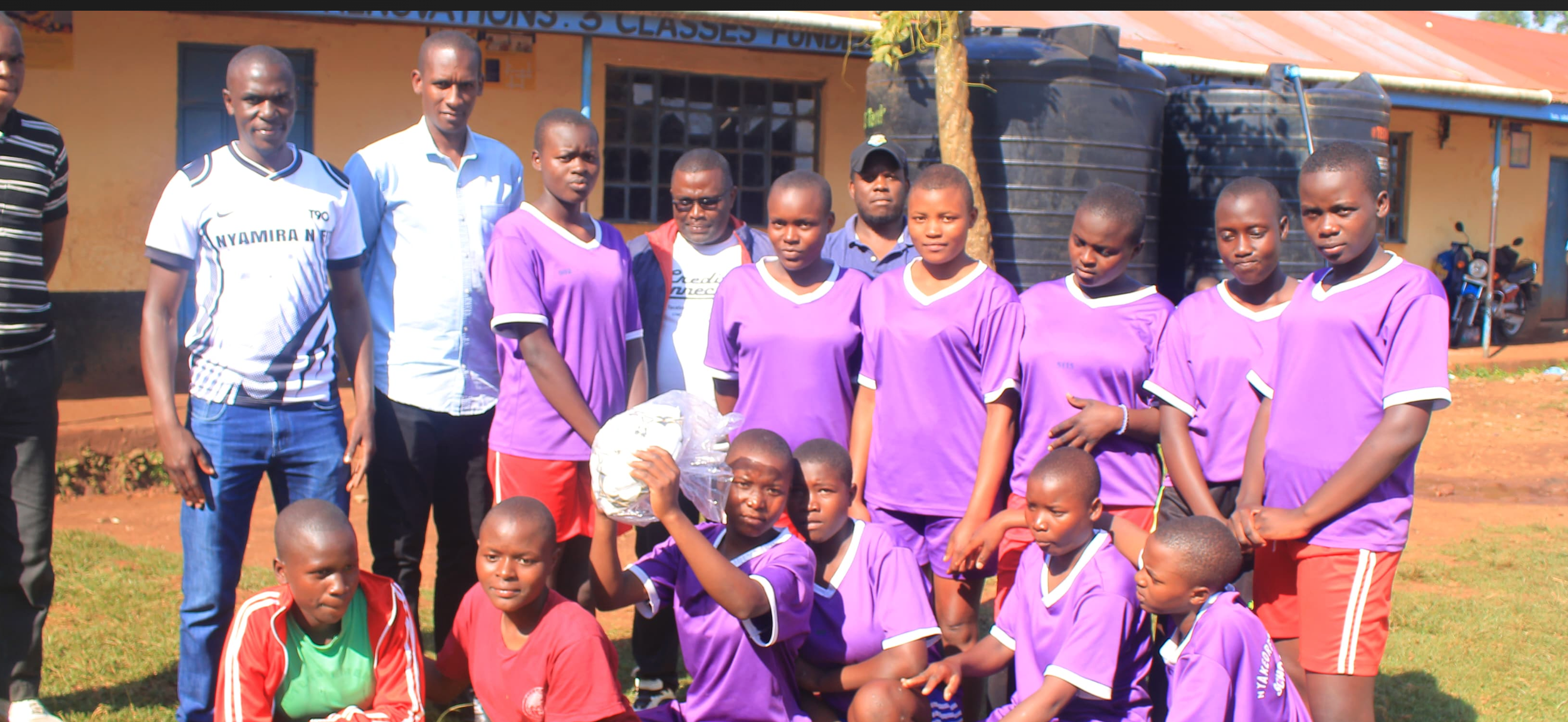
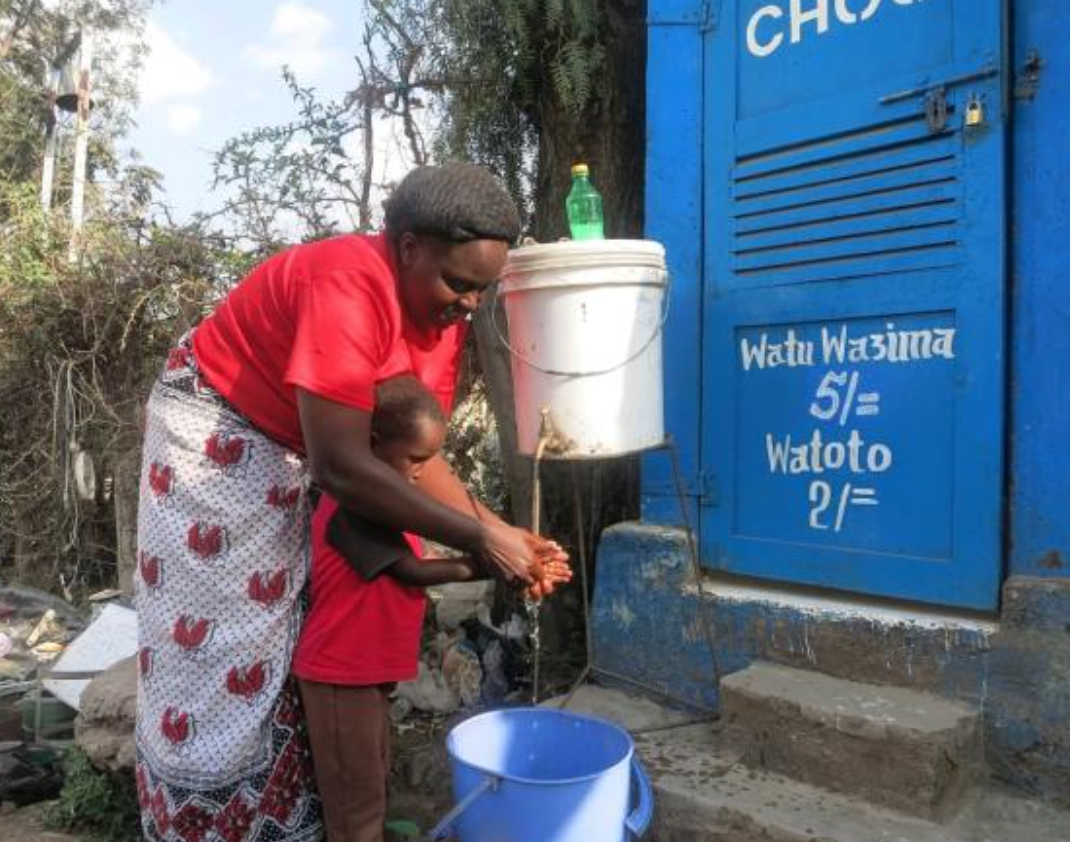
Hygiene Promotion and Behavior Change: HEDSO conducts school-based WASH education reaching 13,620+ students, establishes 100 school-based health clubs, and trains 10,500 Community Health Promoters on hygiene practices. Key behaviors promoted include handwashing with soap, maintaining personal cleanliness, menstrual hygiene management for AGYWs, and proper food handling and preparation.
Inclusive WASH Programming: HEDSO uses Disability Inclusion Toolkits to assess and strengthen WASH service accessibility for PWDs. Community Health Dialogues reduce stigma and build trust around hygiene and sanitation practices, ensuring marginalized groups are not left behind.
WASH and Climate Resilience Integration: HEDSO links WASH interventions with environmental conservation, waste management innovations, and climate-smart agriculture to address water scarcity, pollution, and ecosystem degradation. By 2030, 5,000 households will be trained on waste management from household level, reducing waterborne disease risks.