
Help Bring a Live Weather Station to Chirk Airfield
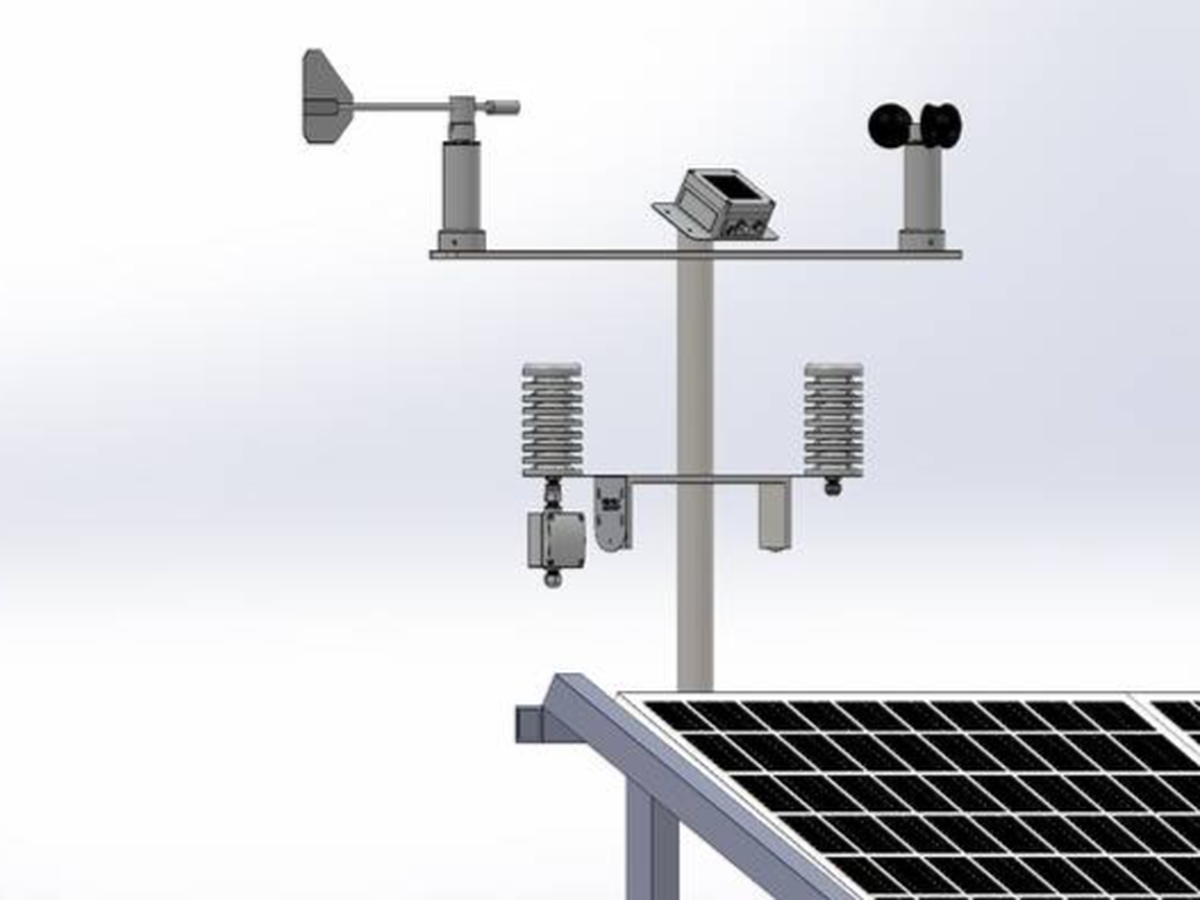
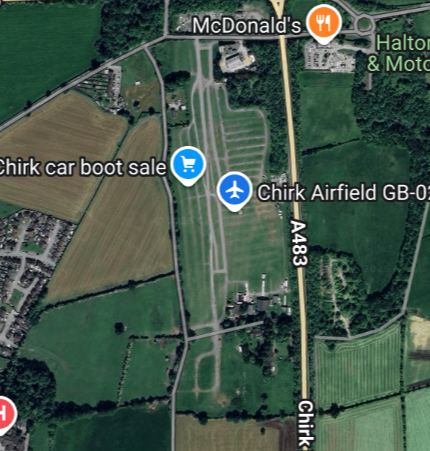
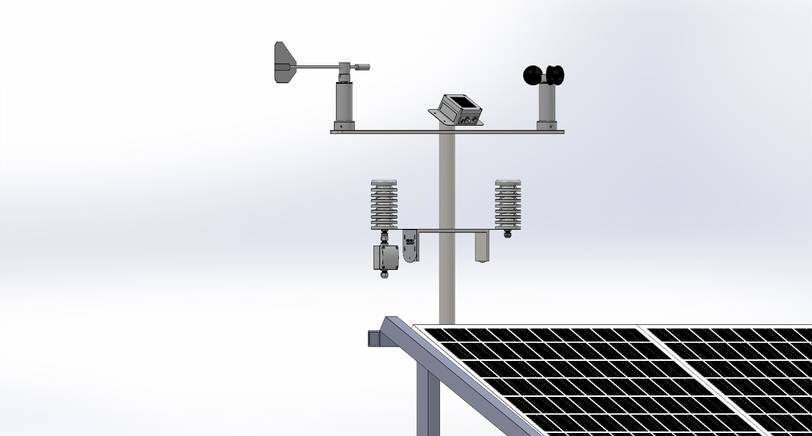
Hi, I’m Xander, and I’m fundraising to build and install a self-powered weather station at Chirk Airfield—something that will benefit pilots flying in and out of the airfield, visitors to the legendary Sunday car boot sale and anyone who just wants to check whether they’ll need a woolly coat or a pair of sunglasses before heading out.
The goal is for the station to be completely off-grid, powered by a combination of solar panels and possibly a small wind turbine. It will transmit real-time weather data directly to the Chirk Airfield website (https://chirkairfield.com), which is already live and hosted on my own Raspberry Pi 5 server. This data will be free to access for everyone, and I’m happy to make it available to other public-interest organisations as well.
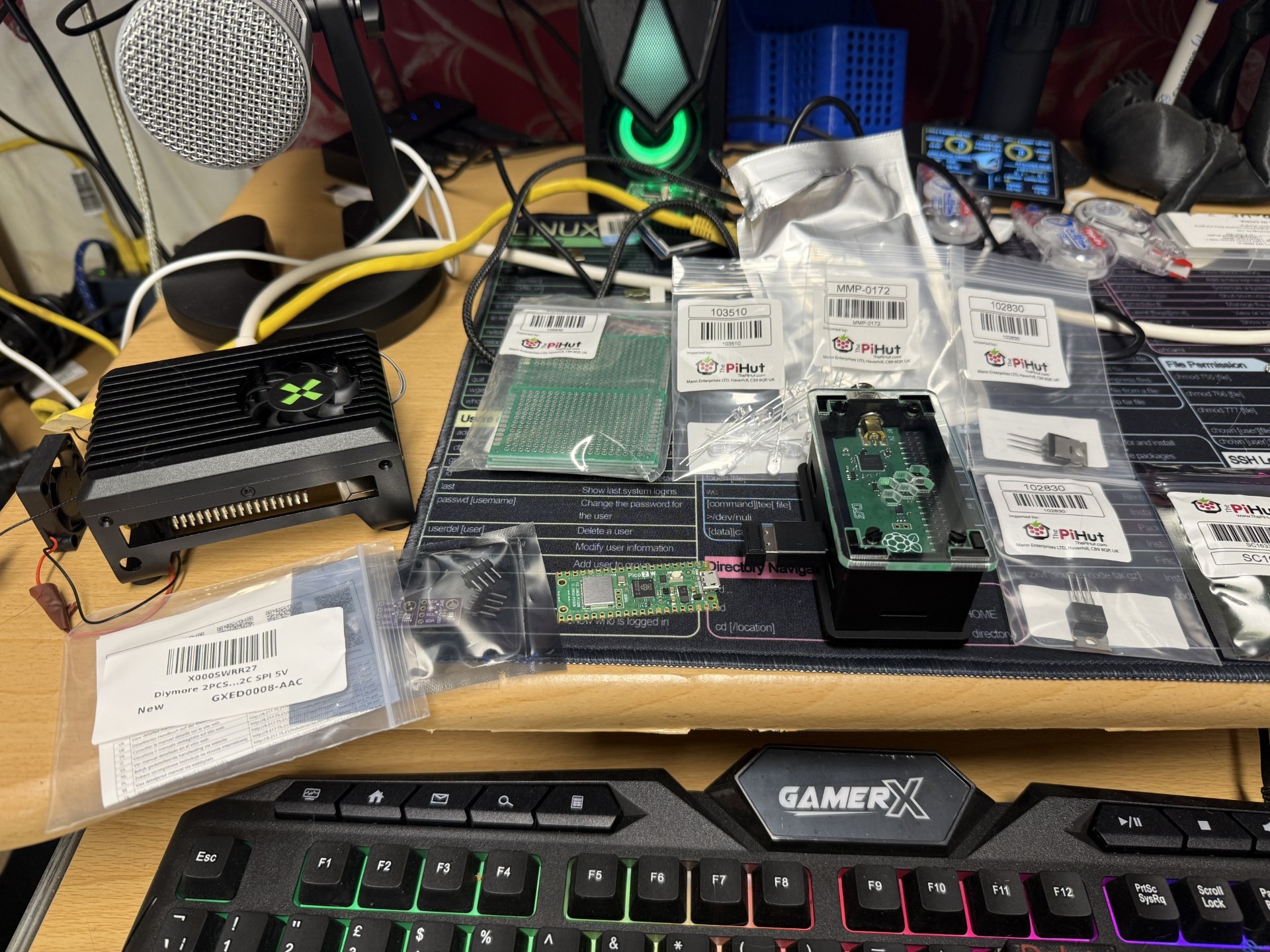
The Brains of the Station
While the initial design is based around the Raspberry Pi Pico W/2W microcontroller, the final choice of processor may change depending on the best balance of performance, power efficiency, and cost. Options include:
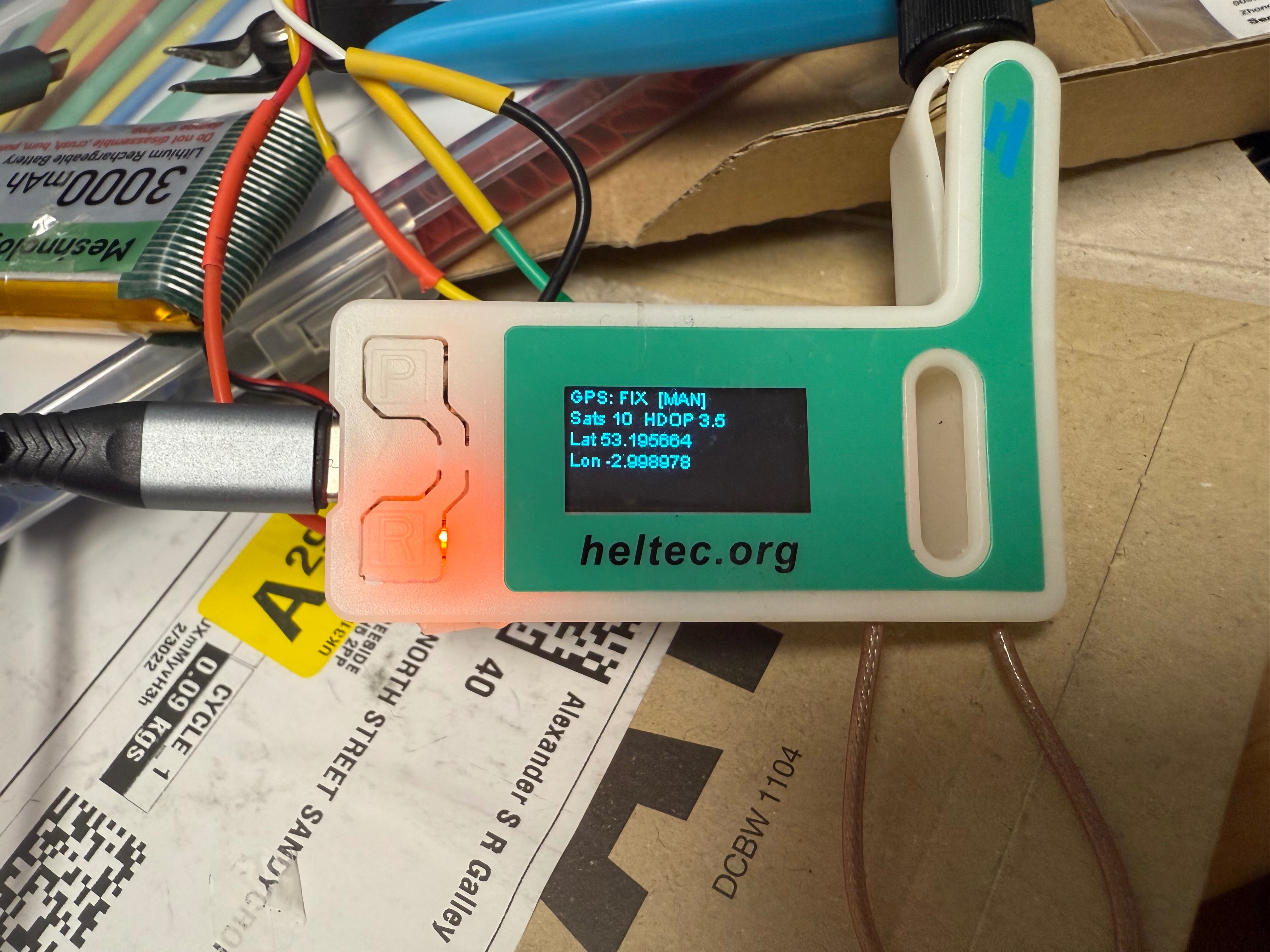
ESP32-based boards (such as the LILYGO T-Beam or Heltec LoRa32) for integrated LoRaWAN and GPS.
Arduino-compatible LoRa boards with low-power sleep modes for extended battery life.
Other single-board computers if more processing power is needed for data handling or extra sensors.
The weather station will likely use LoRaWAN to send data over long distances to The Things Network (TTN) for internet distribution, but cellular backup is also being considered for maximum reliability.
Planned Measurements
The system will measure:
Wind speed (mph, with kph, m/s, and knots available on request)
Wind direction (N, S, E, W, NE, NW, SE, SW, plus exact compass bearing)
Barometric pressure (QFE) for pilots to set accurate altimeter readings
Temperature (°C, with °F and Kelvin conversions)
Humidity
Sunlight index
Rainfall (if budget allows for a suitable sensor)
Open Development
I’ll be sharing the full development process—from circuit design to programming to mounting the station—on the Chirk Airfield website so anyone can learn how to build their own. My hope is to inspire other small airfields, schools, and community groups to set up their own weather monitoring projects.
This project isn’t just about weather—it’s about making aviation safer, supporting community events, and sharing technical knowledge. Every contribution will go directly towards the cost of hardware, sensors, and renewable power equipment.
Thank you for helping make Chirk Airfield’s weather data available to everyone, anywhere.
Organizer
Alexander Galley
Organizer