- S
- N
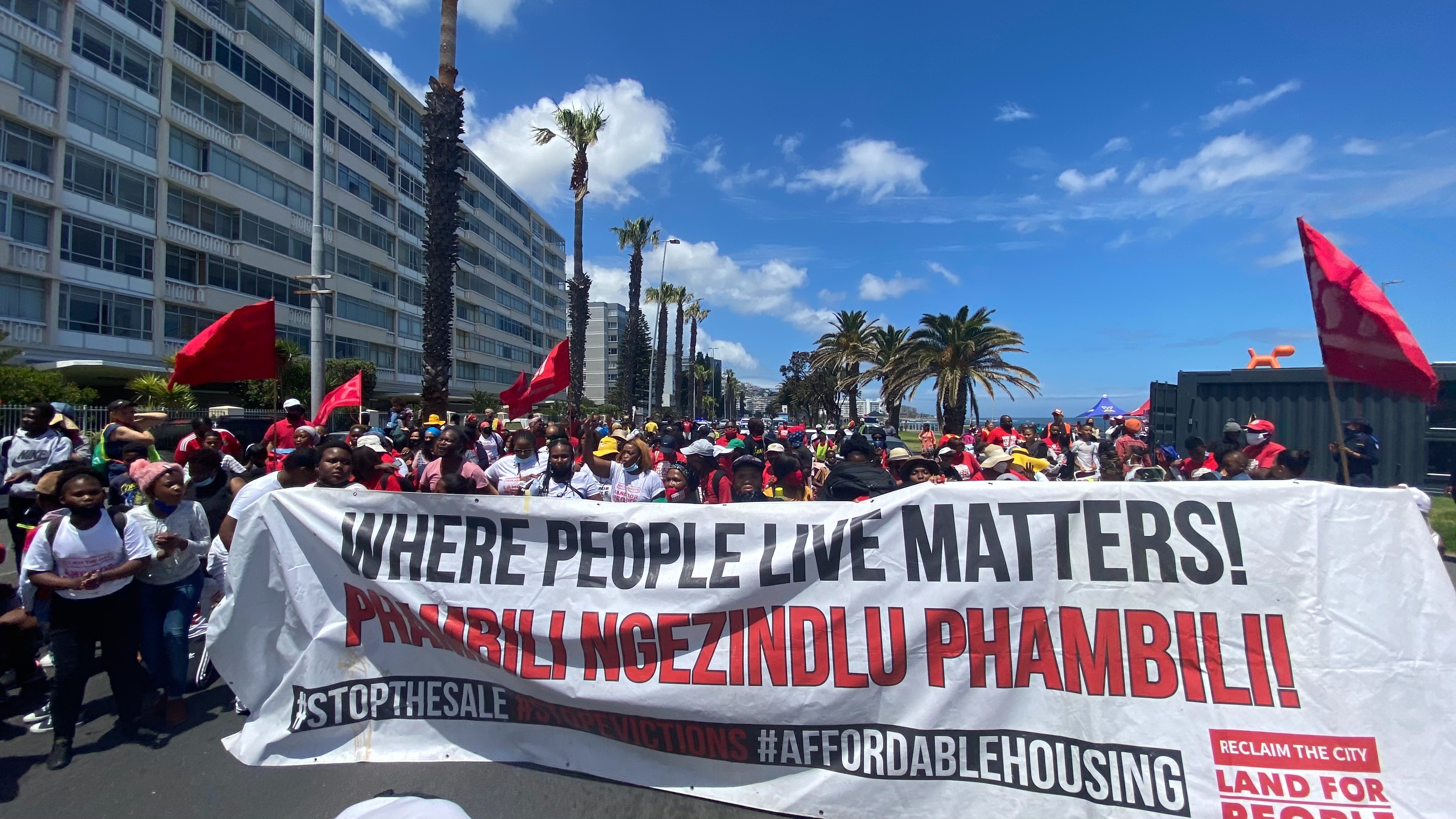
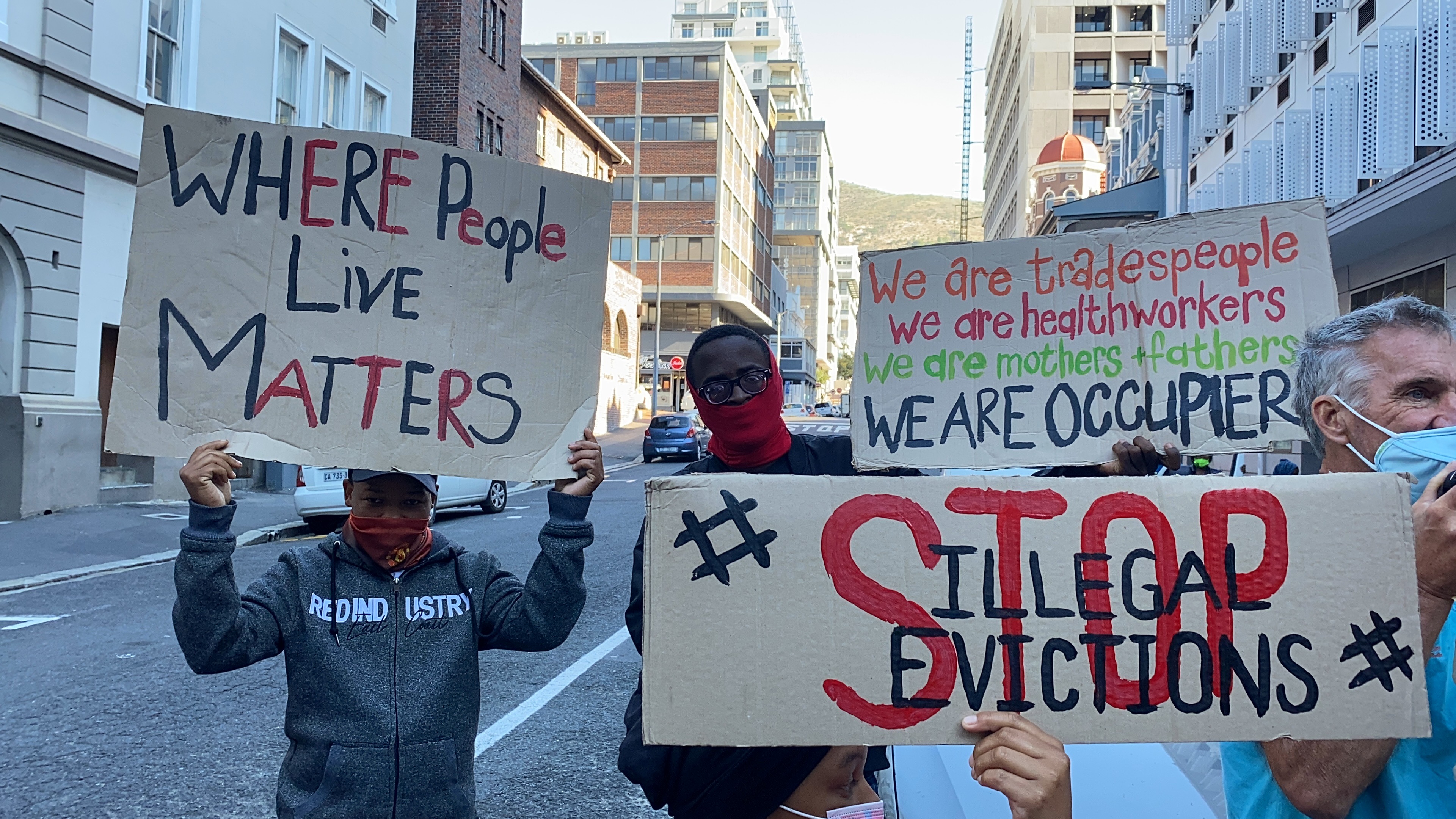
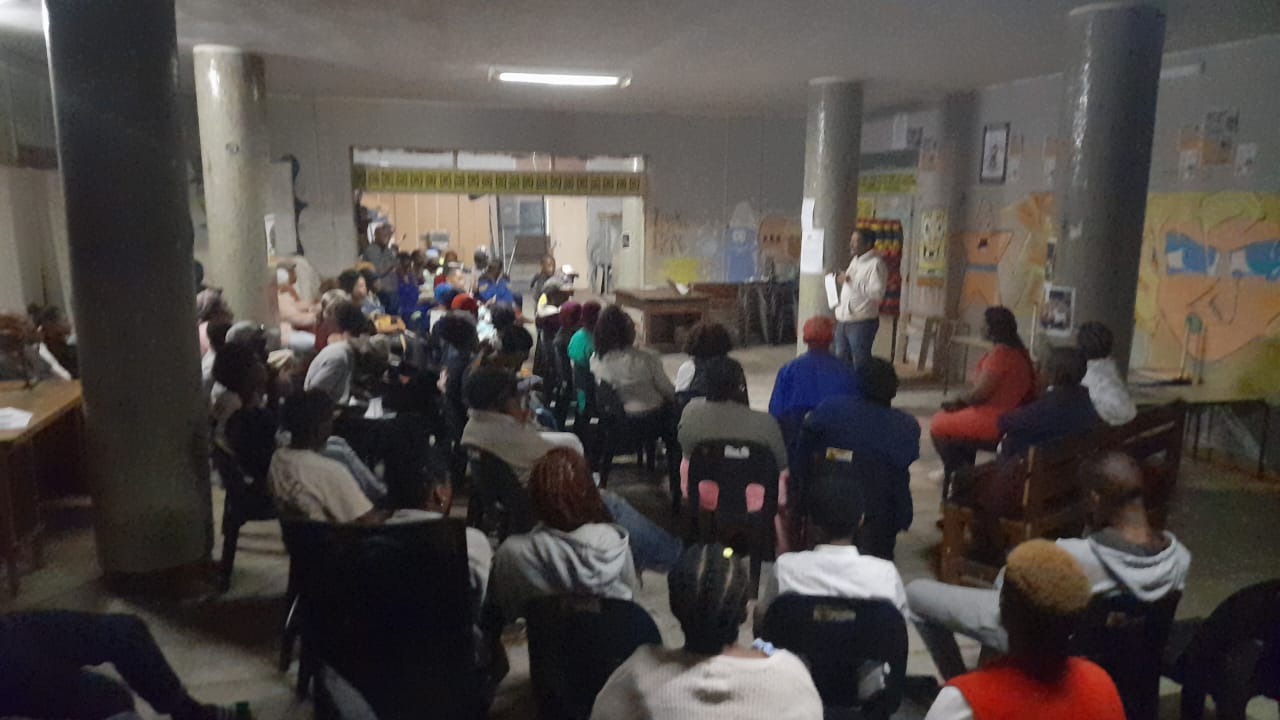
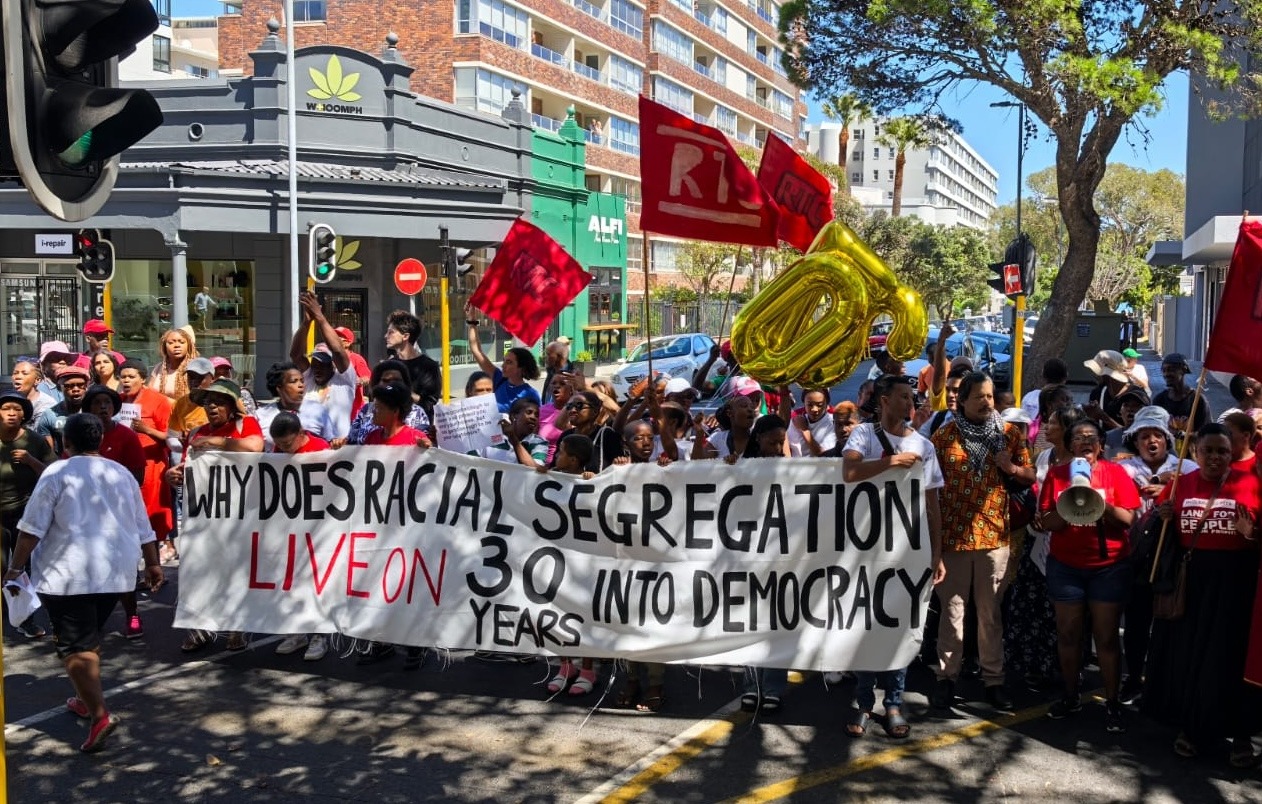
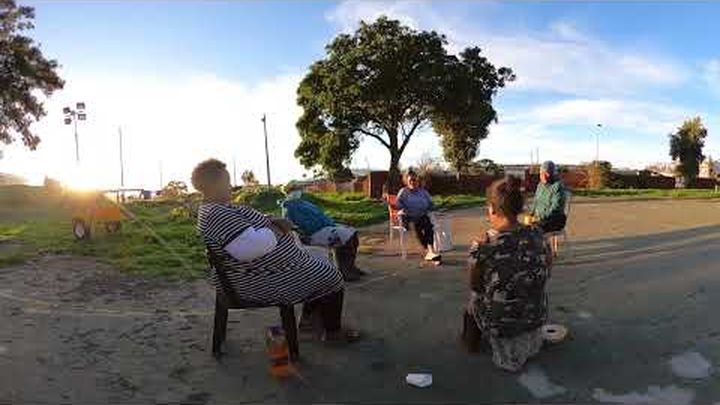
Thirty years after the advent of democracy, apartheid endures in South Africa. The country is the most unequal nation in the world, and a typical Black household owns just five percent the wealth of a typical White household. In Cape Town, residents still face extreme racial inequalities accessing land and housing. At the Ahmed Kathrada House ("AKH"), more than 430 residents live without proper electricity, sufficient toilets, and other basic necessities.
During apartheid, the government designated Cape Town’s city center as a “white area,” and forcibly removed people of color to the outskirts, far from economic opportunity. This pattern of residential segregation continues today. Most people of color in Cape Town still live on the peripheries, which lack access to quality jobs, schools, hospitals, and other resources. Residents face long, expensive commutes to the city center for work and other basic necessities — commutes which consume 45 percent of low-income earners’ salaries .
In 2017, a women-led group of domestic workers organized against the state’s intended sale of public land to a private school instead of using it for badly-needed affordable housing. Despite protests and thousands of written objections, the state proceeded with the sale. The group filed suit and won a court victory to block the sale, though litigation is ongoing. In addition, the women and other housing activists made the risky decision to occupy AKH — an abandoned government building the state had promised but failed to use for affordable housing — as a protest. Over the next eight years, others joined the occupation. Today, AKH is not only a home and community; it is a symbol of the continuing fight against spatial injustice and the legacy of apartheid in Cape Town.
However, obstacles persist. Early on in the occupation, the government turned off the electricity and has refused to turn it back on. There is a lack of lighting, functional toilets, clean areas for children to play, and security for the building. Due to the state's failure to provide support, residents have had to address their own needs. While they have accomplished a great deal, there is more to be done.
To this end, we began this fundraising campaign to support the community at AKH. All funds raised will go to Reclaim the City ("RTC"), the social movement leading AKH. Donations will be used to purchase cleaning supplies, address security issues, improve infrastructure, increase access to electricity, provide resources for children, and more. Please support AKH residents and the movement for spatial justice in Cape Town!
To learn more about RTC's journey, check out their official website, their Instagram page, and information about their documentary Mother City. It is currently premiering in film festivals worldwide. You can watch the trailer here. To learn more about the history and current status of land and housing struggles in Cape Town, read this report by Ndifuna Ukwazi (“NU”), a nonprofit organization advocating for spatial justice in the city. More of NU’s publications can be found here.
A note about logistics: Funds raised will go to a dedicated U.S. bank account created specifically for the fundraiser. At the conclusion of the campaign, all funds will be wired to RTC's bank account in South Africa.