Clean Water for 1,500 Lives in Fumu Kento, Congo
0% complete
$1,357 raised of $45K CAD
55 donations
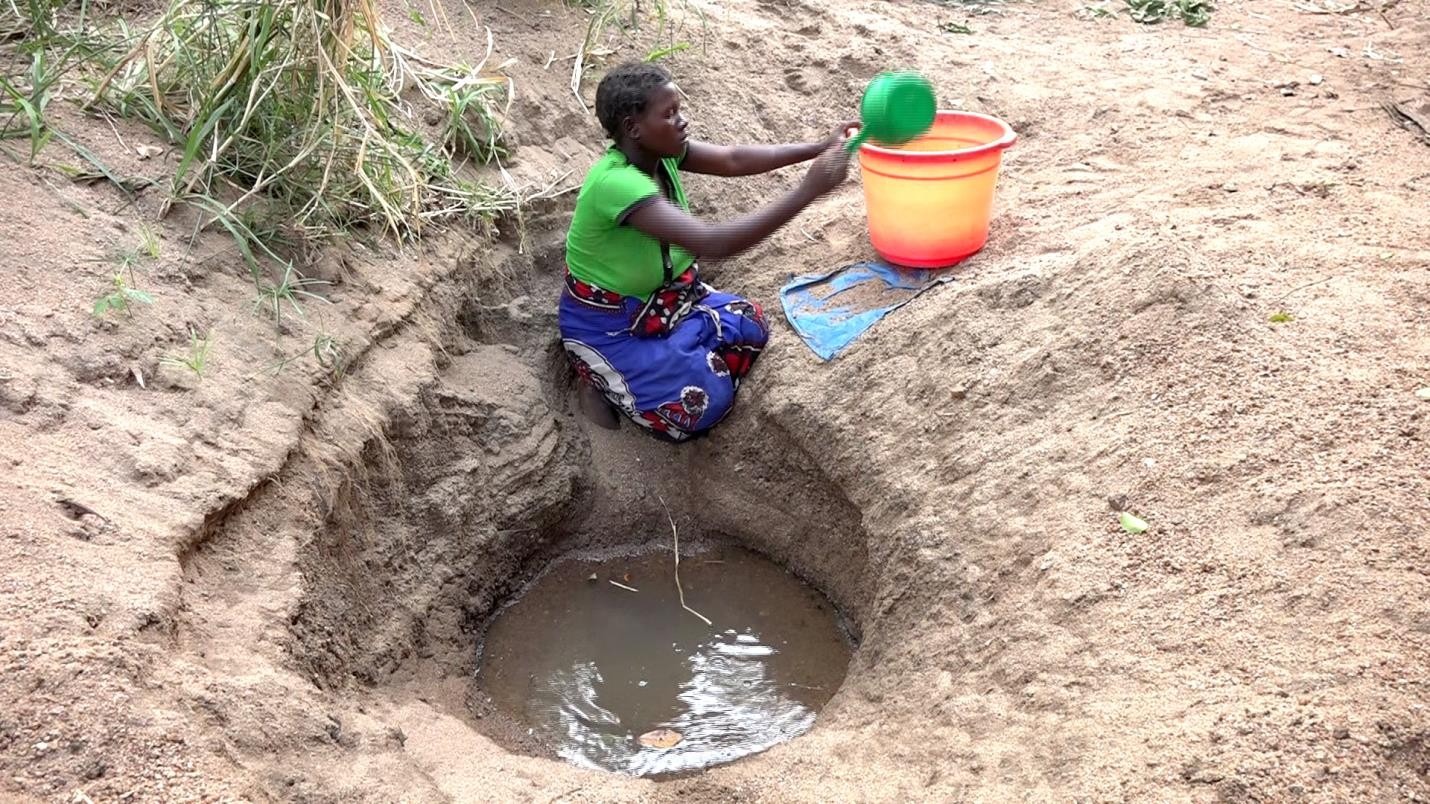
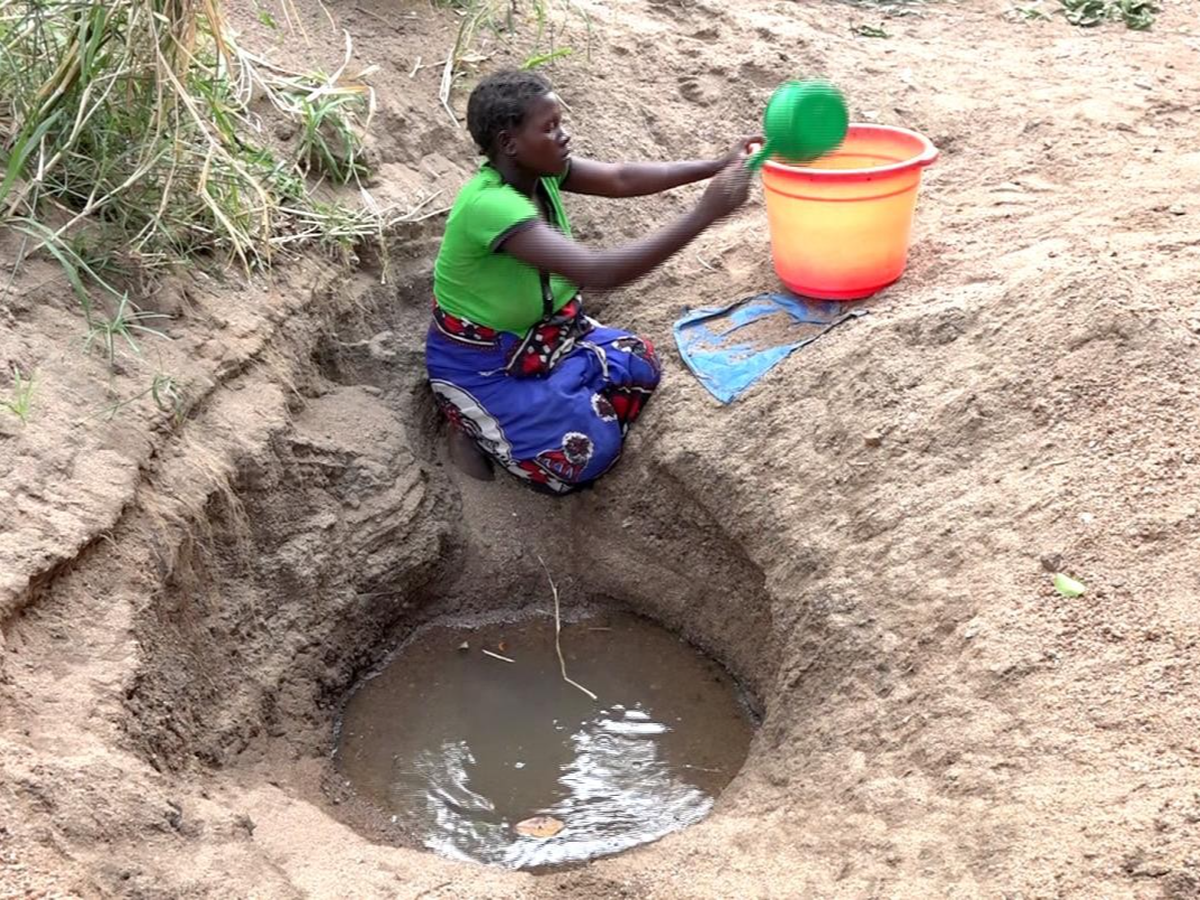
Before the first light breaks over the hills of Fumu Kento, a mother named Maman Bndicte is already awake. She straps a 20-liter jerrycan empty now, but soon to weigh over 20 kilograms across her back and takes her eldest daughter by the hand. Together, they walk more than three kilometers along a narrow, uneven footpath through dense brush and red clay terrain, descending toward an unprotected river that serves as the village's only water source. The river is shallow in the dry season, clouded with silt and animal waste, and shared with livestock. By the time they return home exhausted, their backs aching, the sun already high nearly three hours have passed. This is not an emergency. This is every single day.
Fumu Kento is a village of approximately 1,500 people in the Democratic Republic of the Congo, a country where the water crisis is not a statistic it is a daily emergency. The DRC has the lowest rate of safely managed drinking water in all of Africa, at just 12%. Across the country, 33 million rural residents lack access to quality water sources. In 2025, the DRC suffered its worst cholera outbreak in 25 years, with more than 64,000 reported cases and over 1,900 deaths a devastating reminder that unsafe water does not just inconvenience communities; it kills them. Fumu Kento has no improved water infrastructure whatsoever. The village depends entirely on contaminated surface water that becomes even more unreliable during the dry season.
The human cost of this crisis is staggering. Children in Fumu Kento regularly fall ill from waterborne diseases diarrhea, typhoid, cholera, and intestinal parasites that drain their energy and steal their futures. Chronic malnutrition affects 43% of children aged 05 in the DRC, with poor water, sanitation, and hygiene (WASH) conditions identified as a major contributing factor. Girls miss weeks of school each year because they are needed to fetch water. Families spend what little income they have on treating preventable illnesses at distant health clinics, trapping them in a cycle of poverty and sickness. For the people of Fumu Kento, the absence of clean water is not one problem among many it is the root of nearly every challenge they face.
That is why we are launching the Fumu Kento Water Well Project a community-driven initiative to construct a solar-powered mechanized borehole well with an elevated 10,000-liter storage tank and three community tap stands strategically placed to bring clean, safe water within a 500-meter walk for every family in the village. This is not a foreign-imposed solution. It is designed, supported, and will be owned by the community itself. Local leaders have been involved in planning from day one, and the project is built for permanence not as a temporary fix, but as infrastructure that will serve Fumu Kento for decades.
Your donation has a direct, measurable impact. Here is exactly what each level of giving provides:
$10 Clean water for one person for over a year
$50 A family's access to clean water for an entire year
$250 Sponsors one community tap stand's construction materials
$500 Funds the WASH education program for the entire village
$1,000 Covers solar panel installation for the pumping system
$5,000 Funds the complete borehole drilling
$45,000 Funds the entire project from start to finish
We have designed every element of this project for long-term sustainability. A trained Water Management Committee made up of community members will oversee operations, maintenance, and financial management. A modest community tariff model will generate a maintenance fund so that repairs and upkeep never depend on outside donations. The solar-powered pumping system eliminates dependence on expensive and unreliable fuel. And local technicians will be trained to perform routine maintenance and minor repairs on-site. When you give to this project, you are not funding a temporary intervention you are investing in infrastructure that the community will own, manage, and sustain for generations.
My name is Sumaili, and I am the project lead for the Fumu Kento Water Well Project. This work is deeply personal to me. I have seen what the absence of clean water does to a community how it robs children of their health, keeps girls out of school, forces families to choose between water and food. I have also seen what happens when clean water arrives: clinics empty out, classrooms fill up, mothers have time to start small businesses, and an entire community begins to breathe again. Fumu Kento deserves that transformation. With your support, we will make it happen.
Every dollar brings us closer. Every share multiplies our reach. Clean water changes everything health, education, opportunity, dignity. Please give today, and please share this campaign with everyone you know.
Organizer