- E
- s
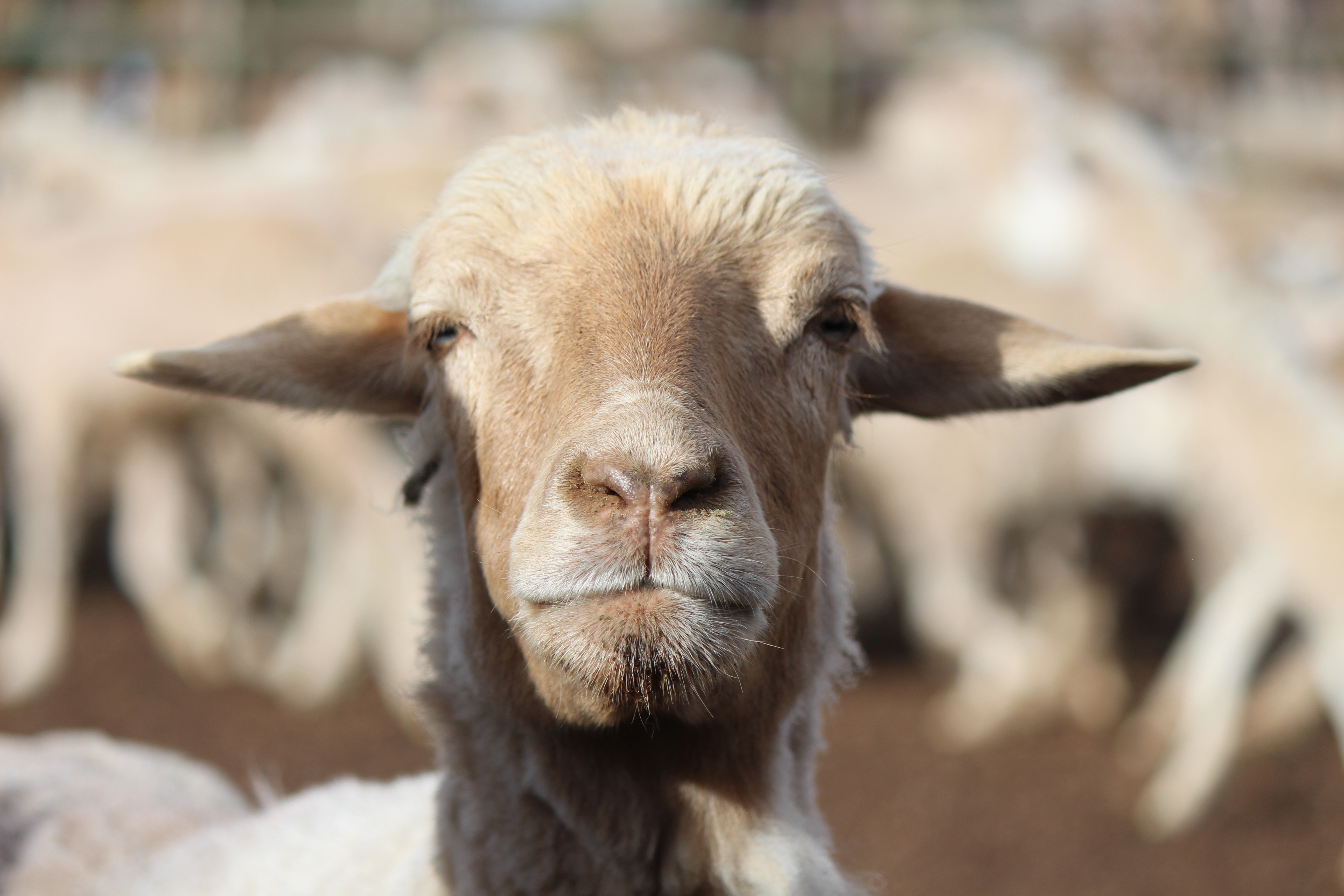
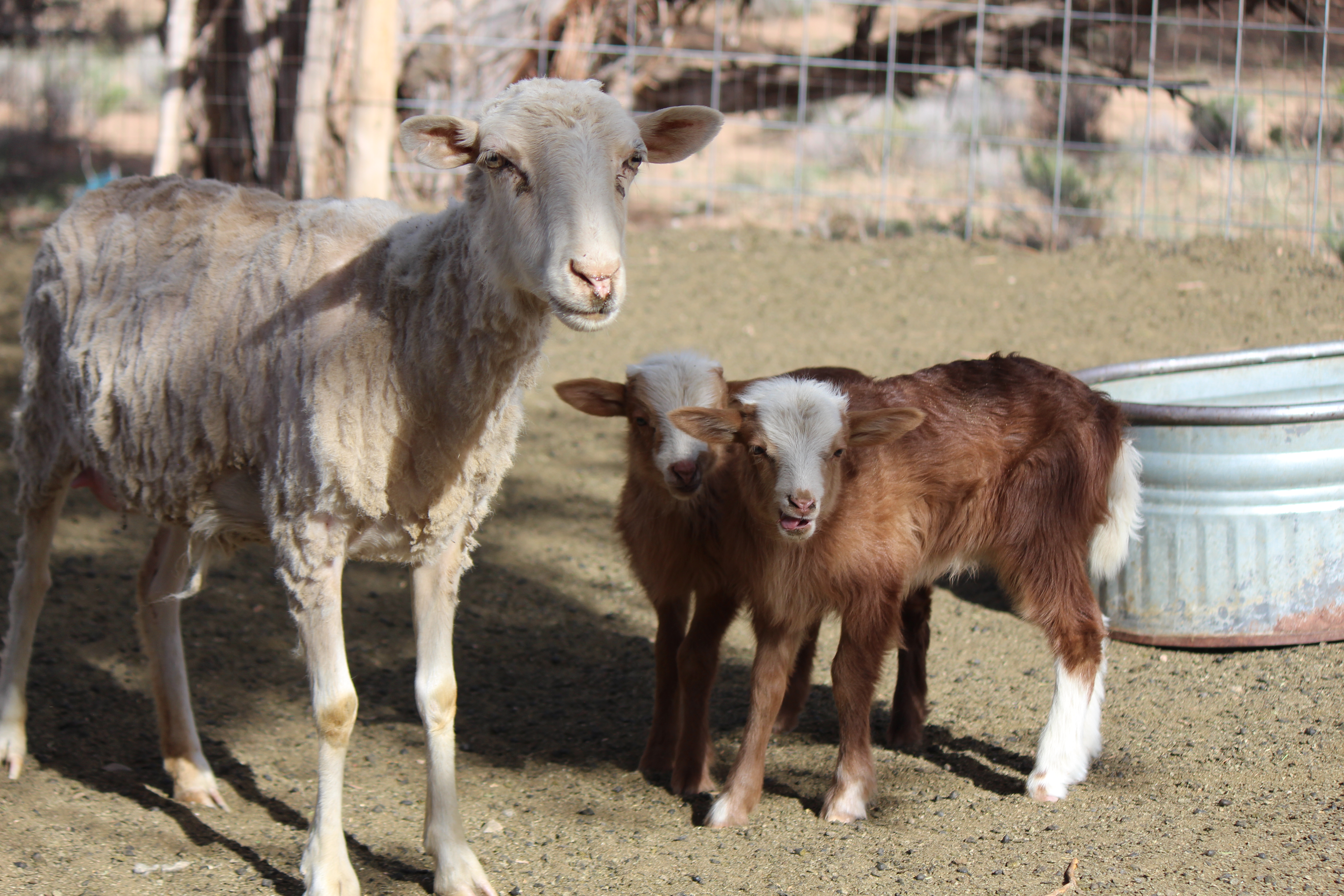
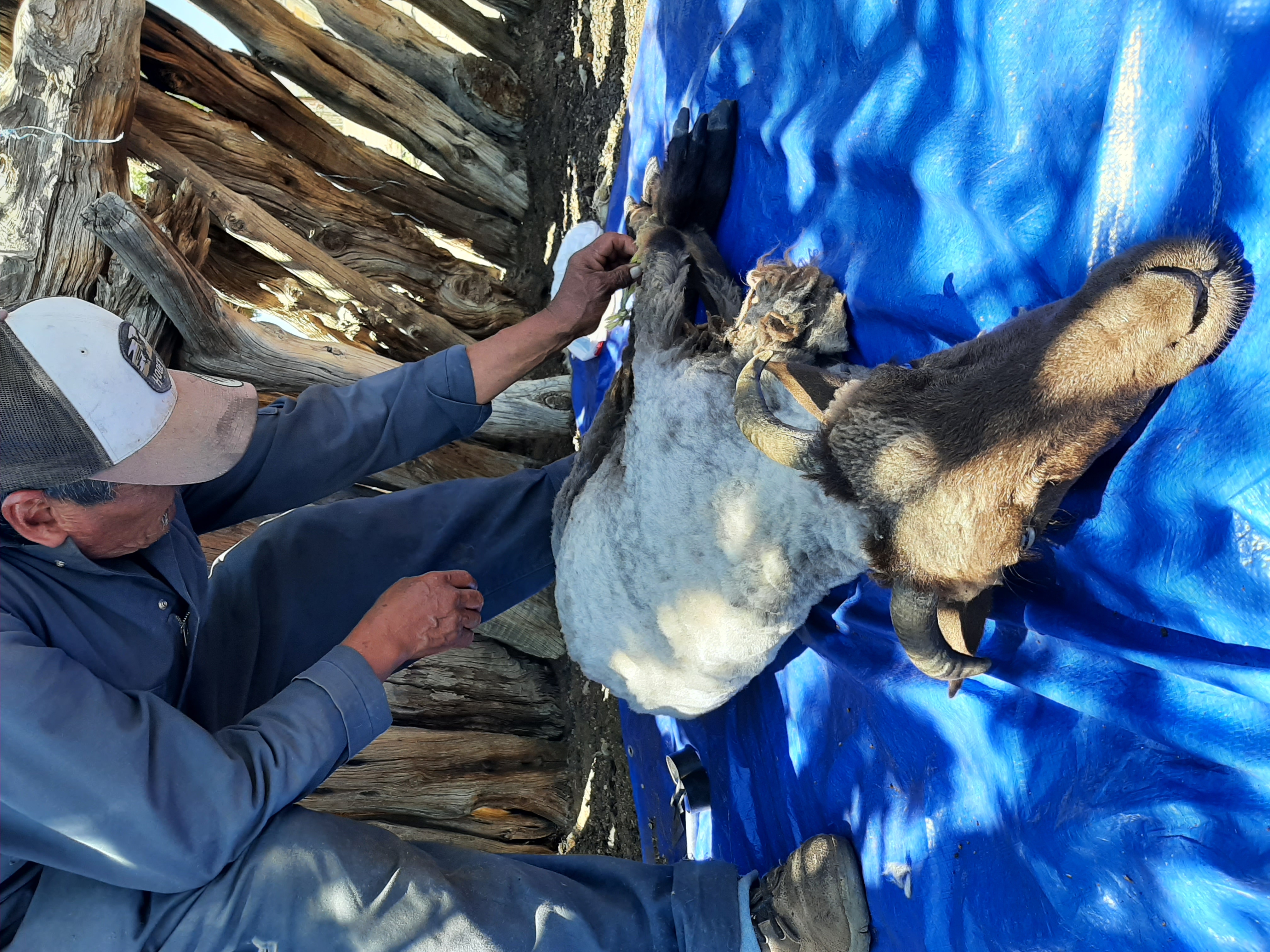
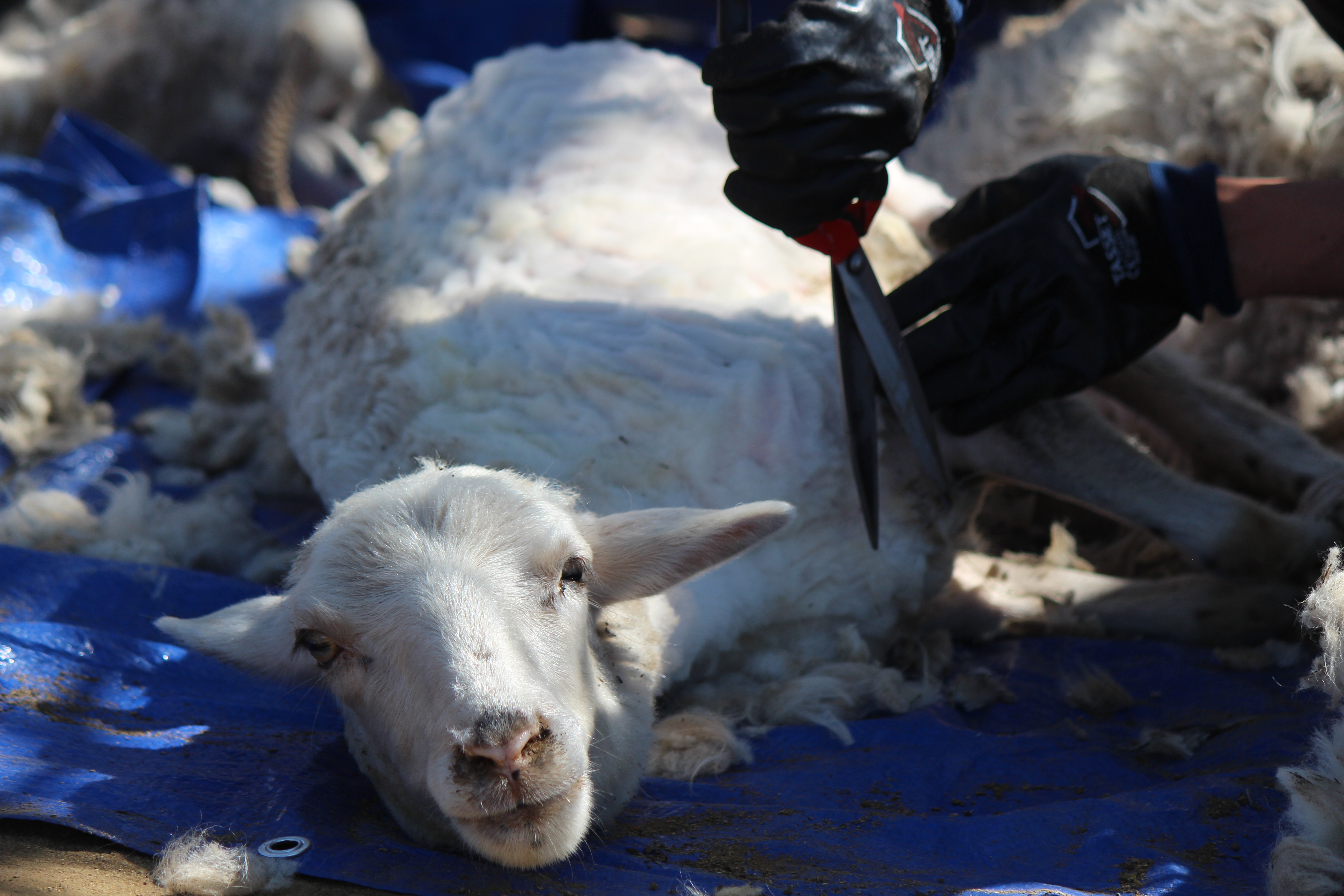
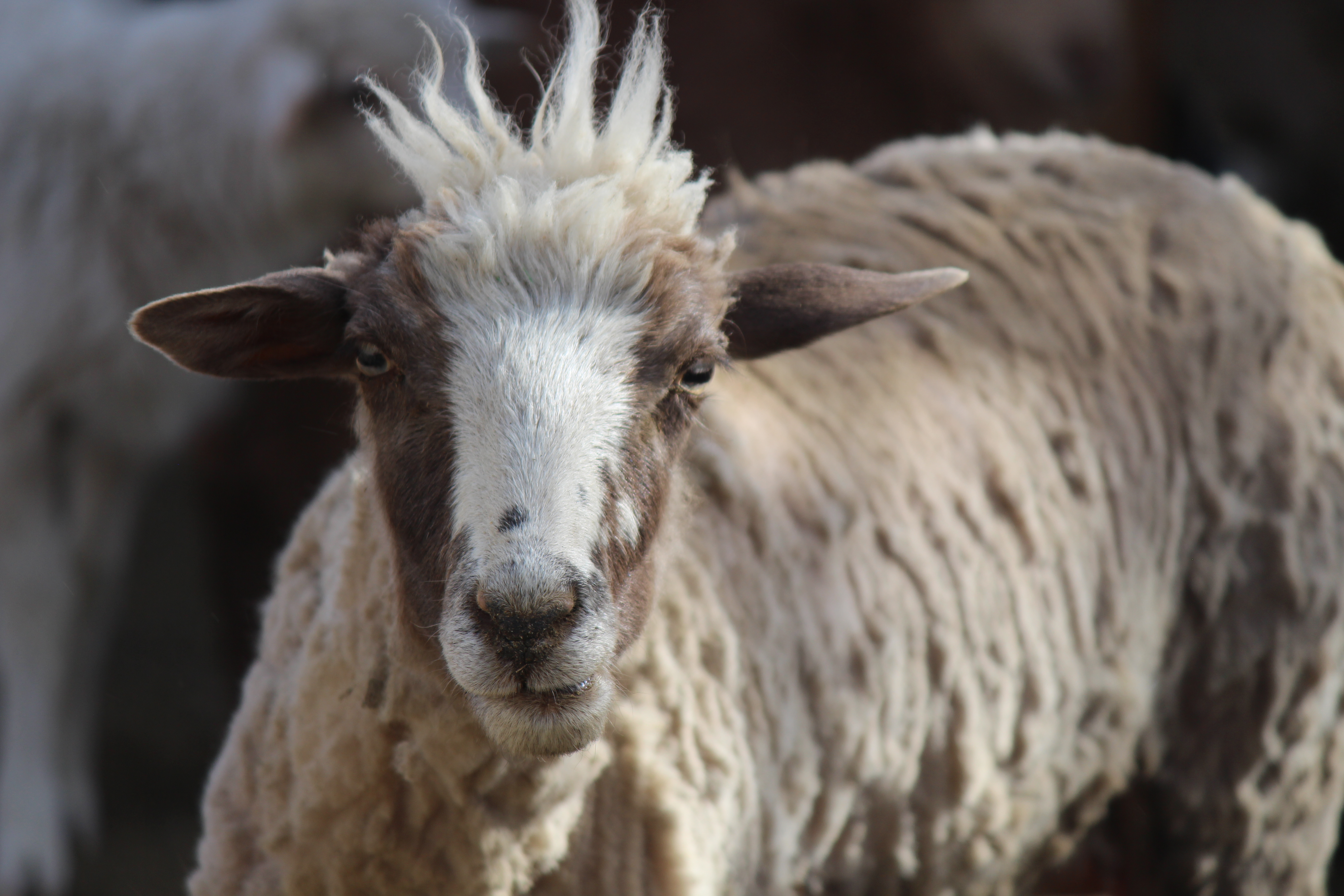
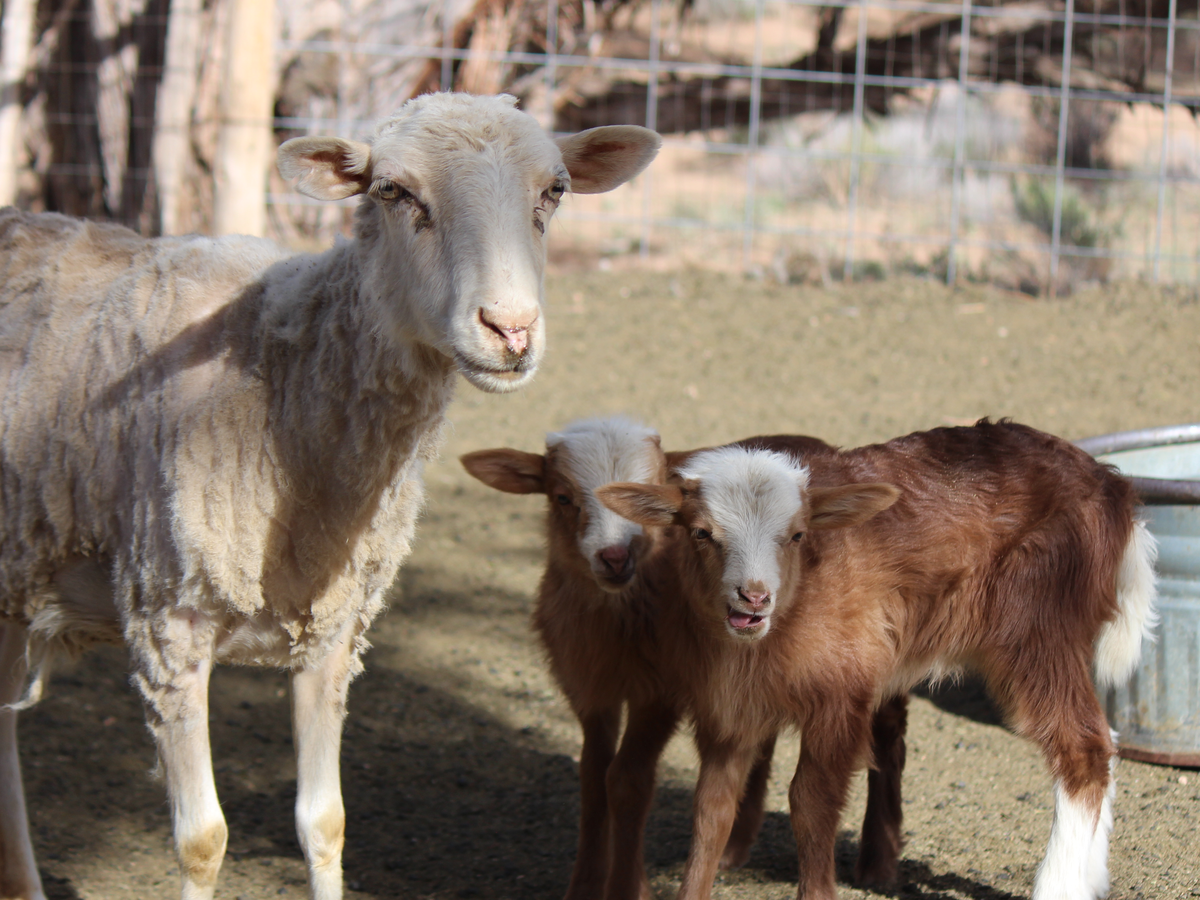
Shearing season is here and lasts all through April and May. This is also a time of planting, washing and wool working, repair and other ongoing tasks such as sheep herding. Resisting families will gather with locals and pods of supporters to work on these things.
Where Does The Money Go?
A small portion of funds raised will go toward camp expenses, primarily shears and shearing related supplies. A lot of these supplies end of gifted to resisting families thruout this time as well.
The majority of funds raised will go directly to families who are resisting relocation, in the form of cash, supplies needed to be distributed during this season. We also use these funds to buy raw wool from our hosts. We then resell this wool (mostly raw), which allows us to generate more funds the recirculate back into the community thru our ongoing mutual aid fund that supports resisters year round. Any funds not used during this camp will also move to our mutual aid fund.
Who Are We and What Do We Do?
Black Mesa Solidarity Network (BMSN) is a decentralized all-volunteer collective from across Turtle Island that works year-round responding to Diné families resisting relocation laws. Each year, BMSN organizes a Spring Shearing Camp with Diné families resisting ongoing relocation pressures throughout Big Mountain / Black Mesa and surrounding communities. BMSN supporters are hosted by Diné families, strengthening relationships with resistance thru mutual aid.
Why Does This Matter?
Elders and families of Big Mountain / Black Mesa continue to sustain their traditional Diné life ways in the face of the devastating effects of colonial land theft and coal mining. The 1974 Navajo-Hopi Land Settlement Act redrew the boundaries of the Hopi and Navajo Reservations, which displaced hundreds of Hopi and 10,000 - 15,000 Diné. These borders reflected the colonial government’s collusion with massive resource extraction.
However, hundreds families refused to leave their ancestral lands, which span 900,000 acres and 20 Diné communities. More than 50 years later, the coal mines are defunct, but the pressure to relocate remains. These pressures include: livestock restrictions, threats and intimidation from law enforcement and government agencies, lack of running water and impacts of climate change.
If you are interested in supporting in person, contact Black Mesa Solidarity via email (on our linktree linked on instagram, address gets redacted here).
If you cannot make the trip, please consider donating to our fundraiser, or cash app - $blackmesasolidarity.
Organizer