- S
- H
- R
I created this account to help with the costs of spay and neuter surgeries for feral cats/kittens. I saw a population of homeless kittens in my area and reached out to several shelters asking for help.
When I repeatedly got the response that no one would help me I decided to take action myself. I educated myself about feral cat colonies and how I could help by doing TNR. I researched the do's and don'ts of trapping. This is when my rescue journey began.
Some of these cats/kittens, who are tame or friendly will be rehabilitated and adopted into loving homes. The others that are feral, I will fix,vaccinate, feed and provide them with shelter. My mission in setting up this GoFundMe page is to do my part in managing the feral cat population and help those cats in need.
With the help from Feral Cats of East Windsor , Dakin Humane Society , and animal lovers like YOU, this funding can improve public health and help educate people about TNR.
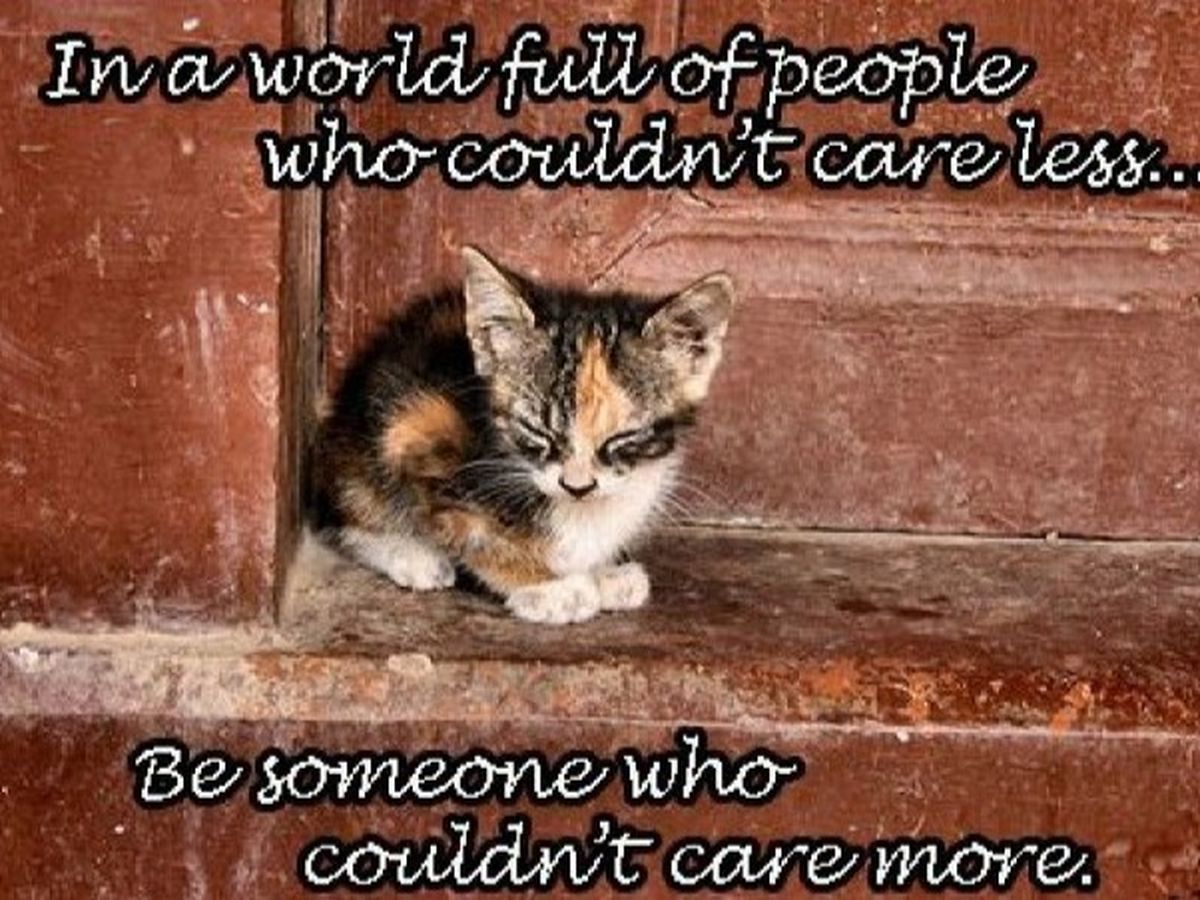
TOGETHER we can stop this overpoplation epidemic. "In a word full of people who couldn't care less, be someone who couldn't care more." Donate and save a life, and be a voice for those who don't have one.
$15: Supports 20 Cans of wet food or 1 bag of dry
$85: Supports the cost of the spay/neuter and rabies/distemper vaccination for one feral cat
$125: Same as above but for friendly cats and kittens
Every little bit helps. Please share this page. Sharing is caring!

The set goal of $5,000.00 will help support spay/neuter surgeries, vaccinations and help pay for medical costs that accompany living life on the streets. Please help save their lives by donating today. Together we can help end this overpopulation epidemic.
Did you know that there are estimated 150,000 feral cats in Hartford County, CT alone.
Fact: With 38% of household incomes under $40,000 per year in Hartford, East Hartford, Manchester and New Britain, pet owners just can't afford to have their animals sterilized.
As a result, many families in our community have to give up or abandon their cherished four-legged family members because of financial issues or undesirable behaviors that come with unaltered animals.(Source: https://poainc.net/)
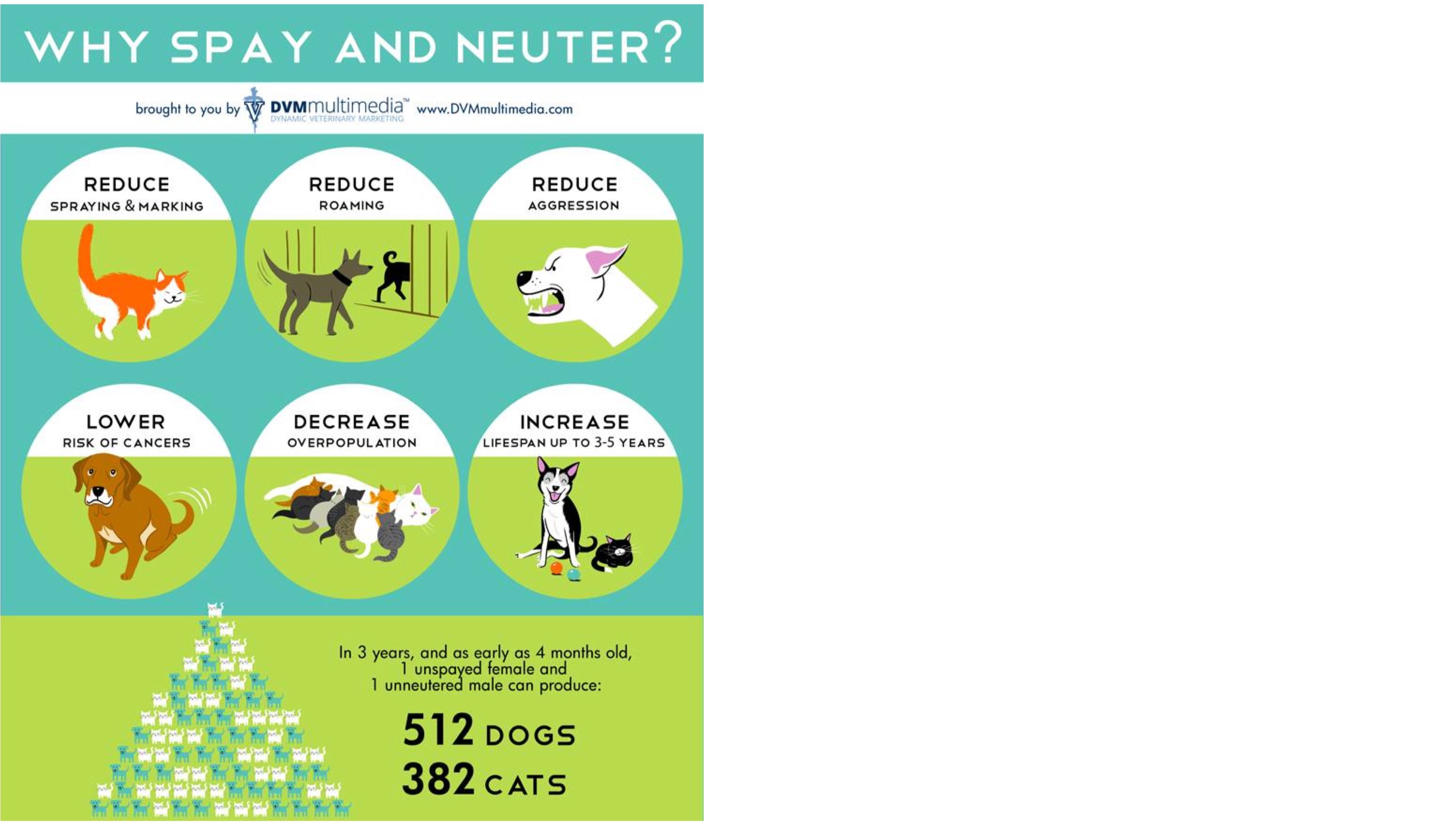
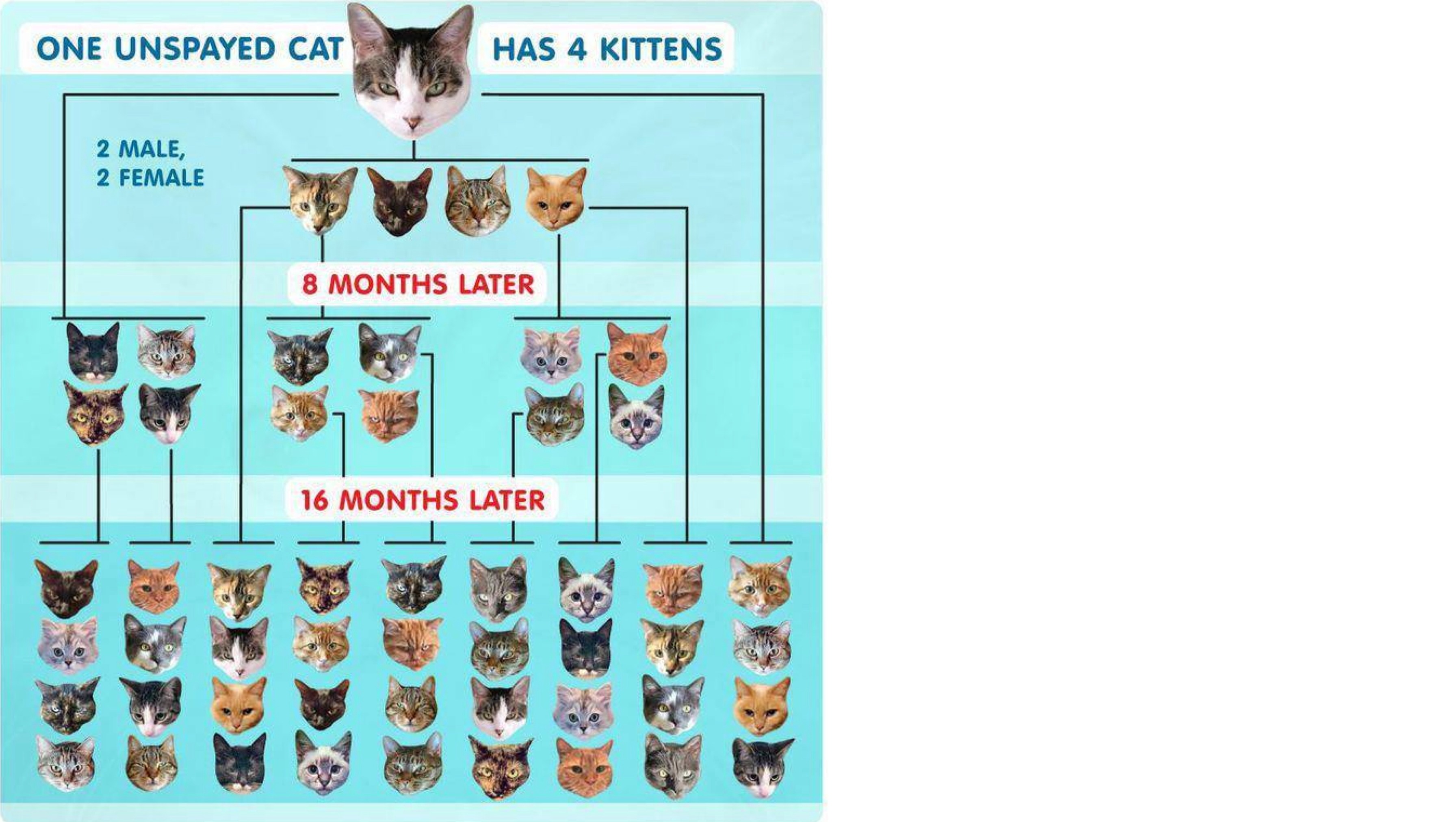
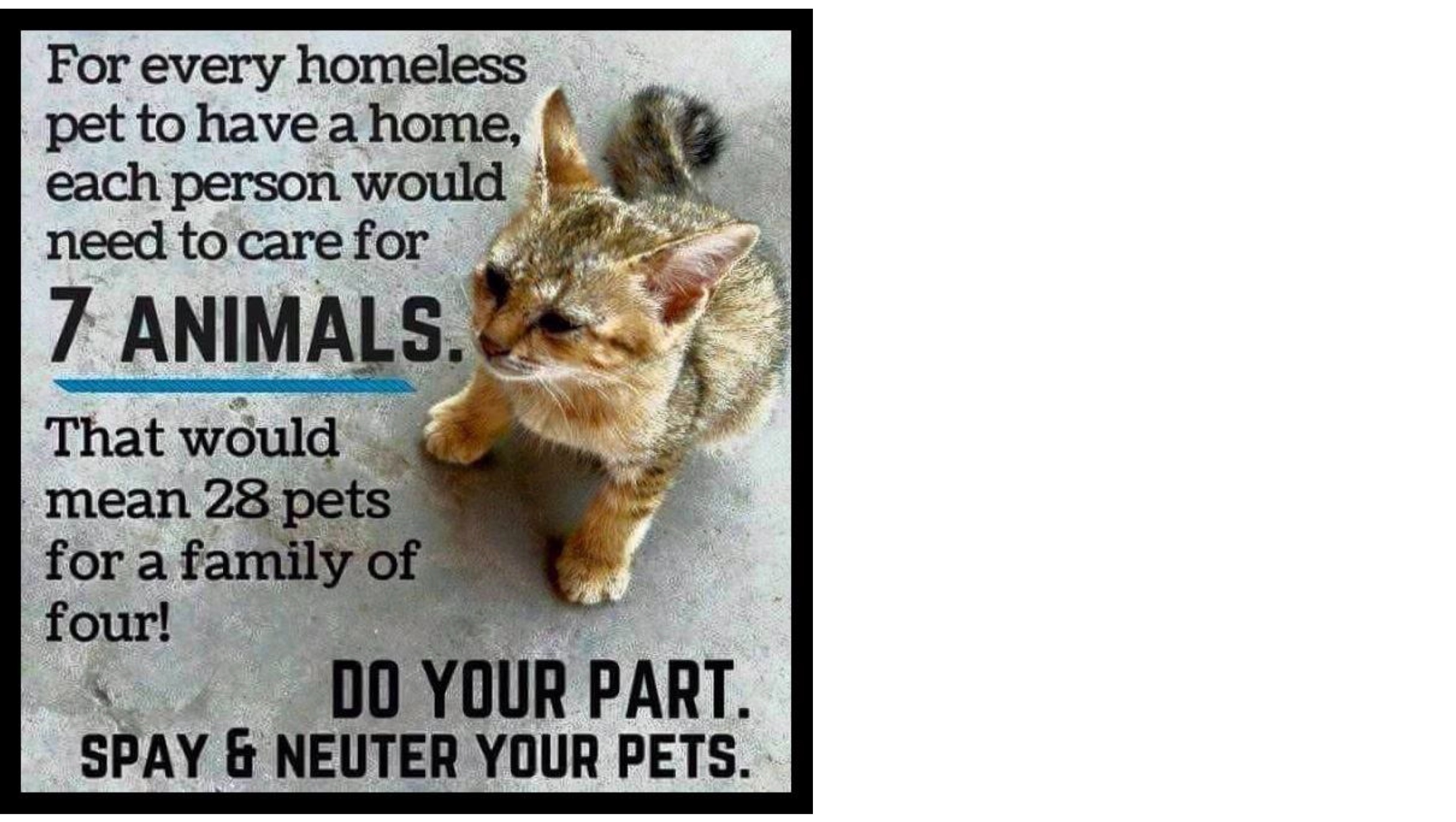
Fact: Animals that are not spayed or neutered produce thousands of unwanted, abused or abandoned kittens and puppies each year. In seven years, one female cat and her off-spring can produce an incredible 370,000 kittens.
What is TNR?
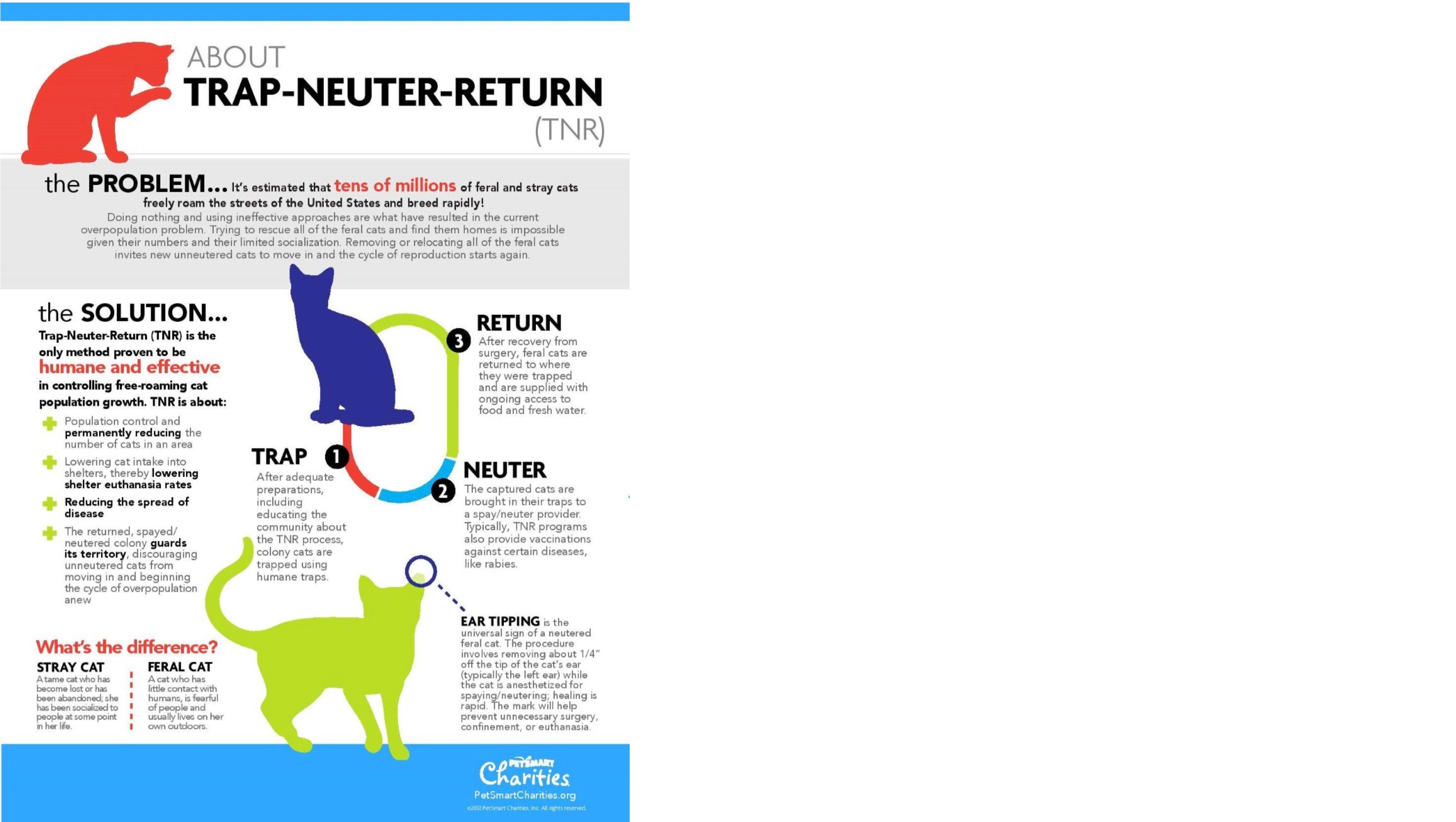
Trap-Neuter-Return, commonly referred to as "TNR," is the only method proven to be humane and effective at controlling feral cat population growth. Using this technique, all the feral cats in a colony are trapped, neutered and then returned to their territory where caretakers provide them with regular food and shelter. Young kittens who can still be socialized, as well as friendly adults, are placed in foster care and eventually adopted out to good homes.
Why does TNR work?
TNR has many advantages. It immediately stabilizes the size of the colony by eliminating new litters. The nuisance behavior often associated with feral cats is dramatically reduced, including the yowling and fighting that come with mating activity and the odor of unneutered males spraying to mark their territory. The returned colony also guards its territory, preventing unneutered cats from moving in and beginning the cycle of overpopulation and problem behaviors. Particularly in urban areas, the cats continue to provide natural rodent control.
Another significant advantage to TNR is that, when practiced on a large scale, it lessens the number of kittens and cats flowing into local shelters. This results in lower euthanasia rates of cats already in the shelters.
TNR is not just the best alternative to managing feral cat populations - it is the only one that works. Doing nothing has resulted in the current overpopulation crisis. Trying to "rescue" the cats and find them all homes is utopian and unattainable given their numbers and the futility of trying to socialize most of them. Trap and remove, the traditional technique exercised by animal control, is simply ineffective. If all the cats are not caught, then the ones left behind breed until the former population level is reached. Even if all the cats are removed, new unneutered cats tend to move in to take advantage of whatever food source there was, and the cycle starts again.
What does feral mean?
The term "feral" essentially means the cat is wild. With very little human contact, they are fearful of humans and often run when being approached.
Feral cats are the result of a domestic cat being abandoned or lost and left to fend for itself. The offspring of the domestic (now considered feral) cat are usually never handled by people and become terrified. Many times, when approached by people, they will hiss out of fright. Given the chance, they will run away and hide. This is misunderstood as being vicious.
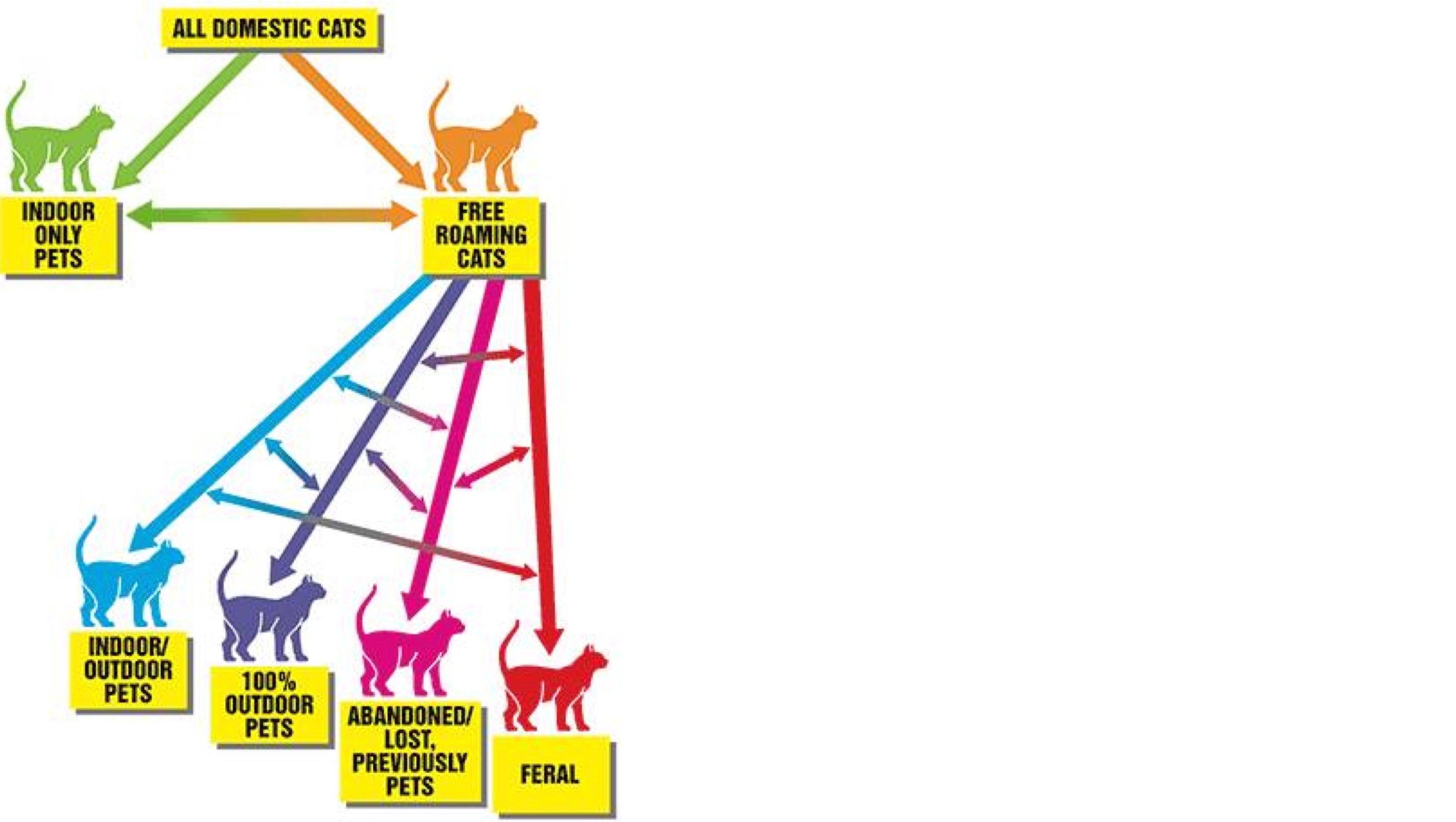
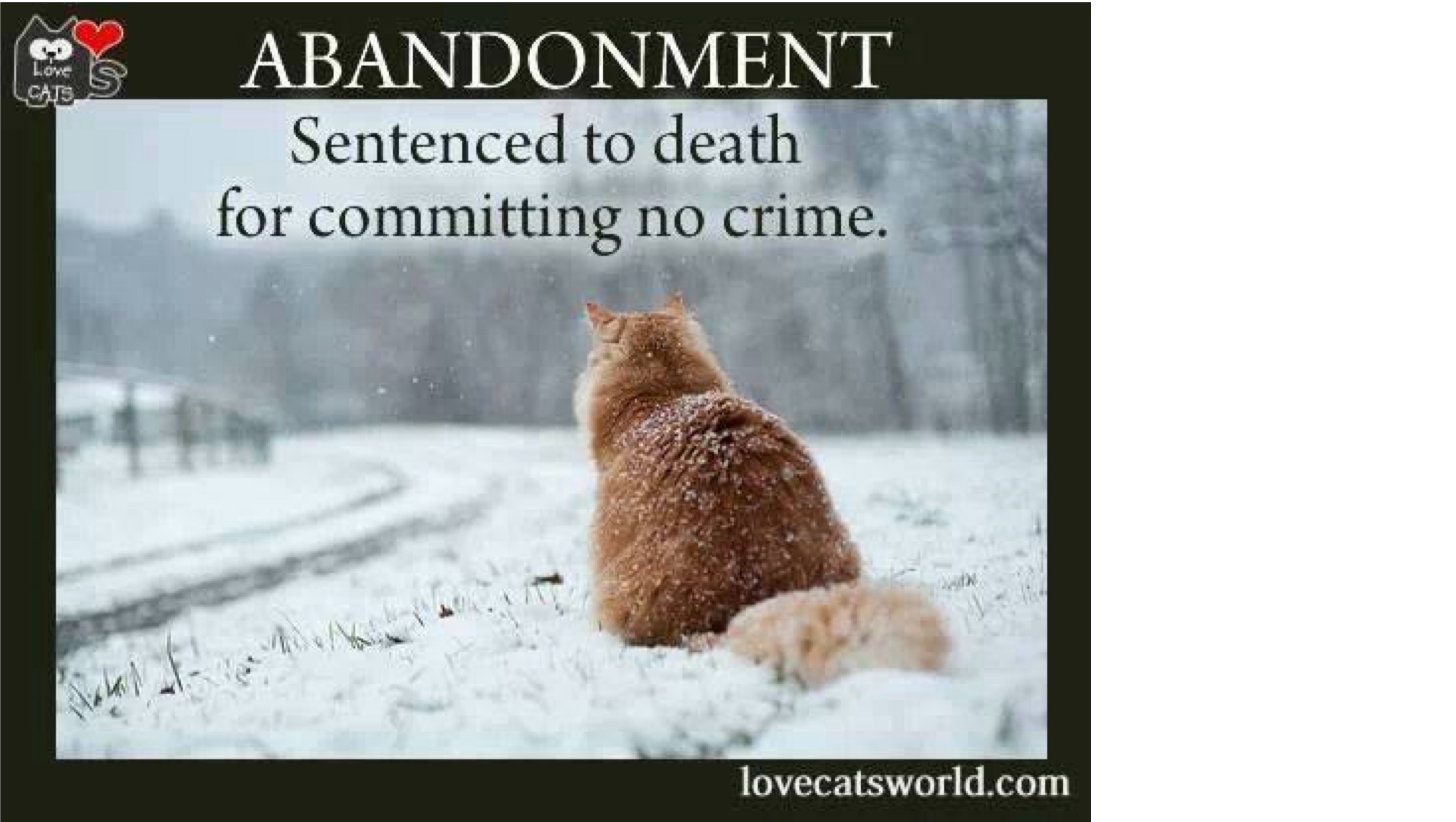
Ten to fifteen percent of the cats trapped are tame, abandoned cats. Some are even declawed. Others are elderly, guilty of nothing more than having lived with one person all their life until that person passed, and surviving family members decided to throw the animal out.
Feral cats are the result of human negligence. Owners who do not spay/neuter their pets are contributing to this problem, as are those who abandon their cats or kittens. Many people treat feral cats as throw-aways or ignore them and hope someone else will solve the problem. Even worse, some people purposefully harm ferals because they consider the cats a nuisance
Credits:
Text photos found on: