- M
- N
- J
World’s Smallest Film Factory — in a Rochester Basement
0% complete
20 235 $ récoltés sur 30 k $
239 dons
World’s Smallest Film Factory — in a Rochester Basement
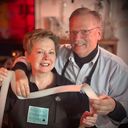
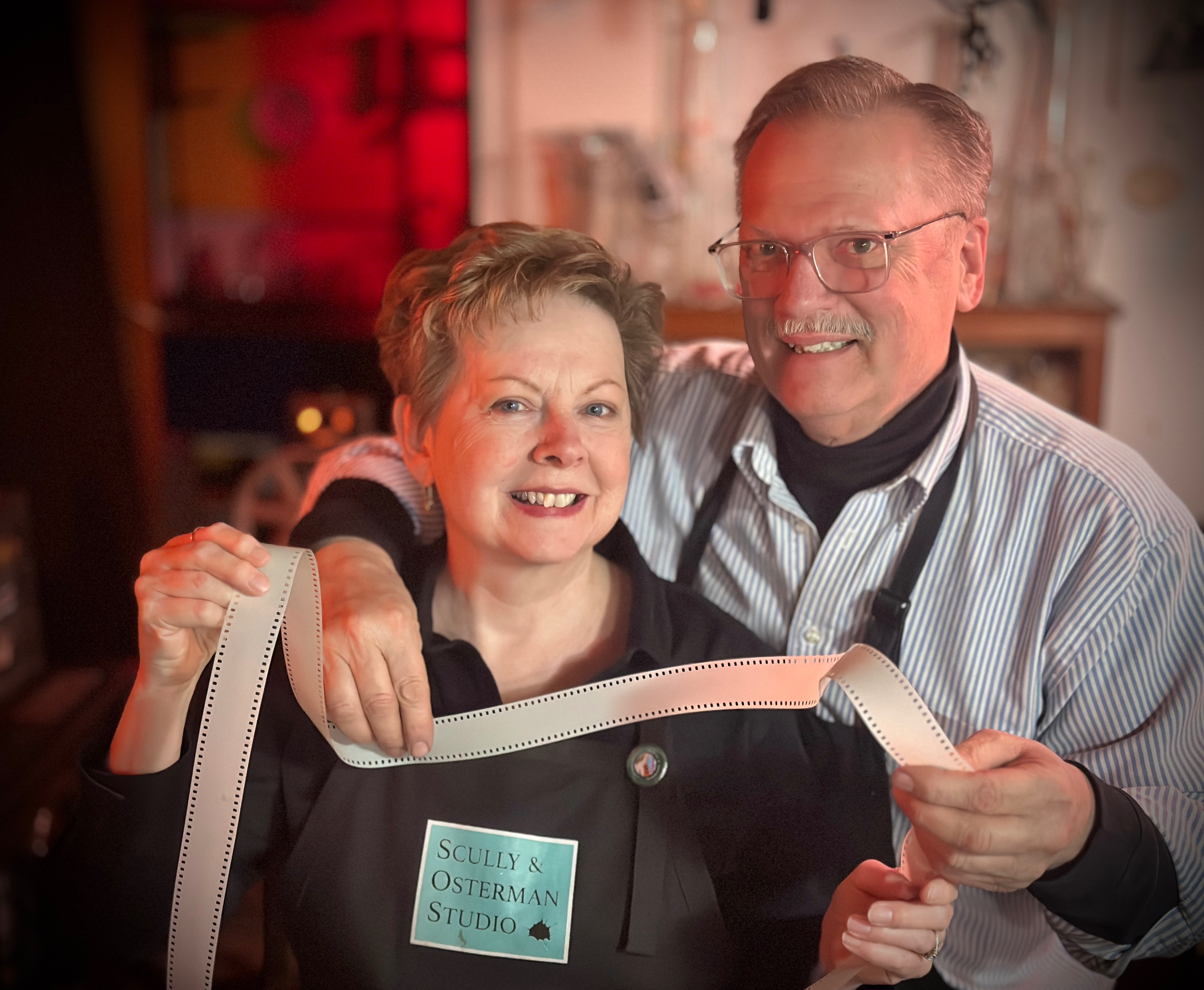
At a time when many think analog film is dead, Mark Osterman and France Scully Osterman are making real 35 mm film in the basement of their Rochester, New York home. Understand that this is the only film-making operation on Earth where making the photographic emulsion, coating the stock, slitting and perforating 35 mm motion picture film can be witnessed by photography and motion picture enthusiasts.
Join Emmy award winning cinematographer Gerardo Puglia as he chronicles the Ostermans’ struggle to make real 1920s era motion picture film with vintage equipment. Puglia, from Princeton, NJ, has a passion for story telling that will reveal this new research as an adventure into the never-before-seen world of making film. Known for his poetic and atmospheric cinematography, Puglia’s previous cinematic film projects include God Knows Where I Am (2016) and To the Edge of the Sky (2017). For 30 years he was Eastman Kodak's primary cinematographer promoting the art of Cinematography and Photography in Rochester and Hollywood and is a member of the Cinematographers Guild. With an impressive career in filmmaking and too many to mention, you can find more about Puglia’s work here: gerardopugliafilms.com.
This won’t be the first time he has worked with the Ostermans. In 1999 Puglia filmed Mark demonstrating 1850s photographic techniques in The Wizard of Photography, a documentary on George Eastman for the celebrated series The American Experience.
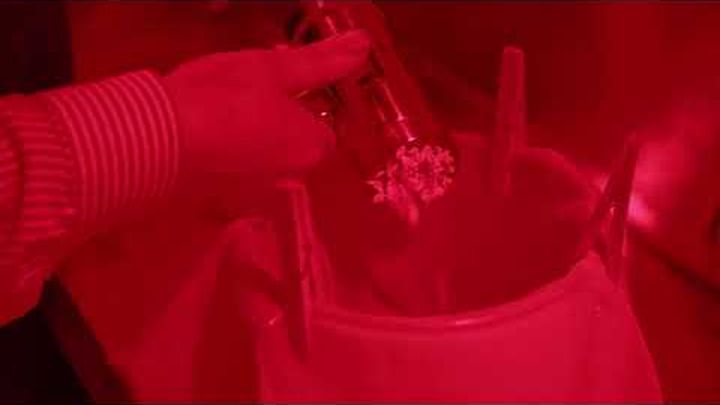
This project is about the origins of both still and cinematic film. It offers a rare documentary opportunity to tell a story that has never been shown before because modern film companies such as Eastman Kodak and Ilford Ltd have made modern films that are sensitive to all colors. The operations of making such films are carried out in total darkness. The Osterman’s efforts on the other hand are visually open to the viewer made possible by obscure circumstances.
Your donation can help make this possible. Even a small donation helps.
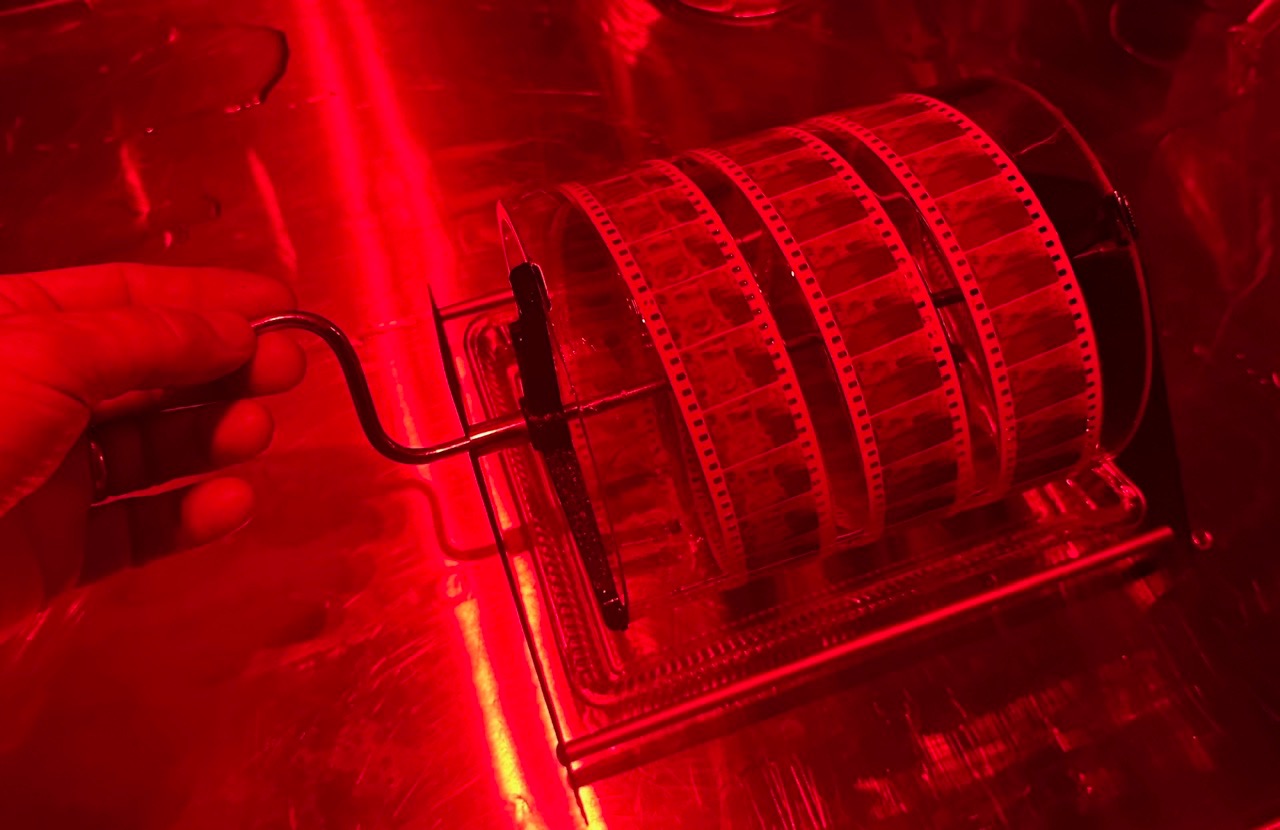
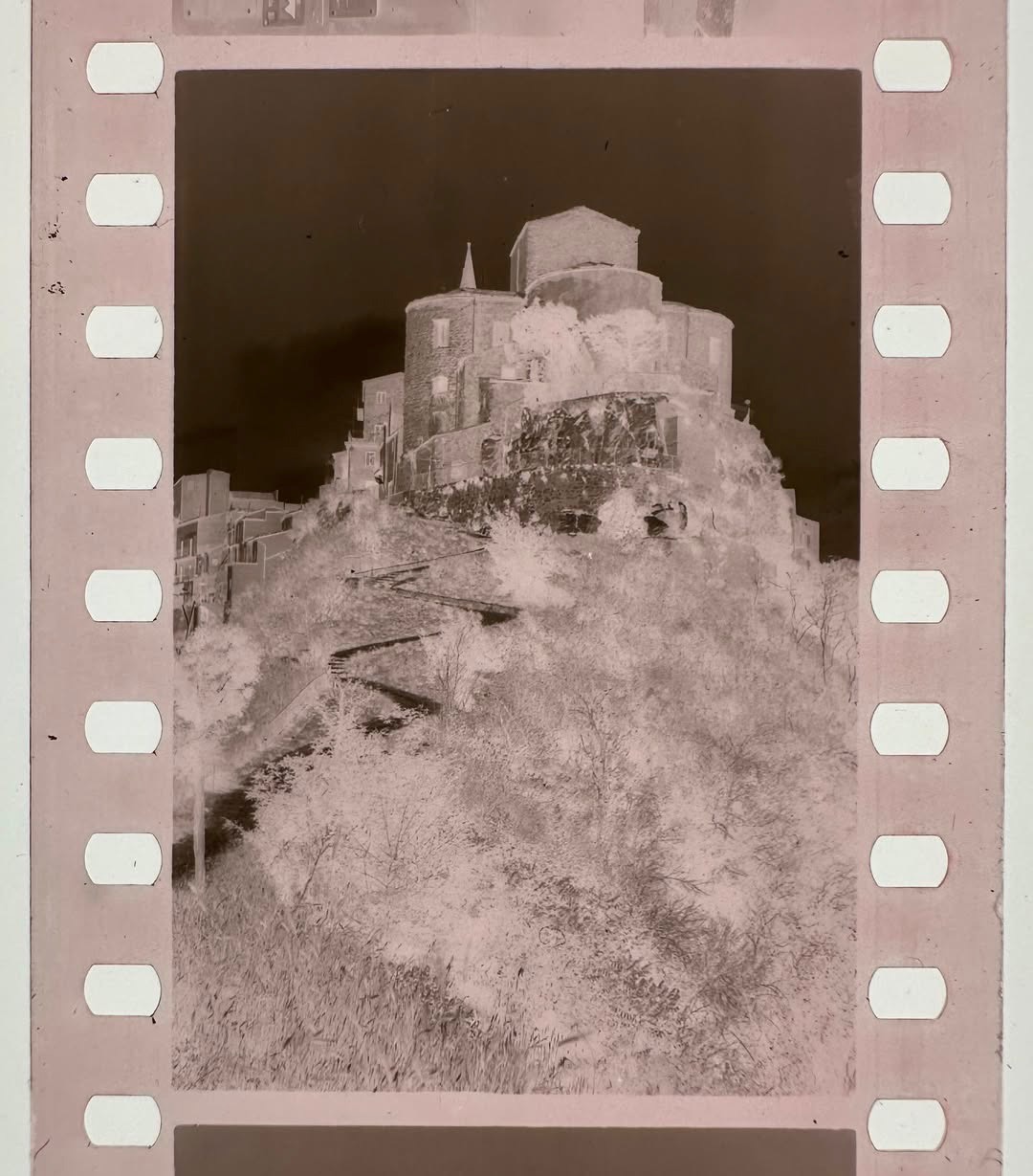
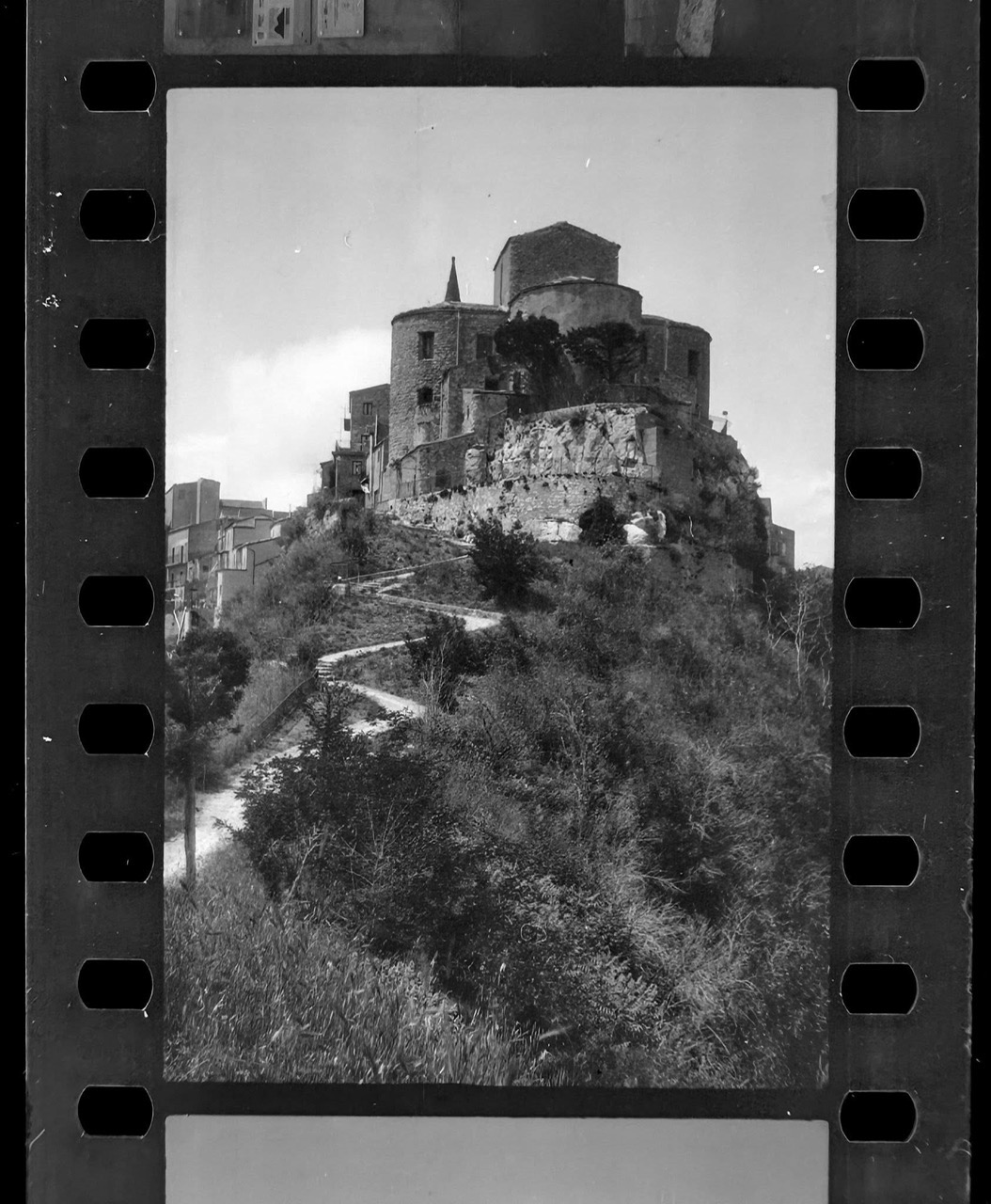
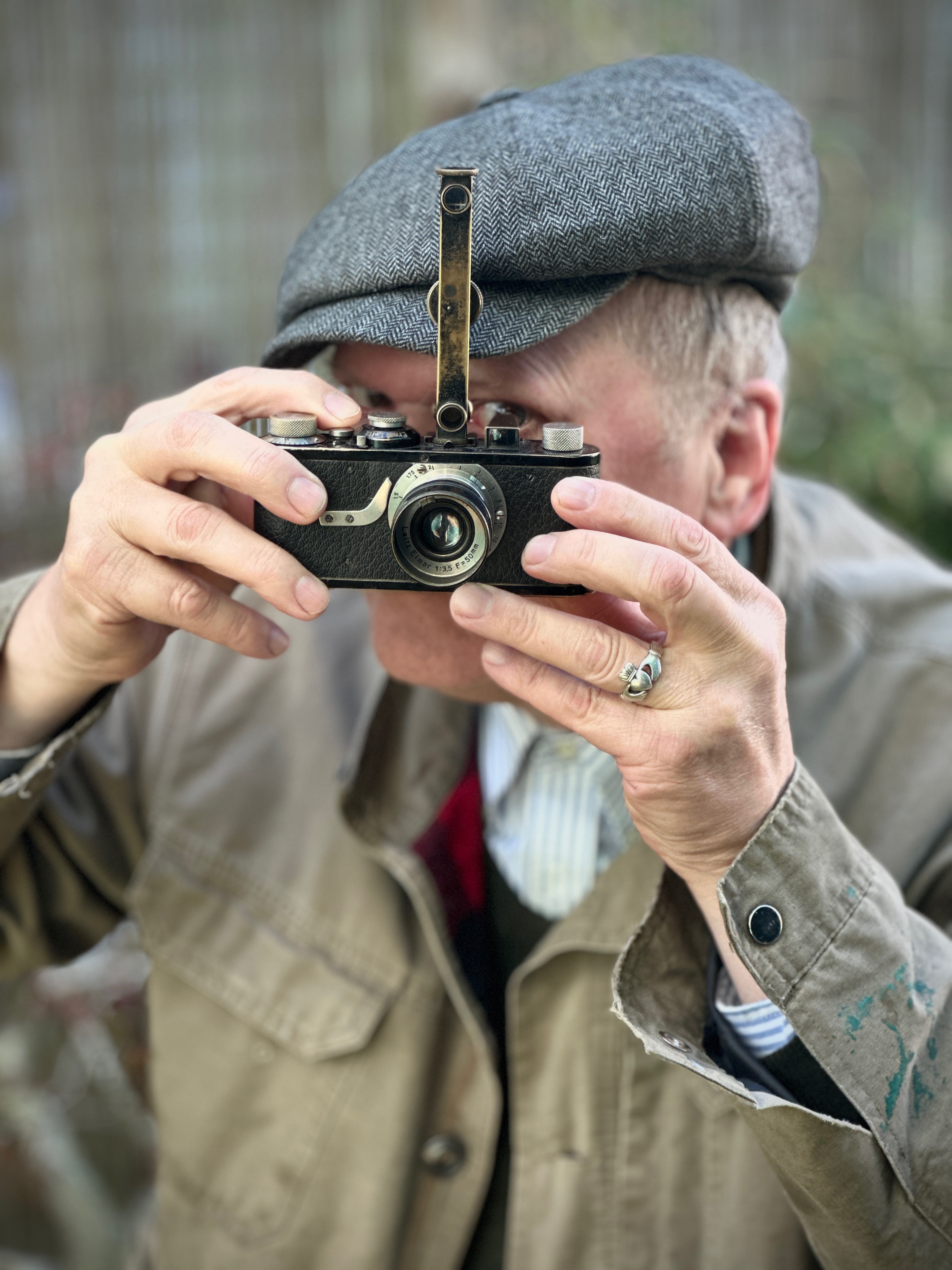
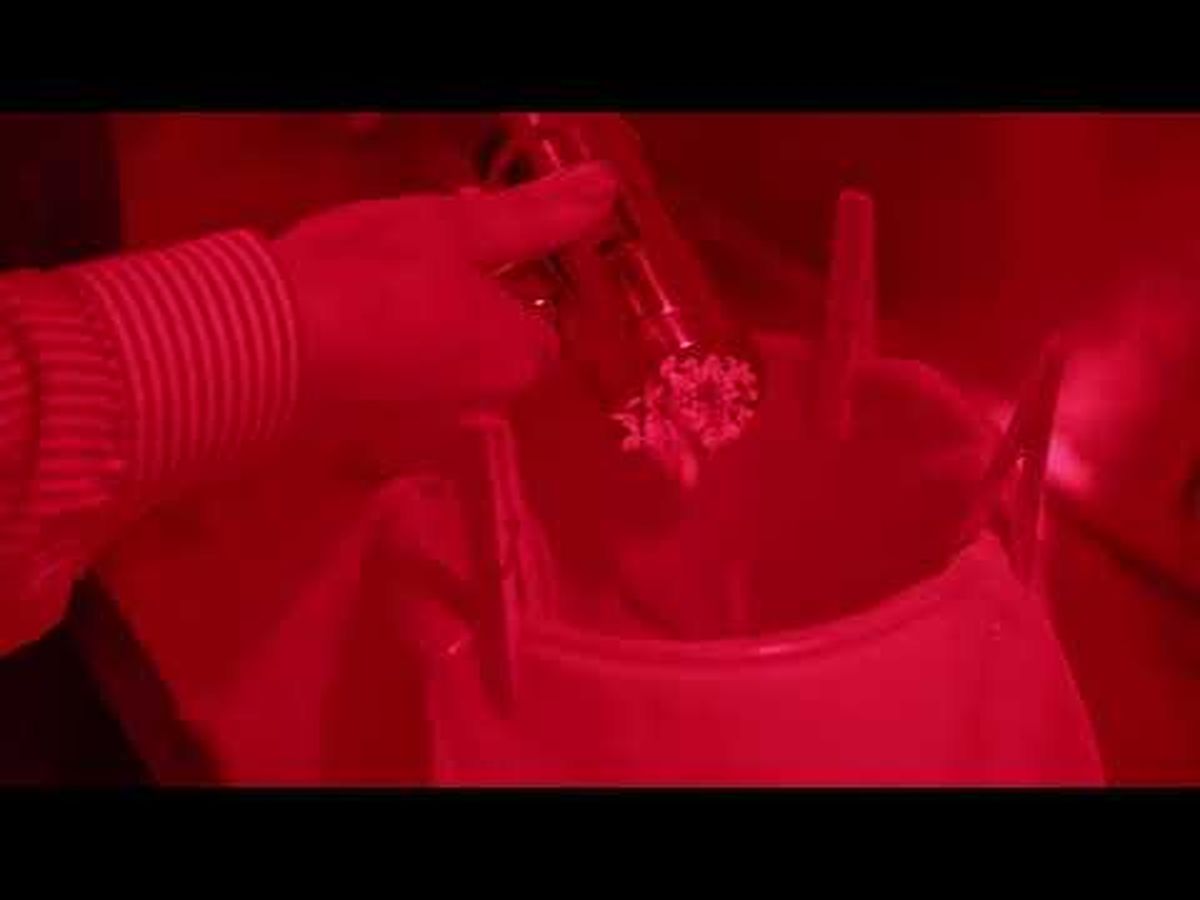
In December, 2024 Mark Osterman undertook making of the same type of motion picture film first used in the Leica camera. The Leica was introduced in 1925 and while it wasn’t the first 35 mm still camera, the Leica was arguably the most influential. Anyone shooting 35 mm (analog) film today in hand-held cameras can trace their creative and documentary lineage to the Leica. Because the Leica initially used early cine films that were not sensitive to red light, all of the emulsion making, film coating and development of the exposed film will be documented in this film about making film.
This landmark research began when Osterman purchased a rare 1928 Leica I camera. This was followed by uncovering the original glass developing drum for visual development and the first enlarger invented for 35 mm film, essentially a complete imaging system from the mid 1920s.
The work is only possible because the Scully & Osterman darkroom is equipped with a unique experimental coating machine originally made in the Polaroid research lab. Mark used this machine when he was the process historian at George Eastman Museum where he taught public workshops in making and shooting early cinema film in hand cranked movie cameras. Now retired from the Museum, Mark and France continue researching early processes from their home. In early 2025 they were given a vintage Bell & Howell 35 mm film perforator, essential for film making, as a gift of Eastman Kodak Company. Both Eastman Kodak and Ilford Ltd Company (England) also contributed 1000’ rolls of blank acetate film stock for their experimental coatings.
Osterman, who was the photographic process historian at the George Eastman Museum 1999-2020, researched the evolution of photography from the late 18th century to the 1920s to teach photograph conservators by demonstrating the processes. France Scully Osterman has also taught a variety of early photographic techniques, specifically the wet collodion variant processes and early printing techniques at universities throughout the US and in the couples’ Rochester studio. In this project the couple work together making the silver bromide gelatin emulsion, coating, perforating, test shooting and development.
Follow the Ostermans' as they work together in their eccentric home complete with a 19th century inspired skylight studio and Mark’s “daily driver” — a 1923 Model T Ford. It’s a wondrous view of the heretofore unseen world of making film that culminates with the couple demonstrating it to the Leica Company in Wetzlar Germany. In addition, they will present to the Leica Museum an original roll of film shot by Oskar Barnack, the inventor of the Leica camera. A delightful story enjoyable to anyone who has ever shot a roll of 35 mm film or viewed silent movies from the 1920s.
ADDITIONAL LINKS:
Organisateur