- S
- L
Wildlife Anaesthesia and Welfare Research Project (WAWRP)
0% complete
£2,144 raised of £5K
29 donations
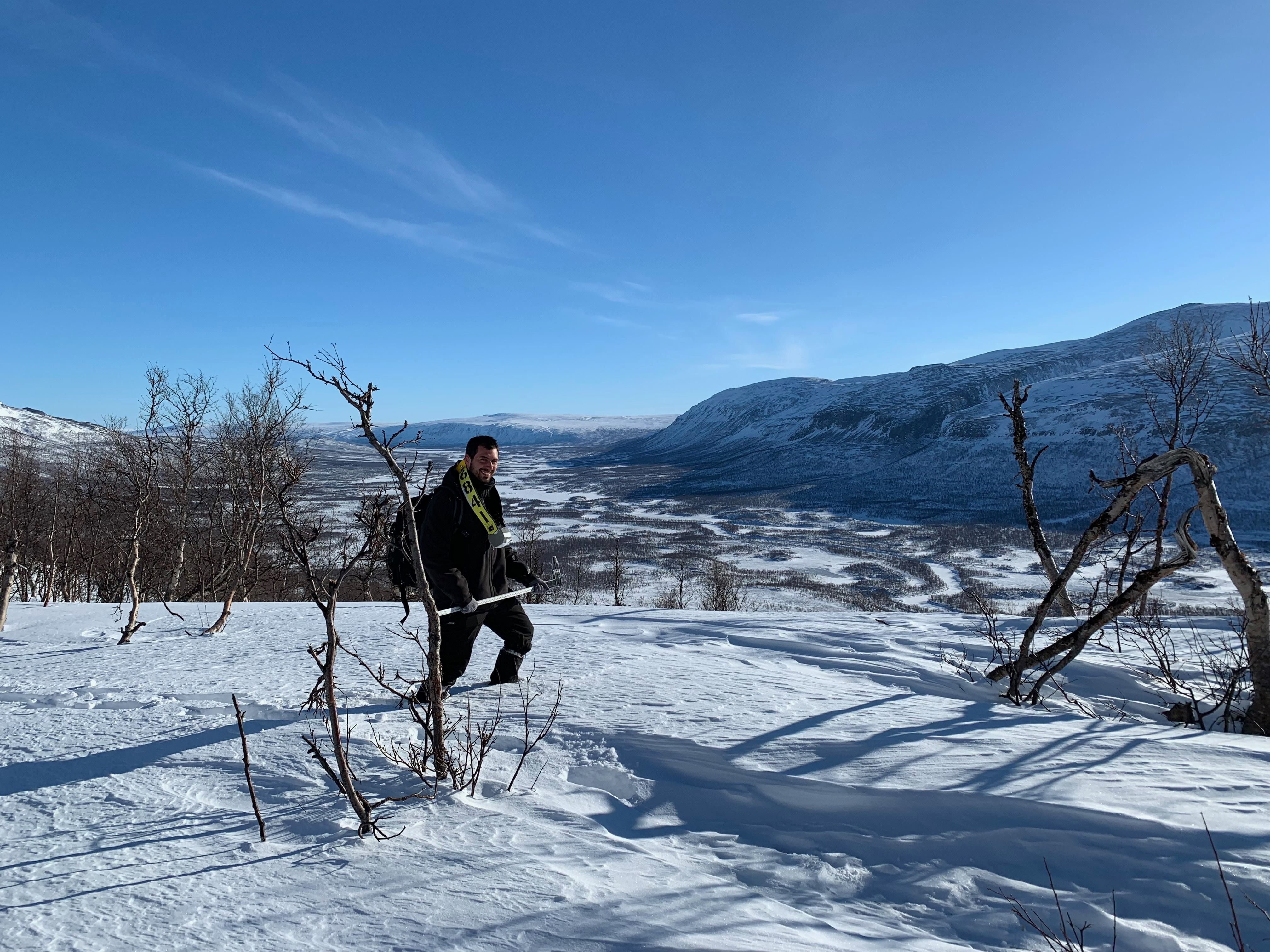
Hi! My name is Jacopo (Jack) Morelli, and I'm privileged to be a vet, a husband, and a dad of a beautiful girl.
As a veterinary surgeon with postgraduate training in anaesthesiology, emergency and critical care, I have spent the past ten years developing a unique profile at the intersection of clinical medicine, research, and wildlife conservation. While currently working full-time in emergency and critical care in North Yorkshire (UK), I have persistently pursued wildlife anaesthesia research as a parallel, self-motivated endeavor. My work is now culminating in a self-funded research and PhD project in collaboration with the University of Inland Norway and other academic and zoological institutions, aimed at assessing and mitigating the anaesthetic risks associated with the capture of large wild mammals. The project, across all its international and multi-species studies, has one mission: to increase safety and improve wild animal welfare during and after the anaesthetic events, should they be necessary. This crowdfunding campaign would support me to fully dedicate myself to this project, improve the quality of the health assessment (i.e., access to gold-standard, state-of-the-art monitoring equipment) and provide essential financial support for the research and fieldwork. All fundraisers like you will receive updates on the project as it develops over time, if you would like to.
A bit more about me and the project:
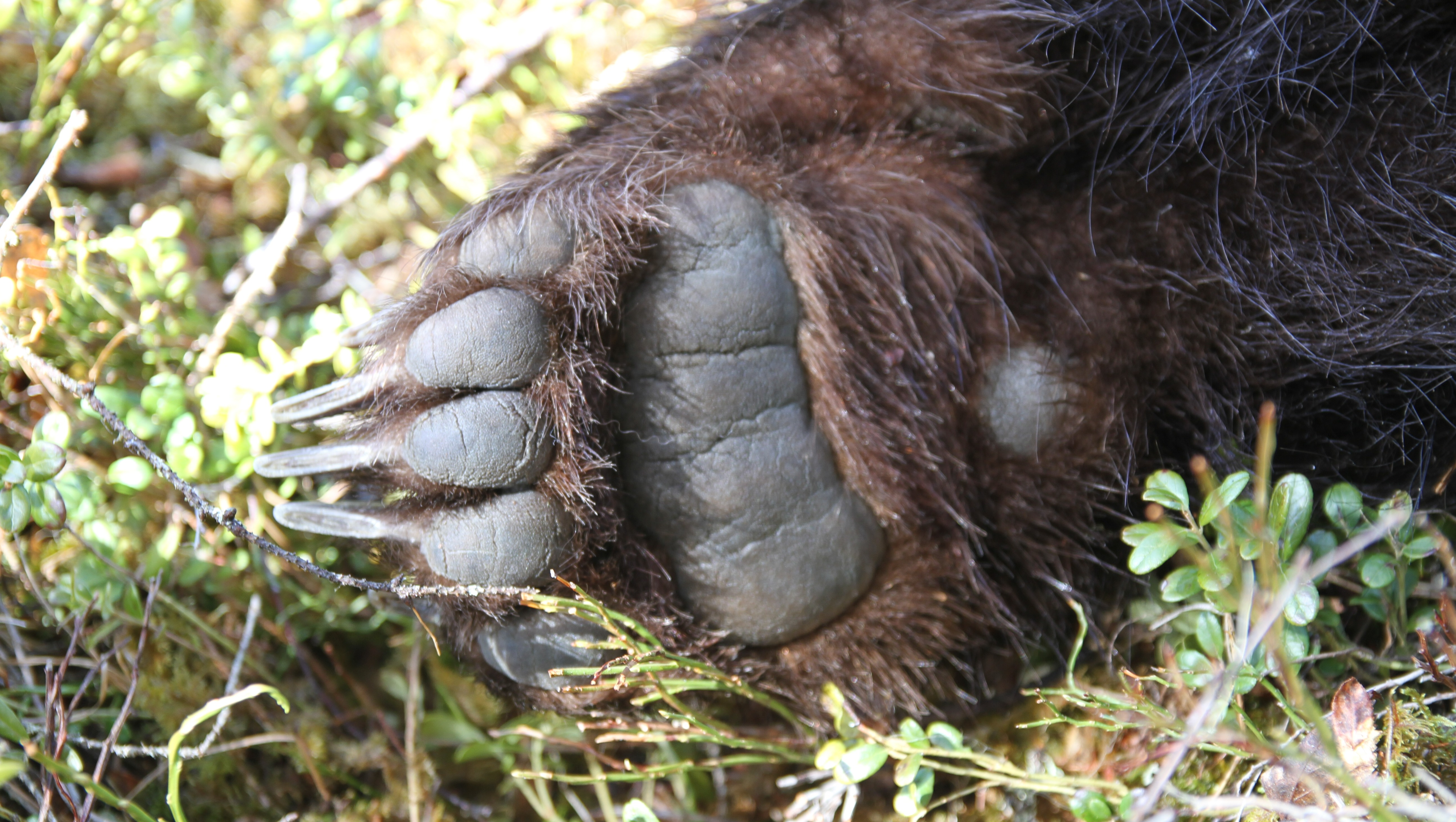
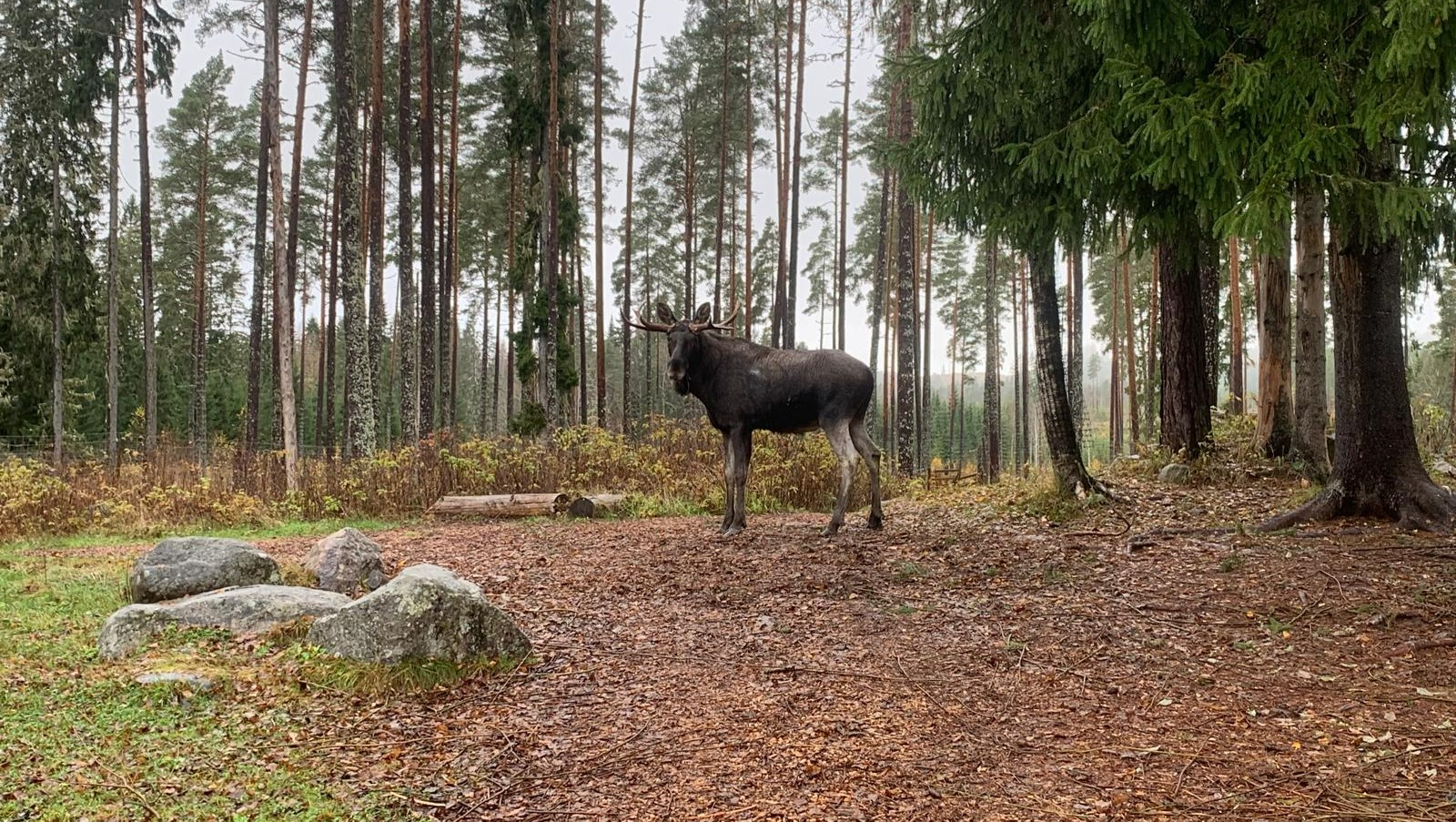
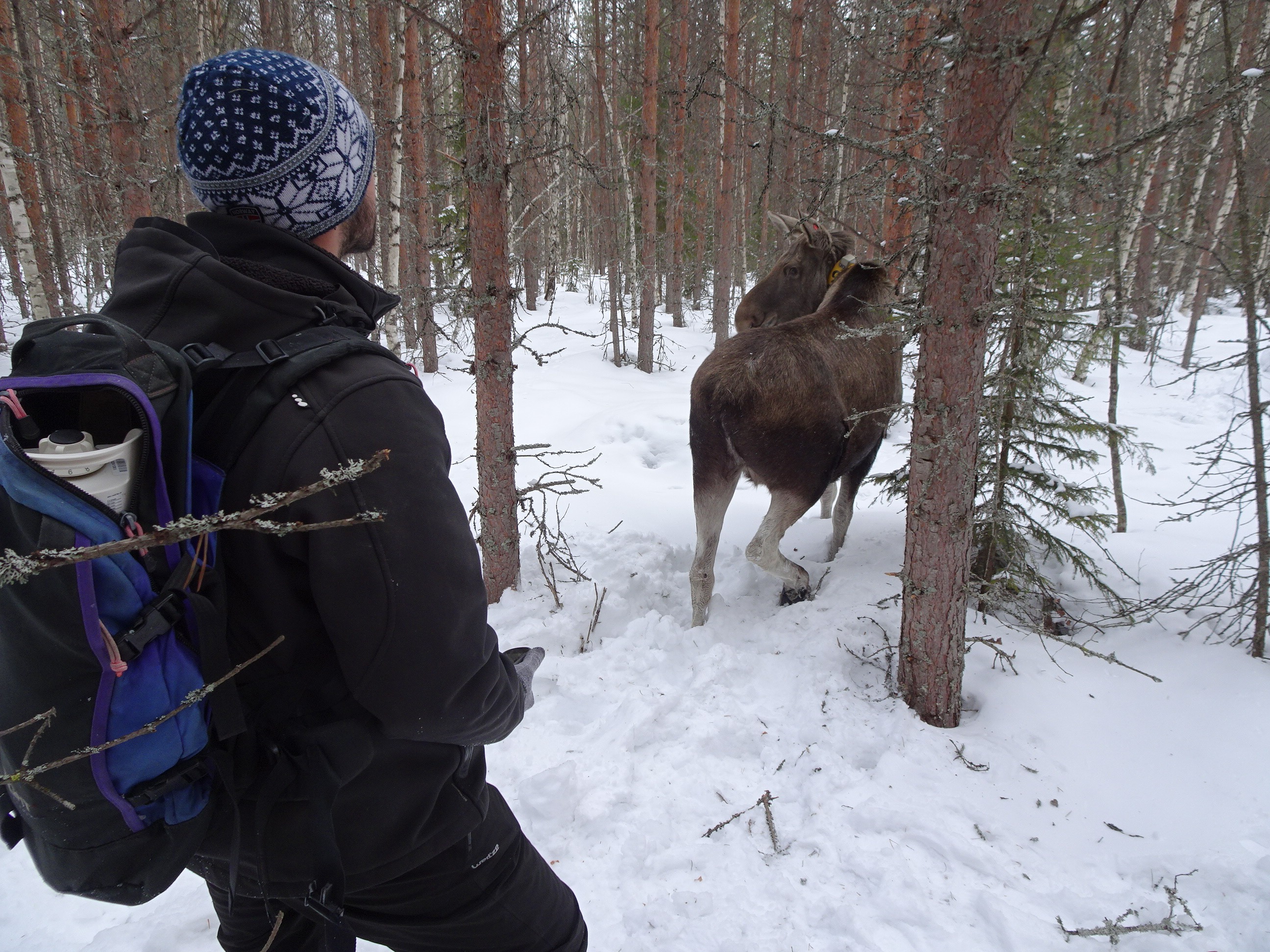
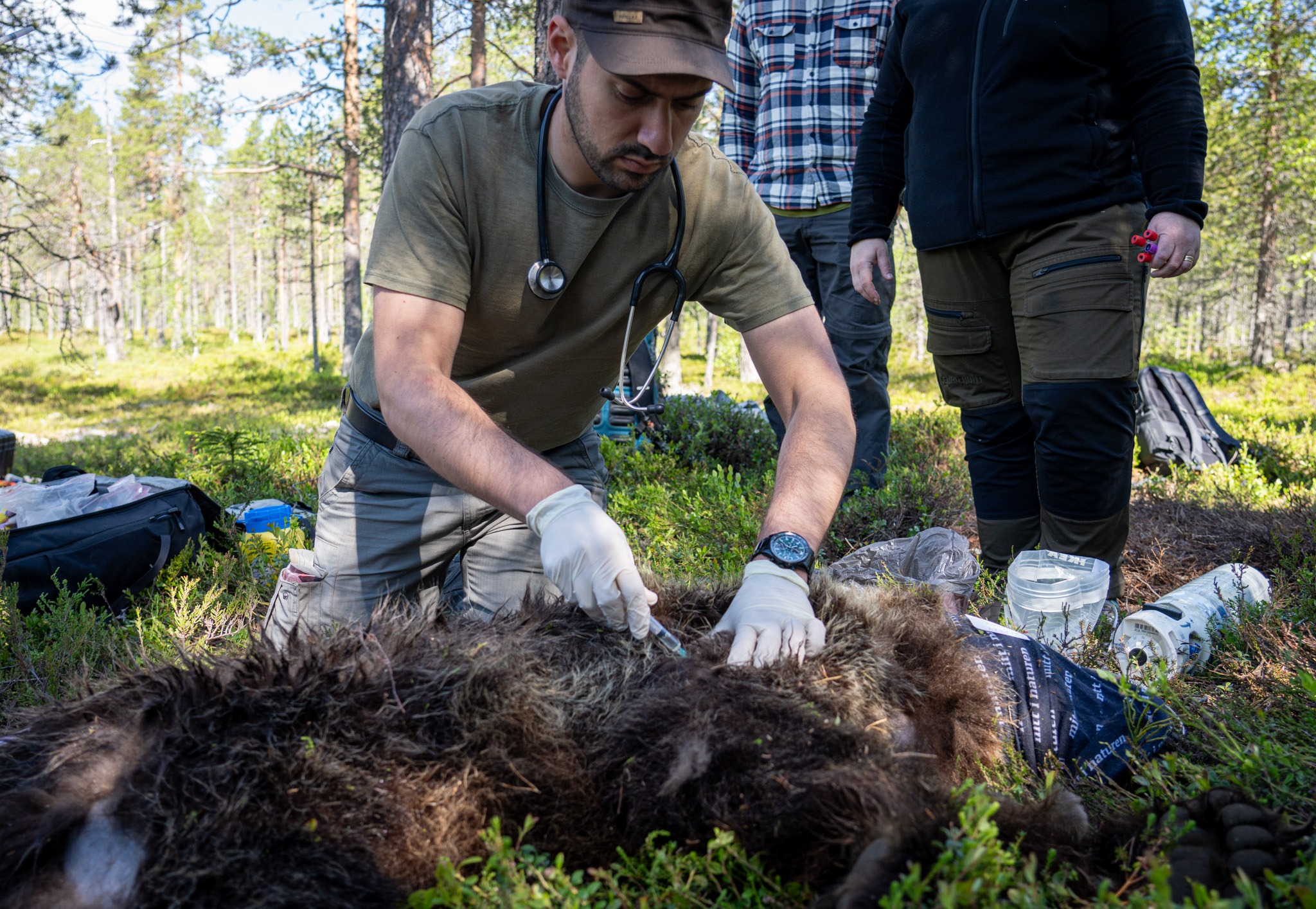
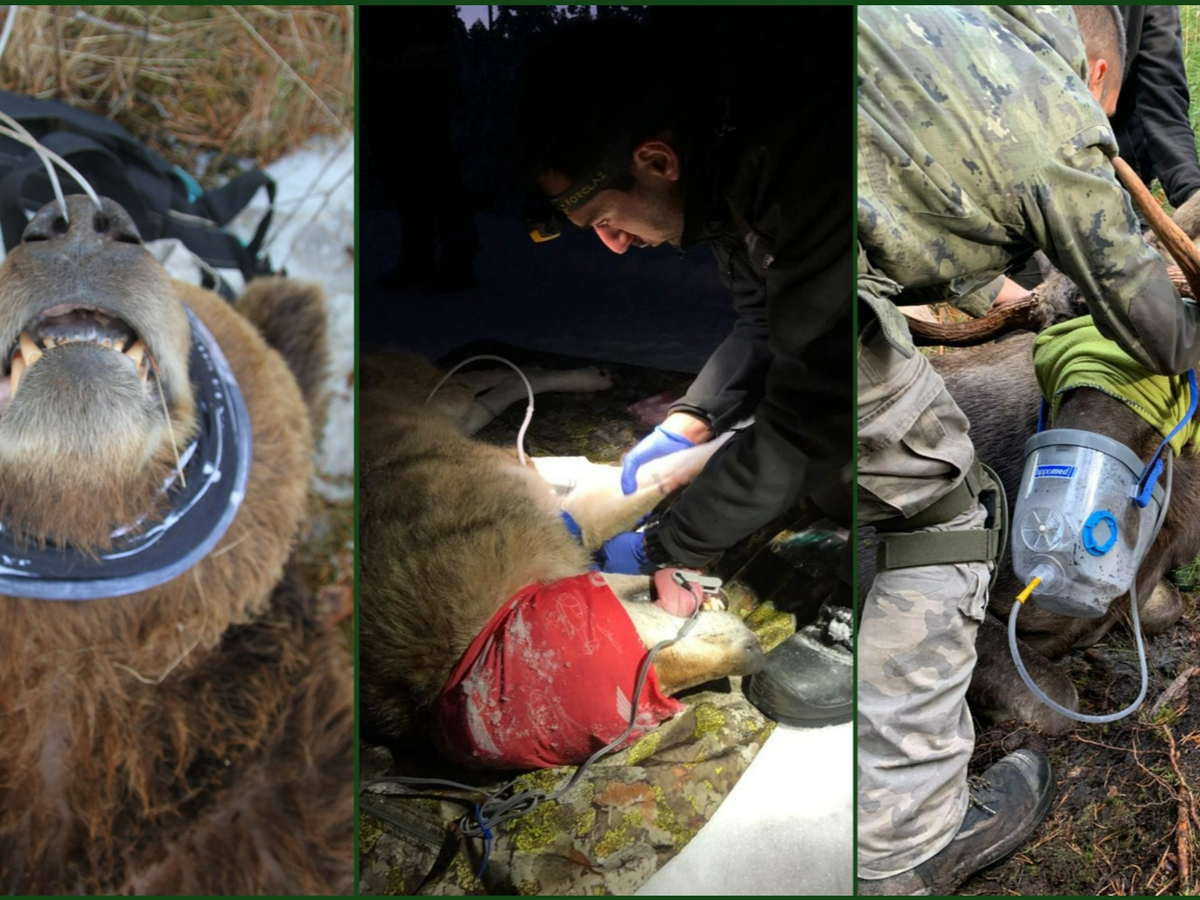
My interest in wildlife anaesthesia began during veterinary school and evolved through multiple internships across Europe, working with species such as brown bears, wolves, moose, wolverines, wild boars, European bison, and many others. Since 2017, I have collaborated with the University of Inland Norway and other international partners to study physiological responses during capture and chemical immobilization (field anaesthesia). Over the years, I have dealt with the field anaesthesia of several animals (e.g. 200+ wild brown bears, 100+ moose, 40 wolves, 40 bison, and more), either as the sole veterinarian on site or in a multispecialistic team of veterinarians and ecologists. These experiences have given me deep insight into the risks and complications that accompany field anesthesia and underscored the urgent need for better protocols to reduce morbidity and mortality in wild animals.
Wild animals are often captured and anaesthetised for conservation, research, and management purposes across the world. The anaesthetic drugs commonly used come with some adverse effects, threatening the health and welfare of the animals during and after the anaesthetic event. In the field, these are not as easily monitored or intervened as they are in a veterinary hospital. Even though these animals survive the anaesthesia, there might be some undetected damage to internal organs and tissues. Currently, I aim to prevent and alleviate anaesthesia-associated adverse effects in three different wildlife species: European moose (Alces alces), brown bears (Ursus arctos) and grey wolves (Canis lupus). The clinical work performed as freelance veterinarian and as emergency vet at Skeldale Veterinary Hospital (Medivet Thirsk) allows me to uphold my clinical skills and performance in preparation for the fieldwork and to critically think, plan, and interpret the collected physiological data.
Despite not having received external research funding to date, I have remained unwavering in my commitment to this cause. I have self-funded pilot and field studies using my clinical salary, prioritizing this work in between intense night-shift rotations in UK emergency hospitals. My pilot studies on captive bears and moose across multiple European zoological institutions have already yielded promising data supporting the use of medications to treat cardiovascular and respiratory complications. These efforts are part of a larger, carefully designed research plan that includes clinical trials across different species, each targeting a different physiological system affected during anesthesia. The drug protocol for moose causes high blood pressure, low heart rates, lower respiration, and poor oxygenation. If not corrected with supplemental oxygen, this can lead to organ failure and, in worst cases, death during or after the anaesthesia. We are testing a medication that has shown promising results in alleviating these effects in similar animals. The drug protocol used for brown bears similarly causes high blood pressure, low heart rates and poor oxygenation. We are treating such adverse effects with a novel medication, aiming to prevent long-term injury to organs. The drug protocol for grey wolves causes vomiting during the anesthesia and recovery period. Vomiting while sedated can cause stomach content to be inhaled into the lungs, which can cause pneumonia or even death. We are using a medication licensed for dogs with excellent preliminary results so far. Because most of the animals involved in the studies are part of ongoing behaviour and spatial ecology research, they are equipped with temporary GPS-trackers, which will allow to monitor their welfare also during the post-anaesthetic period. The proposed medications and interventions showed promising results in other species and we expect that our studies can prevent these severe side effects. If this is the case, it will greatly improve the health and welfare for the animals involved and will have a wide impact on both zoo and free-ranging individuals. Our field studies will be carried out in Scandinavia, but the results will apply worldwide for similar wildlife research. The project thereby holds the potential to massively improve anesthetic safety and long-term health and welfare for wild animals. Based on the results of the project, specific guidelines and protocols will be published with open access to all professionals dealing with wildlife capture and anaesthesia. As my priority is and will always be to uphold animal welfare, all the studies in the project are approved by official institutional, local or national ethical committees prior to their commencement. For the same reason of not posing additional risk to wildlife, it is important to note that none of the animals involved in my studies has been or will be anaesthetised for the sole purpose of the studies: all anaesthetic events are pre-scheduled by the zoos, animal parks or universities for other reasons such as health assessments, GPS-collaring and clinical procedures. With close and transparent communication with the international partners, my enthusiastic assistants and I join the anaesthetic events that would be carried out anyway, monitor the anaesthesia and administer the medications following the pre-agreed study design.
If the project sparks your interest, if you would like to find out more, or if you are a researcher or wildlife professional interested in a collaboration, I would be delighted to connect via LinkedIn here.
Thank you in advance for your precious support and for helping us help wildlife!
Jacopo Morelli
DVM, PgCertVPS, CertAVP(VA), MRCVS.
ECC Veterinary Surgeon, Veterinary Anesthesiologist, Wildlife Veterinarian, PhD candidate