- A
- C
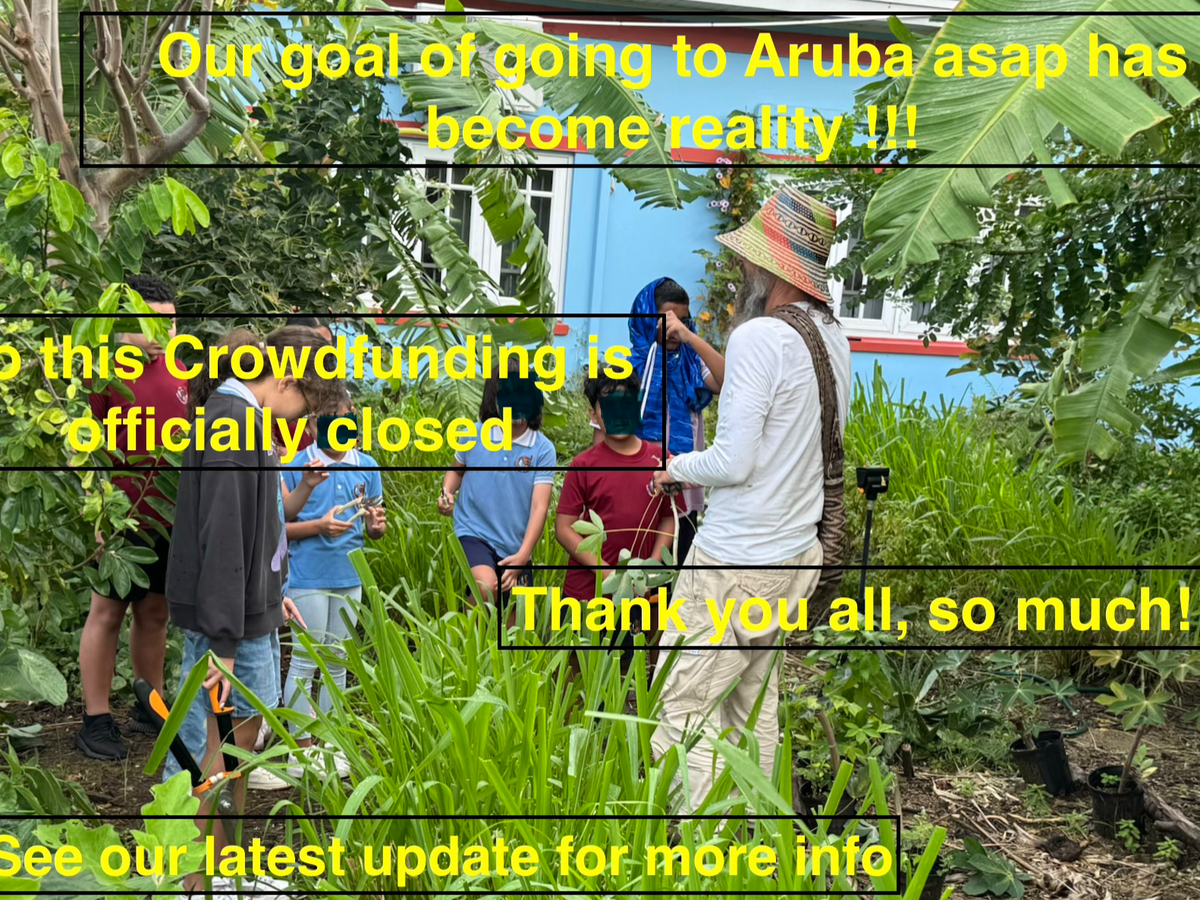
What If Aruba Could Feed Itself Again?
0% complete
€3,565 raised of €3.5K
24 donations
What If Aruba Could Feed Itself Again?
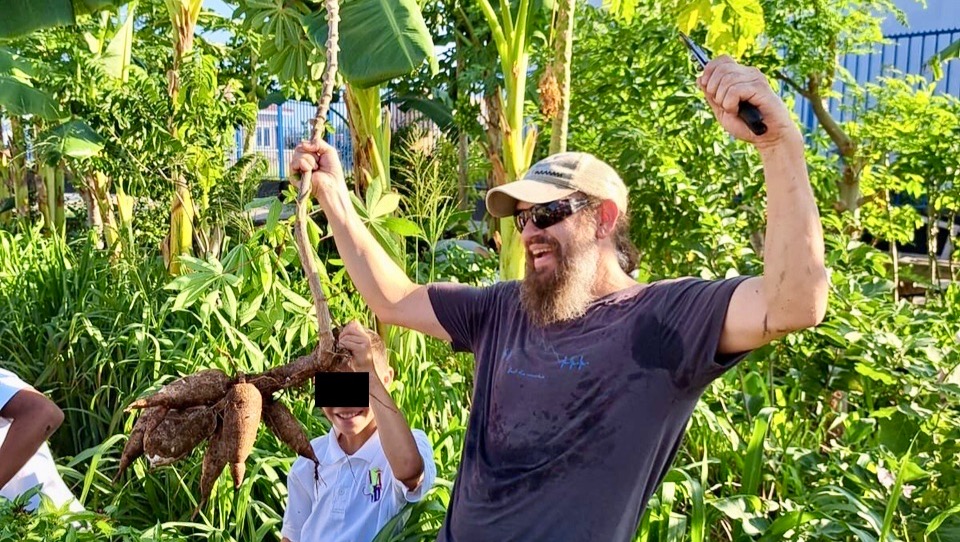
Hi, we’re Rayo from Aruba and Eve from Colombia. Years ago, we left our home Aruba, with a dream of returning only when we could make a meaningful contribution to the island’s future. That time is now.
We want to transform patches of savanna into thriving food forests—a space where local food production, community connection, and the island’s economic and environmental resilience can grow together. Aruba’s reliance on imported food has made the island vulnerable, especially in times of crisis. It’s time to change that.
But we can’t do this alone. To relocate to Aruba and start this ambitious project, we need your support.
Why Now?
Aruba relies on imported food for nearly everything, leaving the island vulnerable to global crises like supply chain disruptions during COVID-19. Its economy, heavily dependent on tourism, struggles under debt, while environmental degradation, deforestation, and water scarcity worsen.
But it hasn’t always been this way. Centuries ago, Aruba’s landscapes were managed as food forests, supporting sustainable living in harmony with nature. We believe it’s time to tap into that wisdom of organic food growing with a food forest.
With your help, we can contribute to bring this tradition back, combining ancestral knowledge with modern techniques to build a self-sustaining ecosystem that nourishes the island. By producing part of its own food, Aruba could secure its local food supply chain as back up if import gets disrupted and pave the path toward true food sovereignty and independence.
Our Vision
In response to this urgent need, we’ve been inspired by the local agro forestry community and Living Soil Aruba to transform small and vast pieces of land, currently savanna, into thriving food forests. The techniques needed to make this transformation are largely forgotten, but over the past three years, we’ve traveled extensively, learning from permaculture experts and collaborating with communities in the Netherlands and Spain.
Our goal is to join forces with the existing agro forestry community, Living Soil Aruba, extended families & friends. We will become farmers and help regenerate the land using knowledge and methods tailored to the island’s specific challenges. We’re creating a food forests that:
- Improves Food Security: Growing organic nutrient rich food locally to reduce reliance on imports.
- Diversifies the Economy: Establishing alternative forms of eco-tourism and education programs that support sustainable industries beyond tourism.
- Strengthens Community Resilience: Providing workshops and volunteer opportunities to share knowledge, inspired locals, and foster collaboration.
We will be farming on a food forest that is more than just a farm—it’s a model for sustainability, resilience, and independence.
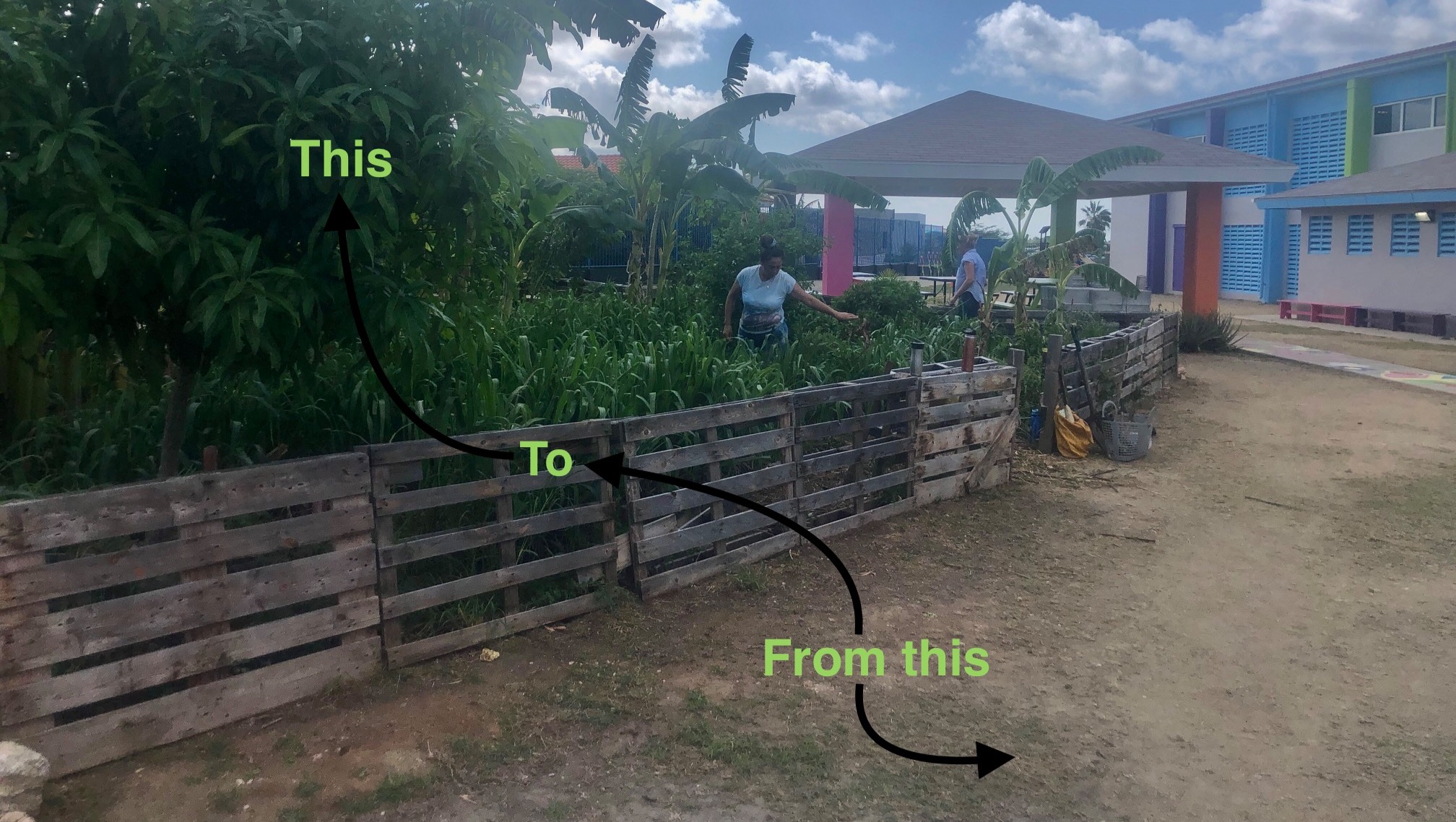
A Self-Sustaining Food Forest
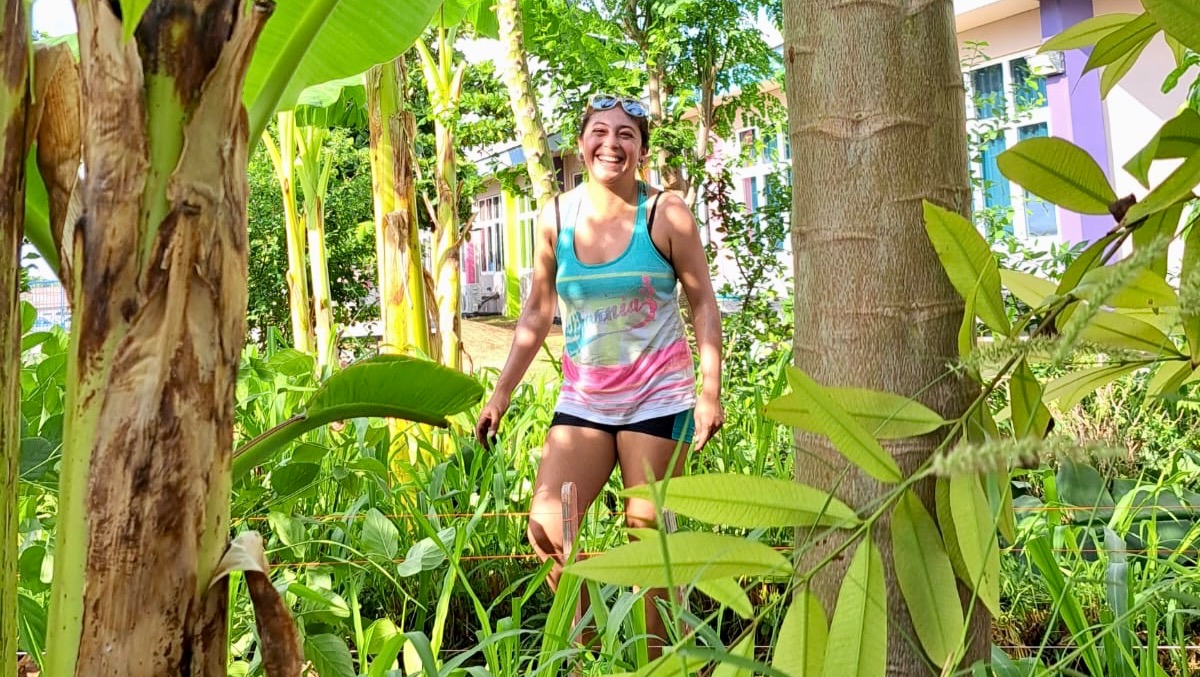
A food forest is an ecosystem where plants are grown to function together. At the beginning, "pioneer plants" like cassava will be planted to break up the soil and herbs as nitrogen fixers to make it fertile, preparing the ground for future growth. Fast growing plants creates mulching material, and over time the system will evolves in stages: from pioneer nitrogen-fixing plants, bushes, berries, diversity in plants, and eventually to trees that provide long-term yields. Food forests also significantly lower ambient temperatuur.
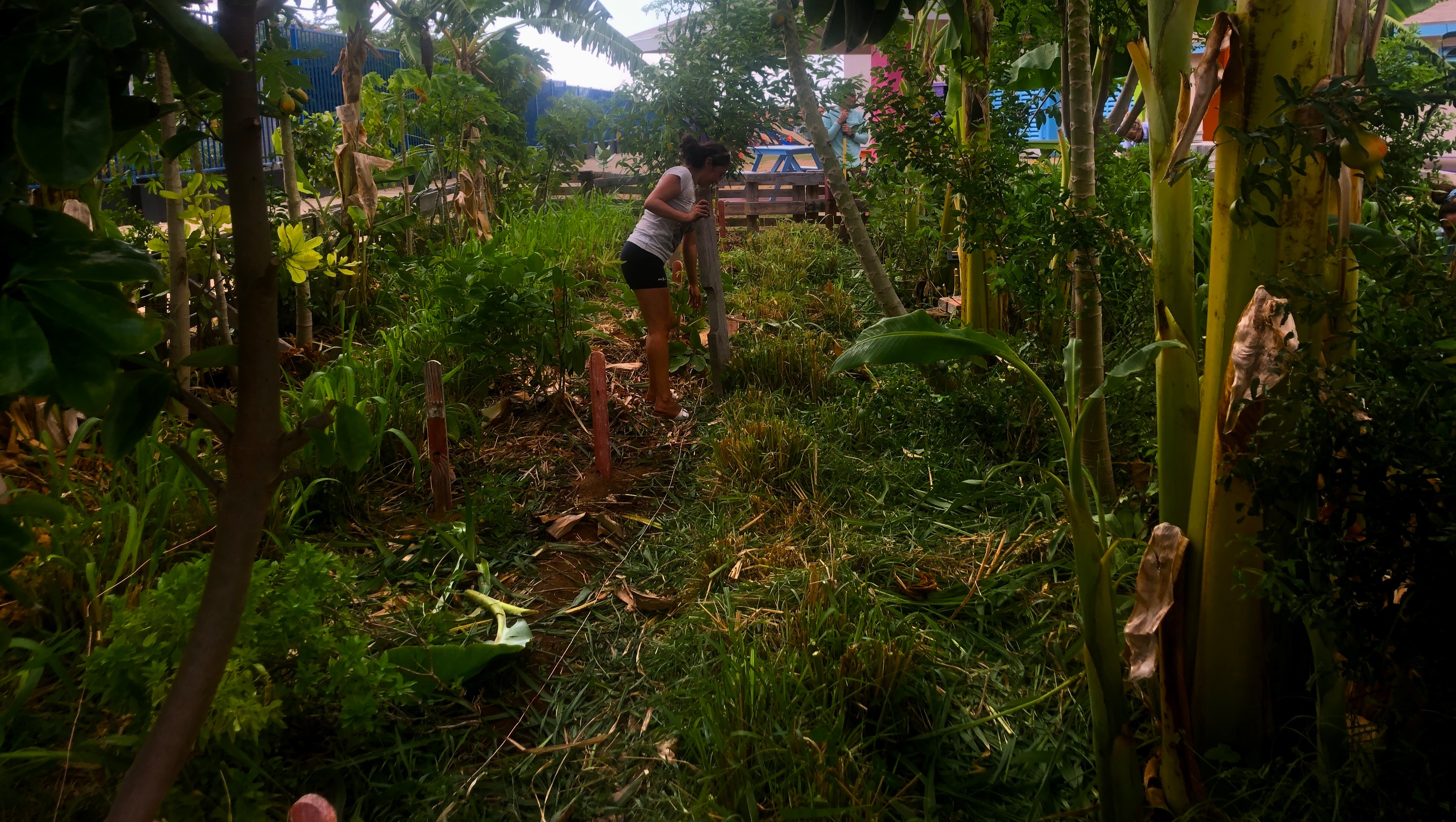
After seven years, the system will be self-sustaining and resilient, producing abundance with minimal intervention. These forests can even withstand droughts due to their natural water retention capacity—a vital feature for Aruba’s arid climate and expensive water supply.
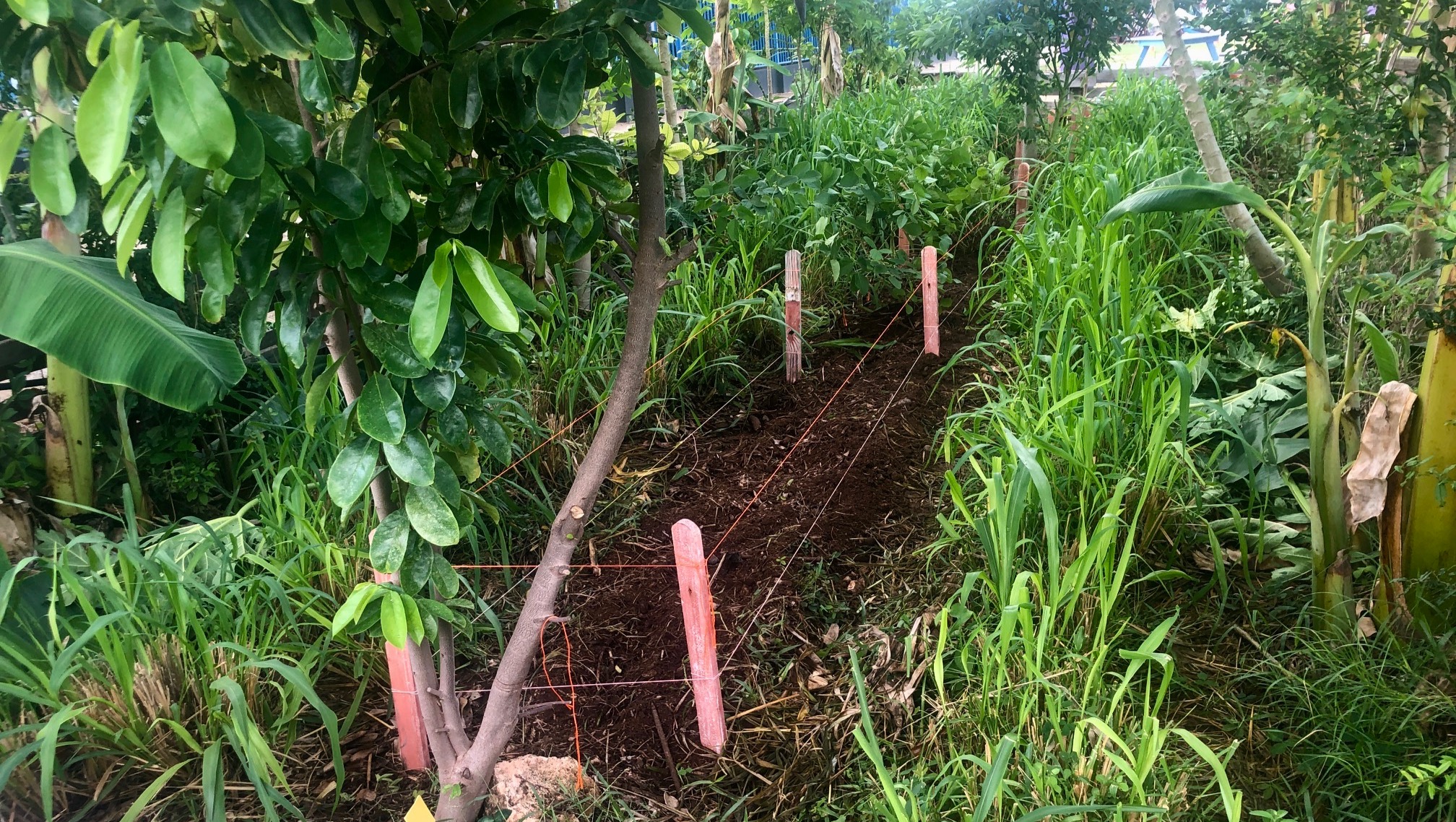
Challenges and the Road Ahead
Turning a savanna into a food forest is not without challenges. Human interference, such as government decisions to repurpose the land for development, is a primary risk. That’s why we will be working with local authorities to ensure the land is protected for future generations.
Additionally, achieving this self-sustaining system doesn’t happen overnight. It requires strategic planning, understanding the cycles of growth, and balancing the interactions between local plant species. Missteps could set us back, but we’re confident in our training, experience, and netwerk collaborations to navigate these complexities.
Collaboration with locals for Sustainability
We are not alone in this journey. We plan to collaborate with local initiatives, scientists, and the government to bring this vision to life. The government has already begun offering incentives, such as tax exemptions for farming products, to encourage local food production an essential step toward reducing dependency on imports.
What We’ve Done So Far
We’ve spent years preparing for this:
- Training in permaculture and organic food growing in Europe.
- Working hands-on to turn degraded land into food forests.
- Water management workshops
- Studied literatuur on food forests and permacultuur
- Researching how to adapt these techniques to Aruba’s unique climate.
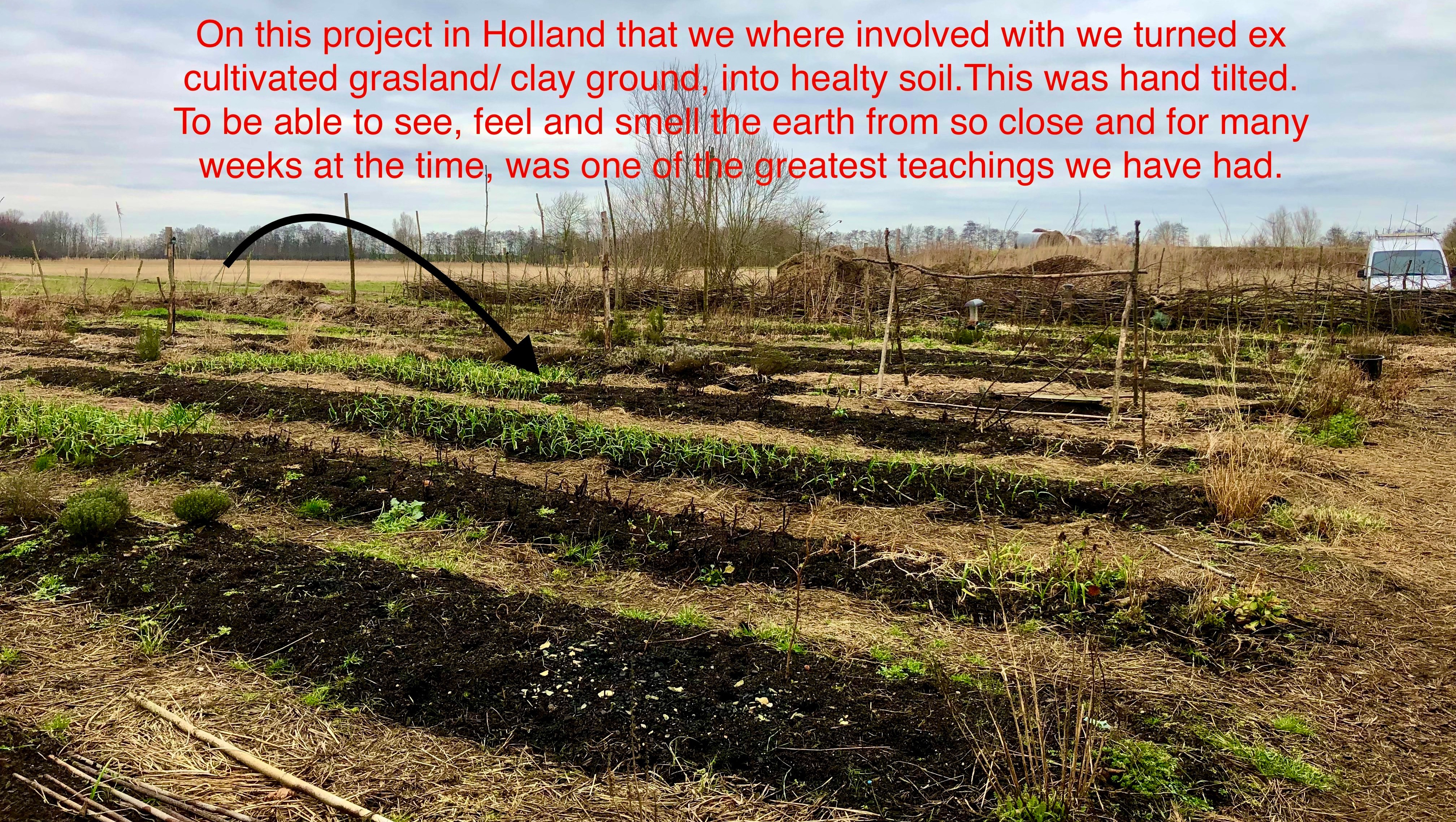
We’ve also deeply studied the island’s history, learning how Aruba’s pre-colonial food forests supported communities. Now, we’re ready to bring that knowledge full circle.
Passing on Knowledge
This isn’t just about growing food—it’s about sharing knowledge. This initiative will be a platform where locals can gain hands-on experience and learn the process.
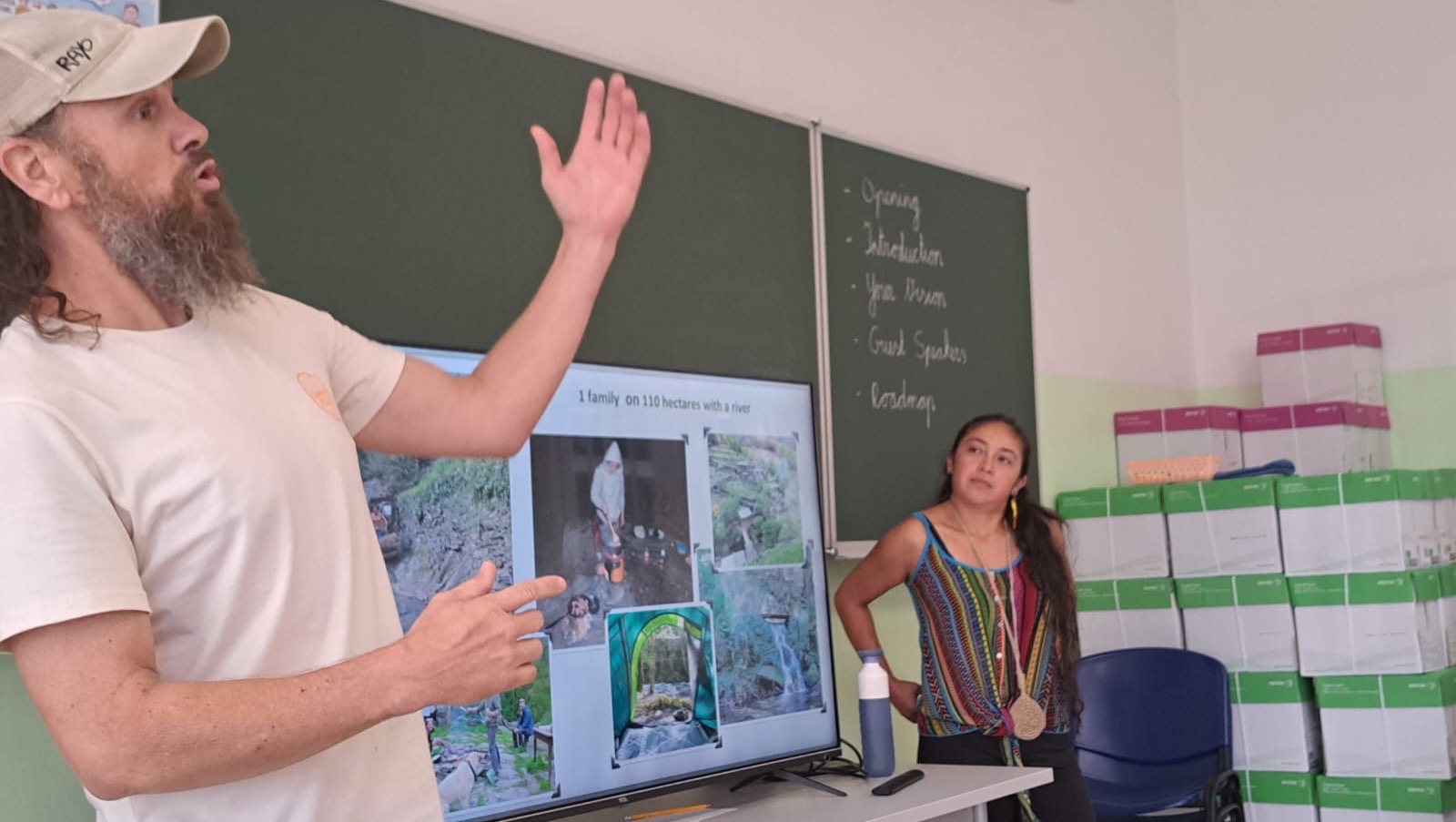
Workshops, volunteer opportunities, and public events will empower the community to take ownership of the project, ensuring its longevity. The food forests will serve as a living example of how to restore land and produce food sustainably.
The Long-Term Vision
Our vision is to create a food forests that not only provides food but also contributes to Aruba’s economic resilience. Studies show that food forests can generate 1.5 times more revenue per square meter with less effort than traditional farming, making them a viable alternative.
In the early stages, we’ll focus on growing food for the local community, but over time, the forests will become a thriving ecosystem. It will inspire resilience, self-sufficiency, and hope for Aruba and the wider Caribbean region.
What We Need
To make this vision a reality, we need:
- To relocate to Aruba to be on the ground for this projects and do research.
- To have the right equipment
- To prepare and regenerate the land for planting.
- To build foundational systems like water retention and soil enrichment.
Our minimum need to cover permanent relocation and critical startup costs is:
€ 15,000.
If we manage to raise more fund we can do even more; like getting specialized gardening tools, data measuring equipment like pH/EC meters, windspeed meters, or machinery like wood chippers, compact tractor and mini diggers. All of these would make our work more efficient and realize many project in a faster pace.
Your contribution will help us take the first steps toward a sustainable future for Aruba.
Join Us
Imagine walking through a flourishing food forest of abundance in Aruba—a place where fruit trees, vegetables, and native plants thrive together. A place where locals reconnect with the land, tourists experience sustainability in action, and the island grows stronger with every harvest.
This dream can’t grow without you. By contributing to this campaign, you’re helping us take steps toward a future where Aruba feeds itself again. Join the Love-O-Lution.
Every donation brings us closer to making this vision a reality. Donate now!
Thank you for being part of this journey.
Rhyan (Rayo) Frigerio & Evelyn (Eve) Kraaijeveld