- d
- G
[English version below]
La maternità è un mosaico infinito di esperienze, composto da tessere dai toni diversissimi, ognuna fondamentale per restituire la complessità del reale.
Eppure, nel comporre questo quadro, alcune sfumature vengono spesso messe da parte perché difficili da incastrare nella narrazione tradizionale.
Tra queste, c'è la voce di chi ha trovato il coraggio di dare un nome a un sentimento profondo: il pentimento per il ruolo di madre.
Non si tratta di mancanza d'amore per i figli, ma di una riflessione profonda sul peso delle aspettative sociali e sulla densità di un ruolo che, a volte, sembra cancellare l'identità individuale.
Con questo progetto fotografico vogliamo aggiungere quella tessera mancante, non per sostituire le altre, ma per rendere il ritratto della maternità finalmente autentico, onesto e profondamente umano.
IL NOSTRO OBIETTIVO
Dopo un lavoro di ricerca e le interviste con le donne che si sono riconosciute in questo sentimento, abbiamo già iniziato a scattare le prime immagini. Ora abbiamo bisogno del tuo aiuto per:
- Acquistare materiali fotografici (collodio, lastre, chimici)
- Affittare studi di posa
- Comprare un nuovo banco ottico (il primo è stato rubato)
- Scansionare e stampare professionalmente le fotografie
- Realizzare i materiali di allestimento
Con il tuo sostegno potremo completare il ciclo di scatti e allestire una mostra che porti finalmente alla luce le voci di tante donne.
Ogni contributo è prezioso!
IL PROGETTO
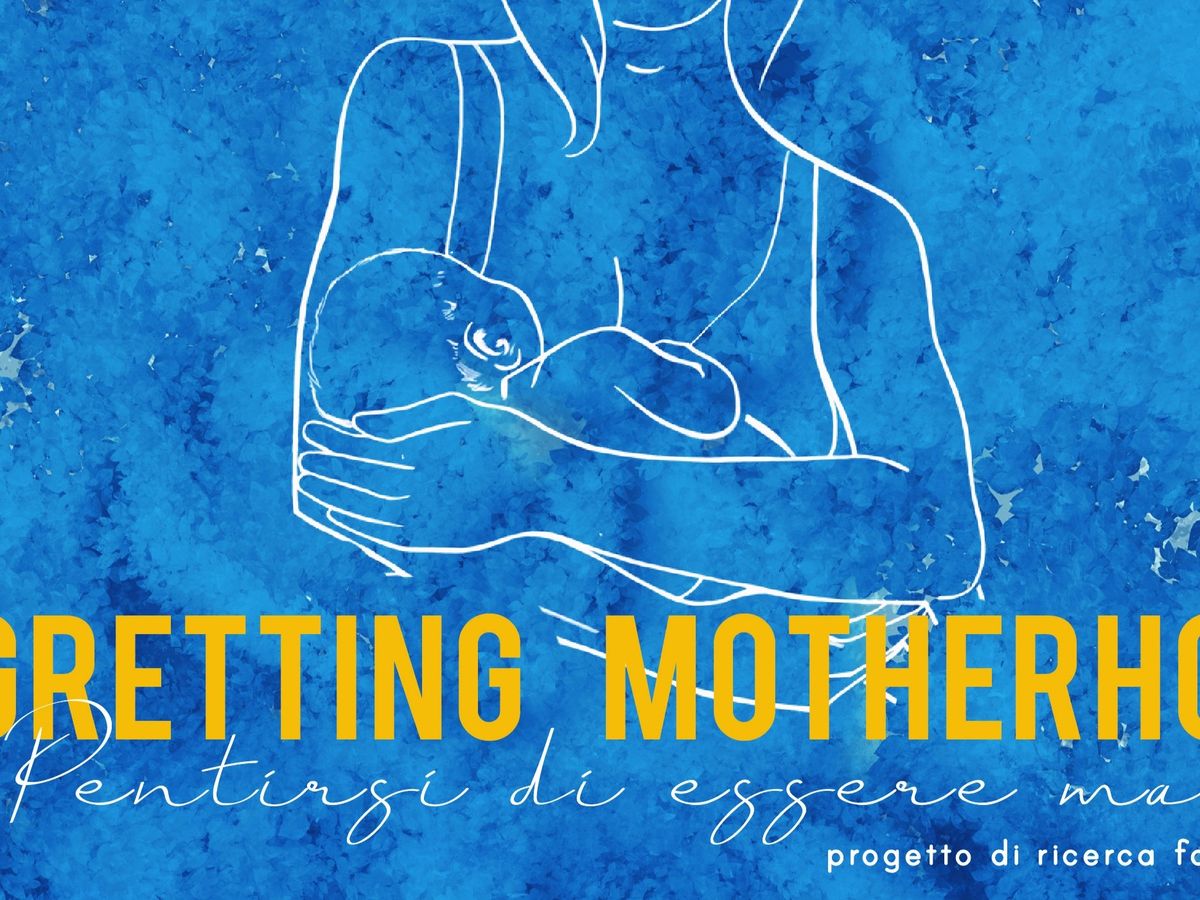
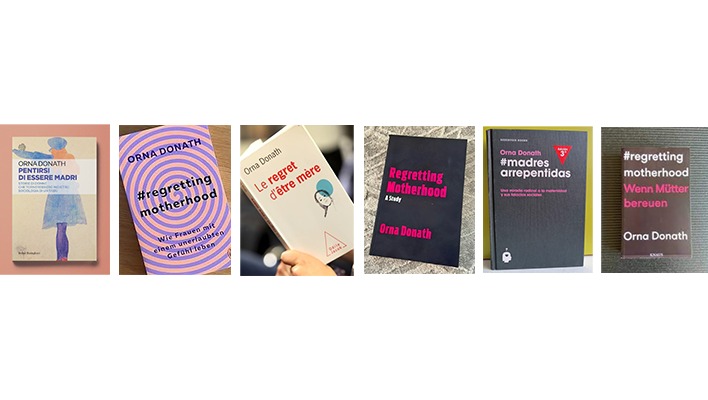
vorrei NON essere madre - la fotografia di un tabù è una ricerca fotografica ispirata allo studio sociologico Regretting Motherhood di Orna Donath.
Non vuole giudicare né dividere, ma offrire uno spazio di confronto e dibattito.
«Invece di chiederci “Possibile che sia vero?”, magari domandiamoci “E se fosse vero, che si fa?”»
- Orna Donath, Regretting Motherhood: a study, 2017
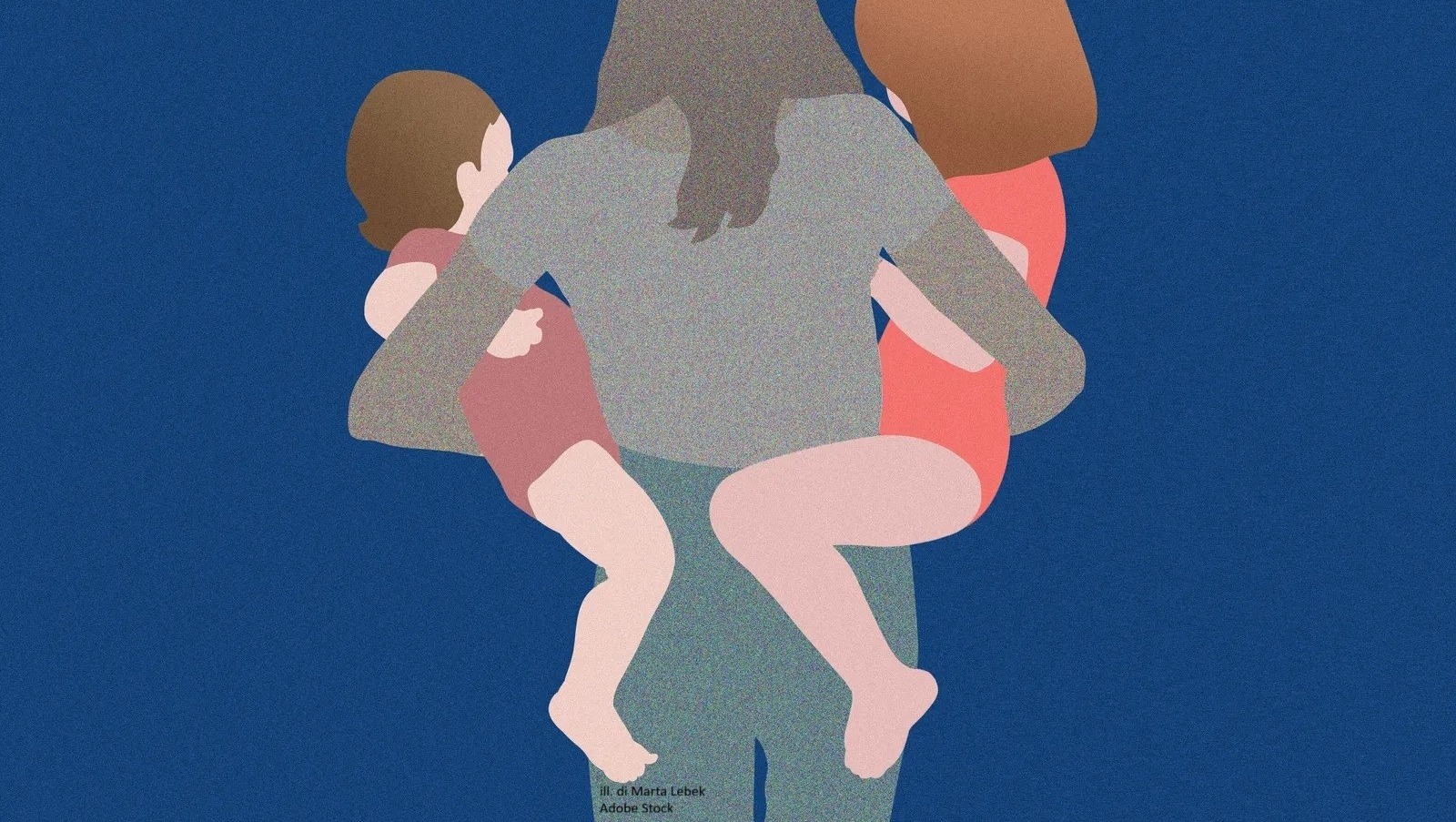
Le donne coinvolte amano i propri figli, ma vivono la maternità come una dicotomia: dono e vincolo, gioia e rimpianto.
Per ritrarle abbiamo scelto la tecnica antica del collodio umido, perché – come la maternità – è irreversibile.
L’immagine che nasce resta. Non si cancella, non si modifica. Non esiste Photoshop.
Esattamente come un figlio.
Sarà un’esperienza audio-visiva: ogni fotografia esposta nella mostra sarà accompagnata da un monologo scritto a partire dalle interviste raccolte, interpretato da attrici professioniste.
In mostra, tuttavia, non vedrete i volti delle donne che hanno partecipato alla ricerca fotografica. Abbiamo scelto di tutelare il loro anonimato per mettere più a fuoco la sostanza: l’assenza dei tratti somatici permette alla storia di emergere con più forza, svincolandola dal singolo individuo per farla diventare universale.
Vogliamo portare questo lavoro in giro per l’Italia per aprire un dialogo sincero e inclusivo su un tema che tocca tutti come Società.
CHI SIAMO
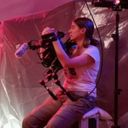
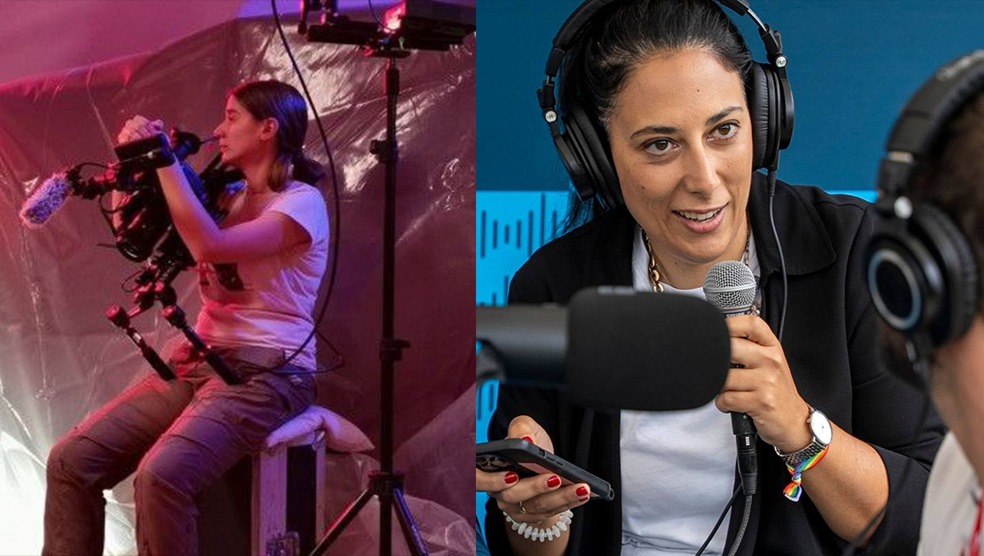
Siamo Martina Acazi, regista e fotografa professionista, docente all’Istituto ISFAV di Padova, e Livia Rodà, creativa e consulente di comunicazione culturale, fondatrice di Advista Studio. Due professioniste unite dal desiderio di dare voce a un tabù per creare nuovi scenari di responsabilità collettiva.
COME USEREMO I FONDI
- Materiali fotografici, come tutte le chimiche di sviluppo (collodio in primis) e le lastre di vetro: 1.200 €
- Affitto studi di posa, per set e luci e supporto di colleghi specializzati: 800 €
- Nuovo banco ottico, per poter avere maggiore libertà di movimento e una migliore organizzazione logistica: 1.500 €
- Scansioni e stampe professionali, per l’organizzazione e la costruzione fisica della mostra: 600 €
- Cornici artigianali: 400 €
- Comunicazione e materiali espositivi: 500 €
Obiettivo ottimale: 5.000 €
LA TECNICA DEL COLLODIO UMIDO
Immagina di voler fare una fotografia prima che esistessero i rullini o i sensori digitali odierni.
Il collodio umido è proprio uno dei primi modi, ottocenteschi, di “fermare” un’immagine, di scattare una fotografia, di scrivere con la luce.
In parole semplici, è una tecnica fotografica in cui la foto nasce su una lastra di vetro o di metallo (noi useremo il vetro), preparata a mano, pochi minuti prima dello scatto.
Più precisamente:
1. Si prepara la lastra: si ricopre la lastra con un liquido appiccicoso (il collodio). È un gesto manuale, quasi artigianale, come stendere una vernice. La lastra deve restare bagnata, funziona solo finché è umida! La lastra viene poi immersa nel nitrato d'argento, per renderla sensibile alla luce.
2. Si scatta la fotografia: la lastra viene messa nella macchina fotografica. Con l'aiuto di lampade molto luminose, si toglie il coperchio dell'obiettivo e si fa passare la luce per un tempo più o meno lungo. La lastra sta catturando l'immagine!
3. Si sviluppa subito l’immagine: subito dopo lo scatto, la lastra viene sviluppata a mano. L’immagine appare lentamente, quasi come per magia, direttamente sul vetro o sul metallo. Viene poi lavata e fatta passare in altre chimiche per poterla fissare per sempre sulla lastra.
Il risultato non è una foto “perfetta” come quelle a cui siamo abituati oggi.
Ma è un’immagine unica, non riproducibile, spesso con imperfezioni: macchie, bordi irregolari, segni del tempo e del gesto umano. Proprio queste imperfezioni rendono ogni fotografia irripetibile.
Proprio come l'esperienza della maternità: imperfetta, irregolare, umana, personale e unica.
Il collodio umido non è solo una tecnica, ma un’esperienza:
richiede lentezza, presenza, attenzione. Chi viene fotografato partecipa davvero al processo, perché deve fermarsi, aspettare, stare con sé stesso.
Per questo oggi riesce a restituire immagini molto intense, intime e fuori dal tempo, dove la fotografia non è solo un’immagine, ma un incontro.
PERCHÉ SOSTENERCI
Ogni contributo, anche piccolo, ci aiuta a portare avanti un progetto che può cambiare la narrazione della maternità. Partecipa, condividi, racconta insieme a noi un’altra faccia della maternità: quella che esiste, ma spesso non si vuole guardare.
Per approfondire o entrare in contatto:
Grazie di cuore!
Martina & Livia
[ ENGLISH VERSION ]
Motherhood is an infinite mosaic of experiences, made up of tiles in vastly different tones, each one essential to conveying the complexity of reality.
Yet, in composing this picture, some nuances are often set aside because they are difficult to fit into the traditional narrative.
Among them is the voice of those who have found the courage to name a profound feeling: regret about the role of being a mother.
This is not a lack of love for one’s children, but rather a deep reflection on the weight of social expectations and on the density of a role that, at times, seems to erase individual identity.
With this photographic project, we want to add that missing tile—not to replace the others, but to make the portrait of motherhood finally authentic, honest, and deeply human.
OUR GOAL
After extensive research and interviews with women who identified with this feeling, we’ve already begun capturing the first images.
Now we need your help to:
- Purchase photographic materials (collodion, plates, chemicals)
- Rent studio spaces
- Buy a new large format camera (our first one was stolen)
- Professionally scan and print the photographs
- Create exhibition display materials
With your support, we can complete the photo series and set up an exhibition that finally brings the voices of many women into the light.
Every contribution matters!
THE PROJECT
I wish I WEREN’T a mother – photographing a taboo is a photographic research project inspired by the sociological study Regretting Motherhood by Orna Donath.
It doesn’t aim to judge or divide, but to offer a space for dialogue and reflection.
“Instead of asking ‘Can this really be true?’, maybe we should ask, ‘And if it is true, what do we do about it?’”
— Orna Donath, Regretting Motherhood: A Study, 2017
The women involved love their children, but experience motherhood as a dichotomy: both gift and constraint, joy and regret.
To portray them, we chose the ancient wet collodion technique — because, like motherhood, it is irreversible.
The image that is created remains. It cannot be erased or altered. There is no Photoshop.
Exactly like a child.
It will be an audio-visual experience: each photograph displayed in the exhibition will be accompanied by a monologue written from the collected interviews and performed by professional actresses.
However, in the exhibition you will not see the faces of the women who took part in the photographic research. We chose to protect their anonymity in order to focus more clearly on the essence: the absence of facial features allows the story to emerge more powerfully, freeing it from the individual and allowing it to become universal.
We want to bring this work across Italy, to open an honest and inclusive dialogue around a topic that touches us all as a society.
WHO WE ARE
We are Martina Acazi, director and professional photographer, lecturer at ISFAV Institute in Padua, and Livia Rodà, creative and cultural communication consultant, founder of Advista Studio.
Two professionals united by the desire to give voice to a taboo and create new possibilities for collective responsibility.
HOW WE’LL USE THE FUNDS
- Photographic materials, including development chemicals (especially collodion) and glass plates: €1,200
- Studio rental, including lighting and technical support: €800
- New large format camera for better mobility and logistics: €1,500
- Professional scans and prints for organizing the exhibition: €600
- Handcrafted frames: €400
- Communication and exhibition materials: €500
Optimal goal: €5,000
THE WET PLATE COLLODION TECHNIQUE
Imagine taking a photograph before film rolls or today’s digital sensors even existed.
Wet plate collodion is one of the very first, nineteenth-century ways of “freezing” an image—of taking a photograph, of writing with light.
Simply put, it is a photographic technique in which the image is created on a glass or metal plate (we will use glass), prepared by hand just a few minutes before the shot.
More precisely:
1. Preparing the plate: the plate is coated with a sticky liquid (collodion). This is a manual, almost artisanal gesture, like spreading varnish. The plate must remain wet—it only works while it is still damp. The plate is then immersed in silver nitrate to make it sensitive to light.
2. Taking the photograph: the plate is placed inside the camera. With the help of very bright lamps, the lens cap is removed and light is allowed to enter for a longer or shorter amount of time. The plate is capturing the image.
3. Developing the image immediately: right after the exposure, the plate is developed by hand. The image slowly appears, almost like magic, directly on the glass or metal. It is then washed and passed through other chemicals to permanently fix it onto the plate.
The result is not a “perfect” photograph like those we are used to today.
Instead, it is a unique, non-reproducible image, often marked by imperfections: stains, irregular edges, traces of time and of the human hand. It is precisely these imperfections that make each photograph unrepeatable.
Just like the experience of motherhood: imperfect, irregular, human, personal, and unique.
Wet plate collodion is not just a technique, but an experience.
It requires slowness, presence, and attention. Those who are photographed truly take part in the process, because they must stop, wait, and stay with themselves.
For this reason, it is still able today to produce images that are deeply intense, intimate, and timeless—where photography is not just an image, but an encounter.
WHY SUPPORT US
Every contribution, even a small one, helps us move forward with a project that could change the narrative around motherhood.
Join us, share, and help tell another side of motherhood — the one that exists, but is often ignored.
To learn more or get in touch:
[email redacted]
Thank you from the bottom of our hearts!
Martina & Livia
Organizer