
- K
- S

Hi, my name is Anastasia, and I’m reaching out to ask for your help so my mom can get her life back, as she is currently facing a serious, debilitating disease and sadly, Canada’s healthcare system has left us with no choice, but to seek surgery abroad. Because of such long wait times and the lack of specialized surgeons here, she is unable to get the care she desperately needs in a timely manner. These delays have caused the disease to spread, fusing her organs together, resulting in chronic daily pain, fatigue, nausea, gastrointestinal issues and has now significantly impacted her mobility, ability to lift anything and sit upright, forcing her to spend most of her time in an almost fully-reclined position.
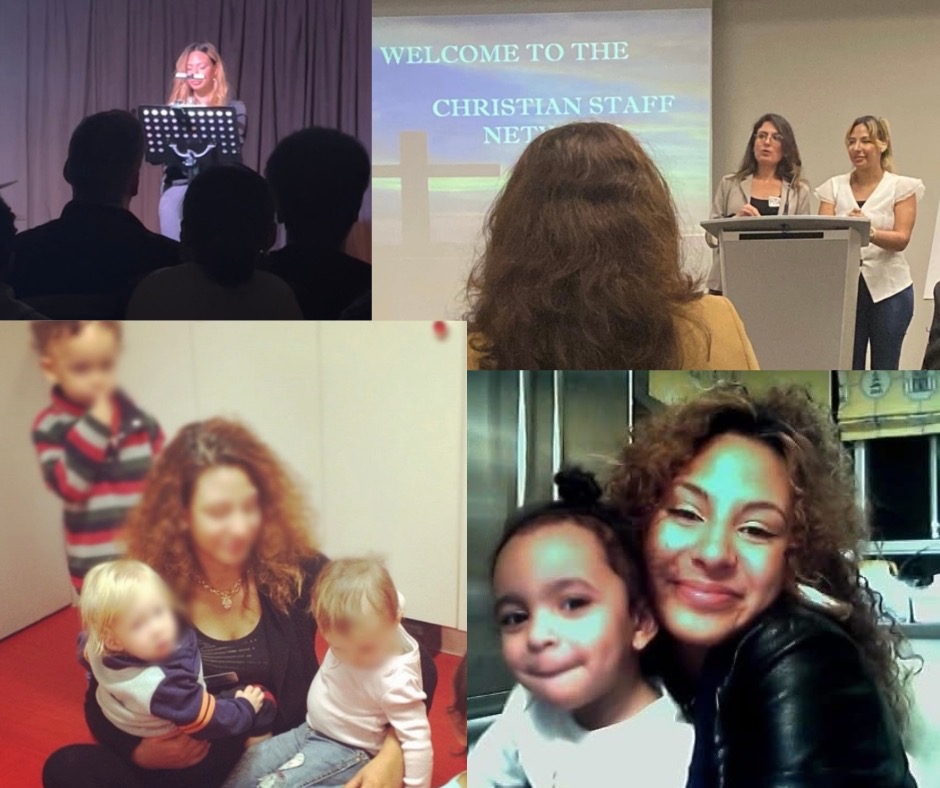
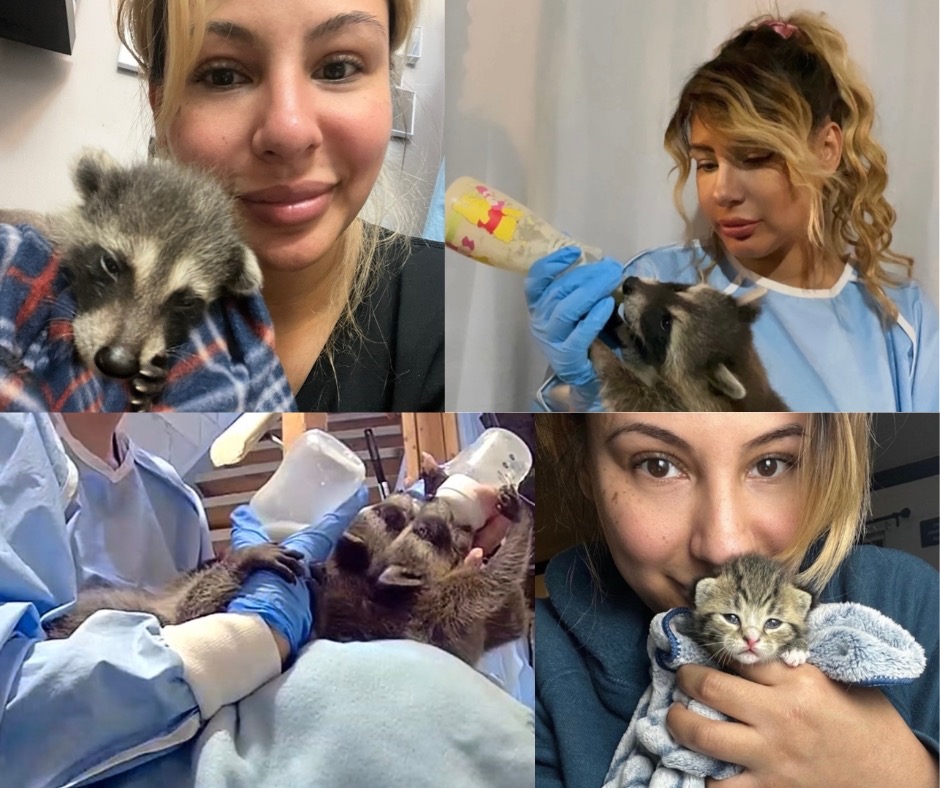
If you know my mom, you know how generous, strong and big-hearted she is. She has always put others before herself, including injured, orphaned and recovering animals in need, and she never hesitates to support the people around her. Even while living with multiple health issues, my mom continued to push herself to show up for me and others, but recently she’s reached a point where she simply can’t anymore. She has given so much of her time volunteering for various causes—from sharing her testimony across the federal government, to running an online ministry for mental health, to helping with a Bible study for the Public Service Christian Fellowship, and serving in children’s ministry. Also, beyond rehabilitating animals in need, she also contributes behind the scenes, creating social media content and doing the graphic designs for various fundraisers. She has done all of this freely, never asking for anything in return, but has unfortunately had to put everything on hold due to her health.
I am currently a full-time university student, balancing my coursework, while also being my mom’s primary caregiver. Because of the chronic pain she lives with & reduced mobility, I’ve taken on the responsibility of managing our household, including cooking, cleaning, laundry, running errands and caring for my mom and our pets.
The cost of this journey is estimated to be between $25,000 and $35,000. If her lungs and diaphragm are affected, this would add an additional $7,000–$14,000—something her respirologist mentioned years ago as a possibility, but which she never considered until the pain started travelling up her rib cage. There will also be additional costs related to any nerve involvement, which is very likely. Also, while she will need to stay for at least two weeks, if her bowels are significantly impacted and she requires a colostomy bag, she will have to stay for four to six weeks, further increasing the overall cost. While the surgeon has indicated significant disease, with suspicion of bowel involvement, imaging can only provide a general picture of what may be affected. Thus, the full extent of the disease will not be known until the actual surgery, since the disease often hides behind organs.
She has tentatively booked surgery for the end of March, in hopes that everything will come together in time. However, since my mom has been on extended sick leave and is also financially supporting me as a full-time university student, she has to apply for a loan to cover the majority of these expenses. She has been adamant about “figuring this out on her own,” but my mom is also someone who doesn’t like to ask for help—unless it’s for animal rescue, of course lol. So I’m really hoping we can come together to help reduce this financial burden on her.
Any funds raised will go directly toward surgical and hospital fees, pre-operative testing, medications, required post-operative supplies, travel insurance (regular insurance is void when travel is for medical purposes), accommodations, the rental of a specialty reclining wheelchair, transportation, food, and hired support, as she will be on her own for most of her stay.
My mom has spent so much of her life caring for others, so now I’m asking for help for her. If you feel led to donate, share this fundraiser, or simply keep us in your thoughts and prayers, it would mean more than I can express. I’ve asked my mom to share more details below. Thank you so much for taking the time to read our story and for supporting us during this incredibly difficult time.
HER STORY:
Over the past several years I have experienced multiple ongoing physical health issues, however despite these challenges, I was able to manage my symptoms and push through for a time. In particular, I have experienced extremely painful periods and heavy bleeding for most of my life, resulting in chronic anemia. Doctors often dismissed my pain and said that they were just “bad periods”. As the years went by, the pain started to become unbearable. I generally have a very high pain tolerance, however this pain was literally worse than labour contractions and it got to the point that I was taking about 8 extra strength advils, at a time, to no avail –it wasn’t until this point, that my doctor prescribed much stronger pain medication, which had helped for while.
After seeing multiple specialists, I was finally diagnosed with endometriosis in 2022, on the basis of my symptoms & was simply advised to go on birth control to mitigate my symptoms. However after doing extensive research and listening to the top specialists, I realized that the gold standard treatment is actually excision surgery, which is the removal of the diseased tissue growth.
Due to extensive wait times, it wasn’t until this August that I was finally able to have imaging done by a specialist in this area, as previous ultrasounds failed to identify any disease. The radiologist himself –specializing in endometriosis- conducted the ultrasound and identified significant disease, along with multiple fibroids and cysts. The imaging also appeared to show adhesions, meaning that some of my organs are actually fused together, with possible involvement of my bowels.
Because I have had to wait 4-6 months between specialist appointments, diagnostics, and follow-ups, the disease has significantly progressed. I went from experiencing severe pain, mostly isolated to my period, with some milder cramping in between, to living with chronic, debilitating pain on a daily basis. I am now unable to sit for more than 30 minutes and must remain in a reclined position to reduce any pressure on my pelvic nerves. I cannot lift anything or walk for extended periods, without triggering sharp, stabbing pains. At times, the pain is so intense that it feels as though something is literally ripping inside me. This is likely because the abnormal tissue binding my organs together becomes inflamed and swollen, which increases the pulling and stretching of surrounding organs and nerves, with just the slightest movement. Additionally, I experience daily nausea, gastrointestinal issues and am barely able to eat. Not only has the pain intensified, but it has also become more widespread, travelling up the sides of my rib cage, into my groin, legs, rectum and back. As a result, this has severely impacted my ability to walk and has dramatically reduced my overall quality of life.
ABOUT THE DISEASE
Endometriosis is when abnormal tissue, similar to the one inside the uterus’ lining, grows outside of the uterus. Adenomyosis involves the same abnormal tissue growth, but instead grows into the muscular wall of the uterus. The former affects 1 out of every 10 women, and on average takes 5-10 years to be diagnosed. You may know someone with it, or even have it yourself. However, the disease itself can present itself in many ways and it is not a one-size-fits-all. Some women have no symptoms and only discover it due to fertility issues; while some may just have bad cramps during their period and/or heavy bleeding; and then others experience daily, debilitating, pain, with additional symptoms ranging from chronic diarrhea, nausea, fatigue, urinary issues, immobility, and even lung collapses. The severity of symptoms is not based on stage, but often on where it is located and the amount of adhesions. For example, one woman may have stage IV endometriosis, and have little to no symptoms, while another woman may only have stage I endo, but have debilitating symptoms because it is located on, or near, very sensitive nerves, and/or has caused organs to fuse together. The disease can spread to multiple organs throughout the body, ranging from the bowels, ovaries, bladder, liver, diaphragm, lungs, etc. It has even been found in the brain, eyes, and more recently in a woman’s wrist.
This abnormal tissue growth behaves like the uterine lining — it swells, becomes inflamed, and bleeds during your menstrual cycle. However, unlike the uterine lining, this blood has nowhere to drain, so it becomes trapped in the surrounding tissue. This trapped blood increases pressure, worsens inflammation, and contributes to the formation of adhesions and scar tissue, which perpetuate ongoing inflammation.
These adhesions are stiff and cannot stretch normally. As a result, even small movements can pull on inflamed areas, tugging on surrounding organs and nerves. This is why basic activities such as sitting, standing, walking, or lifting can trigger pain that is no longer limited to your menstrual cycle. Additionally, long-standing inflammation can make pelvic nerves more sensitive and over-reactive. This process, called nerve sensitization, means that even mild exertion or normal daily activities can provoke severe and persistent symptoms.
The disease is progressive, and unfortunately there is currently no cure. While many people are led to believe that treatments such as birth control, hysterectomy, or ablation will cure the condition, these approaches do not remove the disease itself (with the exception of adenomyosis, which is confined to the uterus). Recent research has revealed that these lesions actually produce their own estrogen supply, which is what fuels the growth, so suppressing the ovaries production via birth control, may help symptoms but does not stop the disease.
This is why the top leading specialists agree that thorough excision surgery is considered the gold standard treatment. This procedure involves a surgeon carefully identifying and removing as much diseased tissue as possible, if not all, while also separating any organs that have become tethered together. The goal is to reduce inflammation, relieve pain, and restore normal movement and function of the affected organs.
WHY SO MANY CANADIANS ARE TRAVELLING FOR SURGERY ABROAD
While I have been placed on a surgical waitlist here, the estimated wait is another six months. During this time, the disease will likely continue to progress and cause further damage. Fearing what state my body may be in if I wait any longer, I joined multiple support groups from around the world, including several Canadian-based communities. After reading through so many women’s experiences, I realized this is a widespread issue in Canada, and hundreds of women have had to seek treatment abroad.
These extensive wait times allow the disease to progress, often causing irreversible damage. This can result in lost fertility, severe adhesions, a shift from cyclical to daily pain, hypersensitive nerves, and unbearable pain. As the disease advances, it can cause bowel narrowing or full obstruction, bladder dysfunction, chronic inflammation, and spread to other organs (such as the kidneys, bladder, lungs, diaphragm, and pelvic nerves), often causing damage and organ loss. This is why endometriosis has recently been recognized as a full-body inflammatory disease in the USA and is no longer considered a gynecological condition.
Another reason so many women are going abroad is due to the lack of skilled excision specialists, which is largely due to inadequate training, limited OR time and funding. While there are a few skilled excision specialists in Canada, their wait times are much longer. After listening to the top specialists and talking to countless women all over the world, I realized how critical it is to have a highly skilled excision specialist -this isn’t your typical OBGYN, but a surgeon who solely works on excision surgeries, performing hundreds a year. This is because despite good intentions, many general surgeons fail to identify and remove all of the diseased tissue. As a result, this often leads to rapid recurrence of the disease and is often the reason that so many women have had to undergo countless surgeries.
More importantly, with each additional surgery, the procedure becomes much more difficult. Surgeons must contend with fibrosis and adhesions from previous operations, altered blood supply, nerves embedded in scar tissue, and organs fixed in abnormal positions. These changes can distort—or even destroy—the original tissue planes that surgeons rely on, making the surgery far more complex and patient recovery more challenging. This is why it’s critical to work with an experienced excision surgeon who performs a high volume of these procedures, as they are more likely to locate affected organs and remove most—if not all—of the diseased tissue, reducing the likelihood of recurrence or at least extending the time before it returns.
Additionally, many inexperienced surgeons are unprepared for the full extent of multi-organ involvement discovered during surgery. This often results in patients having to be placed on additional waitlists for follow-up procedures, as specialists may be required—for example, a colorectal surgeon for bowel involvement or a thoracic surgeon for lung involvement. As mentioned earlier, while imaging can provide a general picture of the disease, it doesnt always pick up everything, especially any microscopic lesions. However, many specialized centers abroad use more advanced equipment and modern techniques. For instance, while Canada has the Da Vinci robot, few surgeons are trained or experienced enough to use it effectively. This system provides higher magnification, better visualization, and greater range of motion, enabling surgeons to detect microscopic disease, address nerve involvement, remove more diseased tissue, preserve healthy tissue, and improve fertility outcomes.
After reviewing multiple surgeons worldwide, I narrowed my choices to those with the most experience, highest success rates, and shortest wait times. While my first choices were in the U.S., the surgical fees alone were astronomical. This left Greece, Mexico, and Romania as realistic options. Despite initial hesitation about traveling abroad, I ultimately felt a strong sense of peace choosing Romania. Being part of a Facebook support group of nearly 2,000 Canadian women who sought treatment at the Bucharest Endometriosis Centre further reassured me. Many had initially tried surgery in Canada, but achieved far better outcomes in Romania.
The center performs hundreds of surgeries each year, and the lead surgeon is accredited as a Master Surgeon in Endometriosis by the Surgical Review Corporation, a globally recognized institution dedicated to improving surgical outcomes and patient safety. He is also accredited by the International School of Neuropelveology (ISON), an international organization for advanced pelvic nerve surgery—which is rare among general gynecologists. These qualifications allow the center to offer advanced procedures, such as presacral neurectomy or pudendal nerve decompression, which can be life-changing for patients like me who struggle with sitting or walking. My local surgeon confirmed these procedures are not typically available here.
The Bucharest team also has a multidisciplinary surgical team and thoroughly inspects all potential areas of disease, including the bowels, bladder, kidneys, lungs, diaphragm, etc. If another organ is affected, it can be addressed immediately—unlike in Canada, where unexpected findings that require a specialist often mean booking a separate surgery, since hospitals are typically not equipped for these cases.
Based on extensive research, listening to top specialists, and conversations with other women, I believe this is my best chance to regain a decent quality of life and significantly reduce the risk—or at least delay the recurrence—of the disease.
I am deeply grateful for any support, whether through a donation, sharing this page, keeping me in your prayers, or simply reading my story. Every bit truly makes a difference, and I cannot express how much it means to me.
If you’d like to learn more, please click on the following links:
ARTICLES:
https://infotel.ca/newsitem/delay-in-diagnosis-sends-kelowna-woman-to-europe-for-surgery-and-shes-not-only-one/it88763
https://www.medscape.com/viewarticle/gynecologic-surgery-delayed-3-years-canada-2025a1000iev?form=fpf
Organizer and beneficiary
Marie Rose
Beneficiary